

The most visited history museum in America now has a sign problem. On July 24, 2026, President Donald Trump signed an executive order directing the National Park Service to install warning signs along the public sidewalks and walkways outside the Smithsonian’s National Museum of American History, alerting every approaching visitor that the exhibits inside contain, in the administration’s view, “inaccurate information.”
The museum draws just under two million visitors a year. They come to see the Star-Spangled Banner, the original Kermit the Frog, the gowns of First Ladies. Before they reach the doors, the federal government wants to intercept them with signage disputing what they are about to see inside.
The warning signs are the latest move in a pressure campaign that began in March 2025, built through the summer of 2026, and escalated to a point that historians say has no real precedent in the institution’s 62-year history.
The Executive Order and What It Actually Says
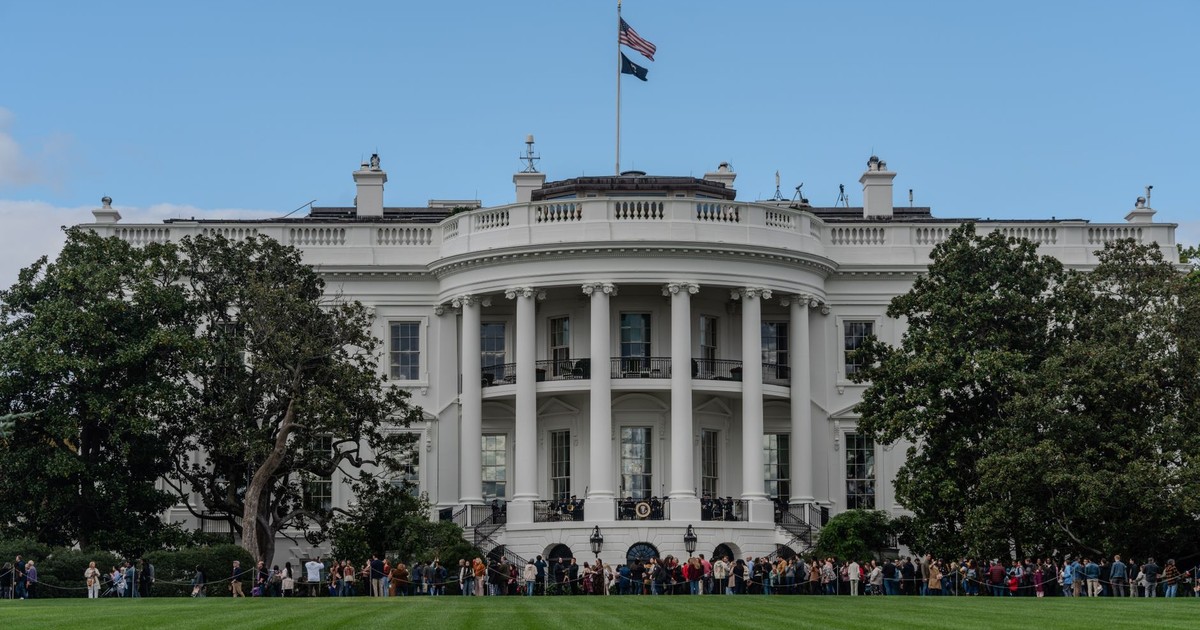
CNN reports that Trump ordered the National Park Service to install temporary signage near the Smithsonian’s National Museum of American History, warning of what the administration views as “inaccurate information” presented in the institution’s exhibits. The executive order demands that NPS, which controls the sidewalks outside several Smithsonian museums along the National Mall, install signs promoting a White House report that denigrated exhibits at the National Museum of American History.
The order says the signage “shall notify visitors that the Museum exhibits should be renovated consistent with the findings” in the report and directs them to “locations and resources for accurate information” about the country’s history. The signs would not merely warn. They would redirect, point people elsewhere, and suggest that the building they are about to enter cannot be trusted.
Trump wrote in his order that “Smithsonian leadership does not present American history as a shared national inheritance to be taught and celebrated, but instead views American history as a ‘prime tool’ to advance ideas of social justice and the radical transformation of our society.” He wrote that the leadership of both the institution and of the museum “cannot be trusted to tell America’s story with honesty and gratitude.”
Trump directed Interior Secretary Doug Burgum to work with the National Park Service to place the signs along the NPS-maintained sidewalks and walkways along the National Mall used by the public to access the museum. The Park Service controls the sidewalks outside several Smithsonian museums along the mall. The Smithsonian is a quasi-independent federal institution. Its buildings belong to it. But the concrete between the curb and the front door belongs to the National Park Service, and the White House controls the NPS.
How This Moment Was Built: The 16-Month Escalation
In March 2025, Trump signed an executive order that vowed to strip federal funding from Smithsonian programs that present what he viewed as “improper, divisive, or anti-American” ideology. That order named Vice President JD Vance and tasked him with scrubbing what it called “anti-American ideology” from federal cultural institutions.
Through the rest of 2025, the pressure ratcheted up. The administration accused the Smithsonian of operating “under the influence of a divisive, race-centered ideology” and directed the institution to eliminate exhibits or programs that “degrade shared American values.” The White House sent a letter accusing the Smithsonian of slow-walking previous information requests and providing only cursory details about its programming and future exhibition plans.
Then came July 4, 2026, timed with deliberate symbolism to the nation’s 250th birthday. The White House issued a report titled Saving America’s Story, accusing the Smithsonian of “extreme political activism” and calling for sweeping changes to its programming and leadership.
The White House Domestic Policy Council argued the National Museum of American History had been captured “by a radical, activist ideology” intent on undermining “the noble, honest story of the great country we know and love.” The document condemned as anti-American historically accurate displays that detail national shortcomings, including the fact that many Founding Fathers were slaveholders, and that the notoriously racist 1882 Chinese Exclusion Act was shaped by white supremacism.
Museum director Anthea Hartig is mentioned 229 times in the report, and is criticized for including a transgender child’s diary in a 2020-23 exhibit on girlhood and for correctly noting that Black girls are suspended from school six times more often than white girls.
The report also accused the museum of “anti-White activism,” “illegal alien activism,” and “transgender activism.”
The Congressional Hearing
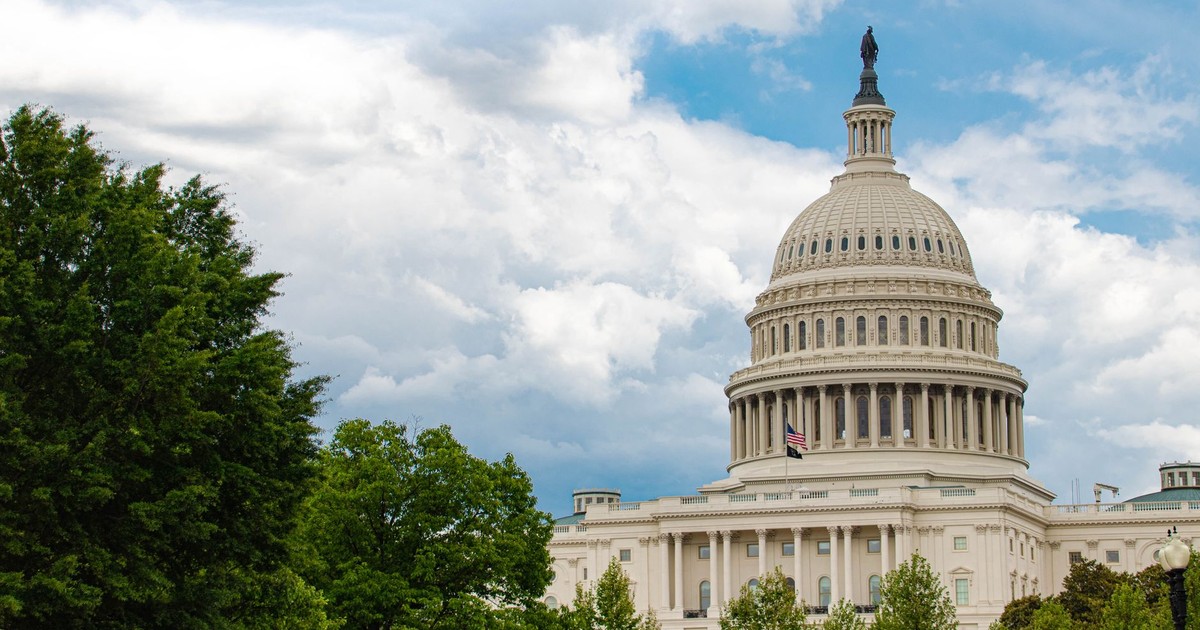
Three weeks after the July 4 report dropped, National Museum of American History director Anthea Hartig was brought before a hearing titled “Rewriting American History: Examining the Smithsonian’s Efforts to Reshape the Past,” held by an Oversight and Government Reform subcommittee on July 21, 2026.
NPR reported that the hearing was held by the House’s Subcommittee on Delivering on Government Efficiency, a branch of DOGE chaired by Rep. Tim Burchett (R-Tenn). According to ABC News, Hartig defended the museum’s work amid sharp criticism from the White House. “Our work is governed by the Smithsonian standards of scholarship, accuracy, independence, and nonpartisanship,” Hartig said. “The museum does not take sides in America’s political debates.”
Hartig was grilled over her patriotism and dedication to country. She said the White House report “does not fairly characterize the full body of work of this museum.” Under questioning from GOP lawmakers she reaffirmed her allegiance to her country multiple times, at one point answering, “I love this country unconditionally.”
Hartig’s testimony marked the first time that a top leader at the Smithsonian has been publicly grilled by Congress after Trump targeted the institution in his March 27, 2025 executive order, “Restoring Truth and Sanity to American History.”
David Blight, Sterling Professor of American History at Yale University, appeared at the same hearing alongside Heritage Foundation fellow Mike Gonzalez, who supports the administration’s position. The hearing’s witness list illustrated the split: on one side, the scholarship community; on the other, the conservative policy infrastructure that produced the July 4 report.
What the Smithsonian Actually Contains

The National Museum of American History is not a small or fringe operation. The museum opened to the public in 1964 as the National Museum of History and Technology, adopting its current name in 1980. It was the sixth Smithsonian building on the National Mall. The building spans approximately 750,000 square feet and is a national historic landmark. It received 2.1 million visits in 2024.
Its collection includes the original Star-Spangled Banner, Julia Child’s kitchen, Alexander Hamilton’s handwriting, and artifacts spanning the entirety of American military history. The administration’s July 4 report focused heavily on specific exhibits it objects to: a sculpture of the Statue of Liberty holding tomatoes instead of a torch, a Title IX display referencing transgender athletes, a description of the Pledge of Allegiance as a tool of “American nationalism.”
Some of the items on the White House list are not part of the museum’s current collections, a fact that suggests the report was compiled from historical exhibition records and planning documents rather than a current walkthrough of the building. The administration has scrutinized both existing exhibits and future programming plans at the museum.
The Smithsonian has said its work “is driven by scholarship, accuracy and an uncompromising commitment to tell the fullness of America’s story,” and that the institution remains “focused on a steadfast commitment to scholarship, nonpartisanship, independence, accuracy, and integrity.”
The Precedent Problem
Samuel J. Redman, a history professor at the University of Massachusetts Amherst who has written extensively on the Smithsonian’s history, put the situation plainly: “I cannot recall a single instance where exhibits have been directly wrestled with by the upper echelons of the federal government.”
Presidents have had opinions about museums. They’ve made appointments. They’ve controlled funding. But the physical installation of government-authored warning signs on the public approaches to a federally chartered cultural institution, telling arriving visitors in advance that what they’re about to see is not to be trusted, is something genuinely new.
The warning sign order is the latest effort by the Trump administration to revise aspects of the nation’s history presented in some of the country’s most prestigious museums and galleries. It follows the March 2025 executive order in which the White House sought to combat what it called “historical revisions” that cast the country’s history in a negative light.
The administration has drawn an explicit parallel with its approach to universities. Trump indicated he had “instructed” his attorneys to begin the “exact same process” he has used against colleges and universities. The White House has withheld funding from Harvard, Columbia University, and other schools and made various demands, from more control over student admissions to banning trans athletes from women’s sports. The Smithsonian, like those universities, receives substantial federal funding. The White House argues that the institution is not properly using the $1 billion it is given annually by the federal government.
Smithsonian leaders have said the institution will maintain its autonomy despite the administration’s repeated attempts to intervene with its exhibits and personnel decisions. The congressional hearings, the White House report, the funding threat, and the warning signs have each required institutional resources to respond to, and each one signals to curators, historians, and donors what the cost of a particular exhibit might be.
What This Means
The specific fight over the Smithsonian’s National Museum of American History is a dispute about exhibits, signage, and federal jurisdiction. Underneath that, it’s a more basic argument about who gets to say what happened and what it meant.
The administration’s position is that public cultural institutions supported by federal money should present history in a way that is uplifting and celebratory, that dwelling on the worst of what America has done, at the expense of what it has achieved, is itself a form of distortion. The White House has said “President Trump is fighting back to restore one of the Nation’s greatest civic treasures to its founding mission and purpose and reestablish truth in the Nation’s historical narrative.”
The Smithsonian’s position is that “our work is governed by the Smithsonian’s standards of scholarship, accuracy, independence, and nonpartisanship” and that “the museum does not take sides in America’s political debates.”
Both of those things can sound reasonable in isolation. The friction comes from the fact that selecting which parts of a complicated national story to tell, and how to tell them, is itself a form of taking sides, regardless of who is doing it. The White House report’s objection to the Chinese Exclusion Act being taught in the context of white supremacism is itself a statement about how that history should be framed. Omitting context is not neutrality. Neither is including it.
Warning signs on a museum’s public approach, installed by a separate federal agency, authorized by executive order, pointing visitors toward White House-approved alternatives. The Smithsonian’s doors remain open. The argument about who controls the story being told inside has moved off the floor of Congress and onto the concrete outside the front entrance.
Disclaimer: This information is not intended to be a substitute for professional medical advice, diagnosis, or treatment and is for information only. Always seek the advice of your physician or another qualified health provider with any questions about your medical condition and/or current medication. Do not disregard professional medical advice or delay seeking advice or treatment because of something you have read here.
AI Disclaimer: This article was created with the assistance of AI tools and reviewed by a human editor.