

Every morning, somewhere between the gas station and the grocery store checkout line, millions of Americans absorb a financial hit they can’t quite name. Gas prices get the headlines. They go up, politicians respond, the country pays attention. Diesel gets almost no airtime, because most people driving to work have no direct relationship with it.
Diesel powers the truck that brought your bananas to the store, the tractor that planted the wheat for your bread, the freight train carrying lumber for your neighbor’s new addition, the refrigerated semi hauling beef across four states overnight. When diesel prices spike, the cost doesn’t stay at the pump. It moves into the price of nearly everything you buy, just on a delay long enough that most people never connect the two.
In 2026, that delay closed dramatically, and the consequences are landing hard.
What Happened to Diesel Prices in 2026
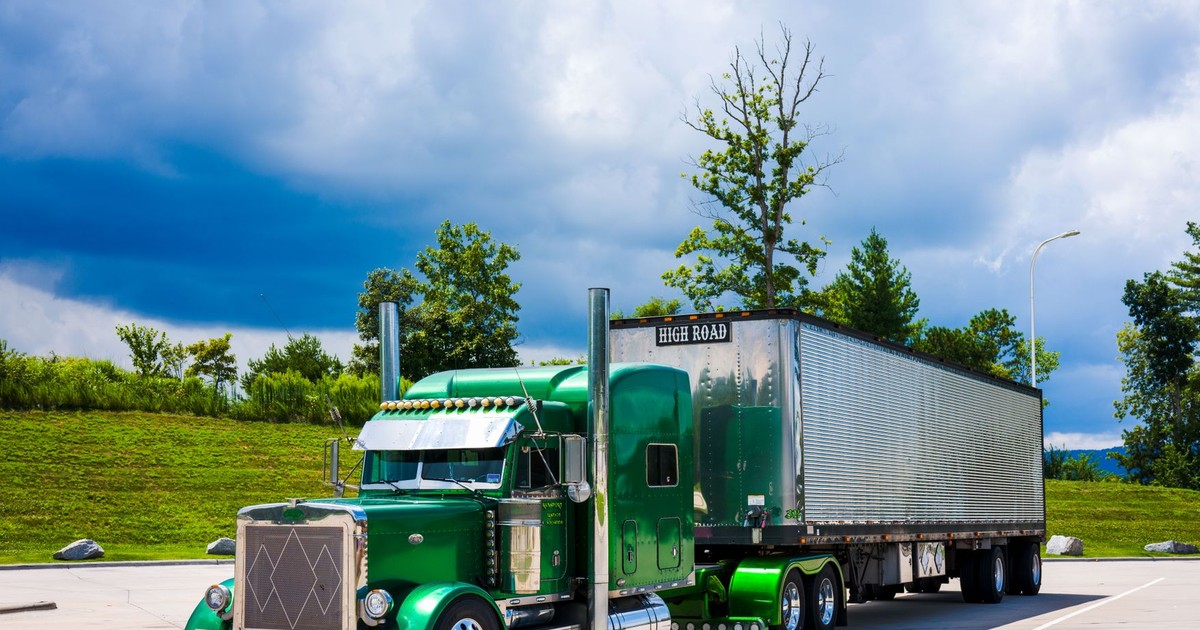
Following military action in the Middle East in late February 2026 and the subsequent de facto closure of the Strait of Hormuz, crude oil prices surged. Brent crude finished the first quarter of 2026 at $118 per barrel, the largest quarterly increase on an inflation-adjusted basis since 1988.
The fuel markets responded fast. By March 30, 2026, the U.S. average retail diesel price had reached $5.40 per gallon. By the week of April 6, it stood at $5.643 per gallon. For context, diesel averaged $3.76 per gallon across all of 2024. In roughly five weeks in early 2026, the price of the fuel that moves American commerce jumped more than 50%.
The Strait of Hormuz carries approximately 20% of the global oil supply. With shipping lanes disrupted, carriers began rerouting vessels around Africa instead of through the Suez Canal, a detour that adds more than 10 days to transit times and tacks on over $1 million in extra fuel costs per voyage.
In the West, diesel hit $6.60 per gallon as of March 30, the highest among all U.S. Energy Information Administration regions. For trucking companies already stretched thin after years of a freight market downturn, the timing could hardly have been worse.
The Fuel That Runs Everything
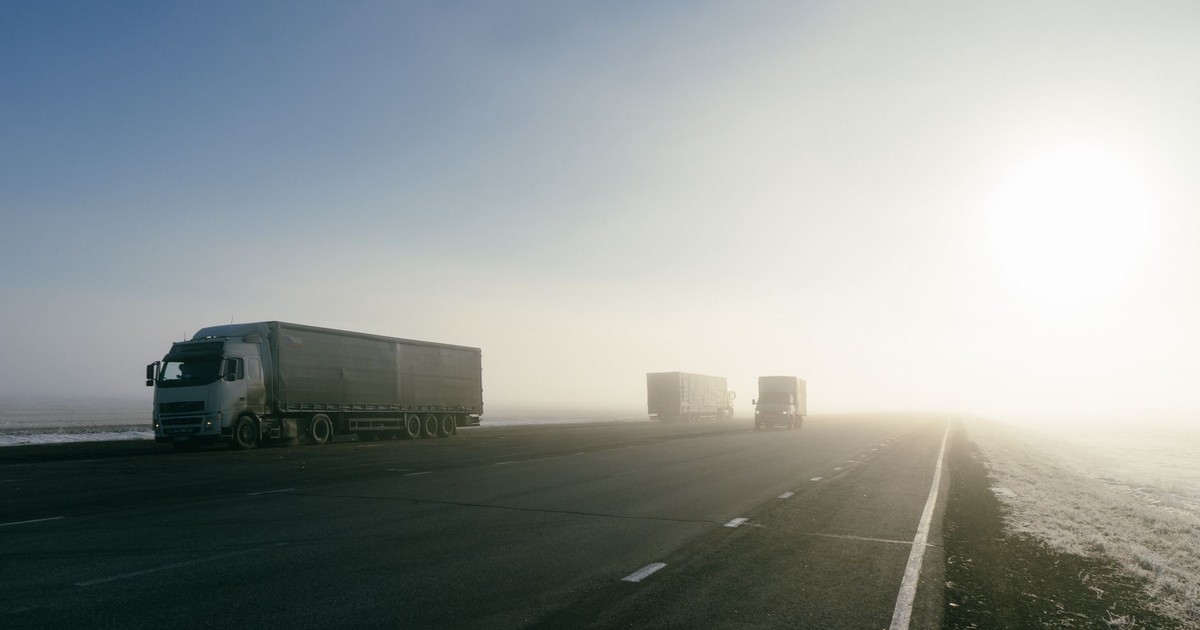
The average American interacts with diesel indirectly dozens of times a day without realizing it. Heavy-duty trucks transport approximately 70% of all goods across major developed economies, making diesel price movements directly impact the cost structure of virtually every manufactured product.
Greg Fulton, president of the Colorado Motor Carriers Association, put it plainly: “Everything at some point in terms of products in the cycle moves by truck.” That includes things people don’t typically think of as trucked goods: medical supplies, construction materials, household appliances, prescription drugs. The truck comes first, the consumer price tag comes later.
A June 2026 analysis by the economic research firm RSM US found that from 2004 to 2026, the price of diesel accounted for 46% of the variation in the producer price index for truck transportation, with spikes in the index consistently coinciding with spikes in diesel prices. That relationship means a diesel shock isn’t just a transportation story. It’s an inflation story, eventually affecting every industry that relies on moving physical goods.
When diesel costs rise by $1 per gallon, transportation companies typically pass 60 to 80% of that cost increase to shippers within 30 to 60 days. Those shippers, in turn, add their own margin on top, creating a compounding effect across every segment of a single supply chain. A product that crosses three distribution points between factory and shelf absorbs that surcharge three times over.
What It’s Doing to Freight Costs
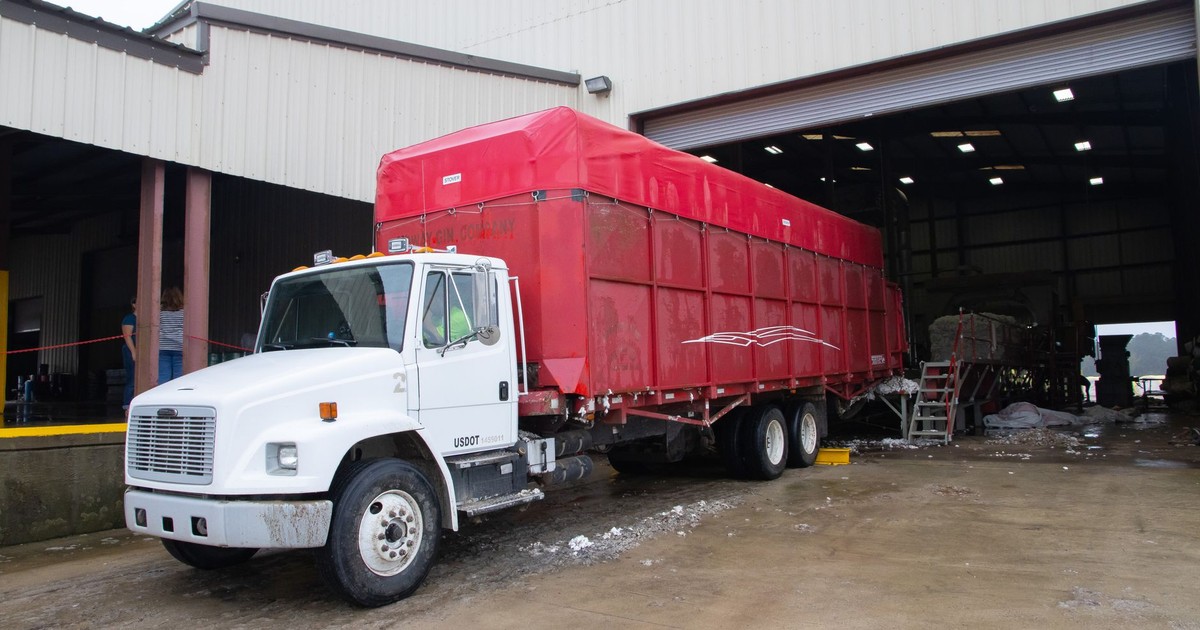
Shipper spending in the first quarter of 2026 climbed sharply even as freight volumes remained essentially flat. According to the U.S. Bank Freight Payment Index, national shipment volume inched down 0.3% from Q4 2025, but shipper spending surged 12.9% higher, the largest quarter-over-quarter increase since late 2020.
By the second quarter, the average LTL (less-than-truckload) fuel surcharge had surged to over 60% above the June 2025 level, driven by diesel prices that were 51% higher compared to January and February averages, according to Andy Dyer, CEO of AFS Logistics.
Even if diesel prices fall back toward $4.00 per gallon, shippers will still pay a 24 to 24.5% fuel surcharge under the updated tables from FedEx and UPS, compared to just 21% under last year’s tables. Carriers ratcheted up their surcharge structures during the price spike, and those structures don’t automatically reset when prices ease. The cost of a fuel shock has a way of outlasting the shock itself.
For ordinary households, none of this shows up as a line item. It shows up as the slow, numbing realization that a full cart at the grocery store now costs noticeably more than it did six months ago, and no single price feels alarming enough to explain the difference.
The Hit to Your Grocery Bill

Food is where the diesel effect becomes personal fastest, because diesel is embedded in the food system at every stage. David Ortega, food economist and professor at Michigan State University, described it directly: “Tractors run on diesel. The majority of the food that gets transported here in the U.S. moves on trucks.”
That means the fuel cost runs through planting, harvesting, refrigerated storage, and distribution, all before anything reaches a shelf. Perishable items like fresh produce and meat feel the impact first, because refrigerated trucks require even higher diesel consumption. Items that are primarily imported, like avocados and bananas, also face additional pressure from traveling longer distances within the U.S.
Then there’s the fertilizer problem, which is a diesel story by another name. The increased cost of oil-derived nitrogen fertilizer could prompt farmers to apply less on their fields this season, and lower crop yields in the fall will mean less feed for livestock, potentially driving up the cost of beef further down the line.
According to a July 2026 report from the U.S. Congress Joint Economic Committee, U.S. farmers spent $1.4 billion more on diesel fuel alone during this year’s planting season than they did last year, a 63% increase for certain key crops, calculated using only the diesel burned to plant corn, soybeans, wheat, cotton, and rice, and not accounting for other war-related fuel cost increases like running diesel generators or transporting products to market.
The latest USDA report shows “food at home” prices are expected to increase 3.1% in 2026, a forecast that is nearly double USDA’s projection at the start of the year. That revision alone tells you how quickly the situation shifted when oil prices moved.
If you’ve noticed the produce aisle feeling slightly more expensive without any single item screaming for attention, you’re picking up something real. Food inflation doesn’t announce itself with a single dramatic price on a single item. It adds 40 cents here, 80 cents there, until a grocery run that used to cost $120 now costs $145 and you can’t quite identify why.
The Construction and Manufacturing Ripple

Diesel’s reach goes well beyond the food supply chain. Construction is one of the most diesel-dependent sectors in the economy. Every excavator, bulldozer, crane, cement mixer, and delivery truck on a job site runs on it.
For a homebuilder, the fuel cost runs through the lumber that arrives on flatbeds, the concrete poured from a mixer, the roofing materials dropped by a delivery truck, and the equipment used on site every day. Those costs compound. They don’t show up as a single surcharge. They show up as the builder telling the buyer that the house now costs $18,000 more than the original quote, without being able to point to a single villain.
Producer prices were 6% higher in April 2026 compared to the prior year, a cumulative effect of tariffs and surging energy prices. Consumer prices also accelerated, rising 3.8% in April, up from 2.4% in January.
Why Diesel Shocks Outlast the Headlines

One of the less intuitive aspects of a diesel price spike is how long its effects linger after the initial shock fades. The increase in transportation costs tends to outlive the conflict driving them. The lower global supply of petroleum products has already pushed diesel close to its 2022 peak, and the consequences of that spike will have an enduring effect on the price of moving goods and ultimately on food prices for households across the income spectrum.
Part of why costs don’t fall as fast as they rise comes down to how freight contracts actually work. Modern freight contracts incorporate fuel surcharge structures that operate on a one-to-two-week lagging index, most commonly based on the Department of Energy national average. During periods of rapid price escalation, this lag forces carriers to purchase fuel at today’s inflated prices while invoicing shippers based on last week’s lower averages. They absorb the gap, and they recover it later through rate increases that stick around.
A fuel crisis also forces some smaller carriers out of business entirely. When those trucks disappear from the road, capacity tightens. Tighter capacity means higher rates regardless of what diesel does next. The market corrects, but slowly, and consumers absorb the cost of the correction.
The Part Nobody Tells You at the Pump
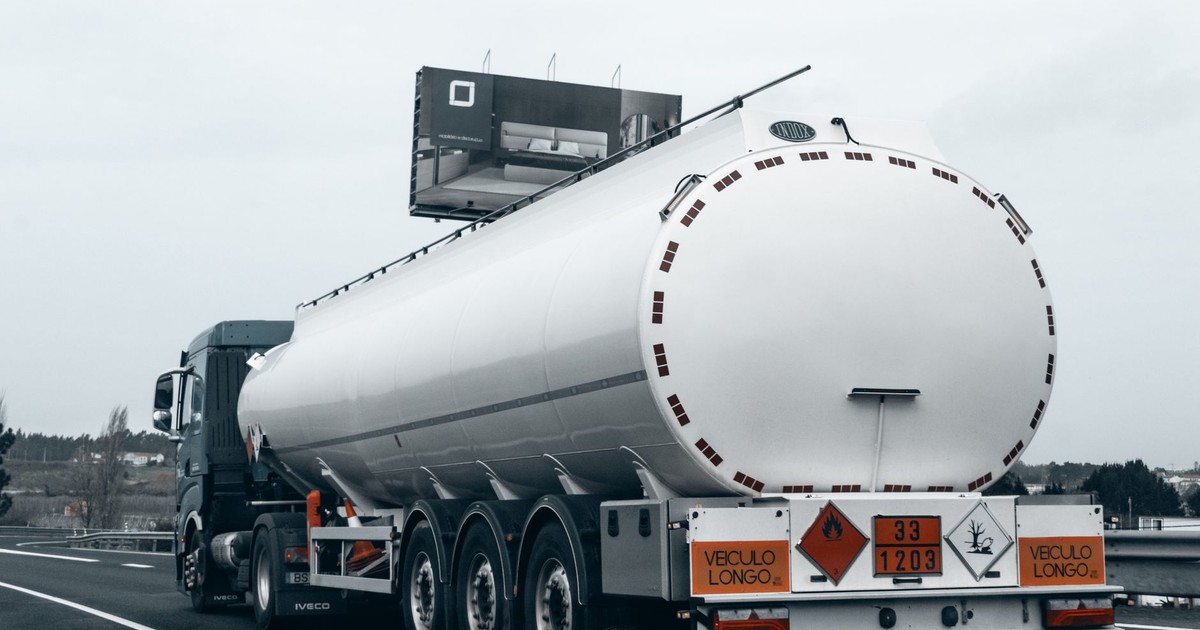
The conversation about fuel prices in America is almost entirely about gasoline: what it costs to fill up, which states have the highest prices, whether it’ll go down by summer. Diesel gets almost no airtime, because most people driving to work have no direct relationship with it.
Diesel is the hidden tax embedded in the cost of the life you already live. Businesses and households should anticipate a sustained increase in food costs as higher fuel and transportation prices are passed along, and should also expect another round of price increases in groceries later this year to reflect the higher cost of petroleum-based fertilizer and potentially diminished crop yields.
The price of diesel doesn’t just tell you what it costs to move a truck. It tells you what it’s going to cost to live in six months. Most people read it too late, if they read it at all. The numbers in early 2026 were telling a story that was already baked into the economy, working its way through every supply chain, every farm, every freight lane, toward the checkout line where it would finally become impossible to ignore.
Some of that cost will ease if the geopolitical situation stabilizes and oil markets calm down. Some of it won’t. The carrier surcharge tables have already been repriced. The fertilizer was already applied at the current cost or not applied at all. The farms that planted less will harvest less. Those are prices already set, just not yet paid.
Disclaimer: This information is not intended to be a substitute for professional medical advice, diagnosis, or treatment and is for information only. Always seek the advice of your physician or another qualified health provider with any questions about your medical condition and/or current medication. Do not disregard professional medical advice or delay seeking advice or treatment because of something you have read here.
AI Disclaimer: This article was created with the assistance of AI tools and reviewed by a human editor.