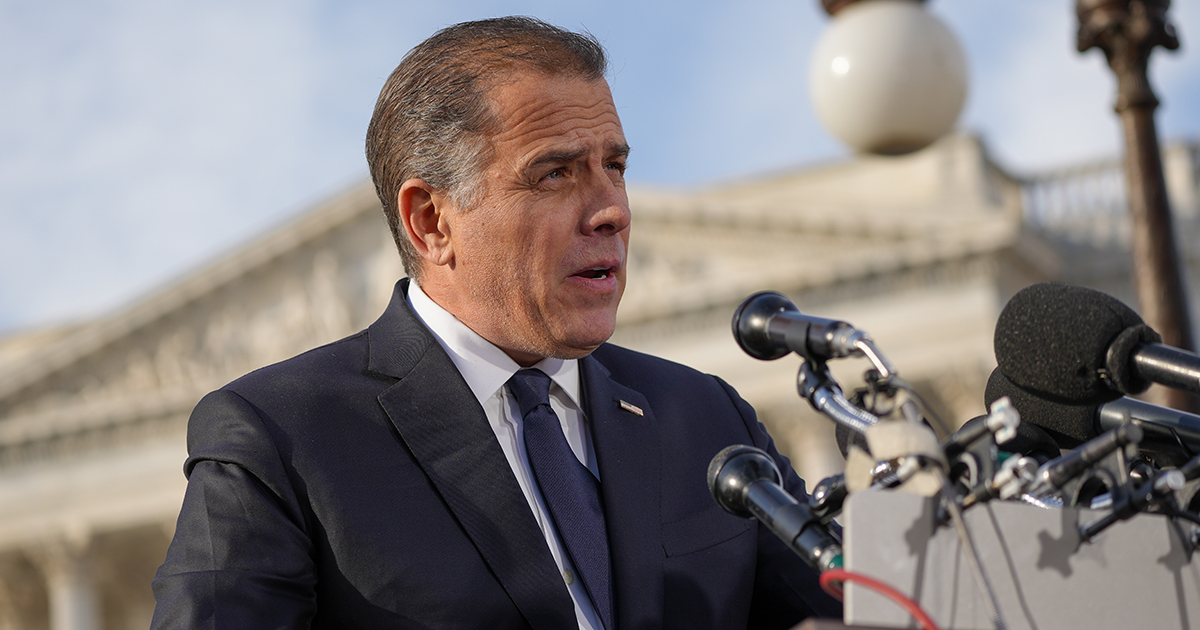

The last time most Americans thought about Hunter Biden’s political opinions, he was the son everyone in the Democratic Party was quietly hoping would stay off camera. That was then. In the summer of 2026, he is something stranger and harder to categorize: a pardoned former defendant turned podcaster, media provocateur, and now, apparently, a man with things to say about who should run the country next.
On Friday, July 25, during a live debate filmed for YouTube channel Channel 5 with Andrew Callaghan, Hunter Biden named two people he said he could support for president in 2028. One of them was the obvious pick that every Democrat would expect. The other was the kind of answer that prompts the phrase he used himself before saying it: “You’re going to laugh at me.”
The interview was already a spectacle before it even began. It was filmed in a Philadelphia studio designed to resemble a sleazy motel room, and the person sitting across from Hunter Biden was white nationalist Nick Fuentes. The interview was brokered by Andrew Callaghan, the creator and host of Channel 5, an offbeat YouTube news channel, and it covered everything from Holocaust denial to race in America to, apparently, who should be the next president of the United States. Whatever Hunter Biden is doing with his public life right now, it is not playing it safe.
The Two Names

Hunter Biden, son of former President Joe Biden, revealed that he would consider supporting either California’s Democratic Governor Gavin Newsom or Republican Representative Thomas Massie of Kentucky for president in 2028.
The Newsom pick is the one that requires no explanation. As Newsom lays the groundwork for a widely anticipated 2028 presidential bid, he has become the clearest frontrunner in a Democratic field that doesn’t yet officially exist. When CBS News Sunday Morning asked whether he would give “serious thought” to a bid after the 2026 midterm elections, his answer was, “Yeah, I’d be lying otherwise.”
Hunter Biden’s reasoning was personal. “I personally like Gavin Newsom a lot,” Biden said during the debate. “I think that he’s authentic in those beliefs, whether you agree with them or not.” That word, authentic, is a pointed one in a political moment defined almost entirely by the question of who actually believes what they’re saying. For someone like Hunter Biden, who has spent the past year sitting across from everyone from Democratic loyalists to far-right influencers, it lands as a more considered observation than it might appear.
Then came the Massie pick. Biden praised Massie, saying his “principled stand as it relates to the Epstein files was incredibly courageous.” “And that’s why he’s not going to be a congressman anymore,” Biden continued, “but that’s why you know he could potentially make a really strong national candidate.”
Both politicians Biden praised have drawn backlash from President Donald Trump in his second term. That might not be a coincidence.
Who Is Thomas Massie, and Why Is He No Longer in Congress?
For anyone who hasn’t been following the more turbulent corners of the Republican Party in 2026, Thomas Massie’s story is worth understanding. Massie lost his Republican primary for his House seat in Kentucky to a Trump-endorsed challenger, Ed Gallrein, in a victory that underscored the strength of Trump’s influence over the party. As Steve Voss, a professor of political science at the University of Kentucky, told Time: “Massie’s defeat sends the clearest message yet that the Republican Party is Donald Trump’s party.”
The collision between Massie and Trump had been building for some time. Massie helped lead the push to force the full release of government files related to the late convicted sex offender Jeffrey Epstein. He vocally opposed and voted against Trump’s signature One Big Beautiful Bill, criticized U.S. financial support for Israel, and was a staunch opponent of Trump’s war in Iran.
The Epstein files fight was where things got genuinely consequential. Massie lost his primary bid in what became the most expensive House primary election in United States history. Trump sought to unseat Massie after he repeatedly broke with him on several key policies, most notably advancing legislation that forced the release of the Epstein files. Massie, in partnership with Democratic Representative Ro Khanna of California, persisted in a long-shot effort to force the Justice Department’s release of the Jeffrey Epstein files.
The cost of that fight was his congressional career. But it also made him, arguably, more interesting as a political figure than he had ever been inside Congress. Massie has not ruled out a presidential run in the wake of his defeat, following his fallout with Trump over his outspoken advocacy to release the Epstein files and end the war in Iran. Massie gave a vague reaction to Biden’s praise on Saturday. He announced in May, right after his defeat, that he filed with the Federal Election Commission for the 2028 House race, which would support him as a potential candidate for federal office. The 2028 House filing keeps his options open without committing to anything larger. A raised-eyebrow emoji on social media was his only direct response to Hunter Biden name-dropping him as a presidential pick.
Why Newsom Is the Name Everyone Already Knew
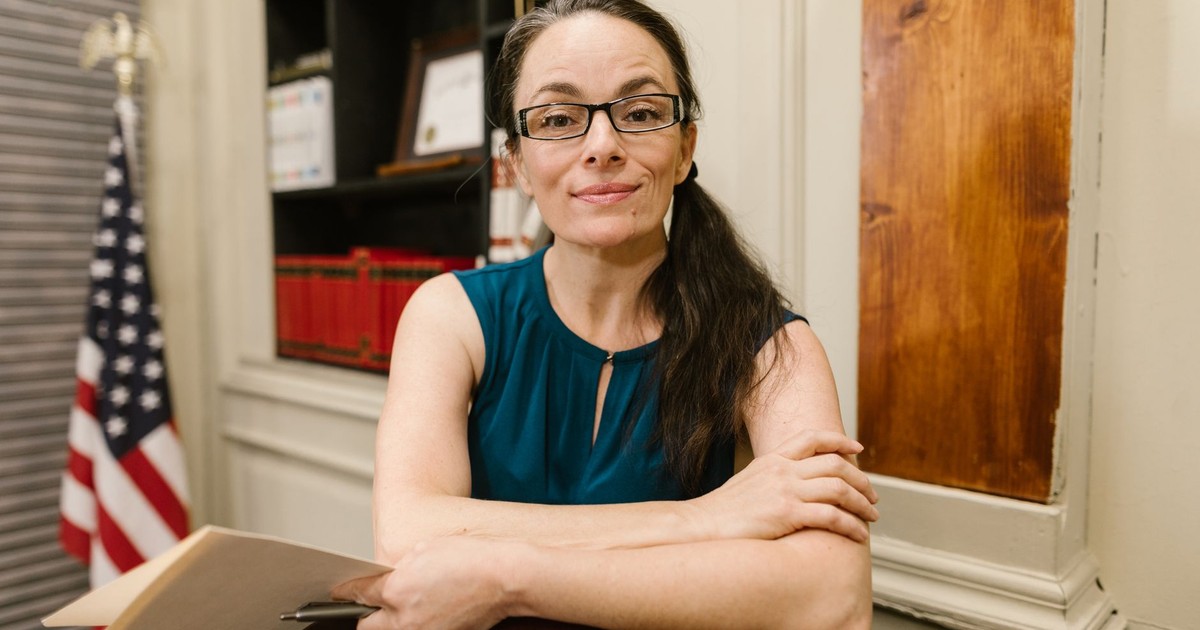
Gavin Newsom, who is barred from running for his current office again because of term limits, has bolstered his national profile in recent months as he has publicly battled with Trump. He is widely considered to be a strong contender for the 2028 Democratic presidential nomination, and while he hasn’t confirmed his intent to run, he has been flirting with the idea of launching a bid for the White House.
The maneuvering has been visible to anyone paying attention. Newsom has made trips to key battleground states, including a visit to South Carolina, a state now slated to host the first Democratic primary in the 2028 presidential election. In March, he launched his “This is Gavin Newsom” podcast. The California governor, who some anticipate will run in the next presidential election, has been vague about his political ambitions, but said earlier this month that “fate” will determine his decision.
He’s also been one of Trump’s most consistent and visible antagonists, which in the current Democratic Party is more or less a prerequisite for presidential consideration. For Hunter Biden to publicly back him is not a particularly surprising move on its own. The Massie endorsement in the same breath is what gives the Newsom pick its real texture. Together, they say something about where Hunter Biden has positioned himself: skeptical of the traditional Democratic establishment, willing to find common cause with anyone who has stood up to concentrated power and paid a price for it.
You can find a longer look at the cross-partisan political realignments shaping the 2028 race in this deep dive on the 2028 presidential field.
The Larger Comeback Happening in Plain Sight
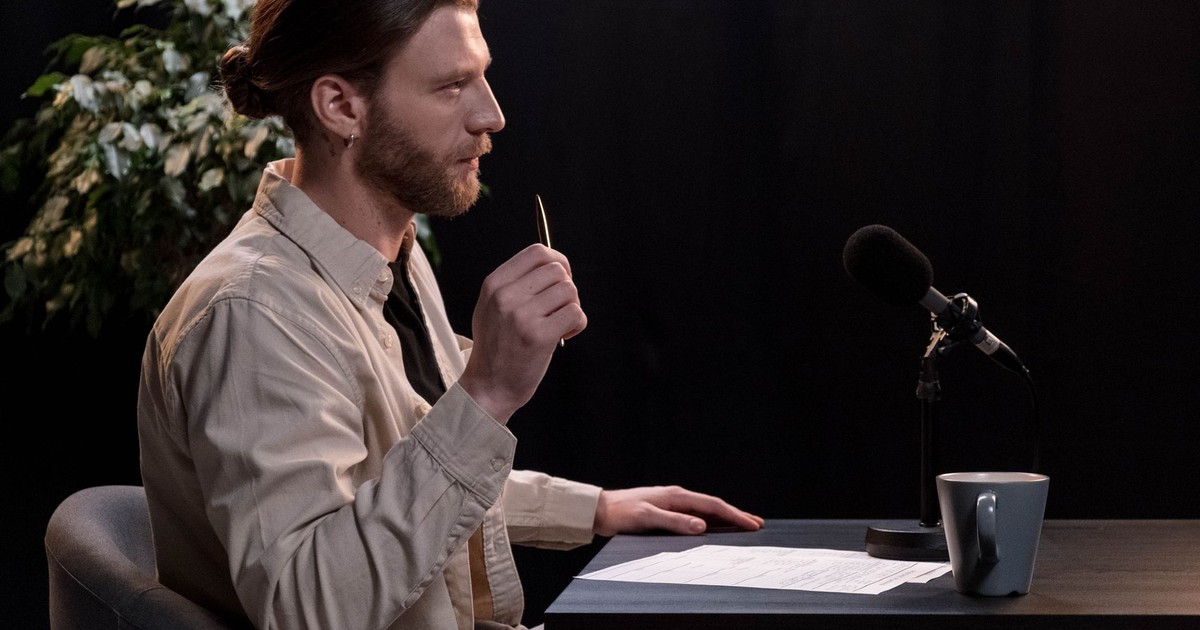
Hunter Biden’s name-dropping of presidential picks is only the most recent chapter in a public re-emergence that has been running since early 2026. Hunter Biden has gained a significant following on social media by addressing his past with frankness and humor. He has engaged in discussions about his past drug addiction, legal troubles, and famous family, challenging misconceptions and misinformation.
While speaking with YouTube personality Andrew Callaghan, Hunter Biden went on a scorched-earth tirade against Democratic figures for turning against his father on the one-year anniversary of him dropping out of the 2024 election. Biden attacked actor George Clooney, Democratic strategist James Carville, CNN commentator David Axelrod, and CNN host Jake Tapper, while praising his father for giving “52 years of his life” to his political career.
The Channel 5 debate with Fuentes was a further escalation of that same instinct: go somewhere unexpected, talk to someone no one expected, and generate a reaction. The two opposing political figures tackled a range of topics including Holocaust denial, race in America, and artificial superintelligence. It nearly tipped into a physical confrontation. The sit-down reportedly grew heated before cooler heads prevailed.
Not everyone has been impressed. Some observers have noted that the media circuit Hunter Biden is running looks less like a principled political project and more like a monetization strategy. Hunter’s comeback may be motivated more by his millions of dollars of debt than political ambitions, with analysts suggesting he has realized he can parlay being provocative online into monetizable opportunities. The $54,000 price tag on his paintings, which reportedly include a video call with him, is consistent with that read.
That said, the willingness to go on record with his actual political preferences, specifically two politicians who have both been targeted by the current president for their independence, is at least coherent. Hunter Biden has his own reasons to distrust concentrated political power. Whether he’s thinking about policy or something more personal when he praises the people who stood up to it, the sentiment is legible.
Read More: Who is the 2028 Democratic Nominee? Democrats Search for the Next Obama
What This Actually Means

Hunter Biden naming a presidential preference does not, on any normal reading, move the political needle. He holds no office, commands no party organization, and carries enough personal baggage that a public endorsement from him is as likely to complicate someone’s campaign as help it. Thomas Massie’s single raised-eyebrow emoji in response speaks to exactly that calculus.
But the Hunter Biden who is showing up in the summer of 2026 is not trying to be a kingmaker. He is doing something more erratic and, arguably, more interesting: using the platform that scandal and his last name have handed him to say what he actually thinks, to people no one expected him to talk to, about subjects no one expected him to address. The Newsom pick is the respectable answer. The Massie pick is the honest one. The fact that he said both in the same breath, while sitting in a fake motel room across from a white nationalist, is precisely the kind of moment that captures what American political media has become in 2026. It is strange in a very specific way. The strangeness has a logic to it, even if that logic is difficult to admire.
Whether Newsom or Massie or anyone else ultimately runs in 2028, the 2026 midterms are the real pivot point. Both parties know it. The politicians positioning for what comes after know it too. Hunter Biden, apparently, has been paying closer attention than anyone expected.
Disclaimer: This information is not intended to be a substitute for professional medical advice, diagnosis, or treatment and is for information only. Always seek the advice of your physician or another qualified health provider with any questions about your medical condition and/or current medication. Do not disregard professional medical advice or delay seeking advice or treatment because of something you have read here.
AI Disclaimer: This article was created with the assistance of AI tools and reviewed by a human editor.