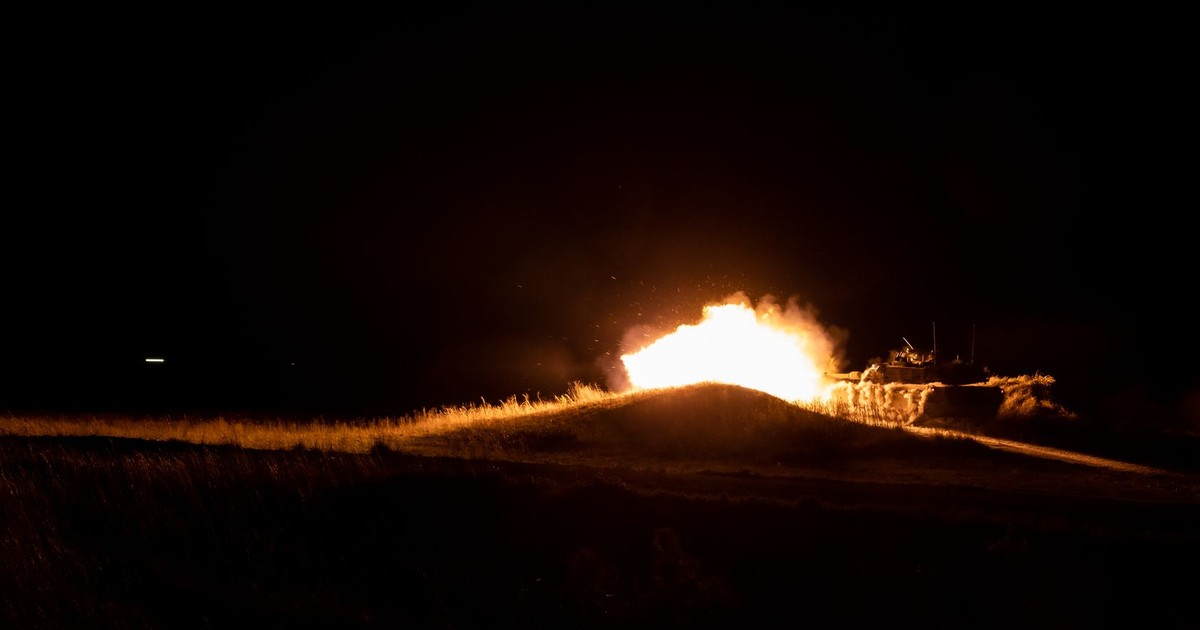
The video posted to the White House’s official TikTok account on a Thursday in late July had a simple caption: “Iran has been warned.” What played over footage of bombs exploding was “Firework,” Katy Perry’s 2010 anthem, timed so that the song’s “boom, boom, boom” chorus landed on each explosion. The clip racked up more than 6 million views and 616,000 likes within days.
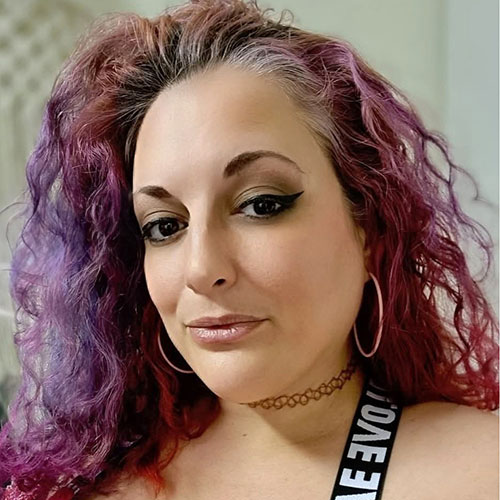
Perry saw it two days later. On Saturday, July 25, 2026, she posted a statement on X that named the White House directly. The response was immediate and unambiguous.
What the White House Actually Posted

“Firework” appeared in a White House TikTok video showing footage of military strikes. Posted on Thursday, it used the song’s lyrics, including “boom, boom, boom,” timed over clips of bombs exploding. As of Saturday afternoon, the post was still live on the White House’s TikTok account, captioned simply “Iran has been warned.”
The White House launched its TikTok account in August 2025, after President Trump had extended the deadline for TikTok’s Chinese parent company to find a buyer rather than face a ban. Since then, it has become a frequent outlet for militaristic, punchy content set to recognizable music. The Iran strikes video is a direct version of that formula.
“Firework” is the third single from Perry’s landmark 2010 album Teenage Dream, and it spent four non-consecutive weeks at number one on the Billboard Hot 100. Perry has said she wrote it for people in their worst personal moments.
What Katy Perry Said
Perry’s statement on X didn’t hedge. “I am deeply appalled and angry to see ‘Firework’ used on the @WhiteHouse TikTok account as a backing track for video footage of military strikes,” she wrote. “I did not approve this, I was not asked, and I absolutely do not condone it.” She stated she wrote the song as “an anthem of hope, healing, and inner strength” for those going through their darkest moments, and that seeing it used to soundtrack destruction was a violation of everything it stands for.
Perry’s history with “Firework” in a political context is complicated by the fact that she performed it in 2021 to close out Joe Biden’s inauguration day, where the song accompanied an actual fireworks display. That usage was sanctioned, celebratory, and tonally coherent with what the song was designed to do.
The White House pointed to the fact that Perry sold her catalog to Litmus Music in 2023, suggesting Perry had relinquished her standing to object. But the moral dimension of the complaint, that a song explicitly written about personal resilience was used to celebrate military strikes, is not resolved by a catalog sale.
The White House Response
The White House’s formal reply, provided to press, was Deputy Assistant to the President Kaelan Dorr’s post on X: “This you?” alongside a clip from Perry’s “Part of Me” music video, which cast her as a soldier in wartime scenes.
It was a deliberate gotcha. The “Part of Me” video features Perry enlisting in the Marines after a breakup, going through boot camp, and deploying. The implication: if you were willing to appear in a video glamorizing military service, you can’t object to your music being used in a government post about military strikes. A pop star appearing in a fictionalized music video is not the same thing as authorizing a sitting government to use her work to caption news footage of bombing campaigns. One is an aesthetic choice about storytelling. The other is an endorsement.
This Has Happened Before, Repeatedly

Perry is the latest in a long line of artists who have pushed back against the Trump administration’s use of their music in government social media content. Over the last year, several A-list artists, including Olivia Rodrigo, Ariana Grande, and Sabrina Carpenter, have condemned official White House social media accounts for linking their work to policies they don’t agree with.
The White House posted a TikTok video on February 10, 2026, showing fighter jets attacking ships set to Kesha’s 2010 song “Blow.” The video accumulated millions of views. The clip was captioned “Lethality,” and the lyric “this place about to blow” landed precisely on the moment of impact. Kesha stated she “absolutely” did not approve of her music being used to “promote violence of any kind,” calling any attempt to make light of war “disgusting and inhumane.”
A 14-second video posted on TikTok in June 2026 showed officers, including ICE agents, handcuffing and arresting people. It featured Ariana Grande’s 2024 song “Bye” playing over the footage. The sound has since been removed. Grande commented on the TikTok video, writing: “Please do not use my music in relation to this barbaric, inhumane, heinous nonsense.” Her remark appears to have been hidden.
A video posted to the White House and Department of Homeland Security Instagram accounts featuring the song “All-American Bitch” by Olivia Rodrigo encouraged people to “self-deport.” Rodrigo reportedly responded by commenting, “don’t ever use my songs to promote your racist, hateful propaganda.” The comment was subsequently deleted, and the sound was removed from the video. Sabrina Carpenter called out the White House social media team after it used her song “Juno” in a video depicting law enforcement apprehending individuals in apparent immigration actions. She called the video “evil and disgusting” and posted on X: “Do not ever involve me or my music to benefit your inhumane agenda.”
The Trap Artists Keep Walking Into
Artists who don’t respond risk people associating them with the administration’s policies. Artists who do respond draw more attention to the very posts they’re condemning.
In December 2025, SZA joined the growing list of artists who condemned the White House for using her music in promotional videos. The White House used her viral track “Big Boys” and captioned the video, “Bad news for criminal illegal aliens. Great news for America.” SZA said Trump’s administration was “rage baiting” artists for “free promo.” White House spokesperson Abigail Jackson responded by saying: “Thank you, SZA, for drawing even more attention to the tremendous work America’s ICE officers are doing.”
The administration has had more than a year to refine this approach. Post the video, let it accumulate views, wait for the artist’s objection, reply with something dismissive that generates its own news cycle, and emerge with the original content still intact and now more widely shared.
The Legal Question Nobody Quite Answers

Copyright law surrounding political and government use of music can vary depending on the setting and licensing agreements, and what constitutes infringement in a TikTok post created by the executive branch of the federal government is not a question with an obvious clean answer. The White House’s noting that Perry sold her catalog in 2023 suggests the administration is at least aware of the intellectual property angle, even if its public posture is mockery rather than legal argument.
No artist who has publicly objected to the Trump administration’s use of their music has, to date, succeeded in having the administration stop as a matter of policy. Individual videos have sometimes had audio removed. But the broader pattern continues, and the White House’s communications team treats each new objection as another engagement opportunity rather than a problem requiring resolution.
The Song Itself
“I wrote this song to be an anthem of hope, healing, and inner strength for people going through their darkest personal moments,” Perry wrote in her statement. The song was everywhere in the early 2010s: teen talent shows, school graduation reels, anti-bullying campaigns, halftime shows. It was the go-to track for moments meant to feel expansive and reassuring.
Whether Perry’s objection leads to any concrete outcome is a different question. As of Saturday afternoon, the White House had not indicated whether it planned to remove the video. Given the administration’s established pattern of response, a formal reversal seems unlikely.
What Doesn’t Change
The artist objects. The White House trolls back. The video stays up. More people see it. Repeat.
The Katy Perry White House episode follows a pattern so well-worn it barely qualifies as news anymore. SZA named it “rage baiting” and she was right. The administration has identified something real about how attention works in 2026: an artist’s outrage, amplified through her own platform to her own audience, works as free distribution. Perry’s X post about “Firework” reached people who would never have seen the White House TikTok otherwise. Some of them went looking for it. The video got more views.
Artists are in an uncomfortable position, and there’s no clean exit from it. Staying silent feels like complicity. Speaking up feels like playing along. Suing the federal government is an enormous undertaking with uncertain outcomes and a timeline measured in years, not news cycles. And the White House communications team, which is very good at social media and not particularly interested in being liked by pop stars, is counting on that.
Perry’s statement was clear, specific, and came from a real place about what the song means and what she intended it to do. That matters, independent of whether it changes anything. Some things are worth saying even when the audience for them isn’t listening.
Disclaimer: This information is not intended to be a substitute for professional medical advice, diagnosis, or treatment and is for information only. Always seek the advice of your physician or another qualified health provider with any questions about your medical condition and/or current medication. Do not disregard professional medical advice or delay seeking advice or treatment because of something you have read here.
AI Disclaimer: This article was created with the assistance of AI tools and reviewed by a human editor.