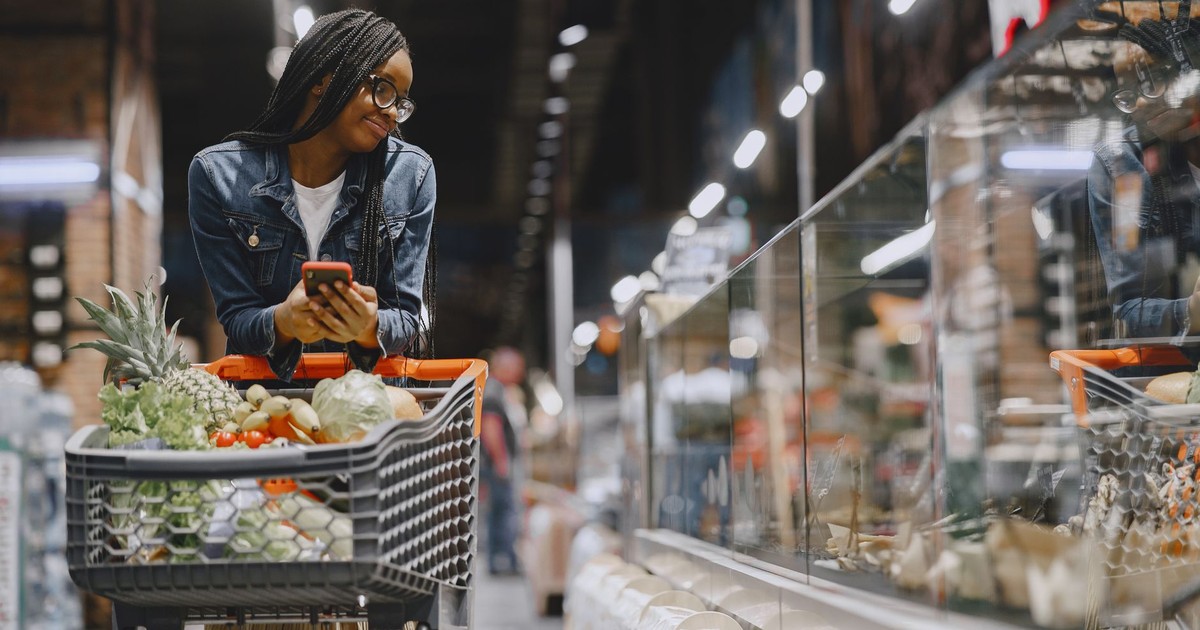

Beef is up sharply year-over-year. Coffee has climbed 55% in two years. Lettuce spiked more than 32% in a single month compared to last June. Against that backdrop, a grocery run in 2026 can feel like a sustained assault on your budget, which is exactly why most people haven’t noticed what’s happening on the other side of the store.
Eleven of the 25 most common grocery staples have actually dropped in price over the past two years. Not held steady. Dropped. The items falling fastest happen to be the ones that show up on weekly shopping lists without fail: eggs, bread, pasta, potatoes, butter. The savings aren’t dramatic enough to cancel out what coffee and beef are doing to a cart total, but they’re real, and knowing where they are means you can shop along the grain of where prices are moving instead of against it.
Here’s what the data actually shows for 2026, category by category.
1. Eggs
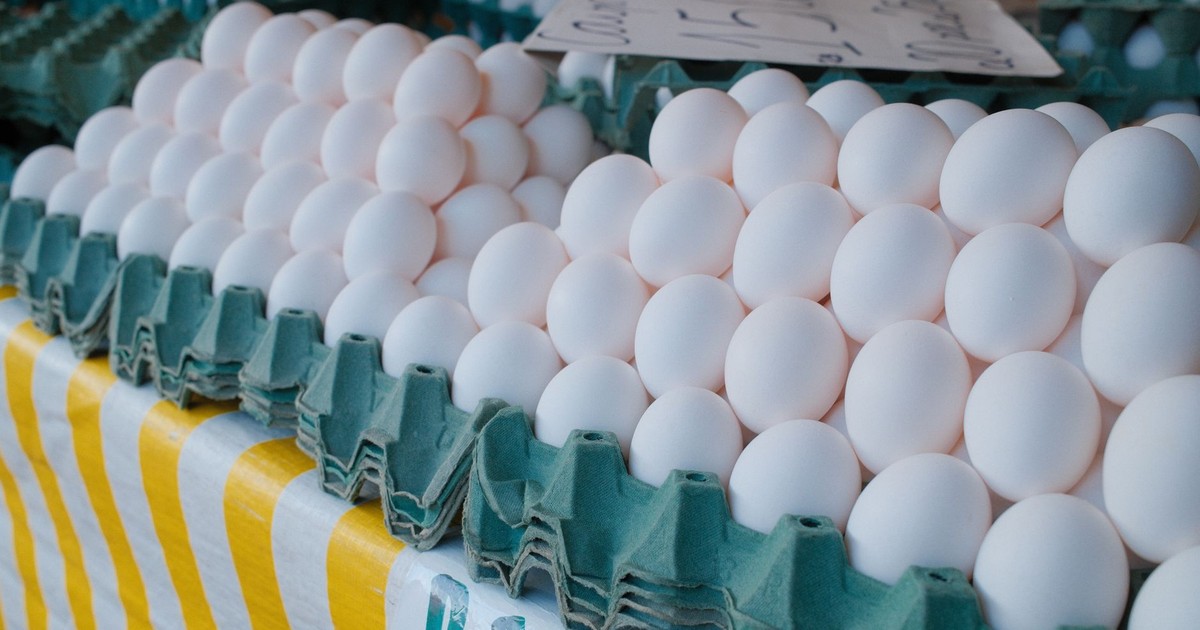
No grocery item has moved more dramatically in recent memory. Eggs climbed from a reliable $2-something purchase to the subject of dinner-table arguments and national news coverage, peaking at $6.23 a dozen in March 2025. The reversal since then has been just as sharp.
Egg prices are falling sharply as the market shifts from avian flu-fueled shortages to oversupply. The reason isn’t complicated: farmers restocked their flocks aggressively after avian influenza losses, and supply grew faster than shoppers could absorb it. As one industry voice put it in a May 2026 CNBC report, prices “reflect supply growing faster than demand can absorb, driven by flock recovery following [avian influenza], small farm growth and improved productivity.”
BLS data shows retail egg prices at $2.19 per dozen in May 2026, down roughly 52% from $4.55 per dozen in May 2025. Eggs are still considerably more expensive than they were before the pandemic, but for weekly budgets, right now is a genuinely good time to be an egg buyer and to plan meals that put them front and center.
2. Potatoes
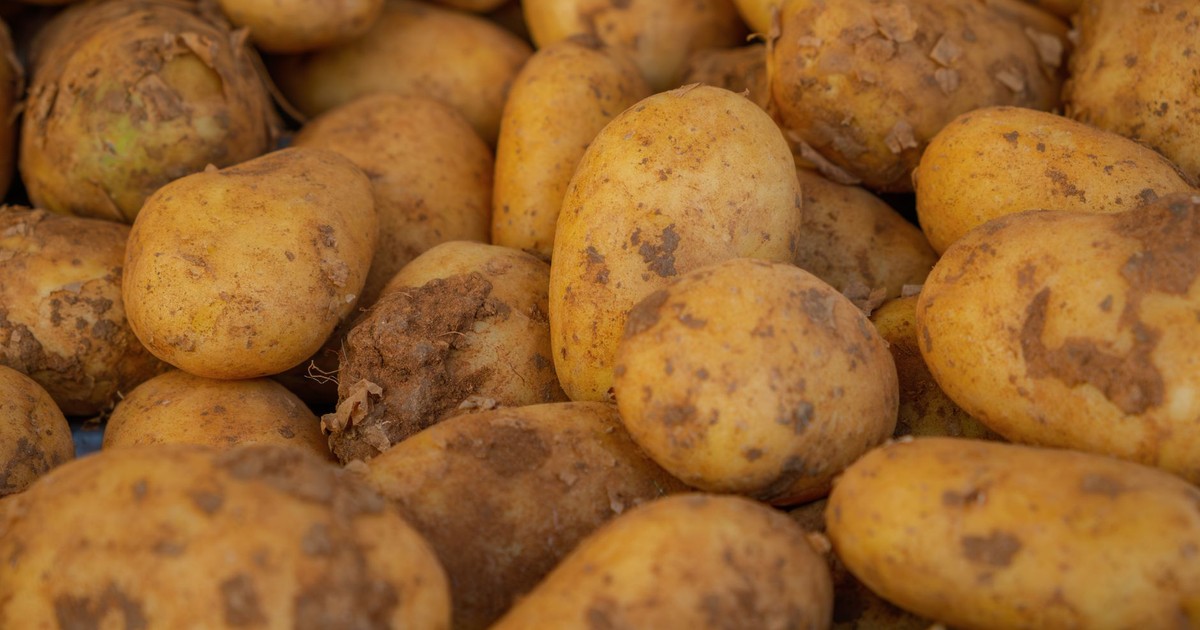
Potatoes are almost invisibly affordable when prices are normal. Shoppers usually don’t register what a pound of potatoes costs until it climbs. In 2026, the price has been slipping instead.
Potatoes dropped 10.8% over the two-year period from February 2024 to February 2026, with the price per pound of white potatoes falling from 97 cents to 87 cents. That sounds modest, but for a household buying potatoes weekly as a side dish or meal base, it adds up across a year. Potatoes are one of the few produce items where the downward trend has been consistent rather than seasonal.
While retail prices for fresh lettuce were 32.1% higher in June 2026 than in June 2025, retail prices for fresh potatoes were only 1.4% higher over the same period, a figure that looks almost flat in comparison. Potatoes aren’t glamorous, but right now they’re doing what any serious budget item should: staying affordable while others spike.
3. White Bread
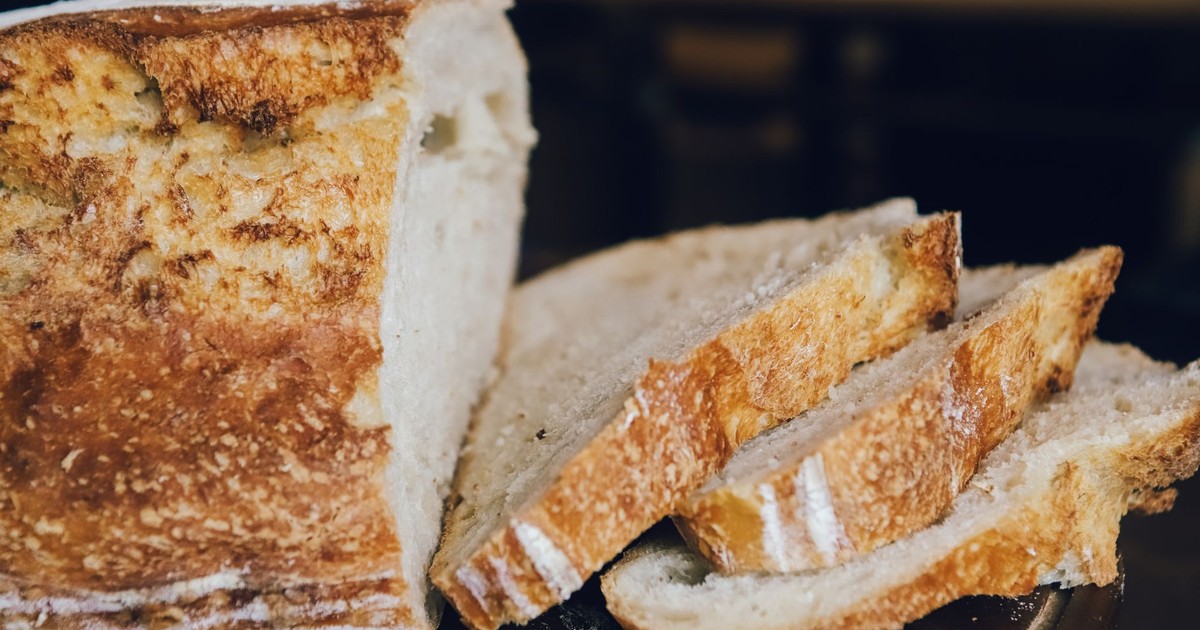
Bread pricing creeps up so gradually you almost don’t notice it happening. The baseline you had in your head from a few years ago slowly becomes inaccurate, and you adjust without registering the shift. In 2026, that adjustment is going in the other direction.
The price per pound of white bread decreased 7.8%, from $2.01 in February 2024 to $1.85 in February 2026. This tracks with the USDA’s broader view that cereal and bakery products are predicted to grow slower than their 20-year historical average rate in 2026, which, in a high-inflation environment, is effectively good news. Wheat costs have stabilized, transportation networks have normalized, and promotional competition between retailers is keeping deals active in this category specifically.
If you’re buying store-brand sandwich bread, you’re in one of the more favorable positions in the grocery store right now. The contrast between bread’s current price direction and that of beef, coffee, or seafood is stark, and reorganizing a few meals around bread-based dishes, frittatas, hearty soups with a crusty loaf, grain bowls, means shopping with the current price trend rather than against it.
4. Pasta
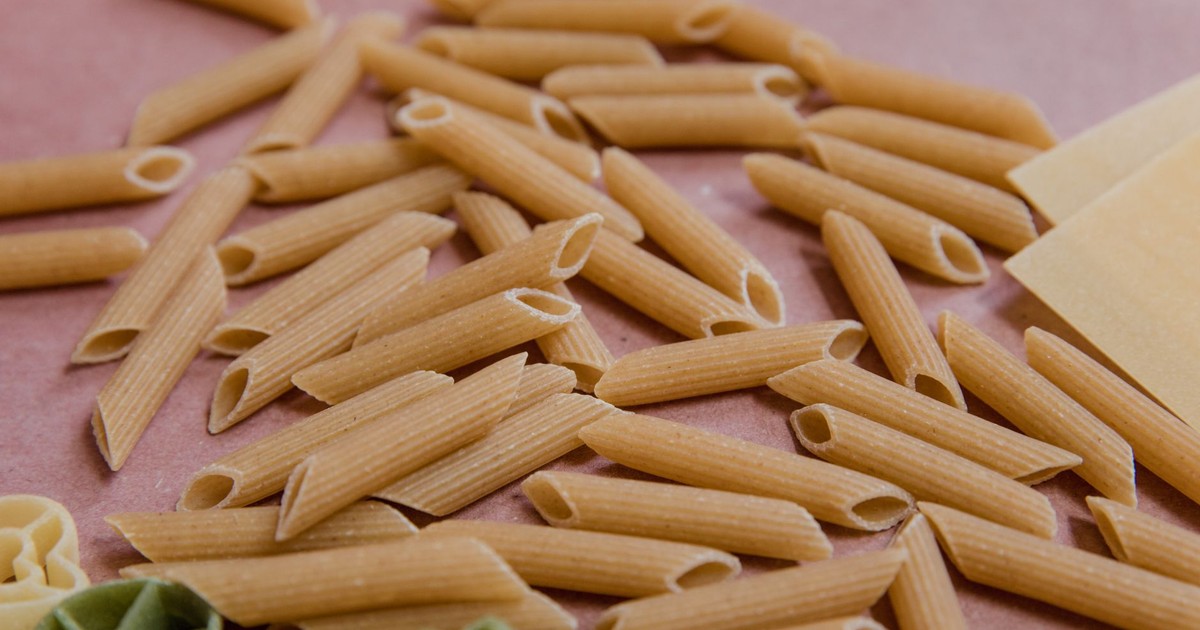
Spaghetti and penne have been pantry staples for exactly the reason you’d expect: they’re cheap, they stretch, and they take on whatever flavor you put around them. After a period of price pressure, 2026 has brought them back toward their historical position as one of the most reliable budget items in the store.
Pasta saw a genuine price decline, with spaghetti and macaroni down 7.6% from $1.43 to $1.32 per pound. That may not sound like a headline number, but it’s meaningful in context. Dried pasta is a high-frequency purchase for most families, and the directional trend, down consistently, puts it in a different category from the items simultaneously spiking.
The drop reflects softening wheat costs, improved supply chains, and the retail competition that is most visible in shelf-stable categories where store brands apply real pressure on name brands. Dried pasta has an effectively indefinite shelf life, which means buying a few extra boxes when prices are lower costs you nothing except pantry space.
5. Butter
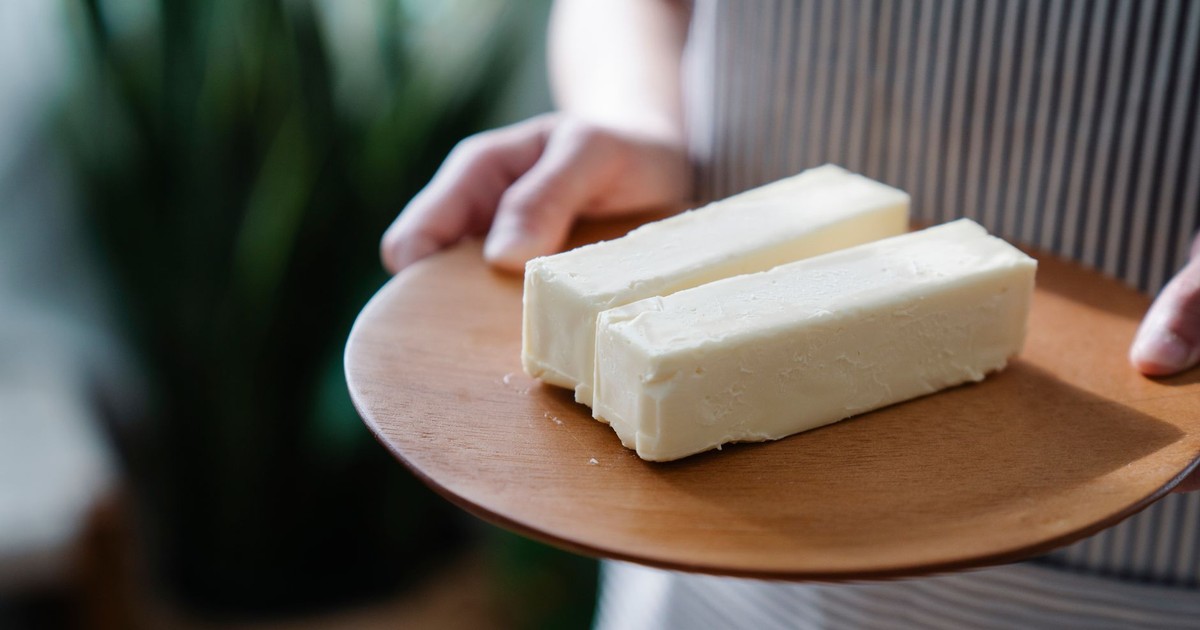
Butter had a rough few years. Dairy supply pressures, feed costs, and general food inflation all hit the dairy aisle hard, and the price of a basic pound of butter drifted in ways that made home bakers reconsider how much they were using. That pressure has eased considerably.
Wholesale butter prices fell roughly 20% year-over-year in the U.S. by early 2026, with the CME butter price dropping below $2.00 per pound in late 2025 after averaging $2.86 per pound in 2024. The USDA cut its butter price forecasts in response to rising milk production and higher butterfat output. For home bakers and everyday cooks, the drop matters in a specific, practical way. Butter is one of those ingredients where the cost difference between an expensive period and a normal one actually changes cooking decisions, whether you bake from scratch or buy packaged, whether you use it liberally or ration it. Right now, it costs meaningfully less than it did at its recent peak.
6. Flour
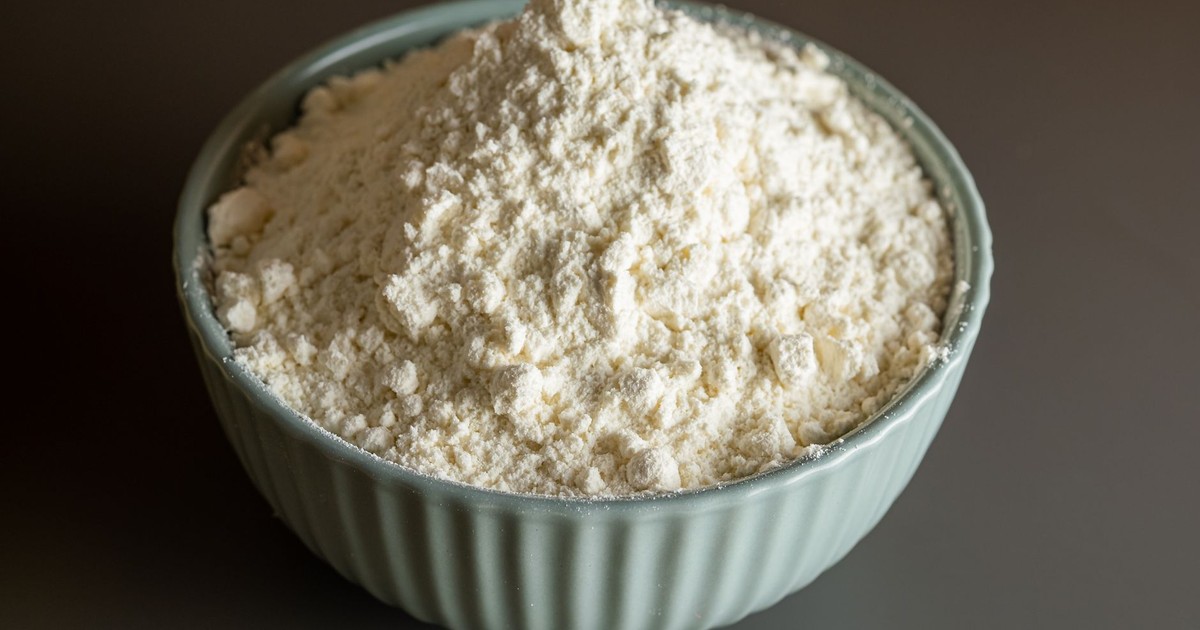
Flour is not exciting. It is also, when you think about it, the raw ingredient behind an enormous share of home cooking: bread, baking, thickening sauces, coating chicken. Its price has a multiplier effect on household food costs that tends to go unnoticed.
Flour saw a 2% price decline over the two-year period ending in February 2026. That’s the smallest percentage drop on this list, but it reflects something important: wheat prices, which feed directly into flour costs, have stabilized after a period of significant disruption tied to the war in Ukraine and its effects on global grain exports. The normalization of those supply chains is delivering modest, consistent relief at the flour bin, whether you’re buying all-purpose at a supermarket or a large bag at a warehouse store.
Two percent doesn’t sound like much, but for households that bake regularly or cook from scratch, it compounds across dozens of uses. Flour being stable while proteins and beverages surge means the cheapest, most versatile cooking backbone you have right now is actually getting incrementally cheaper. Worth stocking up when you see a good price on a larger bag.
7. Chicken
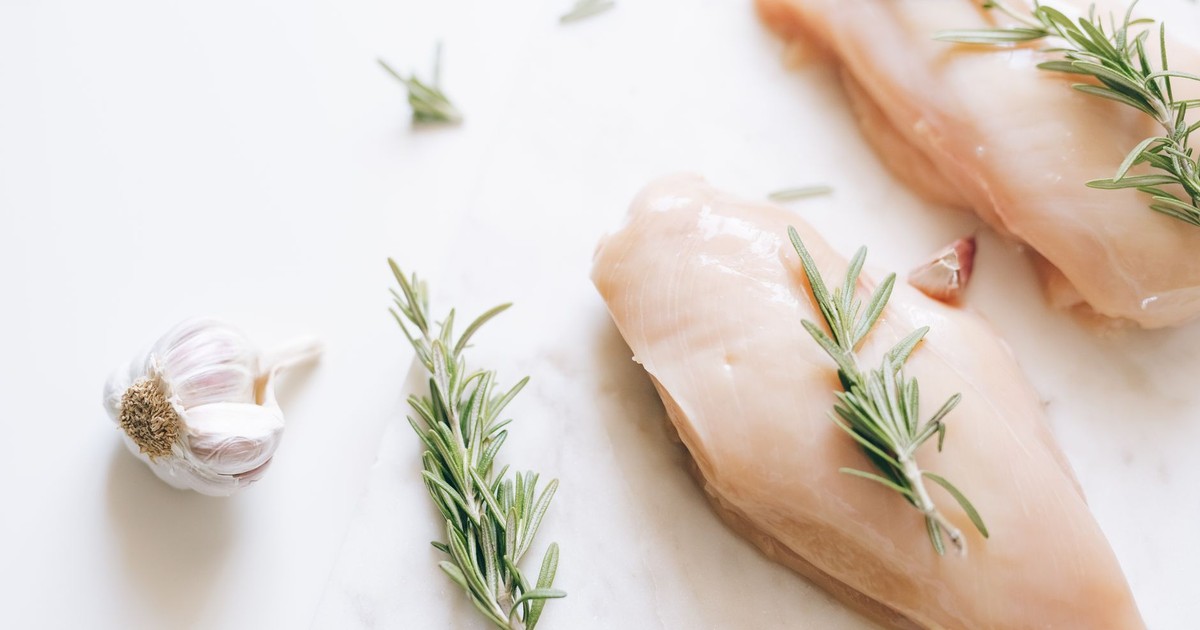
Chicken has long been the protein you reach for when beef is out of reach. USDA data shows beef prices were about 11.8% higher in June 2026 than a year prior, with the all-fresh retail beef price reaching $9.64 per pound, making that calculation even more relevant for anyone watching a budget. Chicken is holding the line.
Eggs, tomatoes, potatoes, bread, and chicken were all cheaper as of January 2026 than a year prior, with chicken prices down 1.0% year-over-year, according to USAFacts. The USDA also forecasts poultry prices to grow slower than their 20-year historical average in 2026, which set against double-digit increases in beef and seafood amounts to a real competitive advantage for chicken in the meat case.
A 1% drop isn’t dramatic on its own. But paired with beef prices at their highest in years, the cost gap between a pound of chicken thighs and a pound of ground beef has widened considerably in 2026. Bone-in thighs and drumsticks remain among the most cost-effective proteins in any grocery store, and right now they’re as affordable as they’ve been in years relative to everything around them.
8. Tomatoes
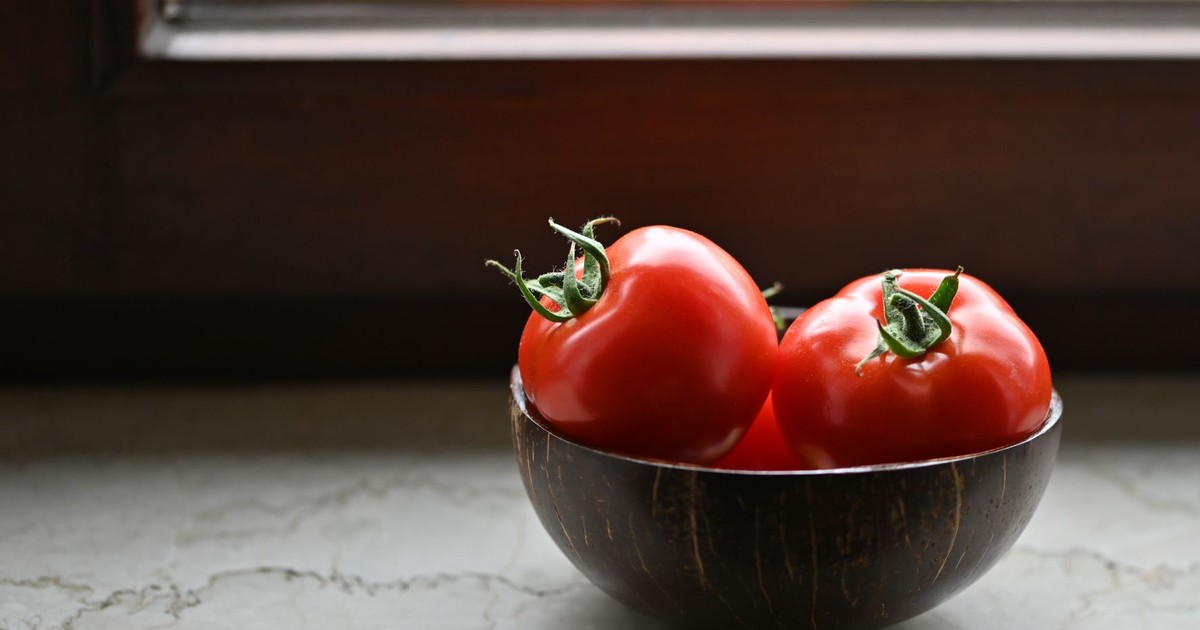
Tomatoes are worth flagging with a caveat. Over the two-year period from February 2024 to February 2026, field-grown tomatoes dropped 10.8%, from $2.13 to $1.90 per pound, putting them among the sharper declines of any grocery staple. The more recent picture is complicated by tariff effects on Mexican produce imports, which have pushed some fresh tomato prices back up in mid-2026.
That said, the two-year trend still represents real savings for anyone who shifted their buying habits during that window, and the lesson for tomatoes extends to fresh produce more broadly. When fresh prices spike due to supply shocks or import disruptions, frozen diced tomatoes do the same job in cooked dishes. Canned whole tomatoes are often priced independently of fresh market swings. Building those substitutions into your regular cooking means the fresh market’s volatility stops hitting your cart quite as hard.
Grocery Prices Falling in the Frozen Aisle
The frozen food section doesn’t get much respect. It tends to be treated as a compromise, the step you take when you’re short on time or money. In 2026, it’s one of the most actively price-competitive corners of the grocery store, and retailers know it.
Several food-at-home categories are predicted to grow slower than their 20-year historical average rate of growth in 2026, including poultry and cereal and bakery products, while eggs, dairy products, and fats and oils are predicted to decline outright. The frozen aisle benefits directly from several of these trends. Frozen vegetables, frozen poultry cuts, and frozen prepared meals all sit in categories where price pressure is easing.
Frozen vegetables represent particular value right now: harvested at peak ripeness, nutritionally comparable to fresh, and significantly cheaper per serving when fresh prices are volatile. When fresh spinach is expensive and delicate, frozen spinach is a fraction of the cost. When fresh tomatoes spike, frozen diced tomatoes carry cooked dishes without complaint. The case against frozen has always been overstated for anything that ends up in a pan, and in a year when fresh produce pricing is unpredictable, the freezer aisle is doing serious work.
What to Do With This

The frustrating reality of a split grocery store, some items meaningfully cheaper, others dramatically more expensive, is that it can still feel bad at the register. You grab the $9.46 bag of coffee and the $6.75-per-pound ground beef and the expensive lettuce, and the savings on pasta and potatoes barely register in the moment. In many cases, shoppers aren’t seeing lower absolute bills, but better relative value in specific categories.
The shift in strategy that actually helps isn’t willpower or couponing. It’s building your weekly meals around the items trending down right now: eggs as a protein anchor, potatoes and pasta as the carbohydrate base, chicken when you want something more substantial, butter and flour for everything you bake or coat. That list describes a genuinely good diet, not a deprivation one.
The grocery prices falling in these categories happen to be the ones that have always carried the most weight in a functional kitchen. These aren’t novelty ingredients or specialty items, they’re the backbone of how most people actually cook. When the produce that’s getting cheaper is also the produce worth building your week around, the timing, for once, is working in your favor.
Disclaimer: This information is not intended to be a substitute for professional medical advice, diagnosis, or treatment and is for information only. Always seek the advice of your physician or another qualified health provider with any questions about your medical condition and/or current medication. Do not disregard professional medical advice or delay seeking advice or treatment because of something you have read here.
AI Disclaimer: This article was created with the assistance of AI tools and reviewed by a human editor.