

Servers read tables the way a poker player reads hands. Within minutes of an interaction, most experienced servers have already formed a working theory about what’s coming at the end of the meal, and more often than not, they’re right. The tells aren’t random. They’re patterns, reinforced over hundreds of shifts and thousands of tables, and once a server learns to spot them, the behaviors that flag bad tipper habits become almost impossible to ignore.
Most people who tip poorly don’t think of themselves that way. A 2024 survey by Bankrate found that 59% of Americans hold at least one negative view of tipping culture, yet the same survey showed the vast majority still tip at sit-down restaurants out of a sense of obligation rather than generosity. Toast’s tipping data puts the average full-service restaurant tip at 19.3% as of Q1 2026, a figure that only recently recovered after hitting a seven-year low of 19.1% in Q2 2025. A meaningful slice of diners is pulling that average down, and they tend to share a surprisingly consistent set of habits.
None of what follows is about judging anyone’s finances. Some of these habits come from genuine confusion about how tipping works. Others come from a sense that the server “didn’t earn it,” without much awareness of what a server’s actual workload looks like behind the scenes. Either way, these are the behaviors that servers across the industry describe, again and again, as the clearest indicators that the tip line is going to be ugly.
1. Asking About Prices the Moment They Sit Down
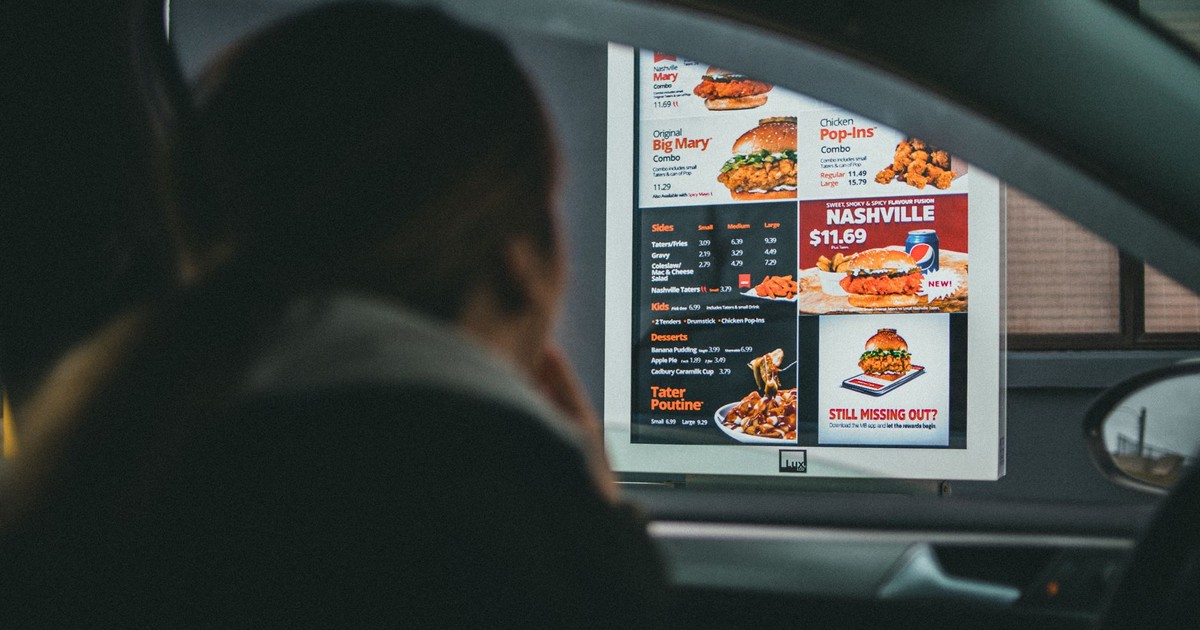
A customer who sits down and opens with “Do you have any specials that aren’t on the menu?” or “Is the bread included?” or “How much will this be with tax?” or “Do you offer free refills?” rarely directs those pennies toward the tip. Servers interpret it as a signal about the whole meal. Someone genuinely budget-conscious about menu prices is usually budget-conscious across the board.
The habit compounds when those early price questions are followed by a long meal, multiple modifications, and a bill the customer scrutinizes line by line before signing.
2. Promising a Big Tip Early in the Meal
If a customer jokes about a “big tip” early in the meal, servers call it the kiss of death. Good tippers are polite and let their money do the talking. Servers report that customers who go out of their way to say “I’m definitely going to tip you well” almost always leave near-zero tips. The pattern applies across service roles. People who say this are trying to buy premium service for free, using it as a psychological move to make themselves feel like a generous person.
The customer gets the feeling of being a good tipper, gets the warm service that comes with it, and then rationalizes a low tip at the end with some minor complaint.
3. Excessive Flattery Without Substance
The nicest-sounding tables are often the worst tippers. When a customer constantly praises a server, calls them “amazing,” or summons the manager specifically to say the server deserves a raise, that’s actually a red flag. These tables typically leave 5% or less, using cheap compliments to feel better about what they know they’re not going to leave.
Servers are genuinely grateful for sincere appreciation, but there’s a recognizable pattern to the performative version: the effusive praise at every course, the declarations about how this is the best meal they’ve ever had, the insistence that the server is exceptional. The card goes down, the server picks up the receipt, and the number on the tip line makes no sense relative to everything that was said at the table all evening.
4. Running the Server Constantly for Small Things
The more a table runs a server, the less they tend to tip. The table that asks for water, then lemon, then more lemon, then extra napkins, then a different fork, then the manager to ask about an allergy that wasn’t mentioned when ordering, then a to-go container, then another to-go container keeps the server from every other table on the floor while simultaneously building a case in their own mind for why the service was imperfect.
High-demand tables often correlate with lower tips because the customer’s attention is constantly on what they haven’t received yet rather than on what they have. Every unmet minor request becomes ammunition for the tip-line decision at the end.
5. Overly Complicated Orders
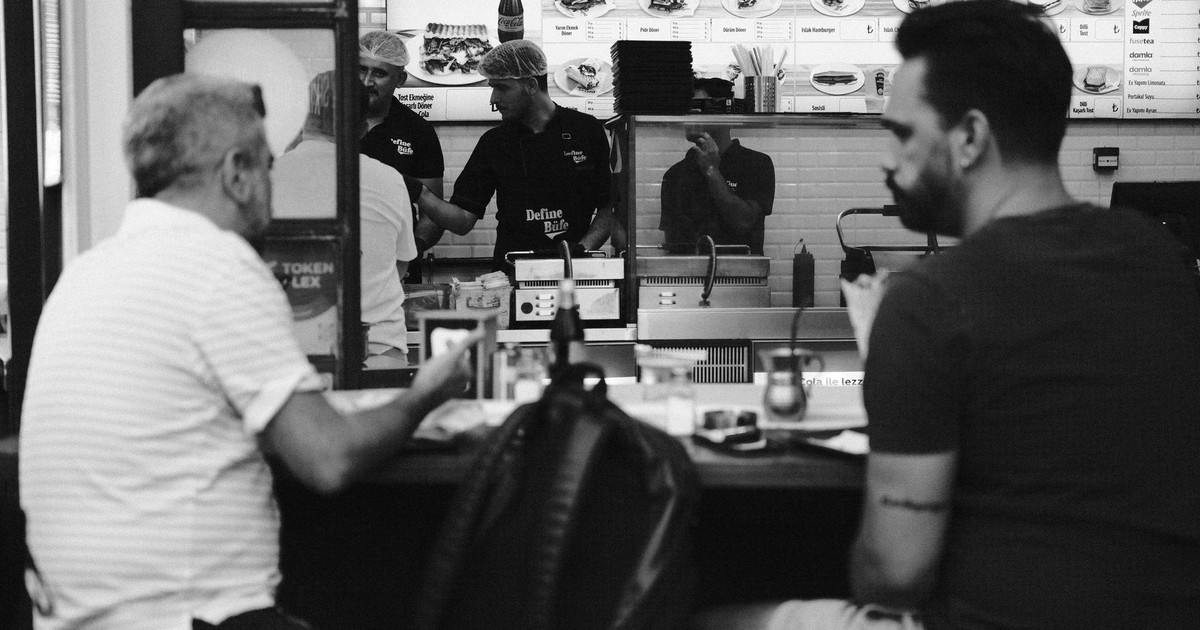
Servers report that when customers make their orders “so over the top and complicated, with additions, substitutions, and wild cooking instructions,” it is usually done with the intent of tripping the server up and getting the meal for free or heavily discounted. The complicated order becomes a setup: the more requests that go into a dish, the higher the probability that something comes out slightly wrong, and the more justification exists for reducing the tip.
Not every complicated order comes from bad faith, but servers can usually tell the difference between someone with a genuine dietary restriction and someone who has engineered a dish so customized that any deviation from the exact spec becomes a grievance.
6. Ignoring the Server’s Greeting
Not responding to a server’s greeting is one of the clearest early indicators. When a server arrives happy and smiley and asks how the table is doing and receives zero response, that’s a bad sign. So is immediate attitude or complaining about something at the start. Servers understand that not everyone wants a full conversation, but as one Virginia-based server put it, “it costs you absolutely nothing to be respectful and kind to strangers, especially to someone who is handling your food.”
The greeting moment matters because it sets the relational tone of the entire meal. A customer who treats the server’s opening as an interruption has already communicated something about how they see the transaction, and that perception tends to hold all the way to the tip line.
7. Complaining About Food After Eating Most of It
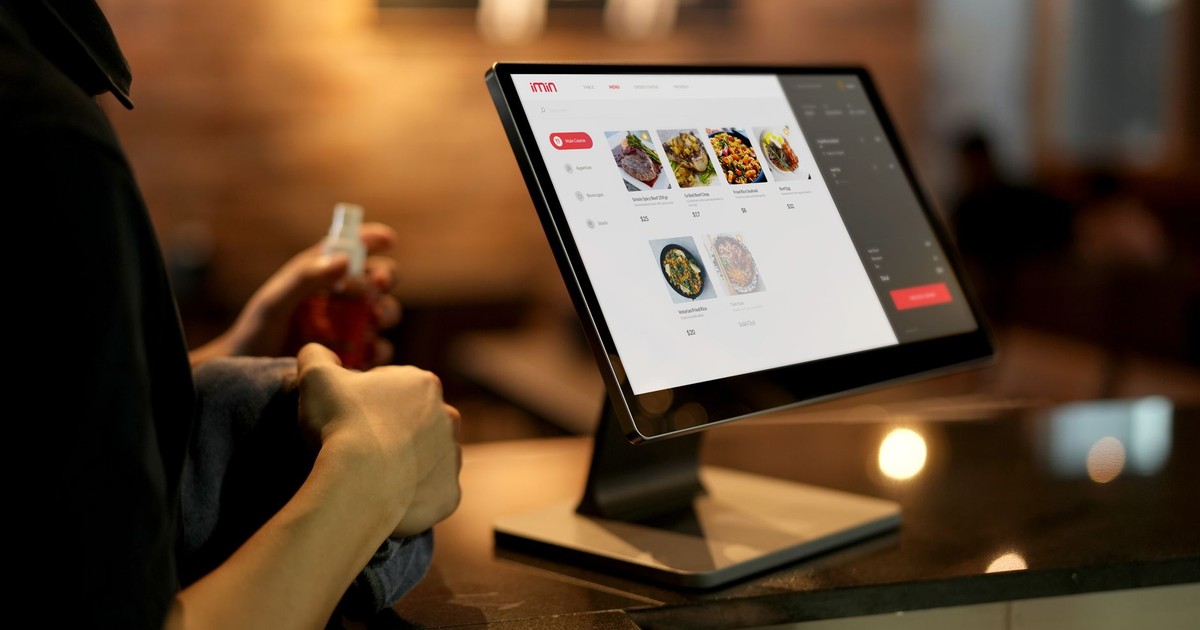
A table that is near the end of their dining experience, has eaten the majority of their food, then raises a complaint follows a pattern distinct from a genuine mid-meal issue. A legitimate problem with a dish gets raised when the dish arrives. Complaints surfaced with an empty plate are almost always about the check, not the food.
This habit often gets paired with a demand for a discount, a free item, or the dish removed from the bill entirely. Whatever the outcome, the tip that follows tends to reflect the original intention rather than the resolution. Servers who go out of their way to fix the “problem” rarely see that effort rewarded in the gratuity.
8. Splitting a Large Group Bill Many Ways
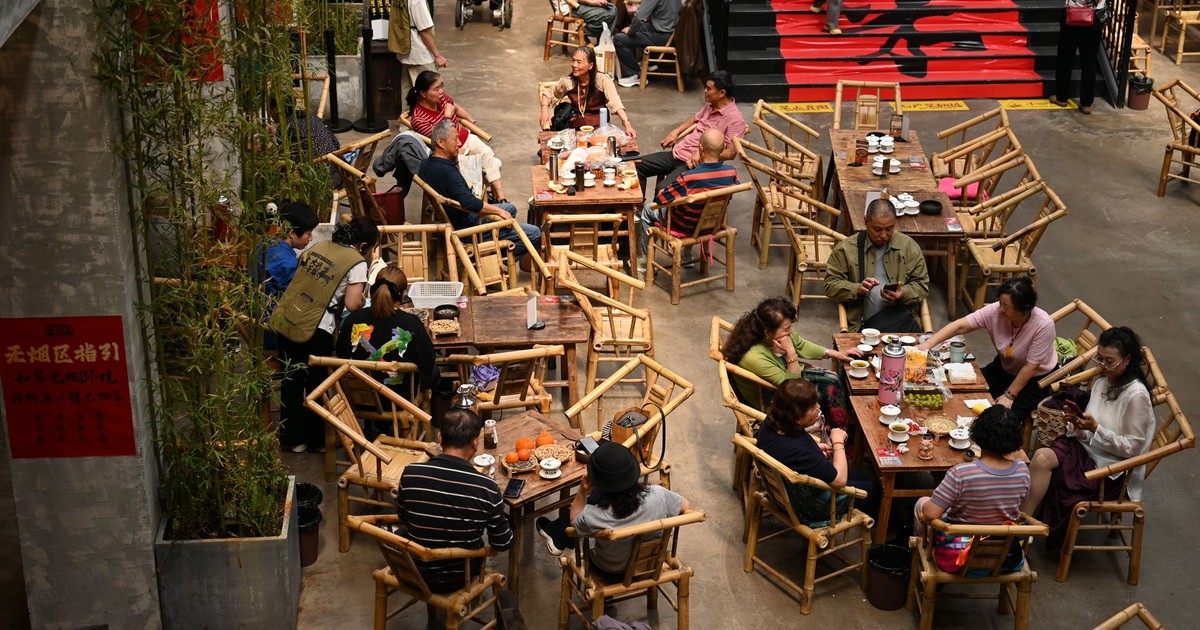
The larger the party, the smaller the per-person tip tends to be. Everyone assumes someone else at the table is calculating the tip generously, so no one does the math carefully. Research shows that as table size increases, tip size per person decreases, though servers don’t typically classify a table as a large party until it reaches around eight people.
A group that then splits an already-modest bill across seven separate cards compounds the effect. Each person is tipping on what feels like a small individual check, without accounting for the fact that one server managed the entire experience for all of them simultaneously. Servers specifically flag a group of young diners who split a large bill seven or more ways as a red flag for a poor tip outcome.
9. Paying Entirely in Cash
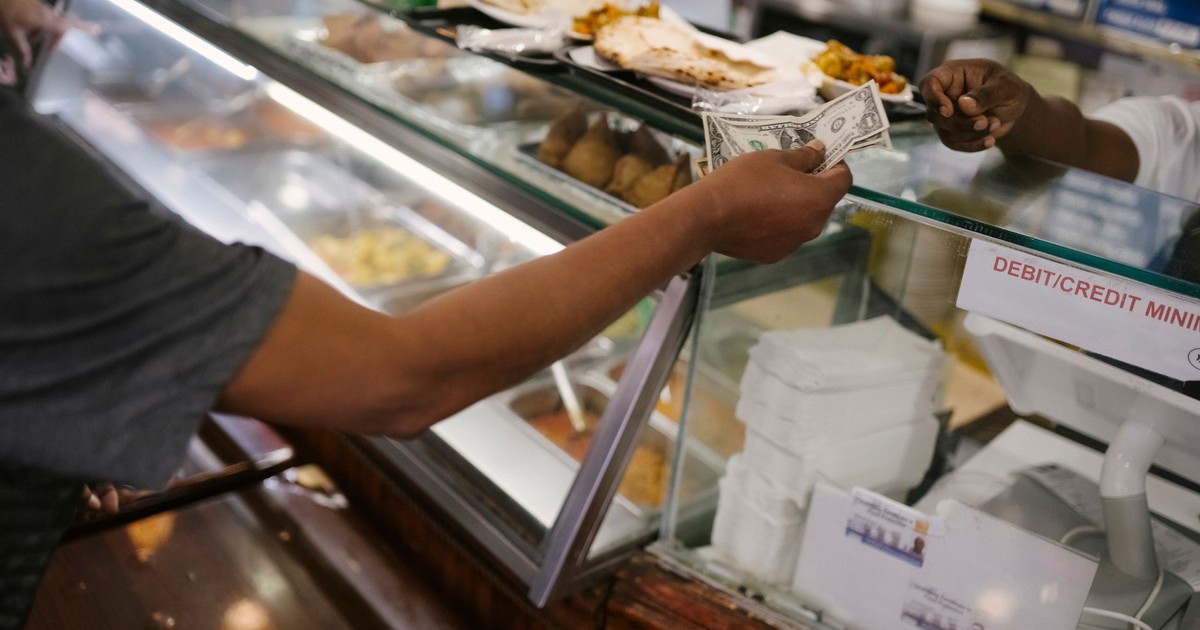
Cash tippers are not reliably more generous than card payers. Research published in the Journal of Retailing and Consumer Services found that consumers tip more frequently when they pay by cash, driven by impression management concerns, but the amounts are not consistently higher. Card payments create a digital record that captures every tip left, while cash tips are invisible to any tracking system.
Beyond the psychology, cash tips come with another issue: when a table pays entirely in cash and tips in cash, there’s no record. Some cash tippers are generous. But servers know from experience that the cash-only table also includes a disproportionate share of customers who round down, leave coins, or quietly pocket the change they were planning to leave when they’re certain no one is watching.
10. Calculating the Tip on the Pre-Tax Amount
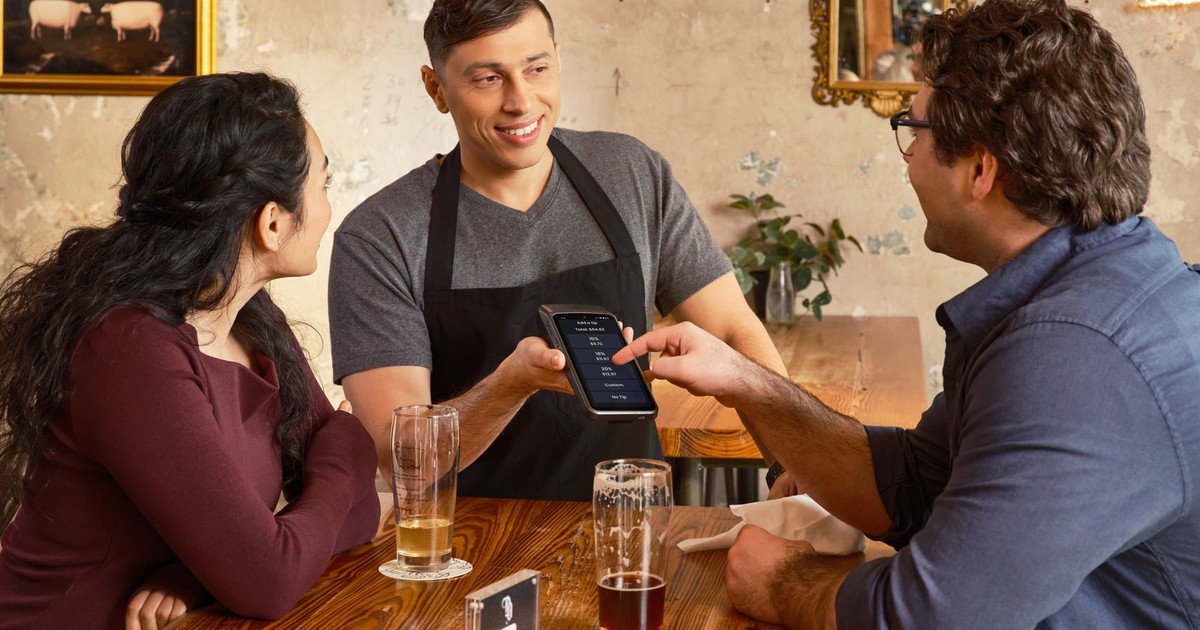
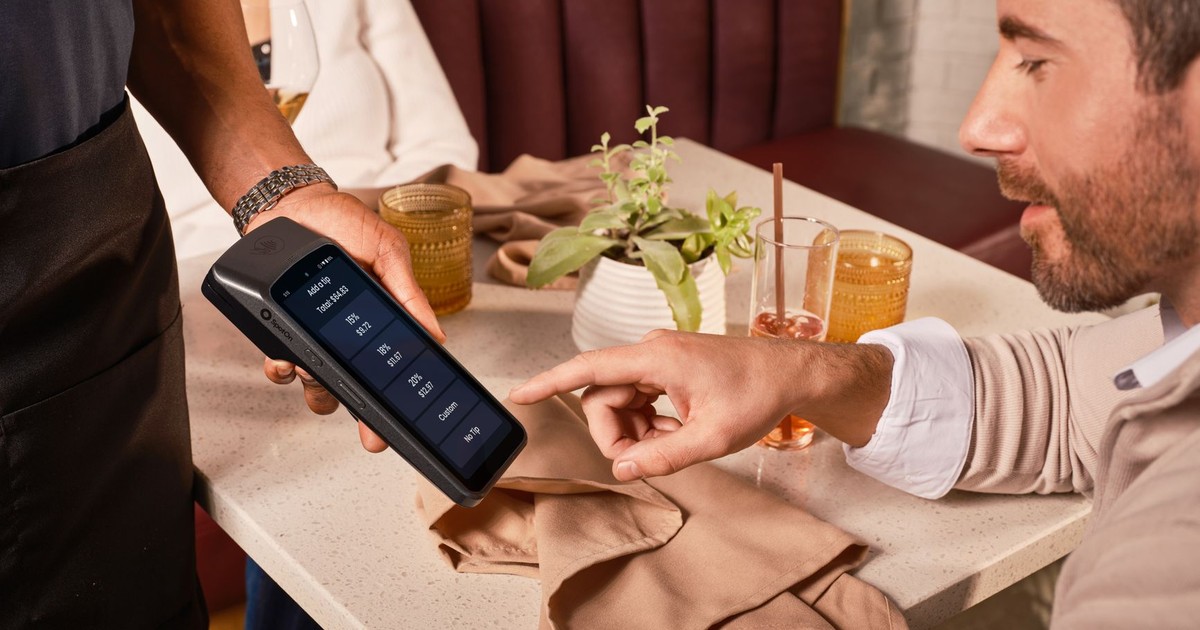
Most restaurant payment terminals now show suggested tip amounts based on the post-tax total precisely because diners who calculate on the pre-tax amount, on their own initiative, tend to tip lower overall. Restaurant owners report that the large majority of tipping occurs post-tax, largely because it’s the last number customers see before the tip line. Servers notice when someone visibly calculates the pre-tax figure separately. On a $90 bill with $10 in tax, it means the tip is calculated on $90 instead of $100, shaving a dollar or two from an amount that was already modest.
The reason this registers with servers is that the customer going out of their way to find the lower number is signaling something. It’s not about what’s technically correct. It’s about whether someone is looking for every possible way to reduce the total, or trying to be fair.
11. Lingering Well Past the Check
A table that pays the check, tips minimally, and then stays at the table for another hour is occupying a revenue seat without contributing to the server’s income for that period. The server still has to service the table, still has to be available, still gets asked for more water.
Research published in the International Hospitality Review found that servers focus their time and effort to earn tips across five categories: service quality, connection, personal factors, expertise, and food quality. A table that keeps a server anchored after payment has been settled actively cuts into that server’s ability to earn from the next table. The tip that reflects an hour of service but was calculated after 40 minutes isn’t covering the actual cost of the table.
12. Treating a Discount or Coupon as the Base
A coupon or restaurant promotion reduces what the customer pays. It doesn’t reduce what the server does. A server who delivers the same food, the same refills, the same attentiveness across a two-hour meal has done the same job regardless of whether the customer got a 20% promotional discount. The bad tipper habit kicks in when the tip is calculated on the post-discount total rather than the original bill.
A 2024 SpotOn survey of more than 1,000 restaurant workers found that 52% of tipped workers expect between 15% and 19%, and only 1 in 5 expects 20% or more. Tipping on a heavily discounted check, especially when the discount was a restaurant promotion rather than a comp for poor service, typically pushes the effective gratuity well below even that modest baseline.
What Servers Are Actually Watching

Bad tipper habits rarely show up in isolation. It’s the combination. The customer who asks about the bread basket, complains about the temperature of their entree after finishing it, and pays in exact cash was never going to leave 18%. The customer who over-promises a tip at the start, runs the server for 12 individual requests, and then stays at the table for 45 minutes after the check follows a recognizable pattern, and servers have seen it enough times to spot it forming before the appetizers land.
According to a 2024 Bankrate survey of 2,445 U.S. adults, nearly two-thirds of Americans hold at least one negative view toward tipping, with widespread frustration that businesses should simply pay employees better. Those feelings are legitimate. But frustration with a system doesn’t change the fact that, in the current system, servers in most U.S. states still earn as little as $2.13 an hour in base wages, with tips expected to bridge the gap to a livable income. The tip line isn’t a courtesy. It’s a paycheck.
Most of the habits on this list aren’t signs of bad character. They’re signs of not fully understanding how the math works on the other side of the table. The gap between thinking you’re a great tipper and actually being one turns out to be surprisingly wide, and these are exactly the behaviors that show it.
Disclaimer: This information is not intended to be a substitute for professional medical advice, diagnosis, or treatment and is for information only. Always seek the advice of your physician or another qualified health provider with any questions about your medical condition and/or current medication. Do not disregard professional medical advice or delay seeking advice or treatment because of something you have read here.
AI Disclaimer: This article was created with the assistance of AI tools and reviewed by a human editor.