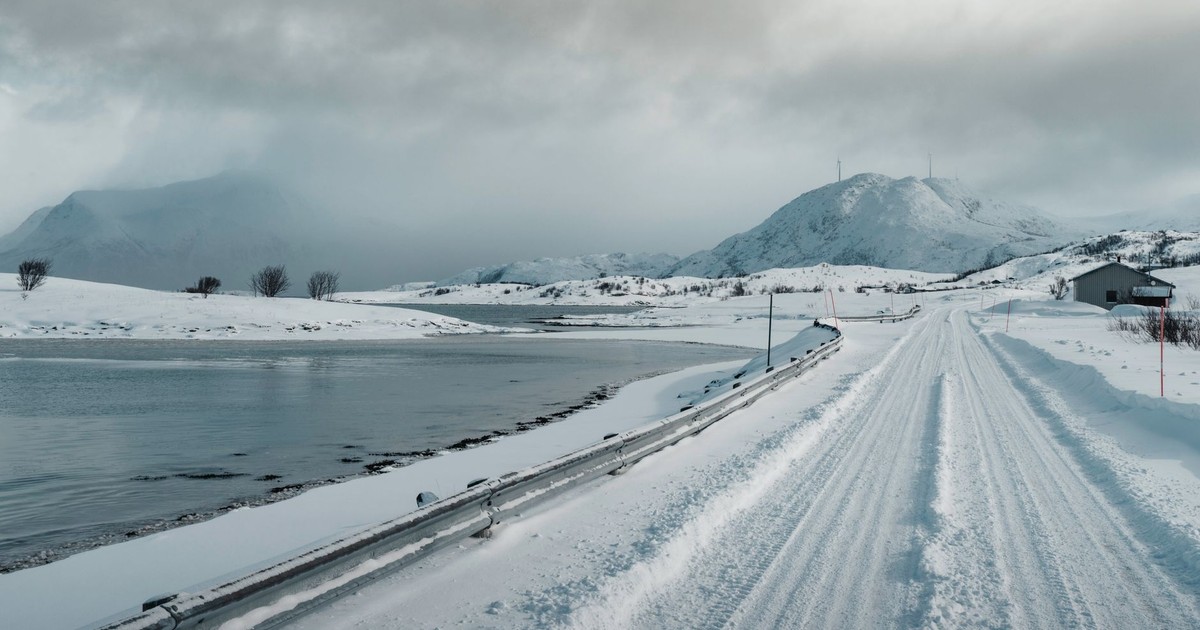

The argument for building the world’s most important storage facility inside a frozen Arctic mountain was, at its core, a bet on permanence. Permafrost, ground that has been continuously frozen for thousands of years, was supposed to be the one thing you could count on up there. The cold would last forever, the rock was solid, the location was remote enough to survive almost any conceivable catastrophe. It was the right kind of logic for an insurance policy nobody hoped to cash in.
Then came October 2016. Temperatures in the Svalbard archipelago, 1,300 kilometers above the Arctic Circle, hovered around zero instead of the usual minus ten. Rain fell where snow should have. The permafrost thawed just enough at the surface, and meltwater crept into the access tunnel of the Svalbard Global Seed Vault, the facility some scientists call the most important room in the world. The seeds themselves were safe, sitting behind a second vault door deeper in the mountain. But the water was a message the vault’s designers had not expected to receive so soon, from the one threat they thought they had escaped entirely.
The flood didn’t destroy anything. What it did was far more unsettling: it proved that the assumptions built into the vault’s design were already outdated, less than a decade after it opened.
What the Vault Actually Is
Carved into the sandstone of Svalbard’s Platåberget mountain, the Svalbard Global Seed Vault opened in February 2008 as a partnership between the Norwegian government, the Nordic Genetic Resource Center, and the nonprofit Crop Trust. Genebanks around the world keep active collections of food crops, and those collections face constant threats that can wipe out decades of genetic material. Svalbard would be the backup for the backups.
The facility is designed to store up to 4.5 million distinct seed samples, each typically holding around 500 seeds. It has three underground chambers, all kept at minus 18 degrees Celsius. The location was chosen for its cold, remoteness, and geological stability, on the principle that rock and permafrost would keep the seeds frozen even without electricity. Seeds are stored under black-box conditions, meaning the depositors are the only ones who can withdraw their own seeds.
Just 15 crop plants provide 90 percent of the world’s food energy intake, according to the FAO, with rice, maize, and wheat alone making up two-thirds of that figure. In the past, farmers grew tens of thousands of crop varieties around the world, and that diversity protected agriculture from losses caused by disease and climate change. The vault exists to preserve as much of what remains as possible. Holdings span a wide range of species, with the largest numbers of samples being varieties of rice, wheat, and barley: more than 150,000 samples of wheat and rice and close to 80,000 of barley.
As of the October 2025 deposit, the collection stood at 1,378,238 samples across 68 separate deposit events, according to Space Daily. More than 130 genebanks in nearly 90 countries have now placed backups there. Growth has been steady and, in recent years, urgent. In 2025 alone, genebanks deposited more than 46,000 seed samples into the vault. The February 2026 deposit brought seeds from two countries making their first-ever contributions: Guatemala and Niger, along with the vault’s first-ever deposit of olive seeds. Each new shipment reflects the same calculation: the world outside is getting less stable, so the archive inside the mountain needs to grow faster.
The Disaster That Already Happened
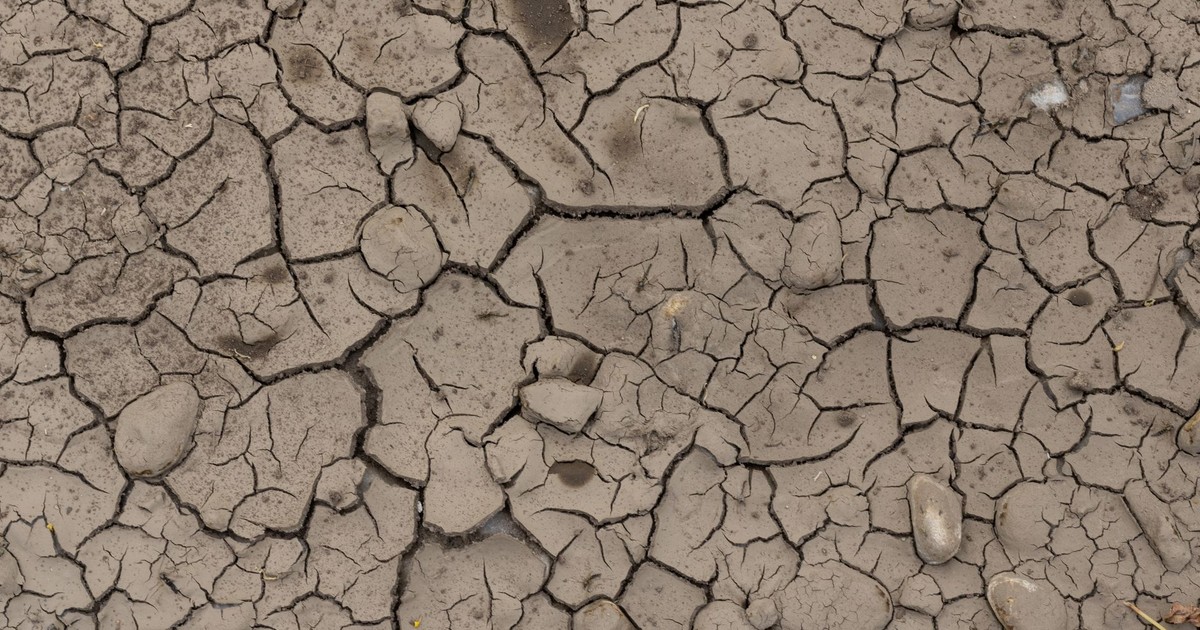
A very warm winter combined with heavy spring rain thawed part of the surrounding permafrost, flooding the entrance and threatening the safety of the seeds. That was 2016. In October of that year, the warmest year on record at the time, melting permafrost caused water to leak about 15 meters into the entrance of the vault’s 100-meter tunnel. The seeds were never at risk. The water didn’t reach the inner chambers. But the incident cost significant money and raised questions that couldn’t be answered with reassurances.
The Norwegian government’s own spokesperson told the BBC that the vault had been built on Svalbard precisely because the permafrost was thought to be permanent. She said the problems emerged when temperatures, instead of being minus ten degrees or colder, were hovering around zero.
What followed was a substantial engineering effort. The flooding prompted a $13 million renovation to make the entryway waterproof. The renovations involved constructing a new waterproof concrete tunnel, moving electrical equipment to a different building, digging channels to divert meltwater, and threading pipes containing coolant through the soil, with a freezing mat laid on top of the tunnel to help the permafrost stay frozen.
The irony is hard to avoid. The Arctic was chosen because freezing conditions were a given. Now engineers are artificially recreating those freezing conditions with coolant pipes and insulating mats. Changes were made to the vault’s entrance to lessen this particular risk, but the breach showed that humans are not especially good at anticipating change, even in the short run.
Climate projections suggest that between 2071 and 2100, average temperatures throughout the Svalbard archipelago will increase by between 7 and 10 degrees Celsius, shortening the snow season and causing the loss of near-surface permafrost. The vault sits 130 meters above sea level, which provides protection against rising ocean levels. The permafrost is a different problem. It doesn’t rise, it thaws, and it’s already doing so ahead of schedule.
The First Time the Vault Was Actually Used
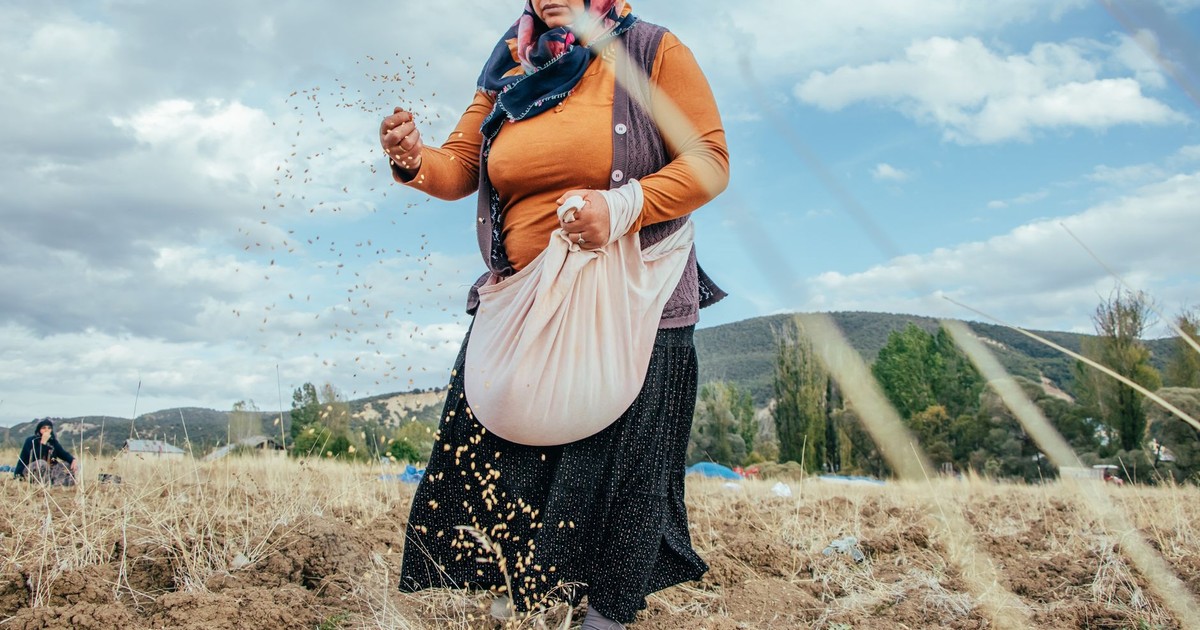
The flooding got most of the headlines, but the moment that best illustrates what the vault is actually for came earlier, in 2015. It was not a natural disaster that caused scientists to make the first significant withdrawal from the vault. It was the most preventable of disasters: war.
The International Center for Agricultural Research in the Dry Areas, known as ICARDA, had operated its main genebank near Aleppo, Syria for decades. The collection contained seeds of crops specifically bred for drought resistance and harsh conditions, including wheat, barley, lentils, and chickpeas that had been developed over generations to survive where most agriculture struggles. The outbreak of war in Syria put ICARDA in crisis, with most staff leaving in 2012 save for a few Syrian nationals. To save its historic collection, they worked urgently to prepare and ship 14,363 accessions to the Svalbard vault between 2012 and 2014.
In September 2015, 128 crates of seeds totalling 38,000 samples from ICARDA were returned from the Svalbard Global Seed Vault at ICARDA’s request, according to the Norwegian government. Lebanon and Morocco stepped in to host the collection, and the seeds ICARDA staff had painstakingly backed up could finally be regenerated and made available for use. By 2021, the genebank had been fully recreated in Morocco using the backup collection stored at Svalbard, where it is once again supporting global crop breeding efforts.
ICARDA has since made three total withdrawals from the vault: the first in September 2015, the second in 2017, and the third in August 2019. Each time, seeds went out to be regenerated at ICARDA’s new facilities. All seeds retrieved in 2015 and 2017 germinated well, with new seeds produced for regular genebank activities and for distribution to research and breeding purposes. The cycle completed as intended: crisis hit, seeds came out, new seeds went back in.
ICARDA remains the only institution to have made a withdrawal. But the Syrian example sits at the center of every argument for why the vault matters. The Aleppo gene bank held irreplaceable drought-tolerance traits bred over millennia. Without the Svalbard backup, they would be gone. Instead, they are in the ground in Morocco, feeding plant breeding programs that will shape what people eat in a hotter, drier world.
Who Is Sending Seeds, and Why
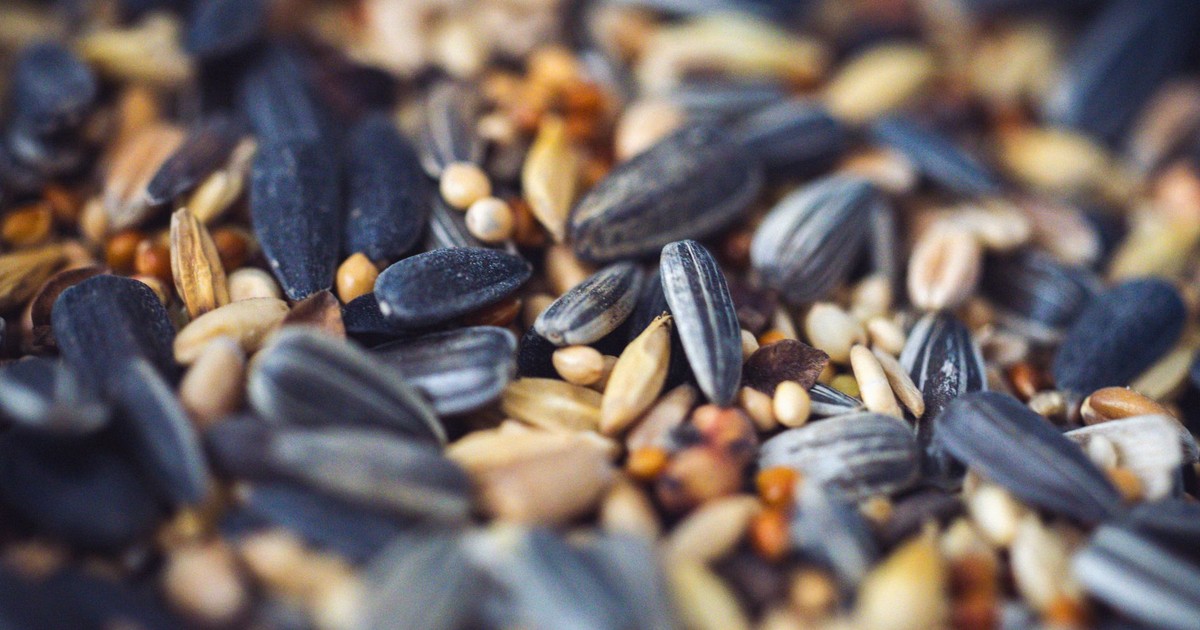
The vault’s depositor list tells its own story about the state of the world. The October 2024 deposit marked the largest number of depositors since a record-breaking event in 2020, and included first-time contributions from Bangladesh, Bolivia, Chad, Nigeria, Papua New Guinea, and Suriname. Countries that have never sent seeds before are starting to. That’s not because the vault has suddenly become fashionable. It’s because the risks that drove its creation are accelerating.
In February 2025, more than 2,000 seed samples rescued from Sudan’s national gene bank were deposited in the vault, along with 12,000 other samples from 22 seed banks. The samples included essential varieties of sorghum and pearl millet from Sudan’s collection. Sudan’s gene bank, like ICARDA’s before it, had been caught in conflict. The seeds made it out.
More than 130 genebanks in nearly 90 countries have now placed backups in the vault. The facility is not close to full. Its total capacity is 4.5 million samples. But it is growing with a consistency that reflects how much the world has changed since it opened.
The rhythm of deposits also challenges the doomsday vault label. Genebanks ship seeds roughly three times a year, in February, June, and October. In 2024 alone, 54 depositors added 64,331 samples. This isn’t a sealed bunker waiting for the apocalypse. It’s a working archive with regular deliveries, more like a deeply frozen library than a last-resort emergency shelter.
The Ongoing Threat No Renovation Can Fully Fix
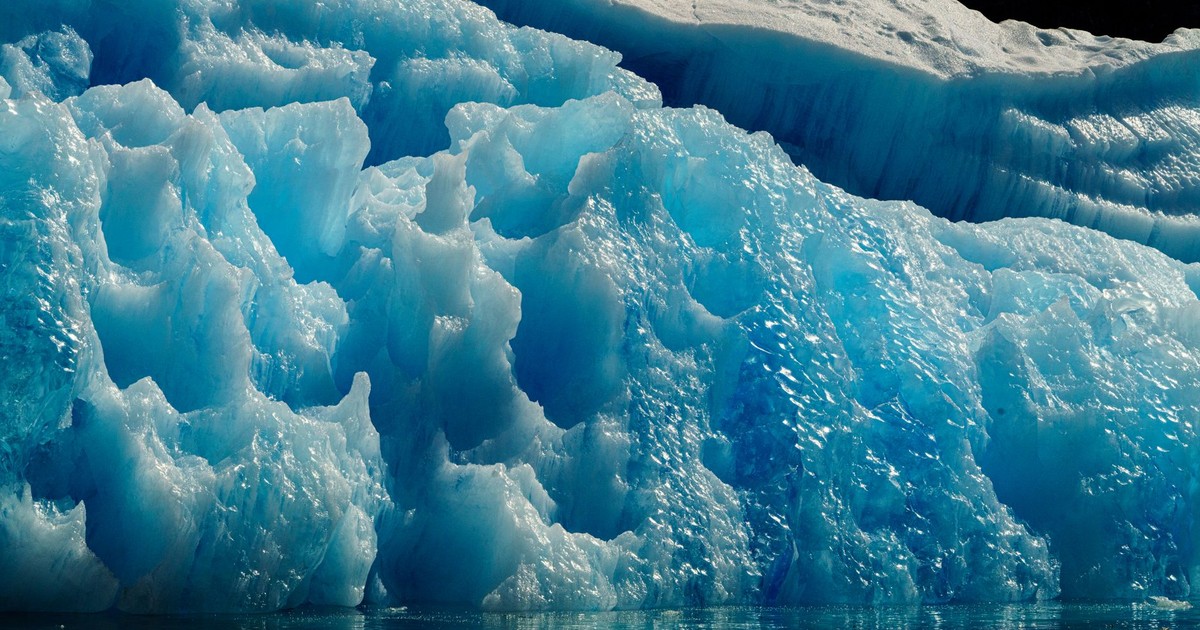
The $13 million renovation addressed the 2016 flooding. What it cannot address is the direction of travel. The Arctic is warming roughly four times faster than the global average. Svalbard sits at the sharp end of that change, and the island has already seen temperatures that would have seemed impossible when the vault was designed.
The deeper issue, as Scientific American noted in a 2025 analysis, is that a representative of the Norwegian government acknowledged at the time of the flood: “It was not in our plans to think that the permafrost would not be there and that it would experience extreme weather like that.” The question she raised, whether it was just happening then, or would escalate, has since been answered. The warming has continued. The permafrost has not recovered on its own.
The vault’s designers positioned it 130 meters above sea level specifically to survive sea-level rise. The greater concern now is what happens to the surrounding geology as warming continues beyond the initial projections. Coolant pipes and freezing mats help, but they require maintenance, power, and ongoing investment. The entire premise of the facility was that nature would do the preserving. That premise no longer fully holds.
None of this means the seeds are in immediate danger. The renovations were significant and the engineering is serious. But it does mean that the vault is no longer the passive, self-sustaining backup it was conceived to be. Keeping it cold now takes active effort, which is a different kind of institution than the one that opened in 2008.
What This Actually Means
The Svalbard Global Seed Vault is genuinely one of the most important things humanity has built in the past fifty years. The ICARDA story makes it concrete: a gene bank that took centuries of accumulated human agricultural knowledge with it into a war zone, and survived only because someone had the foresight to ship duplicates to a mountain in Norway. The wheat and barley varieties now feeding breeding programs in Morocco exist because of those seeds. The people who eventually grow crops developed from that material may never know how close it all came to being lost for good.
The Arctic seed vault disaster narrative that spread in 2016 was both overblown and not wrong. The seeds were never at risk. The assumption behind the vault very much was. The fact that the response was swift and competent, a $13 million engineering overhaul, coolant systems, drainage channels, a concrete tunnel, is genuinely reassuring. Less reassuring is the knowledge that those systems now need to compensate for changes to the Arctic that are continuing regardless of anything that happens inside the mountain.
What the vault represents, ultimately, is a bet on the future made by people who understood that present-day decisions about crop diversity would constrain or expand the options of people not yet born. That bet was well-placed. The only question now is whether the conditions required to honor it can be maintained as the climate it was partly designed to protect against continues to change.
Disclaimer: This information is not intended to be a substitute for professional medical advice, diagnosis, or treatment and is for information only. Always seek the advice of your physician or another qualified health provider with any questions about your medical condition and/or current medication. Do not disregard professional medical advice or delay seeking advice or treatment because of something you have read here.
AI Disclaimer: This article was created with the assistance of AI tools and reviewed by a human editor.