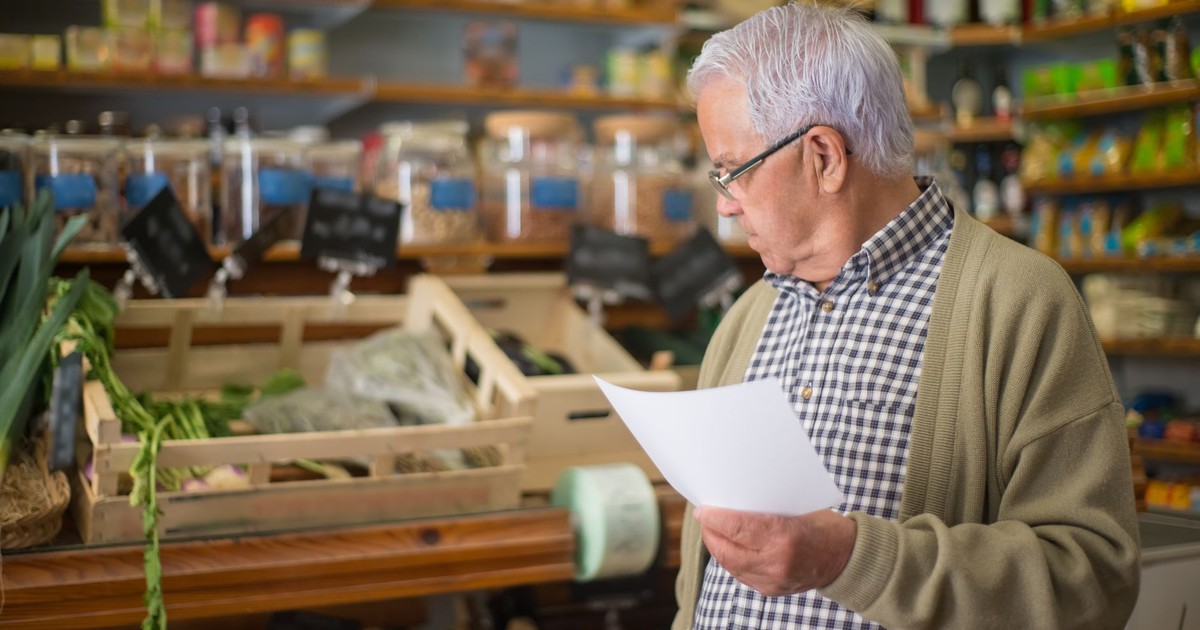

Food costs 19.1% more in 2026 than it did four years ago, according to a 2026 BLS analysis. For a family on a fixed income or tight budget, that’s the difference between a full cart and a half-empty one by the end of the month.
Between spending whatever it takes and living on an austerity challenge is a large middle ground where smart, ordinary grocery shopping money saving habits live. As of January 2026, grocery store prices are 2.1% higher than in January 2025. A few consistent changes to how you shop can meaningfully close the gap.
These 16 tricks remove the money you’re already leaking without noticing: the food that goes bad before you touch it, the name-brand prices you pay out of habit, the extra items that land in the cart because the store was designed to put them there.
Start in the Kitchen, Not the Store
The pantry has three cans of chickpeas. The freezer has chicken thighs from two weeks ago. The crisper drawer has a head of cabbage that still has a few good days left. None of that registers when you’re standing in the cereal aisle trying to remember what you need.
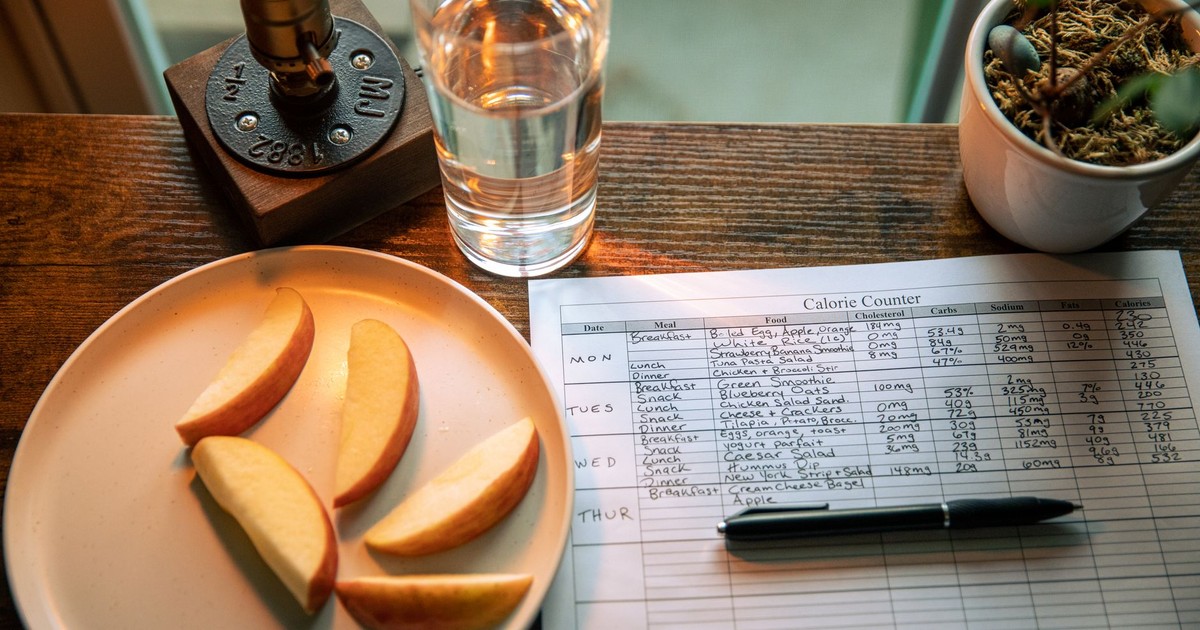
Opening the pantry, fridge, and freezer to see what you already have lets you create a shopping list around those items. This eliminates duplicate purchases, helps you use up food before it goes bad, and often shortens your list by a third.
Before any shopping trip, do a five-minute kitchen audit. Open everything. Move older items to the front. Write down what needs to be used soon and build at least two meals around it.
Plan Meals Around What’s on Sale

When chicken thighs are on sale, that’s a chicken week. When ground beef is marked down, you make tacos and bolognese back to back. The meals change; the budget doesn’t blow up.
Most major supermarkets publish their weekly circular on Monday or Tuesday. Building even a rough meal sketch around those deals can drop your bill noticeably without requiring anything more than five minutes on a store’s website.
Seasonal fruit and vegetables are consistently cheaper than out-of-season imports. Strawberries in June cost about half what they do in January. Butternut squash in October is practically free compared to March.
Compare Unit Prices, Not Package Prices
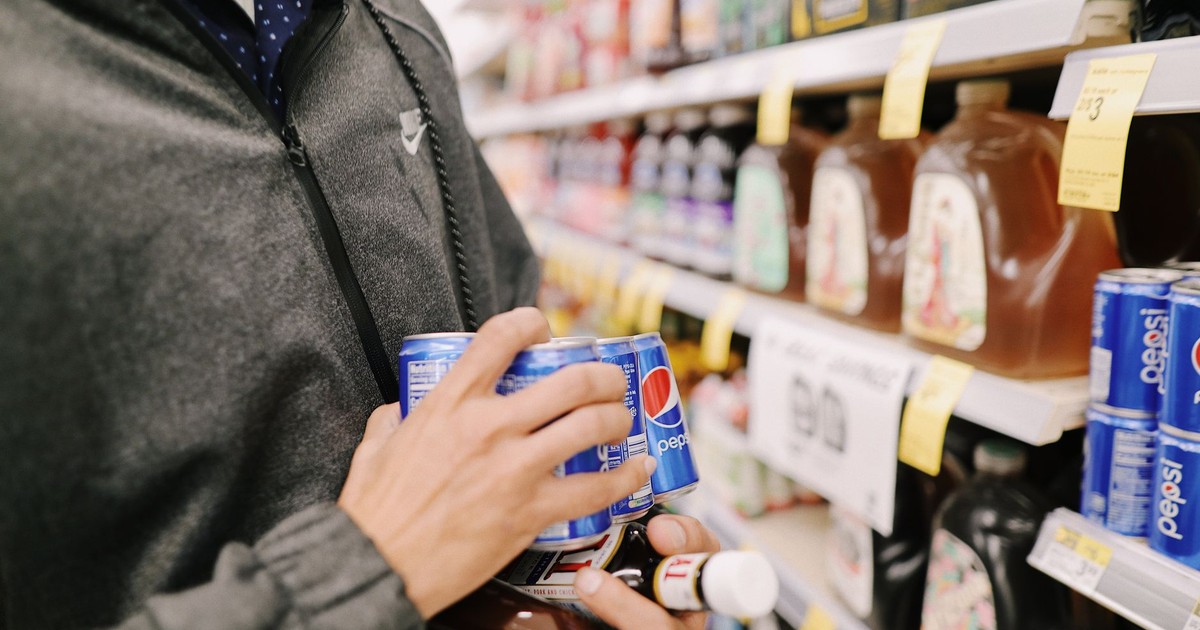
A 32-ounce jar of pasta sauce at $4.99 is $0.156 per ounce. A 24-ounce jar on sale for $3.49 is $0.145 per ounce. The smaller jar on sale is actually cheaper, and you’d miss that entirely if you were just looking at total price.
The cost per unit reveals which product is actually the most affordable. This strategy is especially important when companies use shrinkflation to sell smaller quantities at the same price. The only reliable defense is reading the unit price on the shelf tag, which most stores are required to display.
Switch to Store Brands on Everything You Can
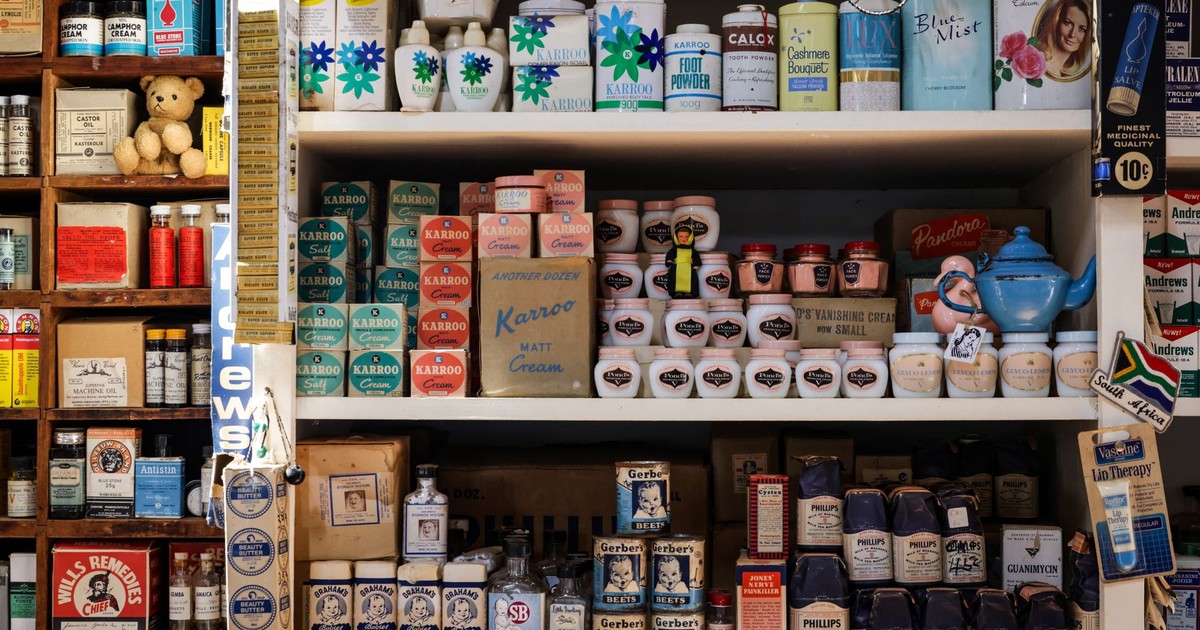
For the vast majority of pantry staples (canned tomatoes, olive oil, chicken stock, flour, butter, frozen vegetables, pasta), the difference in taste is undetectable. The price difference at checkout is not.
Buying the store-brand version of a product at Walmart, Kroger, or Target can save shoppers more than 70% on some items, according to an April 2026 NetCredit study comparing 171 grocery store items across those three retailers. Running through an entire cart with store-brand swaps on eligible items can cut a week’s grocery bill by $30 to $60 for a family of four.
The products where brand genuinely matters more (specialty condiments, certain cheeses, specific snacks your kids will notice immediately) are worth keeping. Everything else is worth testing.
Use Loyalty Programs and Digital Coupons Every Time

Most major chains now allow you to load digital coupons onto your account that apply automatically at checkout. No clipping, no fumbling with paper, no remembering to hand anything to the cashier. You just scan your app or card and the savings come off.
Kroger, Albertsons, Safeway, and most regional chains have apps that load personalized deals based on your purchase history. Some programs also offer fuel points, which offset another household expense entirely.
Only use coupons for items already on your list. Buying something you don’t need because it’s discounted isn’t saving money.
Stop the Freezer Waste Cycle

Chicken breasts bought on sale in February, still there in June, eventually thrown out when the freezer gets reorganized. The purchase was smart. The follow-through wasn’t.
A simple list on the door (a whiteboard magnet works well) that tracks what’s in the freezer and when it went in changes everything. When something gets added, it goes on the list. When something gets used, it comes off. Batch-cook and freeze full meals on slower weekends (soups, stews, cooked beans, grains) and you have an on-demand backup pantry that cost you almost nothing extra.
Freeze food before it reaches the questionable stage. Bread, cooked beans, shredded cheese, ripe bananas, cooked meat, and soups all freeze well. Most people wait too long.
Understand What Food Waste Is Actually Costing You

According to the U.S. EPA, the cost of food waste to each American consumer is $728 per year. For a household of four, that annual cost reaches $2,913, with an average weekly cost of $56. That’s $56 every single week in groceries your family paid for and never ate.
Most of that waste is predictable and preventable. The produce that gets pushed to the back of the crisper. The leftovers that sit in the fridge for four days without anyone touching them because they’re in an opaque container nobody wants to open. The loaf of bread that goes stale two days before the end of the week. Clear containers, first-in-first-out fridge organization, and labeling leftovers with dates address the root causes.
Keep a Backup Pantry Meal in Your Rotation
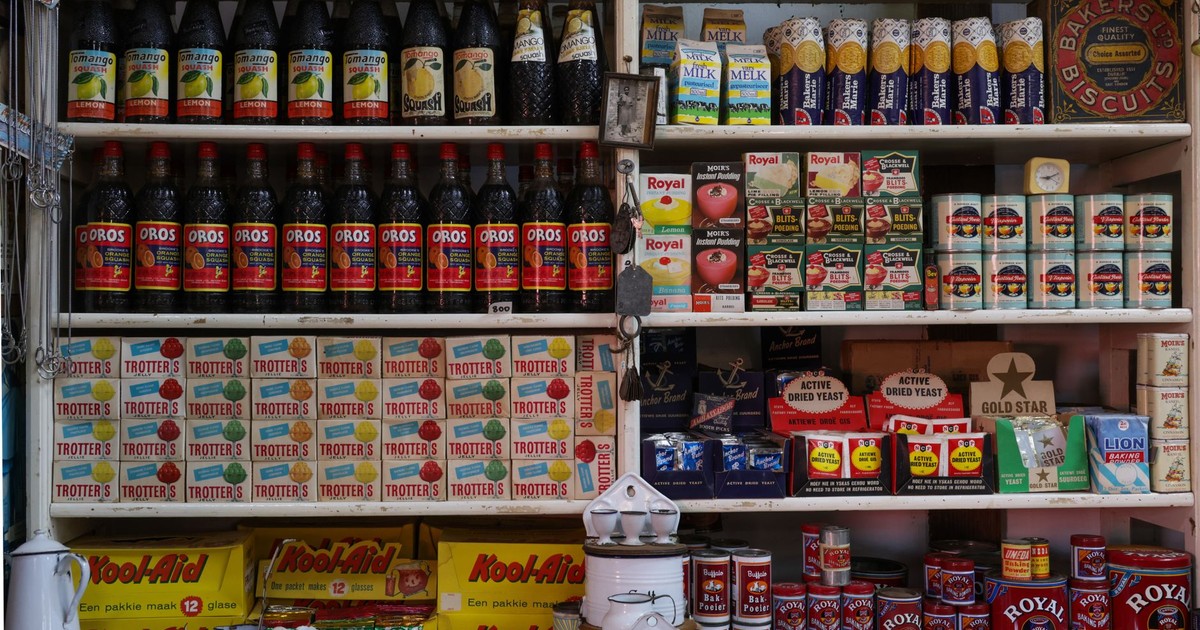
Pasta with canned tomatoes and garlic. Rice and beans with canned corn. A lentil soup from dried lentils and broth. These aren’t exciting meals. They’re insurance.
When you always have a pantry fallback, you’re less likely to panic-order takeout on a tired Tuesday, and you’re more likely to let the fresh produce you already bought actually get used rather than getting displaced by a delivery that arrived faster. A stocked pantry makes a weekly meal plan resilient rather than fragile.
Use Grocery Pickup to Limit Impulse Spending

Supermarkets are engineered environments. The product placement, the end-cap displays, the smell of rotisserie chicken near the entrance (none of it is accidental). The average shopper adds a meaningful number of unplanned items to every in-store trip, and those items add up over a month.
Ordering online for curbside pickup gives you the full visibility of your running total as you shop, something the in-store cart never shows you, while removing almost all of the environmental triggers that lead to unplanned purchases. For families who consistently go over budget at the store, this single shift is often the most impactful one. To avoid additional markups and fees, use a store’s own app rather than a third-party delivery service, or opt for pickup instead of delivery.
Master the Art of the Flexible List
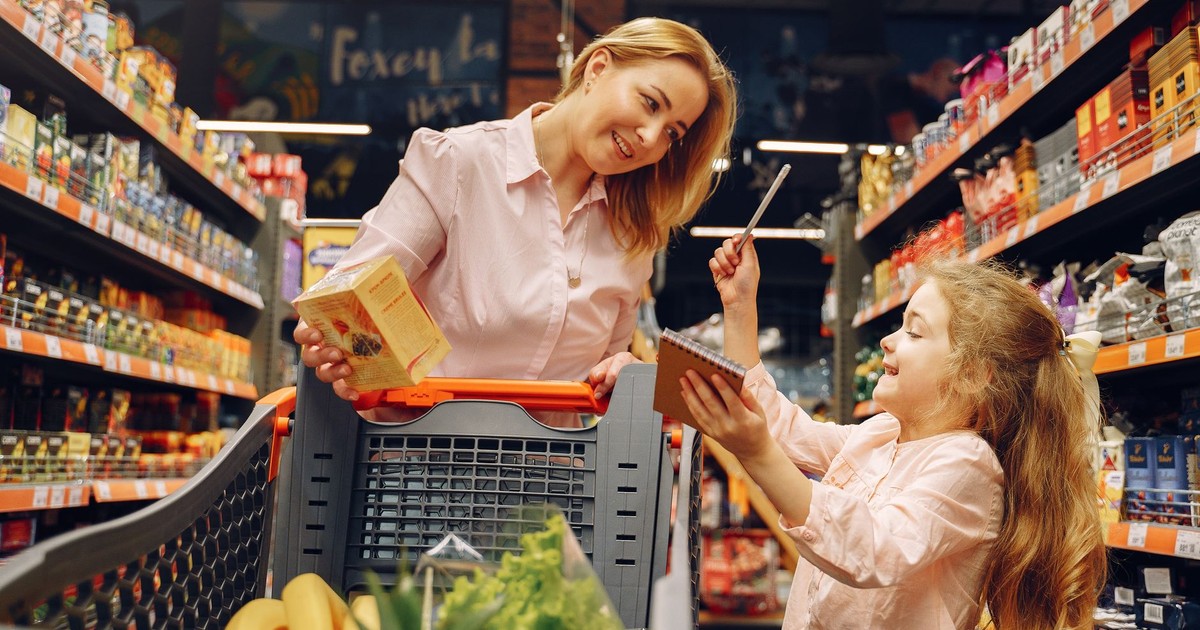
A family that planned a salmon dinner and refuses to pivot when salmon is $18 a pound this week is paying for inflexibility. The smarter approach is building a flexible list where the proteins, vegetables, and carbs are interchangeable within a category.
Plan for “a protein for stir-fry” rather than specifically chicken breast. Plan for “a leafy green” rather than specifically spinach. Then make the actual choice in the store based on what’s priced well that day. This takes about thirty seconds more than a rigid list and can save you $10 to $20 on a single shop by letting you buy what’s abundant rather than what you committed to at home.
Learn When Your Store Marks Down Perishables
Most grocery stores have a predictable markdown schedule for meat, bakery items, and prepared foods that are approaching their sell-by date. The specific day varies by store, but butchers typically rotate markdowns on the same days each week, and bakery clearance happens at a consistent time each day.
Meat marked down 30 to 50% can be used that day or frozen immediately. It’s perfectly good food, just close to its sell-by date. Day-old bread is fine for toast, French toast, stuffing, or bread crumbs. If you shop at a farmers market, going near closing time often means vendors are more willing to negotiate on remaining stock.
Buy in Bulk, but Only the Right Things
A 10-pound bag of rice for a family that eats rice twice a week makes obvious sense. A gallon jug of mayonnaise for a family of four does not, unless you go through an extraordinary amount of it. Buying in bulk only saves you money if you use everything you buy.
The categories where bulk genuinely pays off: dried grains, dried beans, canned goods, frozen vegetables, cooking oil, coffee, dish soap, and paper products. Anything perishable requires an honest accounting of your household’s actual consumption rate. If you’ve thrown out the same item twice in the past year before finishing it, you’re buying too much of it, regardless of the per-unit price.
Use a Cash-Back App for Staples You Already Buy

Cash-back grocery apps (Ibotta, Fetch Rewards, and Checkout 51 are the most widely used) aren’t going to restructure your grocery budget on their own, but as a passive layer on purchases you’re already making, they add up over a year. Ibotta, for example, offers cash back on specific brands and generic categories like “any brand of eggs” or “any fresh fruit.” You take a photo of your receipt, the app matches the eligible items, and the money transfers to your account.
Apps like Flipp aggregate the weekly circulars from multiple stores in your area into one searchable interface, so you can find out in 90 seconds which store has the better price on a specific item before you decide where to shop that week.
Organize Your List by Store Section
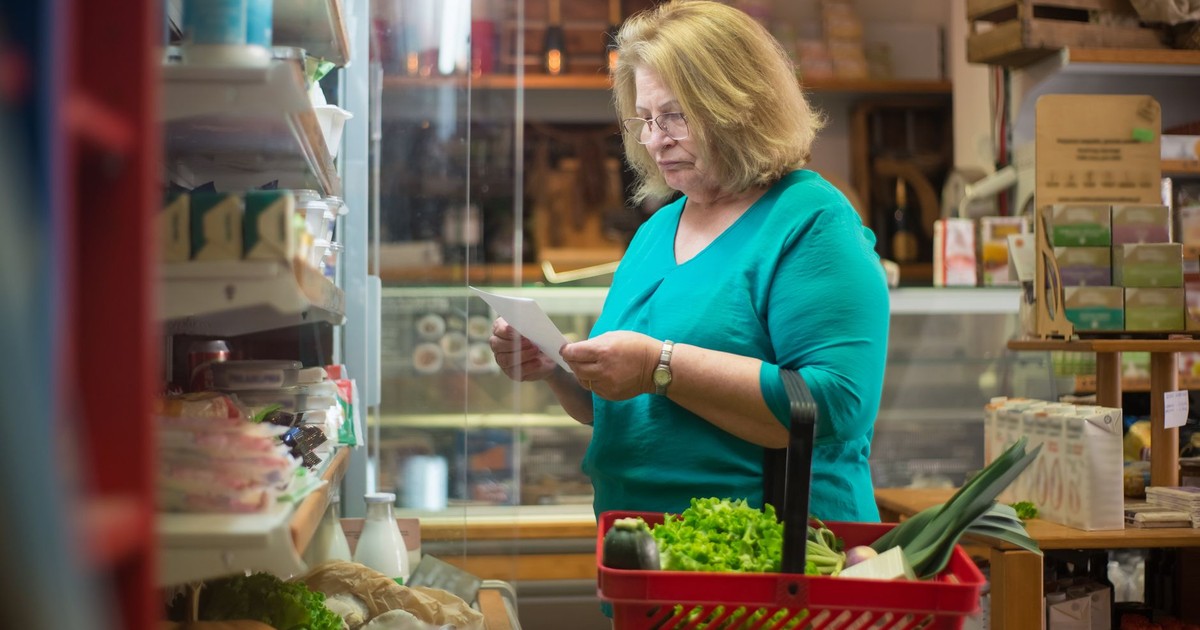
When your list is organized by section (all produce together, all dairy together, all proteins together), you move through the store in one pass rather than doubling back across multiple departments.
Every additional loop through the store is another exposure to things you hadn’t planned to buy. The bakery section you pass on the way back from forgetting milk. The snack aisle you cut through to get to the frozen vegetables. Organizing your shopping list by store section (produce, dairy, meat, pantry, and frozen foods) keeps you focused and helps you avoid extra trips back through snack aisles. A shopper who spends 25 minutes in the store makes fewer impulse purchases than one who spends 45 minutes.
Rethink Protein Costs Strategically
Meat is consistently the highest-cost line item in a grocery cart. Within the meat category, the price differences between cuts are enormous while the nutritional profiles are essentially identical. Bone-in chicken thighs cost roughly a third of boneless chicken breasts and are more flavorful for most cooked applications. Pork shoulder is a fraction of the price of pork tenderloin. Ground turkey hovers reliably below ground beef.
Plant-based proteins make the math even more dramatic. Dried lentils, canned chickpeas, black beans, and eggs are among the cheapest sources of protein available in any American supermarket, and they anchor entire cuisines’ worth of genuinely satisfying meals. Introducing two or three plant-protein dinners per week can reduce a family’s weekly grocery spend more than almost any other single change. The savings potential in the protein section alone is significant enough to offset price increases in other categories.
Set a Pre-Shop Budget and Track It in Real Time
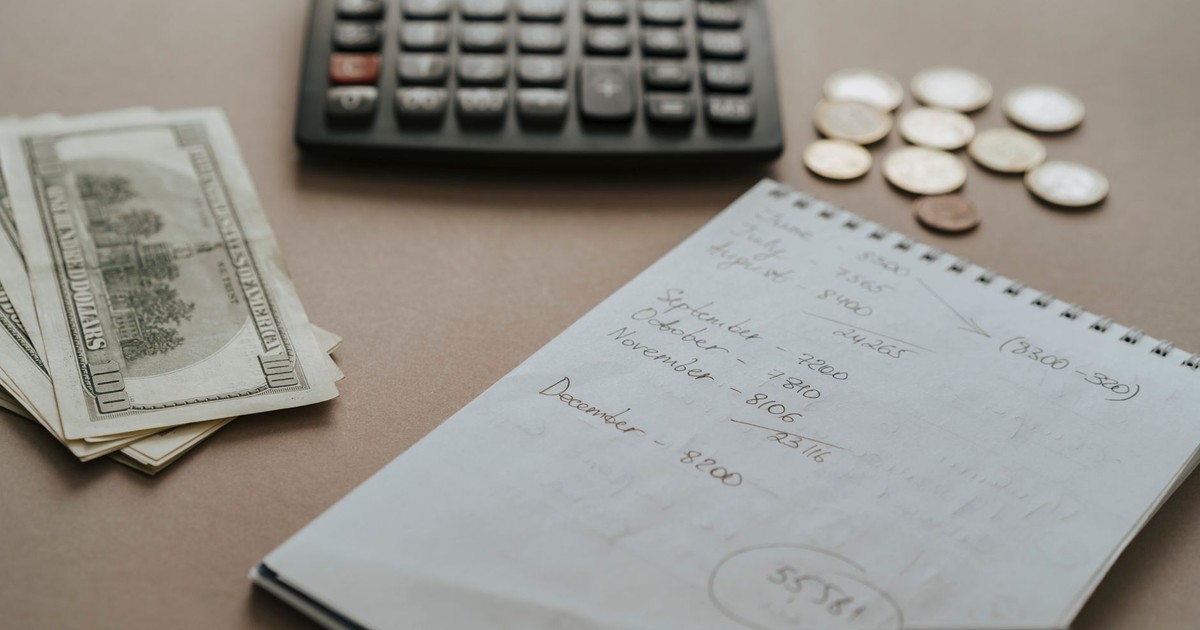
Knowing what you plan to spend before you enter the store is different from hoping you’ll spend a reasonable amount. If you have trouble sticking to your weekly grocery budget, trying to shop with only that amount of cash in hand keeps the limit concrete.
If cash feels extreme, the digital equivalent works just as well: pull up a notes app before you shop and keep a running tally as items go into the cart. Most grocery store apps also show you a running total as you add items to a pickup order. The psychological effect of watching a number climb in real time is genuinely different from discovering the total at checkout. When you see the cart hit $180 and you still have half the list to go, you make different choices about what’s essential and what’s optional.
What This Actually Changes

None of these habits require you to eat worse, spend hours couponing, or turn grocery shopping into a second job. They work because they address what actually drives overspending: buying on autopilot, wasting what you’ve already bought, and letting the store’s design guide your cart instead of your own plan.
You don’t need to do all 16. Pick three or four that fit naturally into how your household already operates and apply them consistently for a month. The combination of reducing food waste, switching to store brands on a dozen items, and using one price-comparison app will likely return more money in a single month than most families realize they’re losing.
Disclaimer: This information is not intended to be a substitute for professional medical advice, diagnosis, or treatment and is for information only. Always seek the advice of your physician or another qualified health provider with any questions about your medical condition and/or current medication. Do not disregard professional medical advice or delay seeking advice or treatment because of something you have read here.
AI Disclaimer: This article was created with the assistance of AI tools and reviewed by a human editor.