

Most retirees arrive at the Florida decision the same way. The winters get old, a friend moves down and raves about it, and suddenly the math feels obvious: warm weather, no state income tax, beach access. For decades, that logic was hard to argue with. Florida delivered.
Somewhere between the back-to-back hurricane seasons of 2024 and the homeowners insurance bills that followed, the arithmetic started breaking down for a lot of people. Property insurance costs alone have become a line item that doesn’t fit on a fixed income. Add property taxes on homes that have appreciated aggressively, summer utility bills, and flood insurance in coastal zones, and Florida stops looking like the smart financial move it once was. Plenty of retirees are running the numbers and landing somewhere else entirely.
Across the Sun Belt, the mountain South, and the Texas Gulf Coast, cities have emerged that offer warm winters, solid healthcare, low or zero state income tax, and housing that doesn’t require liquidating a life’s savings just to get through the front door. These 11 retirement cities make the Florida alternative case on the numbers, not just the lifestyle pitch.
1. San Antonio, Texas
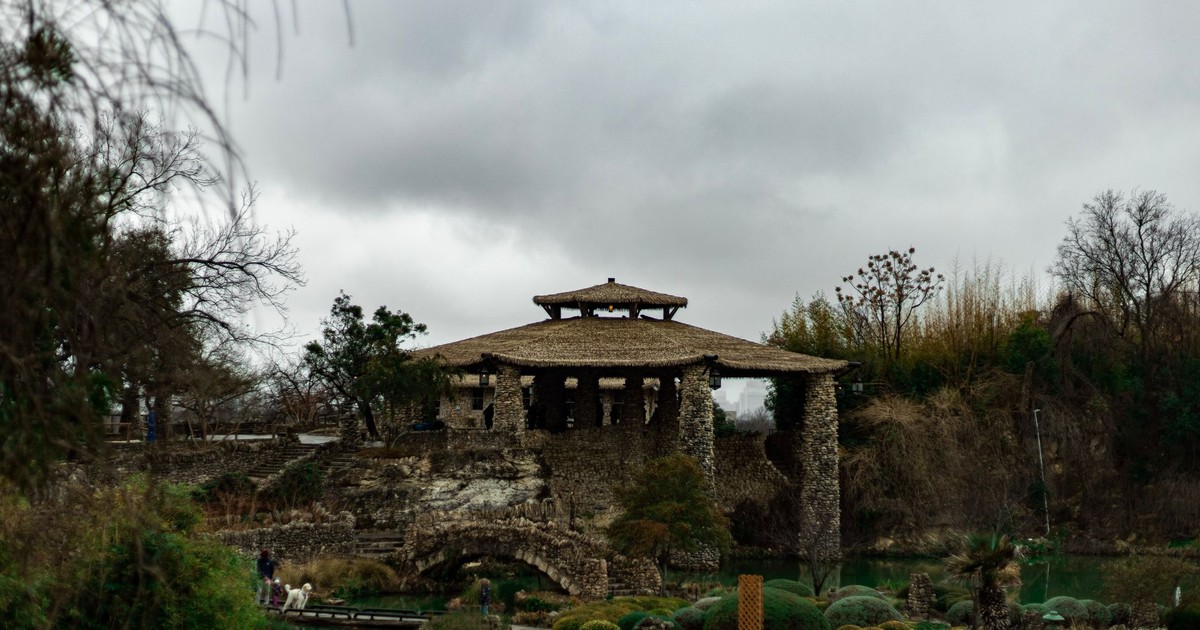
San Antonio tops retirement rankings for 2026 thanks to a combination of affordability, healthcare, culture, and climate that’s difficult to match at the price point. The cost of living runs approximately 14% below the national average, and a median home price of around $290,000 makes it one of the most accessible major cities in the country.
San Antonio’s South Texas Medical Center is one of the largest medical complexes in the nation, giving retirees access to world-class cardiac care, specialist networks, and a competitive Medicare Advantage market, all within a single metro. That kind of infrastructure matters more at 68 than it did at 48.
Texas has no state income tax, so every dollar from Social Security, a pension, or IRA withdrawals stays in your pocket at the state level. Retirees aged 65 and older can substantially reduce their property tax burden through the 65-plus homestead exemption and school district tax freeze. The River Walk, historic missions designated as a UNESCO World Heritage Site, and a vibrant culinary scene give the city a cultural depth that most retirement destinations don’t approach.
2. Corpus Christi, Texas
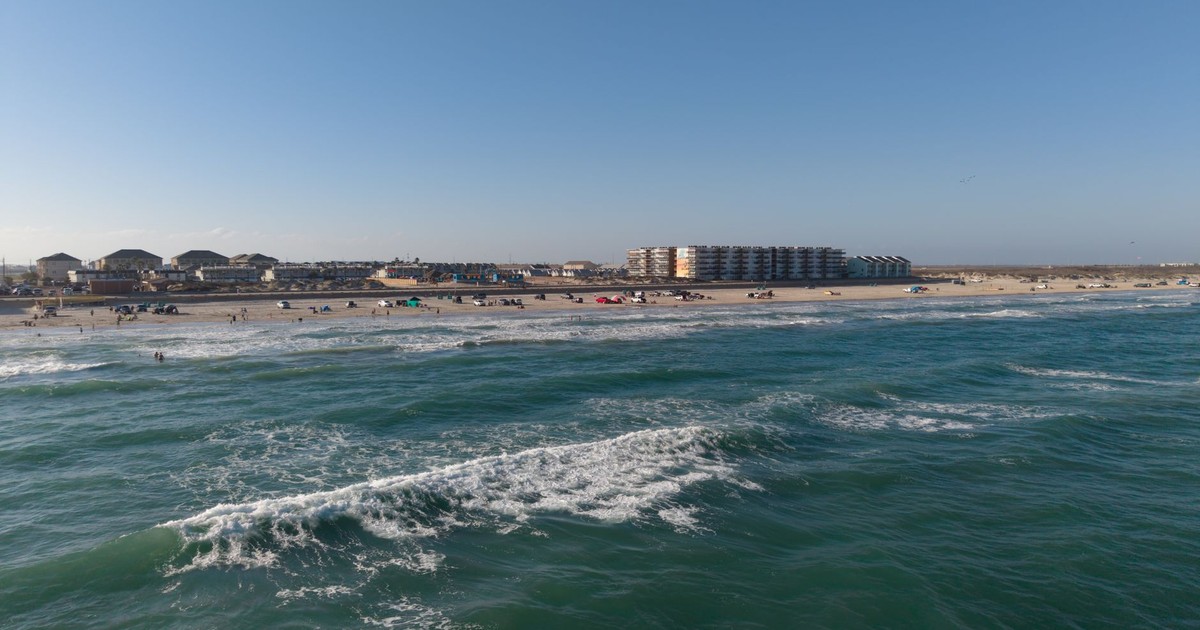
If what you actually want from Florida is the beach, Corpus Christi is the city that rewrites the equation. A 2026 GOBankingRates study identified Corpus Christi as the cheapest U.S. beach town for retirees, with Florida failing to crack the top five cheapest coastal spots. Gulf water, warm winters, and genuine coastal living, all at a fraction of what Naples or Sarasota demands.
The cost of living runs 13% below the national average. January highs average in the mid-60s with coastal breezes, and the 80 miles of coastline along Corpus Christi Bay and Padre Island National Seashore give retirees easy access to fishing, birding on a major migratory flyway, and year-round beach life. Hurricane risk exists but is lower than most Florida Gulf cities.
The median home price sits around $270,000, and the retiree population is substantial enough that community is easy to find. Eight senior centers run by the city serve adults 50 and older with fitness classes and social programming at little or no cost.
3. Knoxville, Tennessee
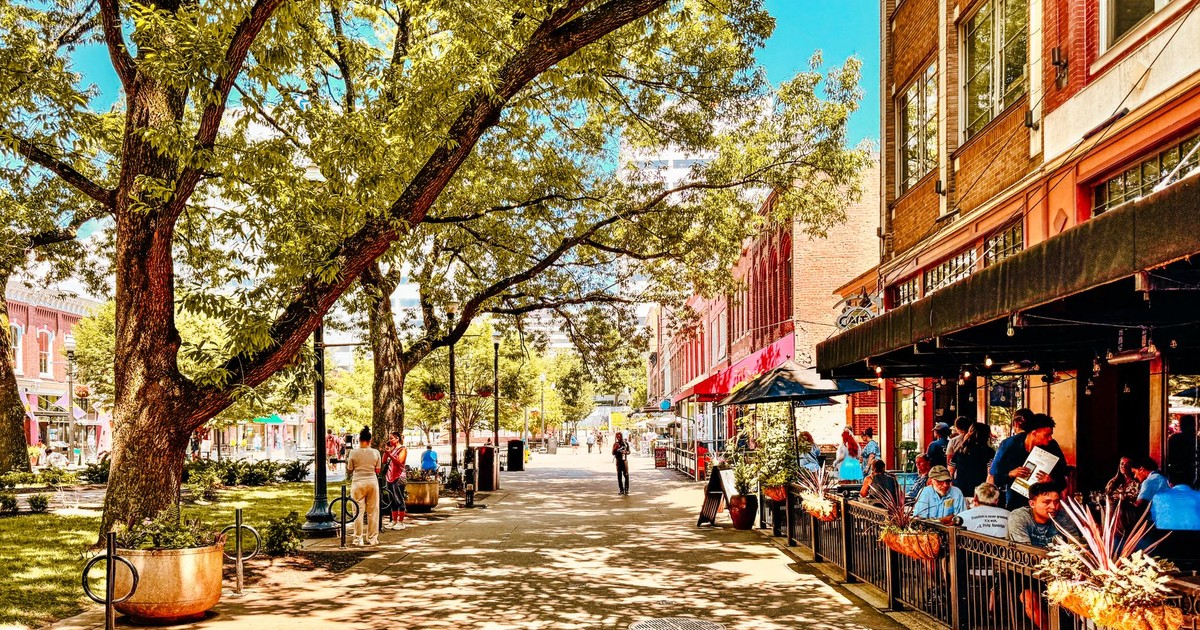
The cost of living in Knoxville runs 14% lower than the national average, housing costs about 23% cheaper than the U.S. median, and utilities come in roughly 14% below the national norm. Those percentages add up to something real over a decade of fixed-income living.
Tennessee has no state income tax, which means Social Security and retirement income arrive untouched, and low property taxes stretch savings further. Healthcare costs are meaningfully lower too: doctor visits and dental work run about 20% less than the national average. Median home sale prices in Knoxville came in around $320,000 as of spring 2026, well below Florida’s statewide median.
Great Smoky Mountains National Park, the most-visited national park in the country, sits less than an hour away. Closer in, Market Square and the Old City support a food and live music scene that punches above the city’s size. Knoxville is not a sacrifice city. The retirement budget works and life doesn’t feel scaled back to make it happen.
4. Chattanooga, Tennessee
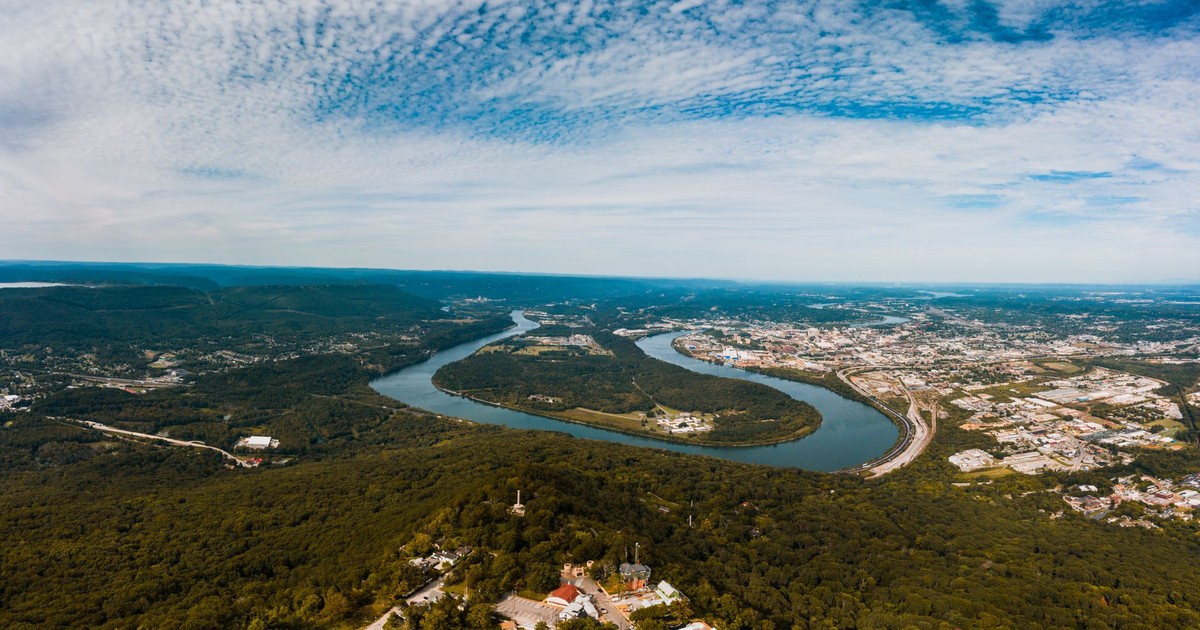
Two hours southwest of Knoxville, Chattanooga has become one of the South’s most interesting mid-size cities without losing the affordability that made Tennessee attractive in the first place. Living costs run around 12% below the national average, and the city has transformed into one of the South’s most celebrated small metros.
The Tennessee Aquarium, a revitalized arts district, and miles of Tennessee Riverfront trails sit within easy reach of downtown. The surrounding ridge-and-valley terrain delivers Appalachian outdoor access that most Sun Belt cities simply can’t offer. The Erlanger Health System anchors a healthcare network that has expanded significantly over the past decade, and Tennessee’s no-income-tax structure applies here exactly as it does in Knoxville.
Retirees who want four genuine seasons without brutal winters, an art scene, and outdoor access to the Appalachians will find Chattanooga covers most of those needs. The riverfront redevelopment has produced a walkable downtown core that Florida’s sprawling suburbs never managed to build.
5. Greenville, South Carolina
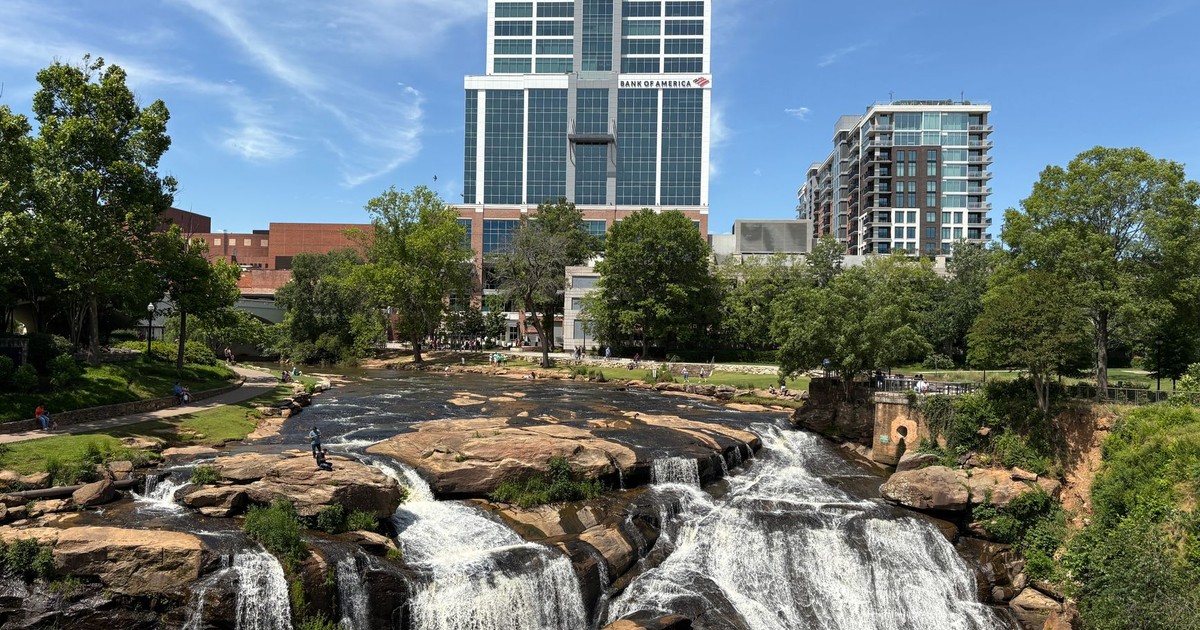
Greenville tends to fly under the radar on retirement lists, but the numbers hold up. South Carolina’s cost of living runs roughly 6% below the national average, with housing costs particularly accessible in cities like Greenville. Homes in the broader Greenville market tend to land in the low-to-mid $300s as a starting point, a significant step down from coastal Florida pricing.
Both North Carolina and South Carolina exempt Social Security benefits from state income tax. South Carolina uses a graduated income tax with a top marginal rate of 6% for 2025, reduced from 6.2% the prior year as part of a multi-year phase-down. An independent restaurant scene, a growing arts community, and easy access to major medical systems give the city an urban texture that a mid-size Southern metro doesn’t always deliver.
The Swamp Rabbit Trail, a converted rail corridor running roughly 20 miles through the city, gives retirees year-round biking and walking access. Winters are mild, summers are warm but not Florida-in-August oppressive, and the Blue Ridge foothills sit close enough for day trips.
6. Savannah, Georgia
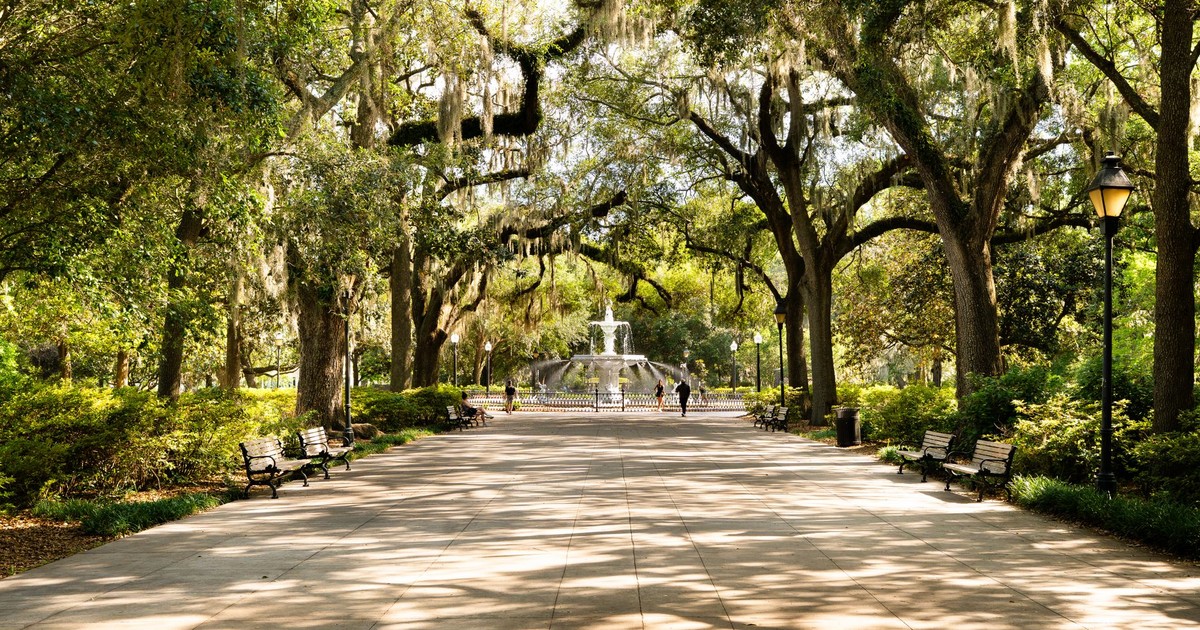
Savannah’s historic squares, draped in Spanish moss and lined with 18th-century architecture, make it one of the most immediately livable cities in the South. The overall cost of living runs about 9% below the national average, and a year-round mild climate, waterfront restaurant scene, and strong hospital network round out the case.
Georgia exempts Social Security income and offers a retirement income exclusion of up to $35,000 per person for residents ages 62 to 64, rising to $65,000 per person at age 65 and older. That is a meaningful tax break for anyone drawing from a pension or IRA on top of Social Security, and it’s one of the more overlooked advantages in the Southeast.
Savannah College of Art and Design has kept the arts community alive and genuinely unusual here for decades. The food scene punches well above the city’s size. Tybee Island sits close enough that you haven’t fully given up on beaches, just on Florida’s price tag for them.
7. Augusta, Georgia

Augusta is best known internationally for one week in April, when the Masters Tournament turns it into the center of the golf world. For 51 other weeks, it functions as one of the more affordable mid-size cities in the Southeast. BestPlaces estimates Augusta to be roughly 20% less expensive than the national average, and the average home sells for approximately $189,000, making it one of the most accessible warm-weather cities in the country at that price point.
Augusta University Medical Center anchors the regional hospital network, and Georgia’s retirement income exemptions apply here just as they do in Savannah. Golf is, predictably, abundant. But Augusta also sits on the Savannah River with access to several lakes, offers milder winters than most of the Southeast, and has seen enough downtown investment over the past decade to feel livable rather than just cheap. For retirees who prioritize housing affordability above almost everything else, few warm-weather cities in the South beat it.
8. Asheville, North Carolina
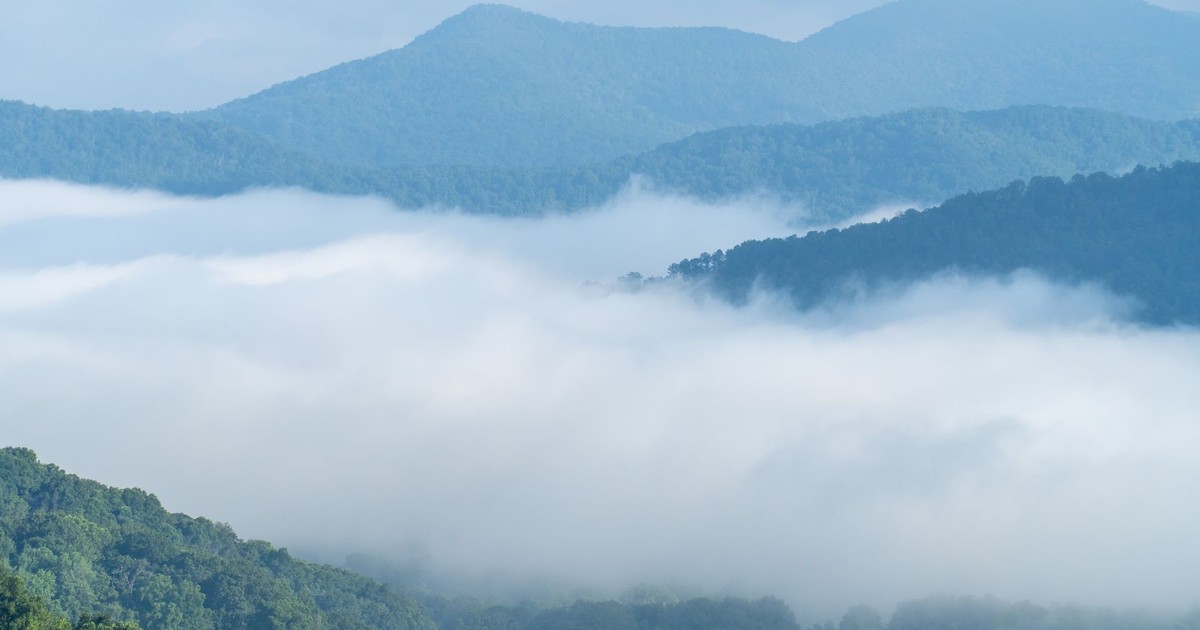
If you want mild summers instead of swampy ones, Asheville is hard to beat. Tucked into the Blue Ridge Mountains at about 2,100 feet, the city keeps temperatures reasonable when Florida is at its most oppressive. August in Asheville is a genuinely pleasant month. August in Orlando is a different experience entirely.
North Carolina’s tax picture has improved for retirees in recent years. Social Security benefits are exempt from state income tax, and North Carolina has certified more retirement communities than most states. Asheville home prices have risen as the city has been discovered, but they remain well below comparable coastal Florida properties.
Asheville’s food culture, art galleries, and music scene give it an urban texture that most mountain towns don’t approach. Mission Hospital anchors the healthcare network, and the quality of life has a way of making the slightly higher price point feel like a reasonable trade.
9. Tucson, Arizona

Tucson offers Southwestern beauty, around 350 days of sunshine annually, and a cost structure that undercuts Scottsdale significantly while still delivering desert living and world-class outdoor recreation. The University of Arizona anchors a strong healthcare and cultural ecosystem, and Arizona exempts Social Security from state income tax. Property taxes are among the lowest in the nation, with an effective rate of around 0.62%.
Green Valley, just south of Tucson, carries a median home price of around $282,000, roughly 31% below the national median, making the wider Tucson region one of the more financially accessible options in the Sun Belt. The main trade-off is summer heat. July in Tucson is legitimately hot, and anyone who can’t tolerate that needs to know it going in. But the heat is dry, the winters are spectacular, and Banner-University Medical Center gives the city a medical infrastructure most retirees find reassuring.
10. Athens, Georgia

Athens operates on a different rhythm than most retirement cities. Retirees over 62 can enroll in free classes at the University of Georgia, which sits at the center of the city’s cultural life. The Georgia Museum of Art, a music scene that has produced national acts for decades, and walkable neighborhoods give Athens an energy that purpose-built retirement communities rarely manage. Forbes included Athens on its list of the top 25 cities to retire in 2025.
Average home prices sit around $332,000, and the college-town atmosphere keeps other costs manageable. Georgia doesn’t tax Social Security benefits, so fixed income stretches further. College towns offer something hard to replicate: a city that exists for reasons beyond retirement. Restaurants stay open late, live music isn’t all cover bands, and the place keeps renewing itself with each incoming class.
11. Northwest Arkansas (Fayetteville/Bentonville)

This one surprises people who haven’t been paying attention. Northwest Arkansas has been one of America’s fastest-growing regions for a decade, fueled by Walmart, Tyson, and J.B. Hunt headquarters in the area. For retirees, that economic engine means excellent infrastructure, strong amenities, and a region that keeps investing in itself.
Arkansas exempts Social Security and the first $6,000 of retirement income from state tax. Washington Regional Medical Center provides healthcare anchoring for the metro. Median home prices sit around $280,000, and a one-bedroom apartment runs roughly $900 a month.
The Razorback Greenway connects Fayetteville to Bentonville through 37 miles of dedicated off-road paths. Crystal Bridges, the art museum the Walton family built in Bentonville, would be a destination attraction in any major city. It sits in a town of 55,000 people, and admission is free. Winters are mild by Midwest standards, summers are warm without being brutal, and the region keeps attracting enough new residents that infrastructure investment shows no sign of slowing.
What the Florida Math Looks Like Now

Florida’s average annual homeowners insurance premium hit $8,292 in 2025, an 18% jump from the year before, according to Insurify’s 2026 Insuring the American Homeowner Report. Stack that against property taxes on homes that have appreciated aggressively over the past five years, summer utility bills for a house running the air conditioning around the clock, and mandatory flood insurance in coastal zones, and the math stops working for a lot of retirees on fixed incomes. Florida hasn’t gotten worse at being Florida. It’s gotten more expensive at being the version of Florida that retirees actually want.
Every city on this list offers at least one thing Florida does well: warm winters, low or no state income tax, affordable housing, an outdoor lifestyle, or strong healthcare access. Most offer several. Corpus Christi has actual Gulf beaches. Knoxville has mountains and a cost of living that makes a Social Security check go meaningfully further. San Antonio has world-class medical infrastructure at housing prices that would be laughable in Tampa. Northwest Arkansas has an art museum most major cities would be proud of, sitting in a metro where a one-bedroom apartment costs $900 a month.
Read More: The Retirement Investing Mistakes That Look Smart but Cost You Big Bucks
Disclaimer: This information is not intended to be a substitute for professional medical advice, diagnosis, or treatment and is for information only. Always seek the advice of your physician or another qualified health provider with any questions about your medical condition and/or current medication. Do not disregard professional medical advice or delay seeking advice or treatment because of something you have read here.
AI Disclaimer: This article was created with the assistance of AI tools and reviewed by a human editor.