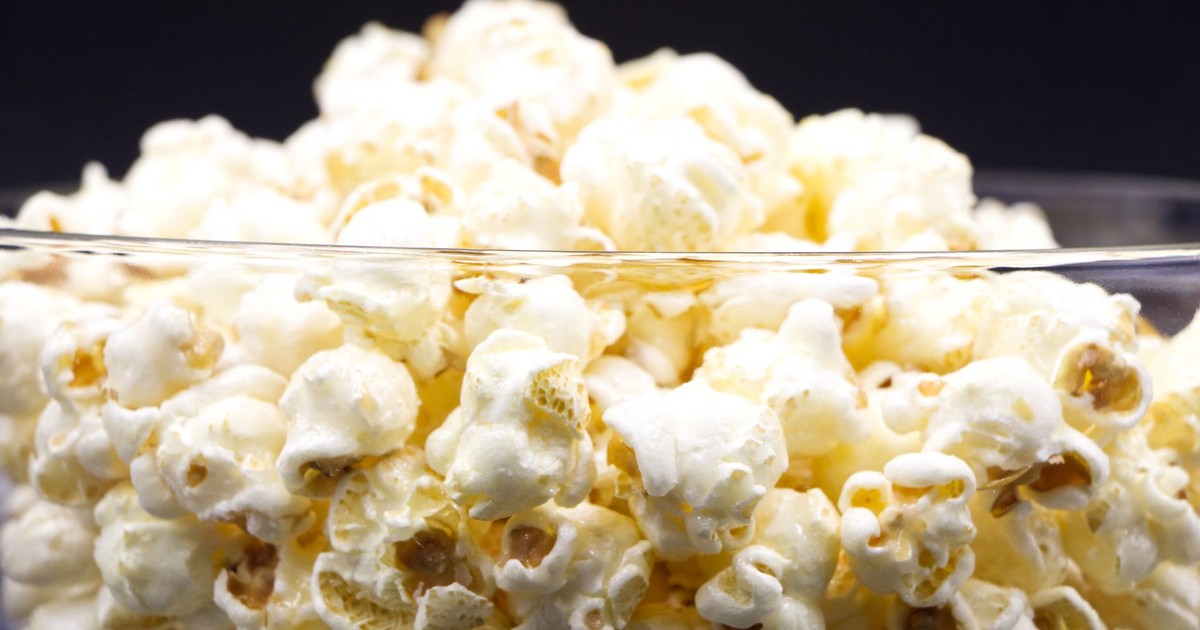

The air fryer seemed like it could do everything. Crispy fries without the oil, reheated pizza that actually stayed crunchy, roasted vegetables in half the time of an oven. For a while, home cooks were genuinely asking what the thing couldn’t do. Popcorn, it turns out, is a very good answer to that question – and the reason is less “disappointing results” and more “your kitchen could fill with smoke, your appliance could be permanently damaged, and in the worst case, you could be dealing with a real fire.”
That’s not scaremongering. That’s just what happens when you put one of the most physics-dependent snacks on the planet inside a machine that works in the exact opposite way those physics require.
The air fryer has earned its place on the counter. It genuinely excels at dozens of things. But the viral impulse to test it on everything, including a bag of microwave popcorn or a handful of loose kernels, has led enough people into smoky, damaged-appliance territory that experts across culinary and consumer safety circles have started issuing clear warnings about it. This is one of those cases where the instinct to hack the kitchen appliance should stay firmly in the drawer.
Why Popcorn Needs Something an Air Fryer Can’t Deliver
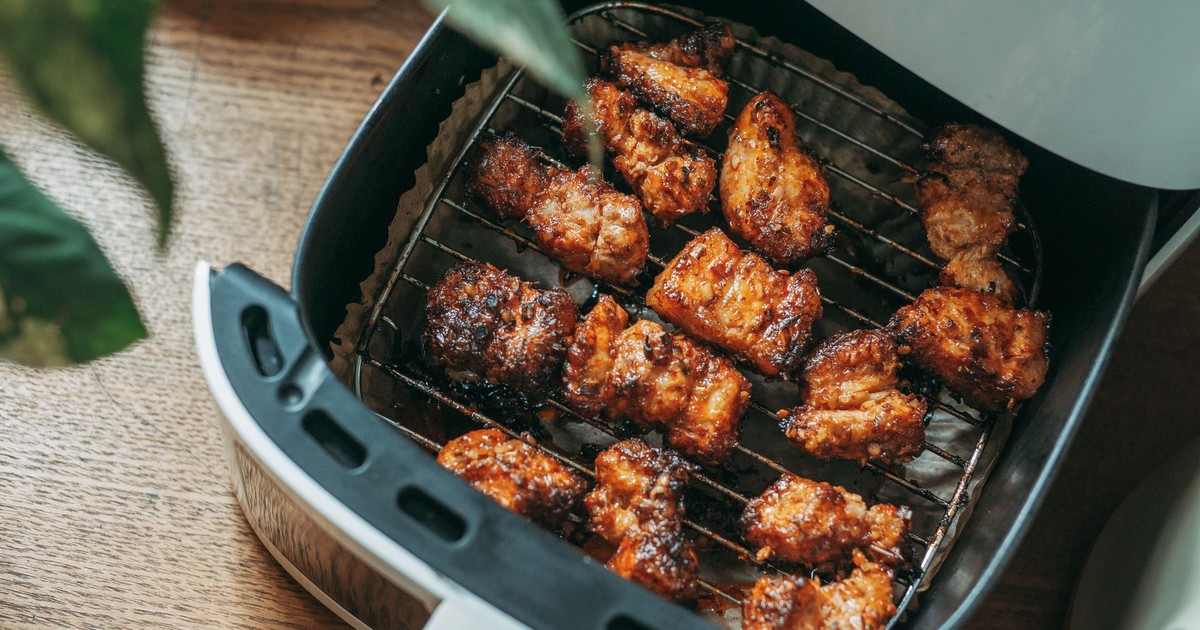
To understand the problem, it helps to understand what actually makes a kernel pop. According to a Scientific American explainer, the reason popcorn pops is the small amount of water trapped inside each kernel. When that kernel is heated to a high enough temperature, the water converts to steam. Because the shell is hard and mostly non-porous, the steam has nowhere to go, and pressure builds until the hull bursts at around 355°F (180°C). The whole process depends on that pressure building steadily inside a contained space before release. Take away the containment, and you lose the pop.
Popcorn doesn’t just need heat. It needs steady, concentrated heat to build pressure inside each kernel until it pops. Air fryers don’t deliver that kind of environment. Instead, they circulate hot air rapidly, which creates a few specific problems. The hot air is moving constantly and at high speed – which is exactly what makes chicken wings crispy and frozen fries golden. But a popcorn kernel isn’t a chicken wing. It’s a tiny, sealed object that needs consistent radiant or conducted heat applied to one spot. Rapid air circulation disperses that heat rather than concentrating it, which is the opposite of what a kernel needs.
Culinary experts and food safety testers consistently advise against making popcorn in an air fryer, as Taste of Home reports, citing both poor results and real safety concerns. The core problem is that air fryers circulate heat rather than concentrate it, which is the opposite of what a popcorn kernel requires. That’s a fundamental mismatch between the appliance and the food, not a minor inconvenience in technique.
The Specific Ways It Can Go Wrong
Air fryers often don’t get hot enough to consistently pop the kernels, but they can also overheat and burn, especially when loose kernels get stuck on the heating element, creating a potential fire hazard and possibly ruining the device. Popped popcorn is light enough that it can fly up to the heating element, creating a fire hazard or ruining the air fryer.
The problem unfolds in two stages. First, the kernels themselves. Loose kernels can move around inside the appliance as the air circulates, which can interfere with how these machines are designed to work. The papery hulls can get caught near the heating element or fan, which isn’t ideal for the appliance and can pose a real safety concern. Then, once some kernels do pop – if they pop – the situation gets worse, not better. A popped kernel is essentially a tiny irregular sail. It immediately catches the airflow and goes airborne inside the cooking chamber, heading directly toward the heating element.
Loose popcorn kernels are lightweight and get blown around. Those bouncing kernels easily get lodged near the heating element, stuck in the fan, or wedged into crevices where they can burn and create smoke. If enough of that material accumulates near the heating coil, you’re not just getting a disappointing snack – you’re getting burning debris inside an enclosed, high-heat appliance.
Air fryers aren’t designed to handle small, hard objects bouncing around their fan systems. If kernels jam the fan, you’re looking at potential motor damage or overheating issues. A good air fryer isn’t cheap. Sending it to an early grave over a bowl of popcorn that never fully popped is a particularly frustrating outcome.
The Microwave Bag Method Is Worse
Some people reason that putting a sealed microwave popcorn bag into the air fryer solves the loose-kernel problem. It doesn’t. It introduces a different and arguably more serious one.
Microwave popcorn bags are engineered specifically for microwave radiation. The bags are made of materials designed to interact with microwave energy in a controlled way, creating a localized heat environment that pops the kernels evenly inside the sealed bag. Put that same bag in an air fryer, and you have a paper-based package sitting inside an appliance whose interior temperatures, according to a Consumer Reports safety evaluation, can reach almost 500°F inside the cooking chamber. At those temperatures, the bag can scorch or catch fire before the kernels inside have done anything useful.
You get all of the risk and almost none of the reward.
The Broader Fire Picture
It would be easy to read this as a narrow, niche warning about one snack. But it sits inside a larger pattern that’s emerged as air fryers have gone from novelty to near-ubiquitous kitchen appliance. More than two-thirds of UK adults now own an air fryer, and nearly one in five have encountered potential or actual fire hazards in their homes due to one. Smoke coming from the air fryer and overheating are the most common issues reported.
Insurer Aviva has seen a number of significant home insurance claims relating to air fryer fires, with the average claim for 2024 sitting at £29,555. In one case, an air fryer fire caused £80,000 worth of damage to a customer’s kitchen after spreading and setting the entire room alight. The common thread in most of those incidents was user behavior that pushed the appliance outside the conditions it was designed for – whether that was overfilling the basket, cooking the wrong type of food, or leaving it unattended.
Making air fryer popcorn fits squarely into that pattern, and sometimes ticks more than one of those boxes at once.
You can find out more about these kinds of kitchen blind spots in our look at common kitchen mistakes that home cooks make without realizing it.
What Actually Works
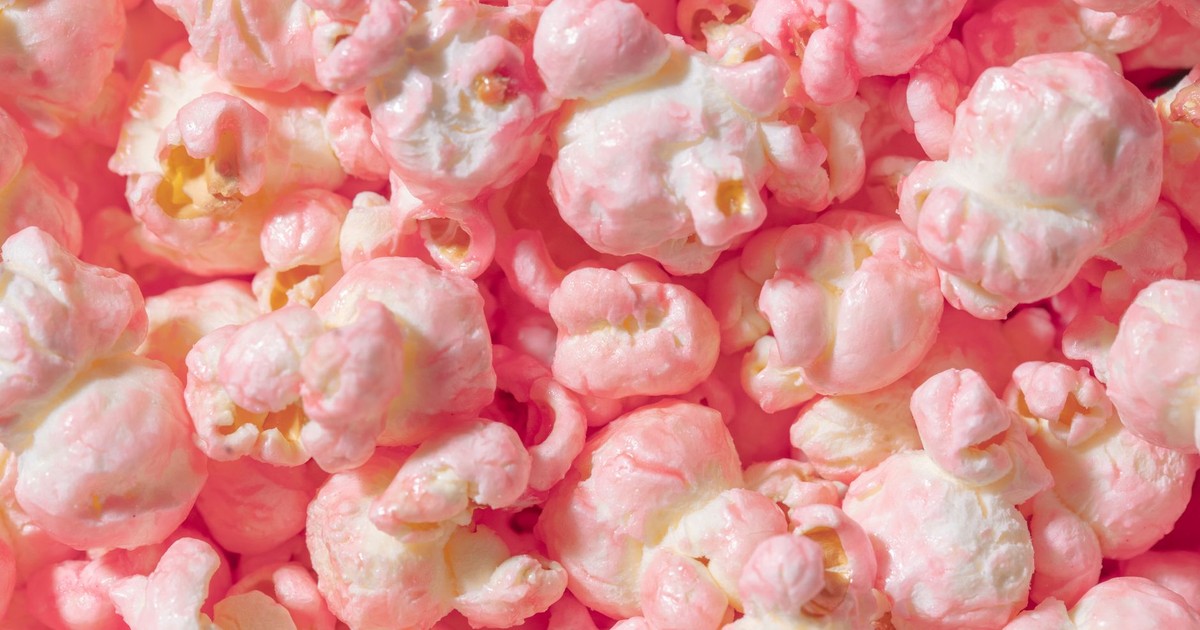
Popcorn is one of the few snacks that has genuinely good options across every level of effort. The microwave method remains the fastest and most foolproof. A plain brown paper lunch bag filled with a quarter cup of loose kernels, folded over twice at the top, goes into the microwave for about two to three minutes. No bag chemistry to worry about, no additives, and you can season it however you like.
The stovetop method takes a few more minutes but gives you better results and full control. Professional chef Sharniquia White recommends heating two to three tablespoons of oil in a large, heavy-bottom pot over medium heat, adding two or three test kernels first, and then adding half a cup of kernels once those pop. The oil does something important here: it conducts heat evenly across the base of each kernel, which is what creates consistent pressure buildup and that satisfying high pop-yield result where almost every kernel opens.
For anyone who makes popcorn more than a few times a week, a dedicated hot air popper is the cleanest solution. It uses directed, sustained hot air in a chamber designed specifically for the task – doing what air fryers approximate but with the precise conditions kernels actually need. Units that do the job well start at around $20 to $30, which is considerably less than replacing a damaged air fryer.
The One Thing Your Air Fryer Can Actually Do With Popcorn
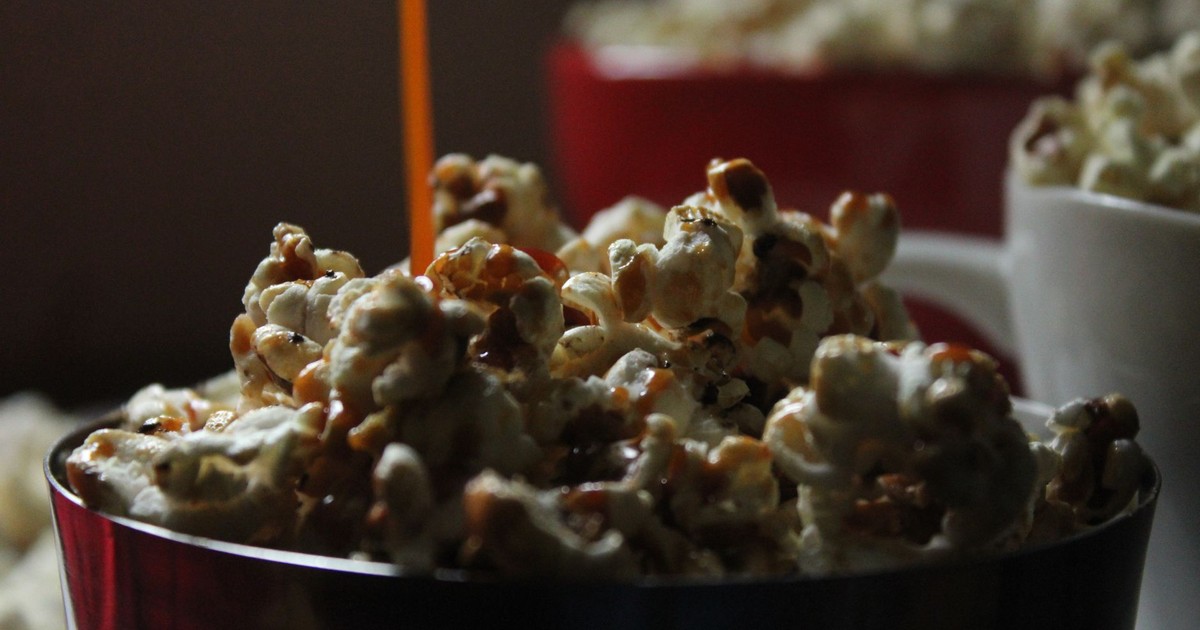
There is one legitimate use case, and it’s worth knowing because it’s genuinely good. Air fryers actually shine when it comes to refreshing day-old popcorn. Tossing already-popped corn in the air fryer for two to three minutes at 350°F restores fresh-popped crispiness without any of the safety concerns. Already-popped kernels are large, stable, and not going to wedge themselves anywhere critical. The circulating hot air does exactly what you want: drives off any residual moisture and crisps the starch back up.
This is a genuinely useful trick, particularly if you make a big batch on a Sunday and find yourself with soggy leftovers by Monday. Salt it again after, and it’s pretty close to fresh.
Read More: 7 Yummy Things You Probably Didn’t Know You Can Make In Your Air Fryer
The Part Nobody Wants to Say Out Loud

Air fryer culture has developed a cheerful “will it air fry?” energy that’s mostly harmless and occasionally produces genuinely clever results. But that same energy has a flip side: people regularly test foods that have specific, physics-based reasons not to work – and sometimes find out the hard way.
Popcorn requires a specific temperature range, a specific kind of heat application, and physical containment. An air fryer delivers none of those three things reliably. The people who have tried it don’t just report bad popcorn. They report smoke alarms going off, a smell that lingers in the kitchen for hours, kernels lodged in parts of the machine they can’t easily reach, and in some cases, appliances they had to throw away.
The air fryer does a lot of things beautifully. Popcorn, whether loose or in a microwave bag, is genuinely not one of them. The microwave, the stovetop, and a $25 hot air popper will all do a better job with none of the risk. Sometimes the right answer to “can I make this in my air fryer?” is just no.
Disclaimer: This information is not intended to be a substitute for professional medical advice, diagnosis, or treatment and is for information only. Always seek the advice of your physician or another qualified health provider with any questions about your medical condition and/or current medication. Do not disregard professional medical advice or delay seeking advice or treatment because of something you have read here.
AI Disclaimer: This article was created with the assistance of AI tools and reviewed by a human editor.