

Ask anyone who genuinely loves winter why they feel that way and you’ll usually get the same answer: the cold just feels right. Not cozy-sweater-marketing right. Actually, structurally right, the way a room feels after it’s been aired out. Most people assume winter lovers are simply wired to tolerate discomfort better than everyone else. The psychology goes somewhere more interesting than that.
The people who rank winter as their favorite season tend to share a recognizable cluster of traits, not because cold weather builds character, but because a certain kind of character is genuinely drawn to what winter offers. The reduced social noise. The excuse to stay in. The absence of the frantic, performative energy that summer seems to demand. In regions where winter brings colder temperatures and real weather challenges, people who love the season tend to be those who like life a little less full of hectic plans. That preference runs deeper than just hating sunscreen.
People who prefer warm, sunny conditions tend to score higher on extraversion and openness, while those who prefer cool, overcast weather often score higher on introversion and reflective thinking. The five dimensions of personality in the OCEAN model, the widely used psychological framework covering openness, conscientiousness, extraversion, agreeableness, and neuroticism, do appear to correlate meaningfully with weather preference, though the effect sizes are modest. So no, winter preference isn’t destiny. The patterns are consistent enough to be worth examining closely.
1. They Are Genuinely Comfortable Spending Time Alone

This is the one that separates real winter people from people who just like hot drinks. A 2026 Medium analysis of winter preference psychology notes that in regions where winter brings genuine cold and reduced options for getting out, people who love the season tend to be those who like life with fewer hectic plans. Except for certain times around winter holidays, winter tends to be a season with fewer social obligations, so more introverted or introspective people tend to feel more comfortable with that.
Being comfortable alone isn’t the same as being antisocial or lonely. Winter lovers tend to find actual restoration in solitude, not just tolerance for it. Winter is a season of introspection. As the year comes to a close, it’s natural to take stock of how you’ve been spending your time and energy. This works especially well for people who benefit from having extended periods of time for self-reflection. Winter can be an ideal time for planning goals because there are more uninterrupted hours available than during other parts of the year when social obligations stack up.
The person who prefers February to July isn’t suffering through summer. They’re counting down to something that feels more like themselves. The relief they feel when the temperature drops and the invitations thin out isn’t depression. It’s closer to the feeling of finally getting some breathing room.
2. They Tend Toward Introspection and Reflective Thinking
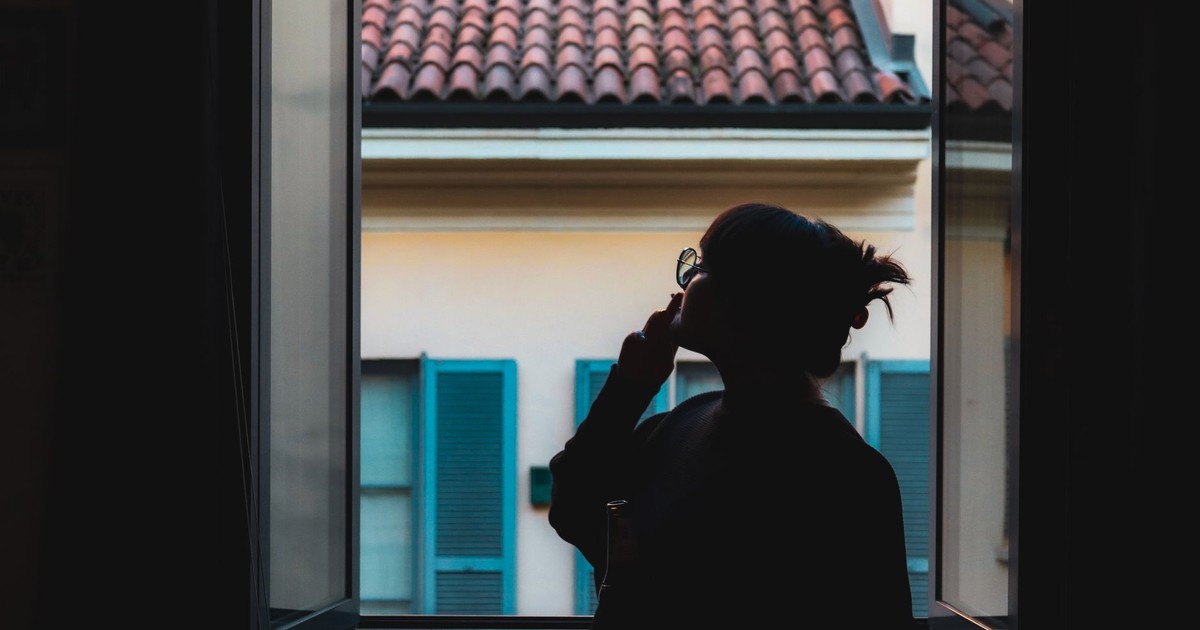
Winter preference and a habit of looking inward tend to travel together. A February 2024 piece from Psyculator describes how people with winter personality traits tend to embrace introspection and contemplation, finding solace in the calm the season brings and allowing their thoughts to flourish.
This doesn’t mean winter lovers are moody or navel-gazing. Reflective thinking is a cognitive style that comes out in concrete habits: a preference for processing before responding, a tendency to review decisions after the fact, a genuine interest in why people do the things they do. One of the hallmarks of reflective personality types is the need to self-reflect, grow, and learn. Winter presents an ideal opportunity for all of that, and with far less guilt than during the warmer seasons. New hobbies or skills can be picked up, old habits reconsidered.
Winter lovers also tend to make unusually good listeners. They’ve spent enough time sitting with their own thoughts that they’re not in a rush to fill other people’s pauses.
3. They Have a Strong Tolerance for Their Own Company and Enjoy It
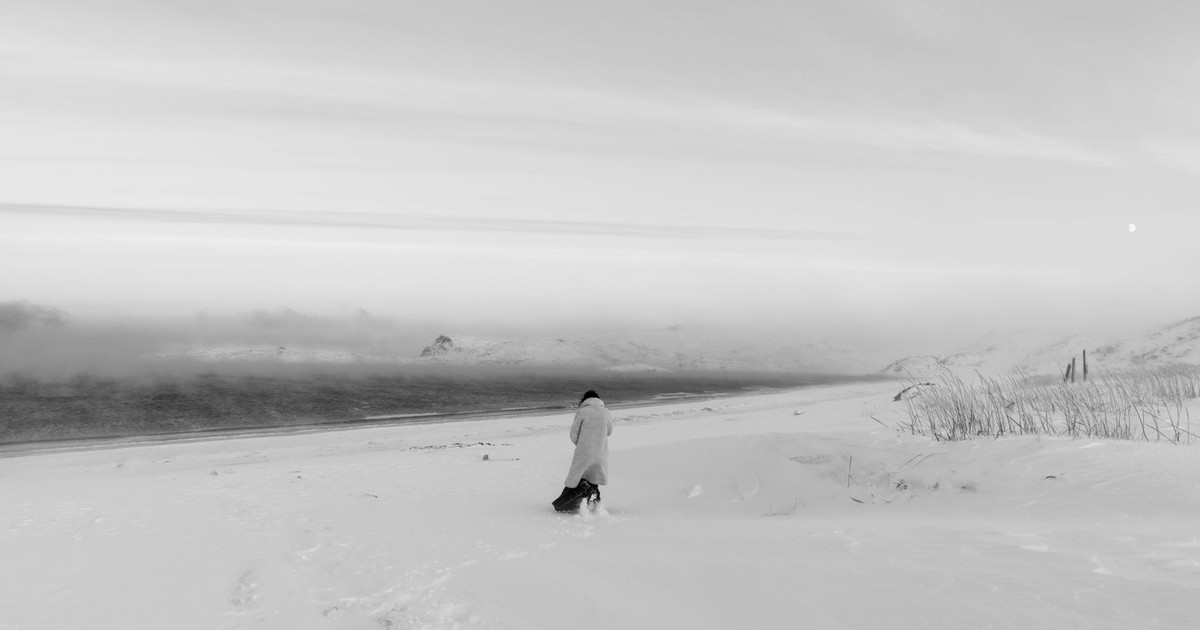
Winter people who value their own company and care about their time alone show more introverted personality traits. Because they’re accustomed to doing things on their own and are clear about what they want, they make decisions more confidently. They can also be deeply altruistic when it comes to the people closest to them.
That last part matters. People who love winter aren’t withdrawn from everyone. They’re selective. The social energy they do have gets directed toward a small group of people they actually care about rather than distributed across a wide and relatively shallow social network. The February dinner party with three people they genuinely love beats the August barbecue with thirty acquaintances every time.
For people who like winter, an afternoon with a book and something warm to drink isn’t settling for second-best. It’s the first choice. That preference for depth over breadth, in both relationships and activities, is one of the most consistent winter personality traits across the research.
4. They Tend to Be Analytically Minded

Individuals with winter personality traits tend to have strong analytical skills. The same cognitive orientation that makes someone prefer a calm, low-stimulation environment also tends toward careful, systematic thinking rather than quick, socially reactive thinking. This pattern comes up consistently in descriptions of winter lovers.
Analytical thinkers like to understand how things work. They’re the ones who read the manual, who want to know the reason behind the rule, who find problem-solving genuinely satisfying rather than just necessary. They’re not contrarian for sport, they simply need to have thought something through before they commit to it. This tendency often leads others to perceive them as ‘dreamy’ or detached, since they dedicate considerable time to introspective thought and self-reflection. They’re also often averse to mundane tasks, preferring well-developed, original solutions.
Winter, with its enforced slowing-down, suits this kind of mind. A long uninterrupted afternoon in January is a gift to someone whose default mode is “let me think this through properly.”
5. They Are Unusually Resilient
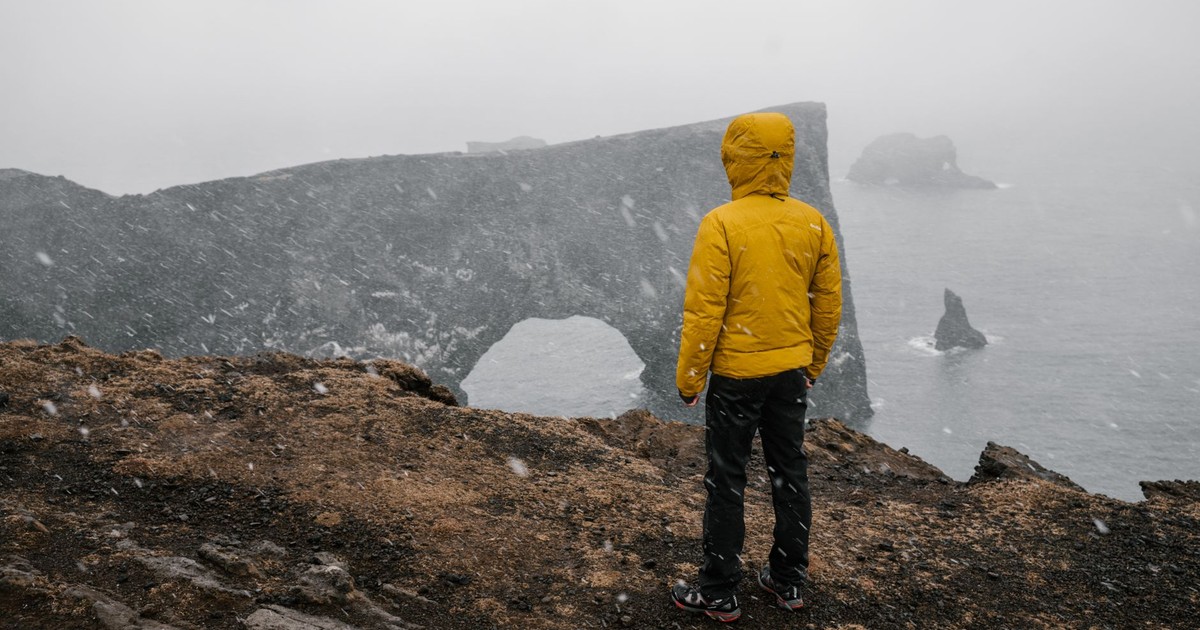
People drawn to winter are often those who find genuine restoration in reduced stimulation and unstructured time. A December 2025 piece from All About Introverts notes that introverts love winter because it gives them uninterrupted time alone to recharge, think, and process without the social pressures that dominate other seasons.
People who love winter have made peace with conditions most others resist. Cold, dark, inconvenient, slow, these are the adjectives people use to write off winter entirely. Someone who finds those same conditions appealing has already done some internal work around comfort, expectation, and what actually makes a day good. That ability to adjust what “good” means, practiced across a whole season, doesn’t stay contained to weather.
If you watch how winter lovers respond to setbacks, you’ll often see the same quality: not a fast bounce-back full of forced positivity, but a settled ability to sit in something uncomfortable until it becomes manageable. They’ve had practice.
6. They Have a Genuine Aesthetic Sensibility
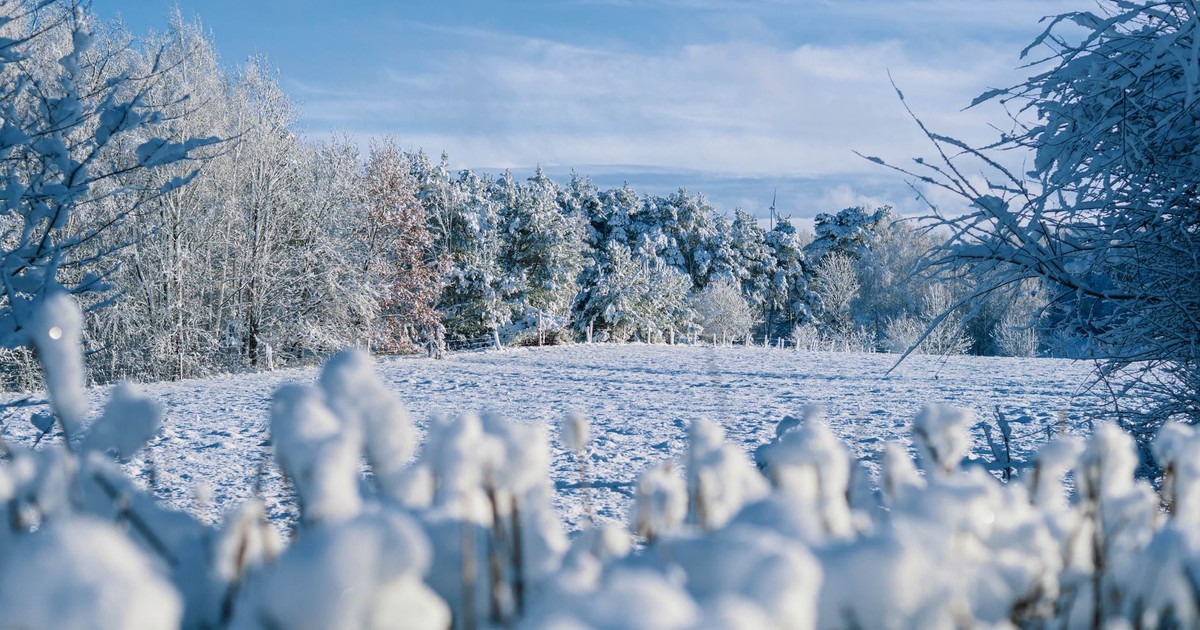
Aesthetic appreciation is a consistent feature of the winter personality. According to Neurolaunch’s analysis of weather and personality types, people who prefer cool, overcast conditions often score higher on introversion and reflective thinking, traits that align with a careful attention to sensory and aesthetic detail.
This comes out in small, specific ways: the person who notices the light on snow at 4pm looks different from the light at noon. The one who arranges a table for a meal nobody asked them to photograph. The one who finds grey skies genuinely beautiful rather than merely something to tolerate. These aren’t performances of taste. They’re an actual orientation toward noticing things carefully.
Winter demands that kind of attention. Its beauty is not loud. There’s no bougainvillea, no long golden evening. What winter offers is subtler: the texture of frost, the silence after a snowfall, a room that smells like woodsmoke and old books. The person who loves all of that is, almost by definition, someone who has learned to pay attention to what’s actually in front of them rather than waiting for something more obvious to come along.
What These Traits Actually Add Up To

The six winter personality traits that come up consistently in the research point to the same underlying quality from different angles: a preference for depth over noise. Depth of thought, depth of relationship, depth of perception. The introversion isn’t a deficit. The analytical tendency isn’t aloofness. The resilience isn’t suppression. They’re different expressions of the same orientation toward the world, one that values what’s real and sustained over what’s immediately stimulating.
None of this means winter lovers are all serious, or that they don’t know how to have fun. Most of them are funny, often dry. They just don’t need a crowd to have a good time, and they don’t need constant sunshine to feel okay. Those two things alone describe a pretty solid foundation for a personality.
Most of these traits travel well. The same self-sufficiency that makes February bearable tends to make January at a new job manageable, a difficult conversation survivable, a long project completable. Loving winter is, in its own way, a form of optimism. It’s finding something worth liking in the part of the year that most people are just trying to get through.
Disclaimer: This information is not intended to be a substitute for professional medical advice, diagnosis, or treatment and is for information only. Always seek the advice of your physician or another qualified health provider with any questions about your medical condition and/or current medication. Do not disregard professional medical advice or delay seeking advice or treatment because of something you have read here.
AI Disclaimer: This article was created with the assistance of AI tools and reviewed by a human editor.