
Nevada drivers pay $6,119 per year in total car ownership costs, the highest in the nation. Florida ($5,682) and Louisiana ($5,663) follow closely. Two drivers with identical vehicles, driving records, and coverage levels can face annual cost differences exceeding $3,000 simply based on their state of residence.
Insurance premiums reflect accident frequency, vehicle theft rates, repair costs, weather-related claims, and state regulations. In 13 states, insurance alone accounts for at least half of total ownership costs. Registration fees, gas taxes, and road conditions add further variation. The following ten states carry the highest car ownership costs in the country.
1. Louisiana

Louisiana drivers pay $5,663 per year toward car ownership, placing it third by annual cost. Louisiana carries the most punishing insurance market in the country. Since January 2025, Insure.com reports insurers in Louisiana have submitted more than 20 rate decrease requests, citing fewer accidents as the main reason.
Louisiana’s injury claims run 200% above the national average despite only slightly elevated accident rates. The structural legal environment, which favors larger jury awards on injury claims, keeps rates elevated regardless of any individual driver’s record. Louisiana also has a high sales tax on vehicles. Until the underlying legal dynamic shifts, Louisiana will remain one of the most expensive car ownership states in the country.
2. Nevada

Nevada drivers pay $6,119 per year for car ownership, the highest in the nation, according to LendingTree. Auto insurance averages $3,439 annually in Nevada. Rates jumped $206 in 2025 alone, driven by high accident frequency in the Las Vegas metro area, above-average vehicle theft rates, and active litigation.
Nevada’s desert climate accelerates battery, tire, and air conditioning system wear significantly faster than in cooler states, adding recurring repair costs that drivers in the Midwest or Northeast rarely face on the same schedule. Nevada accumulated roughly 45.7% in total approved auto insurance rate increases since the start of 2023, among the highest in the country.
3. Florida

Florida drivers pay an average annual insurance premium of $3,852. Home insurance costs in the state have risen more than 14% since 2023, and auto premiums have followed a similar upward path. Florida’s constant exposure to hurricanes, floods, and severe storms damages vehicles directly and causes more accidents in difficult driving conditions.
Florida is a no-fault state, meaning insurers cover their own policyholders regardless of fault, which tends to push up claim frequency. Florida also carries among the highest dealer documentation fees in the United States, with average doc fees ranging from $999 to $1,295 because the state requires fee disclosure but sets no legal ceiling on the amount. Total annual ownership costs reach $5,682.
4. Michigan

Car insurance in Michigan makes up 58.9% of the total cost of car ownership, the highest share of any state. Michigan has the highest minimum liability requirements of any state. Michigan’s no-fault insurance system requires insurers to cover their own policyholders regardless of who caused an accident.
That structure, combined with historically broad personal injury protection requirements, has kept Michigan’s average annual ownership costs at around $5,350. Michigan saw car insurance prices rise 12% in 2025, even as most of the country saw relief. The structural cost of no-fault keeps pulling costs upward.
5. Colorado

Average annual ownership costs in Colorado sit at around $5,151. Full coverage insurance premiums run roughly $3,222 per year, placing Colorado among the five most expensive states for insurance alone. Colorado’s mountain roads see higher accident rates in winter, and hailstorms on the Front Range generate some of the highest per-storm vehicle claims in the country.
The five most expensive states for car registration fees are Delaware ($2,159), Florida ($1,296), Colorado ($1,294), Mississippi ($1,144), and Wyoming ($1,116), according to World Population Review. Colorado’s registration fees rank among the highest in the country, trailing only Delaware and Florida on that list.
6. Alabama
Average annual ownership costs in Alabama sit at around $5,099. Car ownership costs take 13% of Alabama residents’ annual income, ranking it second in the nation for ownership cost as a share of earnings.
Data from the National Safety Council shows that Florida, Georgia, Alabama, and Louisiana had some of the highest numbers of road deaths recorded by traffic authorities over a recent 12-month period. Rural roads and outdated infrastructure in these states may play a role in the increase in fatality and crash risk. Higher crash risk means higher premiums regardless of how carefully any individual drives.
7. Georgia

Georgia charges just $20 for registration, among the lowest in the nation, yet carries insurance premiums at $2,912, according to MoneyGeek. Insurance premiums in Georgia rank among the highest in the country at $2,912, a gap of more than $2,000 above the national median. Average annual ownership costs in Georgia sit at around $5,014.
Atlanta’s sprawling metro footprint contributes to that figure: long average commutes mean more time on the road, more accidents per driver-mile, and higher fuel costs stacked on top of the already-elevated insurance burden. Georgia’s state sales tax of 6.6% also results in a steep bill at the point of purchase, and repair costs average around $408 per year.
8. Delaware

Delaware has no sales tax on cars, but Delaware tops the nation at $7,452 annually in total ownership costs. Gas costs of $2,687, insurance premiums of $2,149, and 23,290 miles of annual driving generate $2,571 in maintenance, the highest in the nation.
Delaware drivers log the most miles on their cars, nearly 21,900 a year on average. More miles means more fuel burned, more wear on the vehicle, and more frequent maintenance. Delaware leads every other state at $2,159 annually in registration fees. The no-sales-tax saving evaporates quickly when fuel costs and registration fees arrive.
9. California
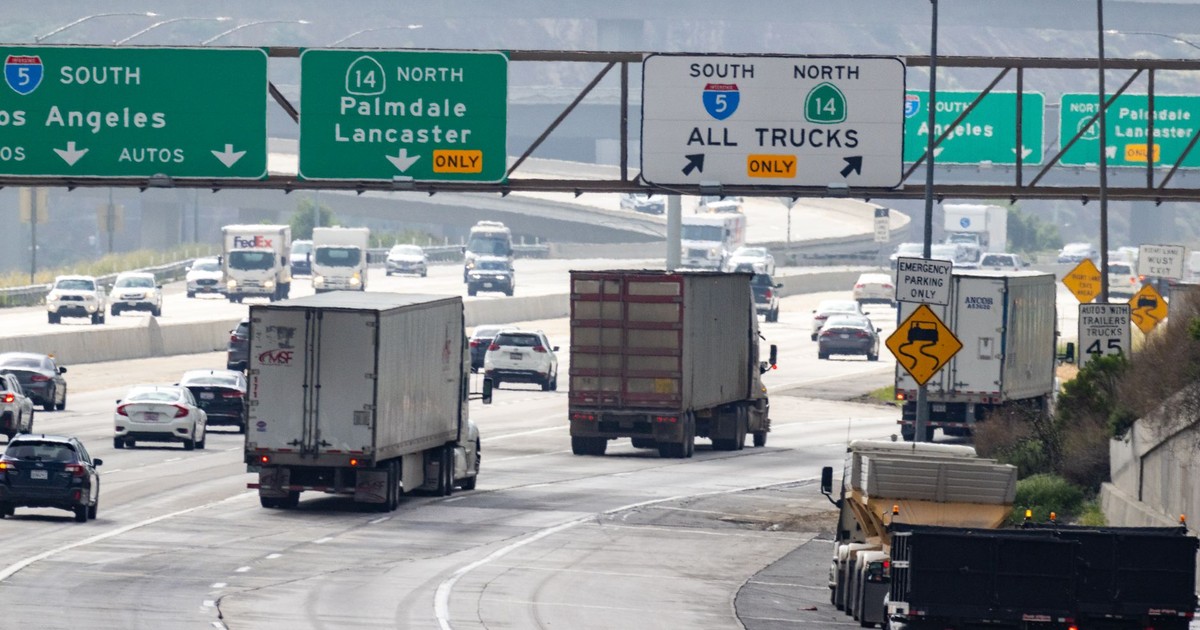
California has some of the highest gas prices in the continental US, registration fees that scale with vehicle value, and labor rates at repair shops that put California among the most expensive car ownership states. California prohibits the use of credit scores in insurance pricing. That prohibition often means companies build in more conservative assumptions about risk, which pushes premiums higher even for drivers who would benefit from a credit-based discount elsewhere.
The average California driver spends roughly $5,500 per year on ownership costs. In a state where the median commute time ranks among the longest in the country, even modest fuel price differences compound significantly over a full year.
10. Rhode Island
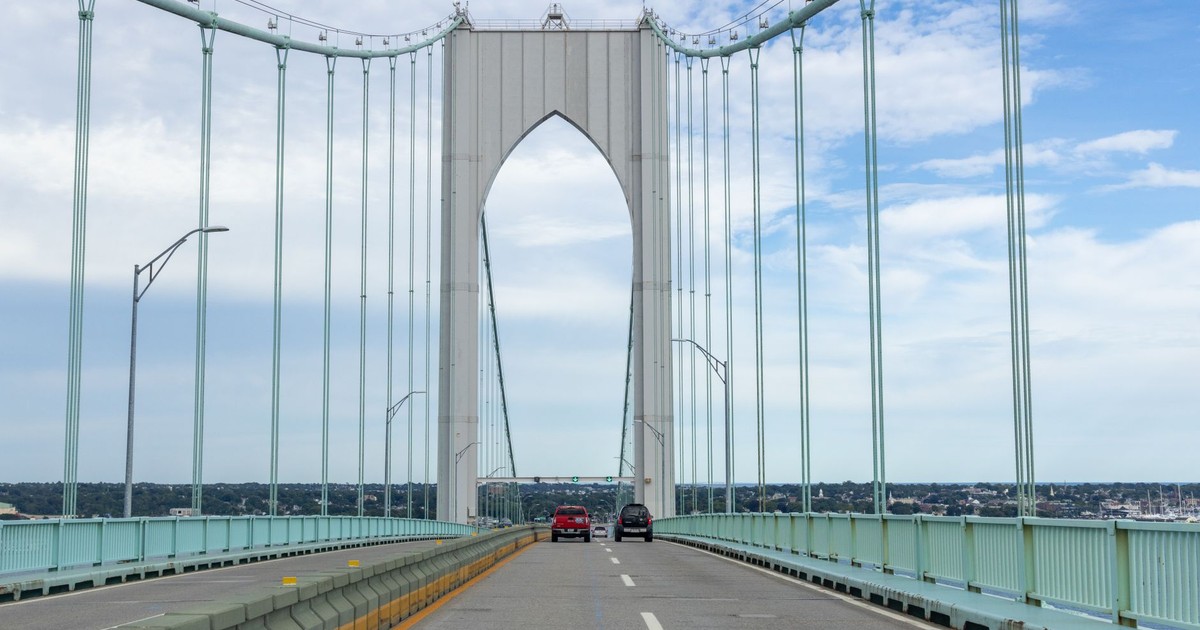
Rhode Island climbed to the third-most expensive state for car insurance, with average premiums rising 41% since early 2024. The state’s small size, high population density, and exposure to flooding have contributed to volatility in pricing.
Rhode Island is the smallest and most densely populated state in the country. Urban crashes drive most of the pricing, with little rural mileage to balance out the average. The state has more than 400 miles of coastline, and residents in coastal cities that face damage from storms and flooding typically pay higher insurance rates than those inland. Annual ownership costs approach $4,800.
Read More: 12 Smart Retirement Money Moves That Put You in the Top Tier
What the Numbers Actually Mean

Car ownership is least expensive in New Hampshire, where annual costs come to just $3,029. Maine and Ohio follow at roughly $3,543 and $3,544 respectively. Set that against Nevada’s $6,119 or Delaware’s $7,452, and the gap between the most and least expensive car ownership states exceeds $4,000. Over a five-year period, that difference exceeds the price of many used vehicles.
Car insurance premiums have soared 94% over the past decade, wildly outpacing the cumulative inflation rate of approximately 36%. Cars themselves continue to get more expensive as automakers face new or increased import tariffs for 2026 model year vehicles. Someone in Delaware should focus on mileage and fuel consumption. Someone in Michigan or Georgia should examine what is driving their insurance premium and whether any adjustments to coverage or carrier can move the number.
Most of the factors driving costs in expensive car ownership states are structural: no-fault insurance laws, litigation climates, high-risk weather, urban density, and state registration structures. An individual driver can shop around, raise a deductible, or choose a less theft-prone vehicle, but they can’t repeal a no-fault statute or move a hurricane off course.
Disclaimer: This information is not intended to be a substitute for professional medical advice, diagnosis, or treatment and is for information only. Always seek the advice of your physician or another qualified health provider with any questions about your medical condition and/or current medication. Do not disregard professional medical advice or delay seeking advice or treatment because of something you have read here.
AI Disclaimer: This article was created with the assistance of AI tools and reviewed by a human editor.