

The second Sunday in March is the most reliably disliked date on the American calendar. Not because anything particularly dramatic happens, just that an hour vanishes, sleep schedules buckle, and the week that follows tends to be slightly worse in ways that are hard to pin down but unmistakable once you know to look for them. Congress has understood this problem for decades and has consistently failed to do anything about it. On July 14, 2026, the House of Representatives finally moved.
The legislation, known as the Sunshine Protection Act and backed by President Donald Trump, passed the House 308-117. Rep. Scott DesJarlais of Tennessee, who presided over the vote on the House floor, started playing the Beatles’ “Here Comes the Sun” on his phone as he read the final tally. The bill now heads to the Senate, where the politics are considerably thornier, and Americans have heard promising noises about permanent daylight saving time before.
What the Bill Actually Does
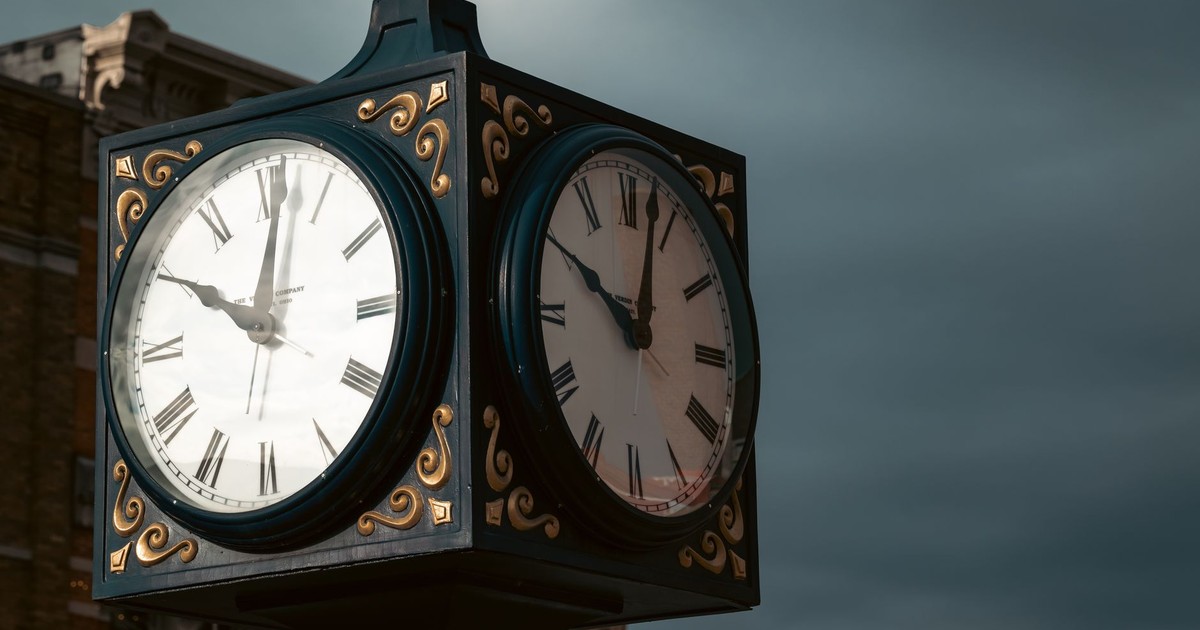
The Sunshine Protection Act would keep clocks shifted one hour ahead permanently, as they are every summer. The measure would allow states to use standard time if an exemption is in effect before the federal law is enacted. In practice, that means the bill doesn’t mandate a one-size-fits-all outcome. Hawaii and most of Arizona currently use standard time year-round and could remain there. Everyone else would, by default, stay on daylight saving time permanently, no more falling back in November, no more springing forward in March.
President Trump publicly pushed Congress to pass the legislation, which was sponsored by Rep. Vern Buchanan, a Republican from Florida. Buchanan has introduced some version of the bill every Congress since 2018, arguing the change is “a commonsense reform that will improve everyday life for millions of Americans.” Trump wrote on Truth Social that he was going to “work very hard to see The Sunshine Protection Act signed into Law.”
Twenty-two Republicans and 95 Democrats voted against the measure, a cross-partisan opposition that spans fiscal conservatives skeptical of the urgency, progressive members who thought Congress had better uses of its floor time, and a pocket of members from northern and western states worried about what permanently dark winter mornings would actually look like for their constituents.
The Arguments For It
Supporters of the Sunshine Protection Act have leaned on three main arguments: convenience, public safety, and economics. The biannual time change disrupts daily routines, inconveniences families and businesses, and no longer reflects the needs of the modern economy.
The economic case is real: retailers, restaurants, and recreational businesses all benefit from customers who have usable daylight after work. The golf industry in particular has lobbied for this for years, an extra hour of evening light in January is worth a great many tee times.
On public safety, backers of the bill argue that making permanent daylight saving time the law would encourage more outdoor activity, reduce traffic accidents, and lower rates of property crime. The crime reduction argument draws on research showing that more evening light reduces the cover of darkness that property crime often relies on. The traffic safety case is more nuanced, but studies have consistently found that the transition period itself, those first few days after the spring clock change, produces a measurable spike in accidents, so removing the transition entirely would eliminate that particular hazard.
The Senate Problem
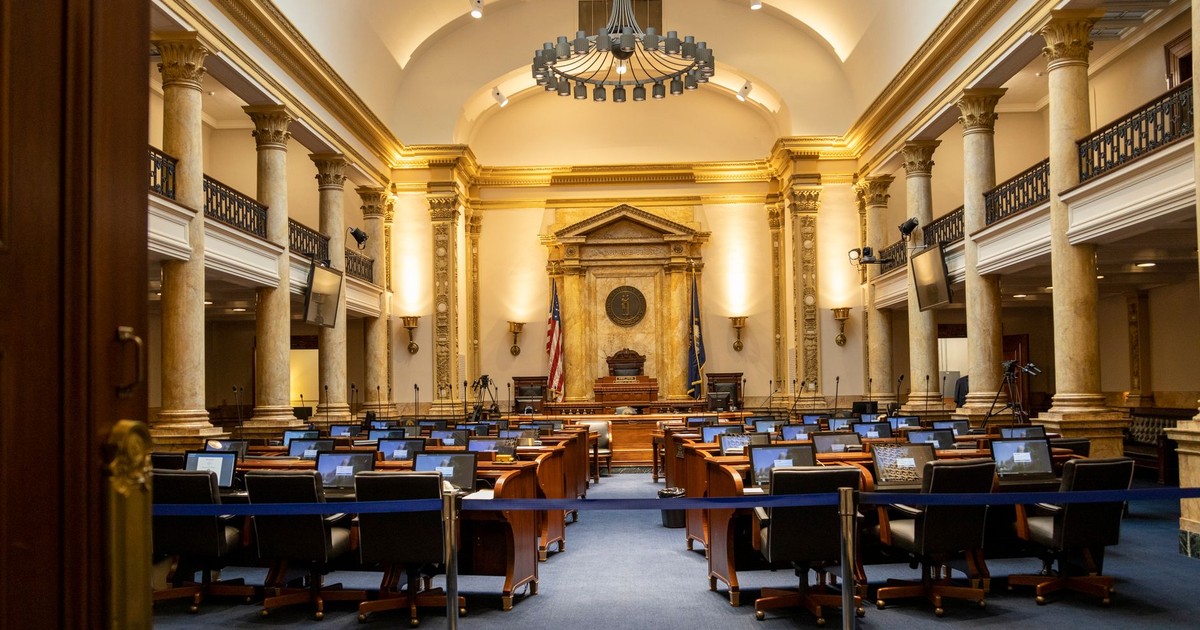
A Senate version of the Sunshine Protection Act stalled in 2025 after Sen. Tom Cotton of Arkansas objected to fast-tracking the bill’s passage via unanimous consent, pointing to parts of the country where the sun wouldn’t rise until 9 a.m. or later and citing potentially dangerous, dark morning commutes. Cotton’s objection was substantive, not just procedural. In states like Maine, Montana, and Michigan, permanent daylight saving time in December would mean children waiting for school buses in complete darkness well past 8 a.m.
A senior Hill aide said Cotton has the “same concerns” he’s had about the proposal, and that he would ask Senate Majority Leader John Thune not to bring the legislation up for a vote. Thune himself was noncommittal when asked about the House bill. In 2022, the Senate passed a version of a permanent daylight saving time bill unanimously, but it failed to get a floor vote in the House. A bipartisan group of senators in 2025 sought unanimous consent to pass a similar measure but were stopped by Cotton. The pattern is consistent: the two chambers keep missing each other.
A separate bipartisan bill also before Congress, the Sunshine for Our Kids Act of 2026, would make standard time permanent instead of daylight saving time, which is exactly what sleep researchers have been asking for, but which comes with the political liability of earlier sunsets.
The 19 States Already Waiting
While Congress has been tied in knots over this for years, states have not been idle. Nineteen states have enacted bills that would allow year-round daylight saving time if Congress were to do the same: Alabama, Colorado, Delaware, Florida, Georgia, Idaho, Louisiana, Maine, Minnesota, Mississippi, Montana, Oklahoma, Oregon, South Carolina, Tennessee, Texas, Utah, Washington, and Wyoming. That is a broad geographic sweep, covering Sun Belt states that want more evening light in winter and northern states that have apparently decided the tradeoff is worth it.
Federal law currently allows states to opt out of daylight saving time and remain on standard time, as Arizona and Hawaii do, but it does not allow states to adopt permanent daylight saving time on their own. That is why congressional action is needed before those state laws can take effect. Some states, like Washington, passed their legislation conditionally, it only kicks in if neighboring states also make the change, to avoid the confusion of different time zones within a region.
The public is broadly on board with ending the clock change, though opinions about which time to settle on are more divided. An October 2025 AP-NORC poll found that only 12% of Americans favor the current system of changing clocks twice a year, while about half actively oppose it. When asked which permanent time they’d prefer, 56% chose year-round daylight saving time and 42% chose standard time. The disagreement isn’t really about ending the clock change, that part has wide consensus, it’s about what comes next.
America Has Tried This Before
In the 1970s, President Nixon signed into law a bill that would have made daylight saving time the norm for two years to conserve energy during the oil crisis. The legislation was repealed after less than a year of having taken effect, as Americans disapproved of the dark early mornings. The popular image is of kids heading to school before sunrise in the dead of winter, parents furious, and Congress quietly reversing course. That experiment ran from January 1974 until the fall, when the political will evaporated.
The lesson of 1974 is one that opponents of the current bill cite constantly: the idea of extra evening light sounds appealing in the abstract, but the reality of dark winter mornings creates a swift and visceral backlash. Whether the political environment in 2026 is different enough to sustain the change is something nobody can confidently answer.
What Sleep Scientists Actually Think

The American Academy of Sleep Medicine holds that the United States should eliminate seasonal time changes in favor of permanent standard time, calling it the choice most closely aligned with human circadian biology. The founding members of the Coalition for Permanent Standard Time include the American Medical Association and the National Sleep Foundation.
Their concern isn’t with ending clock changes. It’s that the version Congress just passed picks the wrong permanent time. The reason comes down to how the body’s internal clock works. Circadian rhythm, the body’s roughly 24-hour biological clock that regulates when you feel alert, hungry, and sleepy, is set primarily by morning sunlight, not evening light. Permanent daylight saving time shifts an hour of morning sunlight into the evening, which means people go to bed later, wake up in darkness, and accumulate sleep debt over weeks and months without ever quite catching up.
Laura Bojarskaite, a neuroscientist and sleep researcher at the University of Oslo, put the scientific community’s position plainly: “The scientific consensus generally favors permanent standard time rather than permanent daylight saving time. Standard time is more closely aligned with the sun, which means brighter mornings and earlier exposure to daylight, one of the strongest signals for synchronizing our internal biological clocks.” Under permanent daylight saving time, she notes, parts of the United States won’t see sunrise until 9 a.m. during winter months, a problem not only for adult commuters but for children traveling to school in darkness.
Dr. Wendy Troxel, a licensed clinical psychologist and senior behavioral scientist at RAND, was equally direct: “Ending the biannual clock change is something most sleep scientists and the public would welcome. The disruption of springing forward every March is associated with real, measurable harm, spikes in car crashes, heart attacks and sleep deprivation.” Her concern, like Bojarskaite’s, isn’t whether to end the change but which permanent time to choose. “Permanent DST simply shifts an hour of morning sunlight to the evening, and there are significant health and safety costs of that trade,” she said.
What Happens Now
The bill goes to the Senate, where its path is genuinely uncertain. The 2022 Senate version passed unanimously, but then died in the House. This time, the dynamic is flipped: the House has passed it convincingly, and the Senate is the obstacle. Cotton has signaled he will resist, and Majority Leader Thune has been conspicuously lukewarm.
If the bill does clear the Senate and reach Trump’s desk, most Americans would no longer fall back into standard time during the winter months, possibly as soon as December of this year. The 19 states that have already passed contingent legislation would automatically flip to permanent daylight saving time. States like Hawaii and most of Arizona would stay where they are.
The debate as it plays out in Congress tends to get framed as a binary: keep changing the clocks, or stop. The sleep science community has been trying, with mixed success, to make people understand that the choice of which permanent time matters enormously, and that the version most Americans have just seen passed is the one most researchers argue is wrong for human health.
That tension doesn’t have a clean resolution. The version that is biologically correct, permanent standard time, means darker evenings in winter, which most people hate. The version that gives you light after work is the one that keeps your body clock running slightly behind itself year-round, a mismatch the research suggests carries real costs over time: worse sleep, more chronic fatigue, and downstream effects on mood and cardiovascular health. Congress picked the popular option, which is not the same as picking the healthy one. That’s not an unusual outcome in Washington, but it’s worth going in with your eyes open. Whatever the Senate decides, the clock debate in America isn’t close to over.
AI Disclaimer: This article was created with the assistance of AI tools and reviewed by a human editor.