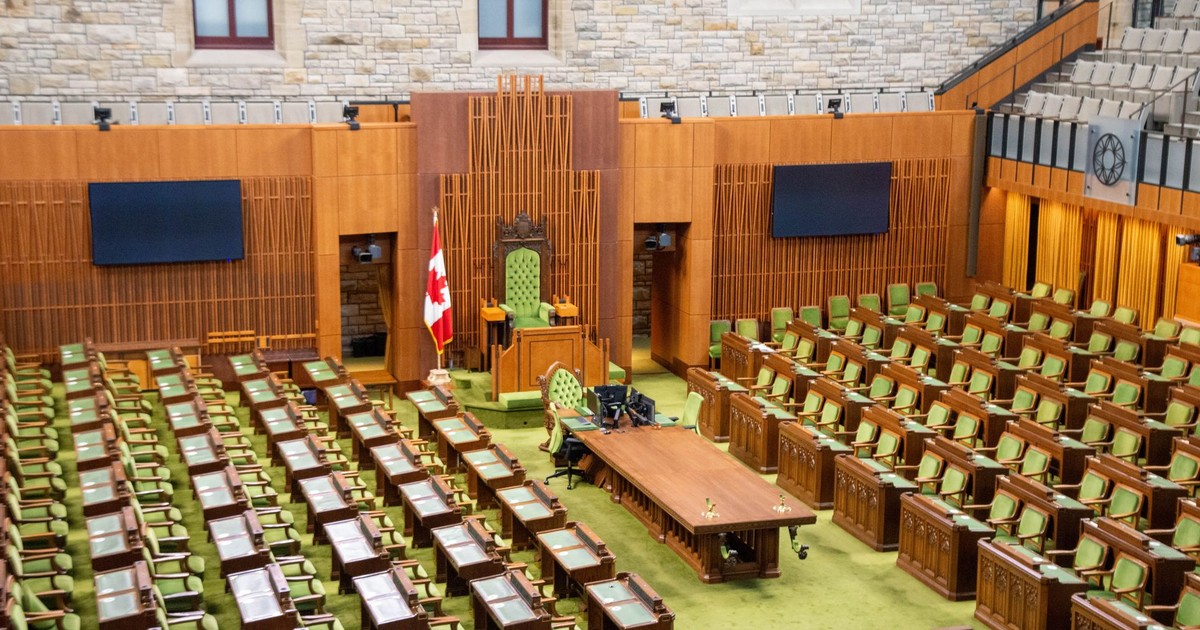

Sen. Lindsey Graham spent the last week of his life working the phones at 11pm, flying to Turkey to broker a deal at the NATO summit, then boarding a plane to Kyiv to personally brief Ukraine’s president on legislation that had been stalled for more than a year. He announced on Friday, July 11, that he’d finally secured White House support. He died the following evening. On Tuesday, July 14, the flag over the Capitol still at half-staff, a dozen senators from both parties stood at a podium and unveiled the Sanctioning Russia Act of 2026.
The bill is the most sweeping Russia-focused economic measure Congress has attempted since the full-scale invasion of Ukraine in February 2022. It would impose mandatory sanctions on Vladimir Putin himself, target Russia’s energy revenues with aggressive tariffs, and penalize the countries that keep buying the oil and gas that funds the Kremlin’s war. It would also, for the first time in American law, give the president explicit congressional authority to use tariffs as a geopolitical weapon against nations bankrolling another country’s military campaign.
A Bill Years in the Making
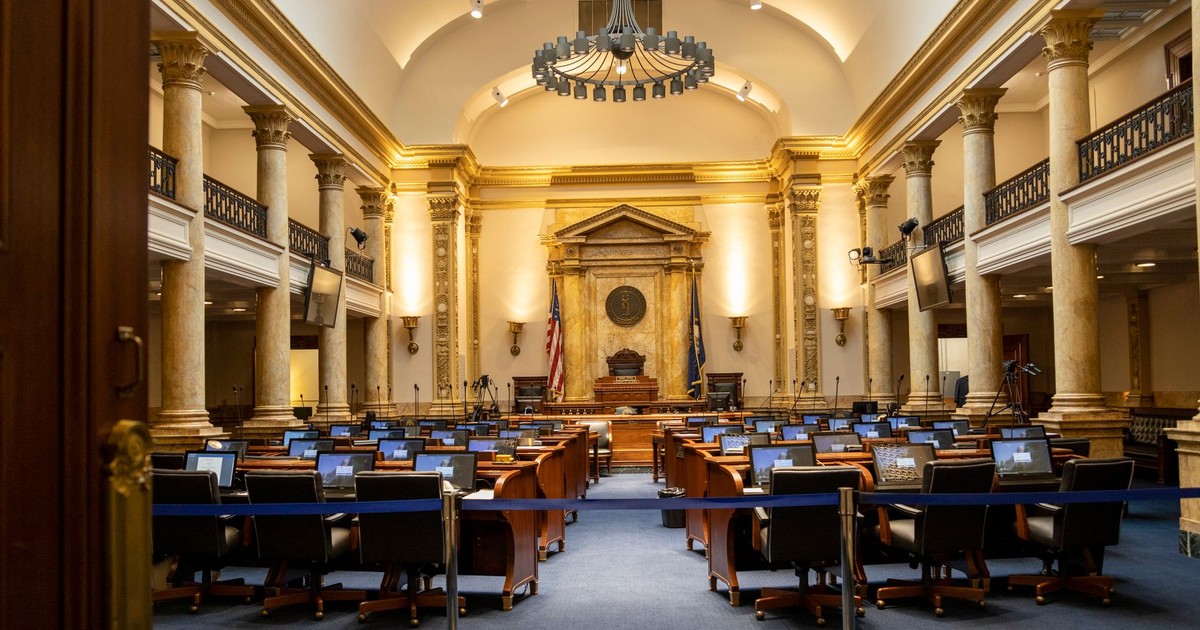
The bill was first introduced in April 2025 but stalled in Congress as Trump sought to negotiate with Russian President Vladimir Putin to end the war. Senate Majority Leader John Thune argued passing the legislation would harm the president’s negotiating hand. Democrats balked at provisions they felt handed the executive branch too much unchecked tariff authority.
Renewed momentum came in December 2025, but Democrats raised concerns about bill text that granted the president sweeping tariff authorities at a time when they were the subject of a pending Supreme Court case. Democrats also took issue with a presidential waiver that effectively kneecapped the sanctions before they took effect.
The breakthrough came at the NATO summit in Ankara, Turkey. Graham, traveling with Sen. Jeanne Shaheen of New Hampshire, met with Treasury Secretary Scott Bessent on the sidelines of the summit to finalize the bill’s text, aiming at language that satisfied Democrats’ concerns over granting the president too much authority over tariffs, and White House concerns for flexibility for President Trump. Graham then flew directly to Kyiv, where he met with Ukrainian President Volodymyr Zelenskyy, before returning to Washington. Graham died suddenly Saturday shortly after he returned to the U.S.
Blumenthal said he spoke to Graham “literally hours before his passing” and had “never heard him so exultant” after receiving word that the White House would support the bill following what he described as painstaking and sometimes painful, difficult bipartisan negotiation with the trade representative, the White House, and the Treasury Department.
What the Bill Would Actually Do
The more-than-60-page bill, if passed, would impose mandatory sanctions on Russian political and military leaders, including President Vladimir Putin, as well as oligarchs, state-owned enterprises, and foreign companies that support Russia’s defense industrial base. It also broadens sanctions against Russia’s so-called “shadow fleet” of aging, reflagged oil tankers used to circumvent existing restrictions on Russian energy exports.
The tariff provisions break new ground. Rather than imposing a blanket 500% tariff on countries buying Russian energy, the new version authorizes tariffs of up to 100% targeting the top five purchasers of Russian oil and natural gas, a group that sponsors said includes China and India. The top five purchasers would be re-evaluated every 180 days. Countries that import less than 15% of Russia’s total natural gas exports and actively work to reduce those imports are exempt.
An earlier version would have imposed a 500% tariff on the purchasers of Russian energy, a sweeping definition that would have put at least 63 countries in the crosshairs. Key exemptions are spelled out for purchasers of natural gas, including U.S. allies like France and Japan, who are weaning off Russian imports.
Reporting by The Hill noted that CSIS senior fellow Maria Snegovaya pointed out the 2026 version mandates sanctions on Russia unconditionally, whereas the 2025 version made sanctions conditional on Russia’s refusal to negotiate a peace agreement with Ukraine. “This likely reflects the growing conviction of the U.S. establishment that the Kremlin does not negotiate in good faith,” Snegovaya said. She added that the legislation codifies sanctions already imposed through executive orders, making it much more difficult for a future president to terminate them outright.
Blumenthard said Tuesday that the exact tariff rate is determined by the U.S. Trade Representative but is expected to be set at “a level appropriate to discourage strongly, China, India, other major purchasers of Russian oil and gas.”
The Russia Sanctions Bill Tariffs Provision, and Why It’s Contested
Compared with previous versions, the new legislation removes language making sanctions contingent on Russia’s participation in peace negotiations, making many of the penalties mandatory instead. But the bill simultaneously gives the president waiver authority.
Rep. Gregory Meeks of New York, the top House Democrat on foreign policy, argued the legislation grants Trump excessive tariff authority rather than mandating automatic sanctions against Moscow. “This is not so much a sanctions bill as it is a massive backdoor authority for President Trump to impose more tariffs, including on our European allies,” Meeks said.
House Ways and Means Committee Ranking Member Richard E. Neal and Senate Finance Committee Ranking Member Ron Wyden announced their joint opposition to granting Trump new tariff authority as part of the Sanctioning Russia Act. “It grants Trump authority to impose tariffs up to 100 percent on major trading partners and allies. Congress would not be able to stop Trump from unilaterally lowering those tariffs or raising them at will,” Neal and Wyden said.
Blumenthal described the provisions as “targeted, narrowly limited” and insisted the bill should be understood primarily as a sanctions measure that also happens to include an energy tariff provision. The bill gives the president waiver authority while requiring the administration to certify any waivers to Congress, a concession Democrats secured in negotiations to limit the degree to which the president could walk back pressure on Russia without congressional oversight.
The 2026 version is double the length of the original, 61 pages compared to 31 pages in the 2025 bill. It also includes additional requirements on the president’s waiver authority and requires a report to Congress ahead of any lifting of sanctions, detailing the reasons why.
Graham’s Last Push, and What Comes Next
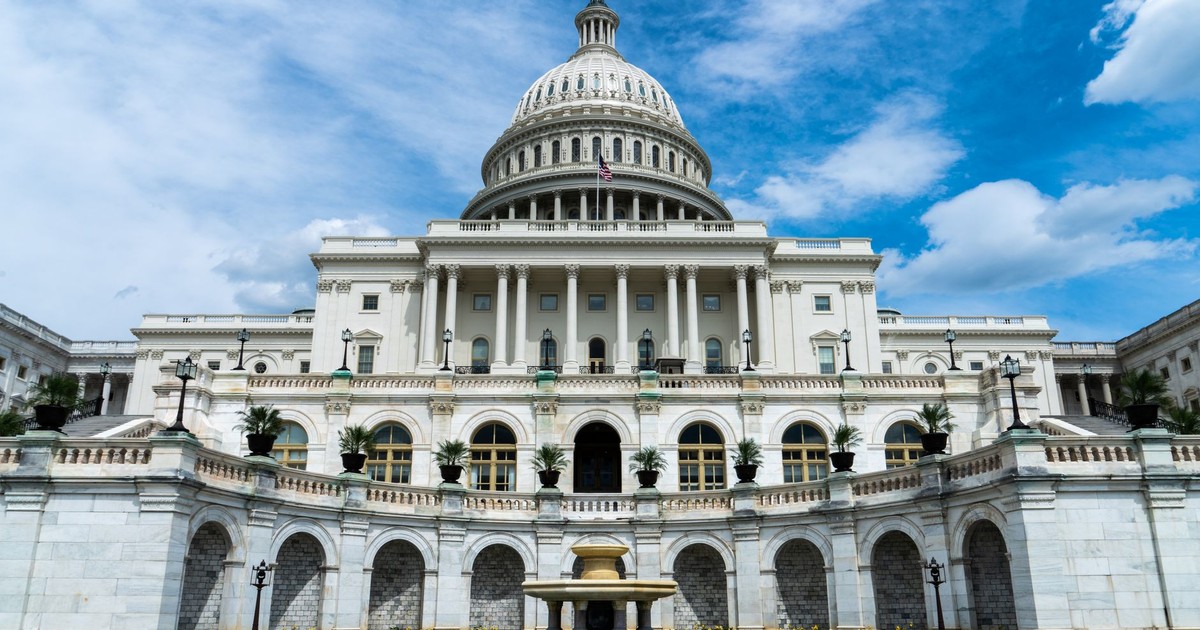
One senator after another described a man in his final days working the phones at 11pm, cornering administration officials at the NATO summit, calling colleagues from an airport tarmac just back from Kyiv. Alabama Republican Sen. Katie Britt said in a statement that Graham “believed that getting this legislation passed and signed into law would be the most consequential thing he achieved in his career.”
By 1 p.m. Tuesday, 26 co-sponsors supported the bill, and that number was expected to grow, Senate aides said. Senate Minority Leader Chuck Schumer called on Senate Majority Leader John Thune to bring the bill to the floor immediately “in honor of Lindsey.” Thune said he was “hopeful” but indicated the bill needed to clear the relevant committees first.
In the House, the path is less certain. Republican Rep. Michael McCaul of Texas said in a post on X that he plans to introduce a House version of the Russia sanctions legislation, urging Congress to “pass it in his honor.” But the bill faces a more complicated reception in the lower chamber, where the tariff-authority objections raised by Meeks and others carry more institutional weight on the Ways and Means Committee.
Trump said Tuesday the legislation had “a good chance” of advancing, but he also suggested expanding it to target Iran and Hezbollah. Blumenthal urged against reopening the carefully negotiated measure. “I think this bill has been negotiated over almost two years, painstakingly, sometimes painfully, at great length,” Blumenthal said.
Read More: The Trump IRS scandal that could actually stick — thanks to a federal judge
What This Actually Means

The Sanctioning Russia Act of 2026 is simultaneously three things. It is a tribute act, moving faster and with more political weight because the man who built it died before he could see it through. It is a foreign policy instrument, designed to make Russia’s war in Ukraine economically unsustainable by cutting off the oil and gas revenues that pay for it. And it is a domestic political object, carrying provisions that would hand the executive branch a novel tariff tool that could function either as disciplined geopolitical pressure or as another instrument in an already chaotic trade environment.
The tariff authority is real and presidential discretion is baked into the bill’s design. Mandating those sanctions into statute, rather than leaving them subject to executive-order repeal, represents a genuine tightening compared to anything that’s existed before. Existing Western energy sanctions have already reshaped trading routes for Russian oil, shifting exports from Europe toward Asia at significant added cost, and appear to have driven a persistent gap between global oil prices and what Russia actually receives for its exports, meaningfully lowering Kremlin revenues. The new bill’s secondary tariffs are designed to close the biggest remaining loophole: the fact that China and India have simply absorbed the oil Europe stopped buying, softening the financial blow to Moscow considerably.
Whether Congress finishes what Graham started is still an open question. But the bill is further along than it has ever been, it has White House support it has never had before, and the Senate floor math looks better than at any point in the past year. The one thing that’s harder to replicate is the person who held all the pieces together long enough to get them into the same room.
Disclaimer: This information is not intended to be a substitute for professional medical advice, diagnosis, or treatment and is for information only. Always seek the advice of your physician or another qualified health provider with any questions about your medical condition and/or current medication. Do not disregard professional medical advice or delay seeking advice or treatment because of something you have read here.
AI Disclaimer: This article was created with the assistance of AI tools and reviewed by a human editor.