

Utah has built its reputation on industriousness, a state where business thrives, jobs are plentiful, and ambition is rewarded. The official branding has held for years, backed by genuine economic data. In 2026, a CNBC ranking placed Utah sixth from the bottom nationally for quality of life, citing air quality, doctor shortages, childcare deserts, poverty wages, and housing costs.
The state gets ranked for how well it serves businesses. When a major organization ranked it for how well it serves people, Utah received an F.
How CNBC Built the Ranking

The CNBC quality-of-life ranking comes from the Quality of Life category in the network’s annual America’s Top States for Business study, which now accounts for 11.6% of a state’s overall score, up from roughly 10% the year before. As return-to-office mandates spread across corporate America, where people actually want to live has become more commercially relevant. Companies recruiting talent can no longer ignore what life looks like for employees outside of office hours.
The measures used to compute each state’s score included hard data on crime rates, air quality, healthcare, cost and availability of childcare, inclusiveness of state laws, and reproductive rights. Utah received a Quality of Life score of 98 out of 290 possible points.
Utah ranked above only Georgia, Louisiana, Indiana, Texas, and Tennessee on the quality-of-life sub-index. It places Utah alongside states most Americans would instinctively expect on such a list: Tennessee, Texas, Indiana, Louisiana, Georgia, Missouri, Alabama, Oklahoma, and Arkansas. Utah is the only state in the American West to appear. The others are clustered in the South.
Utah has been called the best place to start a business, the best overall state, and one of the most entrepreneur-friendly places in the country, often in the same calendar year. The state landed 16th overall in CNBC’s 2026 America’s Top States for Business rankings, with high marks for its workforce, economy, and business friendliness. When the same organization turns the lens from business metrics to lived experience, Utah earns an F.
Healthcare Access: 47th in the Nation
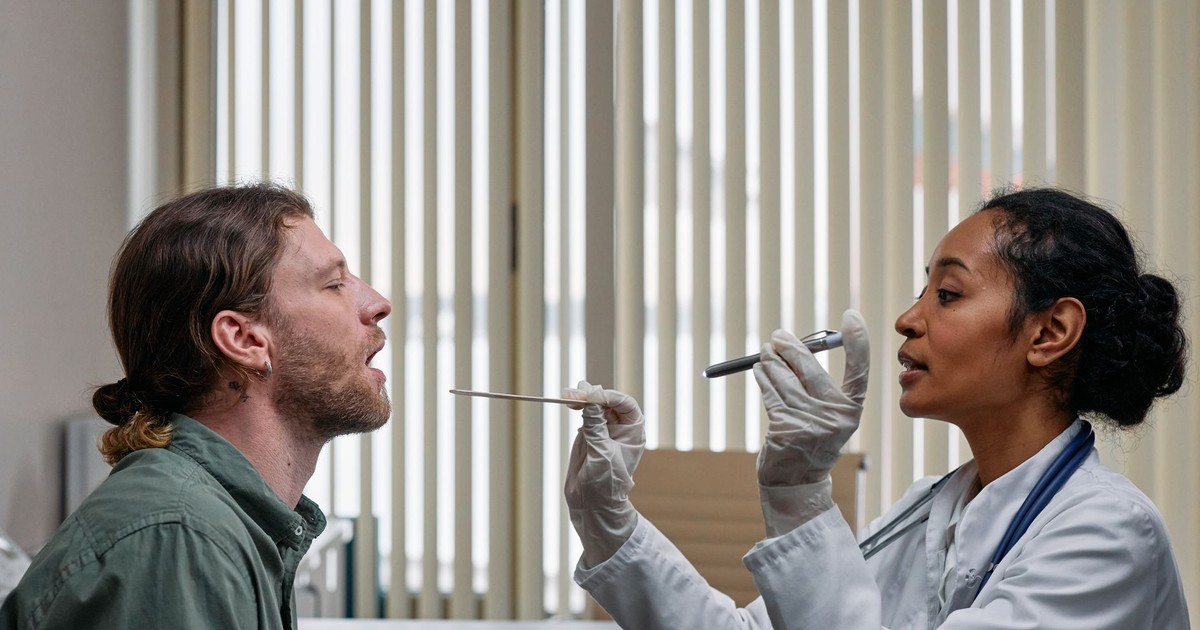
Utah ranks 47th in the country for primary care providers, according to CNBC’s analysis. In terms of access to a family doctor, internist, or general practitioner, Utah performs worse than 46 other states.
The shortage of primary care physicians is not a problem Utah can attribute solely to rural geography. The Wasatch Front, the dense population corridor running from Ogden through Salt Lake City down to Provo, is one of the fastest-growing urban regions in the United States, yet it has not produced a proportional expansion of healthcare infrastructure.
Utah ranked as the least healthy place to live in the CNBC study, due in part to the combined weight of high ozone levels and a low number of primary care providers. Residents dealing with respiratory symptoms from pollution have fewer providers to turn to.
Air Quality: A Metro Ranked Among America’s Most Polluted
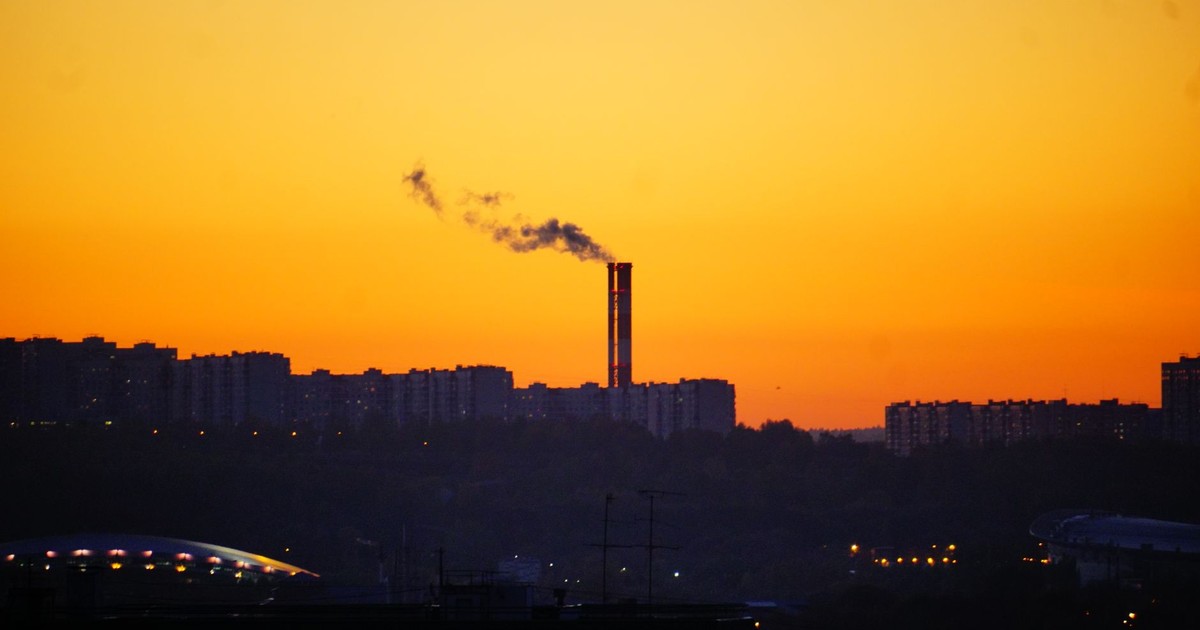
The Salt Lake City-Provo-Orem metro area ranked 13th worst in the nation for ozone pollution, according to the American Lung Association’s 2026 “State of the Air” report. That report grades counties and metropolitan areas based on ozone and particle pollution levels recorded over a three-year period from 2022 to 2024.
Ozone, more commonly called smog, forms when gases from tailpipes, smokestacks, factories, and other pollution sources react with sunlight. It is a powerful respiratory irritant with effects that have been compared to a sunburn on the lungs. The geography of the Salt Lake Valley concentrates this problem: cold air and pollution become trapped during winter temperature inversions, while the surrounding high desert drives ozone formation under the summer sun. Transportation, industrial facilities, and oil and gas production are major emission sources in the state, according to HEAL Utah, the Healthy Environment Alliance of Utah.
Both ozone and particle pollution can cause premature death and other serious health effects such as asthma attacks, heart attacks, strokes, preterm births, and impaired cognitive functioning later in life. Particle pollution can also cause lung cancer.
“Clean air is essential to the health and wellbeing of families across Utah. Children deserve to breathe air that won’t make them sick,” said Nick Torres, director of advocacy for the American Lung Association. “Unfortunately, too many people in the Salt Lake region are living with unhealthy levels of ozone and particle pollution.”
Childcare: 513 Centers for 3.5 Million People

Utah has just 513 licensed childcare centers in a state with 3.5 million people, according to Child Care Aware of America. That ratio works out to roughly one licensed center for every 6,800 residents.
The rankings also noted this shortage of licensed childcare as a compounding factor alongside the state’s poor air quality scores. A family in Salt Lake County dealing with a child’s respiratory illness, caused in part by chronic ozone exposure, also faces difficulty finding a licensed provider who can accommodate them when a childcare placement falls through.
Utah’s birth rate is one of the highest in the United States, driven in significant part by the dominant religious culture in the state. A high birth rate combined with a shortage of licensed childcare facilities is a structural mismatch that falls hardest on families with lower incomes, where both parents working is not optional.
Wages: A Minimum That Hasn’t Changed Since 2009

Utah has not raised its minimum wage above the federal floor of $7.25 an hour, a figure that has not changed since 2009. At that wage, full-time annual earnings of roughly $15,000 fall far short of what a family of four requires to cover basic living costs in the state. In a state where the average home now costs around $530,000, and where housing costs along the Wasatch Front have far outpaced wage growth, that wage floor is effectively a political statement about which workers the state is legislating for.
Median home prices along the Wasatch Front have more than doubled since 2015, far outpacing wage growth, while rents have surged for lower- and middle-income households. The people absorbing this squeeze most directly are the workers the state’s minimum wage was designed to protect: service workers, childcare employees, healthcare aides, and retail staff. Many of them are the same people who, when sick, can’t easily find a primary care doctor. When they have a child, they can’t easily find a licensed childcare center. And when they open a window, they may be breathing air that the American Lung Association has graded F.
Inclusiveness and Reproductive Rights

CNBC explicitly included inclusiveness of state laws and reproductive rights as criteria in computing the quality-of-life scores. Utah has restrictions on abortion access that fall well to the conservative end of the national spectrum, and its state laws offer limited protections for LGBTQ+ residents compared to peer states. These are policy positions that reflect the preferences of the state’s majority political culture, but they show up as livability deficits for residents whose rights are constrained by them.
The state’s deep religious character, driven predominantly by The Church of Jesus Christ of Latter-day Saints, shapes legislation in ways that are visible in the CNBC data. Utah’s social and legal climate places it among the most religiously homogeneous states in the country, which has policy consequences that show up in rankings measuring civil protections, labor rights, and reproductive access.
Housing: A Crisis the State Acknowledges Openly
Utah added more than half a million residents over the past decade, growing from roughly 3 million in 2015 to more than 3.5 million today. Housing construction has lagged population growth for more than a decade, causing a shortage that drove up prices.
Median home prices in the Salt Lake City metro area have more than doubled since 2015, pushing the typical home cost to around $530,000 and lifting housing costs well above the standard affordability threshold of 30% of household income for many residents. Typically, financial advisers define housing costs above 30% of income as unaffordable.
A 2023 legislative audit estimated that Utah needs to build 27,900 housing units per year to keep pace with forecasted population growth. Moreover, Utah could begin to run out of space for housing in less than 20 years. The Utah Senate’s own website acknowledges the crisis directly, noting that “the current housing shortage, coupled with skyrocketing housing prices and interest rates nationwide, has made buying a house out of reach for many Utahns.”
Governor Spencer Cox has made housing a centerpiece of his agenda, announcing plans to construct 35,000 starter homes within five years. A January 2026 poll conducted by Morning Consult for the Deseret News/Hinckley Institute of Politics found that one-third of Utah voters say affordable housing should be the top issue for lawmakers, with double the number of voters picking housing over any other issue across all partisan and age groups.
What Utah Gets Right, and Why That Complicates the Story
None of this means Utah is uniformly failing its residents. Despite receiving an F grade on quality of life, the state was praised within the CNBC rankings for its low crime rates. Utah’s economy is genuinely strong: the state’s low unemployment and corporate tax rate of 4.55%, the 12th lowest in the country among states that levy the tax, provided a significant boost in the business rankings.
The state’s outdoor offerings are not irrelevant to quality of life either. Five national parks, world-class skiing, and accessible wilderness are real assets. A national park doesn’t substitute for a primary care physician, though, and a ski resort doesn’t clean the air in the valley below it.
Nearly every state on the worst-states list is also among the fastest-growing in the country. People are moving to Texas, Tennessee, Georgia, and Utah in large numbers. Population growth is often cited by state officials as proof of quality of life. But growth and livability are not the same thing. A place can have poor quality of life by measurable metrics and still attract enormous numbers of new residents, because people respond to the cost of living, job availability, or housing supply rather than to a composite score built from crime data and healthcare access.
People move to Utah because they can find a job there. That’s different from saying Utah is making their lives good once they arrive.
Read More: 10 U.S. Towns Where You Can Live with Scenic Views Without Paying a Fortune
What the Numbers Don’t Say About Living Here

The CNBC 2026 quality-of-life ranking places Utah sixth-worst among all 50 states, with a score of 98 out of 290 points and an F grade. Behind that result are specific, documented failures: a state that ranks 47th for primary care providers, hosts a metro area ranked 13th worst nationally for ozone pollution, offers just 513 licensed childcare centers for 3.5 million residents, maintains a minimum wage of $7.25 that has not risen since 2009, and has produced a housing market where the median home costs more than $500,000 while wages have grown far more slowly.
Utah is the only western state to appear on this list, which sets it apart from a group of states that otherwise share certain economic and political characteristics. Its business-friendly policies have produced genuine economic dynamism. But the workers driving that economy are doing so in conditions that a comprehensive quality-of-life analysis grades as worse than 44 other states.
Some of those conditions are solvable with political will. Others, like the geography that traps winter inversions and the federal minimum wage floor that Utah has never chosen to raise, involve forces larger than any single legislative session. What’s harder to dismiss is the growing distance between what Utah tells the country about itself and what daily life looks like for a nurse commuting the Wasatch Front, a family with two incomes that still can’t buy a home, or a child in Salt Lake County breathing air the American Lung Association grades as unhealthy.
Disclaimer: This information is not intended to be a substitute for professional medical advice, diagnosis, or treatment and is for information only. Always seek the advice of your physician or another qualified health provider with any questions about your medical condition and/or current medication. Do not disregard professional medical advice or delay seeking advice or treatment because of something you have read here.
AI Disclaimer: This article was created with the assistance of AI tools and reviewed by a human editor.