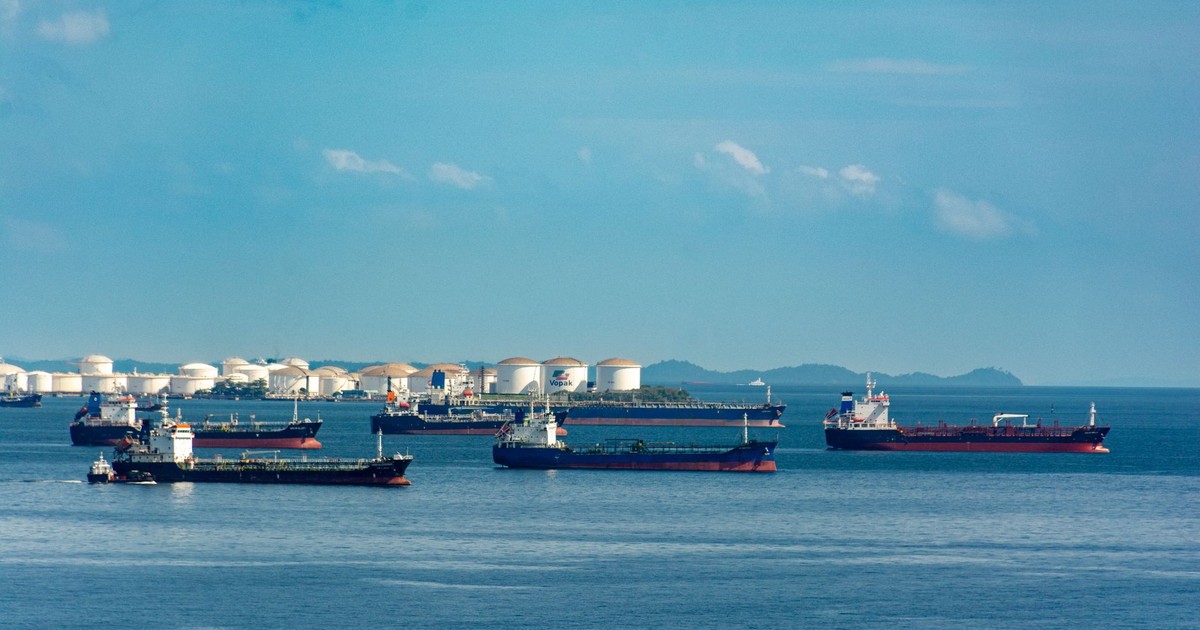

Before the missiles started, insurance markets signaled trouble. In the days before the February 2026 attacks on Iran, war-risk ship insurance premiums for the Strait of Hormuz climbed from 0.125% to between 0.2% and 0.4% of a tanker’s insured value per transit. For a very large crude carrier, that meant an extra quarter of a million dollars just to cross 21 miles of water. Traders and underwriters reading those numbers were pricing in a war.
The strip of water at the center sits 21 miles wide at its narrowest point, between Iran to the north and Oman to the south. More than 20 percent of global oil and liquefied natural gas exports pass through the strait, serving as the primary route for petroleum from Iran, Iraq, Kuwait, Qatar, and the United Arab Emirates. When that corridor closes or even wobbles, the ripple hits fuel prices in Seoul, gas stations in Ohio, and power grids in Europe within days.
That happened starting February 28, 2026. As of this week, it’s happening again.
How It Started: Operation Epic Fury
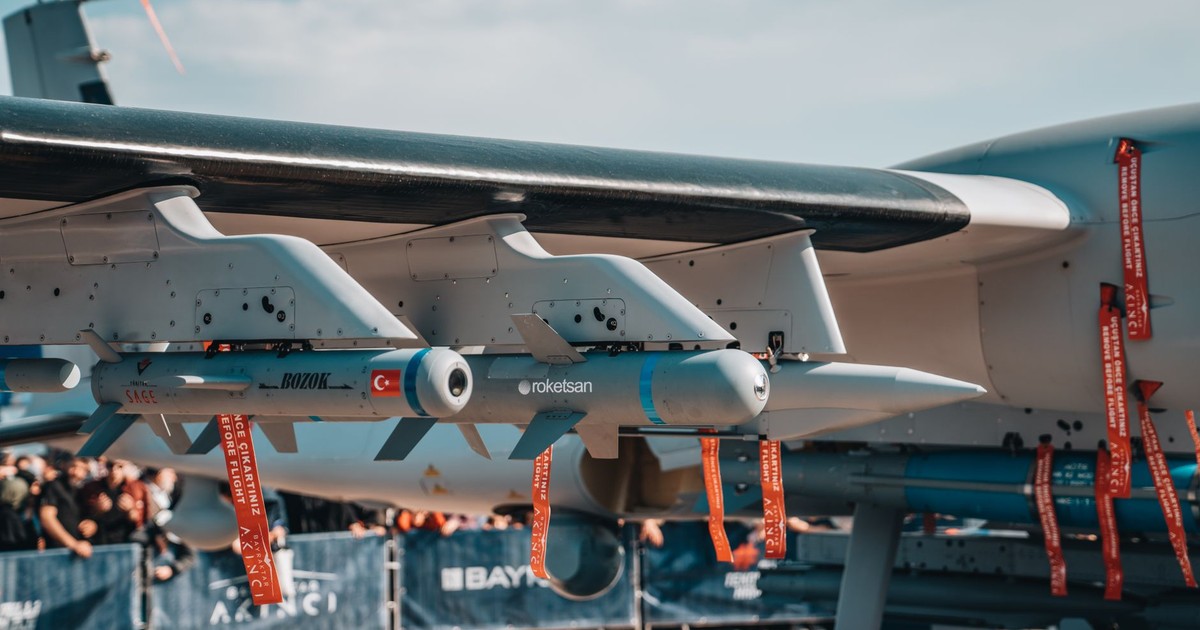
Operation Epic Fury was the U.S. code name for its joint military operations with Israel against Iran that began on February 28, 2026. The opening salvo killed Supreme Leader Ali Khamenei and triggered hundreds of retaliatory missiles and thousands of drones from Iran across the Middle East.
Tensions between Iran, the United States, and Israel had escalated in the lead-up to 2026, stemming from failed nuclear negotiations in Geneva and a prior 12-day air conflict in 2025. In briefings held before the February 2026 attacks, the Joint Chiefs of Staff warned President Trump that an attack could prompt Iran to close the strait. Trump acknowledged the warnings but dismissed the possibility, telling his team that Iran would likely capitulate instead.
Iran did not capitulate. Shipping traffic through the Strait of Hormuz has been largely blocked since February 28, 2026. In retaliation, the Iranian Revolutionary Guard Corps issued warnings forbidding passage through the strait, boarded and attacked merchant ships, and laid sea mines in the waterway. Tanker traffic dropped to almost nothing.
The Strait Becomes a Battlefield
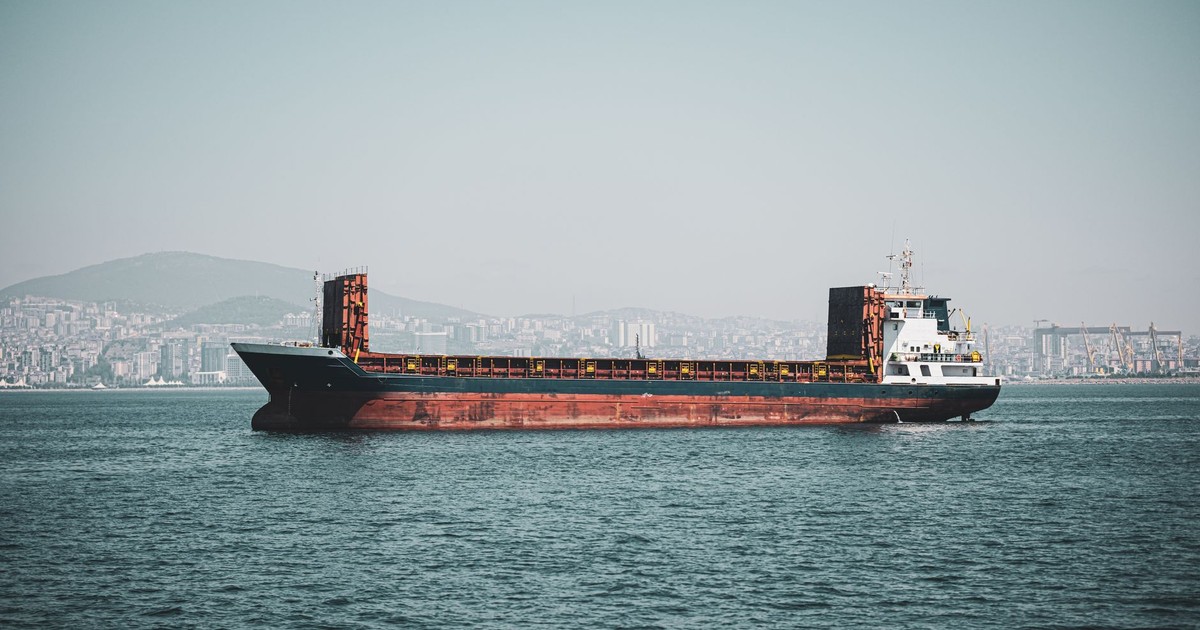
In March 2026, an Iranian official threatened ships transiting the strait with attack. Iranian forces carried out those threats in the days that followed, with the United Kingdom Maritime Trade Operations Centre reporting over a dozen attacks against ships in and around the strait. The Congressional Research Service, reporting to Congress on the energy market implications, noted that the attacks had already killed five crew members on two vessels by the first week of March alone.
On March 27, the IRGC announced that the strait was closed to any vessel going to and from the ports of the U.S., Israel, and their allies. Iran did eventually carve out narrow exceptions, as with seven stranded Malaysian ships it allowed to pass through the strait on April 6. Safe passage was not a right, but a privilege Iran intended to grant or withhold as it saw fit.
In March 2026, threats and attacks by Iran on ships passing through the strait led to a more than 95 percent drop in traffic, causing the biggest disruption ever in the global oil supply and a surge in the price of other critical commodities. The International Maritime Organization confirmed 46 attacks on ships as of June 11, resulting in 14 deaths of innocent seafarers. The IMO reported that an estimated 1,500 ships and 20,000 crew remained stranded in the Arabian Gulf at that point, then exceeding 100 days of entrapment.
The Failed Ceasefire
After more than five weeks of fighting, the United States and Iran agreed on April 7-8 to a ceasefire that included Israel. In the following weeks the conflict shifted to brinkmanship between the two countries over restricted access to the Strait of Hormuz.
Iran threatened to strike desalination facilities across the Gulf, the infrastructure that provides drinking water to millions of people. Iran rejected a 15-point peace plan presented by the U.S. and asserted that Lebanon must be included as part of any ceasefire deal, making a resolution conditional on an end to the simultaneous 2026 Lebanon war against Hezbollah.
On June 17, Trump and Iranian President Masoud Pezeshkian signed a memorandum of understanding at the Palace of Versailles, following the G7 summit. Trump and Iran announced they had reached an agreement to end the war and reopen the strait, with Trump saying he had authorized the lifting of the U.S. blockade. Vice President Vance confirmed that 16 million barrels of oil transited the Strait of Hormuz on June 21, a significant post-ceasefire resumption of flows through the waterway.
It lasted less than three weeks.
The Ceasefire Collapse and the New Round of Strait of Hormuz Attacks
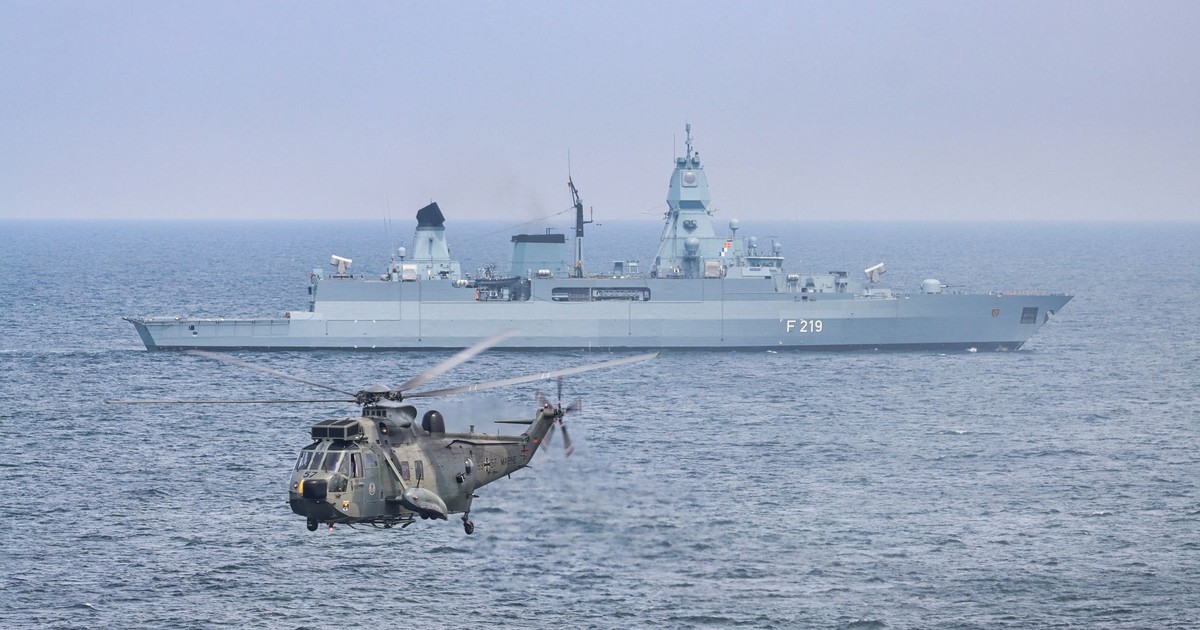
Iran’s military fired at least two missiles at commercial ships transiting the Strait of Hormuz on the night of July 6, with the IRGC attacking a third commercial ship the following morning, according to U.S. officials. The reported attacks threatened to unravel the memorandum of understanding signed less than three weeks earlier, and came after a one-week agreement between the U.S. and Iran on halting attacks in the strait had already expired.
The U.S. retaliated. Then Iran hit back. Then the U.S. struck again. The latest round of attacks began on Saturday, July 12, when Iran fired at a commercial ship passing through the strait and said it was closing the vital waterway completely. Speaking to NBC’s Meet the Press, Trump rejected Iran’s claim that the strait was closed. The U.S. retaliated, striking multiple sites in Iran overnight. Iran responded to those U.S. attacks on Sunday by launching strikes against Jordan, Qatar, Kuwait, and Oman. The United Arab Emirates also said it came under missile fire. That prompted another round of U.S. strikes on Iran Sunday evening.
By Monday, July 13, according to NPR, Central Command said it had hit dozens of targets at multiple locations with precision munitions to degrade Iran’s ability to continue attacking international shipping flowing through the Strait of Hormuz. CENTCOM later announced the conclusion of its strikes and said the latest round of attacks on Iran lasted five hours, with U.S. forces striking military targets across Iran including Bushehr, Chah Bahar, Jask, Konarak, Abu Musa, and Bandar Abbas.
The UAE said that two of its oil tankers had been hit by Iranian cruise missiles in Omani waters in the Strait of Hormuz. One Indian national crew member was killed on one of the tankers, and eight other people were wounded.
The Toll Question and Trump’s Blockade Reinstatement
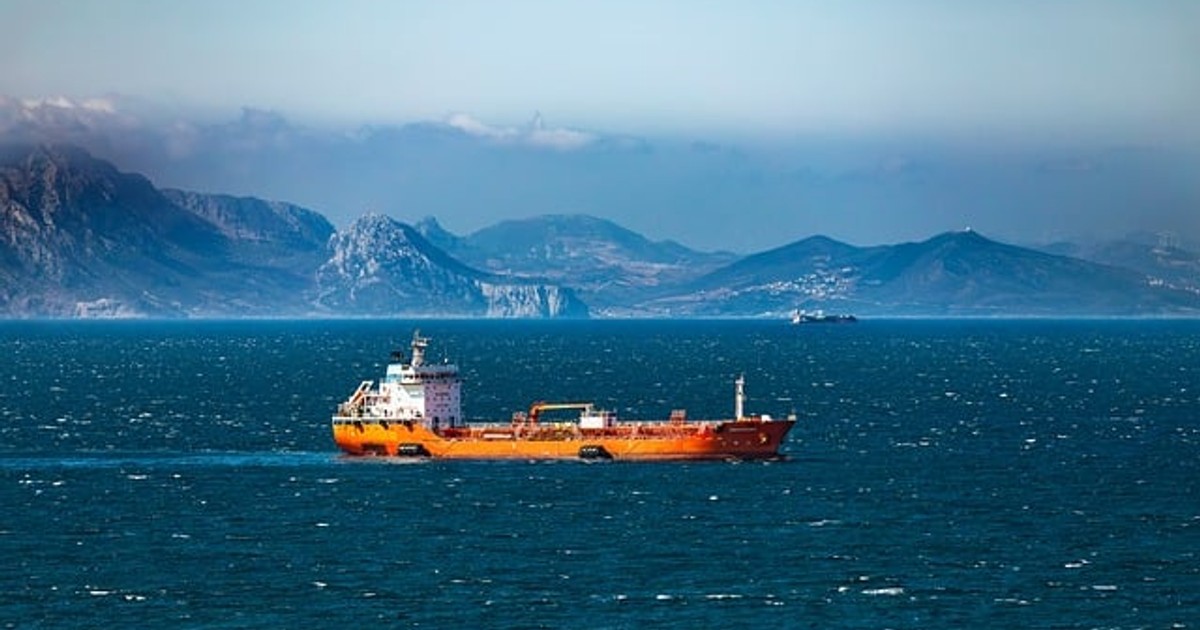
Alongside the resumed military strikes, Trump announced something that had no precedent in the history of the strait: a toll. Trump announced the U.S. would resume its blockade of Iranian ports and suggested the U.S. would offer protection in the Strait of Hormuz for a fee of 20 percent of the cargo shipped.
The war of words over who controls the Strait of Hormuz continued on Monday, with Trump insisting the strait was open and announcing the 20 percent toll for cargo shipped through it in exchange for U.S. protection. Iran’s foreign minister, Abbas Araghchi, rejected the U.S. president’s claim, saying Tehran has always been the guardian of the strait and will remain so forever.
Trump said: “We’re attacking them tonight, and we’re taking out all of their capability for anything having to do with the strait, with the Hormuz Strait, and I think in the end we will end up just controlling the whole thing.”
Both the U.S. and Iran are claiming sovereign authority over the same 21 miles of international water. Iran’s position rests partly on geography: its coastline dominates the northern shore of the strait, its naval bases sit on islands inside it, and its missile systems can reach virtually any vessel in the corridor. While experts say it would be difficult for Iran to close the strait for a prolonged period, Tehran has other means to disrupt global oil and gas exports, including using small boats that can interrupt shipping and submarines that can lay mines. The legal question of how international maritime rules apply to transit passage through the strait has never been fully resolved.
The Council on Foreign Relations noted as much in March 2026: the legal ambiguity around Iran’s authority in the strait has never been fully resolved, and it sits at the heart of why this dispute is so difficult to settle with anything short of sustained military force or a durable political agreement.
The Economic Fallout
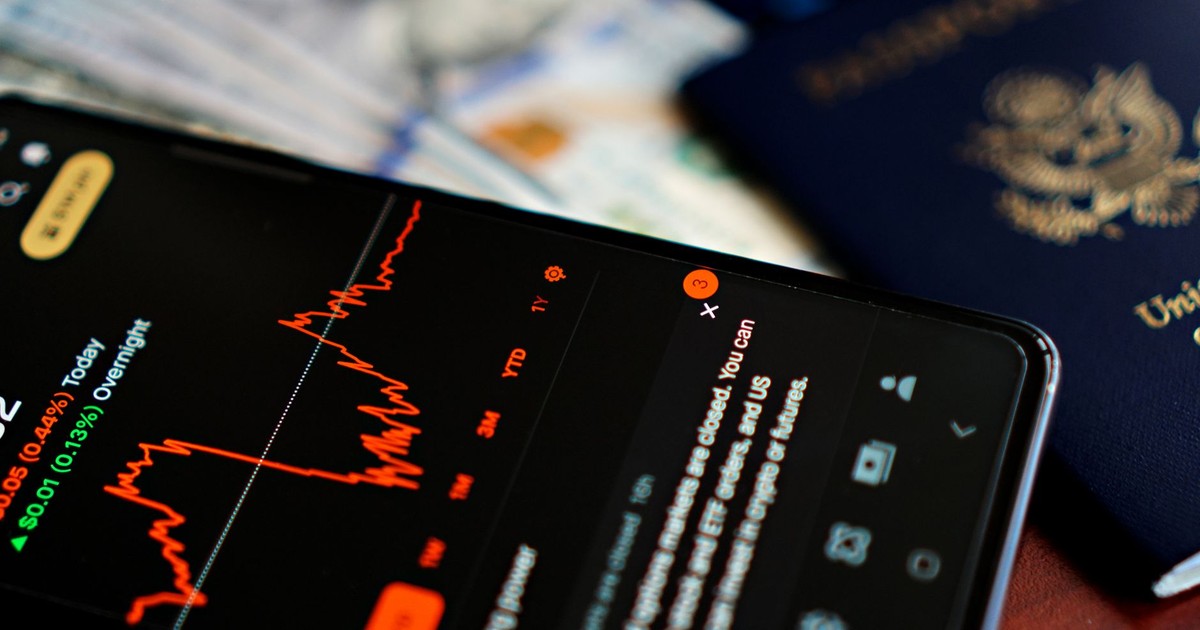
The economic impact of the war has included the largest ever supply disruption of the global oil market, disruptions of the natural gas, fertilizer, aviation, and tourism industries, and volatility in financial markets. As of June 2026, the cost of the war to U.S. taxpayers was estimated at $113.3 billion.
The international benchmark for oil climbed further after Trump announced the renewed naval blockade, with Brent crude futures above $83 a barrel by Monday evening. According to AAA, the average price of regular gas in the U.S. is now $3.87 a gallon, about 8 cents up from a week ago, but 21 cents lower than a month ago. Kpler, a data and analytics company that tracks global commodity and shipping markets, said that crossings through the Strait of Hormuz dropped by more than half from the previous week.
Asia is bearing the sharpest blow. About four-fifths of Persian Gulf exports go to importing countries in Asia, especially China, India, Japan, and South Korea, and the volume of supply has a profound impact on pricing worldwide due to the low elasticity of prices. For energy-importing nations in the region, the disruption has not stayed abstract. Fuel shortages in parts of Asia have already been documented.
A Moody’s Analytics study found the average U.S. household had shelled out $447 in additional fuel-related expenses by late May, a figure Moody’s chief economist Mark Zandi estimated had risen to roughly $1,000 per household by July 1.
The International Response
No major U.S. ally agreed to join a military coalition to reopen the strait by force. Several U.S.-aligned NATO countries rejected Trump’s request, including Germany, Spain, Italy, Estonia, the United Kingdom, Australia, South Korea, and Japan, as well as the European Union. The various nations declined, citing the lack of strategic goals or reluctance to get drawn into the war.
In May 2026, the United Kingdom announced the deployment of drones, fighter aircraft, and a Royal Navy warship to participate in an international defensive mission aimed at securing commercial shipping through the Strait of Hormuz, stopping short of offensive operations. The NATO Ankara summit concluded with a formal declaration calling on Iran to fully respect freedom of navigation in the Strait of Hormuz and reiterating that Iran must never have a nuclear weapon. China, which relies on the strait for the vast majority of its energy imports, has called publicly for the waterway to remain open but has declined to intervene militarily.
Indirect talks between the U.S. and Iran in Doha, Qatar, the previous week had ended without progress on the Hormuz question. Iran has said the U.S. use of a southern route through the strait that hugs the coast of Oman violates the memorandum of understanding signed last month between the two countries. Iran’s Parliament speaker Mohammad Bagher Ghalibaf posted an image of the preliminary deal on social media, highlighting a section that says Iran will make arrangements.
Each side is reading the same document as a mandate for its own position.
Read More: Trump Left Instructions to Bomb Iran ‘At Levels They’ve Never Seen’ If He’s Assassinated
The Strait of Hormuz has been a theoretical flash point for decades. Military planners, energy economists, and geopolitical analysts have spent years modeling what a real closure would look like. Now they have months of live data showing what happens when one of the world’s most critical shipping lanes goes from moving 20 percent of global oil to almost nothing. Prices spike, supply chains buckle, and the countries that depend most on those flows discover quickly how little diplomatic leverage they have once the missiles start flying.
What’s happening this week is the ceasefire’s sequel: a smaller, faster, more intense version of the same fight, compressed into days rather than months. Both sides signed a memorandum of understanding on June 17 and have spent the three weeks since then arguing about what it says. Iran attacks ships and says the strait remains under its authority. The U.S. strikes Iranian military sites and says the waterway is open to all. Neither claim is fully true. Neither side is walking away.
The unsettled question isn’t really about who controls 21 miles of water. It’s about whether a political agreement is possible at all when both parties have fundamentally different ideas about what sovereignty over that waterway means, and when one side has nuclear ambitions that the other considers a red line. The Versailles memorandum didn’t resolve that. A ceasefire, by itself, cannot resolve it. What comes next, whether renewed diplomacy or a return to sustained strikes, depends on whether the two sides can find language that lets each claim it won. So far, neither has been willing to let the other have that.
Disclaimer: This information is not intended to be a substitute for professional medical advice, diagnosis, or treatment and is for information only. Always seek the advice of your physician or another qualified health provider with any questions about your medical condition and/or current medication. Do not disregard professional medical advice or delay seeking advice or treatment because of something you have read here.
AI Disclaimer: This article was created with the assistance of AI tools and reviewed by a human editor.