

The argument that keeps resurfacing in long-term marriages isn’t about money, or the in-laws, or whose turn it is to do the dishes. It’s the argument underneath all of those: the one about whether one person feels truly seen and valued by the other. Women in lasting, happy marriages consistently describe their husbands not by the absence of conflict, but by something more specific: the feeling that their husband is genuinely on their side. Not performing it. Actually doing it.
What separates a good husband from a great one isn’t a single sweeping quality. It’s a cluster of behaviors, attitudes, and habits that compound over years. Some of them are obvious. Several are not. Researchers who have spent decades studying what makes marriages thrive versus quietly deteriorate have found that the difference between “fine” and “genuinely great” usually comes down to a handful of traits that most couples never explicitly name.
The list below pulls from relationship psychology, marriage research, and what women themselves report. Not the traits that sound good in a wedding speech. The ones that actually hold a marriage together on a Tuesday in November, three years in.
1. He Makes Repair Attempts and Means Them

Every long marriage has fights. The telling detail isn’t whether conflict happens; it’s what both people do in the aftermath. According to a 2024 CNBC report, researchers John and Julie Gottman interviewed more than 3,000 couples and followed some for as long as 20 years. The couples who were successful years down the road were the ones who made repairs.
A repair attempt is anything that de-escalates tension during or after a disagreement: a well-timed joke, an “I’m sorry, I was being unfair,” a hand on the shoulder mid-argument. Great husbands don’t just make these attempts. They make them sincerely, and they accept them when their wives offer them first. A husband who always has to win the argument, or who sulks for three days after a fight until his wife apologizes, isn’t making repairs. He’s making his wife do all the relationship maintenance herself.
If a man can’t say “I was wrong” without it costing him something enormous, the resentment in that marriage will compound slowly, year over year, in ways that are genuinely hard to reverse.
2. He Accepts Her Influence
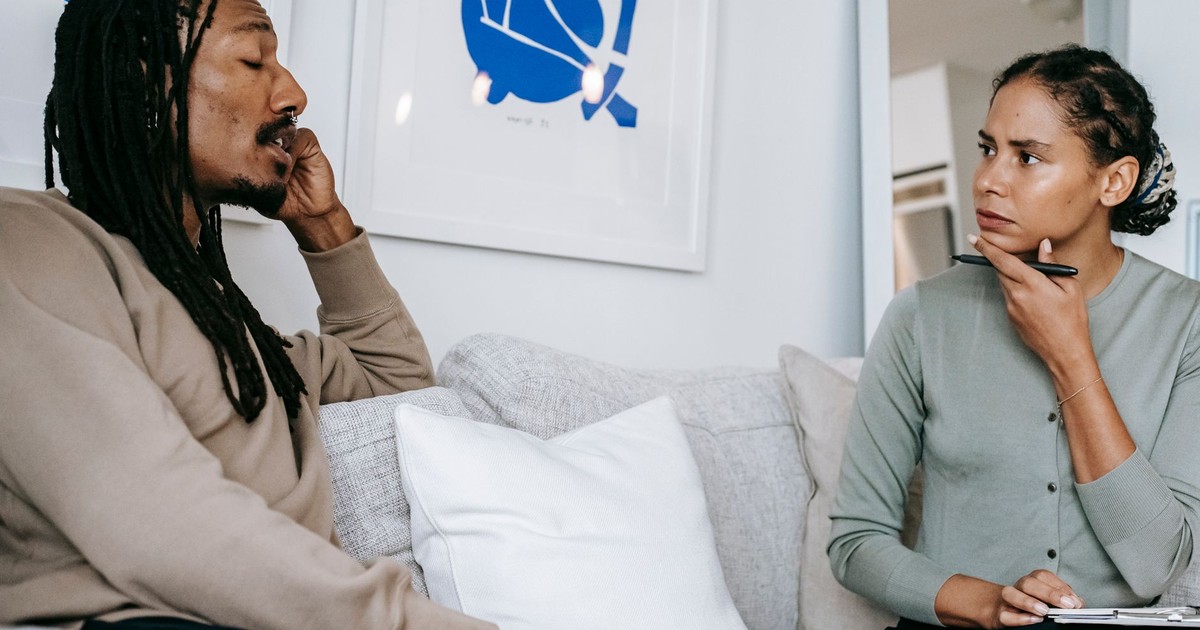
In a long-term study of 130 newlywed couples, Dr. John Gottman discovered that men who allow their wives to influence them have happier marriages and are less likely to divorce. Statistically, there is an 81% chance that a marriage will implode when a man is unwilling to share power.
That phrase “share power” sounds more charged than it needs to. In practice: when his wife expresses concern about a decision, he doesn’t dismiss it as nagging. He takes it seriously. He changes plans sometimes. He says “you’re right” and doesn’t treat it as a defeat. Women in unhappy marriages often describe the same invisible wall: the feeling that their perspective never quite lands, that they could explain themselves ten different ways and their husband would still do what he’d already decided to do. Great husbands simply don’t have that wall.
Both people’s opinions actually count, which is what makes a marriage feel like a team rather than two people competing to be the least wrong.
3. He Has Strong Emotional Intelligence

Emotional intelligence in this context means the ability to recognize what you’re feeling, manage it without exploding or shutting down, and read the emotional state of your partner accurately. A husband with high emotional intelligence doesn’t need his wife to spell out “I need comfort right now, not a solution.” He reads the room. He knows when she wants to vent and when she wants input. He can be angry without being cruel, and scared without pretending he isn’t.
A responsible, emotionally intelligent man who can control his impulses shows true maturity and likely has the capacity to deal with the change, disappointment, stress, and conflict that life and marriage inevitably bring.
4. He Treats Commitment as a Daily Choice
For both husbands and wives, the primary predictor of marital happiness was high commitment toward their spouse, according to a 2025 IFS/Wheatley report. Among husbands, completely agreeing that their marriage was one of the most important parts of their life was associated with a 234% increase in the odds of being very happily married.
Commitment, in the research sense, doesn’t mean simply not leaving. It means actively investing in the relationship’s permanence: planning for the future together, treating the marriage as something that requires ongoing effort rather than something that runs on autopilot once the wedding is over. Great husbands don’t coast on the fact that they stayed. They keep showing up. They make the relationship a visible priority, not a background assumption.
Women consistently describe this as feeling chosen, not just kept. A husband who treats the marriage as a given, something that doesn’t need tending because it already exists, may be faithful and reliable while still leaving his wife feeling invisible. The great husbands are the ones who make their wives feel actively, repeatedly selected.
5. He Makes Her Feel Safe
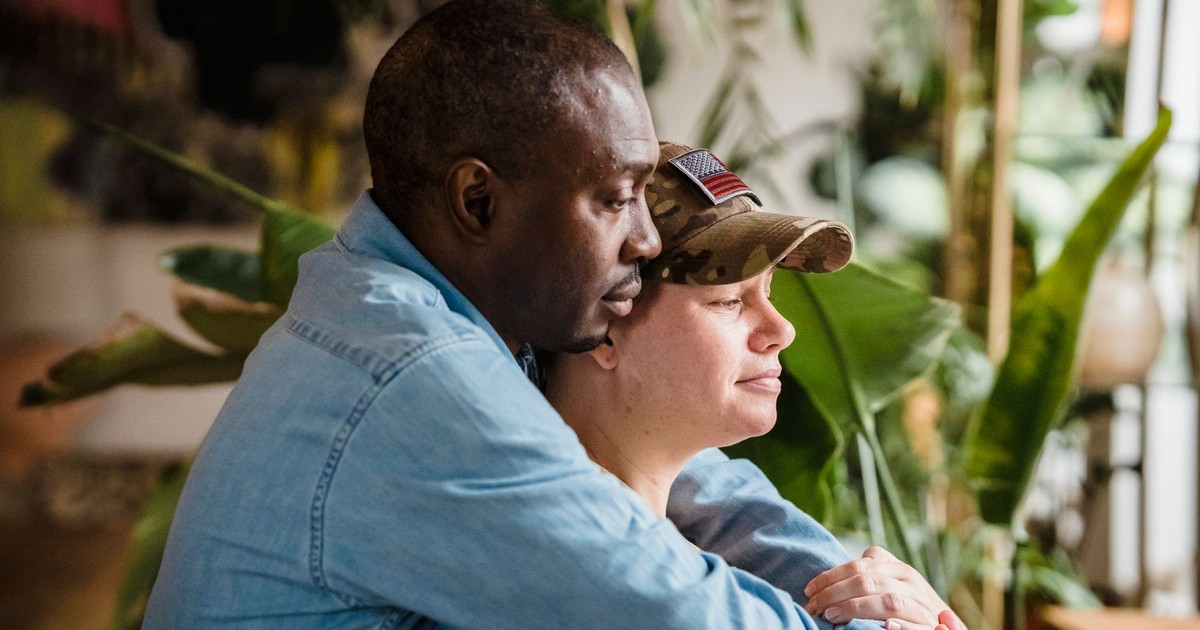
The spousal trait of being “protective” stands out in models of marital happiness. Wives who felt it was “definitely true” that their husbands are protective were 137% more likely to be very happy in their marriage. This partly captures wives’ sense of physical safety and emotional security.
Knowing your husband won’t mock your fears in front of other people, that he won’t dismiss something that matters to you, that he’ll step in if someone is rude to you at a party and handle it without making the evening worse. That’s what safety looks like in daily life. Protectiveness extends to the relationship itself, in the sense that a loyal, faithful husband actively guards the marriage, not just his wife.
The emotional dimension is just as real as the physical one. A wife who has to monitor what she says around her husband, or who never quite relaxes because she can’t predict his reactions, doesn’t feel safe. That vigilance is exhausting over years, and it’s one of the most common things women describe in marriages that look fine from the outside.
6. He Keeps His Word on Small Things

Reliability, the kind built from small, kept promises, is a more significant predictor of long-term marital satisfaction for women than shared hobbies or even the intensity of early romantic feelings. A husband who says he’ll call the plumber and then calls the plumber. Who says he’ll be home by six and is home by six. Who remembers the thing she mentioned once six weeks ago and acts on it.
What erodes trust in a marriage isn’t usually a single catastrophic failure. It’s the slow accumulation of small broken promises, not because each instance is catastrophic, but because the pattern it creates shapes how a wife feels about the entire relationship. Great husbands understand that integrity in a marriage isn’t built in grand moments. It’s built in the thousand small moments when they said they would and then did.
7. He Actively Listens Without Problem-Solving
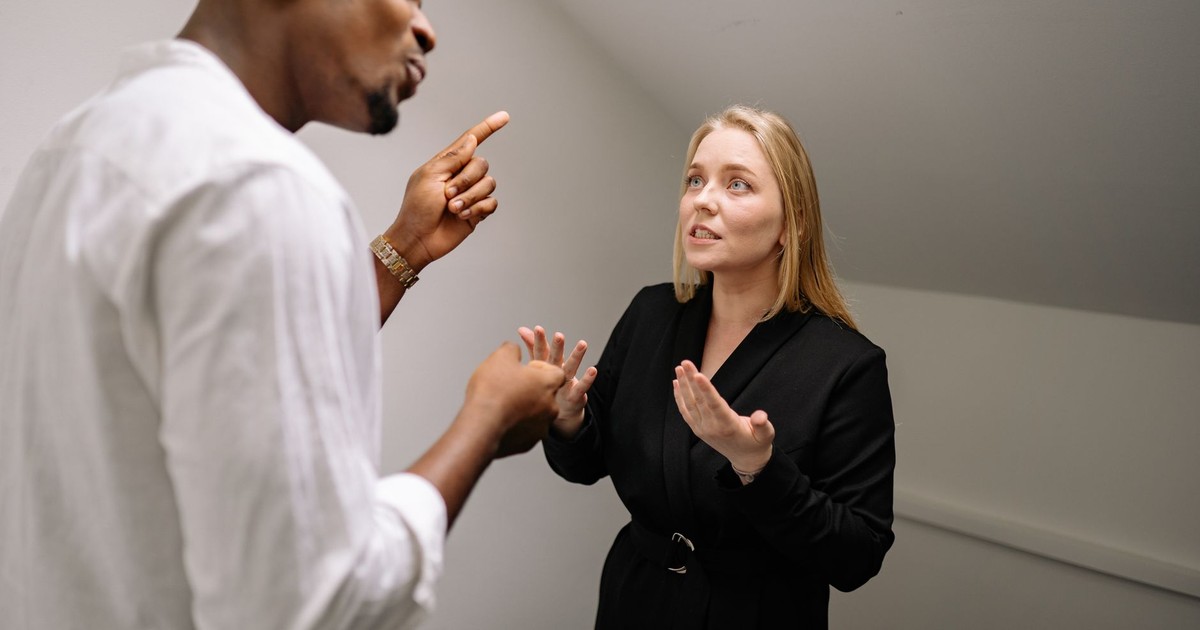
A wife comes home after a genuinely terrible day at work and describes what happened. Her husband immediately says: “You should talk to HR.” She didn’t ask what she should do. She wanted to feel heard. Jumping to solutions before she’s finished the story is one of the most frequently cited sources of frustration in marriages, and great husbands understand the difference without needing it explained.
Active listening means asking follow-up questions, not checking his phone, not offering the solution before she’s finished the story, and not minimizing what she’s feeling with “well, at least..” It means tracking what she’s going through, remembering it the next day, and asking how it turned out. The husbands women describe as genuinely great are almost always described this way: “he actually listens.” Not “he gives good advice.” Not “he knows what to do.” He listens.
The research on couple functioning consistently links this behavior to women’s sense of being valued. Feeling heard is, for many women, the closest thing to feeling loved.
8. He Shows Physical Affection Without Agenda

In a study tracking newlyweds’ verbal and physical behaviors over six years, a 2022 CNBC report on Gottman research found that couples who stayed together turned toward each other about 86% of the time, compared to 33% for couples who divorced. “Turning toward” covers a range of small physical gestures: a hand on the lower back walking into a room, reaching for her hand in the car, a brief touch on the shoulder when passing through the kitchen.
These things register differently when they’re not preludes to something else. A husband who touches his wife affectionately throughout the day, not transactionally, just because he wants to, is doing something that accumulates into a real sense of security and warmth over years.
Women describe the absence of this as a specific and particular kind of loneliness. Not the loneliness of being alone, but the loneliness of being with someone who doesn’t quite reach for them anymore.
9. He Fights Fair
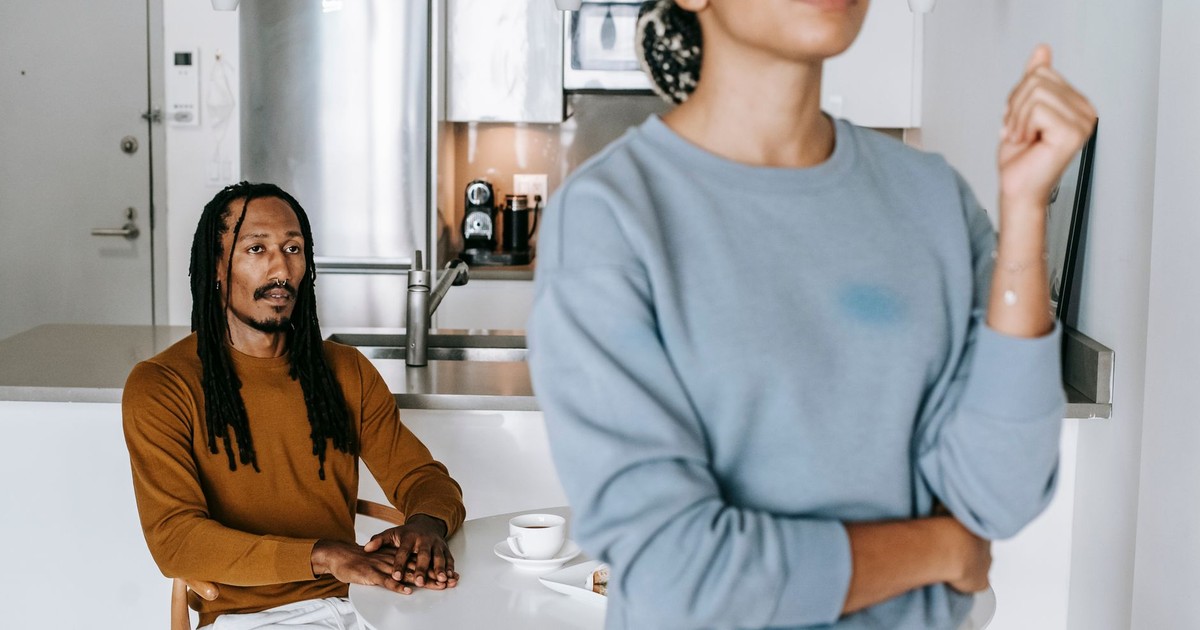
Every couple fights. The great husbands fight without contempt. Contempt, eye-rolling, dismissiveness, mockery, treating a partner as beneath engaging with seriously, is the behavior most reliably associated with marital breakdown in decades of Gottman research. It’s not anger. Anger can be worked through. Contempt communicates something more fundamental: that the speaker doesn’t respect the person they’re talking to. Once that’s a pattern, it’s very hard to walk back.
Great husbands stay on the issue at hand rather than broadening the fight to include every grievance from the past two years. They don’t use their wife’s confided vulnerabilities as ammunition during arguments. They can disagree strongly without making their wife feel stupid for her position. And when they’ve said something they shouldn’t have, they apologize specifically, not “sorry if you were offended,” but “that was a lousy thing to say and I shouldn’t have said it.”
10. He Supports Her Goals Genuinely
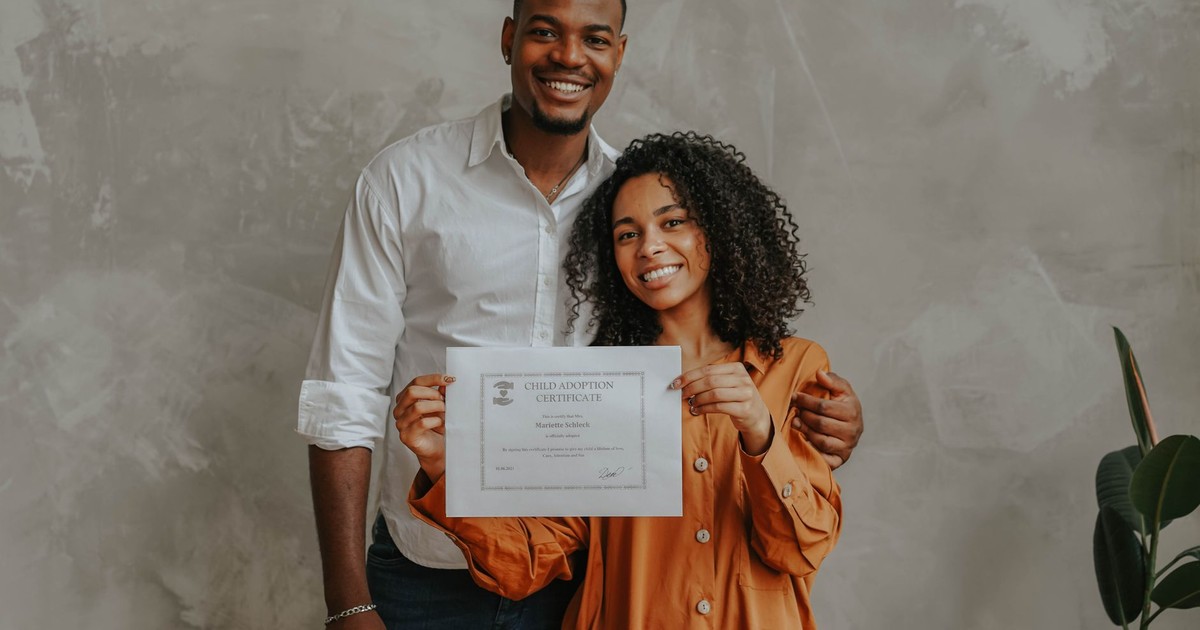
The psychological concept known as the “Michelangelo phenomenon” describes partners who actively support each other’s development, in effect, helping each other become more fully who they are. Great husbands do this without keeping score. When she wants to go back to school, or start a business, or train for something that requires his practical support, he doesn’t frame it as an inconvenience. He treats her ambitions as real, and he shows up for them.
This is distinct from the husband who says all the right things but subtly undercuts: who “supports” her promotion while making sure she knows how much the household is depending on him to compensate. Women notice this. The great ones support their wives’ goals in a way that actually makes those goals more possible, not just nominally endorsed.
11. He Invests in Regular One-on-One Time

Wives reporting regular date nights had odds of being very happily married that were 56% higher than wives who went on dates less often, while husbands who dated regularly had odds that were 114% higher than their peers who didn’t.
The great husbands don’t wait for their wives to organize this. They initiate it. They plan it, or they ask what she’d like to do and then actually do it, not “we should do something sometime” but a specific Tuesday evening where they put the phones away and are actually present with each other. The couples who maintain this over years aren’t doing it because their marriage is in trouble. They’re doing it because it’s why their marriage isn’t in trouble.
12. He Shares the Invisible Load
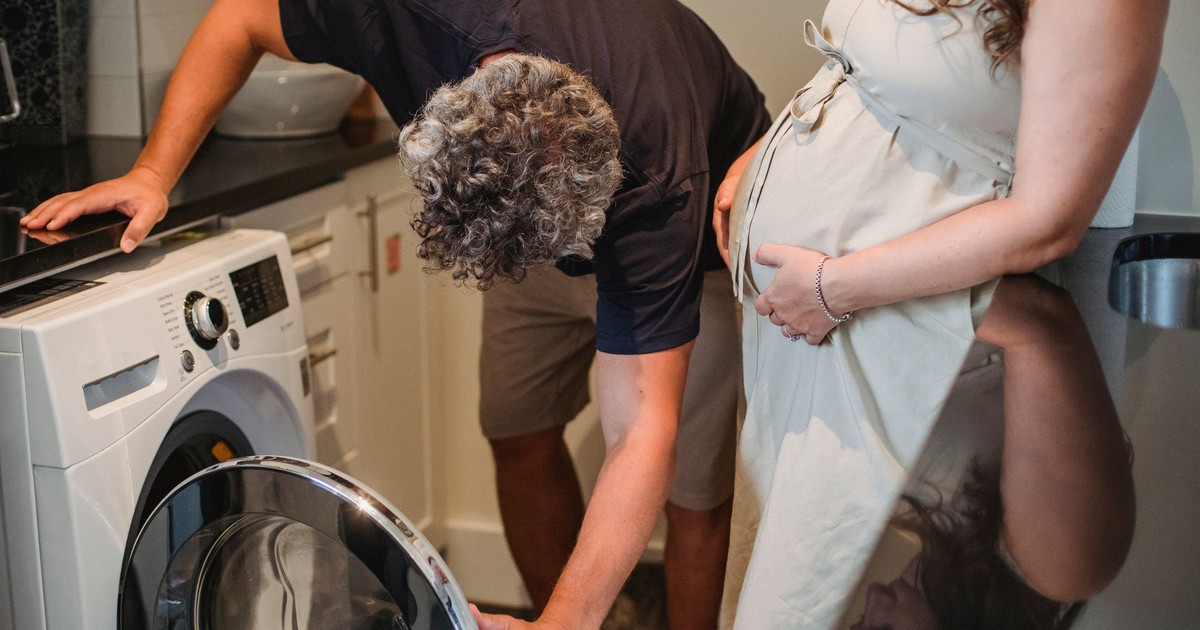
The invisible load is the mental and organizational labor of running a shared life: remembering that the car registration is due, noticing the shampoo is running out, knowing which child has a doctor’s appointment next Thursday, tracking the social calendar so nothing collides. In most households, this work sits disproportionately with women, and the exhaustion it produces is less about the tasks themselves than about the sustained, unshared attention it requires.
Great husbands don’t just “help.” They own parts of the household completely, without being managed or reminded. A husband who does the dishes when asked is being cooperative. A husband who notices the dishes without being asked, who tracks the household’s needs as his shared responsibility rather than something his wife manages and he assists with, is a fundamentally different partner to live with. Women in genuinely happy marriages describe their husbands as someone they don’t have to brief. He knows what’s happening. He’s tracking it too.
13. He Knows Her, Really Knows Her

Partners in successful marriages genuinely know one another. When you’re aware of your partner’s joys, triggers, dreams, and worst fears, you’re able to engage with them in an empathetic, validating way. The Gottman Institute calls this a “love map,” a deep comprehension of your partner that means knowing what makes them tick, what makes them happy, what happened in their past and what they want for the future. It goes beyond knowing their love language and shows that you love all parts of them, as they are.
This is the husband who knows that she always goes inward at family gatherings when she’s overwhelmed, and checks in rather than waiting for her to announce it. Who remembers that she had that difficult conversation with her mother and asks, genuinely, how she’s feeling about it a week later. Who knows the names of her closest friends, what’s happening in their lives, and asks about them. Knowing your wife isn’t a passive state. It’s something you maintain, actively, as she grows and changes.
14. He Brings Humor to the Hard Moments

Shared laughter in a marriage isn’t a luxury. Research consistently links the ability to laugh together, particularly during difficult or stressful periods, to significantly higher relationship satisfaction. The inside joke exchanged across a crowded Thanksgiving table. The absurd observation he makes at exactly the right moment to deflate a tension that was about to become a real fight. These small moments of levity signal something important: we’re on the same team, and we don’t have to treat every difficulty with total gravity.
This isn’t about performing happiness or making light of serious things. It’s about the husband who understands that warmth and playfulness, even in the middle of a hard stretch, are part of what sustains a marriage over the long term. Women describe it consistently in happy marriages: “he makes me laugh.” Not as a footnote. As a fundamental part of why they feel good in the relationship.
15. He Has Self-Awareness
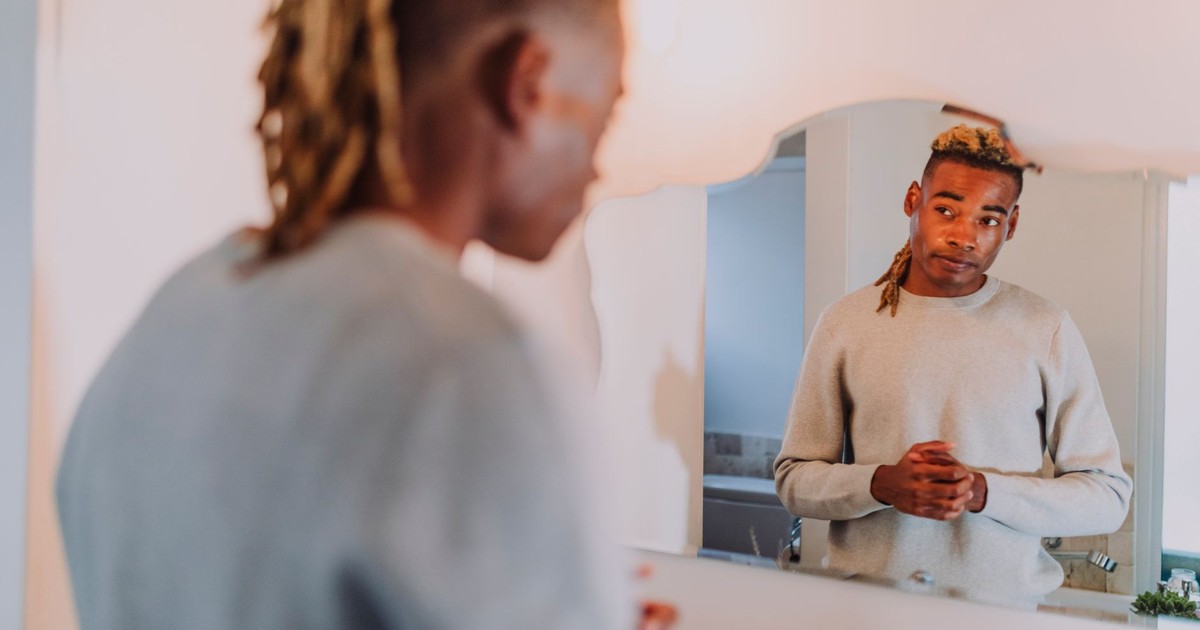
A husband who knows his own patterns, what triggers him, what he tends to do when he’s defensive, how his stress leaks into the household, is a husband who can actually change. Self-awareness is what separates someone who repeats the same patterns for forty years and someone who gets better at being married as time goes on.
This shows up in the small, unglamorous ways: the husband who recognizes, mid-argument, that he’s getting triggered by something older and not entirely about the current conversation, and says so. Who comes back the next morning and says “I think I was more upset than the situation warranted because..” Who can look at his behavior honestly without his wife having to be the one to point it out every single time. Self-awareness isn’t the same as self-criticism. It’s the capacity to see yourself clearly enough that growth is actually possible.
Read More: 15 Signs of a Good & Caring Husband that Every Girl Should Know
16. He Chooses Respect, Even When It’s Hard

Mutual respect is among the most fundamental great husbands traits, and crucially, it shows up most clearly not when things are easy but when they’re not. Respect is what keeps a husband from using his wife’s vulnerabilities against her during a fight. It’s what stops the contemptuous eye-roll. It’s what makes him introduce her proudly in professional settings rather than shrink her down, what makes him take her opinion seriously even when he disagrees with it, what makes him speak about her to other people the way he’d want to be spoken about himself.
Research on couples who maintain deep satisfaction across decades consistently identifies respect, not passion, not compatibility, not shared interests, as the load-bearing wall of a happy marriage. Passion fluctuates. Interests diverge. Respect, once genuinely present, holds everything else up.
What This Actually Comes Down To

Most of these traits aren’t dramatic. They don’t require grand gestures or personality overhauls. They’re built from small, repeated decisions: the choice to listen rather than fix, to accept influence rather than resist it, to keep small promises, to stay curious about the person sitting across the table twenty years in.
What women who describe their marriages as genuinely happy keep returning to is the same underlying thing: a husband who makes them feel like they matter. Not in the abstract “of course I love you” way, but in the specific, demonstrable, day-to-day way. The feeling of being seen, consistently, by the one person you’ve chosen to build your life with is, as far as anyone can tell from decades of research, the closest thing to a formula for a lasting marriage that actually exists.
Some of these qualities come naturally to certain people. Others take years of effort and a lot of uncomfortable self-examination. The marriages that seem easiest from the outside are often the ones where both people have been doing that work for a long time, with no particular audience, because they decided the person they’re with is worth it.
Disclaimer: This information is not intended to be a substitute for professional medical advice, diagnosis, or treatment and is for information only. Always seek the advice of your physician or another qualified health provider with any questions about your medical condition and/or current medication. Do not disregard professional medical advice or delay seeking advice or treatment because of something you have read here.
AI Disclaimer: This article was created with the assistance of AI tools and reviewed by a human editor.