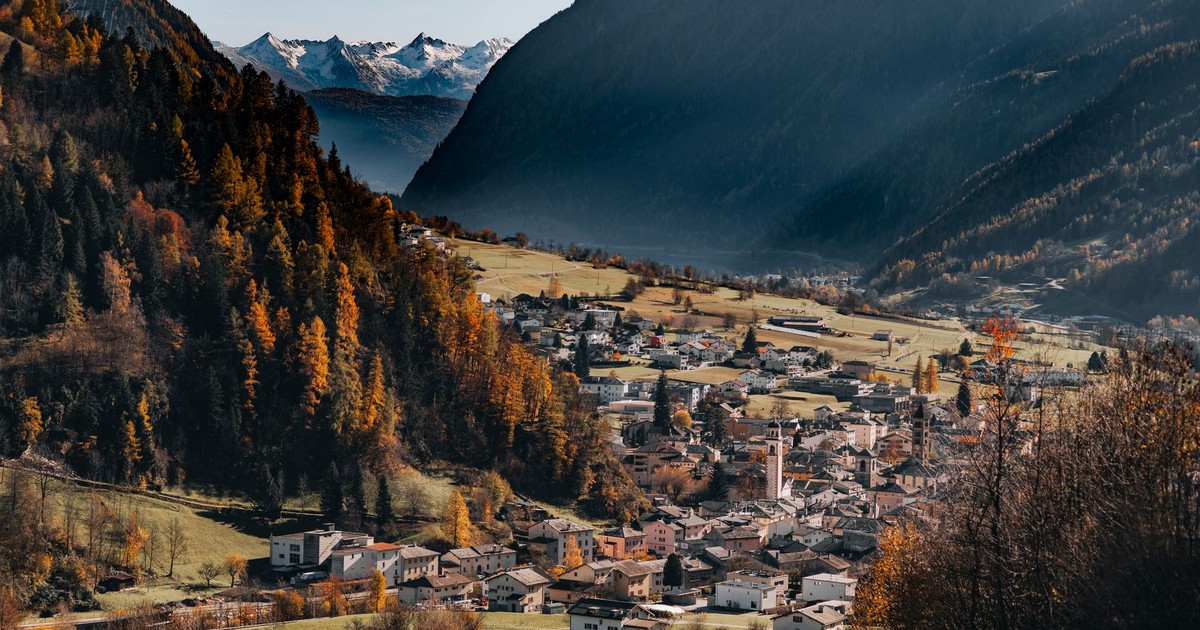

Pick any mid-size American city that genuinely appeals to you – good bones, real scenery, a downtown worth walking around – and check the median home price. Chances are the number is somewhere between deeply discouraging and laughable. That gap between what places cost and what ordinary incomes can cover has reshaped how a lot of people think about where they’re allowed to live. The instinct is to assume you have to compromise: either settle for somewhere affordable that’s visually grim, or pay the price for somewhere worth looking at.
That assumption is wrong, and the towns below are why. There’s a long list of American places where a buyer with a normal income can own a house that looks out over a river, a ridgeline, or a historic streetscape without spending the next thirty years resenting the mortgage. None of these places are secrets, exactly, but they’re routinely overlooked in favor of the obvious coastal markets that get most of the attention. The math in them is different in a way that’s worth understanding before dismissing them.
These ten towns aren’t compromises. They have waterfalls, river bluffs, mountain trails, historic districts, and arts scenes. What they don’t have is a real estate market designed to extract every dollar you earn. That combination turns out to be rarer than it should be, and more worth knowing about than most lists acknowledge.
1. Joplin, Missouri
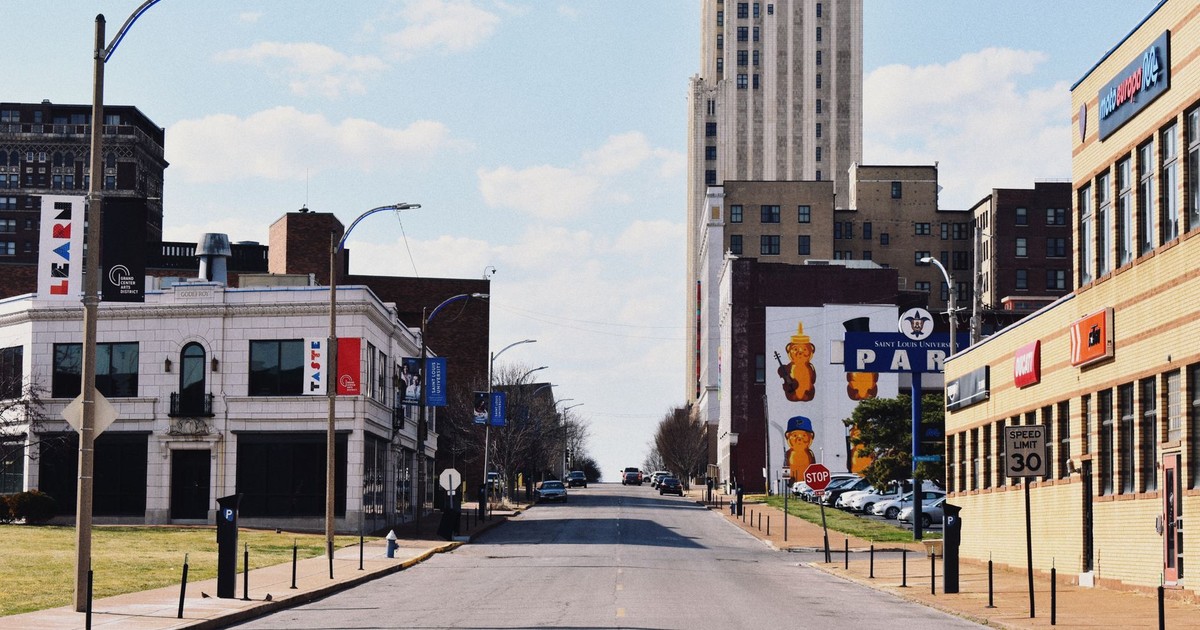
Joplin sits in the Ozarks in southwest Missouri, with trails along Shoal Creek and Grand Falls, the largest continuously running waterfall in the state. The Ozarks backdrop gives Joplin something that purely industrial affordable towns often lack: a reason to be outside. Residents hike, bike, and fish in country that genuinely earns the description scenic.
Route 66 runs through Joplin as Main Street, and the city sits near the borders of Kansas, Oklahoma and Arkansas. According to U.S. News & World Report, the median rent in Joplin is $640 and the median home value is $154,286 — well below the national average. For a remote worker or a buyer relocating from a coastal market, those numbers represent a genuine rearrangement of what’s financially possible.
Joplin has a cost of living around 16.6% below the national average, in a state where the overall cost of living runs 11.1% lower than the U.S. norm. There’s a growing independent food and craft scene downtown, and the city’s position at four state borders means weekend road trips go in a lot of different directions.
2. Paducah, Kentucky
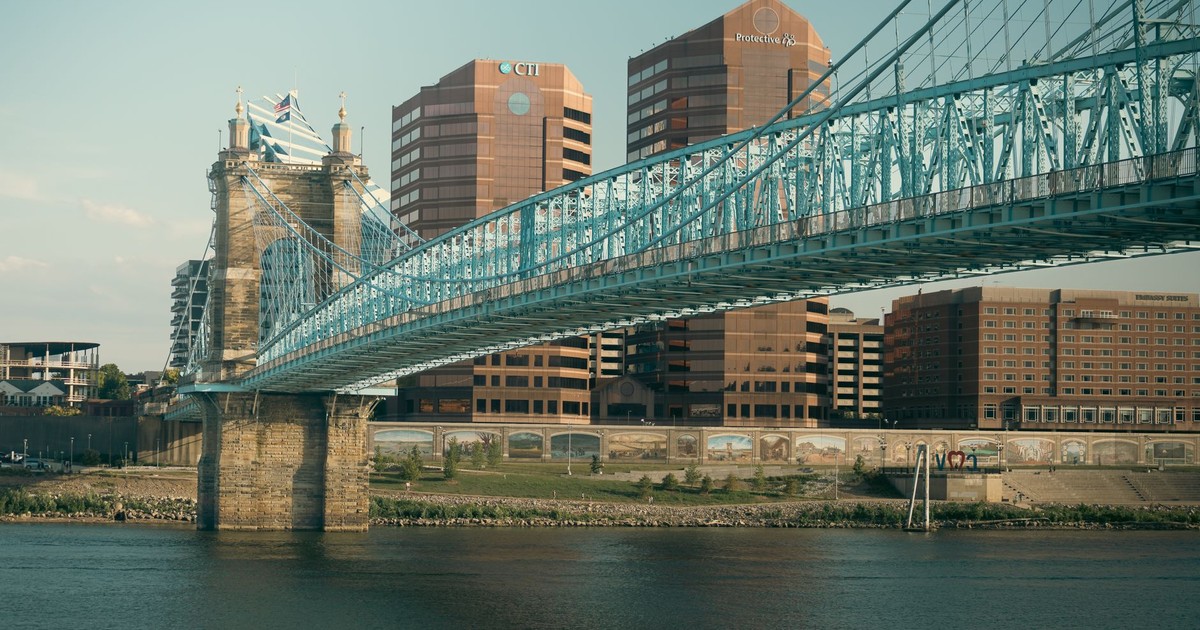
Paducah is listed on the National Register of Historic Places, and its highly walkable downtown is a certified Kentucky Cultural District. The National Quilt Museum and Yeiser Art Center, along with numerous visual art galleries and theaters, are among its top attractions. Paducah has built a genuine creative identity – it was designated a UNESCO Creative City of Crafts and Folk Art, which tends to surprise people who assume affordable and cultured are mutually exclusive.
Golden hour lights up downtown Paducah, where historic riverfront streets, local businesses, and sweeping Ohio River views create one of Kentucky’s most charming settings for an evening stroll. The Ohio River frontage is a significant part of what makes the town feel larger and more alive than its size suggests. Just a short drive from city limits lies the massive Land Between the Lakes National Recreation Area, which offers horseback riding, hiking, and wildlife.
Many consider Paducah one of the best places to live in Kentucky, and home prices remain well below national averages, with plenty of lower-priced options available across the city’s varied neighborhoods. For a town with this much architectural character and outdoor access, those figures are hard to argue with. Remote workers are also eligible for Paducah’s relocation incentive program, which MakeMyMove lists as providing up to $5,000 once residency is established, alongside coworking memberships and professional perks.
3. Fort Smith, Arkansas
Fort Smith’s 200-year history – encompassing the U.S. military, the Old West, and the removal of Native Americans – is preserved at the Fort Smith National Historic Site. Situated on the Arkansas River in the northwest of the state, residents can explore additional landmarks in the Belle Grove Historic District and stroll among its Victorian-style homes. The town has bones. It’s one of those places where history isn’t a brochure, it’s physically in front of you on most streets in the older neighborhoods.
Fort Smith combines historical charm with remarkable affordability. A cost-of-living index 23% below the U.S. average keeps everyday expenses manageable, and housing costs run substantially below national figures. Located along the Arkansas River, the town boasts scenic beauty, cultural landmarks, and a revitalized downtown area filled with art, music, and dining.
The average commute time in Fort Smith is under 18 minutes, which, for anyone who has done an hour each way on a congested freeway, is its own kind of argument for relocation. Arkansas as a whole is dubbed “The Natural State” for good reason, with mountains, rivers, and forests ideal for hiking, fishing, and exploration. Fort Smith is one of the best entry points into all of it.
4. Vicksburg, Mississippi
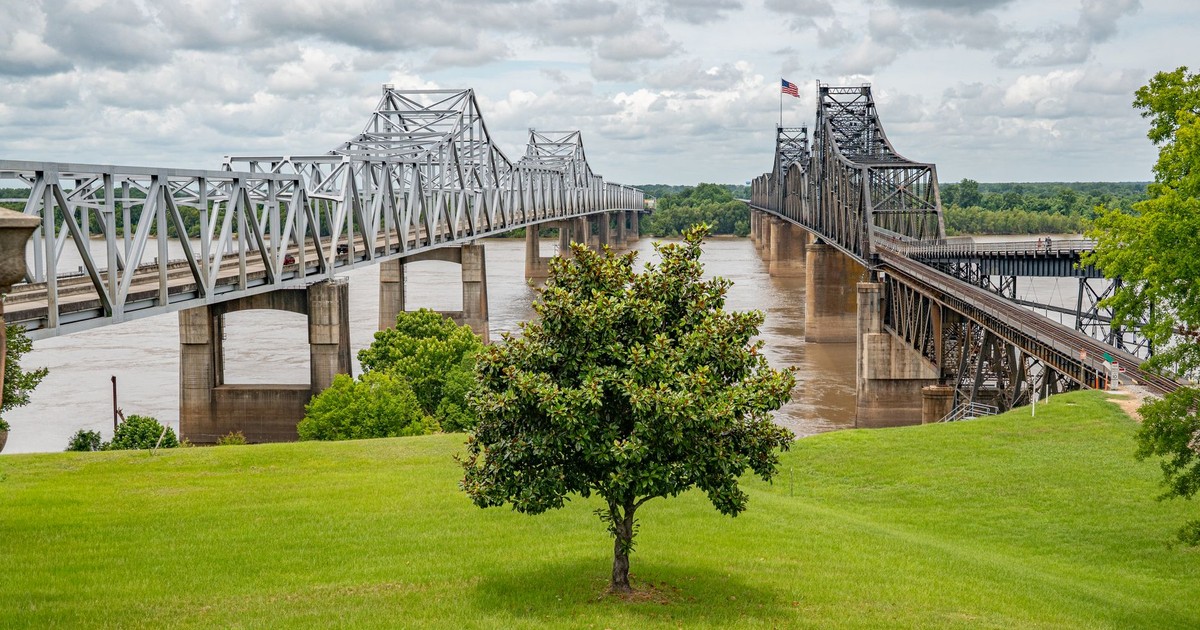
Vicksburg sits on high bluffs overlooking the Mississippi River. Home to approximately 21,000 residents, it is a place where Southern hospitality meets a storied past, most famously preserved in the sprawling Vicksburg National Military Park. The bluff views are legitimately striking – properties in the older neighborhoods look out over the river from heights that give them a character unlike most small-town real estate in the South.
AD Mortgage reports that real estate in Vicksburg is remarkably accessible, offering some of the most competitive housing values in the region. The median home price typically ranges from $185,000 to $240,000, making it an attractive destination for families and retirees looking to maximize their quality of life. The market offers a fascinating mix of architectural history, from meticulously restored 19th-century mansions to newer suburban developments in the surrounding hills.
It’s a city where you can live in a grand antebellum estate or a modern riverfront loft, all while being part of a community that deeply values its heritage. With a strong presence in the engineering and research sectors thanks to the U.S. Army Engineer Research and Development Center, Vicksburg offers a stable economy paired with an incredibly scenic, nature-rich environment. For those entering the rental market, monthly rates average around $950 to $1,300. That employment anchor gives Vicksburg a different long-term outlook than some comparably priced Southern towns.
5. Cedar Rapids, Iowa
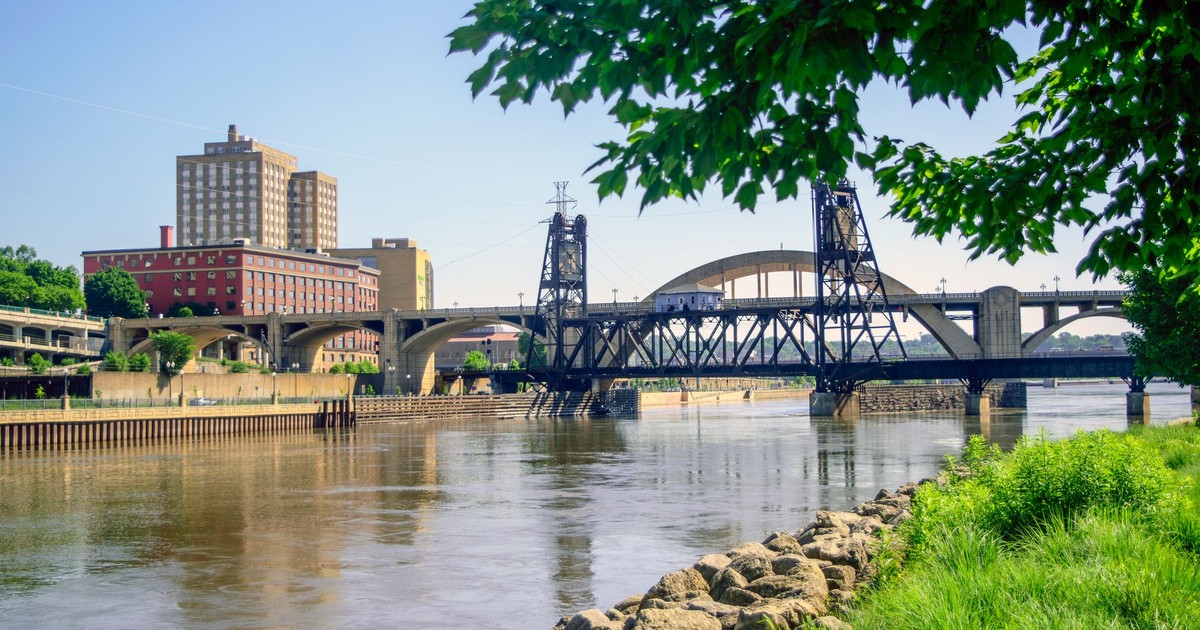
Cedar Rapids, a Midwestern city on the banks of the Cedar River, has several cultural centers at its fingertips, including the National Czech and Slovak Museum and Library, a Smithsonian affiliate that holds artifacts and community events. The Czech and Slovak heritage runs deep in eastern Iowa, and it shows in the food, the festivals, and the architecture of the older neighborhoods surrounding downtown.
The median rent is $715 and the median home value is approximately $189,000, both well below national figures. Residents spend just 12.2% of their median household income on rent, a figure tied for the third lowest on U.S. News’ 25 most affordable places list. With its low housing costs, Cedar Rapids consistently ranks within the top cost-of-living percentiles nationally.
The Cedar River itself is a consistent presence through the city, offering walking and biking trails that connect neighborhoods to parks and green space. For buyers who want a functional, well-connected Midwestern city without paying Midwestern-city-trending-upward prices, Cedar Rapids delivers. If broader Midwest scenery and value is what you’re after, 10 Mountain Towns That Are as Affordable as They Are Beautiful covers similar territory from a different angle.
6. Wichita Falls, Texas
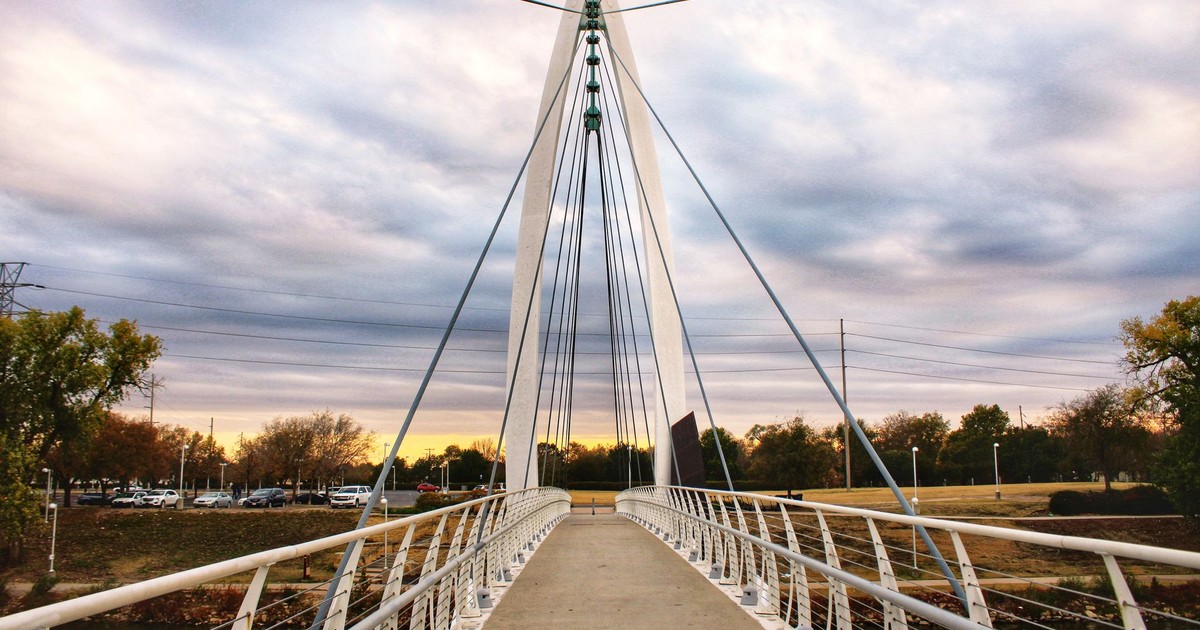
Wichita Falls is home to Midwestern State University, an institution recognized for its support of first-generation college students. Residents of this northern Texas town can walk, jog, bike and rollerblade on more than 20 miles of the Circle Trail that runs through neighborhoods and along streams. The Circle Trail alone is a more compelling outdoor amenity than most comparably sized cities can claim, the kind of infrastructure that makes a town genuinely livable rather than just affordable.
Wichita Falls’ median rent is $749, and its median home value is $148,320, well below the national average. The median household income of Wichita Falls residents is more than $20,000 behind the national average, but the city is within the top 10% for housing affordability overall, and its low cost of living lands within the top 2% of all ranked cities nationally.
Texas’s lack of a state income tax is a meaningful factor here. Combined with housing costs at this level, take-home pay stretches noticeably further than the headline income numbers suggest. The rolling north Texas plains don’t have the dramatic scenery of the Hill Country, but the town compensates with genuine civic infrastructure and a university energy that keeps things from feeling stagnant.
7. Cortland, New York
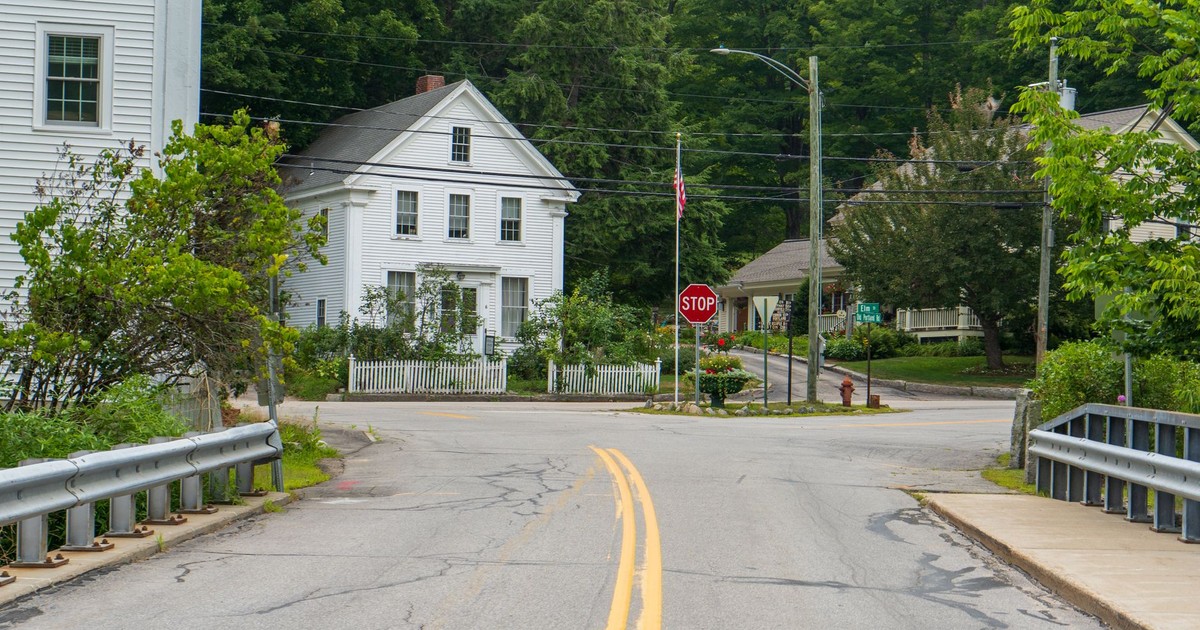
Located between Syracuse and Ithaca, Cortland is a small upstate city with about 17,500 residents. The median home value is approximately $177,000, and the cost of living is 14% lower than the New York state average. Known for its scenic landscapes and access to the Finger Lakes, Cortland offers affordable housing, strong education through SUNY Cortland, and four distinct seasons to enjoy outdoor life.
The Finger Lakes region is one of the most underrated corners of the American Northeast. Gorges, vineyards, cascading waterfalls, and long lakeshores – it’s a genuinely beautiful part of the country, and Cortland sits close enough to access all of it without paying Ithaca prices. Locals appreciate the safe neighborhoods, walkable streets, and an abundance of community festivals year-round, even if winters are demanding.
For anyone priced out of the broader New York state housing market, Cortland is the kind of discovery that can change what feels possible. A median home value well under $200,000 in a town with university energy, real outdoor access, and four-season beauty is a combination that barely exists east of Ohio anymore.
8. Johnstown, Pennsylvania
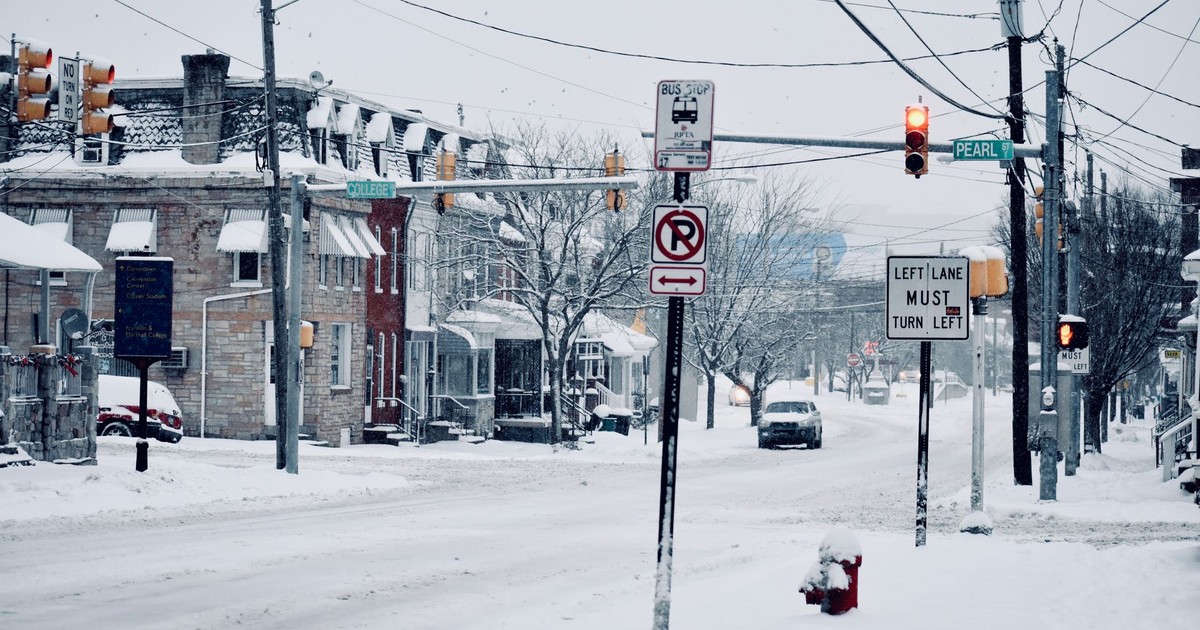
Home of the world-class PolkaFest and once a booming steel town, Johnstown is a friendly, affordable place to call home. It’s surrounded by scenic hills where you can go hiking, biking, and fishing in the Stonycreek River. The Stonycreek and Little Conemaugh rivers run through town, giving Johnstown a topography that most people only discover when they look it up. It sits in a river valley surrounded by Appalachian ridges that are genuinely dramatic on a clear day.
According to U.S. News & World Report’s 2025-2026 Best Affordable Places rankings, Johnstown has the lowest median rent on the list, at $444, as well as the lowest median home value, $46,678. In step with these figures, this small city also has the lowest median household income, which is around $45,000 less than the national average. Southwest Pennsylvania has some of the most structurally solid older housing stock in the country, and Johnstown’s inventory reflects that. Victorian-era homes and late 19th-century working-class architecture give the residential neighborhoods a character that new construction rarely replicates.
The city has faced well-documented economic challenges since its steel industry declined, and that’s worth naming honestly. But for remote workers or retirees whose income doesn’t depend on local employment, Johnstown’s combination of mountain scenery, river access, and entry-level home prices is genuinely hard to find elsewhere in the Northeast.
9. Decatur, Alabama
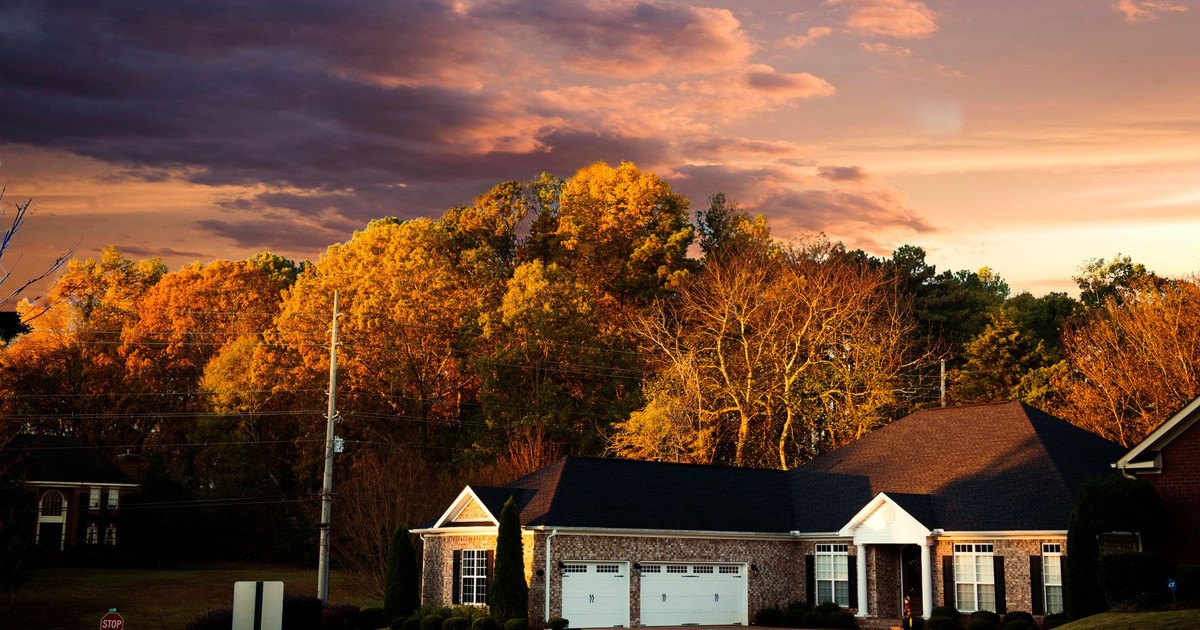
The Pointe Mallard neighborhood in Decatur offers living close to Point Mallard Park’s wave pool, ice rink, and the Tennessee River Trail. Families value the newer homes, nearby year-round recreation, and access to schools throughout the city. The Tennessee River is Decatur’s defining geographic feature. The waterfront access, the wildlife refuges, and the parks along the water give the city an outdoor character that belies its manufacturing-town reputation.
As of August 2025, Decatur’s metropolitan area recorded 62,700 total nonfarm jobs, with the city’s economy centered on manufacturing and aerospace industries. Major employers include GE Appliances, United Launch Alliance, and Nucor Steel. That employment base matters. Decatur isn’t a town where affordability comes at the cost of economic opportunity, it’s one of the cleaner examples of a place where the numbers work because of genuine industrial strength rather than population decline.
The Tennessee River waterfront offers access to Rhodes Ferry Park and the Wheeler National Wildlife Refuge. Downtown attractions include the Cook Museum of Natural Sciences, the Princess Theatre for live performances, and Delano Park’s rose garden. Alabama’s property tax rate, among the lowest in the country, adds further to the real-world affordability picture for buyers.
10. St. Joseph, Missouri
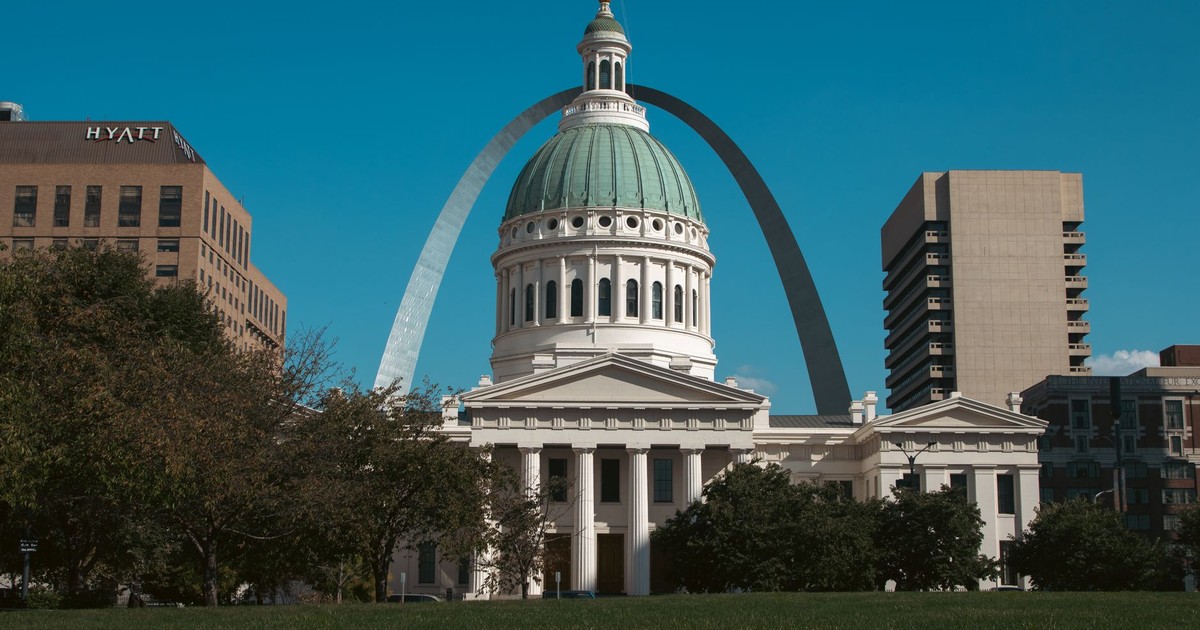
In 1860, St. Joseph was one of two starting points for the Pony Express, which delivered mail across a 2,000-mile trail to California, a piece of American history that the city has managed to preserve as a living attraction rather than a dusty footnote. The Pony Express National Museum downtown draws visitors from across the country, and the Missouri River gives the city a natural western edge that opens up into floodplain trails and wildlife areas.
St. Joseph’s housing costs are affordable compared with national figures. The city’s median rent of $633 is far below the U.S. median rent of $1,127, and its median home value of $156,229 is more than $214,000 less than the national average. While their dollars go further, St. Joseph residents’ median household income is $20,000 less than the national average. That income gap is the honest caveat: local wages in many of these towns haven’t kept pace with the cost-of-living advantages. For remote workers bringing outside income to a low-cost market, that gap closes fast.
St. Joseph’s cost of living is within the top 15% of all 859 cities ranked on the U.S. News Best Places to Live list. The Victorian residential neighborhoods along the city’s bluffs are some of the most architecturally impressive housing stock available at this price point anywhere in the Midwest, the kind of homes that would cost triple in a different zip code.
The Geography of Affordable Scenic Towns
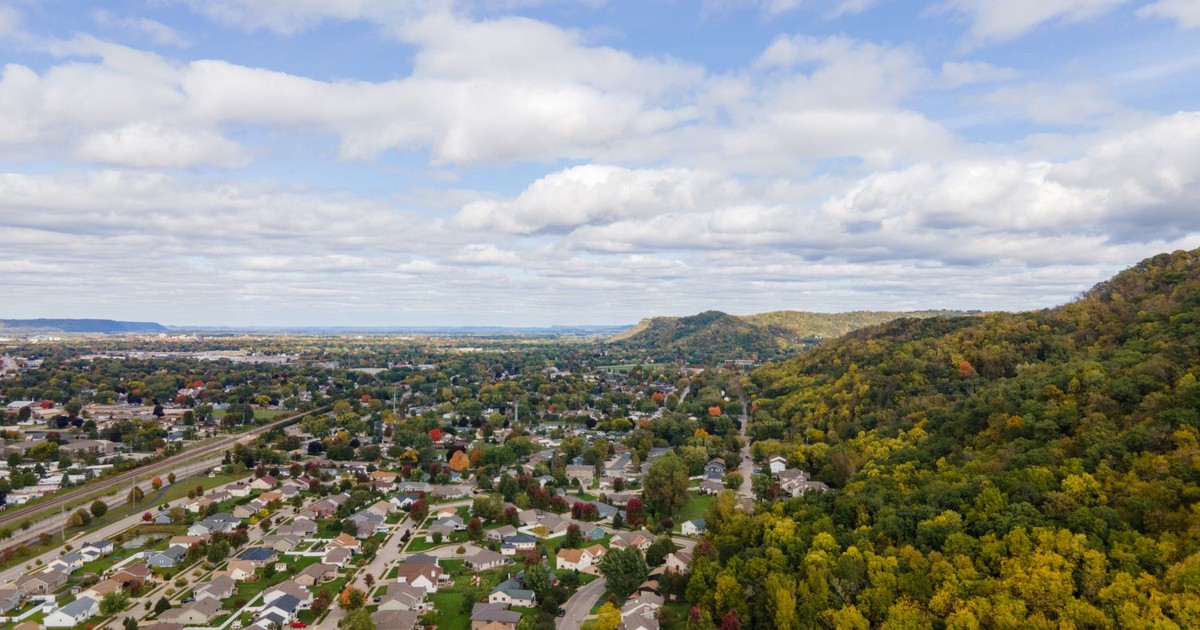
Midwestern and Southern states dominate this list because they have lower property taxes, more available land, and cost-of-living indexes that run 10% to 30% below the national average. With the exception of Cortland and Johnstown, every town here sits in that broad inland band where housing supply hasn’t been systematically strangled by geographic constraints, exclusionary zoning, or decades of demand pressure from high-income industries.
The trade-off that every one of these towns asks you to make is worth understanding. Scenery and affordability are real. Local wage levels in many of them don’t match what you’d earn in a major metro. Some of the cheapest markets are cheap partly because people are leaving. Parts of rural Midwest and Mississippi have declining populations, which can affect home value appreciation over time. For a buyer treating a home as an investment, that matters. For a buyer treating a home as the place where they actually want to live, it matters differently.
The towns on this list don’t all carry the same risk profile. Decatur’s aerospace employers and Paducah’s UNESCO designation give them different long-term outlooks than towns that depend on tourism or legacy industry alone. Doing the specific work – visiting, asking locals what they wish they’d known, checking broadband infrastructure if you work remotely, reading city council meeting minutes for the past two years – is the kind of research that turns a list like this into an actual decision. The number that looks impossibly low on a real estate listing is worth investigating. Sometimes it’s a trap. Sometimes it’s just a town that hasn’t been discovered yet.