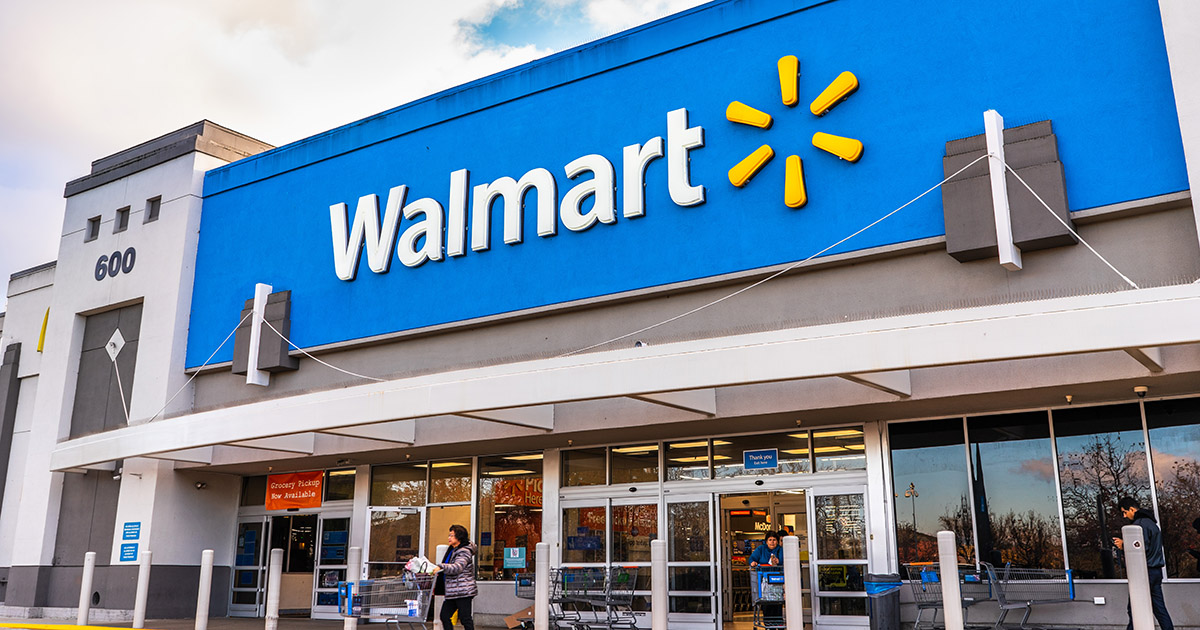

Retirement changes the way many people think about spending. With a fixed income, every dollar stretches further when purchases are made wisely, and knowing where to shop can make a noticeable difference over time. While there is no single retailer that offers the best price on everything, Walmart has built a reputation for delivering strong value across a wide range of everyday essentials that retirees regularly rely on.
From household staples and over-the-counter medications to pantry basics and seasonal necessities, certain products consistently offer a combination of competitive pricing, broad availability, and reliable quality that is difficult for many competitors to match. For retirees looking to simplify shopping without sacrificing value, these categories often stand out.
That does not mean every item on Walmart’s shelves is automatically the best deal. Comparison shopping still matters, especially for major purchases and specialty products. However, there are several everyday items where Walmart’s buying power and nationwide scale frequently translate into meaningful savings.
For 11 specific categories of purchases, retirees who shop elsewhere are leaving real money on the table – money that compounds into something significant over a year.
Why the Financial Stakes Are Higher Than Most Retirees Realize

The average healthy 65-year-old couple retiring in 2026 is projected to spend $637,000 on healthcare expenses over their remaining lifetimes, according to the 2026 Milliman Retiree Health Cost Index. That figure is based on Original Medicare with Medigap Plan G and Part D coverage, which requires $418,000 in savings. Under a Medicare Advantage plus Part D plan, Milliman estimates the same couple needs $211,000 in savings to fund those costs.
1. Generic Prescription Medications
Walmart’s $4 Prescriptions program requires no membership, no fee, and no insurance, and covers roughly 300 generic medications ranging from $4 to $40. A 30-day supply of common maintenance medications – the kind retirees typically take for blood pressure, diabetes, or cholesterol – starts at $4. A 90-day supply starts at $10.
The program includes blood pressure medications such as lisinopril and metoprolol, diabetes drugs including metformin, and heart medications and cholesterol-lowering statins. For someone filling three or four of these every month at a name-brand pharmacy, the savings can run to hundreds of dollars a year.
Surveys consistently find that a substantial share of consumers – often more than one in four – skip or ration prescriptions because of cost, a problem that is especially serious for older adults on fixed incomes. The program is open to everyone regardless of insurance status, and there are no extra sign-ups or forms – once your prescription is set up at Walmart, the discount applies automatically.
2. Store-Brand Vitamins and Supplements

Walmart’s Equate brand multivitamin for adults over 50 lists for 3.9 cents per tablet. The equivalent Centrum Silver runs more than double that. Independent testing has consistently found that store-brand multivitamins perform as well as national brands when it comes to label accuracy and dissolution. In fact, a 2023 ConsumerLab review that tested 35 supplements found that paying more for a multivitamin does not guarantee better quality – several products at the higher end of the price range were among those that failed testing, while the Equate Complete Multivitamin 50+ was included among products selected for testing.
One important caveat: not all Equate supplements earn the same grade. ConsumerLab’s broader research shows that more than 25% of botanical supplements it examines fail testing, either from contamination or because they don’t contain what’s on the label. The safe buy at Walmart is straightforward vitamins and minerals – the multivitamin, calcium, vitamin D, B12 – where the product is simple, the ingredients are standardized, and the price difference is real.
3. Pantry Staples Under the Great Value Brand

Great Value is Walmart’s largest private brand and the largest food and consumables brand in the U.S. Today, Great Value products are found in more than 8 in 10 U.S. households and, according to Walmart, save an average family 20–30% per year compared to name brands. Even at the lower end of that range, the savings on pantry basics over the course of a year is a real number.
Many Great Value products are produced by the same companies that make national name brands. Large manufacturers partner with retailers like Walmart using excess factory capacity. The formula in the bag or box is often identical to what’s in the name-brand version, just without the marketing budget baked into the price.
Grocery prices are still rising. The USDA’s Economic Research Service projects food-at-home prices will increase 2.8% in 2026, continuing a pattern of persistent cumulative cost increases since 2020. For retirees buying flour, canned goods, pasta, cooking oil, and cereal every week, the difference between Great Value and name-brand pricing adds up over twelve months.
4. Over-the-Counter Pain Relievers

Equate 200mg ibuprofen is an NSAID (non-steroidal anti-inflammatory drug) that compares directly to Advil, which contains the same active ingredient. The Equate version yields 300 more tablets and costs less than half as much per dose as name-brand Advil. Acetaminophen tablets are similarly priced against Tylenol. For retirees dealing with chronic joint pain or arthritis – and who may be taking these medications regularly – that difference is not trivial.
The FDA requires generic over-the-counter drugs to contain the same active ingredient at the same dosage as their name-brand equivalents. The molecule inside the Equate bottle is identical to the one in Advil.
5. Allergy Medications

Equate antihistamine allergy tablets come in at under $4 for 100 tablets – the same active ingredient as name-brand antihistamines at a fraction of the cost. For retirees who take a daily antihistamine year-round, buying generic at Walmart versus a name-brand at a specialty pharmacy easily saves $50 or more per year.
6. Household Cleaning Supplies

Great Value cleaning products – dish soap, laundry detergent, surface spray, paper towels – sit at price points that name-brand equivalents don’t come close to, even during sales. Store brands are growing nearly three times faster than national brands in the U.S., with private-label sales reaching well over $280 billion annually and accounting for a growing share of the market. Bleach works the same whether it carries a Clorox label or a Great Value one.
For retirees on fixed incomes who clean their own homes, this category is one of the easiest wins.
7. Non-Slip Bath Safety Products

Falls are the leading cause of injury among adults over 65, and a pack of non-slip bath treads is one of the cheapest ways to reduce that risk at home. Non-slip treads that adhere to the bottom of a tub or shower stall are available at Walmart for less than $4.
A single emergency room visit following a bathroom fall costs thousands. A $4 pack of grip strips does the same job as products sold at specialty “senior safety” retailers for three times the price.
8. Nutritional Shakes

For retirees whose doctors have recommended supplemental nutrition shakes, Walmart’s Equate Nutritional Shakes offer a direct comparison to Ensure. The 24-pack comes in several flavors, at a fraction of the cost of Ensure. For retirees drinking one or two shakes daily, the savings over a year run into the hundreds of dollars.
9. Skin Care Basics

Equate’s Gentle Skin Cleanser is comparable to Cetaphil but costs just under $2 less. The formula is gentle, fragrance-free, and suitable for sensitive skin, and can be used on the face, as a hand wash, or anywhere on the body. Older skin tends to be more sensitive and drier than younger skin, and dermatologists often recommend the mildest possible cleansers. The Equate version matches the Cetaphil formula closely enough that the comparison is printed directly on the packaging.
Moisturizers, body wash, and basic skin care items under the Equate brand follow the same pattern: near-identical formulations to the name-brand equivalents they’re positioned against, at lower prices.
10. Coffee and Pantry Beverages

Research from Johns Hopkins University, published in Nature Neuroscience, found that caffeine has a positive effect on long-term memory, enhancing certain memories for at least 24 hours after it is consumed. Great Value and store-brand coffees offer genuinely affordable options for retirees who brew at home daily.
Ground coffee, instant coffee, and tea at Walmart price points represent some of the clearest grocery savings versus specialty grocery stores. The USDA also projects non-alcoholic beverage prices will rise 5.2% in 2026, making the cost difference between premium grocery brands and Great Value alternatives even wider. For someone brewing at home daily, the annual cost difference can easily top $100.
11. Walmart+ Membership for Delivery and Fuel Savings

AARP members save $20 on annual Walmart+ membership, which includes free delivery, free shipping with no minimum order, and fuel discounts up to 10 cents per gallon at over 14,000 stations. For retirees who drive regularly, those fuel discounts add up steadily over the course of a year.
Walmart+ Assist is a discounted membership for people who qualify for government assistance programs including SNAP, Medicaid, WIC, and SSI. It includes free grocery delivery, fuel discounts, and Scan & Go at half the regular membership price. For retirees on limited incomes who qualify, this makes the membership a straightforward decision.
The Counterargument – and Where It Has Merit

Specialty health foods, locally sourced produce, and certain dietary staples that matter if you’re managing a specific condition often aren’t available at Walmart, or aren’t comparable in quality to what a natural food store carries. If your doctor has you on a specific therapeutic diet that requires specialty ingredients, Walmart may not be your complete solution.
The other legitimate objection is the supplement caveat already noted: botanical and herbal supplements at Walmart don’t always meet the same third-party testing standards as premium brands. If you’re taking a supplement for a specific health purpose rather than general wellness, verify that the brand you choose has USP or NSF certification regardless of where you buy it.
But neither of those objections touches the 11 categories above. Generic prescription drugs, standardized vitamins, cleaning supplies, skin care basics, pain relievers, and safety products don’t require specialty sourcing. They require the right molecule at the right price.
What This Actually Means for Your Budget

In January 2026, Walmart launched Better Care Services, a digital destination designed to help customers manage their health spending with more transparency. Combined with the $4 prescription program, the Equate health product line, the Great Value food brand, and the Walmart+ membership perks for AARP members and government assistance recipients, the store has built something closer to a retirement financial tool than most people give it credit for.
The retirees who get the most from Walmart are the ones who treat it as a strategic resource. That means knowing which categories to buy there – the 11 listed above – and which categories might be worth shopping elsewhere. It also means using the Walmart app to link Medicare Advantage OTC benefit cards, because about two-thirds of Medicare Advantage members never use their over-the-counter benefits, leaving billions in benefits unused annually. Walmart simplifies this by letting you link your OTC benefit card to your account, with products showing a “benefit program eligible” badge when you can apply your benefits.
Retiring well in 2026 means being deliberate about every spending category. For the right products – and the 11 categories above qualify clearly – Walmart retirement shopping is a smarter way to spend.
AI Disclaimer: This article was created with the assistance of AI tools and reviewed by a human editor.