
Most people know large dogs don’t live as long as small ones. What most people don’t realize is how extreme that gap gets at the far end of the scale, or which specific breeds sit there.
At the cellular level, giant breeds age roughly twice as fast as small dogs. A Great Dane that makes it to ten years old has beaten meaningful odds. A Caucasian Shepherd Dog may not see its sixth birthday. These patterns are consistent across breeds and reflect the intersection of body size, skull shape, and centuries of selective breeding.
A 2024 study in Scientific Reports by researcher Kirsten McMillan and colleagues analyzed data on 584,734 unique dogs across 155 breeds in the UK, making it the most comprehensive look at canine lifespan ever assembled. Life expectancy varies by breed, body size, face shape, and sex. The findings confirm what smaller studies had long suggested: body size and skull shape are the two most significant predictors of how long a dog will live.
Here are the 14 breeds that carry the shortest lifespan distinction, based on the best available veterinary data.
1. Caucasian Shepherd Dog
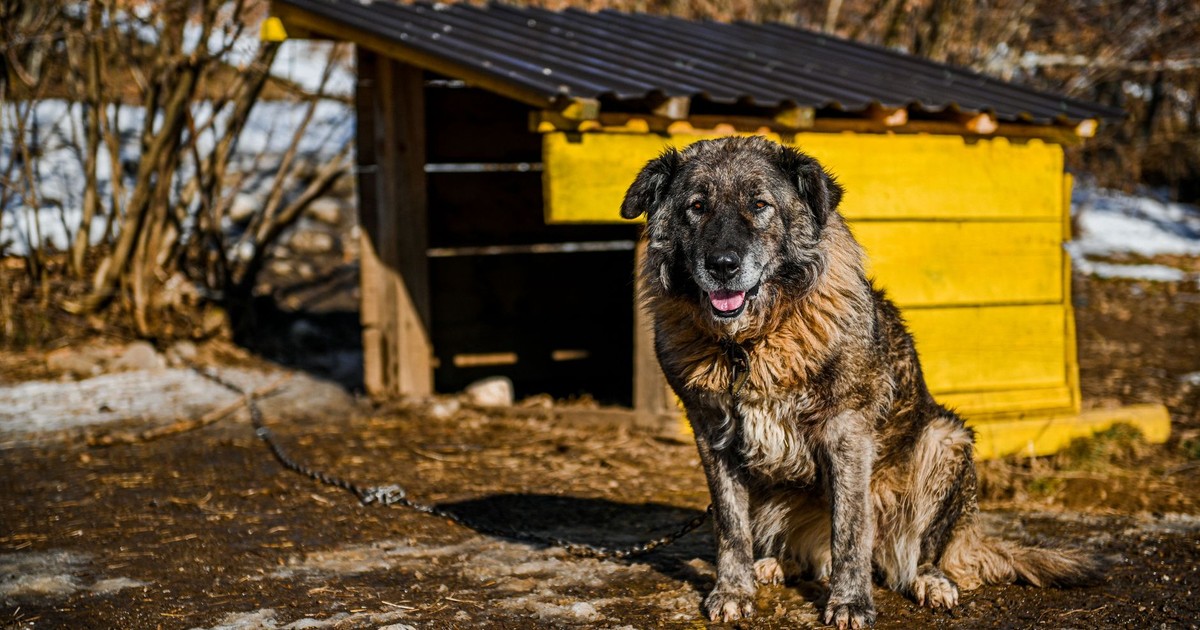
The Caucasian Shepherd Dog has the shortest average life expectancy of any breed in the Dogs Trust data compiled for the McMillan study, at just 5.4 years. The average dog in the UK lives over 11 years. The Caucasian Shepherd doesn’t get half that.
Originally bred in the mountains of the Caucasus region to guard livestock against wolves and bears, this is one of the largest and most powerful dog breeds in existence. Adults routinely weigh 110 to 220 pounds. The same mass that made them formidable guardians puts enormous strain on their cardiovascular and skeletal systems from the first year of life. Joint deterioration, heart disease, and the general metabolic cost of maintaining a body that large all compound quickly.
2. Dogue de Bordeaux (French Mastiff)

The Dogue de Bordeaux, also known as the French Mastiff, is a massive breed recognized for its strength and loyalty, and it has one of the shortest lifespans among all dog breeds, with most living between 5 and 8 years. The breed gained wider public recognition after the 1989 film Turner & Hooch.
The Dogue de Bordeaux combines a flat face with giant size, a double hit that puts it among the most at-risk breeds for early death. Heart disease and cancer are the most common causes, and many dogs are already showing signs of age-related decline by their fifth or sixth year. The breed is also prone to hip dysplasia and several forms of cancer.
3. Presa Canario
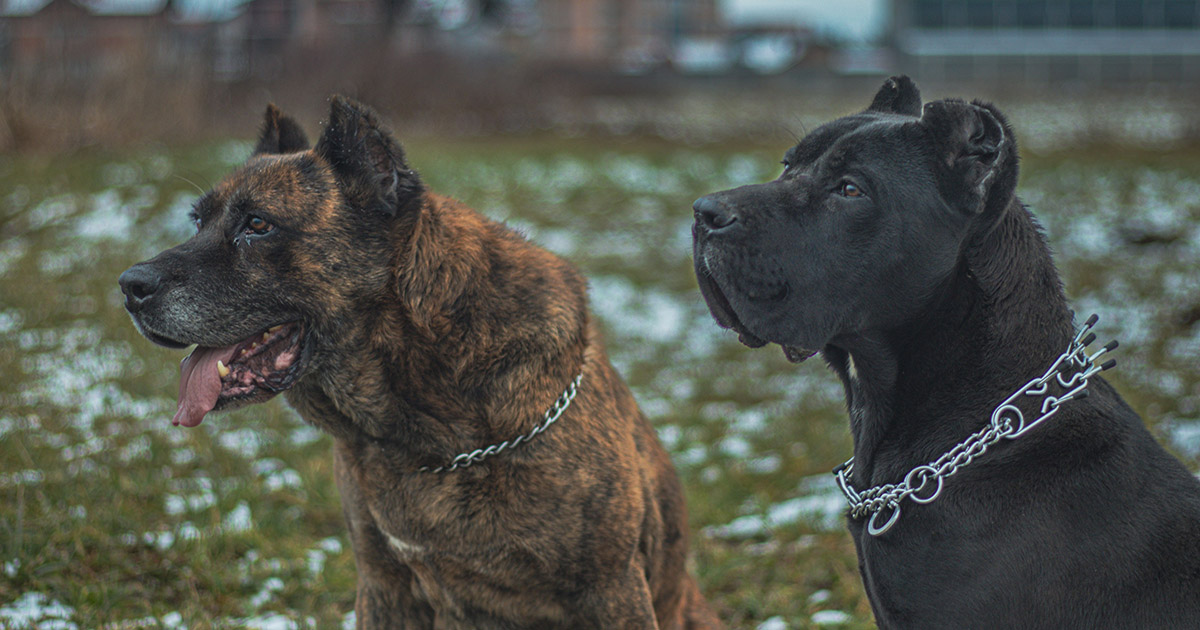
The Presa Canario is a short-lived breed by veterinary consensus, with life expectancy figures ranging from roughly 9 to 11 years in general breed data, though some UK-based studies have recorded lower medians. Originally from the Canary Islands, where the breed was developed for working with livestock and guarding property, the Presa Canario is a powerfully built molosser, the group of large, heavy-boned dogs descended from ancient mastiff-type breeds used in war and herding throughout the Mediterranean.
At weights of 80 to 130 pounds, the Presa sits at the intersection of giant size and brachycephalic-adjacent structure. The breed is prone to hip and elbow dysplasia, heart disease, and dilated cardiomyopathy, an enlargement of the heart that reduces its ability to pump blood effectively. Responsible breeders screen for these conditions, but the structural predispositions run deep. Most Presa Canarios will be considered senior dogs by age six.
4. Cane Corso
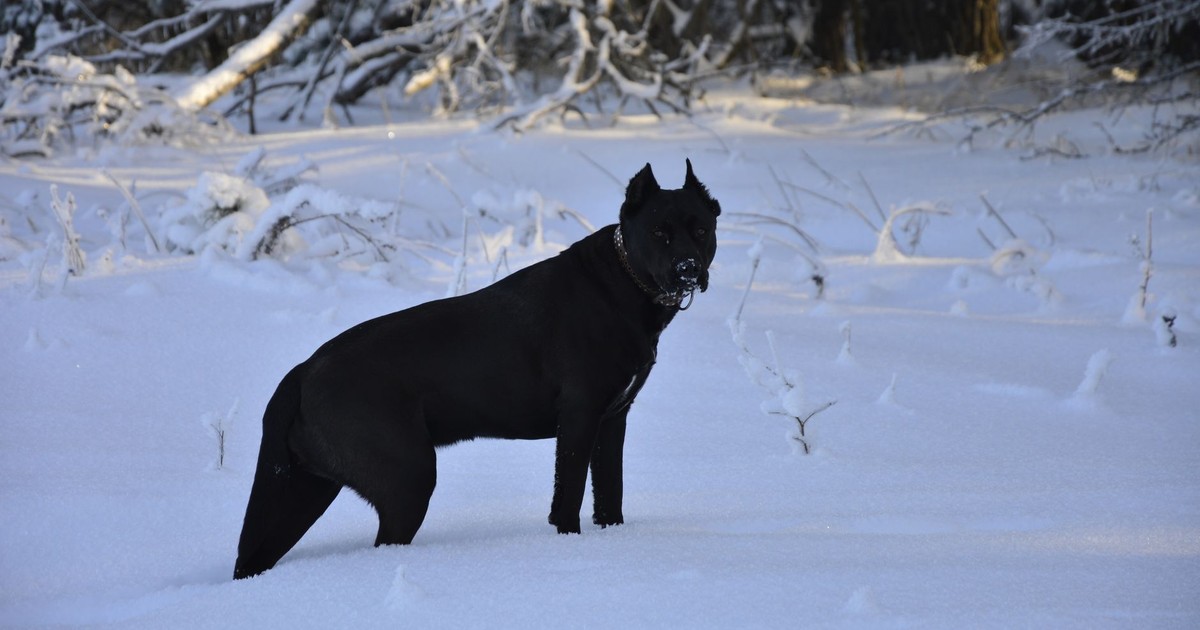
A peer-reviewed study of 232 Cane Corsos drawn from 25 countries recorded a median lifespan of 9.29 years for the breed. An ancient Italian breed, the Cane Corso was historically used as a war dog, hunter, and property guardian. Modern specimens are heavily muscled, with males typically weighing between 99 and 110 pounds, though many reach significantly more.
Like other giant molosser breeds, the Cane Corso is prone to dilated cardiomyopathy, hip dysplasia, and bloat, a life-threatening condition where the stomach twists on itself and traps gas. Bloat, technically known as gastric dilatation-volvulus (GDV), is a veterinary emergency that can kill a dog within hours if untreated, and it affects deep-chested large breeds disproportionately. Cancer rates are also elevated in the breed. With good preventive care, regular cardiac screening, and weight management, some individual Corsos do exceed the average, but the median falls well below ten years.
5. English Mastiff
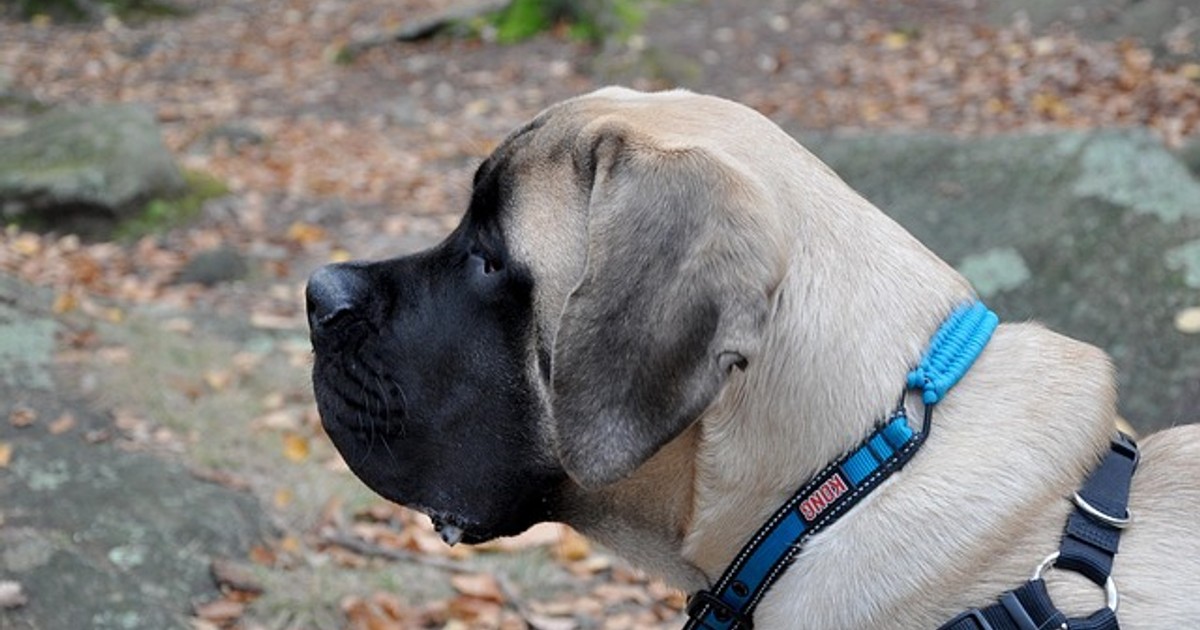
The English Mastiff is one of the heaviest dog breeds in existence. Males can weigh over 200 pounds, and the breed holds several records for the heaviest individual dogs ever documented. That sheer mass is the central problem. Breed-specific veterinary data places the English Mastiff’s median lifespan at approximately 9.0 years.
Large body size correlates with accelerated aging at the cellular level. Larger animals produce more free radicals (unstable molecules that damage cells) relative to body mass, their hearts work harder under greater physical load, and age-related diseases tend to arrive earlier. For the English Mastiff, hip and elbow dysplasia are almost universal in older dogs, heart disease is common, and cancer is the leading cause of death in the breed overall. Despite their gentle, calm temperament, Mastiffs often struggle with mobility by age seven or eight.
6. Neapolitan Mastiff
Neapolitan Mastiffs are known for their distinctive loose skin and massive frame, originally bred in Italy for guarding property and families. Their average lifespan is 7 to 9 years. The Neapolitan is one of the more extreme examples of what selective breeding for a particular look can do to a dog’s health. The profuse skin folds that define the breed’s appearance also create ongoing problems: skin infections, eye conditions (entropion, where the eyelid rolls inward), and joint stress from the sheer weight of all that excess skin and mass.
Common health issues include hip and elbow dysplasia, heart disease, and bloat. Their size and relatively sedentary lifestyle also contribute to obesity, which further complicates their health outlook. A Neapolitan Mastiff that reaches ten years is doing exceptionally well. Most owners will be managing significant health challenges by year seven.
7. Irish Wolfhound

The Irish Wolfhound is among the tallest dog breeds, historically used for hunting wolves and large game. Though elegant and dignified, Irish Wolfhounds typically live only 6 to 8 years by older breed-specific surveys. Breed size and skull shape are two of the strongest predictors of early death in dogs, and the Irish Wolfhound’s extreme height places it firmly in the high-risk category.
The breed’s combination of extreme height and a deep chest makes it one of the most affected by dilated cardiomyopathy and GDV bloat. Heart disease is the number one killer in the breed, and cardiomyopathy often develops earlier than owners expect, sometimes as young as four or five years old. The Irish Wolfhound’s end of life often arrives when the dog still looks and acts relatively young.
8. Saint Bernard
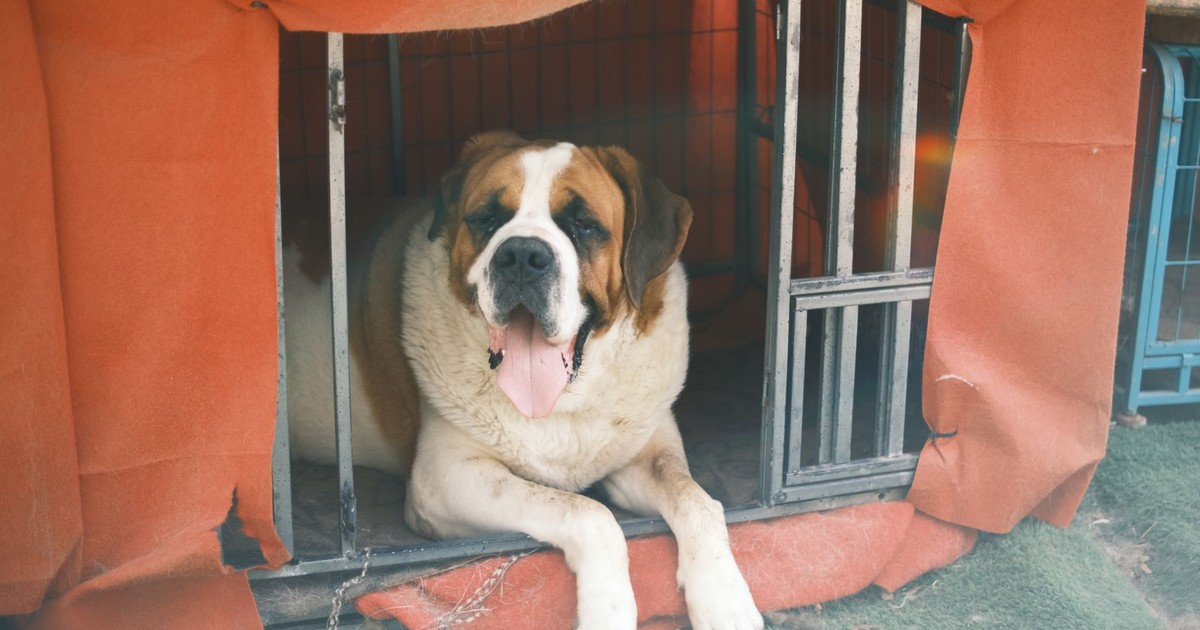
The Saint Bernard weighs 120 to 180 pounds and lives 8 to 10 years. These iconic dogs are renowned for their history of helping people buried in avalanches in the Alps, and their lifespan is slightly longer than the French Mastiff’s. That extra year or two matters to the families who love them, but it still places the Saint Bernard firmly among the dogs with the shortest lifespans relative to the all-breed average.
Saint Bernards are prone to hip dysplasia, heart conditions, and certain types of cancer. Their rapid growth rate in puppyhood puts stress on joints and muscles, which can lead to early-onset arthritis and musculoskeletal problems. A Saint Bernard puppy can grow from a few pounds to over 100 pounds in its first year alone. That rate of growth is not sustainable without consequences.
9. Bloodhound
The McMillan study specifically flagged Bloodhounds among breeds at higher risk of early death, with a median lifespan of just 9.3 years, comparable to the Saint Bernard and Neapolitan Mastiff, and significantly below the all-breed average.
The Bloodhound’s health challenges stem from a combination of size (typically 80 to 110 pounds) and its extreme physical structure. The loose, heavily wrinkled skin and pendulous ears that make the Bloodhound’s face so distinctive also create persistent problems: ear infections, skin-fold dermatitis, and eye conditions including ectropion (where the lower eyelid droops outward, exposing the eye). Bloat is a significant risk, and skeletal stress is common in older dogs.
10. Bullmastiff

Bullmastiffs are strong, alert dogs originally bred to guard estates from intruders. Their lifespan averages just 7 to 9 years. The breed was created in nineteenth-century England by crossing Bulldogs with Mastiffs, two breeds that are themselves at the short end of the lifespan spectrum, to produce a dog powerful enough to pin poachers to the ground without mauling them.
Bullmastiffs are prone to heart issues, bloat, and various cancers, particularly lymphoma and hemangiosarcoma. Hemangiosarcoma is an aggressive cancer of the blood vessel walls that can grow silently for months before presenting symptoms, which means it is often at an advanced stage by the time it’s caught. Cancer overall accounts for a very high proportion of Bullmastiff deaths.
11. Great Dane
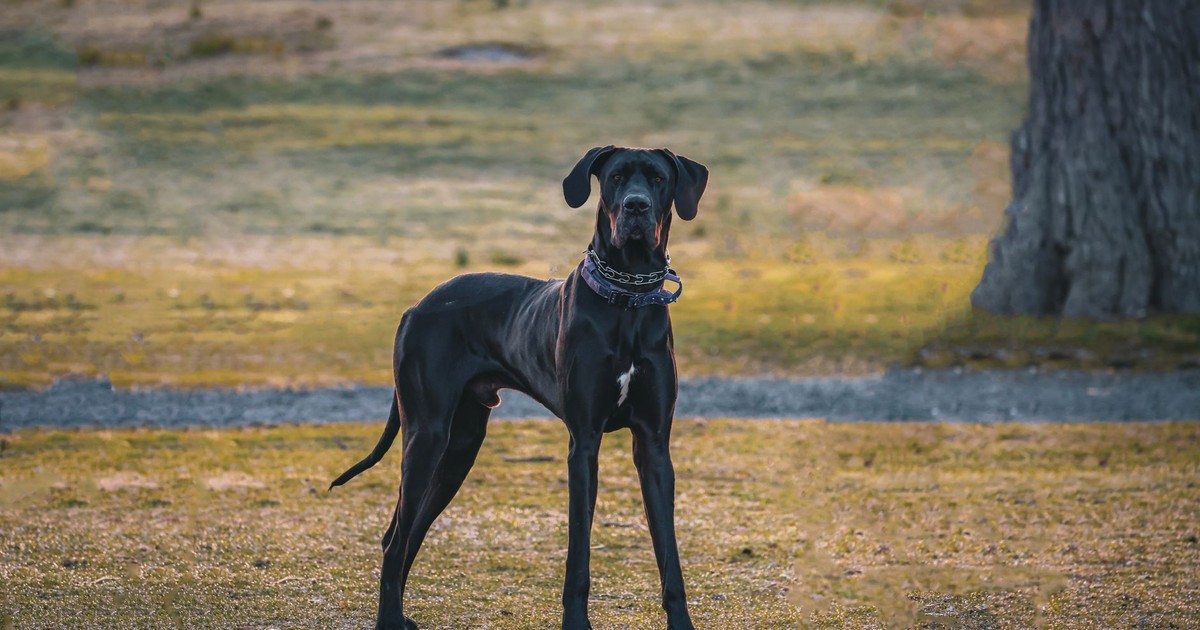
The Great Dane is often called the “Apollo of dogs” for its impressive height and stature. Despite its commanding presence, the breed is gentle and affectionate, but Great Danes have a notably short lifespan of 6 to 10 years. The range is wide partly because individual genetics and care quality vary dramatically within the breed, and partly because a Great Dane that reaches ten is genuinely unusual.
Body size, face shape, and sex all intersect in ways that can make medium-sized, flat-faced male dogs nearly three times more likely to live shorter lives than small, long-faced females. For the Great Dane, the heart is the central concern: many cardiologists consider dilated cardiomyopathy almost an occupational hazard of the breed.
12. Bernese Mountain Dog
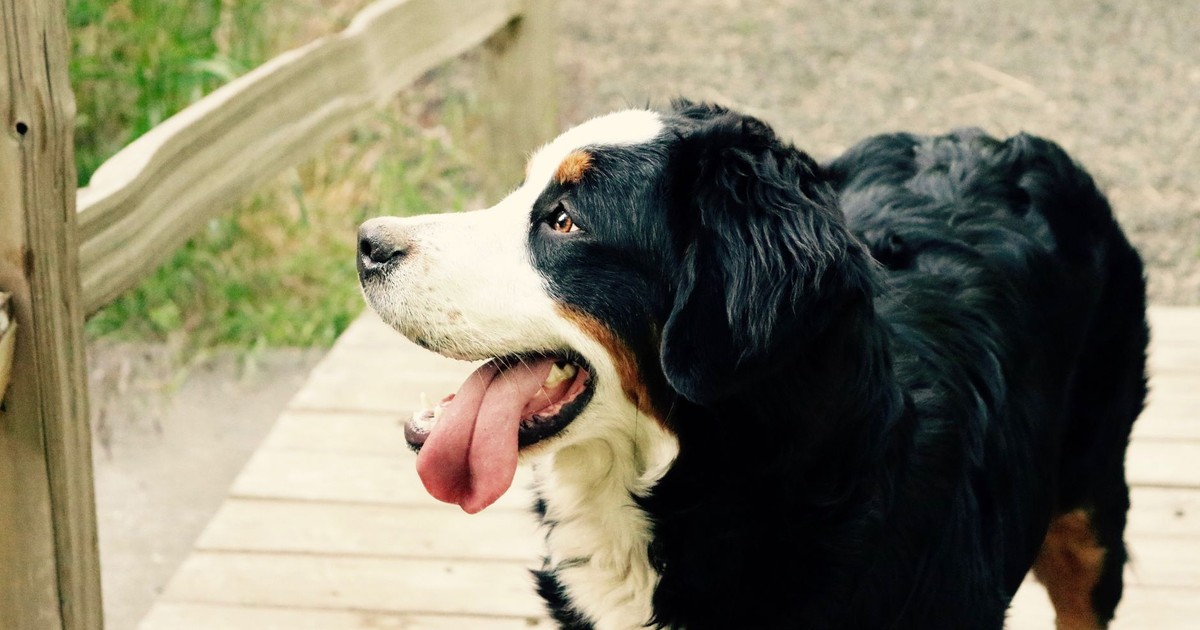
The Bernese Mountain Dog is a gentle giant loved for its calm temperament and striking tricolor coat. Originally bred for farm work in Switzerland, the breed is known to be excellent with children and families. Despite its good nature, the average lifespan of a Bernese Mountain Dog is only 6 to 8 years.
Cancer is the defining health challenge for Berners. Malignant histiocytosis, a rare but aggressive form of cancer so strongly associated with Bernese Mountain Dogs it was once called “Berner’s disease,” is a particular concern. Roughly half of all Bernese Mountain Dogs die from cancer, which is an unusually high proportion even by the elevated cancer rates seen in large breeds generally. Hip and elbow dysplasia are also prevalent, contributing to mobility issues as they age. Breeders working on health-focused lines have made progress on the cancer rates in recent decades, but the breed still carries significant genetic risk.
13. Rottweiler
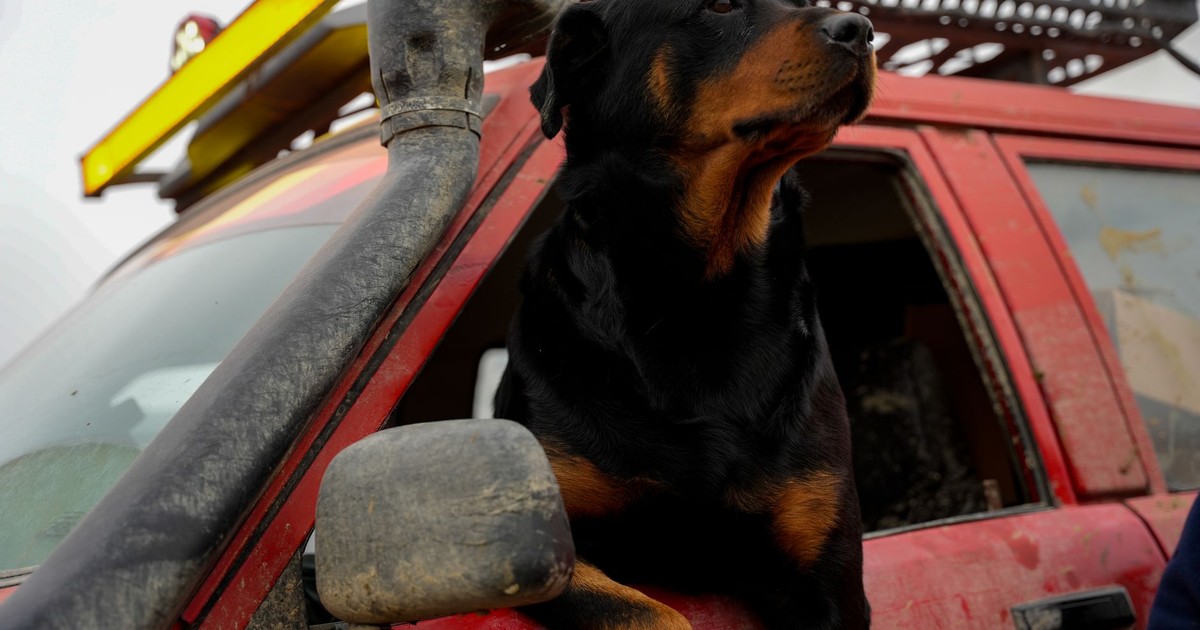
Veterinary lifespan data places the Rottweiler’s median life expectancy at just 10.6 years, well below the all-breed average. The breed’s health challenges are serious enough to warrant a place in this group.
Rottweilers are one of the breeds most heavily affected by osteosarcoma (bone cancer), which tends to strike the leg bones and is usually aggressive and fast-moving. Heart disease, particularly sub-aortic stenosis (a narrowing of the aortic valve that makes the heart work harder), is also a notable concern. A Rottweiler that reaches twelve years old has beaten the odds significantly.
14. French Bulldog

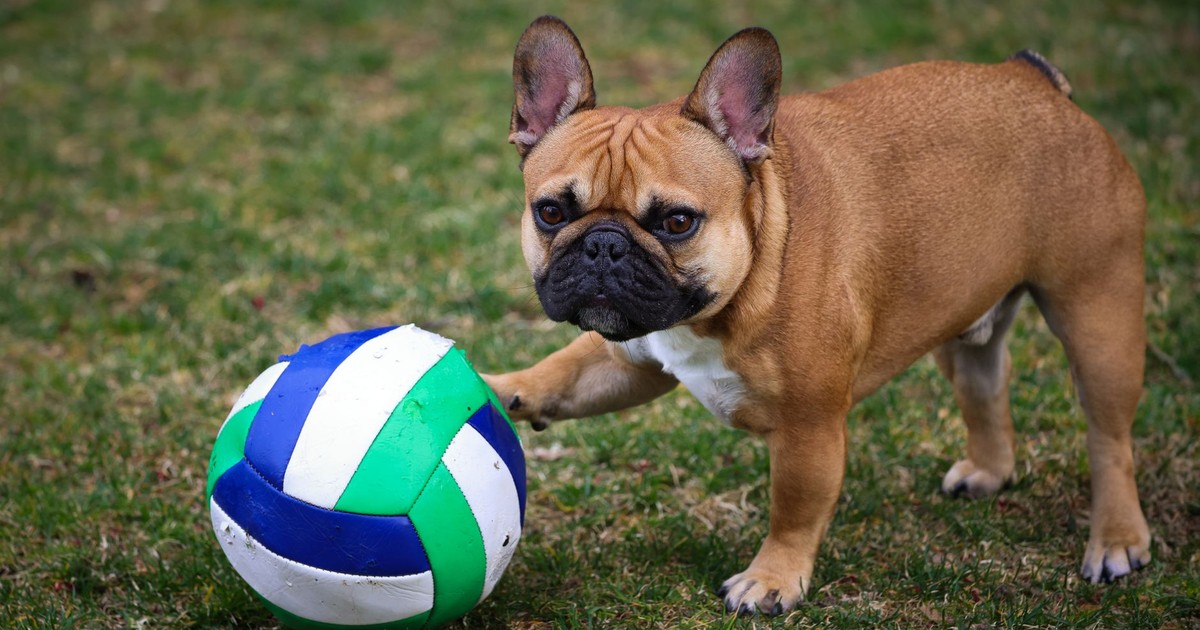
In the Royal Veterinary College’s VetCompass life tables study, the French Bulldog had the shortest life expectancy of any breed, at just 4.53 years, among dogs that died between 2016 and 2020, against an overall average of 11.23 years. That figure generated significant attention when it was published. The 2024 McMillan study placed the French Bulldog’s median at 9.8 years, which suggests some improvement over time, but the breed still carries outsized health risks relative to its size.
Flat-faced brachycephalic breeds like the French Bulldog face breathing difficulties, overheating, spinal problems, and eye issues, all contributing to reduced lifespans. The French Bulldog’s compressed skull means its soft tissue (nasal tissue, tongue, soft palate) doesn’t compress proportionally, which leaves the airway chronically crowded. Many French Bulldogs breathe through significantly narrowed nostrils and airways every day of their lives. That constant effort taxes the heart over time. Add spinal deformities structurally linked to the breed’s curly tail, and the health picture is genuinely concerning.
What to Do With All of This

Knowing the averages doesn’t make it easier to say goodbye to a dog. But it does change what you do with the time you have. Owners of giant breeds and brachycephalic dogs who schedule annual cardiac screenings, manage their dog’s weight precisely, and watch for early symptoms of bloat and cancer aren’t being neurotic. They’re being realistic about the biology they signed up for, and that realism translates directly into earlier intervention and, in many cases, more years together.
The lifespan figures above are averages, not sentences. Individual dogs regularly beat them when their owners pay attention. The Dogue de Bordeaux that makes it to eleven, the Great Dane still going strong at twelve, those stories exist because someone didn’t wait for symptoms. They got curious before anything went wrong, and it made a difference.
The breeds on this list aren’t lesser dogs. Most of them are remarkable animals who form bonds of unusual depth and loyalty. The mathematics of their lives just run faster. Some of these patterns (the cardiac risk that arrives at four, the cancer that shows up at six) go back centuries of selective breeding. Naming that isn’t a reason to walk away from these breeds. It’s a reason to walk toward them with your eyes open.
AI Disclaimer: This article was created with the assistance of AI tools and reviewed by a human editor.