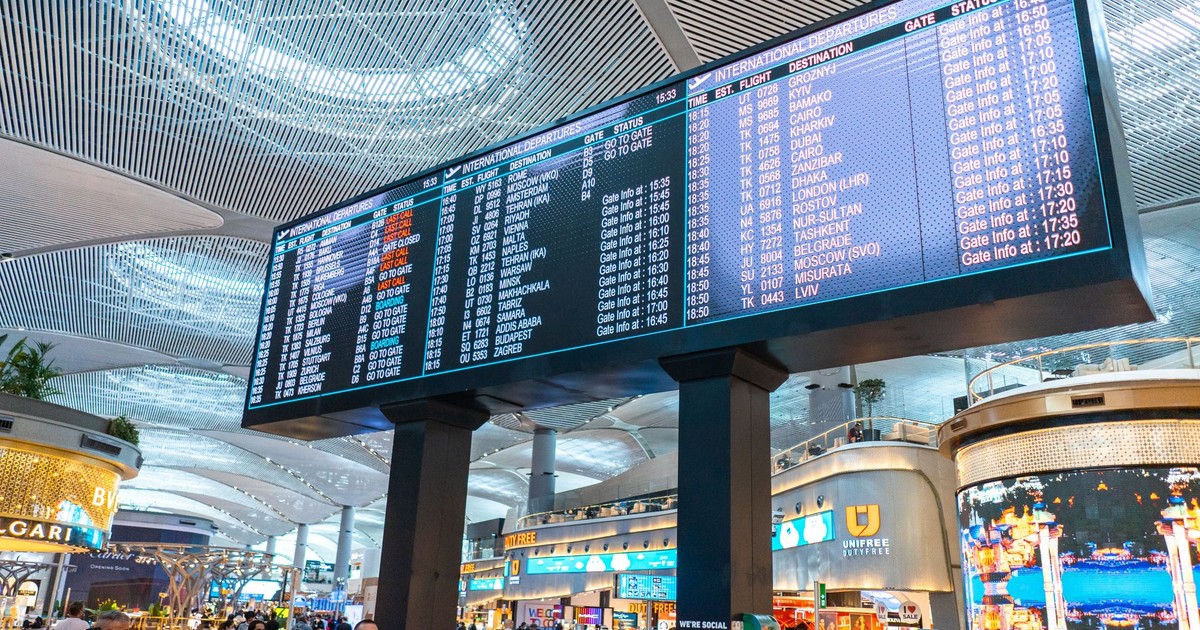

The argument that the United States was losing its appeal as a travel destination used to sound like hyperbole. Then the 2025 numbers came in. Four million fewer international tourists visited the country compared to 2024, according to a 2025 Congressional Research Service analysis, spending fell by more than $8 billion, and the drop was larger than anything recorded during the 2008 global recession.
The rest of the world was having a record year. While the US posted its worst tourism numbers in two decades, international travel globally was growing, with tens of millions more people crossing borders in 2025 than the year before. They just weren’t choosing the US. At the same moment that Spain was welcoming more than 96 million international visitors and destinations from Brazil to Japan were reporting double-digit growth, America was the only country among 184 economies analyzed to see international visitor spending fall.
So what sent people elsewhere? The answer isn’t one thing. It’s eight of them, stacking on top of each other until the calculation shifted for millions of travelers who had previously made the US a reliable destination.
1. Canadians Are Staging a Full-Scale Travel Boycott
No other country’s absence hit the US harder in 2025 than Canada’s. According to the US Department of Commerce’s International Trade Administration, Canadian arrivals to the United States were down 20.9%, with Germany not far behind at 11.3%. Trips by Canadians returning from the US by land dropped by nearly 32% year-over-year in March 2025.
Tourism Economics concluded that international travelers, particularly Canadians, were turning away from the US in part because of growing negative sentiment driven by the Trump administration’s policies and pronouncements. Some Canadians openly boycotted US travel and products after President Trump’s threats to annex Canada and make it the 51st state. Las Vegas, which counts Canada as its largest international source market, felt the absence acutely, with Circa Resort and Casino CEO Derek Stevens publicly acknowledging that Canadian visitors who normally make that trip every year simply weren’t showing up.
In the first half of 2025, Canadian arrivals to the US fell nearly 18% year-on-year, representing a drop of more than 1,750,000 visits. Many Canadians turned to domestic travel instead, helping push Canada’s July hotel occupancy rate to 77.6%, its highest level since 2019. Cities near the northern border bore the brunt. Seattle was projected to see a 26.9% fall in overnight international visitors, Portland 18.3%, and Detroit 17.3%.
2. High-Profile Detention Stories Scared Off Tourists from Across Europe
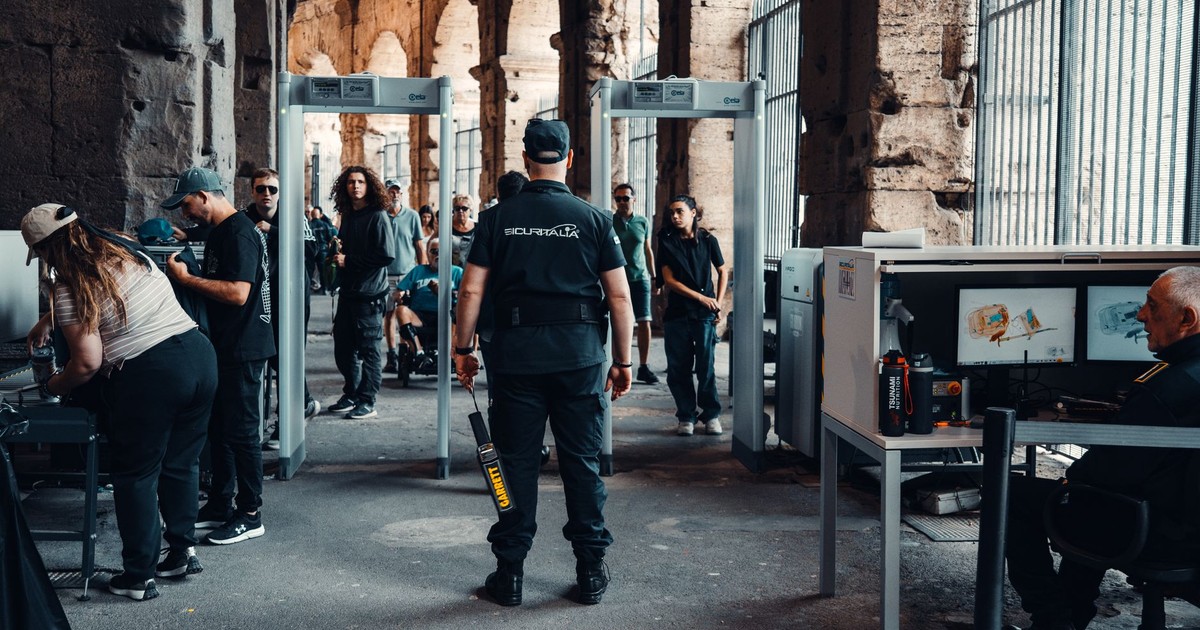
Since President Trump took office, several high-profile incidents of tourists and visa holders being stopped at US border crossings or held for weeks at American immigration detention facilities made international news. An American woman and her German fiancé became one of the most widely reported cases after driving back from Mexico in February 2025.
US border agents handcuffed the American citizen and chained her to a bench, while her fiancé was accused of violating his 90-day tourist permit despite having been in the country for only 22 days. Authorities shackled him and sent him to a crowded US immigration detention center. He was eventually deported. The story spread across European media.
ICE confirmed that this German tourist and another German woman, held for 45 days in a separate incident, were deemed inadmissible by Customs and Border Protection. Another German tourist crossing from Mexico into California was held in a detention center for six weeks, including a spell in solitary confinement. Germany’s website now stresses that valid travel documents don’t guarantee entry.
3. The Threat of Social Media Surveillance
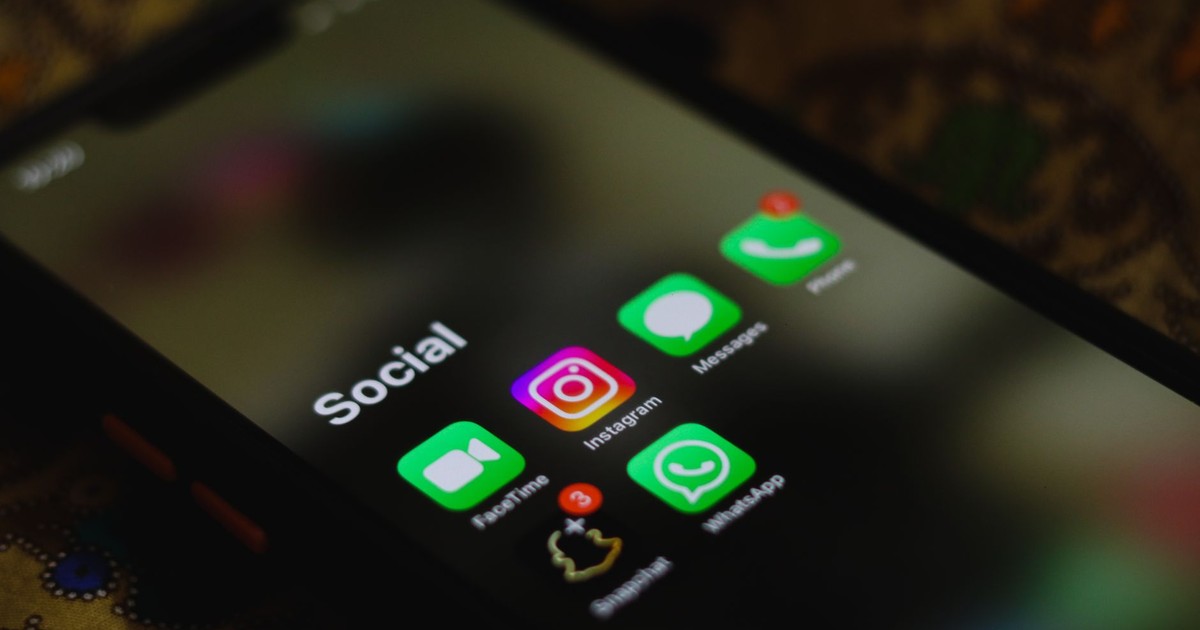
The Trump administration proposed rules that would require visitors from countries that benefit from visa-free travel to hand over five years of social media history before being allowed to enter the US. Under the proposal, applicants would also have to provide every email address used for the past ten years, along with phone numbers and home addresses of immediate family members. Officials would also be able to scrutinize IP addresses and metadata from electronically submitted photos.
The mandatory disclosure of social media activities drew heavy criticism, including from human rights groups who argued that such requirements violate fundamental freedom rights, including free expression. The Foundation for Individual Rights and Expression said in a statement: “Requiring temporary visitors here for a vacation or business to surrender five years of their social media to the U.S. will send the message that the American commitment to free speech is pretense, not practice.” Several travelers reported being denied entry after officers reviewed their online activity and deemed it too critical of the administration. Customs and Border Protection has not defined what type of online activity may constitute a threat.
4. Rising Costs and New Entry Fees

The US was already an expensive destination for many international travelers before 2025. The strong US dollar made hotels, restaurants, and transport feel pricier for Europeans, Australians, and South Americans converting their currency. But a series of new fees added to the existing cost burden.
The Trump administration introduced a $250 visa integrity fee, one of the highest such charges imposed by any destination in the world. For context, entry fees for other countries range from around $100 to visit Canada to $145 in Australia on average.
US national parks introduced higher entry fees for foreign tourists, a decision criticized by tourism groups as unwelcoming at a time when visitor numbers remained below pre-pandemic levels. Mark Howser, owner of a motel near Glacier National Park in Montana, told the Associated Press: “It’s going to hurt local businesses that cater to foreign travellers.”
5. The Travel Ban and Visa Tightening
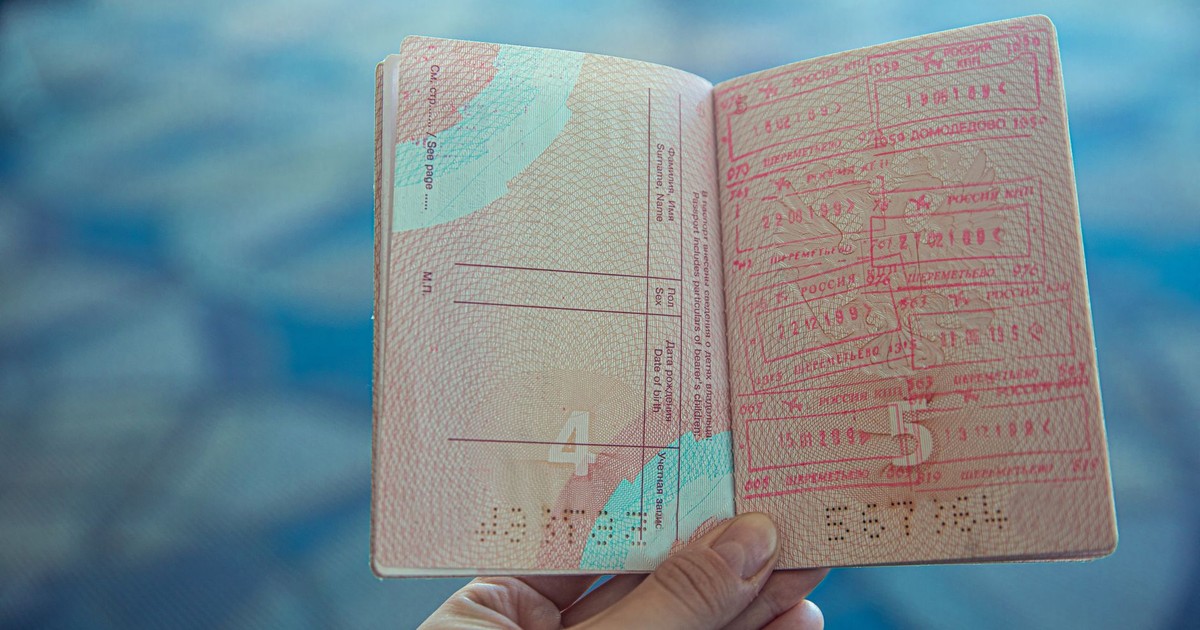
The travel ban that took effect on June 9, 2025 suspended entry into the United States for certain nationals from 19 countries. Individuals traveling for participation in the World Cup or the Olympics were not subject to the suspension, but spectators and other tourists from affected countries were.
Presidential Proclamation 10998, which took effect on January 1, 2026, suspended visa issuance to certain foreign nationals on top of the June 2025 ban. The visa processing system itself became a bottleneck. Long interview wait times at US consulates abroad stretched months in some markets. For a family in Mumbai or São Paulo deciding between a US holiday and a trip to Europe, the visa and entry friction alone was enough to tip the scales.
6. Political Rhetoric and America’s Image Problem

Juliette Kayyem, faculty chair of the Homeland Security Project at the Harvard Kennedy School and CNN senior national security analyst, put it directly: “We used to be a country that others wanted to emulate. That narrative no longer exists.” She explained that what foreigners were absorbing about the US was “a dysfunctional government, ICE raids, Americans being killed, crime everywhere.”
Multiple reports documented declining interest in the US as an international destination, with surveys largely attributing it to President Trump’s policies. By July 2025, visitors from Denmark were down 19%, as some joined the boycott over Trump’s threats to annex Greenland, an autonomous Danish territory.
7. Gun Violence Concerns

For many international visitors, especially those from Western Europe, Japan, Australia, or Canada, the concern about gun violence in the US had been a persistent background worry for years. In 2025, multiple countries updated their travel advisories for the US explicitly citing gun violence risks. A US Travel Association report highlighted that “the fear of gun violence remains highly influential in global perceptions of the U.S.,” and the European Aviation Safety Agency was quoted in the report as saying: “We hear about mass shootings all the time, and some people are scared by it.”
Every shooting that makes international headlines adds to the same calculation in the minds of would-be visitors. A family in Berlin or Melbourne planning a trip to Florida isn’t thinking about statistical probabilities. They’re thinking about the most recent news cycle and what they saw last week. Florida experienced the brunt of the overall loss in international tourists. Even Walt Disney World, which sees a large share of international guests each year, saw some fans from abroad hesitate to return.
8. The US Is an Outlier and Cut the Budget to Fix It

2025 was a record year for international tourism everywhere on earth except the United States. The World Travel and Tourism Council announced that the US was on track to lose $12.5 billion in international visitor spending in 2025, with international visitor spending to the US projected to fall to just under $169 billion, down from $181 billion in 2024.
Federal support for Brand USA, the public-private entity responsible for promoting international travel to the country, was cut by 80% at precisely the moment the US was losing tourist traffic to global competitors. According to the World Travel and Tourism Council, international visitor spending in the United States was approximately $176 billion in 2025, a 4.6% decrease from 2024. The US is now running an annual $50 billion travel trade deficit, a sharp reversal from its historical surplus in travel exports.
Read More: 12 Charming Cities in the South Where You Can Comfortably Retire on $975 a Month or Less
What Stays After the Politics Change
Some of what happened in 2025 is reversible on paper. A fee can be lowered, a visa process can be streamlined, a travel ban can be lifted. What’s harder to reverse is memory.
The German tourist who spent six weeks in a detention facility didn’t just have a bad trip. His story was covered across European media. It became part of the mental file that millions of people in Germany, the Netherlands, Denmark, and the UK consult when they think about whether a US vacation is worth it. The family from Toronto that chose Mexico instead in 2025 and had a great time is not automatically going back to Florida in 2026. The United States’ share of global international travel had already fallen from 8.4% in 1996 to 4.9% in 2024, and took a notable hit during Trump’s first term. In 2025, it fell again, with the US share of global international arrivals forecast to drop to 4.2%.
The National Travel and Tourism Office projected international arrivals to the US won’t exceed pre-pandemic levels until 2029. The FIFA World Cup, hosted across 11 US cities in the summer of 2026, was expected to bring a short-term surge, but industry analysts had already noted that visa processing backlogs and residual reputation damage from 2025 may limit how much of that potential converts into actual arrivals. Four million people who chose a different destination in 2025 didn’t just defer a trip. Many of them discovered that Europe, Southeast Asia, or South America was just as good, and considerably less stressful.
AI Disclaimer: This article was created with the assistance of AI tools and reviewed by a human editor.