

The annual Dogwood Dell fireworks show had been on Richmond, Virginia’s calendar for months. City leaders ultimately determined that proceeding with the event would present “unacceptable health and safety risks for attendees, performers, volunteers, staff, and first responders.” Not a risk to be managed with extra water stations. An unacceptable risk.
Richmond was far from alone. A powerful heat dome intensified over the central and eastern United States during the July 4 holiday, sending temperatures soaring across more than 30 states and forcing communities to cancel events, adjust celebrations, and brace for dangerous conditions during one of the busiest outdoor weekends of the summer. Communities from Colorado to Virginia had to make decisions no one wanted to make.
What a Heat Dome Actually Does
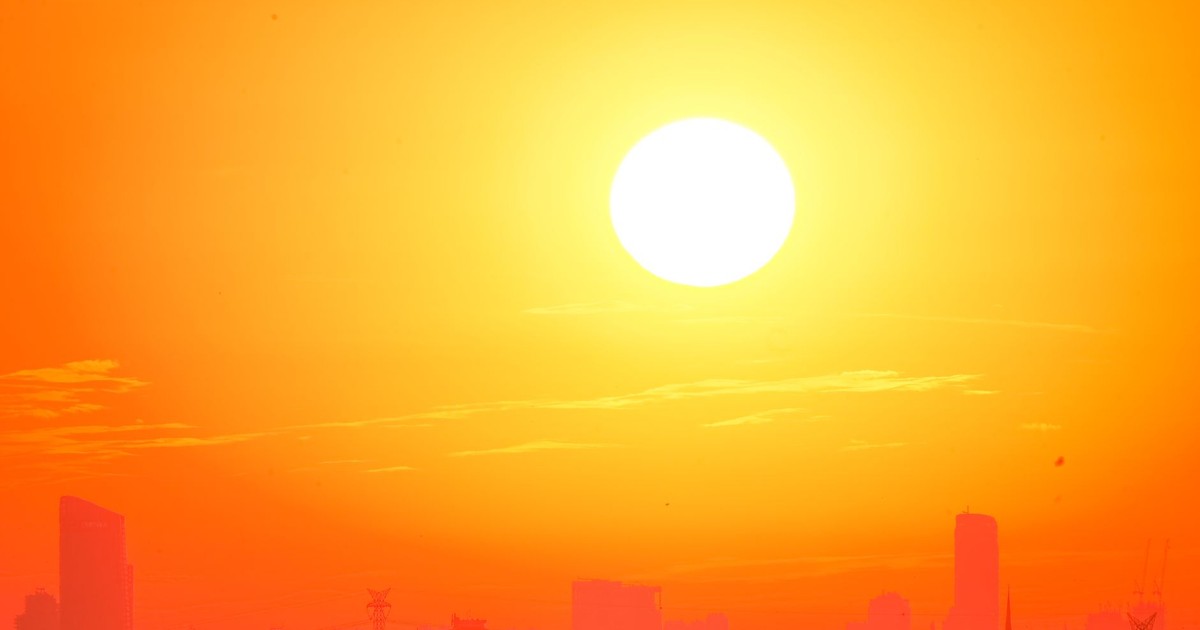
Meteorologists describe a heat dome as a large area of high pressure trapping warm air near the surface, leading to sustained high temperatures across a broad swath of the country. A strong upper-level high-pressure cell acts like a lid on the atmosphere, compressing and heating the air while suppressing cloud development and rainfall. The result is not only hotter temperatures but very little relief from rain-cooled air.
The dangerous part is not just the daytime peak. Forecasters warn that the combination of triple-digit heat, high humidity, and unusually warm nights poses serious health risks for millions of Americans. Normally, evenings cool off enough that core temperature drops and the body recovers during sleep. During a heat dome, nighttime temperatures often stay elevated, so physiological stress accumulates day after day.
Heat index readings of 100 to 115 degrees were forecast from the Midwest to the East Coast, compounded by humidity. That multi-day accumulation is what makes a heat dome more dangerous than a single hot afternoon. Direct sun exposure can push the actual heat index as much as 15°F above what weather charts show. Wet-bulb globe temperature, a measurement that also accounts for wind speed and cloud cover, gives a more accurate picture of what sustained outdoor exposure does to the body.
The Events That Didn’t Happen
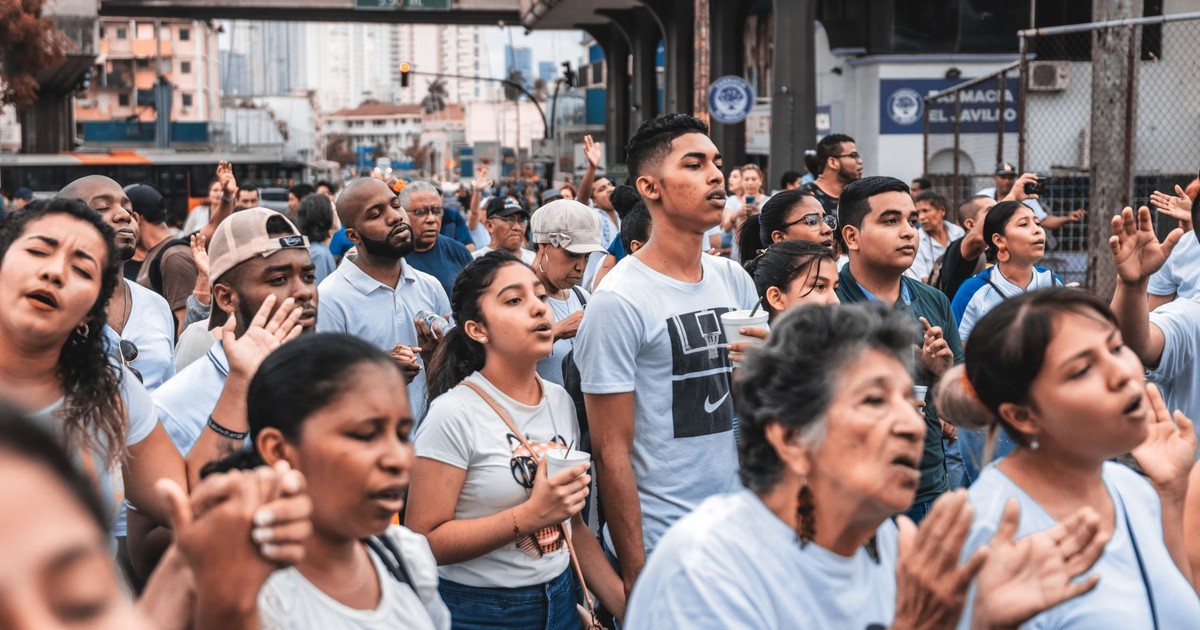
Dangerously high temperatures in the Northeast triggered a string of cancellations of 250th-anniversary events. From Philadelphia to New York, dozens of parades, concerts, and fireworks displays were canceled, postponed, or moved indoors as officials tried to keep residents safe.
Gettysburg National Military Park suspended all outdoor anniversary activities scheduled between July 1 and July 3 and moved them indoors. In Pennsylvania, parade after parade was called off. Jayne Musonye, Interim Municipal Administrator of Norristown, Pennsylvania, said: “With dangerous heat in the forecast, the safety of our families, our marchers, and our first responders must come first.”
In New Jersey, Franklin Township postponed its Independence Day celebration and fireworks from July 2 to July 10. Monmouth County’s MonmouthNJ 250 concert in Freehold was pushed from July 3 to July 17. Howell Township postponed its Independence Day celebration entirely.
In Virginia, Red, White and Tunes at James River Cellars Winery moved indoors, with live music running from 1 to 4 p.m. The Ashland Fourth of July parade and celebration was postponed to Labor Day. In Portsmouth, a community outdoor dance event called Shaggin’ on High was called off entirely.
In Delaware, heat index values reaching as high as 115 degrees inland prompted Fourth of July event cancellations and schedule changes across coastal communities that usually count on sea breezes. The Delaware Symphony Orchestra moved its Independence Day performance inside The Chase Center on the Riverfront in Wilmington, with the concert still culminating in Tchaikovsky’s 1812 Overture before attendees exited to watch fireworks over the Christina River.
The Philadelphia region, hosting both America 250 celebrations and FIFA World Cup Fan Festival events, adjusted almost everything it could. Philadelphia officials shortened the route for a Thursday morning parade, canceled an afternoon all-American Block Party, and pushed back start times for an evening picnic and concert at Independence Mall. The Salute to Independence Semiquincentennial Parade was cut to about one mile.
Sports were not immune either. Johnson County, Kansas, canceled its World Cup watch party due to extreme heat and safety concerns for large outdoor gatherings. Oak Grove Racing and Gaming in New York canceled live racing on June 29 and 30 after triple-digit heat indexes created unsafe conditions for horses, staff, and spectators.
The Western Problem Is Different but Equally Serious
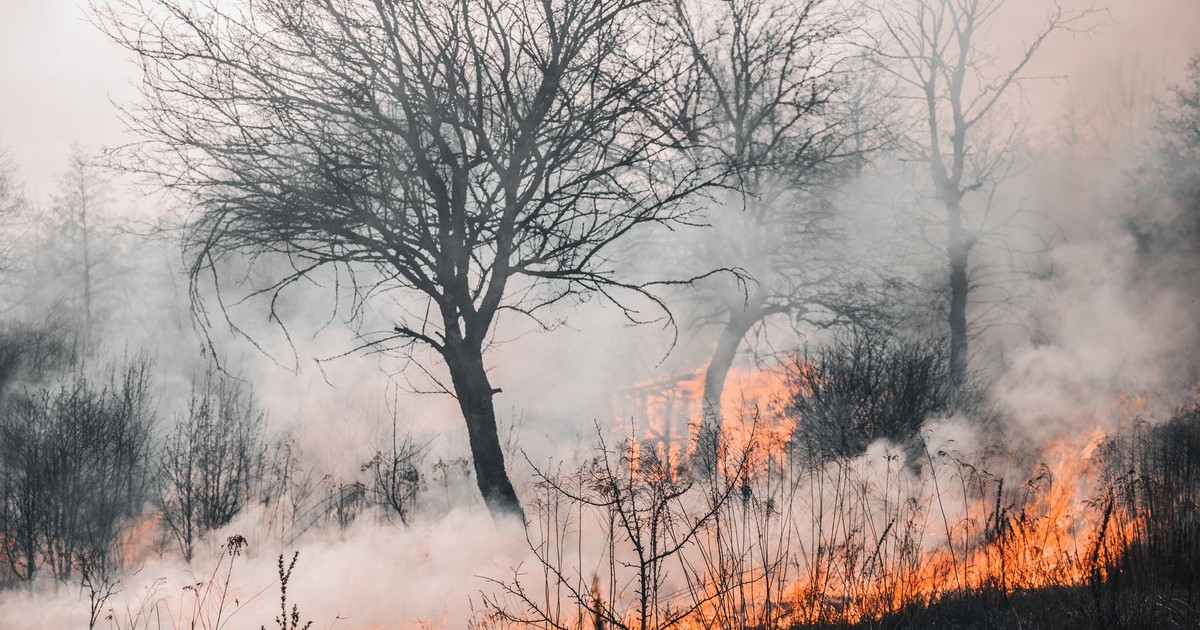
While the East dealt with oppressive humidity, the West faced a different version of the same crisis: fire. The heat was drying out already-parched vegetation, turning Independence Day fireworks into potential wildfire ignition points.
Communities around Colorado canceled Fourth of July fireworks shows due to ongoing wildfires and fire restrictions. According to the Colorado Division of Fire Prevention and Control, 15 wildfires were burning in the state, with towns and counties across the Western Slope, including Garfield, Eagle, Summit, Routt, Pitkin, and La Plata, either adjusting or canceling their fireworks displays altogether.
Cities including Aspen, Thornton, Denver, Longmont, Boulder, and Castle Rock also moved away from traditional fireworks as wildfire and environmental considerations reshaped July 4 celebrations. All fireworks displays scheduled for July 4 in Colorado Springs, including previously permitted professional shows, were canceled due to current weather and fire conditions.
A fire crew stationed at a fireworks display is a fire crew not fighting the blazes already burning. Colorado Springs Mayor Yemi Mobolade said: “This decision was not made lightly, especially as our nation prepares to celebrate America’s 250th birthday. But with extreme fire conditions across our region, one of the most patriotic things we can do this year is protect the city we love and the neighbors we cherish.”
Who Gets Hit Hardest
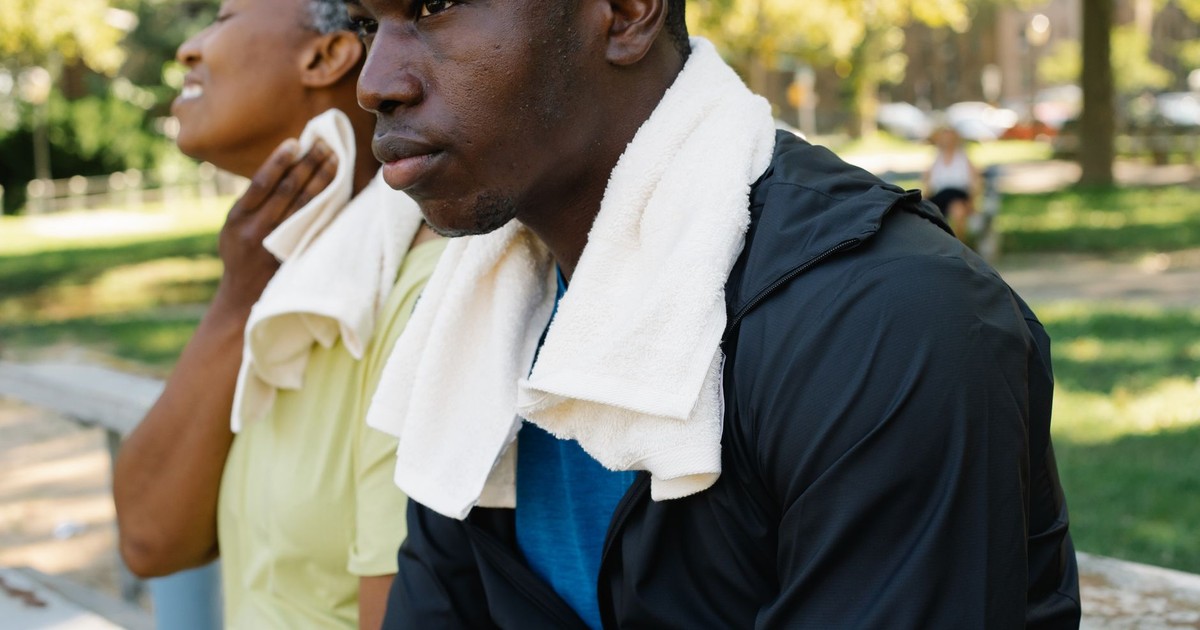
The body’s ability to regulate temperature is not evenly distributed, and the people who pay the highest price when heat dome outdoor events turn dangerous are often those with the least ability to opt out. Hospitals and emergency services in several regions prepared for an increase in heat-related illnesses, including dehydration, heat exhaustion, and heat stroke.
The CDC lists heat stroke as the most serious heat-related illness, occurring when the body can no longer control its temperature: the body’s temperature rises rapidly, the sweating process fails, and the body cannot cool down. Body temperature can rise to 106°F or higher within 10 to 15 minutes. Heat stroke can develop without warning, though muscle cramps and heat exhaustion are common earlier stages.
Muscle cramps are the first stage of heat illness. Without treatment, they can progress to heat exhaustion, then heat stroke.
NOAA warns that alcoholic beverages dehydrate the body and increase the risk of heat stroke and other potentially fatal heat-related illnesses. Drinking alcohol before or during exposure to heat or high humidity makes it harder for the body to regulate its temperature. The combination of alcohol, a black asphalt parking lot, and a heat index of 110°F is genuinely dangerous in a way many people do not register until they are already in trouble.
What the Events That Stayed Open Did Differently
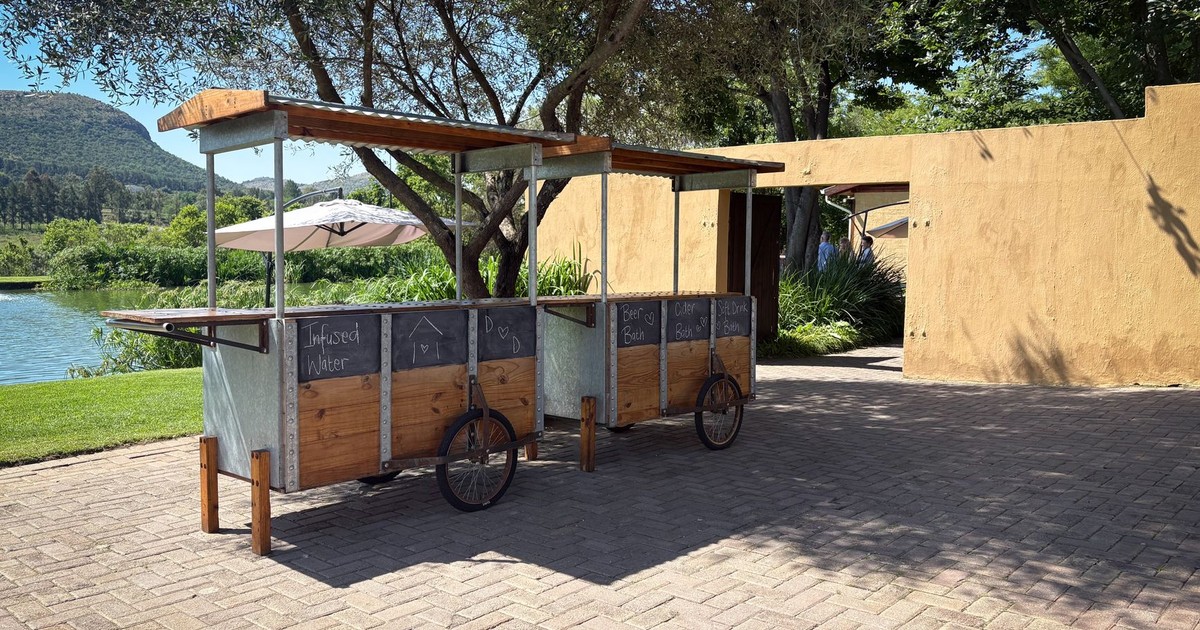
Not every event shut down. In Washington, D.C., the Great American State Fair continued with climate-controlled tents, free water stations, complimentary bottled water for people waiting for fireworks, and misting stations throughout the grounds.
In New Jersey, Piscataway kept its official America 250 celebration “Rev, White and Blue” scheduled but added cooling buses, extra emergency medical staff, and enhanced hydration facilities. In the Richmond area, Henrico County’s two-day “A Henrico Fourth” event ran with delayed start times, with the Dorey Park fireworks beginning at 7 p.m. and the Crump Park festivities starting at 6 p.m. Misting tents were also provided at Chesterfield County’s fairgrounds event.
Every event that continued safely shared the same features: shade or indoor cooling available on-site, delayed start times to avoid the 2 to 5 p.m. heat index peak, hydration stations placed where crowds actually gathered rather than just at entry points, and medical staff briefed specifically on heat illness. These are planning decisions made weeks in advance, not improvisations on the day.
What to Do If Your Plans Are Still On

Start hydrating the day before any heat dome outdoor event, not the morning of. By the time you feel thirsty at an outdoor venue, you are already behind. Drink water frequently and limit unnecessary exposure to high temperatures.
Wear lightweight, light-colored, loose-fitting clothing. Dark colors absorb heat rather than reflect it, and synthetic fabrics trap it against the skin. Carry water, electrolytes or salty snacks, sunscreen, a hat, and a charged phone. Build breaks into your day before you think you need them.
Watch for dizziness, nausea, rapid heartbeat, and intense thirst, as these may indicate heat-related illness. Check on older adults, infants, young children, and people with sensitive medical conditions. Kids are often poor at reporting discomfort until they are well past mild distress. Anyone in that group needs shade and rest on a schedule, not on request.
The Harder Truth About This Summer
Heat waves kill more Americans on average than any other type of severe weather, including tornadoes, hurricanes, floods, and lightning, yet they rarely receive the same public attention. The cancellations this summer are visible evidence of a risk that usually stays invisible until someone collapses.
Towns that scheduled their parades six months ago, set their routes, booked their bands, and printed their programs had to scrap all of it within 48 hours. That is not a planning failure. Weather systems have become more extreme, more frequent, and more likely to arrive exactly when large crowds are outdoors.
The cities and counties that adapted fastest this year, shifting start times, setting up cooling buses, moving orchestras indoors, and still delivering events worth attending, are the best prepared for when this happens again. At this point, the question is not whether extreme heat will collide with a major outdoor event. It is how ready the organizers will be when it does.
Disclaimer: This information is not intended to be a substitute for professional medical advice, diagnosis, or treatment and is for information only. Always seek the advice of your physician or another qualified health provider with any questions about your medical condition and/or current medication. Do not disregard professional medical advice or delay seeking advice or treatment because of something you have read here.
AI Disclaimer: This article was created with the assistance of AI tools and reviewed by a human editor.