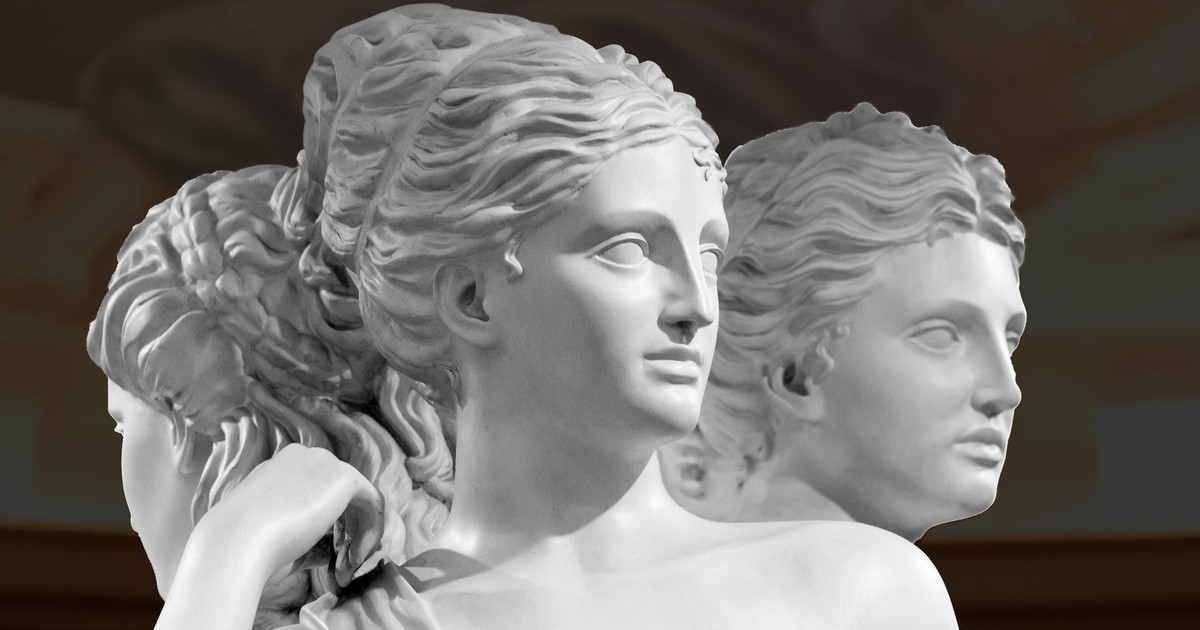

Rename Zeus as Jupiter, swap Aphrodite for Venus, relabel Hercules and keep him Hercules, and you might think you’ve done a find-and-replace on the same ancient text. You haven’t. Underneath those parallel names sit two completely distinct worldviews: one obsessed with individual glory and emotional truth, the other with civic duty and the divine right of a state to rule the world.
Greek mythology grew from an oral tradition eventually written down in Homer’s Iliad and Odyssey and Hesiod’s Theogony during the 8th century BCE. Roman mythology came later, borrowed liberally, and remade what it borrowed in its own image. The result is two bodies of myth that share a cast of characters but disagree fundamentally about what those characters are for, what they represent, and what kind of person they’re supposed to inspire.
The differences go to the bone of each civilization’s values, fears, and self-image. Here are eight of the most striking.
1. The Timeline Gap Changes Everything
Greek mythology predates Roman mythology by over 1,000 years. These tales passed down through generations, first through the spoken word, were written down around the 8th century BCE. When Rome was founded in that same century, many of the Greek city-states were already well-established.
Contact with Greece had a lasting effect on Rome. Rome adopted much that defined Greece: art, philosophy, literature, and drama. Mythology, however, had to be adapted to reflect Roman values. Roman mythology didn’t emerge from a blank slate. It was built on a foundation someone else had laid, then adapted, politically repackaged, and pointed toward Rome’s imperial ambitions.
Greek myth had centuries to sprawl, contradict itself, explore dark corners, and produce genuinely strange stories with no clear political agenda. Roman myth, arriving later and self-consciously, was curated from the start.
2. The Gods’ Personalities Couldn’t Be More Different
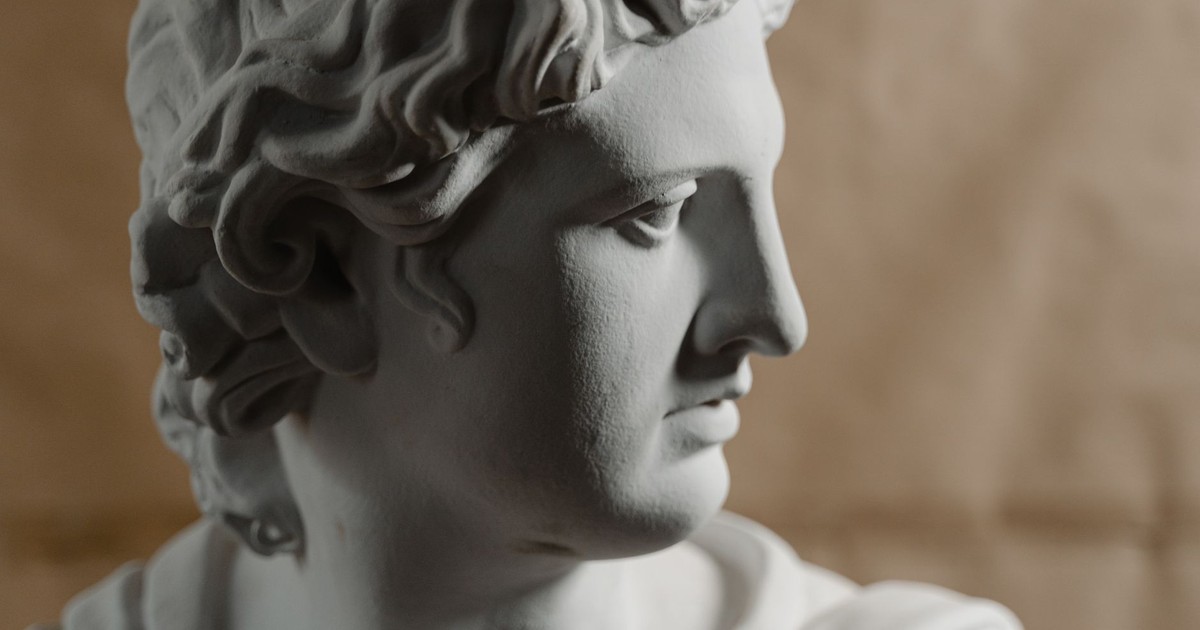
According to Penn LPS Online, there are significant differences in the personality traits of Roman and Greek gods. Greek gods embodied admirable qualities – heroism, boldness, strength, cleverness – but also carried the full range of human flaws. Zeus had an embarrassing number of affairs. Hera was consumed by jealousy. Ares was hot-headed and unreliable. Poseidon held grudges. The Greek gods were compelling characters precisely because they were recognizable.
Roman gods, by contrast, were less individualistic, more utilitarian, and focused on serving family and state. A Roman god was primarily a divine power associated with a specific domain – the principle that organized and governed it. The god’s personality mattered less than the god’s function. When a Roman farmer prayed to Ceres before planting, he was addressing the divine principle of agricultural productivity, not a character with a personality and an emotional life.
That distinction changes how the myths feel to read. Greek mythology reads like fiction with gods as characters. Roman mythology often reads more like a policy document with divine backing.
3. Physical Appearance Was a Greek Obsession, a Roman Afterthought
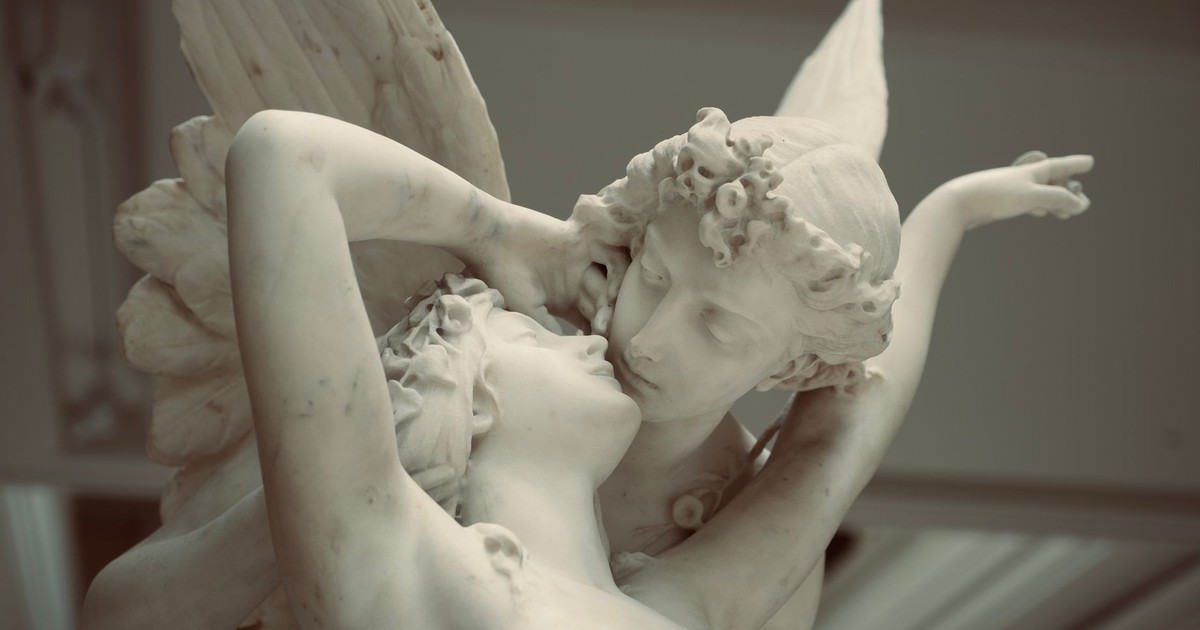
Greek gods are given beautiful, perfect physical form; Roman gods are not assigned a fixed physical appearance and exist primarily in the imagination of their worshippers.
Homer devotes substantial page space to describing what a god or hero looks like. Achilles’ beauty is inseparable from his identity. Hephaestus’s lameness is tied directly to his character as the craftsman who was rejected and cast down. The body, in Greek myth, tells you who someone is.
Roman gods appear less often in their myths, and when they do appear they tend to be performing a function rather than expressing a personality. The Roman sculptural tradition eventually depicted gods in vivid physical form, but that came largely from Greek artistic influence rather than from the myths themselves requiring it.
4. Greek Heroes Chased Glory; Roman Heroes Served the State
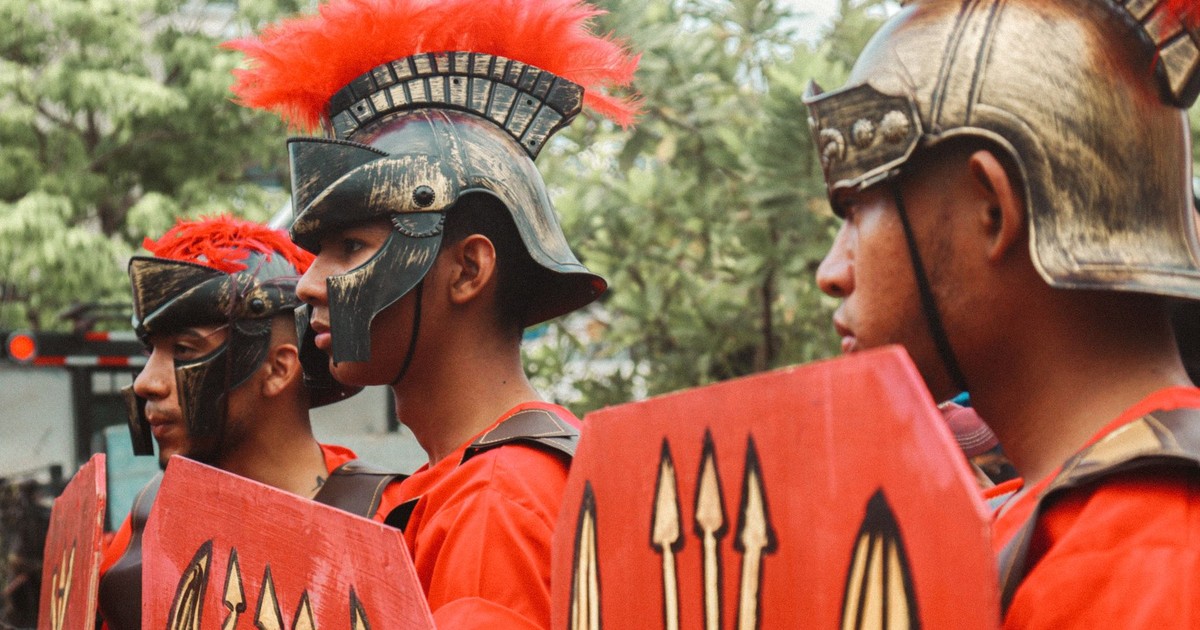
Greek heroism was built around personal glory – being the best, the boldest, the most unforgettable. Roman heroism was rooted in selflessness. A true Roman hero put the state first, showing courage through duty, discipline, and loyalty, even at personal cost.
Greek heroes pursued areté (excellence) and kleos (immortal fame). Achilles fought for personal honor, driven by pride and rage. Odysseus relied on cunning to outwit gods and monsters. Both were fundamentally pursuing something for themselves, and the myths never condemn them for it. The tragic downfall of Achilles isn’t a lesson in selflessness; it’s a meditation on the cost of pride.
Virgil’s Aeneid opens by defining its hero with a single word: pius, meaning pious, dutiful, loyal to his obligations. Aeneas’s defining characteristic is the willingness to subordinate personal desires to collective duty. He leaves Troy because he must. He leaves Dido because he must. He fights in Italy because he must. His pietas – his submission to fate, to the gods’ will, to the obligations of family and state – is what makes him the right founder for Rome. To a Greek hero, that would look like failure. To a Roman audience, it was the definition of virtue.
5. Greek Myths Explained the World; Roman Myths Justified Power
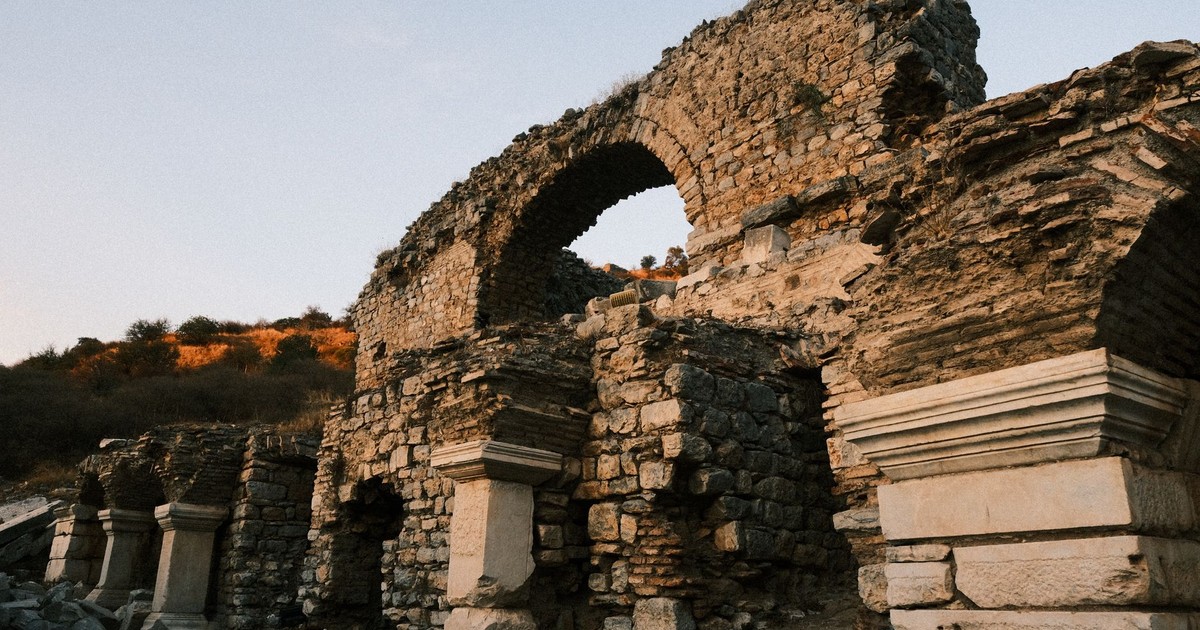
Much of Greek mythology was transmitted through poetry and drama. Roman myths were written in prose, providing a sense of history and a foundation for Roman rituals and institutions. In Roman mythology, the boundary between history and myth was almost indistinguishable: Rome was a city of destiny, and the myths told that story.
Roman stories are often concerned with politics and morality, and with how an individual’s personal integrity relates to their responsibility to the community or state. When the stories touch on Roman religious practices, they focus on ritual, augury, and institutions rather than theology or cosmogony.
The founding myths of Romulus and Remus, the Trojan lineage connecting Rome to divine ancestry, Virgil’s Aeneid commissioned under Augustus – these weren’t organic folk stories. They were curated narratives serving a political project. Roman retellings of Greek myths often had a greater influence on later narrative and pictorial representations than the Greek originals. The versions in Ovid’s Metamorphoses, written during the reign of Augustus, came to be regarded as canonical.
6. Fate Meant Very Different Things in Greek and Roman Myths
In Greek mythology, fate was real and powerful, but the most interesting stories lived in the tension between fate and human choice. Characters tried to evade fate and failed – Oedipus fleeing the prophecy that he would kill his father, running straight toward its fulfillment. Characters accepted fate and died gloriously – Achilles choosing the short glorious life over the long undistinguished one.
In Roman mythology, fate is captured by the term fatum: a predetermined destiny that cannot be altered. The Romans believed fate was an unchangeable force governing the lives of both mortals and gods. Aeneas’s pietas was precisely his capacity to subordinate his own desires to the fate assigned to him. Where Oedipus’s destiny is a horror, Aeneas’s is a privilege.
Roman mythology consistently emphasizes the authority of fate over free will. Characters such as Aeneas follow a divinely ordained path, with individual choices secondary to fate’s direction. Greek tragedy used fate to complicate heroic greatness and break human lives. Roman epic used fate to explain why Rome deserved to exist.
7. Greek Nature Was Alive; Rome Kept Its Spirits Indoors

In Greek mythology, Dryads guarded trees, Naiads watched over springs, and countless others personified rivers, mountains, and meadows. Every significant tree might be a nymph. Every river had a god. The boundary between the human world and the supernatural was thin and permeable anywhere outdoors.
Roman belief centered on spirits that protected the home, family, and society. The Lares and Penates were household guardians, honored in daily life. The Lemures represented restless or malevolent dead, appeased through tradition. The Genius was a personal guiding spirit tied to each man’s fate. Roman sacred geography was primarily interior – the home, the temple, the city boundary. Nature in Roman mythology is territory to be organized and civilized, not a living thing to be treated with awe.
Greek mythology emerged from a world where the sea was unpredictable, mountains were isolating, and the natural world was a constant presence in daily life. Roman mythology emerged from an empire that was, above all else, an engineering project.
8. The Names Tell You Everything About the Priorities
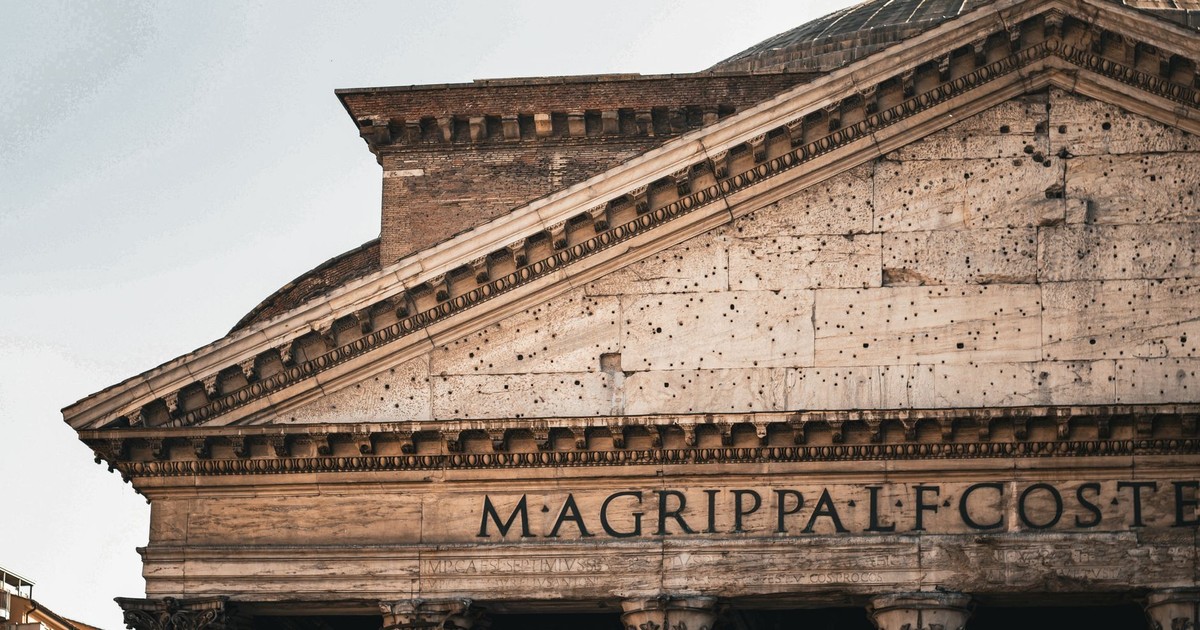
Greek divine names evoke personality or power: Zeus carries associations with sky and thunder, Aphrodite with beauty and desire, Ares with the chaos of battle.
Jupiter absorbed Zeus’s sky-related imagery, thunderbolt, and rulership, but remained the protector of Roman law and the state, giving him a more civic and legal role. Ares embodied chaotic violence, but Mars represented disciplined military virtue and the protection of Rome’s foundations. Romans transformed a feared deity into a god of strategy, order, and civic pride.
The Romans called this blending interpretatio Romana. Rather than copying Greek religion directly, Romans reshaped it to reflect their own values, identity, and state-centered worldview. They weren’t interested in preserving the Greek gods as characters; they were interested in the functions those gods performed and whether those functions could be absorbed into Roman civic life. The personality came along for the ride, but it was never really the point.
What Separates Them Is What Separated the Cultures
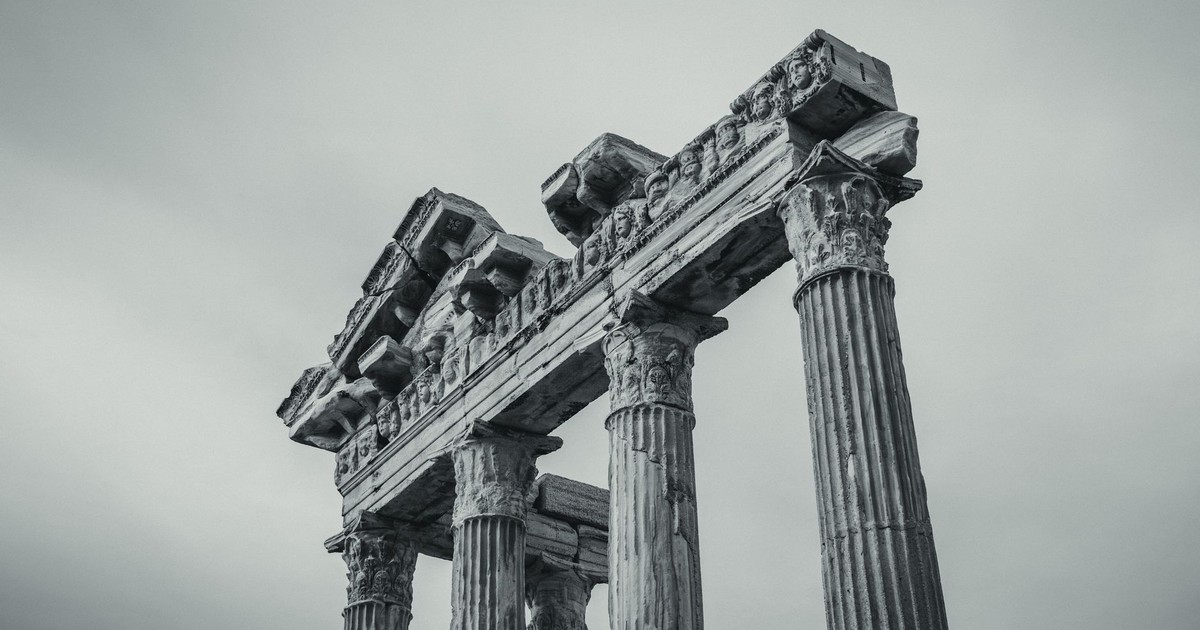
Greek mythology is interested in what it feels like to be human. Roman mythology is interested in what it means to be Roman. One asks questions. The other answers them, and the answer is always Rome.
Greek tragedy produced some of the most honest explorations of suffering, pride, and fate ever written. Roman myth produced an organizing story powerful enough to hold an empire together for centuries. Both accomplish something real and something difficult. They just have completely different jobs.
Both traditions remain alive in the stories Western culture tells itself. The lone hero pursuing glory against the odds is a Greek inheritance. The soldier who sacrifices personal happiness for the good of the country is a Roman one. When those two values collide in a modern story, they’re still fighting the argument Homer and Virgil were having two and a half millennia ago. Neither tradition resolved it, which is probably why we keep returning to both.
AI Disclaimer: This article was created with the assistance of AI tools and reviewed by a human editor.