

Most of us know the obvious rules. Don’t cut in line. Hold the door. Don’t stare. But there’s a whole other layer of behavior that flies just below our awareness – the stuff we do constantly without realizing other people are clocking it. They form opinions. They adjust how they treat you. They just don’t say anything.
About a third of Americans almost always or often witness rude behavior when they go out in public, while another 46% see it sometimes. That’s a lot of people silently cataloguing a lot of behavior, most of it committed by people who have no idea they’re doing it.
The list below isn’t about dramatic confrontations or obvious transgressions. It’s about the smaller, subtler signals – the ones that land before anyone decides whether to say something.
1. How You Handle Your Phone in Shared Spaces
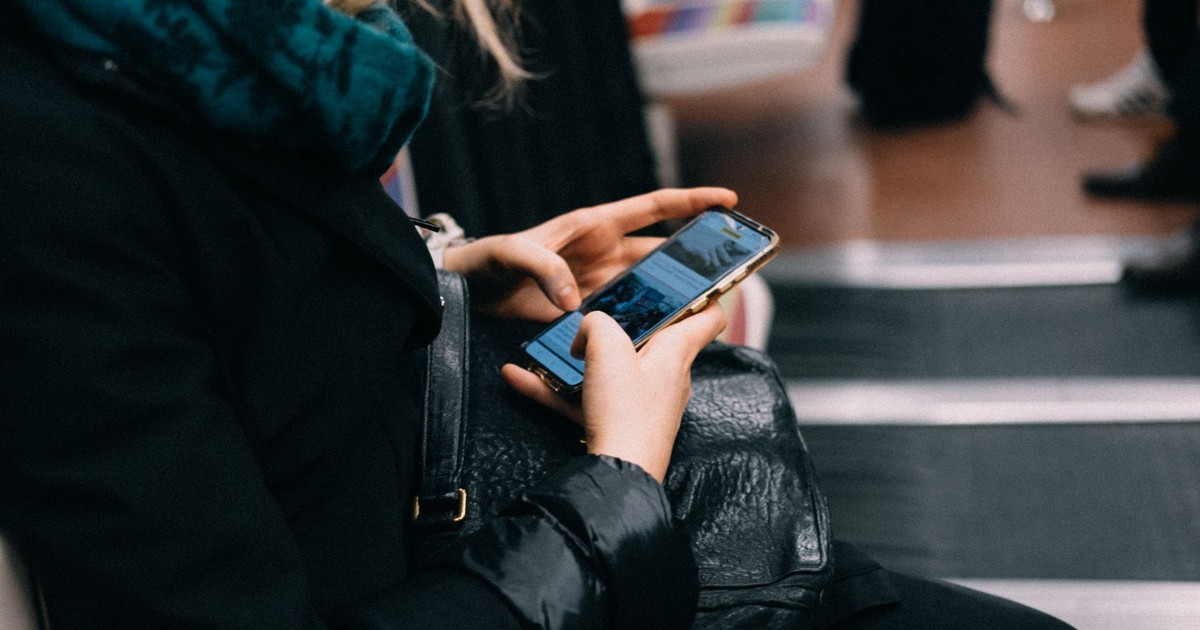
A survey of 9,609 U.S. adults conducted by the Pew Research Center in November 2024 found that about a third of Americans almost always or often witness rude behavior in public, while nearly half of U.S. adults say public behavior is ruder than before the COVID-19 pandemic – including 20% who say it’s a lot ruder. Much of what’s driving that perception isn’t shouting or shoving. It’s phones.
A PCMag survey of more than 2,000 adults, conducted by YouGov, found that 75% of U.S. adults consider it unacceptable to video chat or take phone calls on speakerphone in public spaces like coffee shops or grocery stores – and that 87% of Boomers find it inappropriate, while 41% of Gen Z deems the same behavior acceptable. Speakerphone calls force everyone nearby to hear half a conversation they didn’t consent to, and the audio pattern is unpredictable enough that it’s nearly impossible to tune out. Bystanders don’t comment. They just remember you as that person.
The phone-on-the-table habit during face-to-face conversations is a related one. Even when you’re not looking at it, its presence sends a signal. Research has consistently shown that a phone sitting face-up on a table reduces conversational depth and makes the other person feel less important than whatever might be incoming. You don’t need to answer it for it to do its work.
2. Where Your Eyes Go
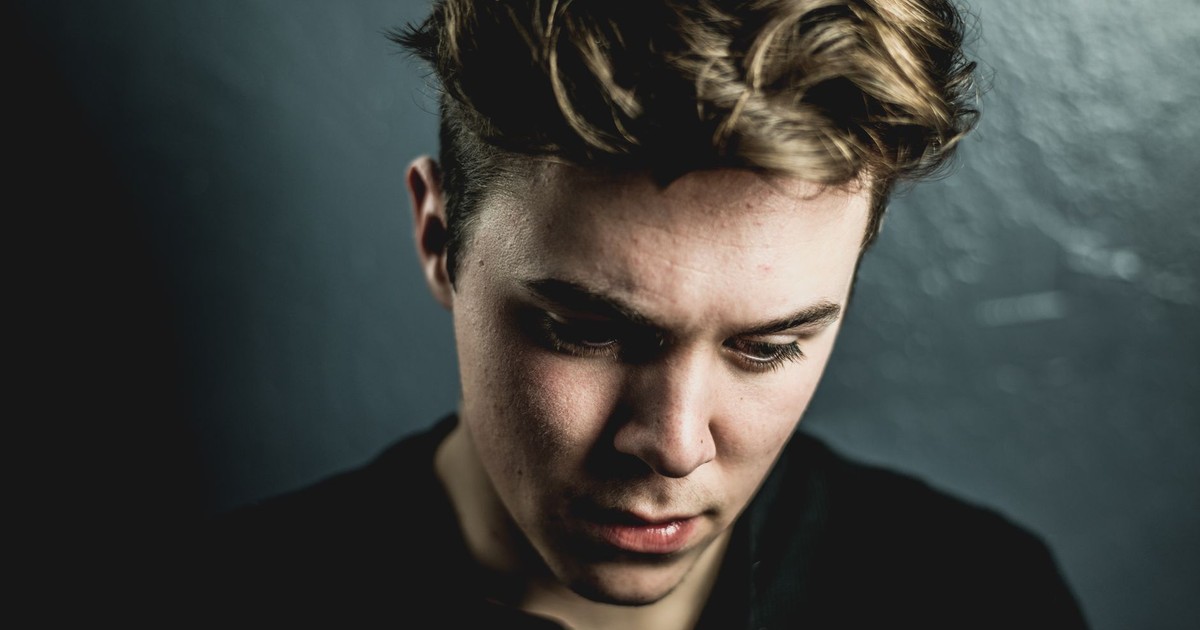
Eye contact is one of the most precisely read social signals humans use, and most people calibrate it without realizing they’re doing it. Non-verbal cues account for approximately 65% of all communication, and among these, eye contact holds a uniquely powerful role, often associated with honesty and openness.
Too little, and people register disinterest or evasiveness. Too much, and it reads as aggression or intensity. The sweet spot most people instinctively recognize is steady engagement with natural breaks – what researchers describe as the pattern of someone genuinely paying attention rather than performing it. When someone holds your gaze for a beat too long in a neutral context, or never meets your eyes at all during a conversation, you feel it, even if you don’t name it.
Research suggests that eye contact increases prosocial behavior through heightened self-awareness, and that it can also support constructive social behavior by causing people to experience heightened embarrassment when they are tempted to break social norms. In other words, looking at someone keeps both of you more honest. Choosing not to look at them at all is a social withdrawal that people feel, even in brief encounters with strangers.
3. How You Occupy Shared Physical Space
The center of the grocery store aisle. Playing music aloud rather than through headphones. Walking three-abreast on a narrow sidewalk while everyone behind you waits. These behaviors come up again and again in surveys about public rudeness, and they all come down to the same thing: acting as though the space belongs to you alone.
How you position your body in shared spaces tells people something about how much you’ve registered their existence. Stopping dead on a busy sidewalk to check your phone, spreading across two seats on public transit, or parking a stroller crossways in a narrow café corridor – nobody says anything, but they all notice. People do a constant, low-level audit of whether those around them are aware that the space is shared.
Proxemics, the study of how humans use physical space in social interaction, has long established that most people in Western cultures have an intuitive personal bubble of about 1.5 to 4 feet for casual social interaction. Intrude on it unexpectedly, and people tense. Take up more room than the situation calls for, and people form a judgment. It happens fast, and it sticks.
4. Whether You Acknowledge Service Workers

This one is close to invisible to the people doing it, which is what makes it so readable to everyone watching. The way someone treats a server, a cashier, a barista, or a rideshare driver while being observed by others says something specific and hard to shake. Not whether they tip (which is also noticed, but that’s its own conversation), but whether they make eye contact, say thank you, acknowledge the human in front of them at all.
One of the most common biases in social perception is the actor-observer effect, where people attribute their own behavior to situational factors while attributing others’ behavior to their personal traits. In practice: when you snap at a cashier because your day is hard, you know you’re having a bad day. Everyone else watching just sees how you treat people who can’t snap back.
The table next to you at a restaurant notices. The person in line behind you at the checkout notices. Whether you looked up from your phone when the cashier said hello, whether you said please, whether you acknowledged the interaction as one between two people rather than one person and a service function – it all gets filed away.
5. How Loudly You Talk
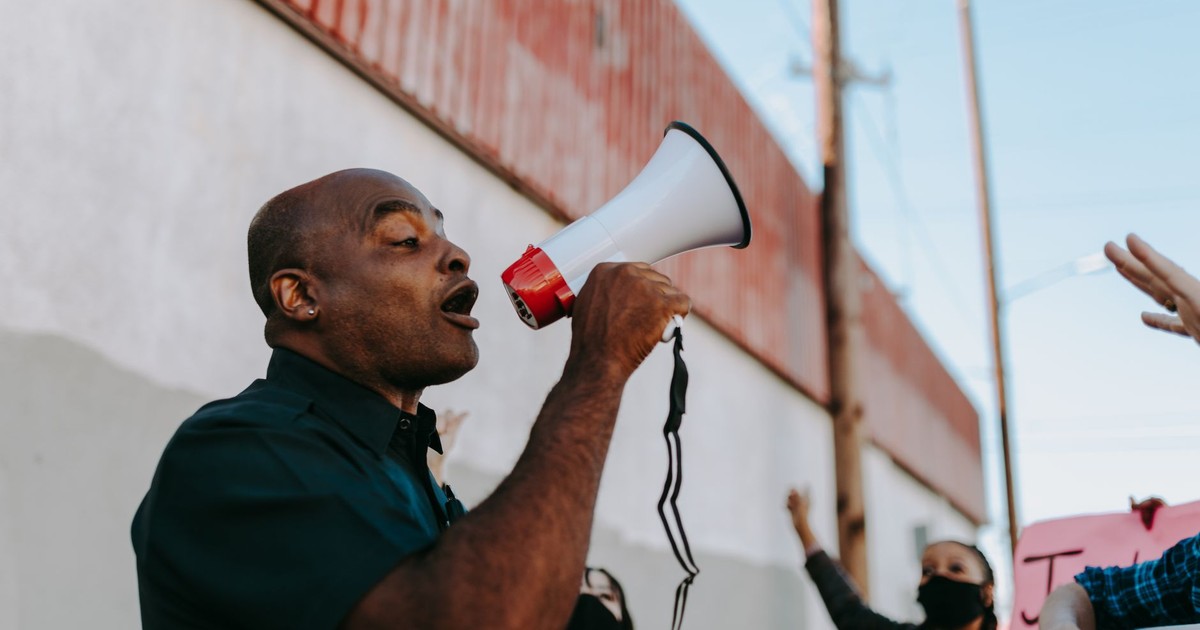
55% of surveyed adults say they have felt uncomfortable having to overhear a private conversation. The average person also speaks about three times louder when talking on a cell phone than they otherwise would. Three times louder is the difference between a murmur and something the whole coffee shop can follow.
Volume in public spaces signals social awareness in general. People who modulate their voice in a library, a waiting room, or a crowded elevator are communicating something about how much they’ve registered that other people share the space. People who don’t – who laugh loudly enough to turn heads, who continue a heated personal conversation at full volume in a café – are noticed in a way they likely don’t intend.
Volume is often completely unconscious. Most people aren’t choosing to be loud; they’ve just stopped calibrating. But the people around them are still taking stock, still forming impressions, still deciding whether to get up and move somewhere else entirely.
6. Your Waiting Behavior
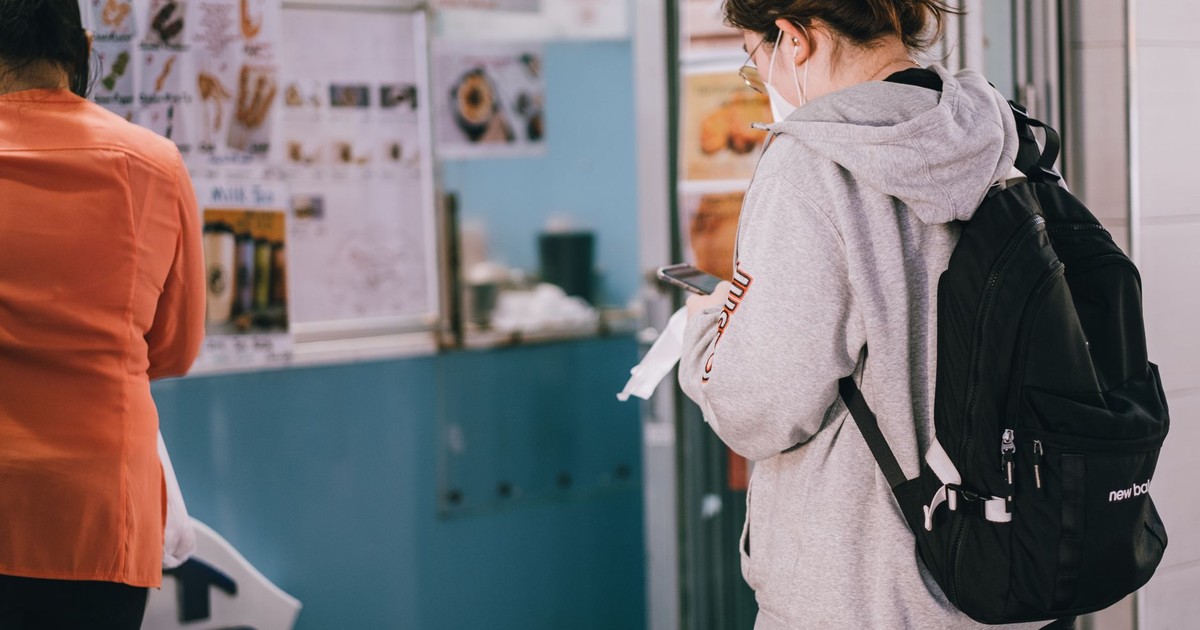
The way a person waits reveals a remarkable amount. Whether you’re in a queue, at a crosswalk, or in a waiting room, your patience or lack of it is on full display. Sighing loudly, crowding forward before a space has opened, checking your watch in an exaggerated way – people behind and beside you clock all of it.
A 2025 study from Lancaster University, published in the Journal of Pragmatics, proposed a “Principle of Impoliteness Reciprocity” – finding a tit-for-tat pattern in which one person’s rude behavior provokes another’s, and that “interactional chains” tend to escalate rather than de-escalate once things start to derail. Queue behavior is a near-perfect illustration of this. The person who edges forward makes the person behind them feel pushed. That person edges forward. Within two minutes, a twelve-person line has compressed into an anxious huddle, and everyone is marginally more irritable than they were at the start.
Cutting in line is the version everyone talks about because it has a visible offender. The subtler form – hovering, crowding, or radiating impatience in a way that pressures everyone around you – is just as noticed, even when nobody says a word.
7. Whether You Hold the Door
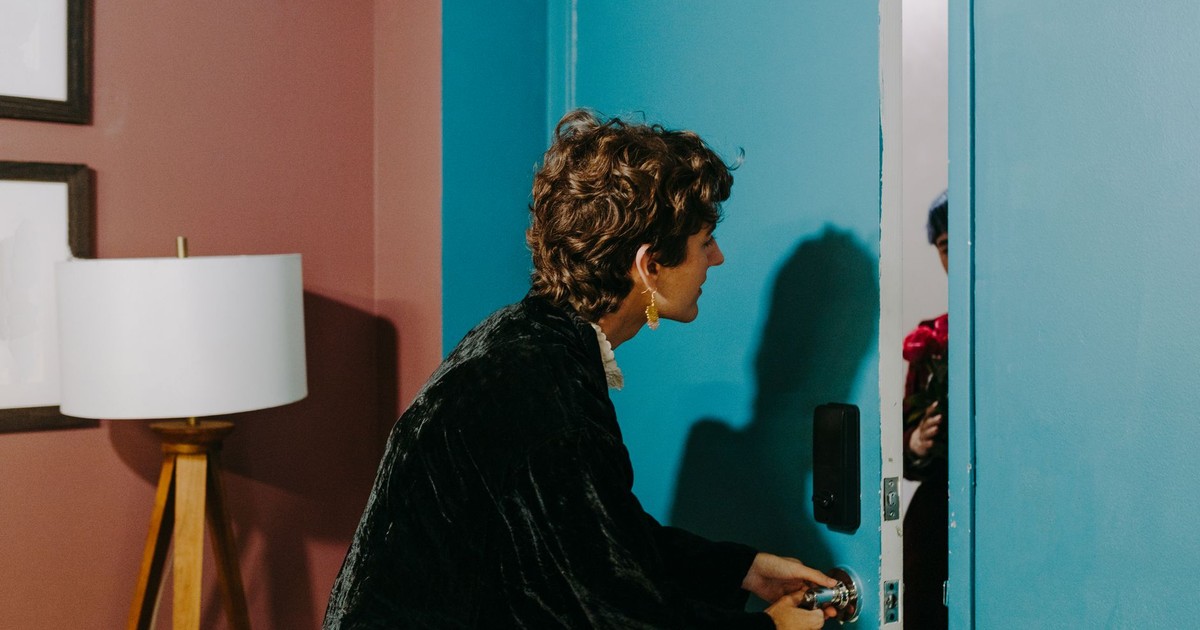
Despite the general sense that public behavior has worsened, the vast majority of Americans (84%) say it’s very or somewhat easy for them to know what’s appropriate to do in public. Holding the door is one of those things. It’s one of the most universally legible small gestures in public life, and people notice when it doesn’t happen.
The version that stings most isn’t the stranger who lets a door swing closed when you’re twenty feet away – that’s a reasonable call. It’s the person who is close enough that you speed up to catch the door, who makes eye contact, and still lets it go. That combination – awareness plus inaction – reads as a deliberate slight, even if it wasn’t meant that way.
Returning the gesture matters too. Someone who holds the door and receives no acknowledgment at all notices that absence. The brief thank-you, the eye contact, the slight nod – these micro-transactions are the social cement of public spaces. They’re tiny and they cost nothing, and their absence is oddly palpable.
8. What Happens to Your Trash
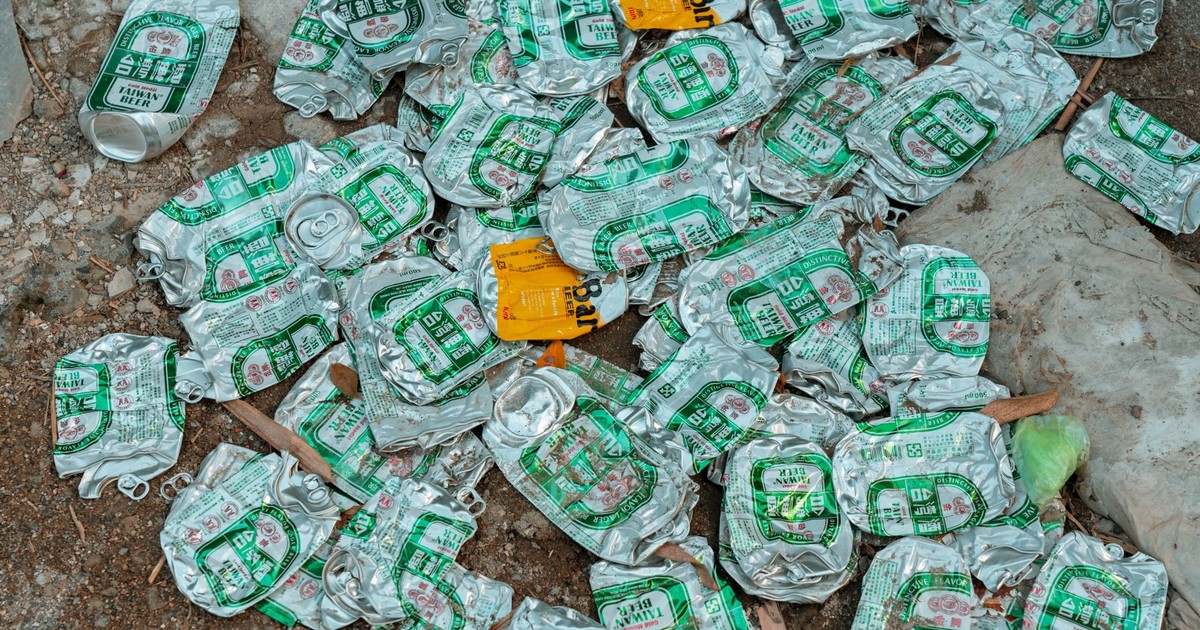
Littering is one of those behaviors that feels victimless to the person doing it and completely visible to everyone else. Leaving a coffee cup on a shelf instead of walking four steps to a bin, letting a receipt flutter to the pavement, not cleaning up after your dog in a park – people notice, and the judgment is swift and comprehensive.
Public behaviors that surveys define as rude include not just loud music and cursing, but also a range of low-level careless actions that signal a disregard for shared space. Littering falls squarely into this category. It doesn’t require any confrontation to register. The person who sees it happen has already formed a complete impression of you, in silence, before you’ve even walked away.
The cumulative effect compounds things further. One person leaving a cup behind makes the next person slightly more likely to do the same – the broken windows principle applied to coffee cups. You’re not just being judged in isolation; you’re actively shaping a shared environment that everyone uses.
9. The Photograph Thing
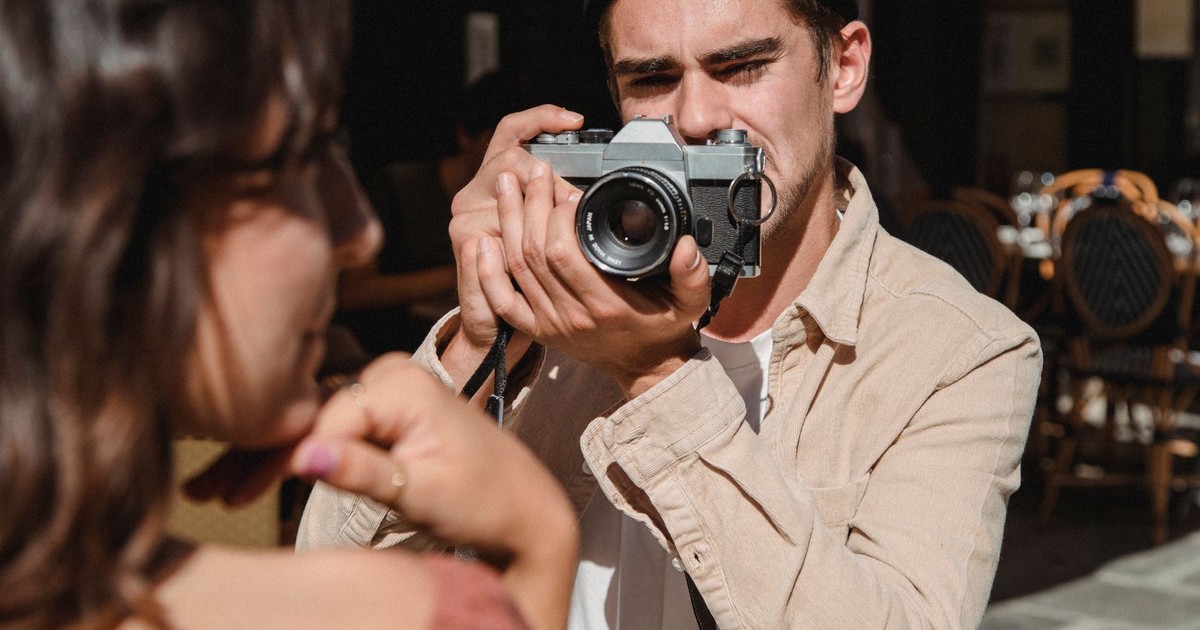
Taking photos of people without their permission is something that most Americans consider rude in public settings, and yet it happens constantly – people photographed mid-bite in restaurants because they happened to be in the background, strangers captured in candid street shots that end up on social media, people filmed during arguments or accidents without being asked.
Feeling seen by a camera in a casual setting is a specific kind of discomfort that’s hard to name but immediately recognizable. Most people don’t say anything. They feel it, they register it, and they carry that interaction with a specific unease that’s hard to shake.
Even photographing things that are near people falls into a gray zone. Pointing your camera at the storefront behind someone while they’re eating at an outdoor table, crouching down for a shot of the pavement while a group tries to walk past – spatial awareness around photography is something people notice and almost never say anything about.
10. How You Leave Shared Spaces
The last impression you leave in a public space is the one that travels. Whether someone noticed you or not for the previous hour, they notice how you left. The gym equipment returned to its rack versus left in the middle of the floor. The café table wiped down versus abandoned with crumbs and an empty cup. The dressing room items rehung versus left in a heap for someone else to deal with.
The unspoken rule of shared spaces is roughly this: leave things as you found them, or a little better. People who do that without being asked – who push their chair back in, who wipe up a spill at a coffee station that isn’t their spill – are noticed just as clearly as the people who don’t. They just get noticed differently.
Read More: 15 Science-Backed Secrets That Will Actually Make You More Attractive
What Nobody Actually Says
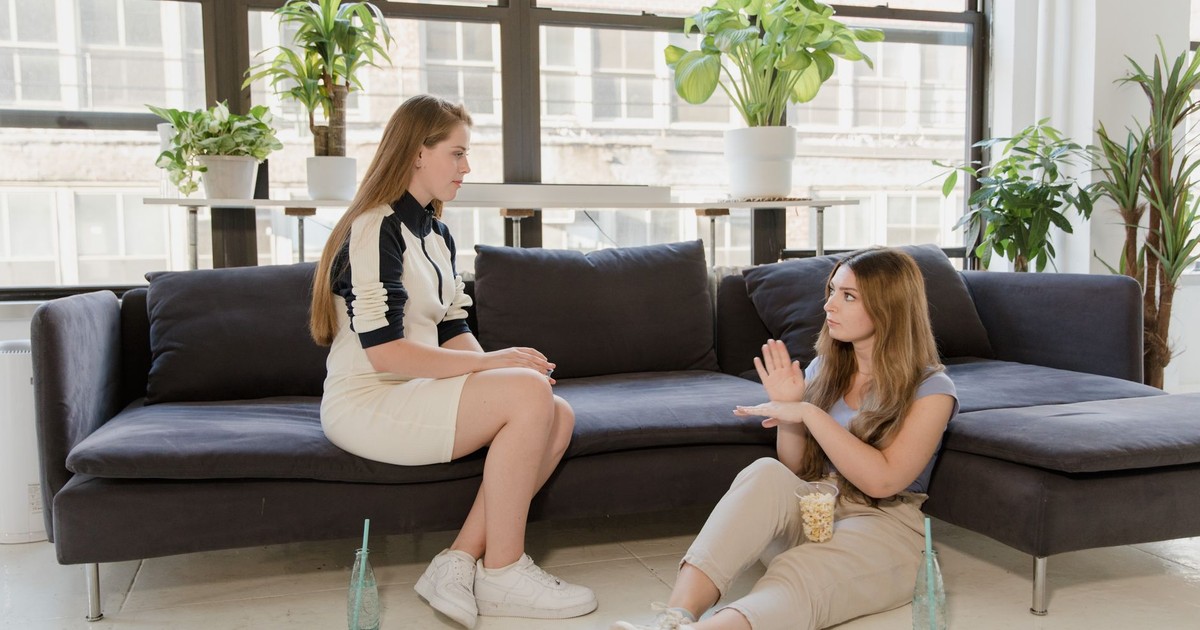
The common thread across all ten of these behaviors is awareness, or the visible absence of it. Not dramatic rudeness, not cruelty – just the everyday signal of whether you’ve registered that other people are sharing the space with you. People read that signal constantly and update their impressions accordingly.
Social perception encompasses how people form impressions of others’ personalities and attribute intentions to their actions, and the impressions formed can significantly influence subsequent interactions, often resulting in lasting judgments formed in seconds. Most of those impressions, in public, happen in exactly these moments: the speakerphone call, the door that didn’t get held, the table left for someone else to deal with. Nobody said a word. But everyone noticed.
What makes this all slightly uncomfortable to sit with is that most of it isn’t about bad intentions. Very few people set out to be the person others are quietly writing off. The gap between the person people notice favorably and the person they silently dismiss is almost always a matter of attention – specifically, whether someone seemed to know other people existed. That’s a low bar to clear. Most of us just forget to try.
AI Disclaimer: This article was created with the assistance of AI tools and reviewed by a human editor.