
Most people think about attractiveness the way they think about height: either you have it or you don’t. But decades of behavioral science have made one thing clear – the factors that actually drive attraction are far more flexible, more behavioral, and more surprising than anyone who’s been sold a skincare regimen has been led to believe.
The research paints a picture that doesn’t look anything like a magazine cover. Things like how you hold your body while waiting for the elevator, whether you’ve been sleeping well, the food you ate last week, and whether you can make someone laugh all turn out to move the needle – sometimes dramatically. And the science on why is genuinely interesting. Attractiveness isn’t a fixed property you either possess or don’t. It’s a set of cues the brain reads constantly, often without conscious awareness, and most of those cues are things you can actually change.
Here is what the research says – across psychology, evolutionary biology, and behavioral science – on how to become more attractive, grounded in what studies have actually found rather than what sounds plausible.
1. Stand Like You Own the Room
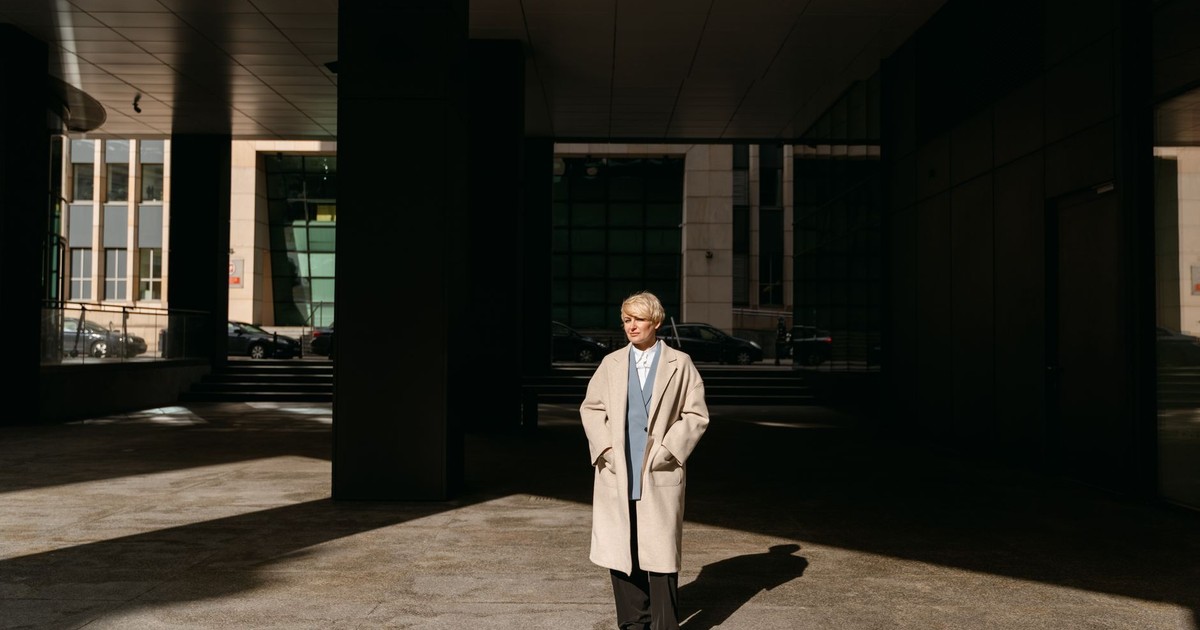
Across two field studies of romantic attraction, researchers found that postural expansiveness makes humans more romantically appealing. In a speed-dating study of 144 couples, postural expansiveness – expanding the body in physical space – was most predictive of attraction, with each one-unit increase in coded behavior nearly doubling a person’s odds of getting a “yes” response. A subsequent field experiment of 3,000 online daters confirmed that postural expansion causes romantic attraction. The study was led by Tanya Vacharkulksemsuk at UC Berkeley and published in the Proceedings of the National Academy of Sciences.
The data suggested that expansive, as opposed to contractive, body posturing communicates a sense of perceived dominance or openness that is romantically desirable. The effect held across both men and women, though the magnitude was larger for men. This is less about power poses and more about not collapsing inward. Shoulders back, chest open, arms not crossed over your body. The body makes a case before you’ve said a single word.
As Vacharkulksemsuk explained: “This paper is about the signal value our body postures hold, the subtle behaviors that humans do that affect how others judge. Like a smile – a smile can signal many things. The body makes signals, and perceivers pick up on cues very quickly.” People in the studies couldn’t explain why they preferred one photo over another. They just did.
2. Get Eight Hours of Sleep (No, Really)
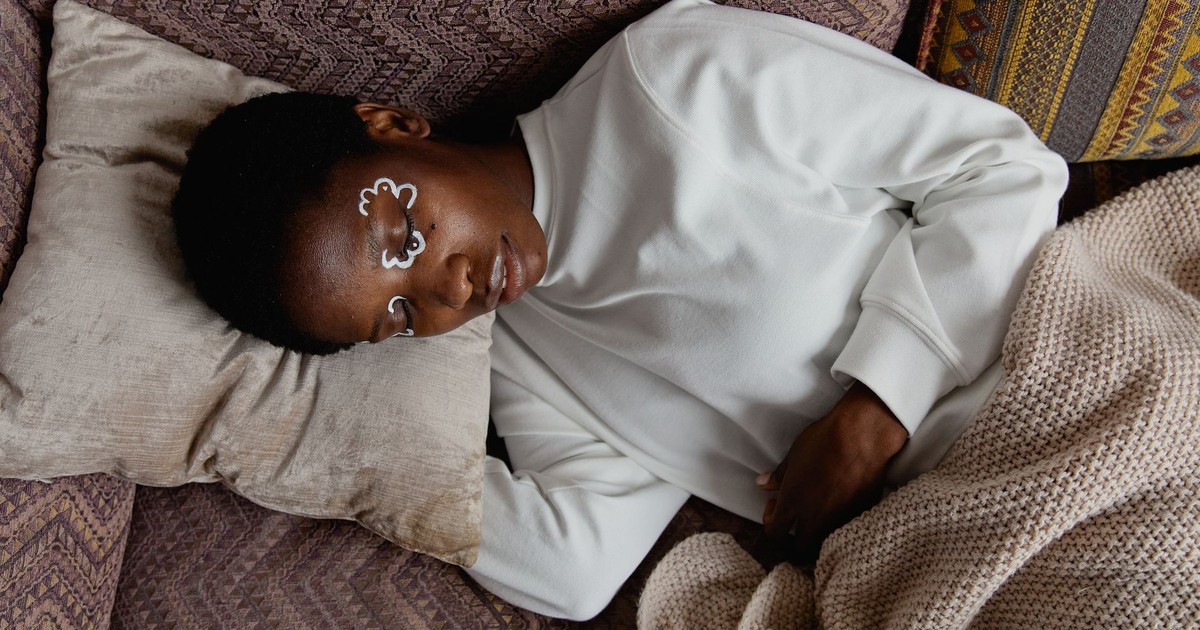
Research published in the BMJ showed that sleep-deprived people appear less healthy, less attractive, and more tired compared with when they are well rested, suggesting that humans are sensitive to sleep-related facial cues, with potential implications for social and clinical judgments and behaviour. The study photographed participants after a full night of sleep and again after sleep deprivation, then had independent observers rate the photos blind.
A follow-up study found that raters were less inclined to socialize with individuals who had gotten insufficient sleep, and that sleep-restricted participants were perceived as less attractive, less healthy, and more sleepy – with no difference in perceived trustworthiness. That last finding matters: it isn’t just that tired people look worse. They are actively less appealing to be around, which affects how people treat them socially.
The takeaway here is stubborn in its simplicity. No moisturizer, no concealer, no lighting trick closes the gap that consistently poor sleep opens up. The face shows what the body is doing internally, and two nights of bad sleep is enough for strangers to notice.
3. Let Your Expressions Do the Work

Research has long examined fixed structural features like facial symmetry, but the causality runs both ways. A face expressing warmth and openness reads as more attractive – not because it’s structurally different, but because the emotional cue changes the whole evaluation. People are extraordinarily good at reading facial movement, and what they’re reading has as much to do with what you’re communicating as what you look like.
People who display positive emotions, primarily through facial expressions, are consistently rated as more likable and more attractive as potential dating partners. The most accessible application of this is the simplest: stop suppressing your natural expressions in photos and in person. The studied neutrality that passes for “looking cool” often registers to observers as closed, cold, or uninterested. Genuine engagement, even a real laugh, changes how the face scores in attractiveness ratings.
4. Eat More Fruits and Vegetables (Your Skin Will Show It)

Six-week changes in fruit and vegetable consumption were significantly correlated with changes in skin redness and yellowness, with diet-linked skin reflectance changes significantly associated with the spectral absorption of carotenoids. Carotenoids are the pigments found in orange, red, and yellow produce; they deposit in skin tissue over time, creating a warm, healthy glow that observers consistently rate as attractive.
Evidence published in a PMC review demonstrates that carotenoid-based skin coloration enhances apparent health, and that dietary change can perceptibly affect skin color within weeks – with the coloration associated with increased fruit and vegetable consumption benefiting apparent health to a greater extent than melanin pigmentation. In controlled studies where researchers digitally manipulated skin tone to reflect carotenoid levels, participants consistently preferred the carotenoid-rich versions without knowing why.
Researchers used psychophysical methods to investigate the minimum color change required to produce perceptibly healthier and more attractive skin, finding that modest dietary changes – roughly 2.91 to 3.30 additional portions per day – are sufficient. Unlike a tan, that kind of change doesn’t age skin or carry health trade-offs.
5. The Way You Move Matters as Much as the Way You Look
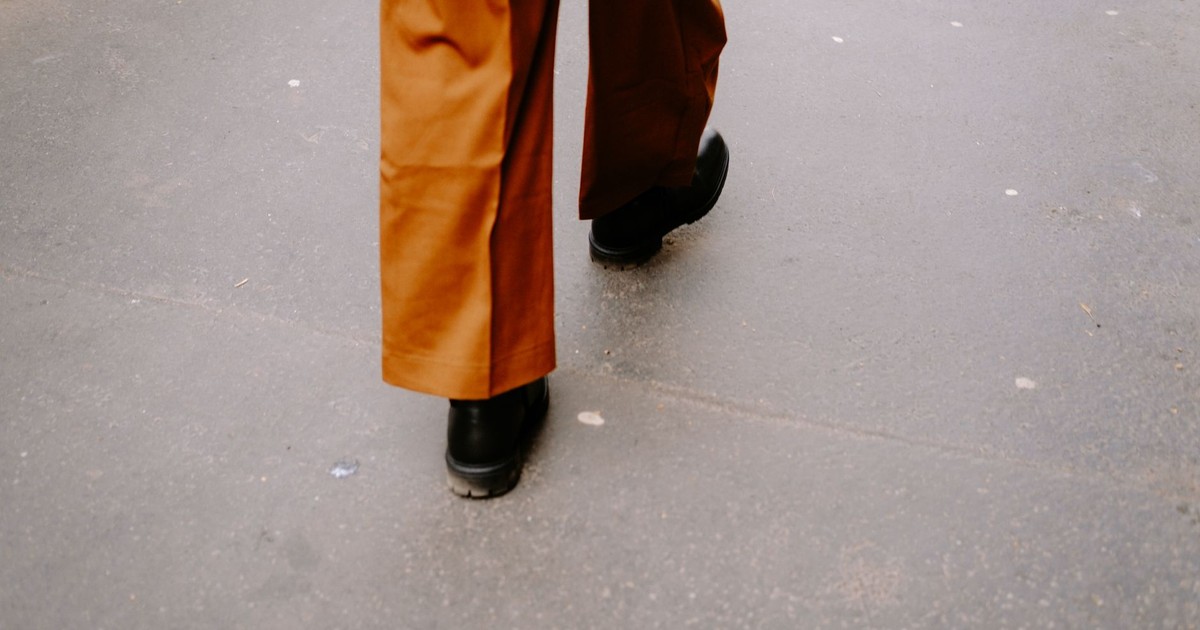
Gait – the way you walk – consistently emerges in research as an underrated component of attractiveness. People draw confident, health-related, and personality inferences from movement cues within the first few seconds of observation. What observers pick up on is a combination of rhythm, fluidity, and ease in movement. A walk that looks deliberate and comfortable reads very differently from one that looks hurried, rigid, or self-conscious.
This is trainable. Walking with slightly slower, more deliberate steps, relaxed shoulders, and a gaze that isn’t pointed at the ground changes how movement reads to other people. It’s not about performing anything – it’s about not broadcasting anxiety with your body before the conversation starts.
6. Your Voice Is Part of Your Appearance

Voice pitch, resonance, and variation all influence how speakers are rated on attractiveness, confidence, and social appeal. Research is consistent: people prefer voices with natural variation over flat, monotone delivery. A voice that modulates – rising slightly with genuine interest, slowing for emphasis, comfortable with pauses – reads as engaged and confident. The anxious habit of speaking faster as a sentence continues, or trailing off at the end of statements, registers as social anxiety and reads as lower status.
None of this requires training with a vocal coach. Slowing your default speaking pace by even a small margin, and letting pauses land rather than filling them, makes a measurable difference in how the voice comes across.
7. Wear Red (Strategically)

Through a series of experiments, researchers found that women consider men paired with a red background or dressed in red more sexually attractive and desirable, with the perception of status mediating the red effect on male attractiveness. Women, in particular, are viewed as more attractive by men when those women display the color red – with men asking target women in red more intimate questions and choosing to sit closer to them.
Research published in a PMC study on clothing color found color-attractiveness associations when males were judged by either sex, or when males judged females – with both red and black associated with higher attractiveness judgments and having approximately equivalent effects. The evolutionary reading is that redness in skin and clothing both cue oxygenation and vitality. Wearing red when you want to make a strong first impression isn’t vanity mythology – it’s a behavioral finding that has replicated consistently across the literature.
8. Be Genuinely Kind (People Can See It on Your Face)

Kindness isn’t just a character trait – it’s a visible one. Research on the “halo effect” (the tendency to assign positive traits to attractive people) has a lesser-known sibling: when people are told someone is kind before seeing them, they consistently rate that person as more physically attractive. The personality rewrites the face in real time.
Studies on social decision-making have found that perceived personality traits influence how physically attractive someone is judged to be, with associations to positive personality traits producing outcomes similar to those attributed to facial attractiveness itself. Warmth and prosocial behavior don’t just make people like you more in the abstract. They literally change how your face is evaluated. Being visibly kind – not performative, but genuinely engaged and generous in your attention – changes the first impression your face makes.
9. Develop (and Deploy) a Genuine Sense of Humor

Humor’s role in attraction is well-established and frequently misunderstood. It’s not about being funny – it’s about being someone who finds life genuinely amusing and communicates that through real laughter, quick observations, and ease. Performed humor (jokes delivered at designated moments) reads differently than the kind that emerges naturally from how someone sees the world.
Research on mate preferences consistently ranks humor production high on the list of what people find attractive, particularly in long-term contexts. The reason is probably dual: humor indicates intelligence and creativity, and it indicates social confidence. Someone who can say something genuinely funny in a room full of people isn’t anxious. That ease, more than any punchline, is what the brain is tracking.
10. Look People in the Eyes

Eye contact is one of the most powerful regulators of social connection and perceived attractiveness, and most people use it wrong in one direction or the other. Too little and you read as disengaged, anxious, or untrustworthy. Too much and it tips into uncomfortable territory. The sweet spot – making eye contact for roughly 60 to 70% of a conversation, especially while listening – reads to others as genuine engagement and confidence.
The science behind this ties to what researchers call the “gaze effect”: sustained but natural eye contact during a conversation increases feelings of connection and, in many studies, rated attractiveness. It communicates that you’re present in the conversation rather than monitoring the room or waiting for your turn to speak. The most straightforward way to improve this is to make a conscious habit of really looking at the person you’re talking to when they’re speaking, not just when you are.
11. Exercise Regularly (for Reasons Beyond Aesthetics)
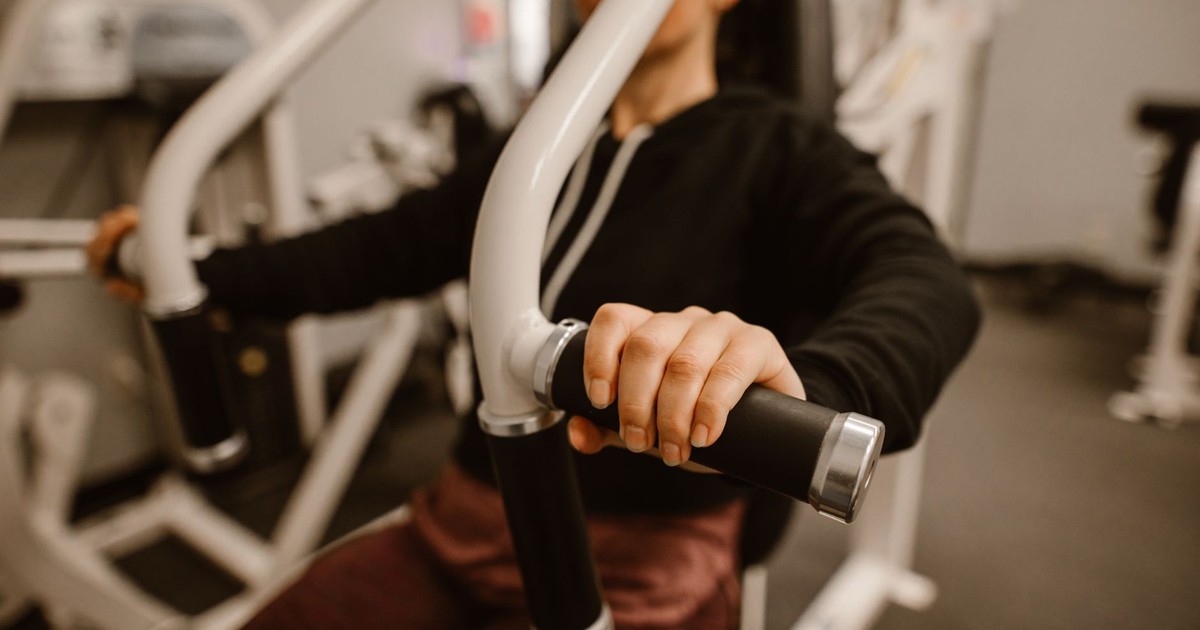
Regular exercise influences facial appearance through multiple pathways: it increases cardiovascular fitness (which affects skin coloration and oxygenation), reduces cortisol – the stress hormone – over time, and improves sleep quality, each of which independently influences how the face is rated by strangers. Beyond the face, exercise affects how people carry their bodies and the ease and fluidity of their movement.
Someone who exercises regularly tends to move differently – with more ease, less rigidity – and that gait difference is detectable to observers. Not because of muscle definition, but because of how the body occupies space. These factors compound: better sleep from exercise improves how the face reads; improved posture from regular movement changes how the body reads; and reduced stress levels affect skin quality over time.
12. Smell Like You’re Healthy, Not Like You Tried
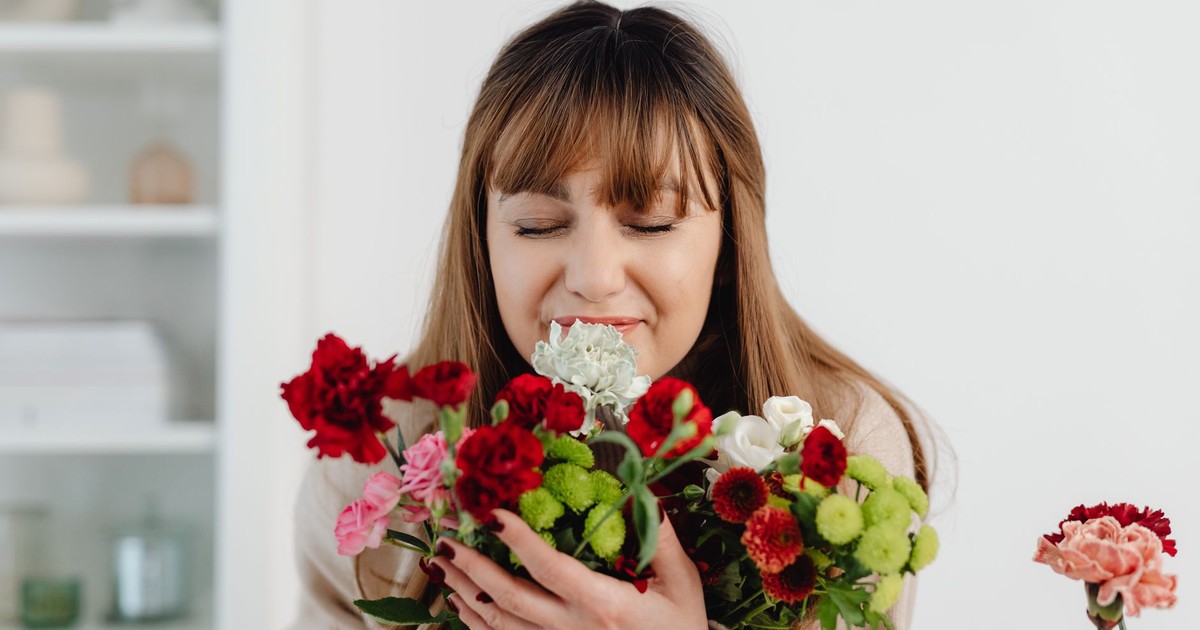
Natural body odor, influenced heavily by diet, stress levels, and immune markers, carries information the brain reads without translating into conscious language. People in studies consistently prefer the scent of individuals whose immune system markers complement their own, a process researchers tie to genetic compatibility cues.
The practical upshot is less romantic than the research: eliminating bad smells matters far more than adding good ones. The neutral, clean baseline that comes from showering, wearing natural fabrics, and managing stress is the real foundation. Heavy fragrance often covers rather than replaces, and most people in close contact can tell the difference. Light, fresh, and clean consistently outperforms aggressively scented.
13. Dress for Fit, Not Labels

Clothes that fit well change how the body reads to observers in a way that has nothing to do with brand or price. Ill-fitting clothes draw attention to themselves and create visual noise; well-fitting clothes let the person wearing them occupy the foreground. This isn’t about style – it’s about proportion and signal clarity. The body language research on postural expansiveness also applies here: clothes that bunch, sag, or constrict affect how open and confident posture appears.
The specific change that moves the needle most is ensuring the shoulder seam of a shirt or jacket actually hits your shoulder. Everything else falls from that single fit point. Items that fit well at the shoulder can be tailored at far lower cost than most people realize. Two garments that genuinely fit beat ten that almost fit.
14. Skin Tone Evenness Matters More Than Skin Tone Shade
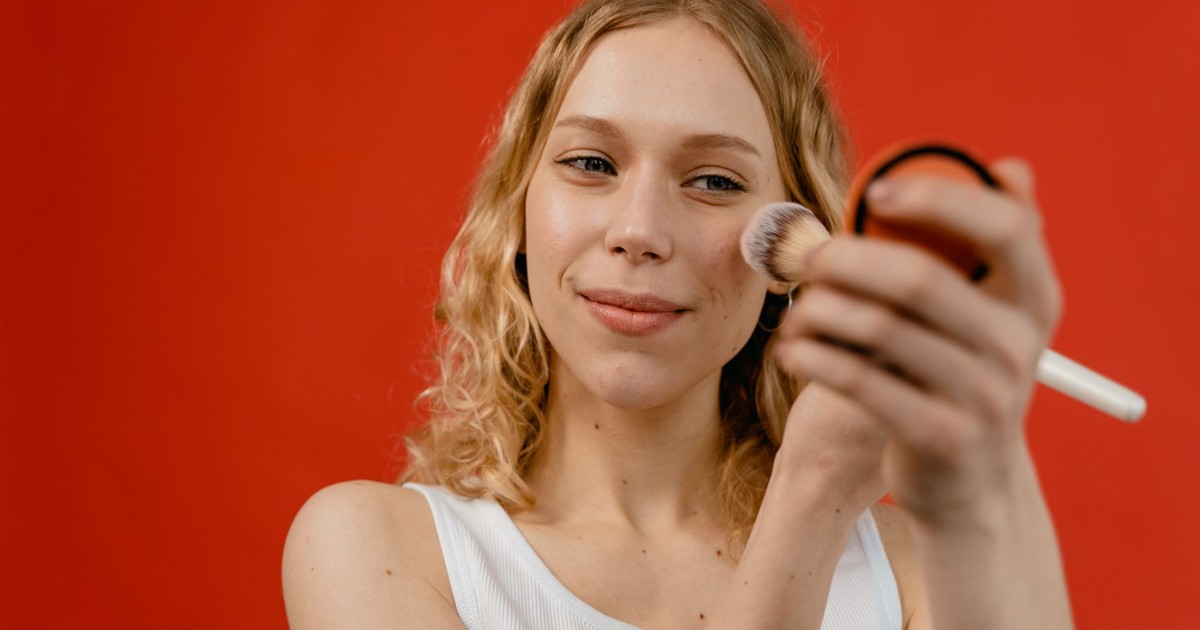
Skin color homogeneity – the even distribution of color across the face – is positively associated with a younger perceived age and greater health and attractiveness ratings. Facial skin lightness, redness, and yellowness have all been associated with healthier appearance, but evenness is the variable that most people overlook.
Redness, blotchiness, and uneven patches read as inflammation and stress to observers in a way that registers as less healthy and less attractive. The drivers of skin unevenness include poor sleep (again), high stress, sun damage, and diet. Addressing the inputs matters more than covering the output. A consistent skincare routine matters less than consistent sleep and a diet that includes enough fruit and vegetables to support carotenoid deposits – which ties directly back to section four. These things are genuinely connected.
15. Slow Down

This one has no single landmark study, but it emerges from multiple research threads as a consistent cue. People who move deliberately, speak at an unhurried pace, respond thoughtfully rather than reactively, and seem generally unrushed come across as confident, higher-status, and – reliably – more attractive. The rushed, reactive person is visibly anxious, and the brain reads anxiety as lower social standing.
You can learn what makes people instantly likeable and find that ease and deliberateness rank near the top of the list, consistently and across cultures. Slowing down is a public statement that you’re not operating from scarcity or fear. You don’t have to prove anything fast, you’re not scrambling for approval, and you can let a pause breathe. In a world where most people are operating at a slightly frantic tempo, stillness and deliberateness make someone look twice.
Read More: 9 ways to keep your house cool without A/C during a heatwave
What to Do With All of This

The consistent thread running through this research is that attractiveness is mostly a health and confidence cue, and most of the things that register as attractive are things the body does when it’s functioning well and the person inside it is at ease. Sleep, movement, diet, posture, emotional openness – these aren’t beauty tips. They’re the output of a life in which you’re taking decent care of yourself and showing up present.
None of these fifteen things require you to be a different person. They require you to be the same person with slightly better sleep, slightly more deliberate movement, and a bit more willingness to let your face actually express what you’re feeling. The research on how to become more attractive keeps arriving at the same inconvenient answer: the most reliable route is being genuinely well, not performing wellness.
AI Disclaimer: This article was created with the assistance of AI tools and reviewed by a human editor.