
Most people think of table manners as trivial – the kind of thing you drill into kids for a few years and then forget about. But watch a table of adults for twenty minutes, and a different picture emerges. Who waits, who reaches, who puts their phone face-up, who thanks the server without being prompted. None of it is accidental.
Dinner etiquette manners are unusual in that they were never really chosen. They were absorbed, night after night, at whatever table you grew up around. The habits that stuck are the ones that went uncorrected – or the ones modeled so consistently they never felt like habits at all. They felt like just how dinner works.
That makes the dinner table one of the most honest places to observe a person. Not because anyone is performing or being tested, but because the behaviors are so ingrained, so automatic, that most people don’t notice they’re doing them. The tells are quiet. But they’re there.
1. Whether You Wait for Everyone Before Eating
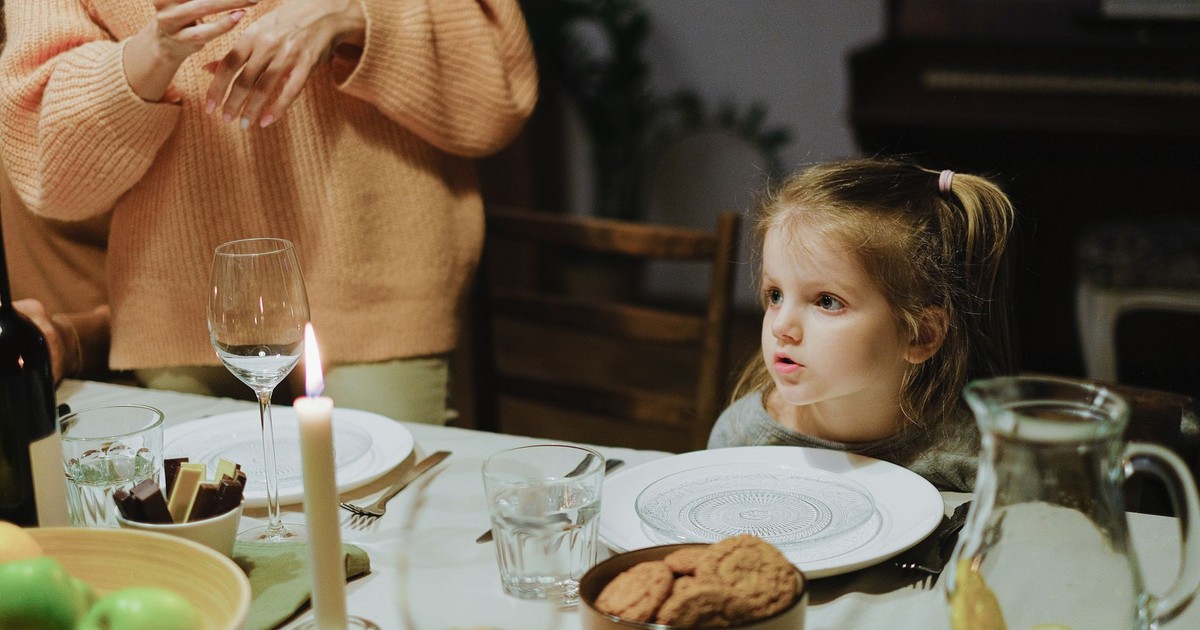
The most basic divide at any dinner table is the person who waits and the person who doesn’t. The one who waits glances around, holds their fork loosely, lets the food cool a little. The one who doesn’t lifts their fork the moment the plate lands, sometimes mid-sentence, sometimes before the host has even sat down.
Waiting until all family members or guests are seated and served before starting to eat is a gesture that shows genuine consideration for others. It teaches patience, delayed gratification, and the understanding that eating together is a social occasion, not just refueling. Children who grow up in households where this was the norm tend to carry it almost without thinking. It became automatic before they were old enough to understand why.
A 2024 study published in the journal Appetite analyzed family mealtime interactions and found that parents’ guidance about behavior at the table functions as a form of “moral talk” – messages about rules, norms, and obligations that address how children manage their bodies and navigate eating-related actions. Waiting to eat together, in that context, is less a rule of etiquette and more an early lesson in what it means to be in a relationship with other people.
While society has become more casual in many respects, basic table manners remain markers of social competence that people notice and respond to. Chewing with a closed mouth isn’t simply an arbitrary rule – it signals awareness that our actions affect others’ experiences. The same logic applies to that pause before the first bite. It’s not performance. It’s a habit built on the idea that other people at the table matter.
2. How You Handle Your Phone
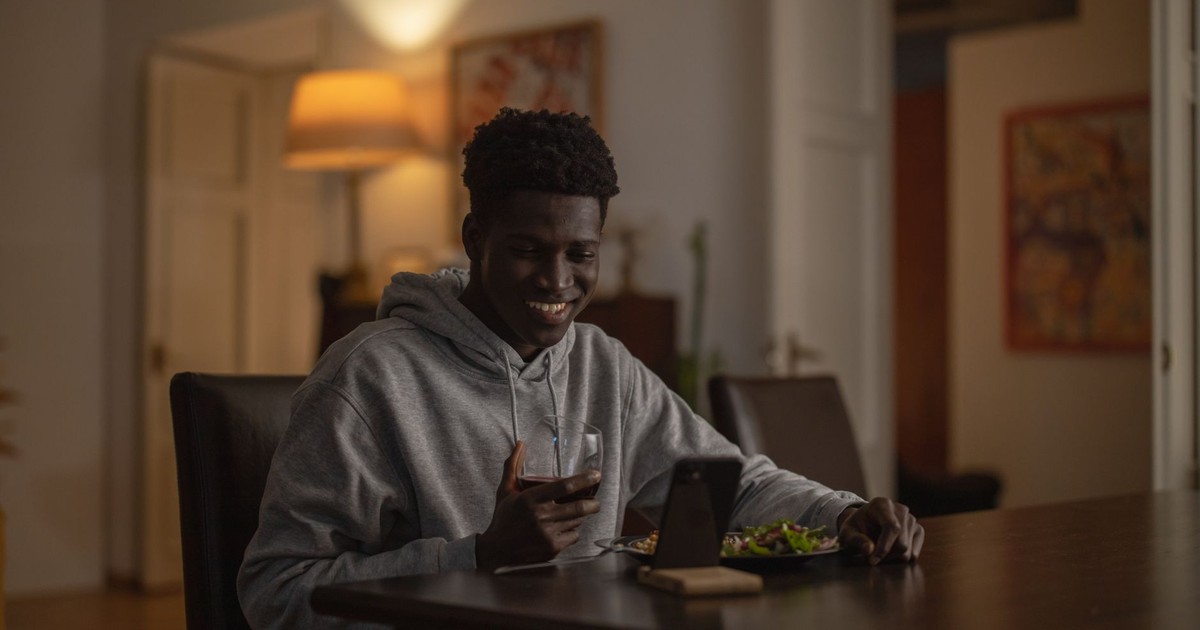
Phones at dinner have long been a divisive issue for families. According to the Family Dinner Project, 56% of people say it’s at least mildly annoying when others at the table use their phones during a shared meal. And yet, phones are on tables everywhere. The divide isn’t between people who think it’s fine and people who think it’s rude – most people, if you ask them, know it’s rude. The divide is between people who grew up in households where dinner was a phone-free time and people who weren’t.
The habit of reaching for a phone at dinner doesn’t arrive fully formed in adulthood. It gets modeled. A parent who scrolled through email during meals taught something, whether they meant to or not. Research on family mealtimes has documented less parent-child conversation and more negative parent reactions to children’s bids for attention when the parent is using a phone at the table. The inattention was the lesson.
The flip side is equally true. Adults who set their phone face-down without being asked, who don’t glance at the screen when a notification comes through, who stay present through a full meal – they almost always came from homes where that expectation existed. The 2025 World Happiness Report, which drew on Gallup survey data from over 150,000 people across 142 countries, found that sharing meals is an indicator of wellbeing on par with income and employment status. But that connection depends entirely on people actually being present for the meal.
3. Whether You Ask for Things to Be Passed or Just Reach
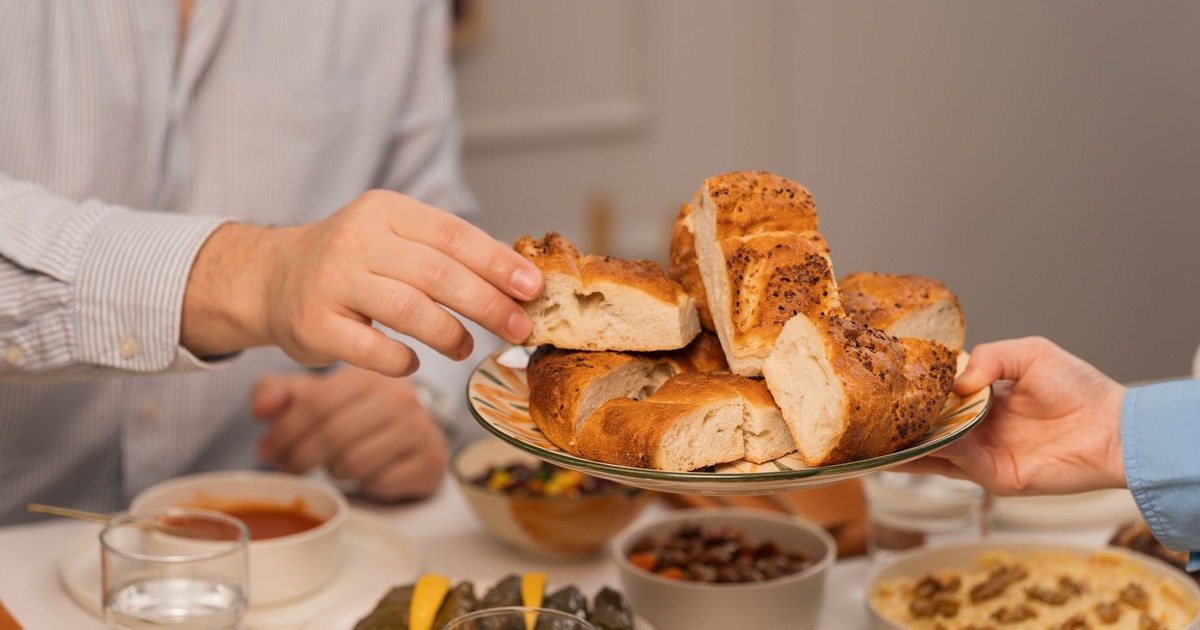
Reaching. Everyone has sat across from someone who does it – the arm that materializes over your plate, the body that leans across the table without a word, the bread basket pulled toward one person as though it belongs to them. It seems minor. It isn’t.
A 2024 survey from YouGov, conducted among 1,139 U.S. adults, found that Americans 45 and older are significantly more likely than those under 45 to put their napkin in their lap while dining (66% vs. 41%) and to ask for items to be passed instead of reaching for them (82% vs. 63%). The gap between those numbers is its own story. It isn’t that older adults are inherently more polite. It’s that they’re more likely to have grown up in households where these behaviors were expected and practiced regularly enough to stick.
The ask-before-reaching habit is one of those dinner etiquette manners that functions as a small act of acknowledgment. It says: I see the people around this table, and they’re part of what’s happening here. Grabbing without asking isn’t aggressive, exactly – it’s indifferent. And indifference at the table, like most indifference, usually went uncorrected for a long time before it became a habit. Good manners learned in childhood tend to persist throughout a person’s life, affecting future relationships at home, at work, and in public.
4. How You Treat the Server
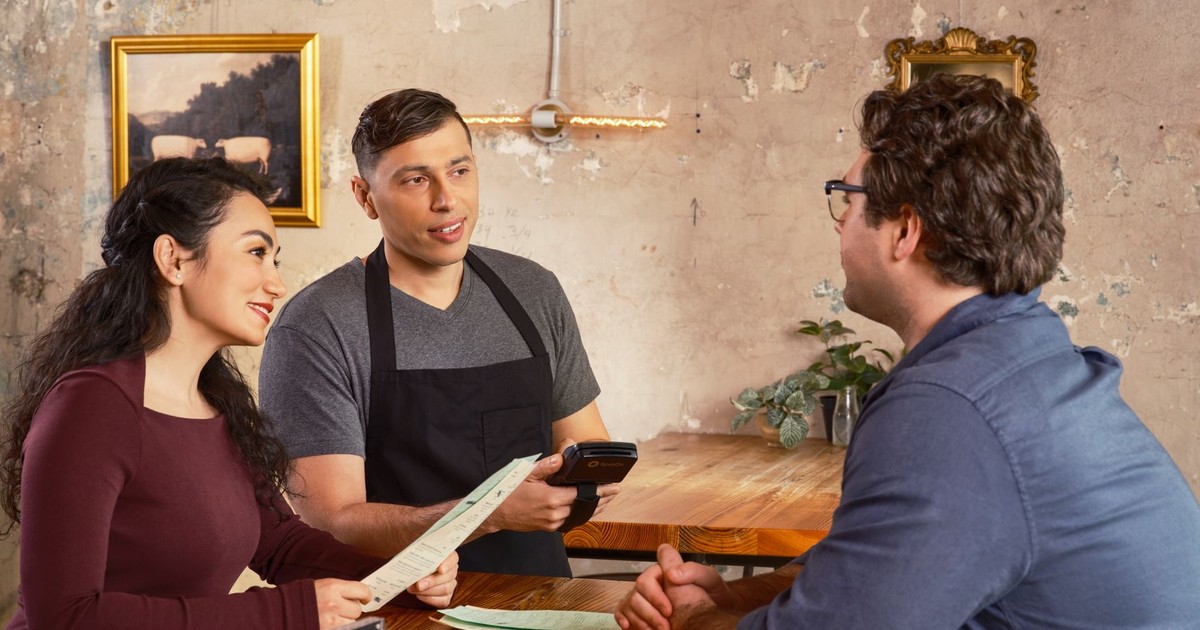
You can tell a great deal about how someone was raised by watching what happens when the server comes to the table. Eye contact or no eye contact. “Can I get” or “May I please have.” Whether they say thank you when the plate is set down, or whether they keep talking straight through it like the server isn’t there.
How people treat service staff in social settings reveals something about how they understand their relationship to other people – whether they see courtesy as something owed only to equals, or as a baseline for every interaction. Food carries deep cultural significance. When you share a meal, you’re participating in a ritual that predates business cards and LinkedIn profiles, and how you handle that ritual signals something about your character.
Children raised in homes where the adults said “please” and “thank you” to waitstaff, where they asked rather than ordered, where they acknowledged the person serving them as a person, absorbed that without being told it was a lesson. It just became the way you talked to people. Children raised in homes where the server was ignored, interrupted, or addressed like a vending machine learned something else. Neither lesson required a lecture. Both stuck.
You can spot these patterns in almost any group dinner. More than knowing which fork to use, table manners teach children to behave in social situations, foster respect and consideration for others, and build the kind of self-confidence that doesn’t require an audience. How someone treats a server in a restaurant is one of the cleanest tests of that early education. It costs nothing, it’s noticed by everyone at the table, and it almost always traces back further than the meal.
5. Whether You Make the Table About You
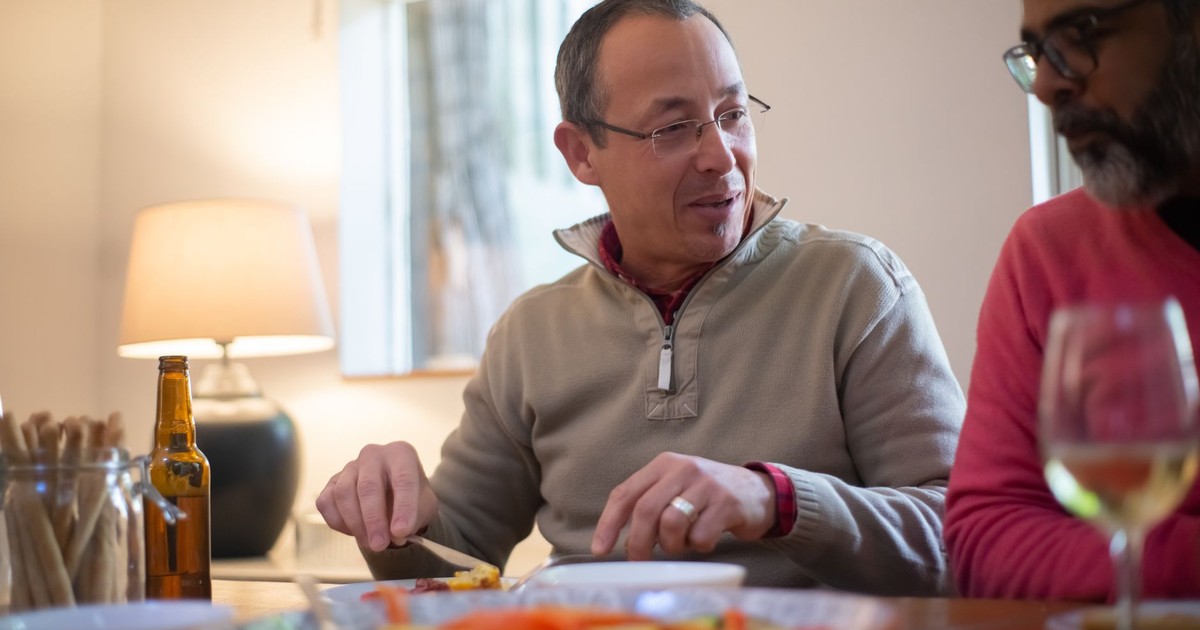
The last one is the subtlest, and possibly the most revealing. The person who announces dietary restrictions loudly enough to require the whole table to reorganize. The one who redirects every topic back to themselves before the previous speaker has finished. The one who arrives late, sits down, and immediately explains where they’ve been as though the room has been waiting. The one who can’t let a compliment land on someone else without adding a footnote about their own experience.
This isn’t about introversion or extroversion. It’s about whether someone learned early that the dinner table was a shared space or a stage. Mealtimes are one of the most consistent social contexts in which children find themselves at any point in their lives, from family dinners and school lunches to birthday parties and professional meals. A child’s comfort and confidence at shared meals reflects not only their comfort with food but also the social awareness, consideration for others, and self-regulation that consistent, gentle guidance throughout childhood develops.
Self-regulation is the key phrase. It’s the ability to be present at a table where other people are also present, and to hold that awareness even when you’re hungry, tired, or would prefer to be somewhere else. It doesn’t come naturally to anyone at age five. It gets taught, or it doesn’t. The dinner table, more than almost anywhere else, shows you which one happened.
Read More: People Who Grew Up Poor Often Carry These Subtle Habits Into Their Adult Lives
What to Do With All of This
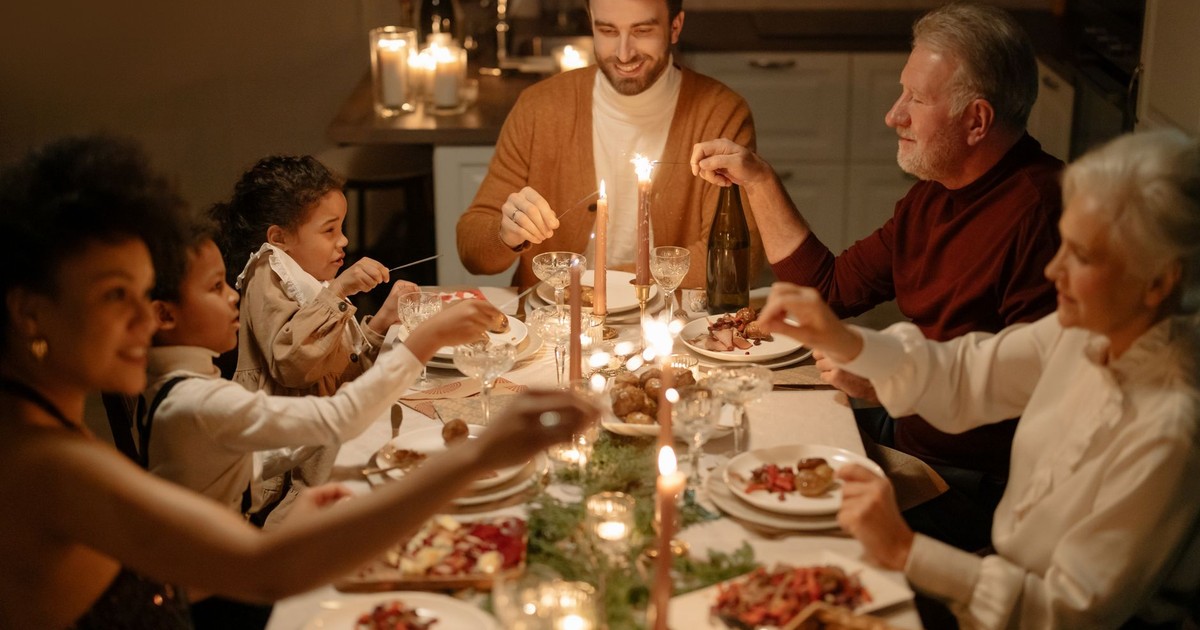
None of these behaviors are fixed. Plenty of adults who didn’t grow up with structured, attentive family dinners have become warm and considerate table companions. The habits described above are tendencies, not verdicts. They tell you where someone started, not where they are now.
What they do carry is weight that’s hard to shake without first noticing it. The person who still reaches before asking, who checks their phone between bites without registering that they’re doing it, who has never thought about whether they wait – they’re not being rude on purpose. They’re acting from patterns so deeply grooved they don’t read as choices. Dinner etiquette manners sit below the level of conscious decision for most people. You do what you were shown, until something stops you and makes you look at it.
That moment of looking is usually caused by a partner, a parent-in-law, a new job that involves client dinners, or just one meal where you caught yourself mid-reach and wondered where that came from. The answer almost always leads somewhere specific. A specific kitchen, a specific table, a specific household with its own unspoken rules about what dinner meant. Some of those tables were warm and full. Others were hurried or indifferent or never really sat at together. All of them left something behind.
AI Disclaimer: This article was created with the assistance of AI tools and reviewed by a human editor.