

Last year on Labor Day weekend, immigration agents showed up at foster homes and government-run shelters in the middle of the night, woke children out of their beds, loaded them onto buses, and drove them to airfields in Texas. The planes were pointed at Guatemala. A federal judge, also woken in the early hours, stopped the flights at the last minute. Now, less than a year later, Senator Ron Wyden of Oregon says the groundwork for a second attempt is already being laid – and this time, the list is longer, the scope is wider, and the children involved have been living in U.S. foster care for at least six months.
Wyden wrote to Health and Human Services Secretary Robert F. Kennedy Jr. saying he had “credible information” that the administration had a list of more than 500 migrant children it was targeting for fast-track removal, and that the department was racing to act within days. It would be a second attempt at migrant children deportation, after a federal court intervened the previous year to stop an overnight plan to fly out hundreds of children over Labor Day weekend. This time, the list spans multiple countries of origin.
Wyden, the ranking member and senior Democrat of the Senate Finance Committee, which has jurisdiction over the Office of Refugee Resettlement, did not specify how he obtained the information, and his office declined to provide further details. What he did make clear was the nature of the children involved, and what removal would actually mean for them.
Who These Children Are

The Office of Refugee Resettlement is responsible for sheltering migrant children who arrive at the southern border without any parent or guardian. Those children are often trying to reunite or be placed with a parent, relative, or guardian who is already in the United States. The children now targeted, however, represent a distinct and particularly vulnerable group within that population.
The Associated Press reported on June 25, 2026, that Wyden’s letter warned the children at risk come from various countries, potentially including Guatemala, Honduras, El Salvador, and Afghanistan, and have been in U.S. custody – mainly in foster care – for at least 180 days. He described them as having no “viable sponsor” who could come forward and take care of them in the United States.
Not having an identified sponsor could mean the child’s parents are in their home countries, are deceased, or are too afraid to claim their children after ICE started arresting some parents who are not in the country legally during their reunification efforts. That last point carries particular weight. In some cases, the very reason no sponsor has stepped forward is that the administration’s own enforcement posture has made doing so too dangerous for the adults who might otherwise have taken these children in.
As of May 2026, the most recent government figures publicly available, there was an average of 1,816 unaccompanied children in ORR custody. The 500-plus children on the list Wyden described would represent more than a quarter of that total.
What Happened Last Labor Day
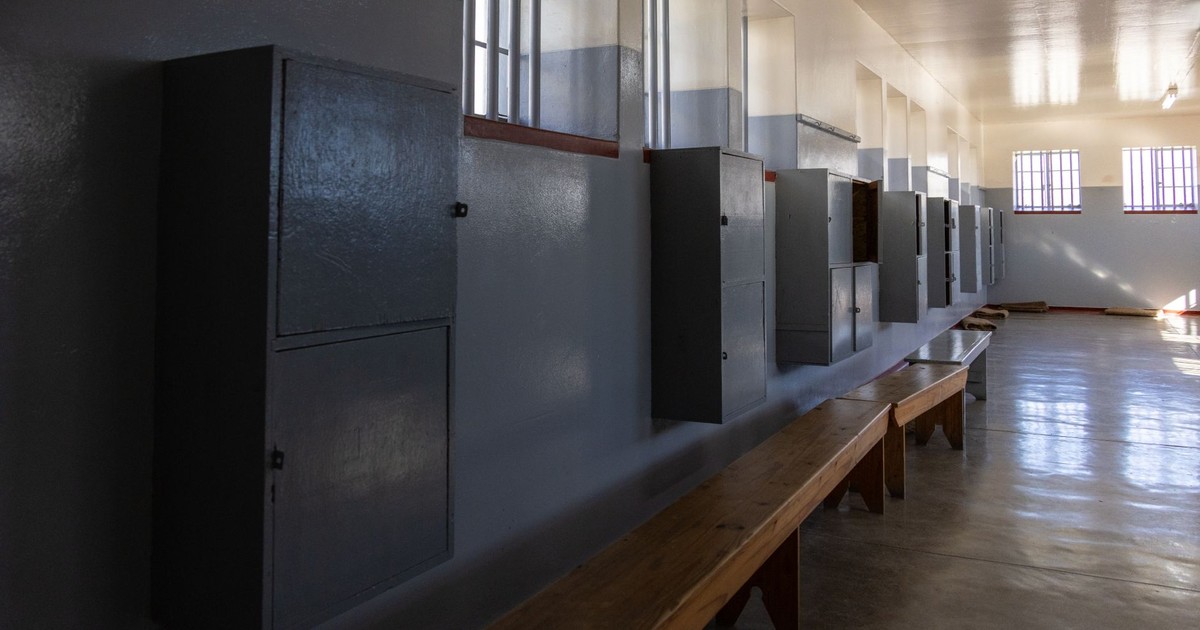
To understand why Wyden’s warning is being taken seriously, it’s worth knowing exactly what the administration attempted last September – because it isn’t alleged or disputed. It happened.
Over the Labor Day weekend, dozens of migrant children either staying in government-supervised shelters or with foster families were taken from their homes and bused to airfields in Texas bound for Guatemala. A federal judge woken up in the middle of the night eventually stopped the planes. Lawyers for the children, many of whom had fled violence at home to come to the U.S., later described how traumatic the middle-of-the-night removal effort was for them.
The administration insisted it was reuniting the Guatemalan children – at the Central American nation’s request – with parents or guardians who sought their return. Critics pointed out that even if that framing were accurate, the way it was carried out – without legal counsel, without due process, in the middle of the night – was itself a violation of the law.
The Biden-era detention times give some additional context for how conditions for these children have changed. Due to the administration’s actions, immigrant children are being held in custody for substantially longer periods of time, including children never previously detained. Children released from ORR custody in January 2025 were held for an average of 37 days. Children released in August 2025 were held almost five times as long, for an average of 182 days. That change in detention length didn’t happen in isolation. It reflects a deliberate shift in how ORR operates.
The Legal Protections at Stake

Two pieces of federal law sit at the center of this dispute, and understanding them matters because the administration’s planned approach would appear to conflict with both.
The Flores Settlement Agreement came out of years of litigation brought by a class of immigrant children who had been indefinitely detained in inhumane conditions. The settlement went into effect in 1997 and is currently overseen by Judge Dolly Gee of the U.S. District Court for the Central District of California. Together with the Trafficking Victims Protection Reauthorization Act of 2008, it sets the standards for the detention, release, and treatment of immigrant children in federal government custody.
The TVPRA, in particular, was designed specifically to close gaps that left unaccompanied children vulnerable. With some limited exceptions, it requires that children be placed in the “least restrictive setting possible,” which generally means they can be released to a sponsor such as a relative in the U.S. while their immigration proceedings play out. The children can apply for a specially protected status if they can’t return to their home country because of abuse or neglect, and they can also apply for asylum.
Wyden’s argument is direct: neither law, as written, permits removal from ORR custody simply because no sponsor has been found. He called the situation “a severe institutional failure that places hundreds of vulnerable children in immediate jeopardy, effectively erasing them from the protection of U.S. oversight.” He also noted that the vast majority of the children have legal counsel in their immigration proceedings, and warned that any attempt to remove them without the active involvement of those attorneys “would constitute a severe breach of due process.”
A Pattern Broader Than One List
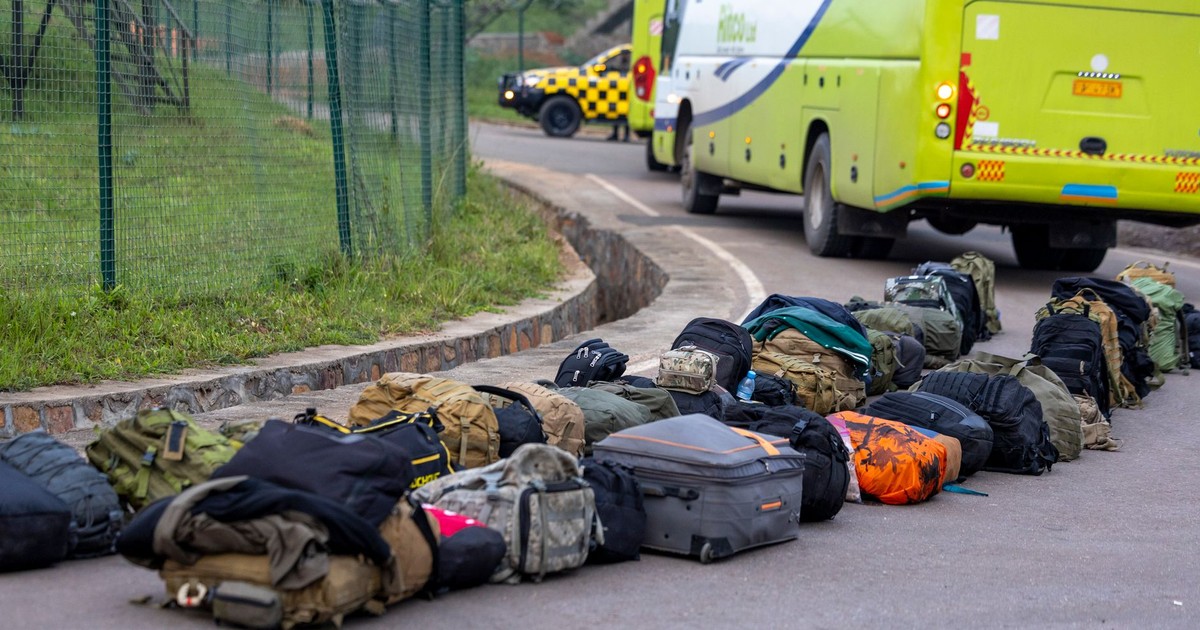
The Labor Day weekend attempt and the current warning aren’t isolated incidents. They’re part of a documented pattern that multiple Democratic senators have now flagged on the record.
Early in 2025, ORR granted Immigration and Customs Enforcement and DHS access to their databases containing sensitive information on unaccompanied children. Armed with that information, DHS embarked on a campaign to locate children’s whereabouts and conduct so-called “wellness checks,” sending armed law enforcement agents wearing tactical gear – instead of child welfare officials – to children’s homes.
Senators who wrote to the administration in early 2026 noted that enforcement operations targeting parents and caretakers of immigrant children had led to nearly 3,000 arrests. Rather than targeting violent criminals, the administration appeared to be using children as bait to locate and target family members and sponsors for deportation.
In October 2025, a separate measure drew its own wave of alarm. The federal government began offering unaccompanied migrant children aged 14 and older $2,500 to leave the United States of their own volition, according to a memo obtained by NBC News. Immigration advocates were alarmed. Wendy Young with Kids in Need of Defense said that “unaccompanied children should never be removed from the United States without a full and fair process.” The question of whether a 14-year-old in government custody can meaningfully “volunteer” to give up their legal proceedings – without fully understanding what they’re waiving – has never been satisfactorily answered by the administration.
The Trump administration has made it increasingly difficult for those children to be released to sponsors. That difficulty feeds directly back into the current situation: when the path to a sponsor is blocked or made dangerous, children stay in ORR custody longer, and a longer stay without a sponsor becomes the administration’s stated justification for removal.
The Administration’s Response
HHS pushed back on Wyden’s warning with characteristic sharpness. HHS spokesperson Emily Hilliard called Wyden’s claims “irresponsible fearmongering” and said “there are no plans to target these children.” The Trump Administration, Hilliard said, was “working to identify the parents or legal guardians of unaccompanied alien children in our care because ensuring every child is placed with a properly vetted sponsor is our top priority.”
The administration has also made the argument that the previous Labor Day removal attempt was not a deportation but a reunification – children being returned to family in their home countries. Officials had previously described the attempt to remove Guatemalan children as repatriations, citing coordination with the Guatemalan government. A former senior HHS official told CNN that “the attempt is to have children back with their families and parents, not to be put into the United States with unverified sponsors.” Over recent months, ORR has been identifying minors in custody who could potentially be removed, unless they are seeking certain protections.
That framing, though, runs directly into the legal reality. The Labor Day attempt appeared to violate federal child protection statutes that set specific procedural requirements for the removal of unaccompanied immigrant children – the same laws that courts have repeatedly upheld. Although a federal court stopped that particular removal from taking place, the administration’s actions against unaccompanied minors continued.
In his letter, Wyden demanded the immediate suspension of “any screening initiative and planned removal action,” as well as additional information on the effort by the end of the day Friday. Whether that demand is met – or whether a federal court again has to step in to enforce the law – remains to be seen.
Read More: Donald Trump Is Following Notorious Dictator’s Playbook With World Cup, Expert Warns
What This Actually Means
The administration’s HHS denial is the exact same denial it issued before Labor Day weekend 2025. Then, within days, children were being loaded onto buses. That history is the reason Wyden’s warning is not being dismissed, even by those who would normally be skeptical of political alarm bells.
The children at the center of this have no lobby, no voting power, and in many cases no family member willing or able to stand up for them publicly. They’ve been in foster care for at least six months in a country they came to, alone, often fleeing conditions their home governments were either responsible for or unable to stop. Their lack of a sponsor doesn’t mean they lack legal rights – it means those rights are easier to override when no one is watching.
What makes the current situation different from last year isn’t just the scale, though 500-plus children across multiple countries of origin is a significant escalation. It’s that the legal architecture those children relied on is itself under sustained pressure. The administration has sought to terminate the Flores Settlement Agreement. It has granted ICE access to ORR’s confidential databases. It has replaced child welfare workers with armed agents for “wellness checks.” Each of those moves, individually, might be contested or reversed. Together, they describe a system being rebuilt from the inside out.
The federal judge who stopped the planes last September acted within hours. Whether that kind of intervention is available again – and whether it comes in time – is the question that will define what happens next.
AI Disclaimer: This article was created with the assistance of AI tools and reviewed by a human editor.