
Every overrated destination on earth has a long-suffering twin. The one that offers the same mountains, the same ancient ruins, the same coastline, the food that’s arguably better – and none of the 45-minute queue for entry. While Barcelona is drowning in cruise passengers and Bali has effectively become an outdoor mall, there are dozens of countries quietly doing the thing that travel used to be: letting you show up somewhere and actually feel like you arrived.
The list below isn’t a collection of hardship posts or remote wildernesses requiring a satellite phone. Most of these are accessible, affordable, and increasingly well-set-up for visitors. The only thing they share is that the wider traveling public hasn’t caught on yet – or hasn’t caught on fully. For 2026, travel experts are pointing toward destinations that offer authentic culture and raw nature without the overwhelming crowds, and many are currently seeing major infrastructure investments, including new direct flights and luxury hotel openings, suggesting they’re on the verge of breaking through. That window is the point. These are the underrated travel destinations worth booking before everyone else does.
A note on how to use this list: the 30 countries span every continent and every budget. Some cost almost nothing. A few are deliberately expensive by design. Some require a bit of paperwork. None require a machete. Read the whole thing – the ones that surprise you are usually the ones worth booking first.
1. Albania
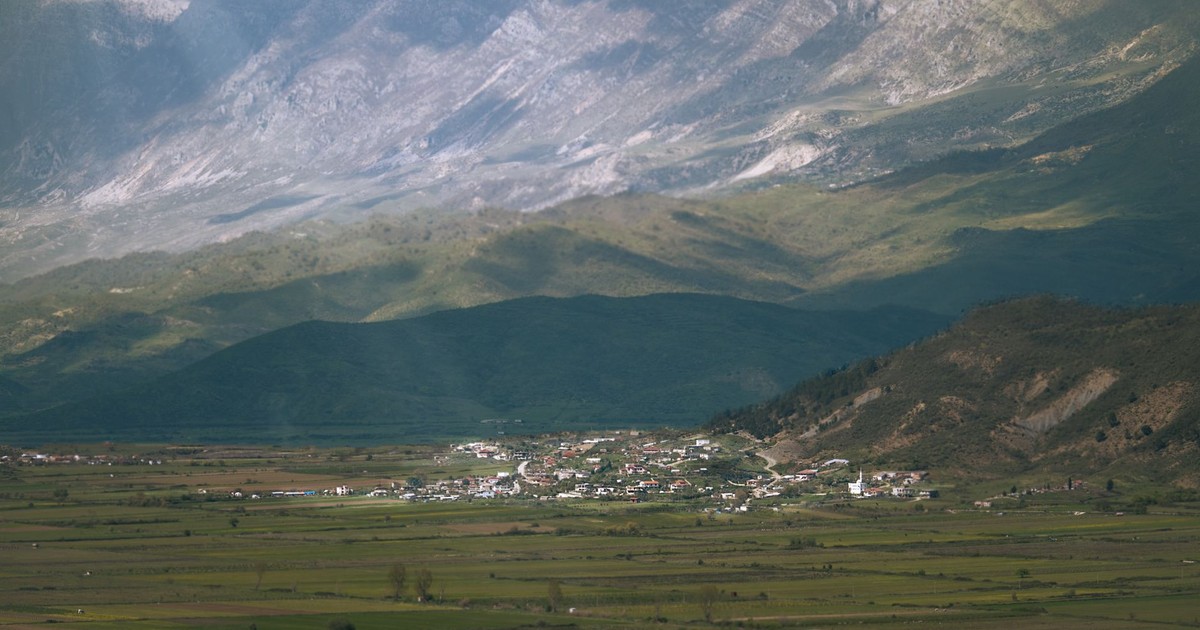
Even during summer high season in 2025, Albania’s cultural and nature highlights in the interior remained genuinely uncrowded, and even the popular beaches had plenty of empty space. Despite catching the spotlight recently, it still sees nowhere near the tourism levels of nearby Croatia, Greece, or Italy. That gap is where the value lives.
Part of what makes Albania fascinating is its history. For decades it was known as the “North Korea of Europe,” completely isolated during a communist dictatorship – which led it to develop on a different track from its neighbors, while already having a distinct culture and unique language. That isolation, perversely, is now Albania’s greatest asset: the Ottoman bazaars, the Berat “city of a thousand windows,” and the Albanian Alps feel genuinely untouched in a way that the rest of the Balkans no longer does.
Tourist arrivals grew by almost 7% in 2025 compared to 2024, and the year before that the increase was even steeper. Whether you prefer the mountains or the sea, Albania has both. The southern Albanian Riviera, specifically around Ksamil and Sarandë, rivals the Greek islands for color and clarity of water at a fraction of the cost. Go before the hotel chains fully arrive.
2. Bhutan
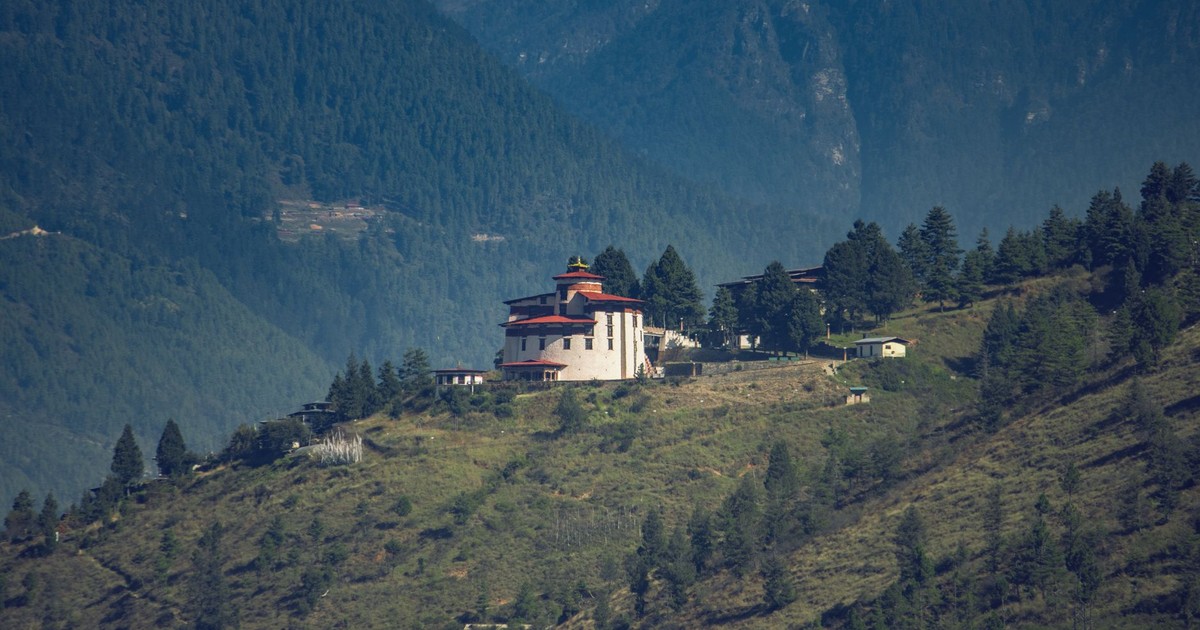
Bhutan isn’t a country you can visit on a whim. It requires pre-booked tours – independent travel is not allowed – payment of a mandatory daily Sustainable Development Fee, and visa approval. Even so, the country saw a 30% increase in tourism in 2025 compared to the year before. The barriers are the point: Bhutan has made deliberate difficulty part of its value proposition.
In 2026, the Sustainable Development Fee sits at $100 per night. That increases to $200 in September 2027, making now a genuinely important window to visit the Tiger’s Nest Monastery, the capital Thimphu, and the country’s extraordinary Himalayan peaks before the price doubles.
Those seeking a meaningful retreat can experience centuries-old traditions, including sitting with a monk during a blessing, watching a textile weaver at work, or practicing archery. Bhutan also measures national success by Gross National Happiness rather than GDP, giving it a reputation as one of the genuinely happiest countries on earth. That’s not a tourism slogan – it’s baked into policy. The effect on daily life is visible the moment you land.
3. Bosnia and Herzegovina
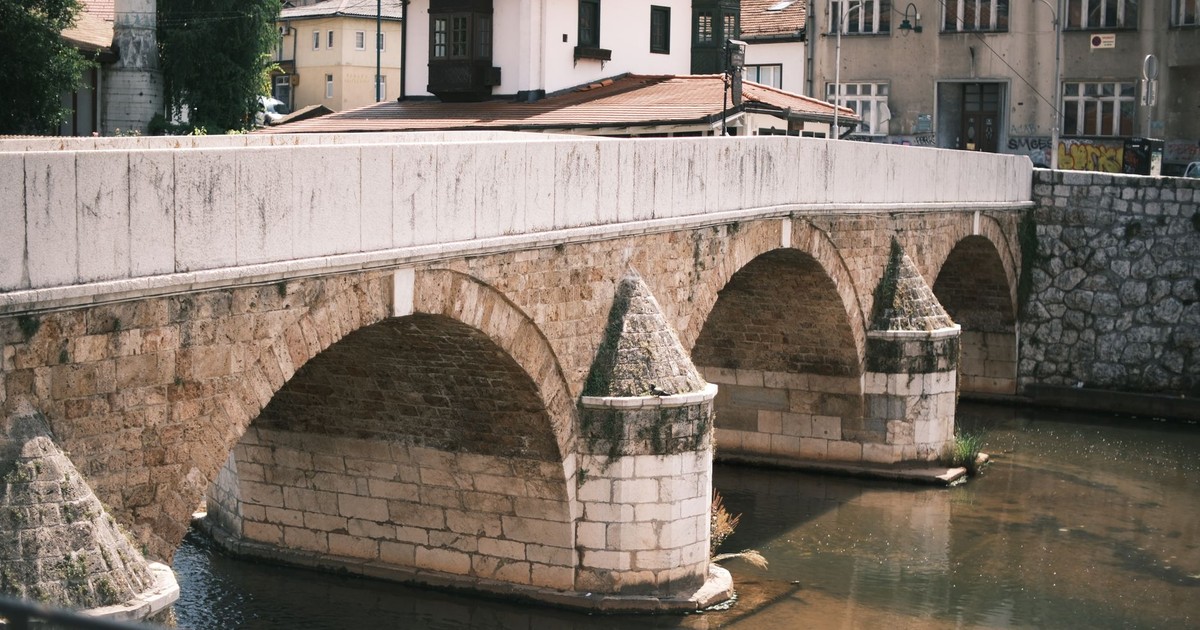
Arguably Europe’s most underrated country, Bosnia and Herzegovina is packed with charming towns. Srebrenik, 87 miles north of Sarajevo, is home to the country’s best-preserved medieval fortress – a fascinating twelfth-century structure overlooking the valley, packed with legends. Sarajevo itself is one of those cities that stops people cold: Ottoman, Austro-Hungarian, and Yugoslav layers stacked on top of each other, with a coffee culture that could convert a confirmed tea drinker.
The Neretva River canyon, the medieval tombstones known as stećci, and the restored Ottoman bridge at Mostar represent a depth of history that most of Western Europe can’t match. Yet the country receives a fraction of the visitors that neighboring Croatia pulls in on the strength of Dubrovnik alone. Budget travelers will find it among the most affordable destinations in Europe, with excellent food at prices that feel almost implausible.
Bosnia is not without its complexities: the post-war division of the country remains a political reality, and some areas carry a visible weight of recent history. That honesty is part of why the people here are so remarkably open with visitors. They want you to understand what happened and to see what’s been built since.
4. Belize
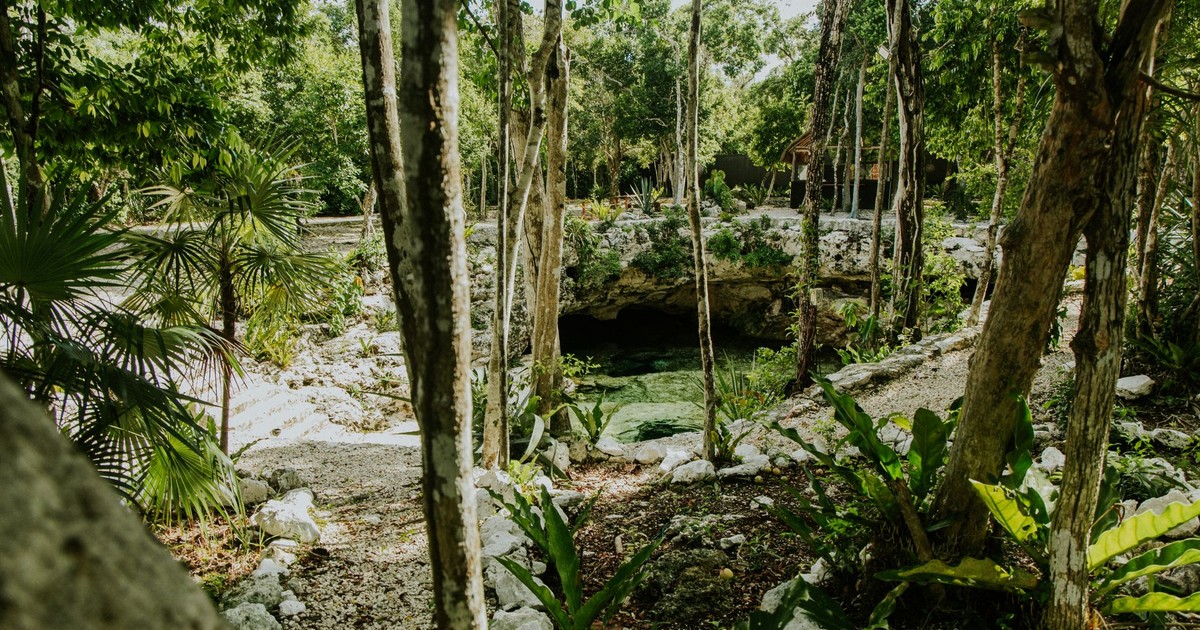
Everyone travels to Mexico, and the Yucatan Peninsula has become a crowded tourist destination. Only a fraction of those visitors make it to Belize, despite it being a country with white beaches, Mayan ruins, and perfect Caribbean islands. The Belize Barrier Reef – the second largest in the world – sits just offshore, and the Great Blue Hole, a perfectly circular marine sinkhole roughly 300 meters across, is one of the most recognizable dive sites on earth.
Inland, the jungle pulls hard. Caracol, a Mayan city that once held a population larger than modern-day Belize City, sits inside Chiquibul National Park. The country’s small size means you can move from reef to rainforest in under three hours. English is the official language, which removes one of the usual logistical hurdles entirely.
The country doesn’t offer rock-bottom budget travel – the reef alone means getting in the water properly costs real money – but it punches well above its weight in terms of sheer variety of landscape. And unlike the Mexican coastline directly north, you won’t be competing for sea space with a thousand other snorkelers.
5. Ethiopia
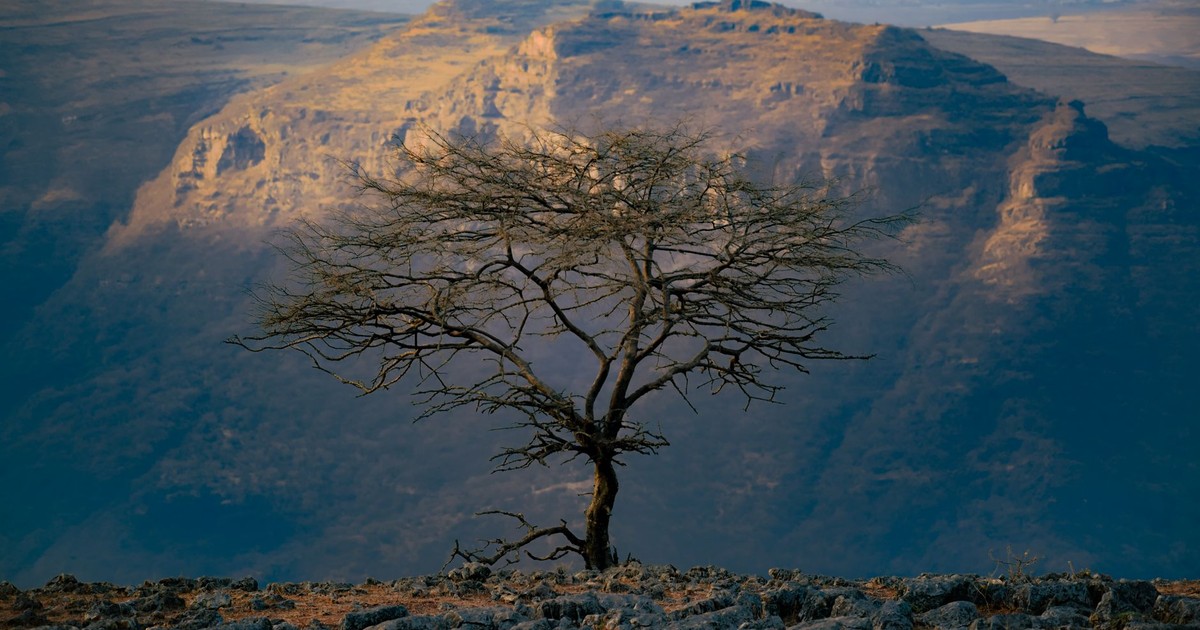
Ethiopia saw a 15% surge in international visitors in 2025 compared with 2024, drawing adventurous travelers for ancient ruins, archaeological sites, cloud forests in the Bale Mountains, and wildlife including hippos, Nile crocodiles, and gelada monkeys found nowhere else on earth.
Ethiopia’s Ministry of Tourism launched Visit Ethiopia in July 2025 to help visitors access locally recommended restaurants, hotels, and tour operators. Construction on Africa’s largest airport project, Bishoftu International Airport, began in January 2026, positioning the country for significant tourism growth over the coming decade.
What tends to shock first-time visitors is the depth of the history. Ethiopia was never colonized – it’s the oldest independent country in Africa – and that shows in everything from the architecture to the food to the fiercely individual character of its culture. The Danakil Depression, one of the lowest and hottest places on earth, contains an active volcano, neon-yellow sulfur springs, and salt flats that look like an alien surface. The rock-hewn churches of Lalibela, carved directly into the cliff face in the twelfth century, have no real comparison anywhere on earth.
6. Faroe Islands
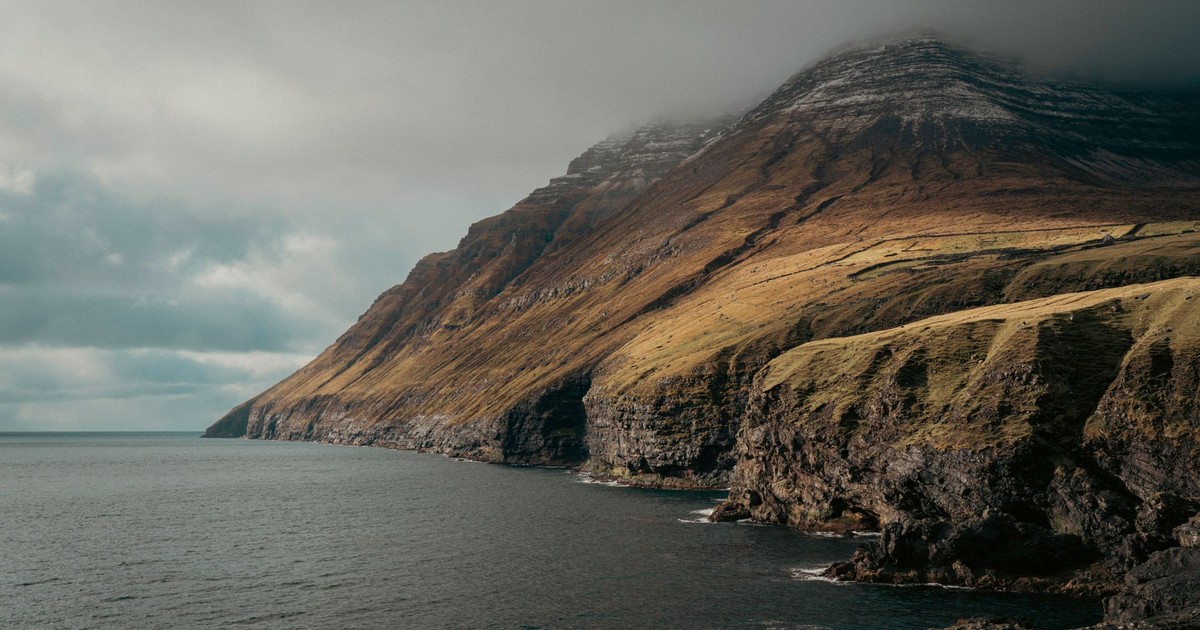
These secluded islands in the North Atlantic have for years been accessible only to the most determined travelers. But the national airline has increased flights to London, Paris, Barcelona, and Edinburgh, making the Faroe Islands more reachable than at any point in their history.
The islands are often described as an even more majestic Iceland combined with Ireland – enormous seaside cliffs with rolling green hills on top, small fishing villages, puffins, and a dramatic ocean presence in every direction. The population of the entire archipelago is under 55,000 people. In summer, the grass is so aggressively green it looks digitally enhanced. In winter, the northern lights run directly overhead with no light pollution to compete with.
The Faroe Islands do carry one significant ethical consideration that is worth knowing before you go. Traditional whale hunts, known locally as the grindadráp, have been practiced here for centuries and remain controversial. It’s a reality of the culture, not a secret, and an honest part of what travelers encounter when they engage with the islands on their own terms rather than through a filtered lens.
7. Georgia
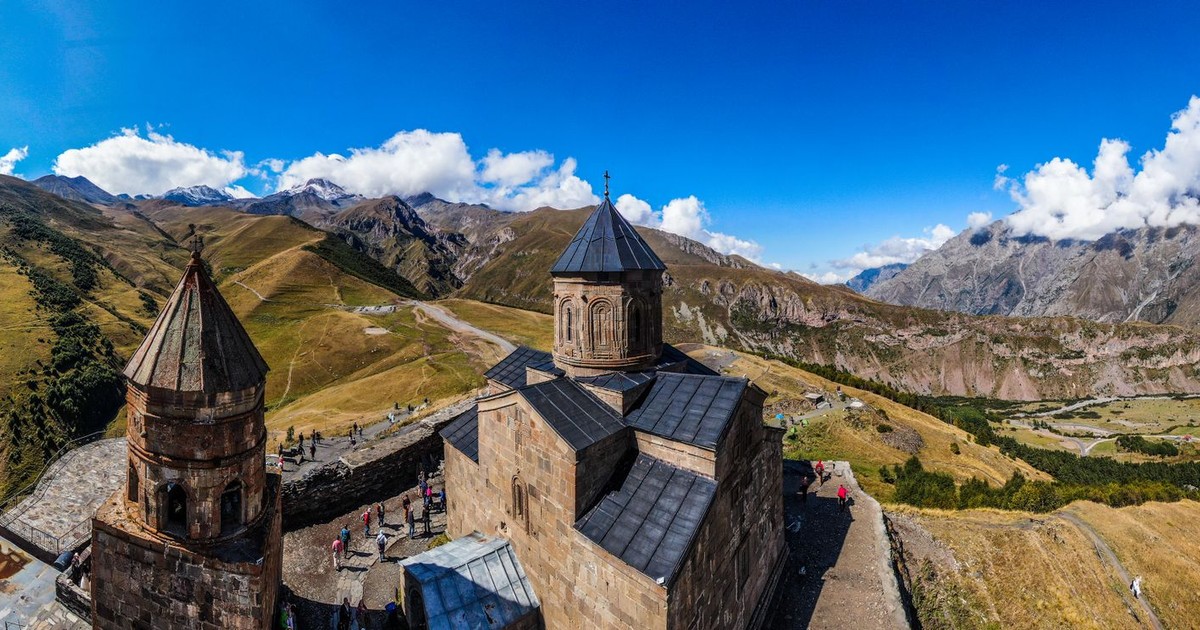
Georgia, despite its small size, is a genuine powerhouse for travel. It offers a fascinating history, mouthwatering cuisine, beaches along the Black Sea coast, and awe-inspiring peaks in the Caucasus mountains. The wine region of Kakheti produces wines in clay vessels called qvevri that have been buried underground for thousands of years – a UNESCO-recognized winemaking tradition that pre-dates virtually everything else in the wine world by several millennia.
UK-based adventure travel operator Wild Frontiers named Georgia among its 16 destinations expected to be especially popular in 2026 for adventurous travelers. Tbilisi, the capital, has evolved into one of the most interesting cities in Eastern Europe: a UNESCO Old Town with sulphur baths, a thriving contemporary art scene, Georgian polyphonic music drifting from churches on Sunday mornings, and a café culture that runs until 3am.
The Svaneti region in the northwest, reachable by road but still genuinely remote, has medieval stone towers rising from villages that look unchanged since the fourteenth century. No crowds, no ticket queues, no gift shops at the base of anything.
8. Jordan
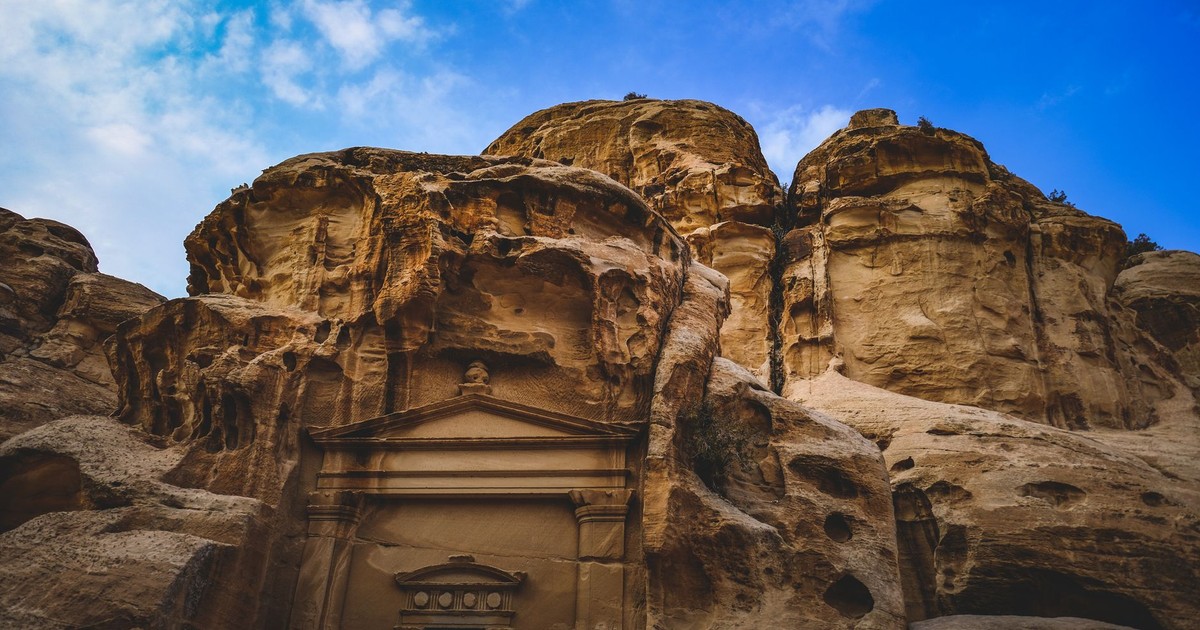
With attractions including Petra, Wadi Rum, and the Dead Sea, Jordan is a destination packed with fascinating sights – and 2026 is a particularly good year to visit as tourism grows steadily there. Despite Petra being one of the most visually arresting archaeological sites in the world, Jordan still receives dramatically fewer visitors than Egypt or Morocco, countries with a comparable depth of ancient history.
Beyond Petra, visitors can head to Wadi Rum and spend the night under the Milky Way in a desert camp, explore Mount Nebo, see Roman ruins, tour Crusader castles, and then float in the Dead Sea – the saltiest body of water on earth, where you physically cannot sink.
Jordan is consistently ranked among the safest countries in the Middle East for international visitors, including solo women travelers. The food is extraordinary – mezze culture here reaches a level of generosity that turns a side dish into a meal – and the people have a reputation for hospitality that isn’t simply a tourism-board talking point. It holds up.
9. Kyrgyzstan
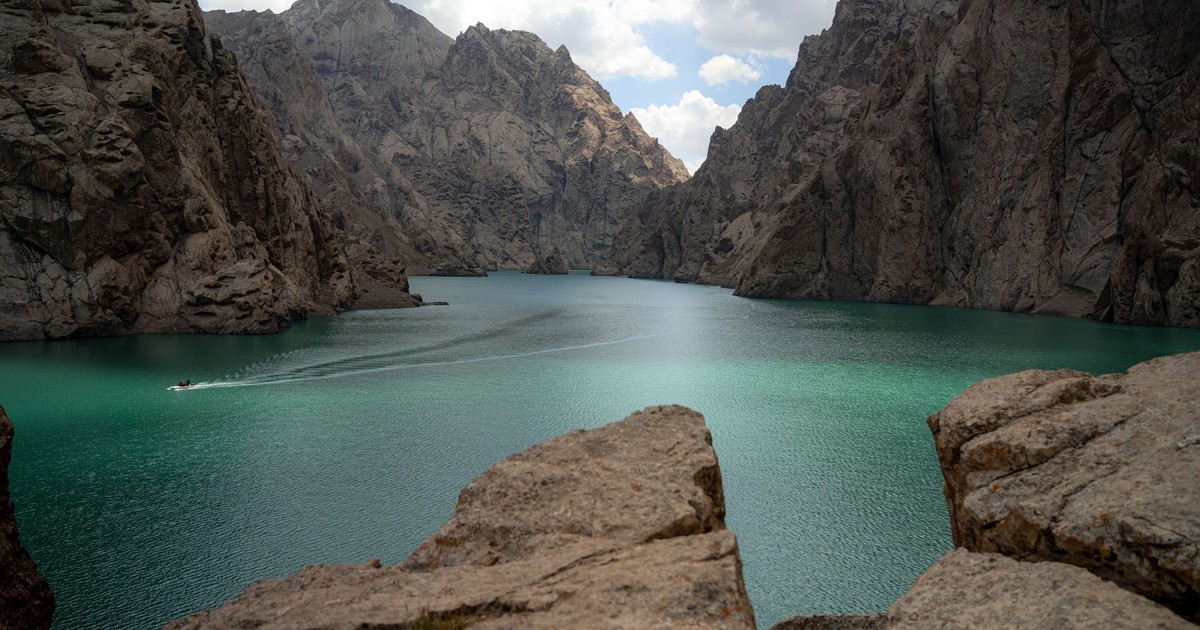
The World Nomad Games are returning to Kyrgyzstan in 2026 for the first time since 2018. The biennial event showcases traditional nomadic sports including wrestling, falconry, and archery, as well as kok boru – a game similar to polo where competitors on horseback compete using a goat carcass. That last detail should tell you everything about the character of the country.
In 2025, nearly 21 million foreign citizens entered Kyrgyzstan, an 18.6% increase from the previous year, with rapidly growing interest from Europe, China, and India. The government identified 156 potential sites for new tourist infrastructure, with 40 new tourist bases launched in 2025 alone across regions including Issyk-Kul, Naryn, and Osh.
The Tien Shan mountain range and the crystal-clear lake of Issyk-Kul define the landscape. The people are famously welcoming and ready to share their nomadic traditions. You can stay in traditional yurts, ride horses through valleys that see very few foreign visitors, and experience a living culture of nomadic pastoralism that has survived remarkably intact. For hikers, the Son-Kul plateau sits at over 3,000 meters and offers camping beside a lake that appears to have no edges.
10. Laos
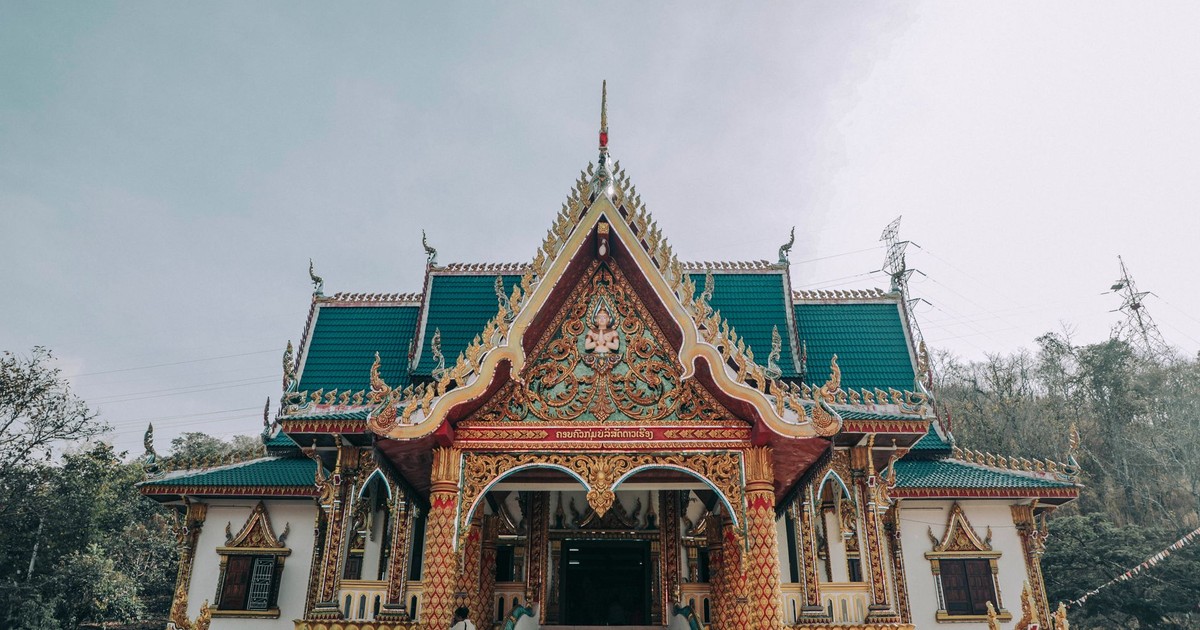
Laos is often overlooked in favor of tropical beach destinations like Thailand or Malaysia, but it’s one of the most rewarding countries in Southeast Asia – home to great cuisine, unspoiled rainforests, ancient temples, and sleepy rural villages. Older travelers who have explored the region for decades say Laos today is much like Thailand was 20 or 30 years ago.
The Gibbon Experience, an ecotourism project in Nam Kan National Park, allows visitors to stay overnight in tree huts and travel between them using a combined 15 kilometers of zip lines in the middle of old-growth jungle. That’s not a metaphor for something. You actually sleep in a tree in the canopy with gibbons calling overhead.
Luang Prabang, the former royal capital, is UNESCO-listed and remarkably intact: French colonial architecture alongside golden temple spires, a daily morning alms-giving procession of orange-robed monks, and a night market where the food is genuinely exceptional. The country moves slowly and asks you to do the same. That’s either a selling point or a dealbreaker, and for most people who end up going, it turns out to be the whole point.
11. Madagascar
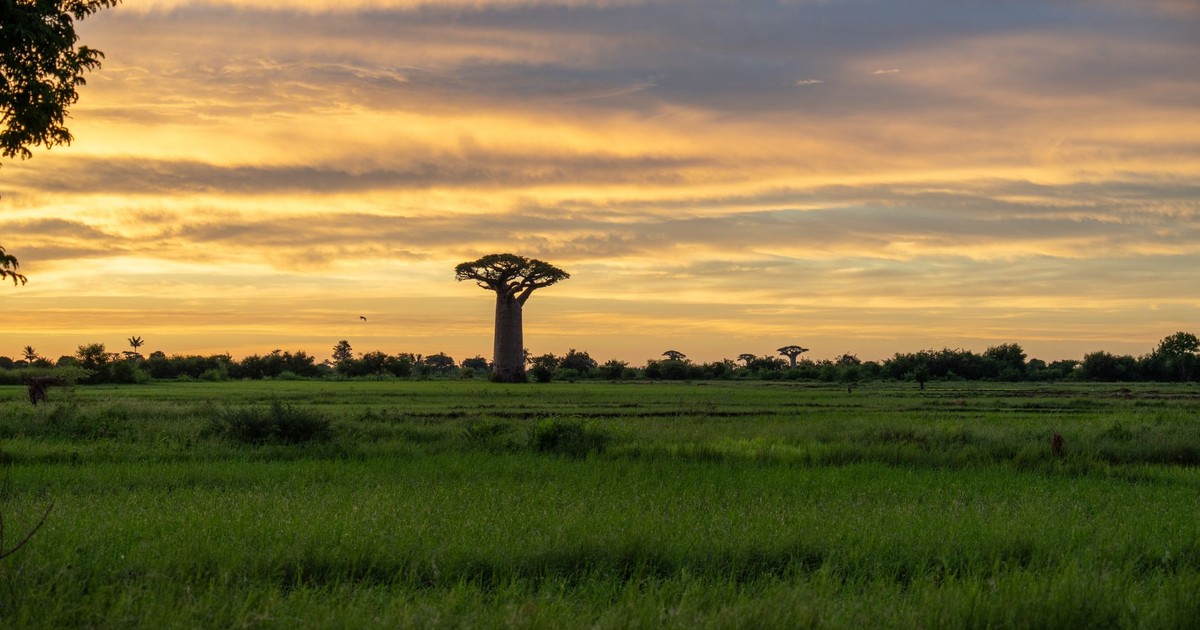
This island nation off the southeast coast of Africa is unlike anywhere else on earth. Over 90% of its wildlife is endemic – you won’t see these creatures anywhere else. The Avenue of the Baobabs, where ancient trees line a dirt road in the west, and the lemur-filled forest of Andasibe-Mantadia National Park are both extraordinary experiences.
When the interior feels like too much, the beaches around Nosy Be and the remote Île Sainte-Marie offer turquoise water, coral reefs, and resorts that blend seamlessly with the natural environment – perfect for divers, snorkelers, or anyone who simply wants to be far from other tourists.
Madagascar is not an easy destination. Infrastructure is limited, roads in the interior are genuinely challenging, and internet connectivity is unreliable outside the main cities. But these constraints are also the reason it remains one of the most biodiverse and visually astonishing places on the planet. The payoff for tolerating a bumpy road in a shared taxi is a ring-tailed lemur sitting three feet from your face with apparent indifference. Few destinations match that ratio.
12. Montenegro
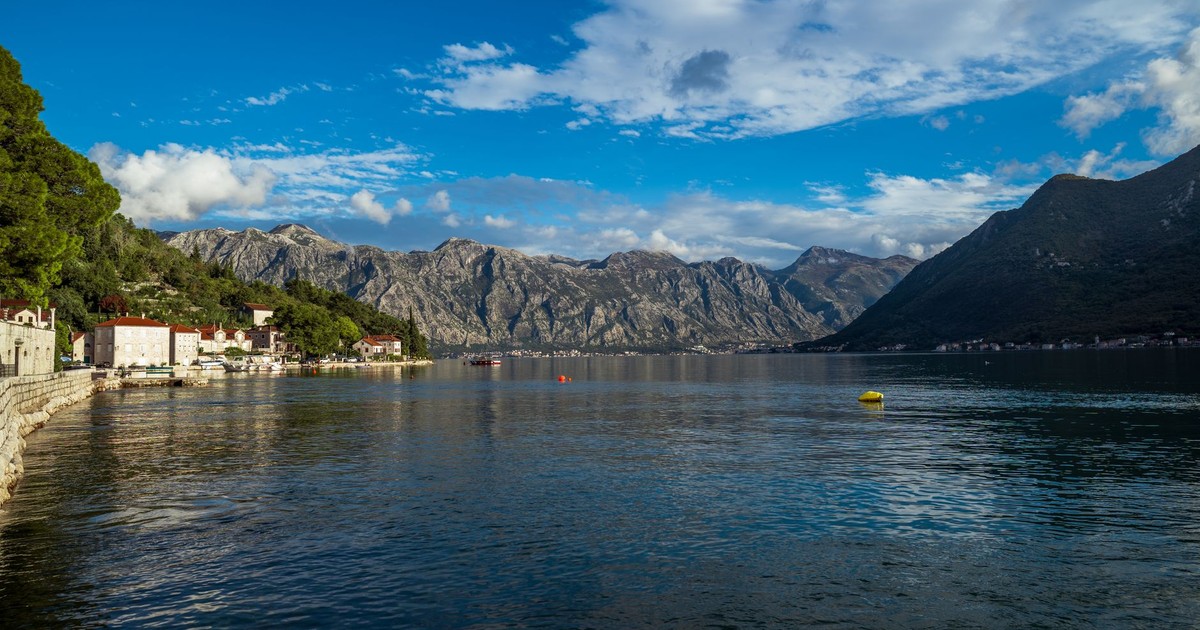
Montenegro is frequently overshadowed by neighboring Croatia, but it offers equally spectacular scenery. Its Bay of Kotor – a fjord-like inlet surrounded by medieval walls and limestone mountains – is one of Europe’s most dramatic settings.
Montenegro is known for Kotor as a cruise port, but it also has a lesser-known mountain interior where some of the most dramatic bus rides in the Balkans play out. It also contains the second longest zipline in Europe. The Tara River Canyon, the deepest canyon in Europe after the Grand Canyon, runs through the north of the country and offers Class IV and V white water rafting in a setting that genuinely competes with anything in the Alps.
Prices are meaningfully lower than Croatia – accommodation in Kotor, even in peak summer, runs at roughly half the equivalent rate in Dubrovnik a few hundred kilometers up the coast. The seafood is exceptional, the wine is underrated, and the number of people who have been to Montenegro remains small enough that you can still surprise dinner party guests with your choice.
13. Slovenia
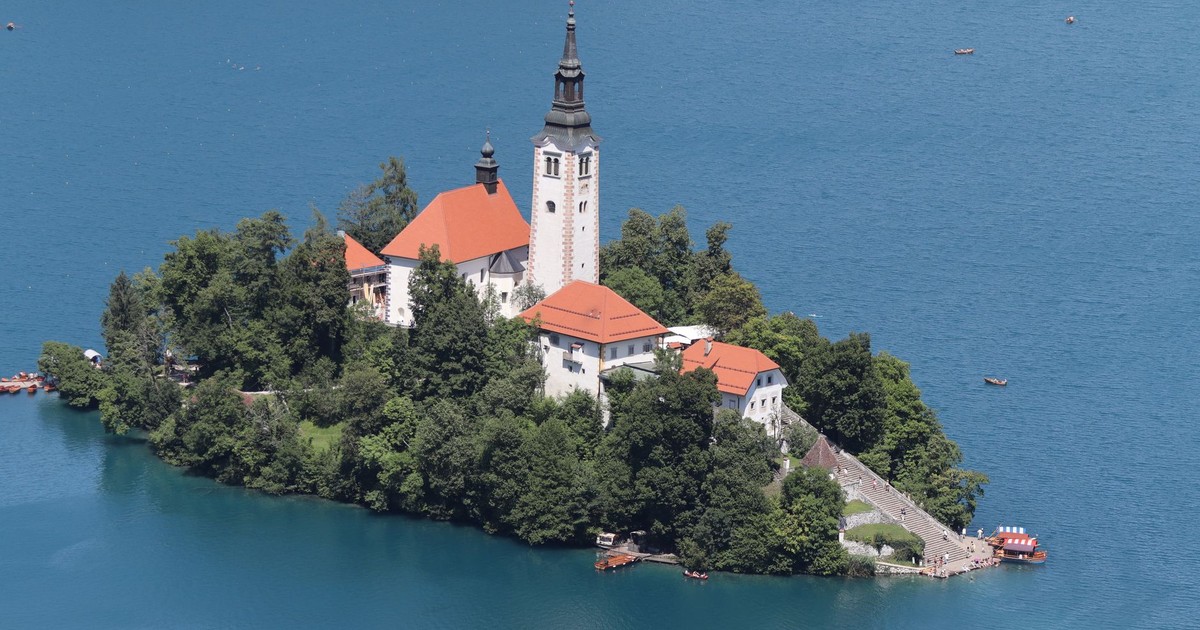
Slovenia is often overshadowed by neighbors Italy and Croatia, yet it offers an enchanting blend of alpine landscapes, fairytale lakes, and charming cities. Lake Bled, with its tiny island church and a medieval castle on the cliff above, is the kind of image that goes viral on social media and still manages to exceed expectations in person.
Slovenia is an extremely picturesque country, and many travelers who visit consider Lake Bohinj, not Bled, to be its most beautiful feature – crystal clear blue water surrounded by towering mountain peaks, noticeably less photographed and more peaceful than its famous neighbor.
The country is small enough to cover significant ground quickly: the capital Ljubljana is a walkable, genuinely elegant city; the Soča Valley runs an impossible shade of turquoise through limestone gorges; and the Škocjan Caves, a UNESCO site, house an underground river canyon larger than anything you’d expect beneath such a compact country. Slovenia consistently ranks among the most livable countries in Europe, and that quality of life is tangible when you’re actually there.
14. Uzbekistan
Uzbekistan welcomed a record 11.7 million foreign visitors in 2025, a nearly 47% increase from 2024. The government has officially set a target of 20 million by 2030. Starting January 1, 2026, all US citizens can enter Uzbekistan visa-free for up to 30 days – removing a significant logistical barrier for North American travelers.
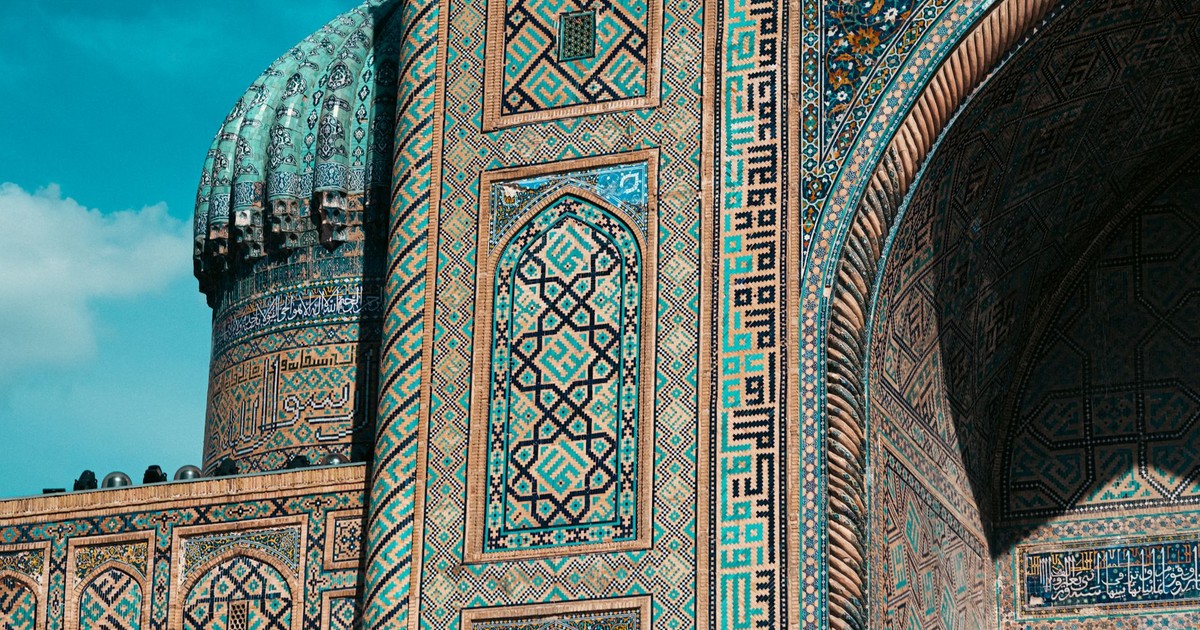
Uzbekistan is the architectural heart of the Silk Road, famed for its blue-tiled domes, towering minarets, and ancient mud-walled cities. The “Big Three” cities of Samarkand, Bukhara, and Khiva are must-sees. Registan Square in Samarkand – a massive plaza framed by three ornate madrasahs covered in intricate blue mosaics – is arguably the most iconic sight in all of Central Asia.
Uzbekistan runs one of the most aggressive tourism incentive programs in Central Asia. International travelers can receive reimbursements for 15% of flight, train, or bus ticket costs, 15 – 20% back on accommodation, and 50% off tickets to cultural sites. From April 1, 2026, a new system allows foreign tourists to reclaim 85% of VAT on purchases over 300,000 UZS (roughly $24.50) at international airports.
15. Ecuador
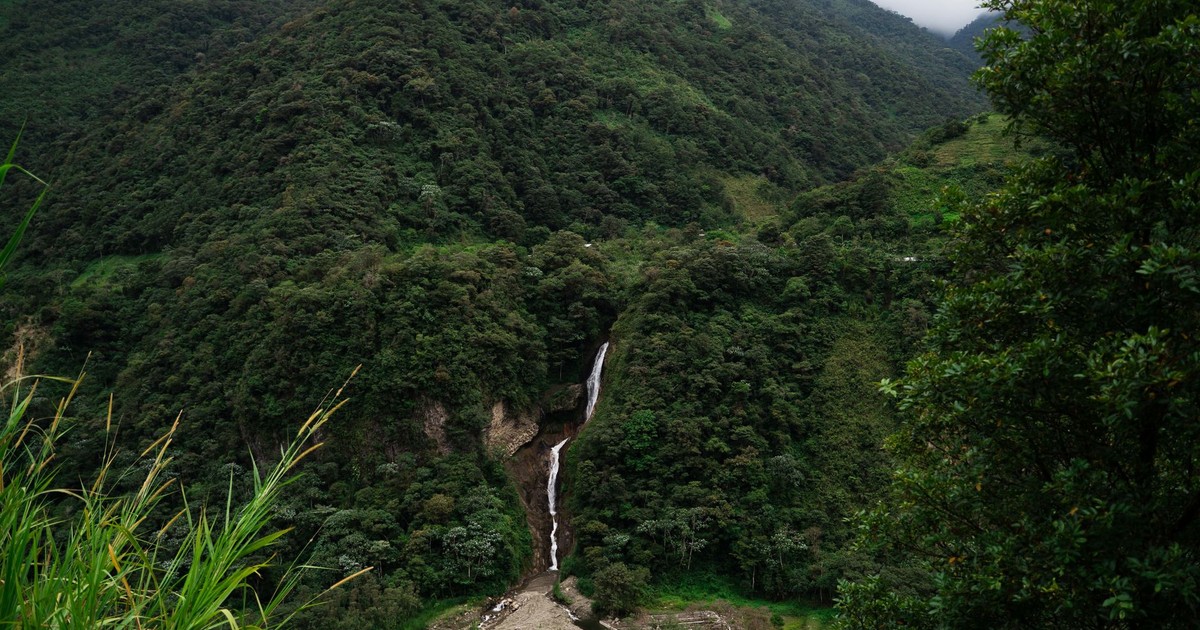
Ecuador is the kind of place that sounds like it should be overrun with tourists and somehow isn’t. It contains the Galápagos Islands – the most famous wildlife archipelago on earth – but the mainland barely registers with most people planning a South American trip, despite containing Amazon jungle, active volcanoes, colonial cities, and Andean indigenous markets all within a country roughly the size of Nevada.
Wild Frontiers also named Ecuador among its top 16 destinations expected to see strong interest from adventurous travelers in 2026. Quito, the capital, sits at 2,850 meters and is the best-preserved colonial city center in Latin America – a UNESCO World Heritage Site that feels genuinely lived-in rather than preserved for display. The Avenue of the Volcanoes, running south from Quito, allows you to drive between active and dormant peaks on either side of the road. Cotopaxi, at 5,897 meters, can be seen from the highway on a clear morning like an enormous white cone against a blue sky.
16. Rwanda
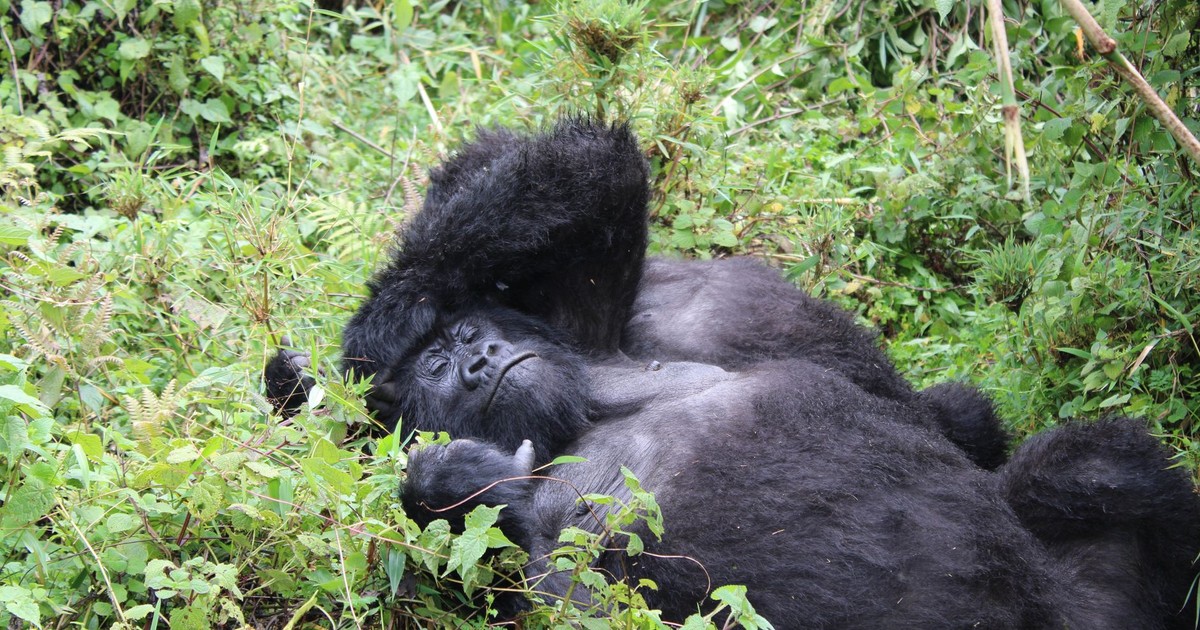
Rwanda has undergone one of the most remarkable reinventions of any country in modern history. Thirty years after the genocide, it has become one of the safest, cleanest, and best-governed countries in Africa – a transformation that is genuinely visible in daily life. The streets of Kigali are immaculate. Plastic bags are banned. The country ranks among the top in Africa for ease of doing business and for quality of governance.
The mountain gorilla trekking in Volcanoes National Park is the reason most international visitors come – and it justifies every dollar of the permit fee. You hike through bamboo forest for anywhere between 30 minutes and four hours, and when you find the gorilla family, you have exactly one hour. That hour is by all accounts one of the most memorable experiences a traveler can have on earth.
Uganda, which shares a border and a similar gorilla-trekking experience with Rwanda, remains equally undervisited, described as “perfect if you’ve been dreaming about seeing gorillas in the wild.” Both countries are worth considering together when planning this region.
17. Senegal
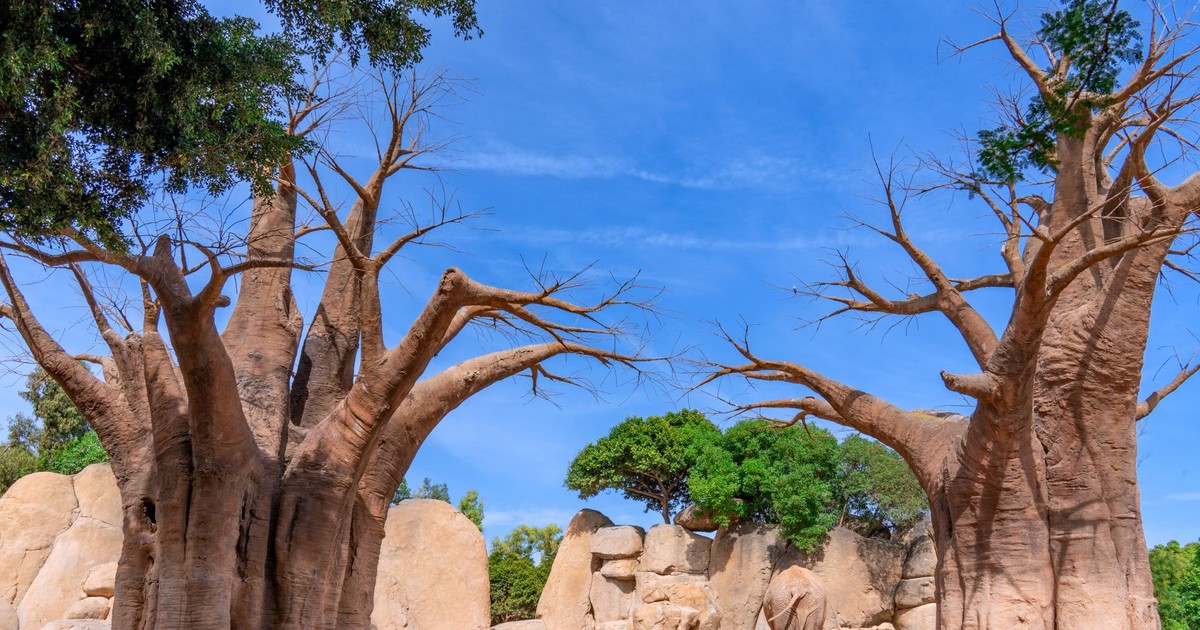
West Africa is still off the radar for most international travelers, and Senegal in particular has a great deal to offer. Dakar is one of the most vibrant cities on the continent: a West African arts capital, a music scene built on mbalax rhythms that makes even waiting in traffic feel like an event, and a seafood culture centered on thieboudienne – a rice and fish dish that is the national obsession, and rightly so.
The pink waters of Lac Rose (Retba), the old slave island of Gorée with its sobering Door of No Return, the riverine ecology of the Casamance region, and the Niokolo-Koba National Park offer a genuine span of experiences in a compact geography. Senegal is politically stable and has an established infrastructure for tourism. French is the official language, which helps European visitors, but the local Wolof culture and hospitality operate on their own terms that have nothing to do with a colonial legacy.
The surf around Dakar, particularly at Yoff and Ngor, has been drawing an international surf crowd for years. That subculture tends to know things the mainstream hasn’t caught up to yet.
18. Uganda
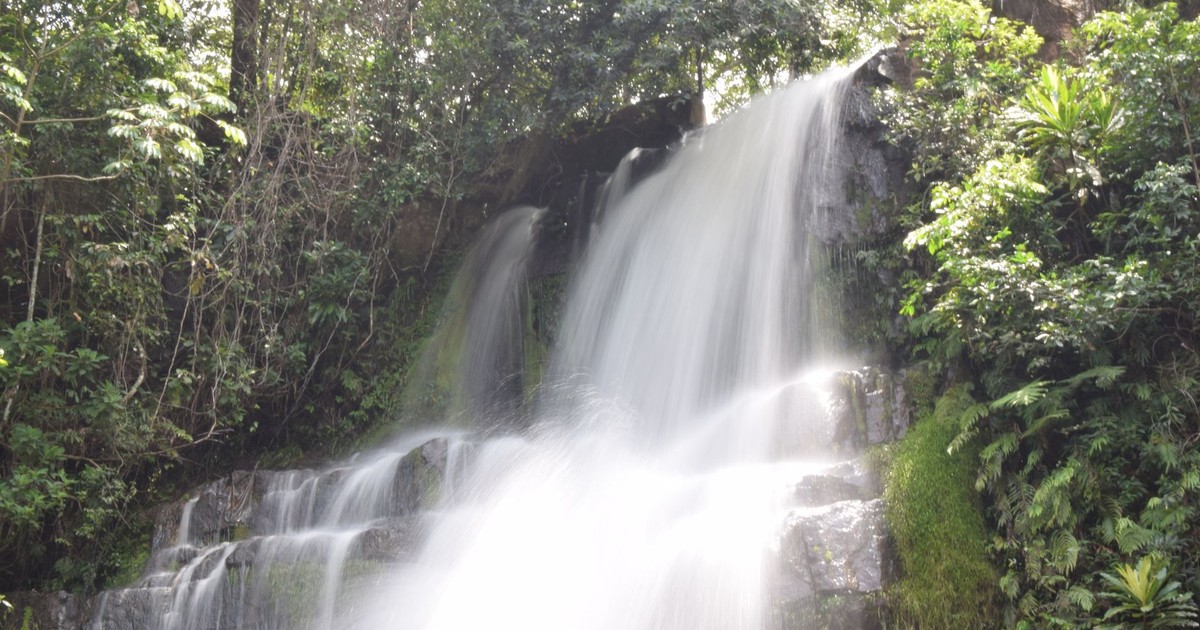
Many travelers flock to Kenya or Tanzania for East African wildlife experiences. Uganda, on the other hand, remains off the radar for most visitors and receives roughly half the number of tourists of its neighbors.
Uganda is ideal if gorilla trekking in the wild is on the list. The Bwindi Impenetrable Forest in the southwest is where visitors come face to face with mountain gorillas – one of the most profoundly affecting wildlife encounters available anywhere on earth. The permit system limits daily visitors, which means the experience never becomes a crowd event.
Beyond gorillas, Uganda holds chimpanzee tracking in Kibale National Park, white water rafting on the Nile at Jinja (the spot where the river officially begins), and the bizarre and magnificent Rwenzori Mountains – equatorial peaks high enough to carry permanent glaciers. It’s a country where the wildlife encounters are world-class and the price of the experience is significantly lower than the equivalent in Tanzania.
19. North Macedonia
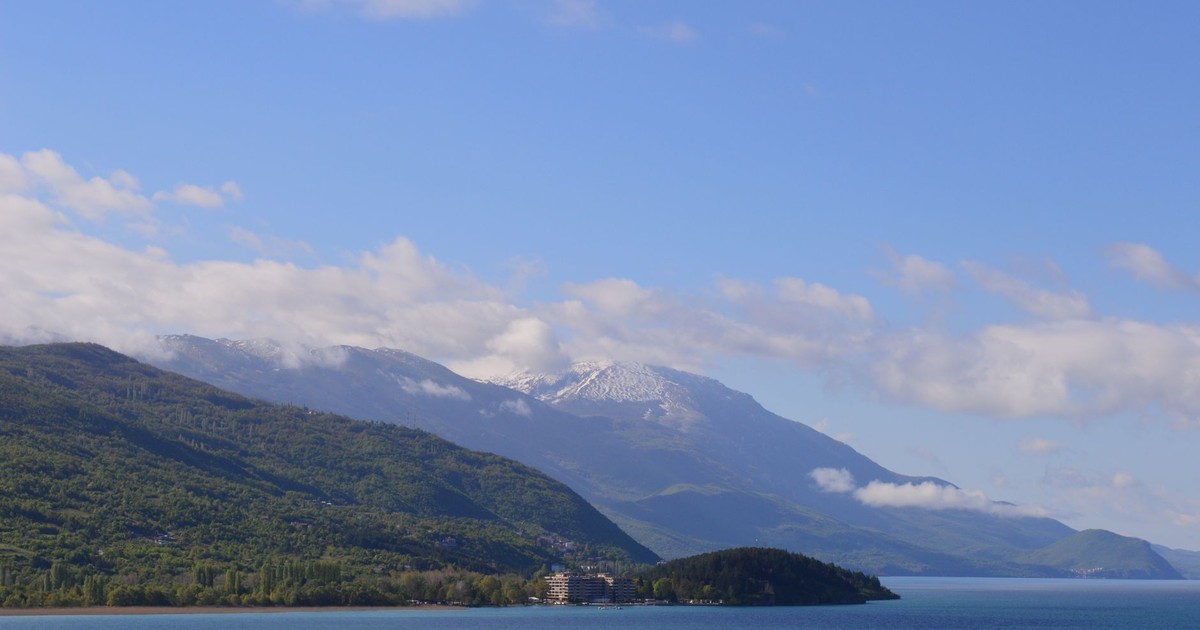
North Macedonia is one of those European countries that most people couldn’t locate on a map without a hint, and that gap is their gain. Landlocked and bordered by Greece, Bulgaria, Serbia, Kosovo, and Albania, it holds one of the oldest lakes in the world – Lake Ohrid, a UNESCO site whose water clarity and endemic species make it the closest European equivalent of a Crater Lake or Lake Baikal. The old town of Ohrid above the lake has been continuously inhabited for over 2,000 years.
Skopje, the capital, is an acquired taste – a city rebuilt after a devastating 1963 earthquake and recently overlaid with a grandiose Baroque-revival project that has divided opinion sharply. But the bazaar district, the old stone bridge, and the fortress above the city tell an older, more interesting story. Street food here is exceptional and cheap. The country uses the euro in practice despite not being an EU member, which simplifies travel logistics.
Wine production in North Macedonia is one of the best-kept secrets in European oenology. The Tikveš region produces bold reds that sell at prices that haven’t yet caught up with their quality, and a winery visit here involves none of the choreographed tourist experience of, say, Tuscany or Bordeaux.
20. Oman
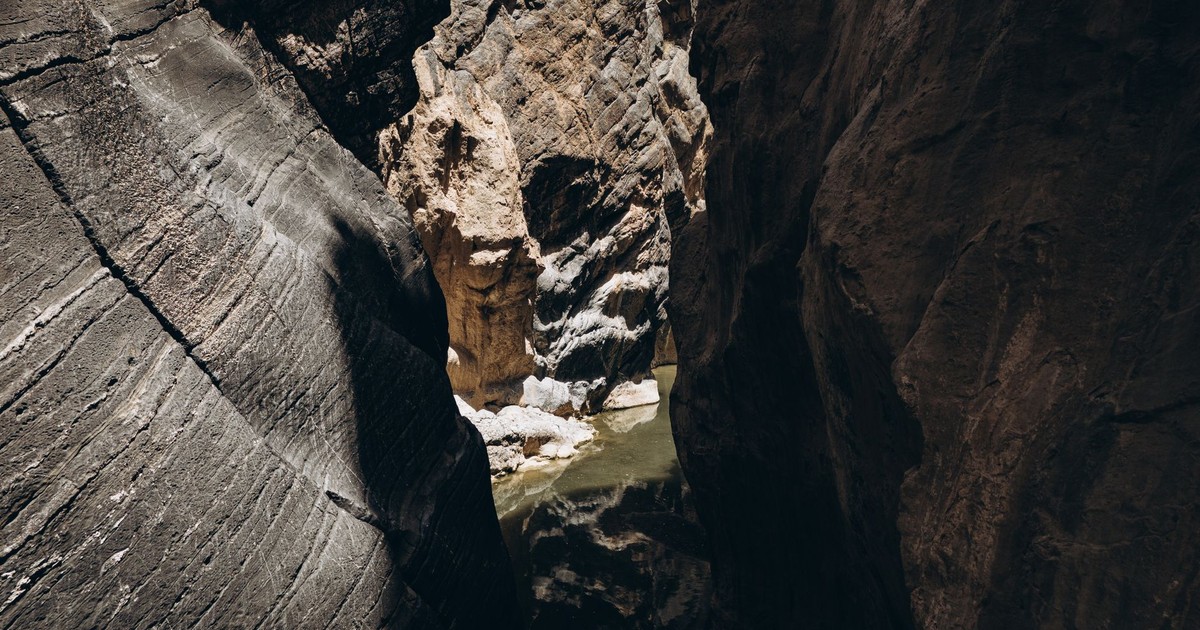
Oman is widely regarded as the safest country in the Middle East, particularly for women traveling alone. It didn’t have any hotels until 1970, which is part of the reason it remains underexplored today. The country spans an extraordinary range of landscapes from turquoise coastline to desert dunes.
Unlike its glitzy Gulf neighbors, Oman feels grounded, authentic, and unhurried. Muscat offers grand mosques, traditional souqs, and a scenic corniche for evening walks. From there, the Wahiba Sands desert – where luxury desert camps offer nights under an unobstructed sky – sits a few hours by road.
The interior of the country, particularly the Hajar Mountains with their ancient falaj (irrigation channel) systems and hilltop forts, rewards travelers who leave the coast. Nizwa, the historic capital, runs a Friday morning goat market that has been happening in the same location for centuries. The country is expensive by regional standards but dramatically cheaper than the UAE next door, and without the relentless sense that everything has been built for display rather than life.
21. Uruguay
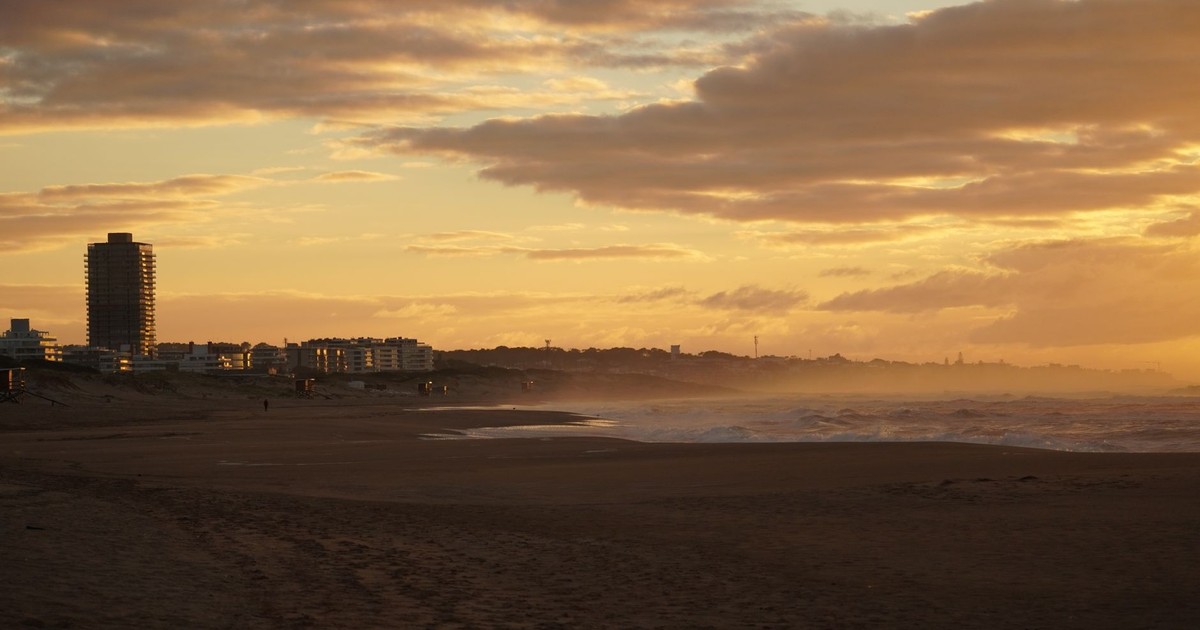
Uruguay is an often-overlooked nation in South America that features a vibrant capital contrasting beautifully with its countryside. Montevideo is regularly rated among the highest quality-of-life cities in Latin America – a city of tree-lined boulevards, a thriving Sunday flea market on the Rambla waterfront, and a food scene built around exceptional beef and a wine culture anchored by the indigenous Tannat grape.
The colonial town of Colonia del Sacramento, with its cobblestone streets and Portuguese and Spanish architecture, sits just a ferry ride from Buenos Aires. Cabo Polonio, a tiny village accessible only by 4WD truck through sand dunes, is home to a wild sea lion colony that populates the same beaches as the handful of people who live there year-round.
Uruguay tends to disappear from most South America itineraries, sandwiched between Argentina and Brazil, both of which shout louder. That’s its entire value proposition. It’s small, it’s genuinely liberal and relaxed, it has a remarkable coastline, and it has absolutely no interest in performing itself for anyone.
22. Panama

Panama remains the number one destination for expats globally, according to the InterNations Expat Insider survey, followed by Colombia. That statistic says a lot. People who move somewhere permanently for quality of life are telling you something that tourists usually take longer to discover.
The canal is still one of the engineering wonders of the modern world – you can watch container ships negotiate the locks from a viewing platform at Miraflores, which remains genuinely arresting no matter how many times you’ve seen it in photographs. But Panama City beyond the canal is a genuinely sophisticated destination: a historic old town (Casco Viejo) with a well-earned UNESCO designation, a skyline that looks like it was imported from Miami, and a food scene driven by the crossroads culture of a country that has been a global transit point for centuries.
The interior is almost completely unknown to international visitors. The Bocas del Toro archipelago on the Caribbean coast offers reef, jungle, and a laid-back island culture. The Azuero Peninsula hosts traditional festivals that predate Spanish colonialism. And the Darién Gap, one of the world’s most genuinely remote stretches of rainforest, sits at the country’s edge – not for most travelers, but a reminder that Panama is larger and wilder than its transit reputation suggests.
23. Kosovo
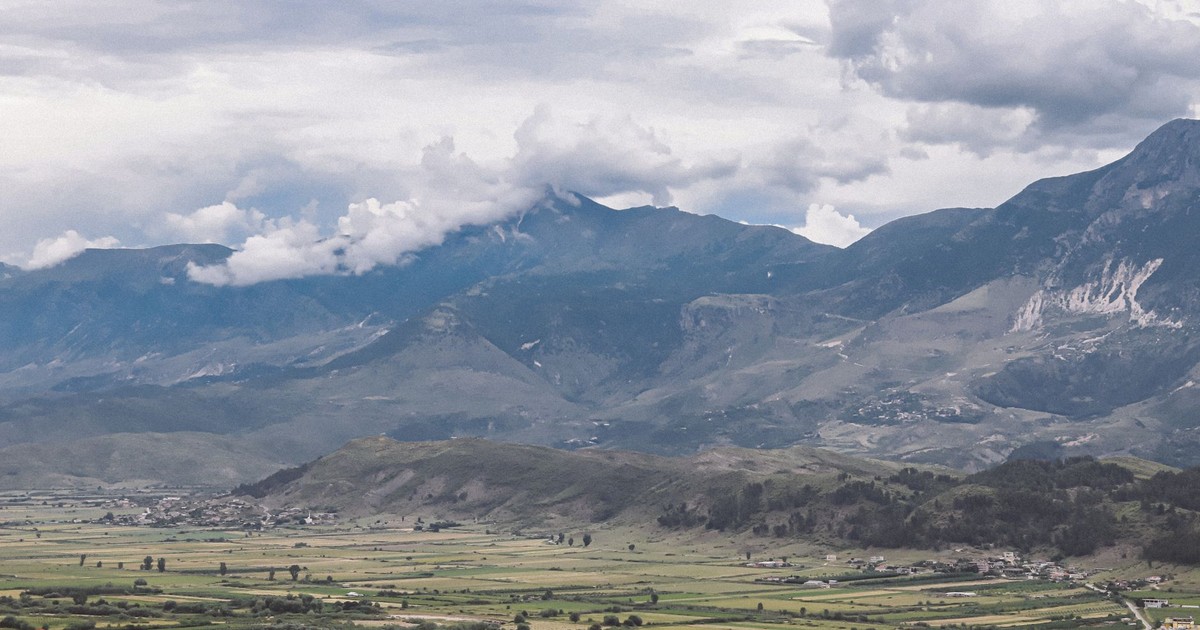
Kosovo declared independence in 2008 and is recognized by over 100 countries, though not all. That political ambiguity has kept it below the radar of most travelers, which means Pristina – a university city with a median age under 30, a boisterous café culture, and a bear named Vicko who lives in a city-center park – gets almost no international visitors compared to its neighbors.
The Rugova Gorge outside Peja is among the most dramatic canyon landscapes in the Balkans. The Serbian Orthodox monasteries of Visoki Dečani and Gračanica are UNESCO-listed and remain actively functioning religious sites. Prizren, the cultural capital in the south, holds one of the most intact Ottoman old towns in the western Balkans – stone bridges, mosques, and a castle above the river – and sees almost no non-regional tourism despite being both accessible and genuinely beautiful.
Pristina’s bar scene, fueled by a young, English-speaking, highly educated population, is one of the best-kept nightlife secrets in Europe. A coffee costs less than a euro and stays that way all night.
24. Sri Lanka
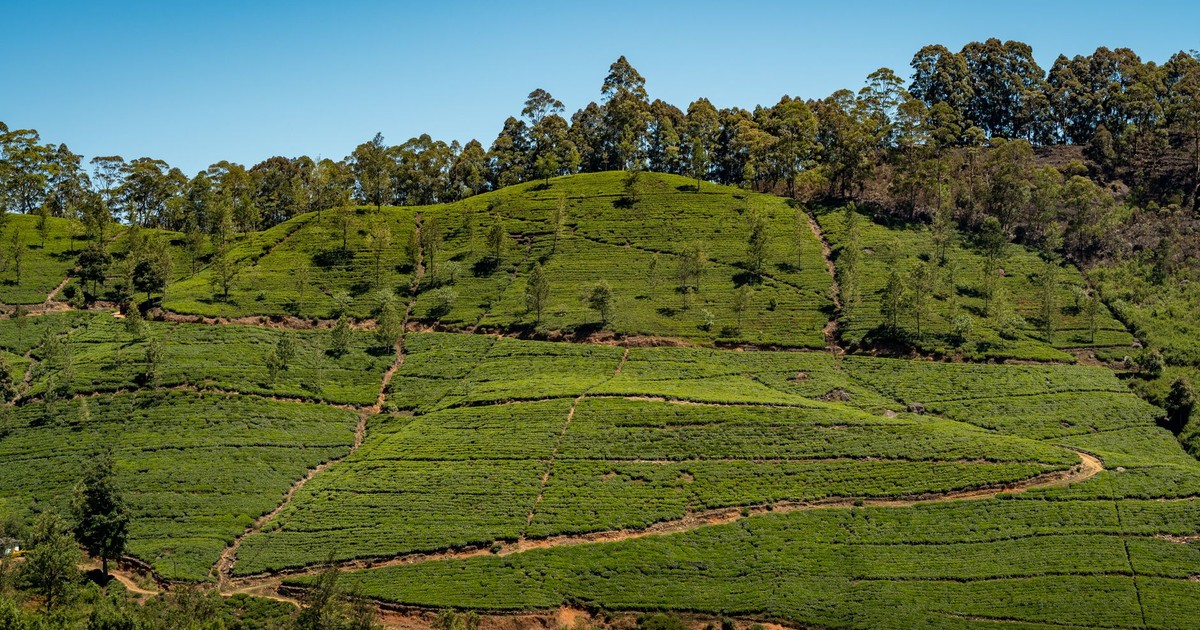
Sri Lanka has grown in popularity since the end of its civil conflict, though economic turbulence along the way has meant the journey to becoming a mainstream tourist destination has had real bumps – bumps that now appear to be behind it, with the country increasingly welcoming to foreign visitors.
The island packs more variety into a land area than almost any comparably sized country: ancient cities at Sigiriya and Anuradhapura, tea-covered highlands around Ella, surf beaches on the south coast, leopard sightings in Yala National Park, and whale-watching in the deep water off Mirissa. Train journeys here – particularly the line through the Hill Country – are frequently cited as among the most scenic rail routes in the world.
Sri Lanka’s food culture is badly underrepresented in the Western awareness of Asian cuisines. Hoppers (bowl-shaped rice flour crepes made in a wok, often with an egg in the center), kottu roti, and the coconut-forward curries of the coast are a complete culinary education in themselves. The country is still pulling out of a significant economic crisis and offers genuine value. The crowds that were starting to build before 2022 have thinned, which makes now a particularly good time.
25. Taiwan
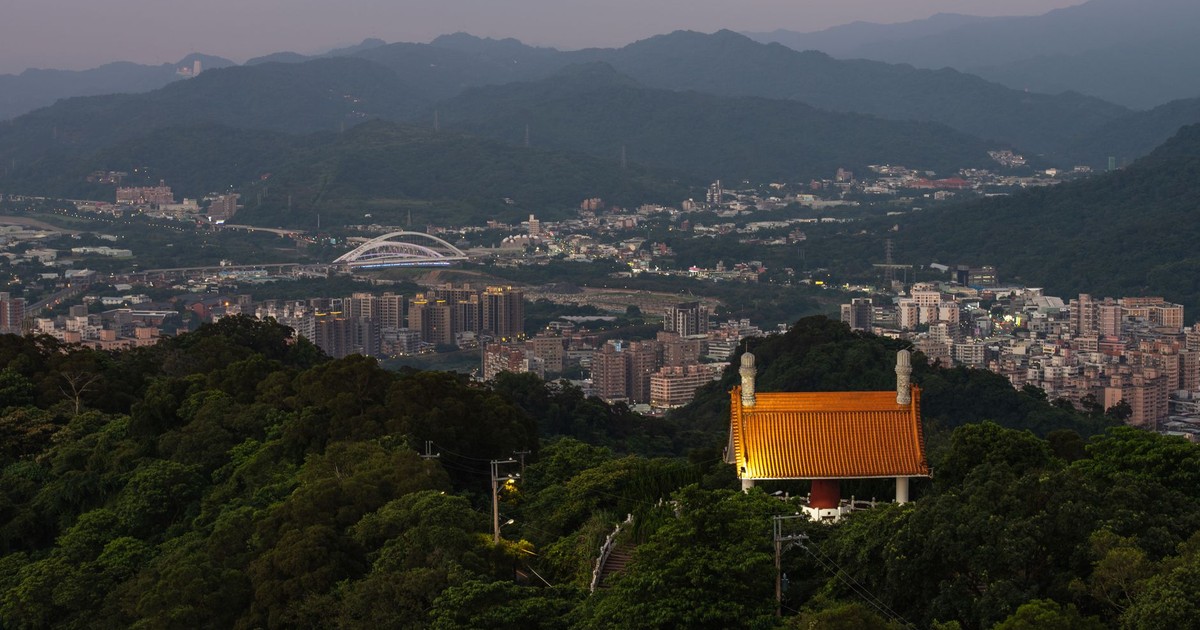
Taiwan was among the top travel discoveries of 2025 for those who went. It consistently surprises with its mix of safe cities, vibrant culture, dramatic nature, and food that many visitors rate among the best they’ve encountered anywhere. It’s also genuinely affordable, and for those considering Japan or South Korea but deterred by the cost, Taiwan delivers a comparable depth of experience at meaningfully lower prices.
Taipei’s night markets – Shilin and Raohe are the best-known – run from around 5pm until midnight and represent the full span of Taiwanese snack culture in a single, chaotic, excellent hour of walking. The Taroko Gorge in the east of the island, where a river has cut a marble canyon 19 kilometers long, is one of Asia’s most spectacular hiking corridors. The east coast highway between Hualien and Taitung is the kind of drive that people describe for years afterward.
Taiwan sits in a geopolitically complex position that occasionally appears in headlines and occasionally deters visitors who confuse political complexity with safety risk. For the traveler, the country is among the safest in Asia. The political situation has existed in its current form for decades. What you actually encounter on the ground is a warm, sophisticated, and deeply food-obsessed culture that is genuinely delighted to have you there.
26. Mongolia
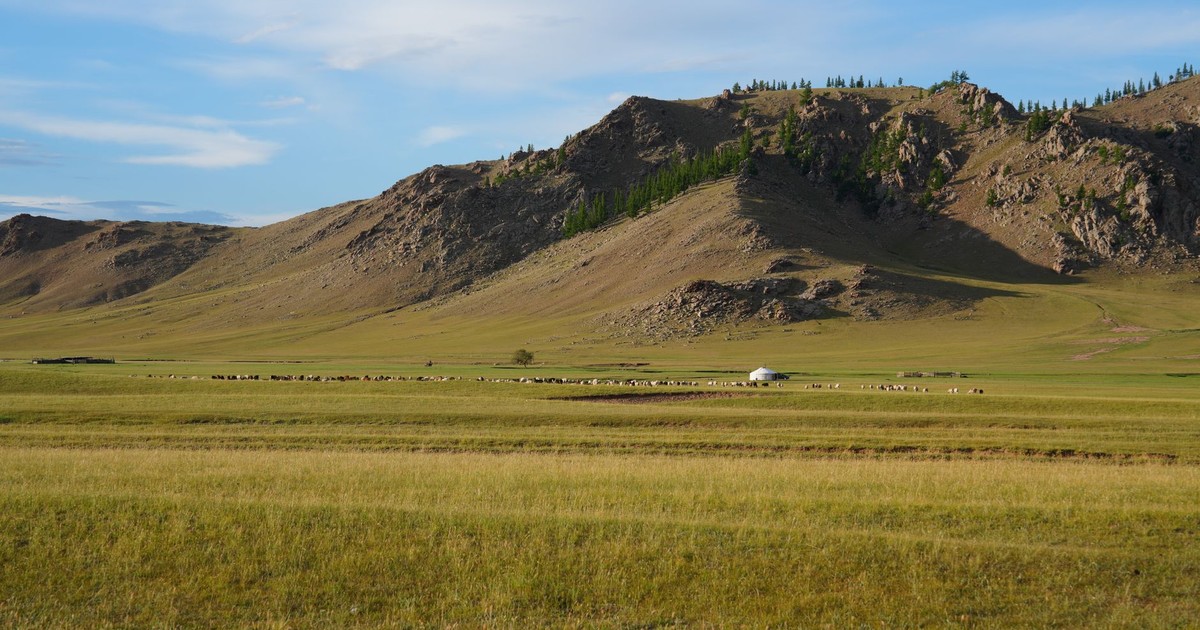
Mongolia sits between Russia and China but feels like another planet entirely. The landscape is endless green steppe, snow-capped mountains, wild horses, and nights spent in traditional yurts under stars with no light pollution for hundreds of kilometers in any direction.
Ulaanbaatar is a city of striking contrasts – Soviet-era architecture alongside Buddhist monasteries, a thriving contemporary art scene, and a growing youth culture that is increasingly internationally connected. But most people come for what lies outside the city: the Gobi Desert in the south, where sand dunes meet rocky canyons and Bactrian camels still outnumber tourists on most days; the Khövsgöl lake in the north, sometimes called the “Blue Pearl of Mongolia”; and the vast Khangai mountains in the center, where multi-day horse treks run through valleys that see perhaps a few hundred foreign visitors per year.
The nomadic culture of Mongolia is not a performance or a museum piece. An estimated 30% of the population still lives a semi-nomadic lifestyle, moving between seasonal pastures. The chance to spend a night in a working herder’s ger – with homemade airag (fermented mare’s milk) and a fire in the center – is one of those experiences that doesn’t have an equivalent anywhere else in the world.
27. Namibia
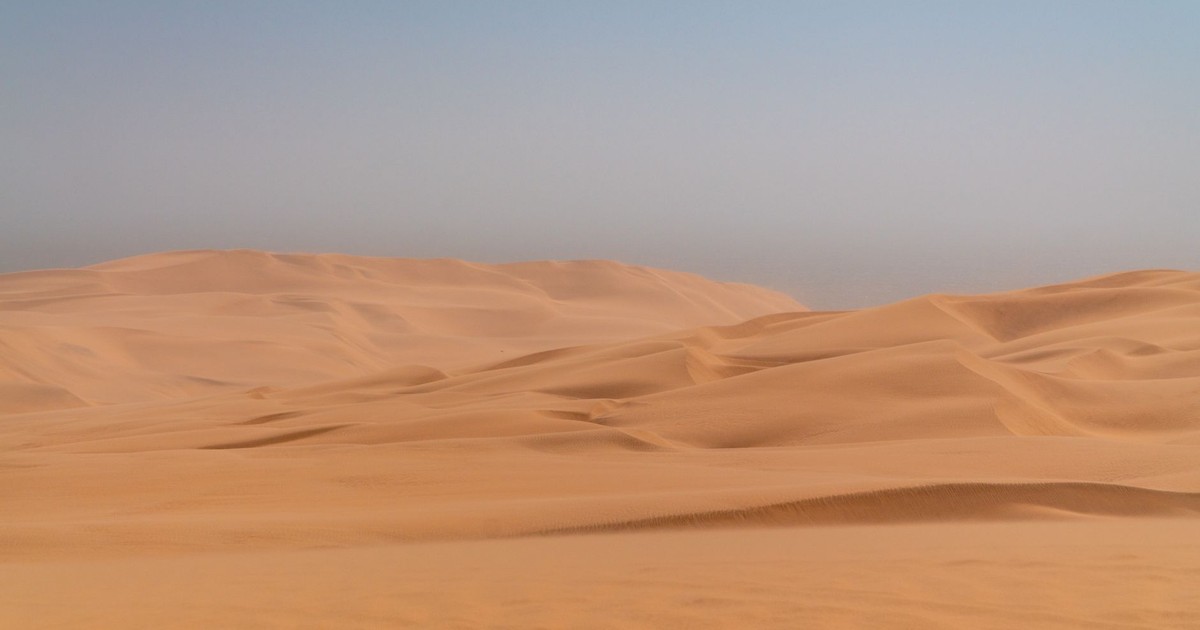
Namibia is, quite literally, one of the least densely populated countries on earth, with roughly 2.5 million people spread across an area the size of Texas and Louisiana combined. That ratio between population and space shows up immediately in the landscape: roads run for 200 kilometers without a junction. The silence is complete.
The Sossusvlei dunes in the Namib Desert – some of the tallest in the world, running between rust-red and apricot depending on the light – are a dawn photograph that no amount of social media has made common. Etosha National Park is one of the most accessible and rewarding wildlife parks in Africa for self-drive visitors. The Skeleton Coast, where hundreds of shipwrecks mark the Benguela Current’s encounter with the shore, has a reputation for a reason. Namibia also has a small but genuinely excellent craft beer and wine culture, centered on Windhoek and the area around Lüderitz in the south.
Infrastructure here is among the best in sub-Saharan Africa – roads are well-maintained, accommodation ranges from basic campsites to world-class lodges, and the country has been stable and democratic for over 30 years. It’s not cheap, but it’s worth every rand. The exchange rate for US dollar and euro travelers makes it considerably more accessible than the sticker price suggests.
28. Tunisia
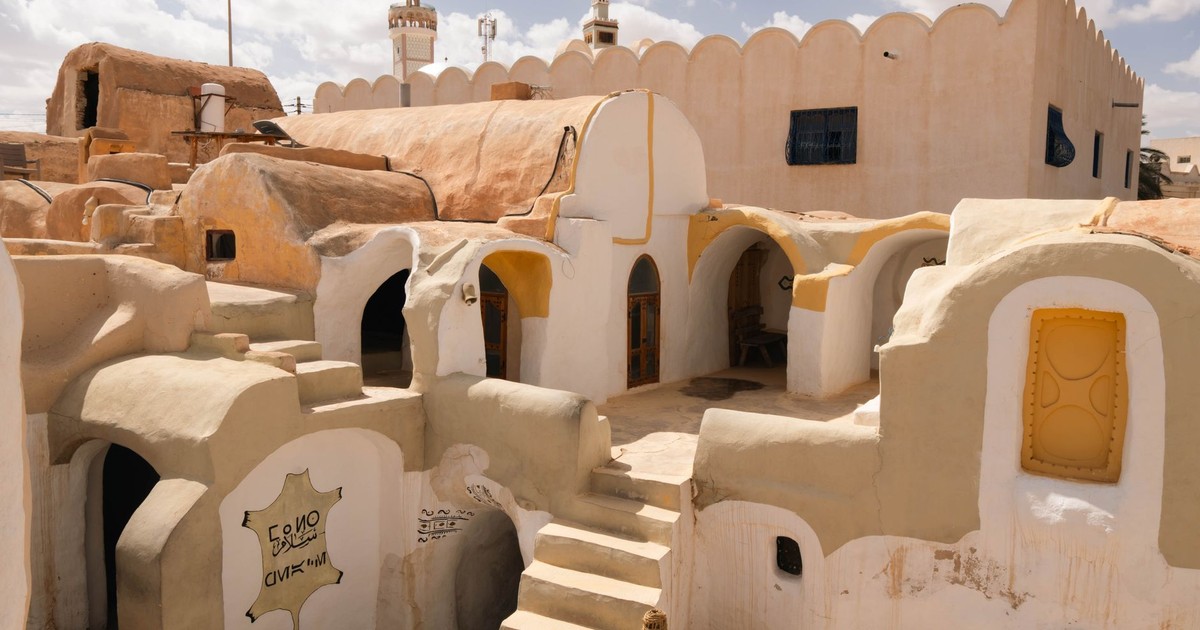
Tunisia is the closest point of Africa to Europe, less than 150 kilometers from Sicily, with a Mediterranean coastline that stretches for over 1,000 kilometers. It has the Sahara Desert in the south, the Atlas Mountains in the northwest, and the most complete collection of Roman ruins outside of Italy, including the vast ancient city of Dougga and the amphitheater at El Djem. Wild Frontiers named Tunisia among its 16 emerging destinations for adventurous travelers in 2026 as well – a list that reflects growing expert consensus around this part of North Africa.
Tunis itself – specifically the Medina, the oldest continuously inhabited neighborhood in North Africa – is a UNESCO World Heritage Site that takes the better part of a full day to walk properly. The city has a genuinely sophisticated café and restaurant scene built on a fusion of Berber, Arab, Ottoman, and French influences that produced one of the most distinct cuisines in the Mediterranean. Harissa, the chili paste that underpins most of the food here, is as different from the jarred version sold in Western supermarkets as fresh pasta is from the dried kind.
For European travelers particularly, Tunisia has a short flight time (under three hours from London or Paris), no time zone adjustment, and year-round warmth. The political situation has stabilized since the turbulence of the early 2010s, and tourism infrastructure is solidly established.
29. Paraguay
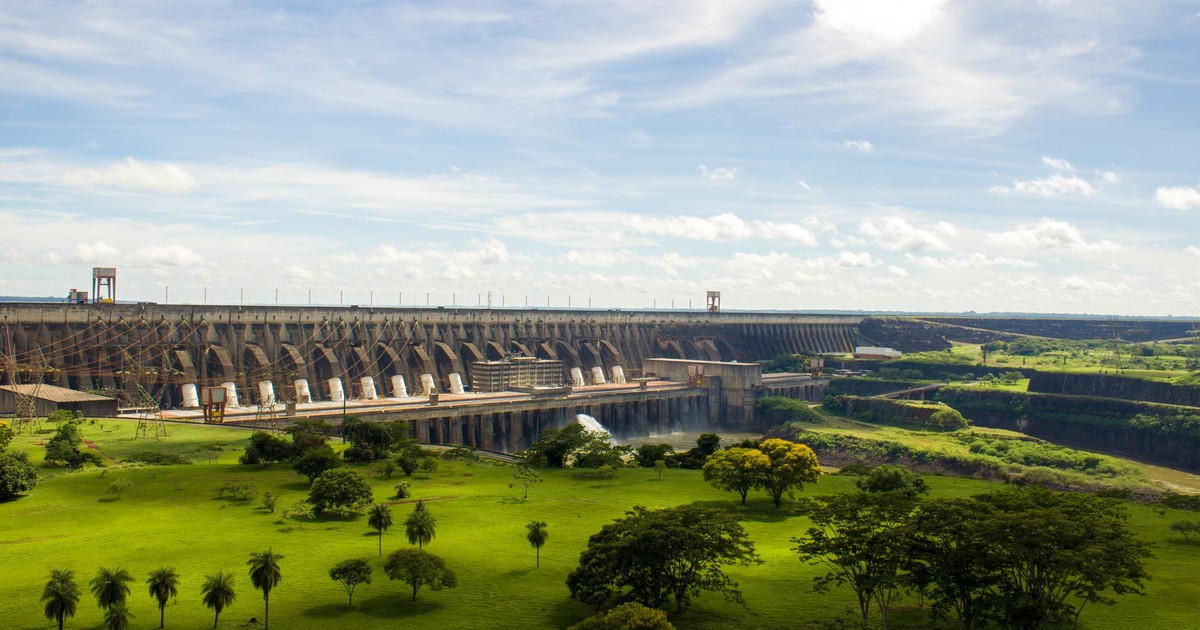
Paraguay is genuinely underexplored even within the context of South American travel. Travelers who have already visited the big-name destinations on the continent increasingly turn to it as the next frontier – a country of wild national parks, unique architecture, and a slower pace of local life that is genuinely hard to find elsewhere on the continent.
The Paraguayan Chaco – a vast subtropical dry forest covering more than 60% of the country – is one of the most biodiverse habitats in the Americas and sees almost no international visitors. The Gran Chaco is home to giant anteaters, jaguars, peccaries, and species of birds that have never made it onto a standard birding tour. The Mennonite colonies in the central Chaco, established by German-speaking immigrants in the 1920s, are an entirely unexpected cultural layer in an already layered country.
Asunción, the capital, is the oldest continuously inhabited city in South America, founded in 1537 – predating Buenos Aires by over 40 years. The Jesuit missions of the south (shared with Argentina and Brazil) are UNESCO World Heritage Sites that hint at what an extraordinary social experiment the Jesuit Reductions were: independent towns of 10,000 – 30,000 people, flourishing in relative equality, for over 150 years before the order was expelled in 1767. Paraguay is for travelers who are comfortable making their own itinerary without the scaffolding of a well-worn tourist route.
30. Saudi Arabia
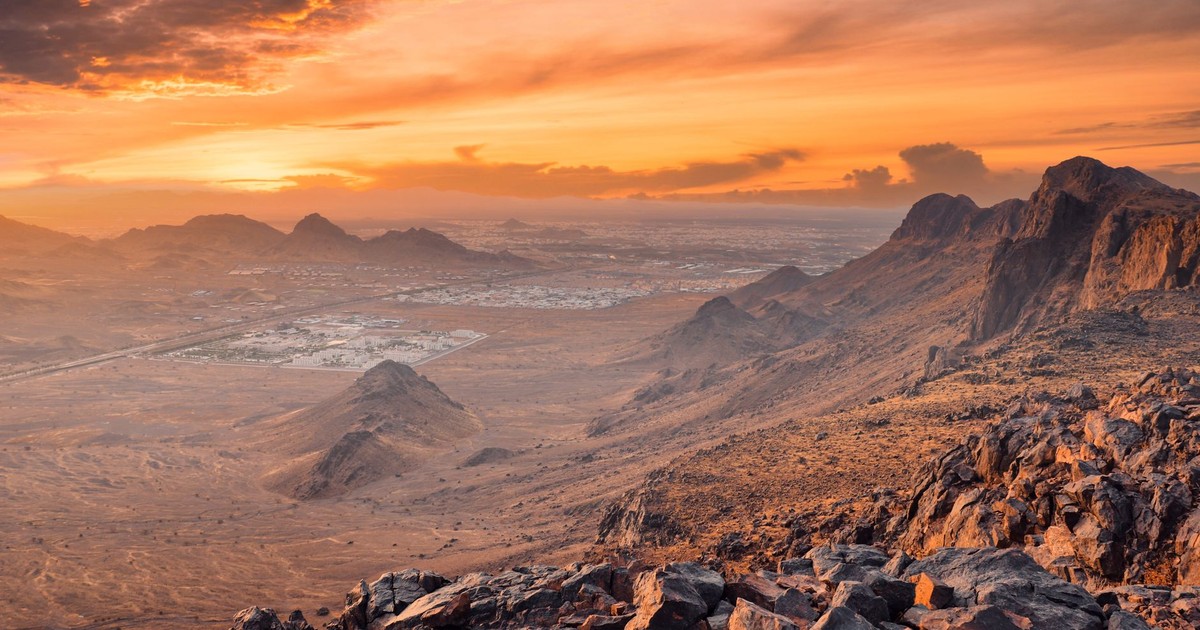
Saudi Arabia opened to international tourism in 2019 and the change is still sinking in for most of the world. For decades it was functionally inaccessible to most non-Muslim visitors; now it offers a tourist e-visa for citizens of over 60 countries, and the country it reveals is startlingly different from the image most people carry.
Wild Frontiers identified Saudi Arabia as one of its top destinations for adventurous travelers in 2026, alongside other emerging markets across Asia and Africa. The main attraction for those interested in history and archaeology is AlUla – a sandstone canyon in the Hejaz region of the northwest that contains Hegra (Madain Saleh), a Nabataean city of carved rock tombs contemporaneous with Petra in Jordan but receiving perhaps 1% of Petra’s visitors. The scale is comparable. The crowds are not.
The Asir region in the southwest, bordering Yemen, has an architectural and cultural distinctiveness that feels nothing like the Arabian Peninsula of popular imagination: terraced mountain villages with buildings painted in vivid geometric patterns, a cool highland climate, and a Friday morning market in Abha that has been running for centuries. The country is still in the early stages of building out its tourism infrastructure, which means now is either too soon or exactly the right time, depending on your tolerance for construction cranes next to ancient ruins.
Read More: 14 Famous Tourist Spots That Cost a Fortune and Usually Disappoint Visitors
The Only Mistake Is Waiting

The single thread that connects all 30 of these underrated travel destinations is timing. Every one of them is in the process of being discovered – some faster than others. Many are currently receiving major infrastructure investments: new direct flights, luxury hotel openings, upgraded airports. That investment is the signal. It means the experience you’d have today – the un-choreographed version, the one where the locals are curious about you rather than exhausted by you, where the restaurant owner comes out to talk to you because they want to – won’t be available indefinitely.
None of this is to say that popular destinations are bad. Paris and Tokyo and Lisbon are popular for excellent reasons. But there’s a qualitative difference between a place that absorbs you into its daily life and a place that has developed an entire economic system designed to absorb tourists. The 30 countries on this list are, right now, still mostly the former. Albania’s north. Kyrgyzstan’s valleys. Tunisia’s medina on a Tuesday morning. Ecuador’s highland markets. These are places where travel feels like the original proposition rather than a managed experience.
The logistics of booking any of them are no harder than they’ve ever been. Visa processes are easing, direct flights are increasing, and information is more accessible than it was five years ago. The only thing standing between most travelers and any destination on this list is the inertia of the familiar – which, historically, is exactly how the best trips eventually get made.
AI Disclaimer: This article was created with the assistance of AI tools and reviewed by a human editor.