

Most houses in the northern hemisphere weren’t built with extreme heat in mind. They were designed to retain warmth, which is exactly the wrong quality when the outdoor temperature sits above 100°F for days at a time. The windows face the afternoon sun. The roof stores heat like a battery. The insulation that keeps you warm in January does its job equally well in July, trapping every degree the walls absorb. Understanding that basic design tension is the first step to working against it intelligently.
The heat is also arriving in places and at times of year that catch people genuinely unprepared. Spring 2026 was the hottest spring recorded in France since records began in 1900. In the UK, Kew Gardens provisionally broke the national May temperature record for two consecutive days, reaching 35.1°C. These aren’t isolated curiosities from particularly warm regions. They’re happening in climates where homes were built for cold, where whole-house cooling systems are rare, and where the gap between who has air conditioning and who doesn’t is suddenly very visible.
The good news is that a cool house without AC isn’t folklore. The strategies below are grounded in how heat actually moves through a building. Some can be done in ten minutes. Others are worth planning before the next season. Used together, they can hold indoor temperatures several degrees below the outdoor peak, and on a heatwave that runs for days, that difference is the whole thing.
1. Close your windows and blinds before the heat builds
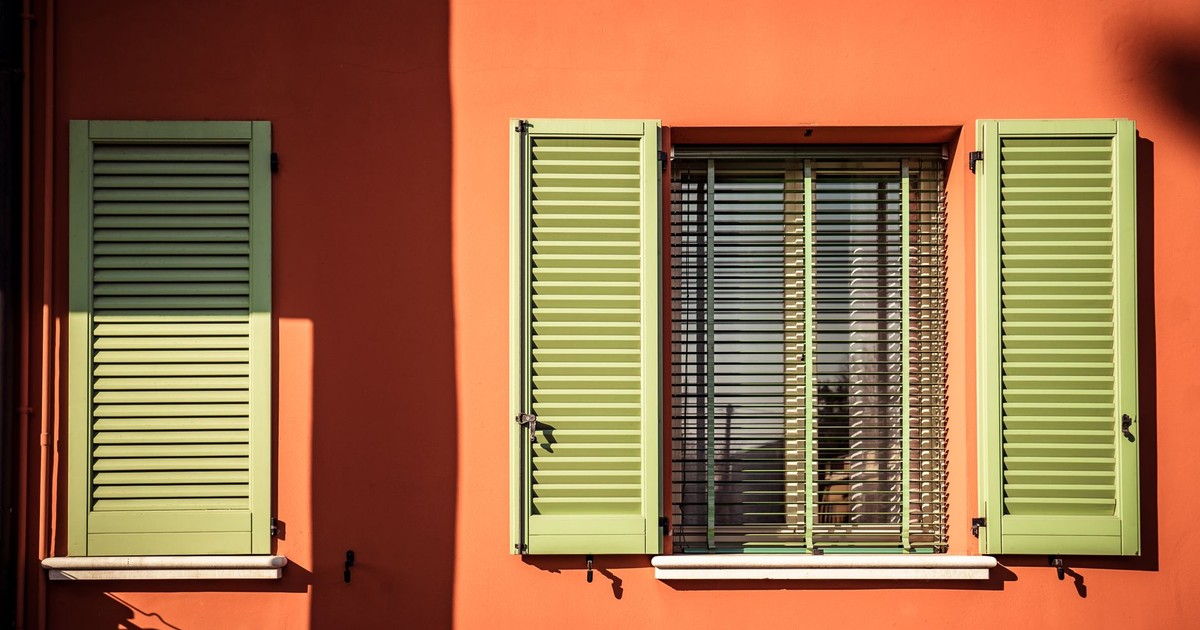
The most common mistake during a heatwave is treating the house like a mild summer day: windows open, curtains pulled back, welcoming in a breeze. On days when outdoor temperatures climb past indoor temperatures, that breeze is simply importing heat. The logic reverses entirely once it gets hot outside.
Keep curtains and blinds drawn on south- and west-facing windows between 11 a.m. and 4 p.m., when the sun tracks across its strongest arc. The material matters considerably. According to Consumer Reports, highly reflective blinds, when completely closed, can reduce heat gain by around 45 percent, while cellular or honeycomb shades cut unwanted solar heat by up to 60 percent when properly fitted to the window frame.
Internal blinds, though, only solve part of the problem. Closing curtains still lets heat penetrate the glass before being partially blocked inside. The stronger solution is exterior shading: shutters, awnings, or even an old bed sheet draped over the outside of the glass can intercept radiant heat before it touches the window at all. Window awnings can reduce solar heat gain by up to 65 percent on south-facing windows and 77 percent on west-facing ones. If you’re going to invest in anything for summer protection, it starts outside the glass, not inside.
2. Open windows strategically at night for cross-ventilation
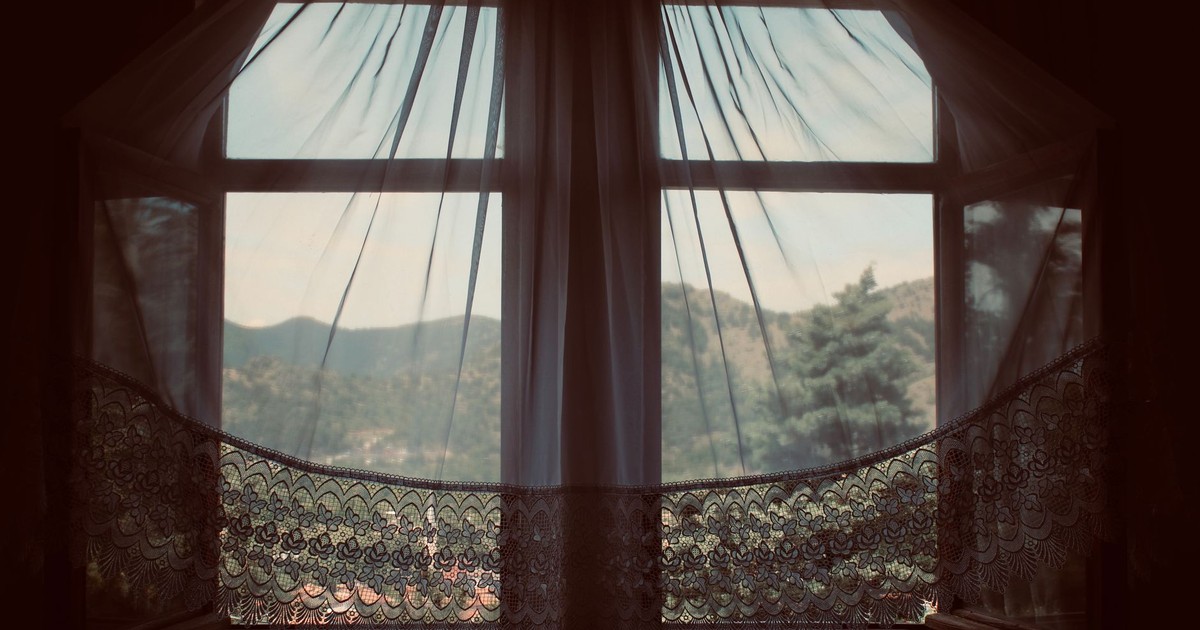
Once the sun drops and outdoor air cools below your indoor temperature, the entire logic reverses again: now you want movement. Cross-ventilation, done correctly, flushes the accumulated heat from your walls and furniture over the course of the night, so the next morning starts from a lower baseline.
Open windows on opposite sides of the house to create a path for air to travel through. The greater the distance the air covers, the more heat it draws with it. Ground-floor windows on the cooler, usually north-facing side of the house, combined with upper-floor or roof windows on the opposite side, work especially well because hot air rises and will actively seek the exit point you’ve created.
Timing matters here for reasons beyond comfort. As The Conversation reports, the danger of a heatwave grows significantly when nights remain hot, because the body needs cooler overnight temperatures to recover from daytime heat exposure. Getting the indoor temperature down before sleep, even by two or three degrees, changes how you cope with the following day. A box fan placed in a window on the cooler side of the house, blowing inward, paired with an open window on the opposite side, accelerates the effect considerably.
3. Use fans the right way
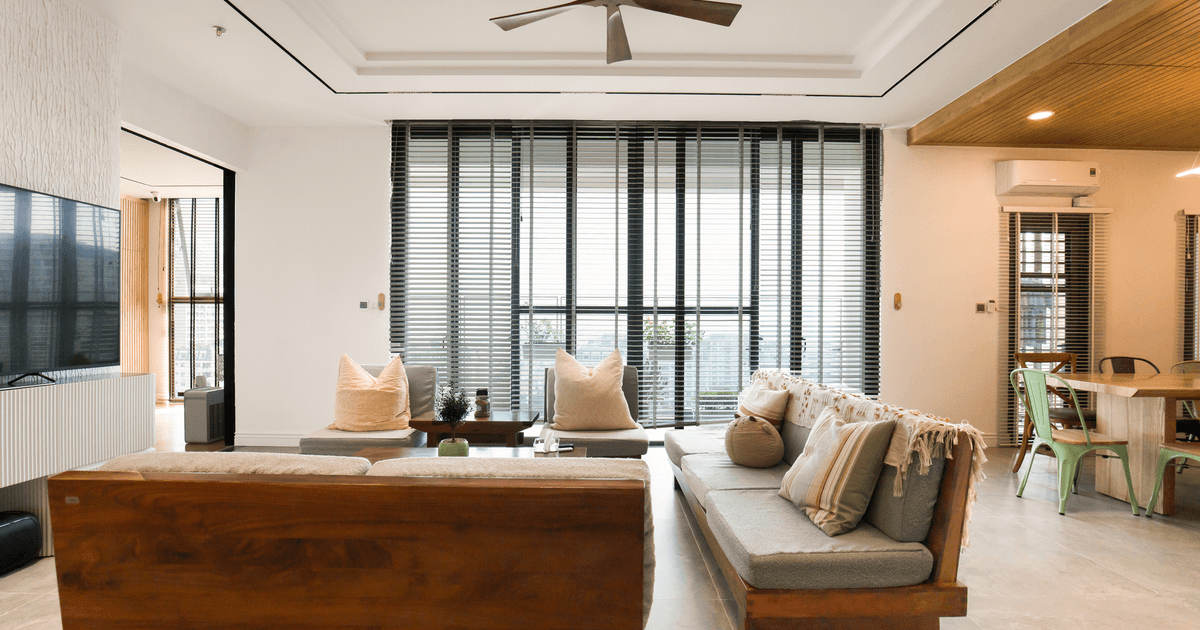
A fan doesn’t cool a room. It cools a person. Running a ceiling fan in an empty room wastes electricity, because the cooling comes entirely from the wind-chill effect on skin, not from any change in air temperature. The moment you leave, the effect stops.
Used correctly, fans are genuinely effective. Run ceiling fans counter-clockwise in summer (viewed from below) to create a downdraft that produces a cooling breeze at sitting and sleeping level. Most ceiling fan motors have a small directional switch on the housing that controls this. For sleeping, a bowl of ice placed in front of a pedestal fan positioned to blow across your body replicates a simplified version of evaporative cooling. The air picks up moisture as it passes over the ice, drops slightly in temperature, and hits your skin already carrying some cooling capacity. It won’t last all night, but it buys a couple of hours at the critical moment of trying to fall asleep.
4. Turn off heat-generating appliances
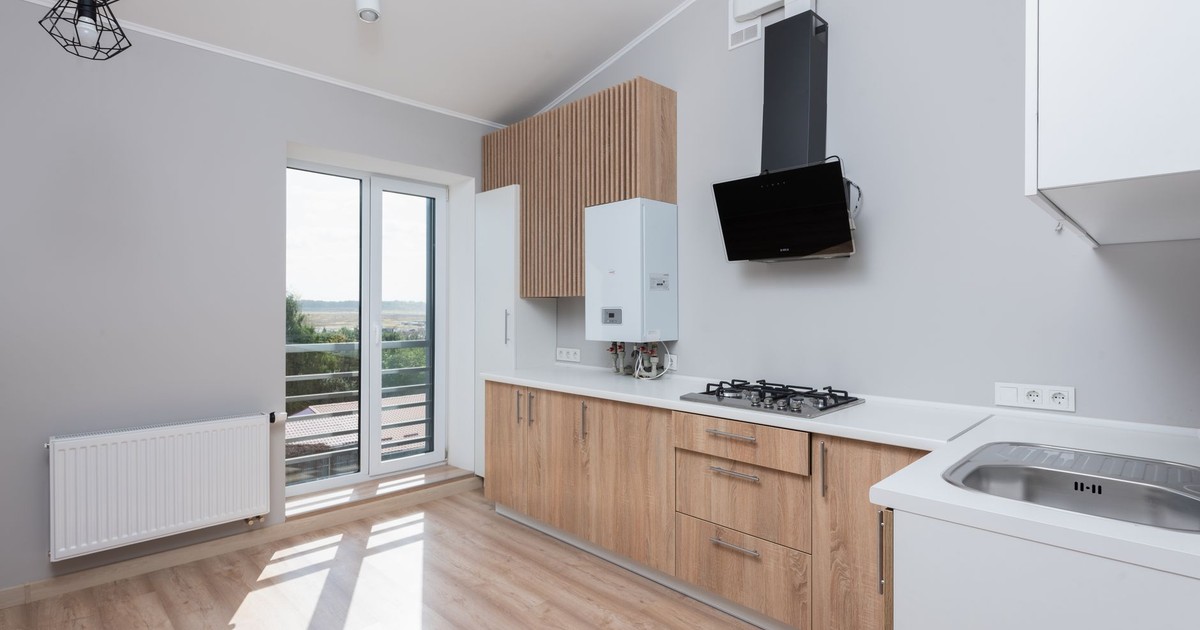
During a heatwave, the kitchen is the biggest liability in the house. An oven can raise the temperature of a room by several degrees in under an hour. A full dishwasher load, a running dryer, a desktop computer at full capacity in a small room – each of these adds meaningfully to the indoor heat load. Older incandescent light bulbs convert roughly 90 percent of their energy directly into heat rather than light.
Practically, that means cooking before 9 a.m. or after 8 p.m., eating cold meals where possible, using a microwave over a stovetop when heat is unavoidable, and running the dishwasher and washing machine only after dark. Switching any remaining incandescent bulbs to LEDs is one of the quietest and most permanent improvements you can make, and a heatwave is a useful reminder to actually do it. Working from home during peak heat with a gaming computer running at full load in a small room is roughly equivalent to running a small space heater. Switching to a tablet for lighter tasks, or moving the workspace to the coolest room, is not a trivial decision when it’s 38°C outside.
5. Create a cool room and retreat to it

Rather than trying to cool the whole house, pick one room and protect it. The thermal mass of a building that has been absorbing sun for eight hours is enormous. You can’t reverse that quickly across an entire floor plan. But you can create one reliable cool space and concentrate your resources there.
Choose the room with the smallest windows, least sun exposure (north-facing in the northern hemisphere), and the highest thermal mass: stone or tiled floors hold cooler temperatures better than carpeted rooms. Close the door to contain whatever coolness you’ve built up, draw the blinds entirely, and station your best fan there along with whatever else helps, a bowl of ice water, a damp sheet in the doorway.
Keeping cool during a heatwave matters most for the most vulnerable people in the household. High temperatures cause dehydration, strain the heart, worsen kidney disease, and aggravate respiratory illness. For older adults, young children, or anyone living with a chronic condition, a single reliably cool room is a genuine health measure, not a comfort preference.
6. Use water on your body, not just in the room

Cooling the air is slow. Cooling the body directly is fast. Evaporation is the body’s primary cooling system, and you can amplify it with almost no effort.
Wet a cloth or bandana and drape it around the back of your neck and wrists, where major blood vessels run close to the surface. As moisture evaporates, it draws heat from the blood passing beneath. A cool shower before bed, not ice cold but comfortably cool, lowers your core body temperature enough to make falling asleep significantly easier. Misting your arms and legs with a spray bottle and sitting in front of a fan achieves the same effect on a continuous basis.
Drinking cold water also works from the inside: your body spends energy warming cold fluids to core temperature, drawing heat away in the process. The effect is modest on its own, but the hydration benefit during extreme heat is substantial. High temperatures accelerate fluid loss, and even mild dehydration worsens heat stress faster than most people expect.
7. Block heat at the roof and walls
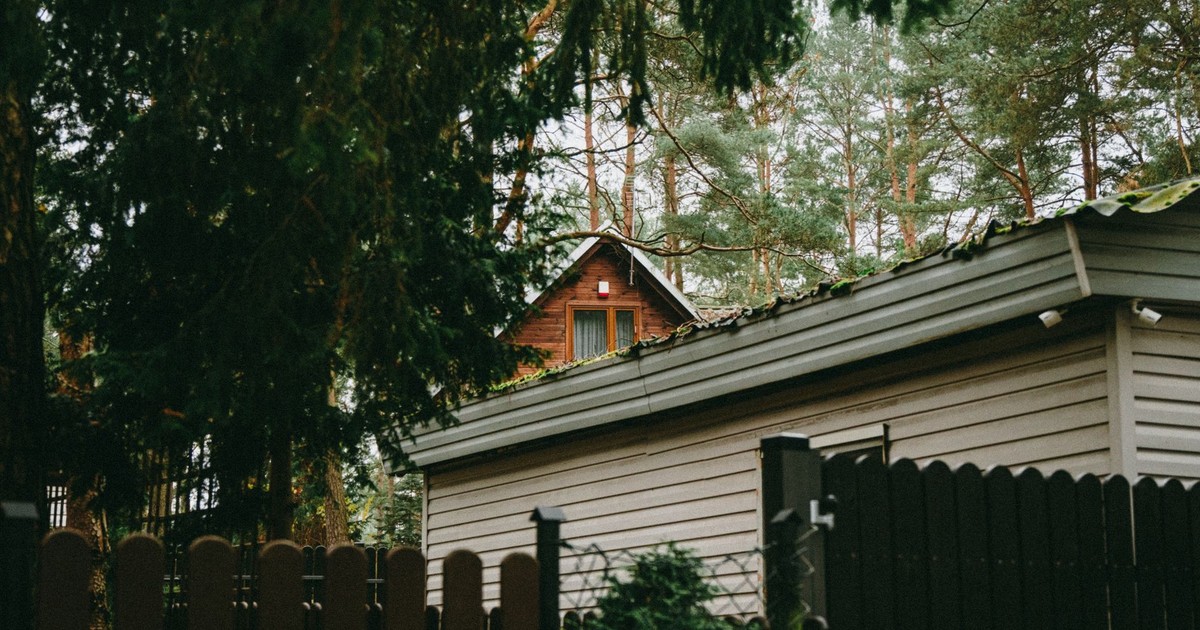
Most of the heat a building absorbs during a heatwave doesn’t come through the windows. It comes through the roof and walls, particularly where insulation is thin or absent. Attic spaces under direct sun can reach temperatures above 150°F (65°C), and that stored heat radiates down through ceilings into living spaces for hours after the sun has set.
One5c notes that a home’s roof can hit around 150 degrees Fahrenheit on a hot summer day, but one covered in lighter, more reflective materials can be as much as 50 degrees lower. White or light-grey roofing materials reflect significantly more incoming solar radiation than dark surfaces, which absorb most of it and transfer that heat into the structure below. For longer-term protection, this is one of the highest-leverage changes a homeowner can make.
In the shorter term, sealing gaps around windows and doors with weather stripping, and closing attic vents during peak heat hours to reduce the volume of superheated air building up inside the roof space, both help meaningfully. Attic vents should be reopened at night to let that stored heat escape. The sequence matters: seal in the day, vent at night, just like the window strategy.
8. Use a whole-house fan
A whole-house fan sits in a useful gap between a basic box fan and a full air conditioning system, and it is probably the most underused cooling tool in residential homes. According to the U.S. Department of Energy, whole-house fans pull cool air in from outside through open windows and exhaust hot air out through attic vents, cooling both the house and the attic. They are most effective when outdoor temperatures are lower than indoor temperatures, which typically means using them after sunset as a nighttime flushing system.
The energy math is striking. Whole-house fans typically use 200 to 600 watts of electricity. Central air conditioners use 2,000 to 5,000 watts. That means a whole-house fan runs on roughly 10 to 20 percent of the energy a central AC unit consumes. One important note from the Department of Energy: ensure windows throughout the house are open when running the fan to avoid concentrated suction in one location, and make sure attic ventilation is adequate to prevent backdrafting from gas appliances, which can pull carbon monoxide into the home.
9. Plant trees and manage outdoor shade
This is the longest play on the list, and it works at a scale nothing else does. Shade from trees doesn’t just make the garden more pleasant. It reduces the amount of solar energy the house absorbs before it ever reaches the walls or roof.
Research on two houses in Sacramento found that relocating large trees to directly shade the structure led to 30 percent energy savings on cooling. Trees planted on the south and west sides of a house intercept the strongest afternoon sun and cool the surrounding air through transpiration, the process by which water evaporating from leaves lowers the temperature of the air around them. The air directly under a well-canopied tree can be as much as 25°F cooler than the air above nearby paved surfaces.
If planting trees isn’t immediately practical, fast-growing climbing plants on a trellis against a sun-facing wall, canvas awnings over windows and doors, and shade sails over outdoor areas all work on the same principle: intercept the heat before it reaches the structure. A sun-baked brick wall stores heat and radiates it into your home for hours after dark. A shaded wall barely warms at all.
Read More: People Who Are Happiest When It’s Raining Outside Usually Have 9 Highly Intelligent Traits
What to Do With All of This
No single one of these strategies replaces air conditioning during a prolonged, severe heatwave. That needs to be said plainly. The heat arriving in 2026 is landing earlier in the year, at higher temperatures, and in places where buildings were never designed to cope with it. In those conditions, the goal shifts from staying comfortable to staying safe, and anyone who is elderly, very young, pregnant, or managing a chronic illness should know where their nearest public cooling center is located.
What these strategies do, stacked together, is buy real margin. Closing blinds before 11 a.m., flushing the house overnight with cross-ventilation, shading the roof and walls, retreating to one protected room, and cooling the body directly with water: that combination can hold indoor temperatures several degrees below the outdoor peak across a multi-day heatwave. The house that gets through a heatwave without AC isn’t the one relying on a single trick. It’s the one that treats heat as a predictable opponent and sets up the defenses before the forecast arrives, not the morning it does.
AI Disclaimer: This article was created with the assistance of AI tools and reviewed by a human editor.