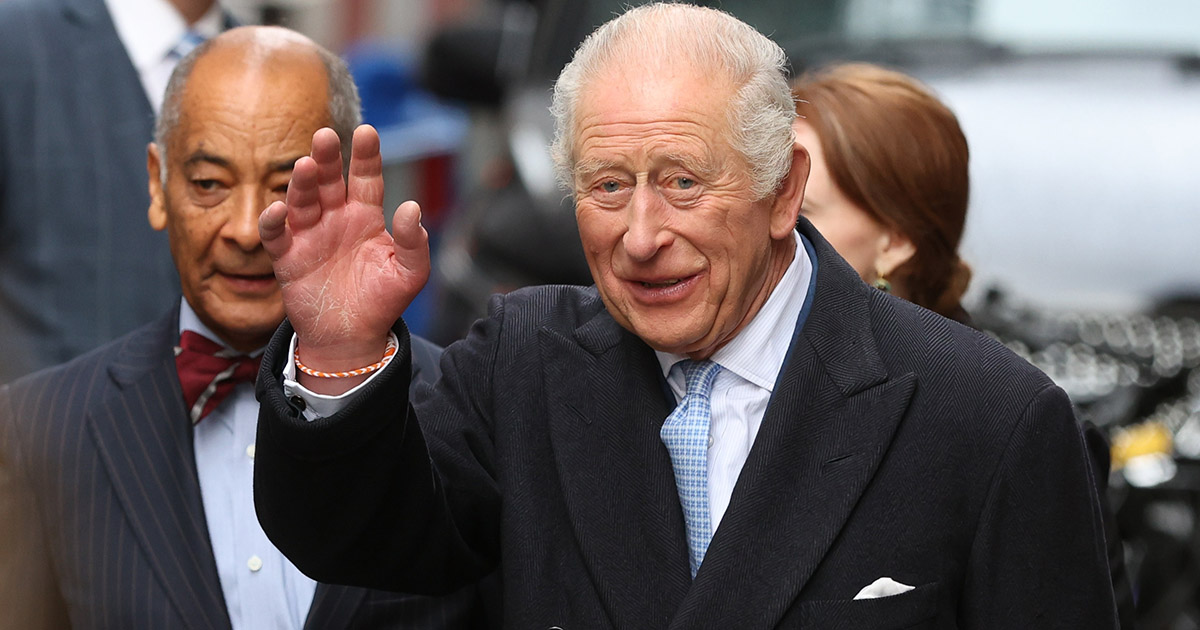

King Charles has a passport issued in his name that he cannot hold himself, because requesting entry on his own behalf would be the Crown addressing a document to itself. That circular impossibility – real, not theoretical – is a decent entry point into just how differently the law treats the British monarch versus every other person in the country. The exemptions aren’t obscure loopholes. They’re structural features built deliberately into UK law over centuries, and many of them are still on the books, regularly exercised, and occasionally consequential.
The royal prerogative is a body of customary authority, privilege, and immunity attached to the British monarch, recognized in the United Kingdom. The House of Commons Library describes prerogative powers as those “which do not require parliamentary authority” – a category that covers everything from treaty ratification and war-making to the granting of pardons and the appointment of prime ministers. Most of these powers are now exercised by ministers acting in the King’s name. Some are exercised by the King personally. And a handful are so old they’ve never been formally revoked, even though no one has bothered to use them in living memory.
Some of what follows is ancient and arcane – a statute from 1324 claiming sea creatures as Crown property, a custom of counting swans on the Thames. Other King Charles privileges are very much alive and constitutionally significant, touching on how wars are declared, how prime ministers are appointed, and how the legislation that governs everyone else gets made.
1. Travel Internationally Without a Passport

As the British monarch, King Charles does not require a British passport to travel internationally. British passports are issued in the name of His Majesty, making it unnecessary for him to possess one. Every British subject who boards an international flight needs one. The King does not.
Every passport issued by the UK under King Charles includes the preamble: “His Britannic Majesty’s Secretary of State requests and requires in the name of His Majesty all those whom it may concern to allow the bearer to pass freely without let or hindrance.” He is the person in whose name that request is being made. It would be circular for him to hold the document himself.
2. Drive Without a License

King Charles does not require a driver’s license. Licenses in the UK are issued in the monarch’s name, making it legally redundant for him to hold one. The logic mirrors the passport situation exactly.
He can also drive without a license plate on his vehicle. And under escort, the rules bend further. According to TIME, under the Road Traffic Regulation Act, the King and other members of the royal family can drive as fast or as slow as they please when escorted by police officers on official royal business. The Prime Minister is afforded the same right. For everyone else, a speed camera doesn’t care who you are.
3. Cannot Be Prosecuted for Any Crime
Under the legal doctrine of sovereign immunity, Charles is exempt from criminal and civil proceedings as head of state. His immunity extends beyond his public duties to his conduct on privately owned assets, estates, and businesses.
This isn’t a modern convenience. It traces back centuries in English common law, based on the principle that the Crown is the source of justice and cannot simultaneously be subject to it. More than 30 different laws bar the police from entering private royal estates without the sovereign’s permission to investigate suspected crimes.
4. Pay No Income Tax, Capital Gains Tax, or Inheritance Tax

The GOV.UK Sovereign Grant Act 2011 guidance states plainly: “The Monarch is not legally liable to pay income tax, capital gains tax or inheritance tax because the relevant enactments do not apply to the Crown.” In practice, Charles voluntarily pays income tax, an arrangement that has been in place since 1993 when it was agreed under Queen Elizabeth II following public pressure. But the word is “voluntarily.” The legal obligation simply doesn’t exist.
The Duchy of Lancaster, which generates income for the sovereign from its vast landholdings, operates under the same framework. For the rest of the population, HMRC has no such flexibility.
5. Skip Jury Duty
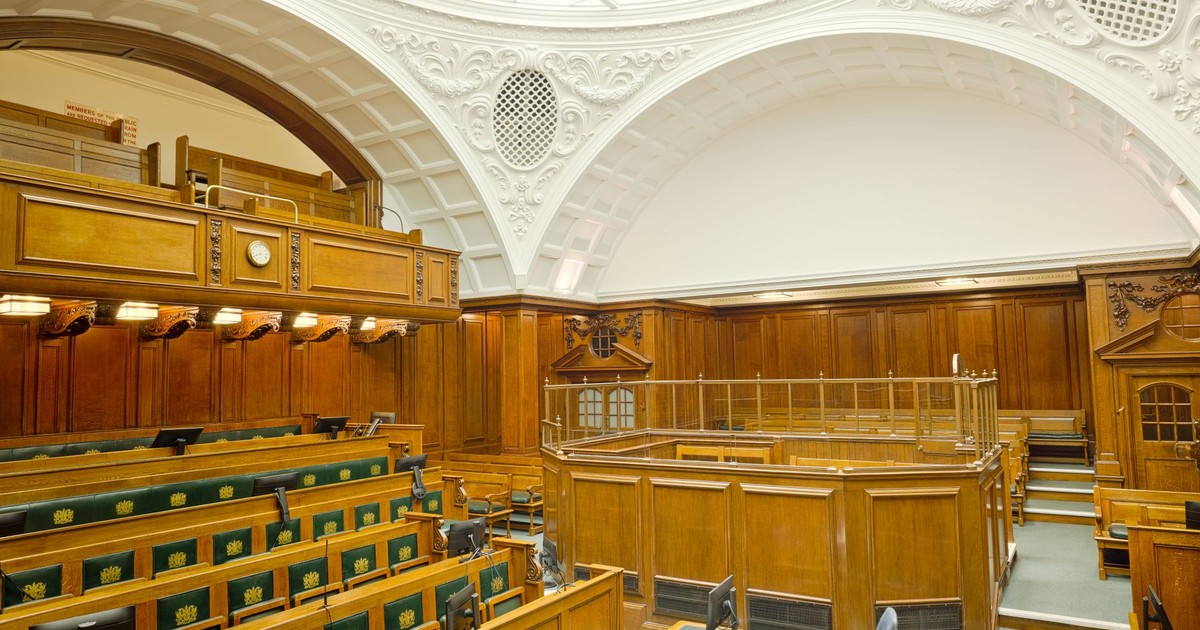
While British citizens can face fines of up to £1,000 for evading jury duty, the King and his immediate family members are exempt from having to take part in jury service. In 2003, MPs successfully argued to replace a blanket exemption covering all members of the royal family with one limited to the monarch and their immediate family. The logic: Charles is the fount of justice in the UK. He cannot sit in judgment in a court that operates in his name. But it’s still a privilege that no ordinary citizen – not a doctor, not a judge, not an MP – can fully match.
6. Be Exempt from the Equality Act

In the 1970s, the British government introduced laws against racial and sexual discrimination in the workplace, later folded into the 2010 Equality Act. The royal household is exempt from it. This means the protections that every private employer in the country must observe – on sex, race, religion, disability, and age – do not apply inside Buckingham Palace or any other royal residence in the same way they apply to a high street shop or a hospital.
The exemption has attracted persistent criticism from equality advocates. It is nonetheless a legal fact, written into the structure of the Act itself. The assumption is that the monarch, as head of state, occupies a category of employment that falls outside the scope of ordinary labor law.
7. Break Environmental Laws on His Own Land

Charles is exempt from punishment over wildlife offenses, environmental pollution, and other environmental crimes – a kind of legal immunity given to no other private landowner in the UK. This is among the more quietly significant King Charles privileges, given that he is one of the largest private landowners in Britain and has for decades been a prominent public advocate for environmental causes.
A private landowner caught dumping pollutants or disturbing a protected species faces prosecution under a well-developed body of environmental law. That enforcement stops at the boundary of a royal estate. The irony of an environmentalist king being personally immune from environmental law is not lost on constitutional scholars.
8. Refuse Police Entry to His Estates
More than 30 different laws bar the police from entering private royal estates without the sovereign’s permission to investigate suspected crimes. This is separate from the criminal immunity that protects Charles personally. Even if an investigation concerned someone else on his land, the default position under those statutes is that the sovereign’s consent is required before officers can enter.
This has no real equivalent anywhere in private British property law. The police can obtain a warrant to enter almost any other premises in the country. The royal estates sit in a distinct legal category, one that has been reinforced and re-enacted across decades of legislation.
9. Own All the Mute Swans in England
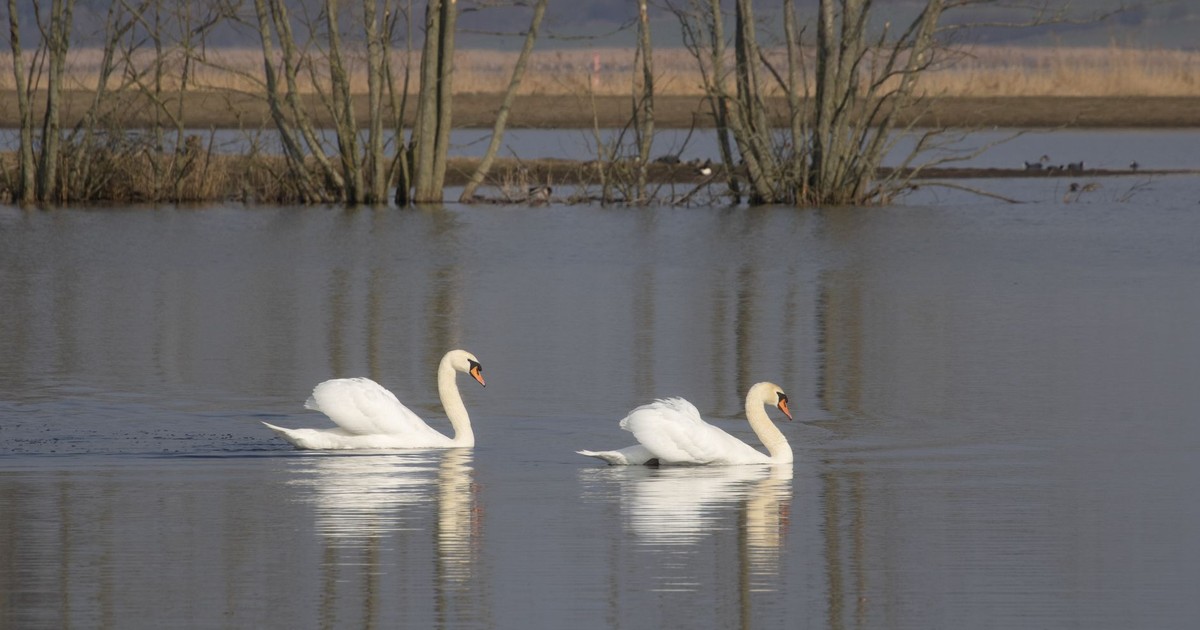
Unmarked mute swans across England and Wales have been considered the monarch’s property since the 12th century. This isn’t symbolic. It has a formal annual ceremony attached to it: Swan Upping, held on the Thames each July, during which swans are counted and ringed. The Worshipful Company of Vintners and the Dyers Company are permitted to own mute swans under historic royal grants, which is why their representatives take part in the count alongside the King’s Swan Marker. Everyone else’s mute swans technically belong to the Crown the moment they hatch.
It is one of those feudal provisions that has survived long enough to become quaint, without ever being formally abolished.
10. Claim Ownership of Whales, Dolphins, and Sturgeons in UK Waters

An ancient statute from 1324 declares whales and dolphins as the Crown’s property, categorizing them as “royal fish.” King Charles also has rights over sturgeons, porpoises, and any marine life captured within three miles of the UK. These creatures are legally known as “fishes royal” and have been Crown property for seven centuries.
In practice, this means that any sturgeon caught by a British fisherman and landed in England must technically be offered to the King. The same applies to any whale or dolphin stranded on English shores. Like many of these medieval provisions, the statute has never been revoked – it has simply been exercised less frequently.
11. Pardon Convicted Criminals

King Charles has the royal prerogative of mercy, allowing him to pardon convicted criminals or reduce prison sentences. In practice, this power is exercised on the advice of the Secretary of State for Justice, but it is formally the King’s alone to grant. No court can override a royal pardon once issued.
The prerogative of mercy remains one of the reserve powers that have not been abolished or delegated away by statute. It was used in 2013 to grant a posthumous royal pardon to Alan Turing, the mathematician prosecuted in 1952 for the then-criminal offense of homosexuality. The formal document bore the sovereign’s authority – a reminder that behind the legal formality sits a genuinely substantive power.
12. Appoint and Dismiss the Prime Minister
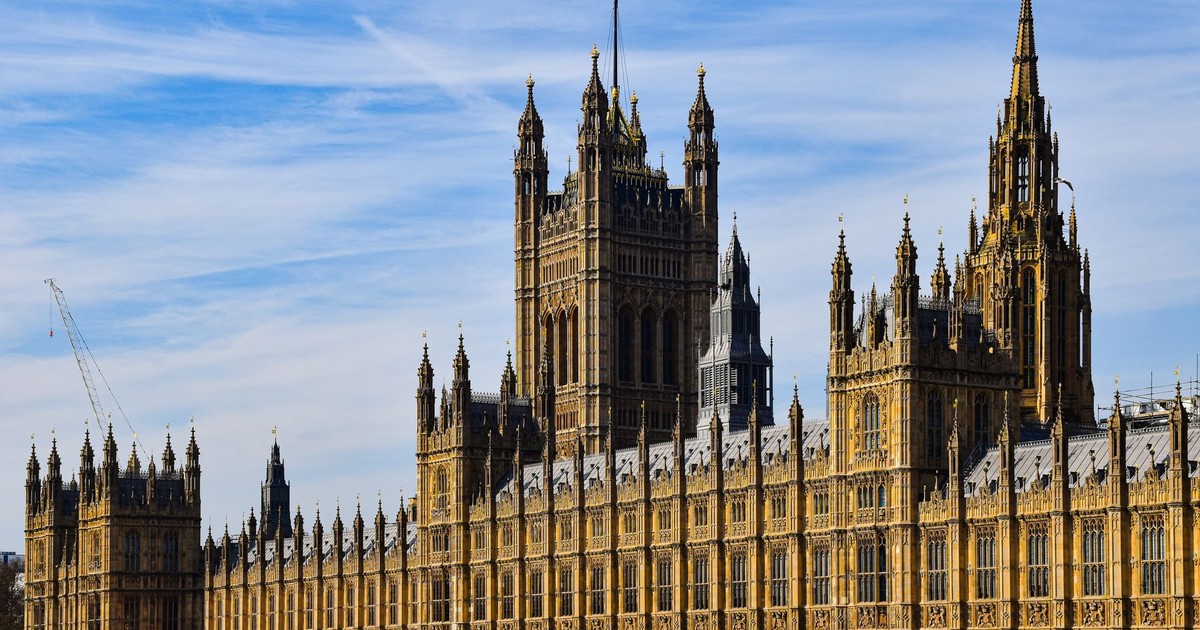
According to UCL’s Constitution Unit, “the King still exercises some prerogative powers himself, known as his reserve powers or personal prerogatives.” The most important of these are the power to appoint and dismiss ministers, including the Prime Minister. In the standard operation of British democracy, the King appoints the leader of the party that commands a majority in the House of Commons. But in a hung parliament, where no single party has a clear majority, the King’s discretion comes into sharper focus.
The last time a British monarch dismissed a prime minister was in 1834. The power has not been abolished. It sits there, a constitutional failsafe that everyone hopes never needs to be used.
13. Give or Withhold Royal Assent to Legislation
Every bill passed by both Houses of Parliament must receive Royal Assent before it becomes law. Royal assent to bills is automatically granted once a bill has been passed by both houses, and the other powers are exercised on the advice of ministers, advice which – by convention – the King is normally expected to follow.
While the King is required to remain politically neutral, it is within his prerogative to refuse assent to a potential law. No British sovereign has done so since 1708. The power exists. No modern monarch has exercised it. It represents one of those constitutional tensions where the theoretical weight of the Crown and the practical reality of democracy exist in permanent, careful balance.
14. Open and Prorogue Parliament
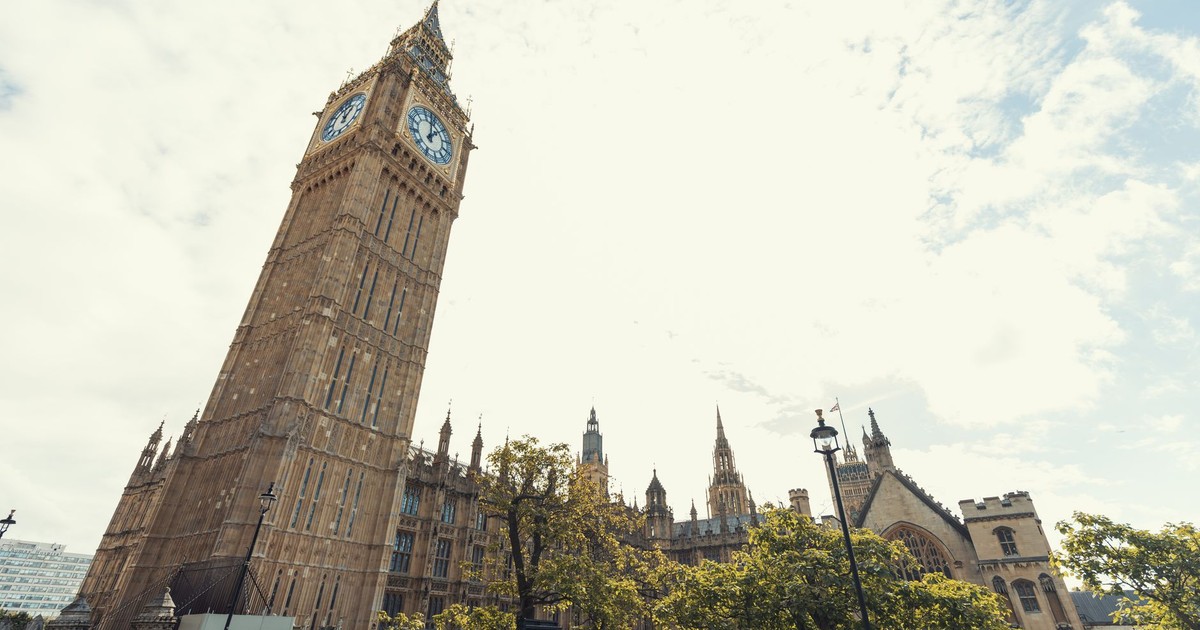
The monarch opens Parliament for its lawmaking session each year – the State Opening of Parliament, one of the most photographed events in the British constitutional calendar, complete with the Imperial State Crown, the Sovereign’s Escort of the Household Cavalry, and a speech written entirely by the government of the day.
The monarch can also prorogue Parliament via an Order in Council, using a prerogative power. In 2019, the Supreme Court ruled that Boris Johnson’s advice to Queen Elizabeth to prorogue Parliament for five weeks was unlawful, demonstrating that even the prerogative has limits when it’s used to obstruct Parliament’s constitutional role.
15. Personally Appoint Bishops and Archbishops of the Church of England
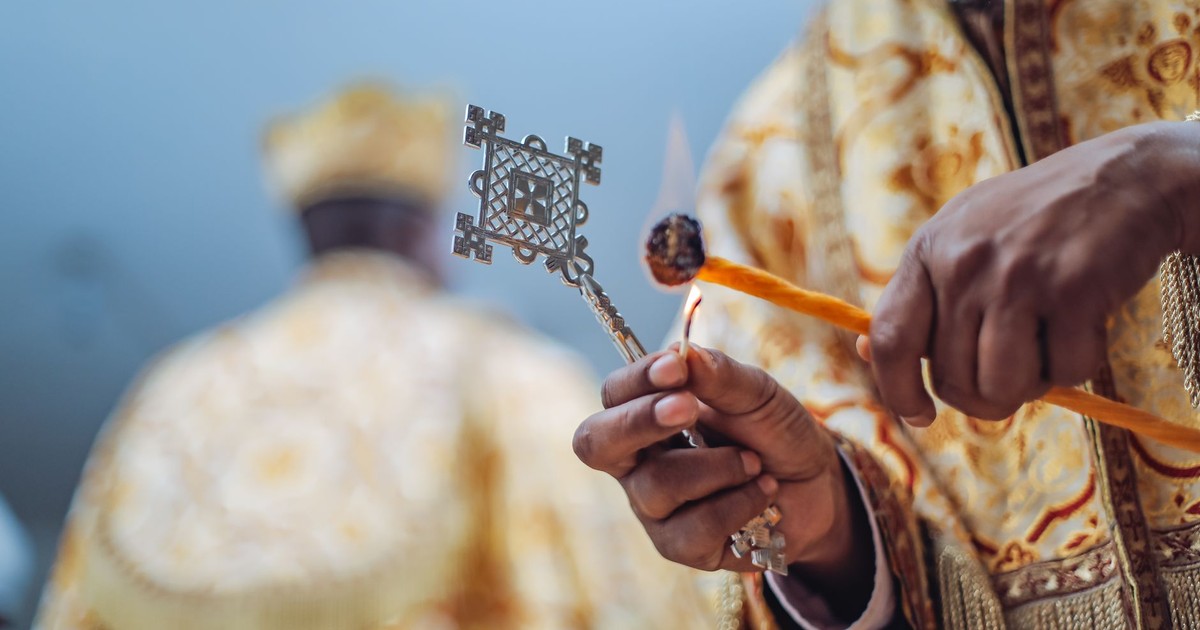
The monarch is responsible for the appointment of all archbishops and bishops in the Church of England, of whom 26 sit in the House of Lords as the “Lords Spiritual.” This means King Charles has formal authority over the leadership of a church attended by millions of people, and those church leaders in turn sit in one of the two legislative chambers of the UK.
The appointments are made on the advice of the Prime Minister, who draws from a Church Commission list. But the formal act of appointment is the King’s. As Head of the Church of England – a role that comes with the Crown automatically – Charles holds a position in organized religion that no president, prime minister, or elected leader of any comparable democracy could occupy.
16. Create New Peers
The monarch can create life peers, who sit in the House of Lords. The power is set out in legislation, and it is done by the monarch on the advice of the Prime Minister. Separately, the monarch retains a prerogative power to create hereditary peerages, though this is rarely used.
Every member of the House of Lords sits there because of a title that was at some point conferred in the monarch’s name. That includes life peers created this week, hereditary peers whose lines were created centuries ago, and the bishops whose church appointments flow directly from the Crown. The second chamber of Parliament is, in a structural sense, the King’s house.
17. Strip Titles from Royal Family Members
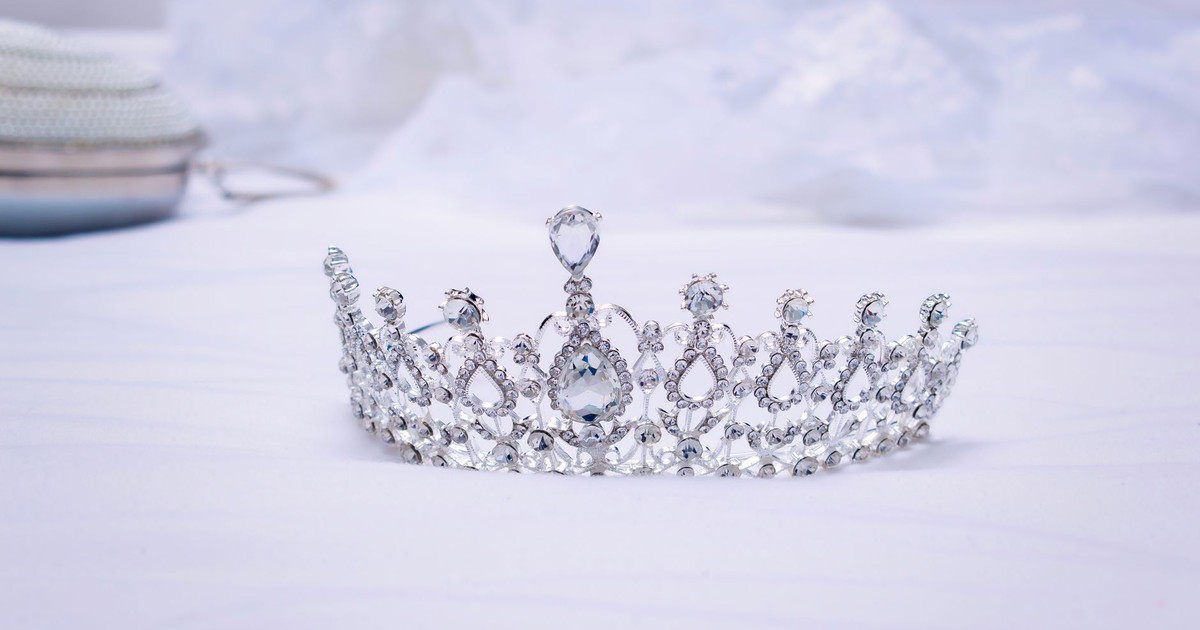
What the Crown can give, it can also take away. In October 2025, the King issued royal warrants to the Lord Chancellor to formally revoke several titles, including Prince, from his brother Andrew, and remove him from the Roll of Peerages. He is now known as Andrew Mountbatten Windsor.
Charles’s decision to act through letters patent rather than going through Parliament was deliberate. A century ago, his great-grandfather King George V used the same kind of document to define who could call themselves royal. Charles used it to say who cannot. Parliament had no vote on Andrew’s fate. The King decided.
18. Award Certain Honours at His Personal Discretion
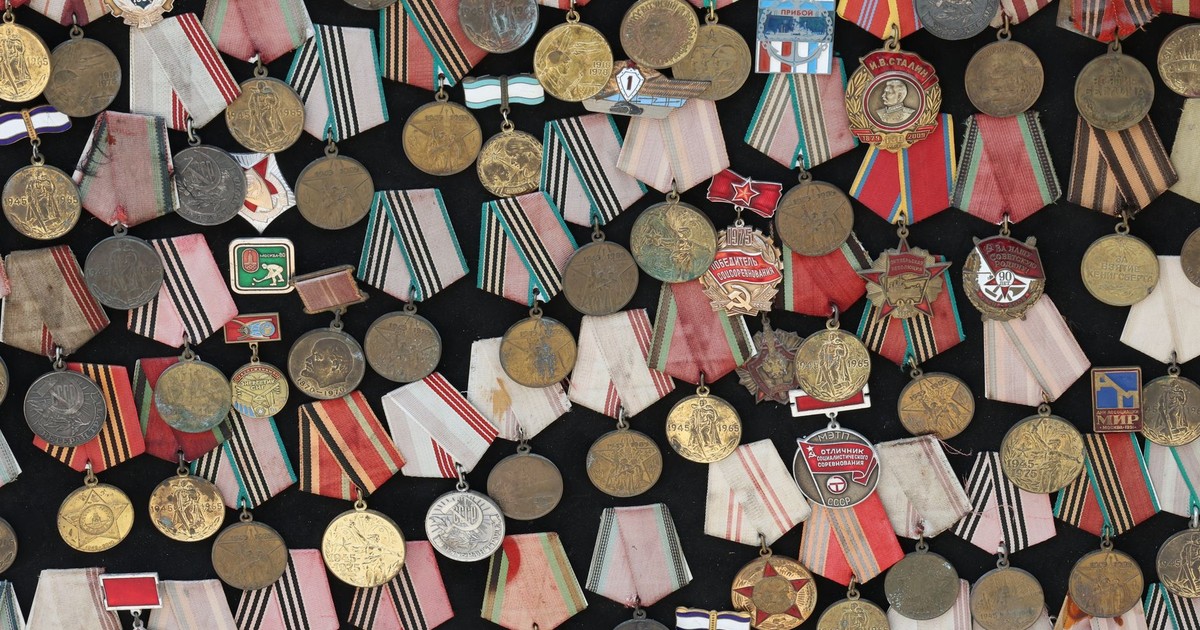
Although the granting of most honors is decided by the executive, the monarch is the person who technically awards them. Exceptions are membership of the Order of the Garter, the Order of the Thistle, the Order of Merit, the Royal Victorian Order, and the Royal Victorian Chain – which the monarch has complete discretion to grant.
These are the honors over which no minister has any say. The Prime Minister cannot put someone’s name forward for the Order of the Garter. The King selects its members himself, typically rewarding people for extraordinary public service or personal loyalty to the Crown. It is one of the few areas where the doctrine that the monarch acts only on ministerial advice simply does not apply.
19. Require Parliamentary Bills to Seek His Consent in Advance
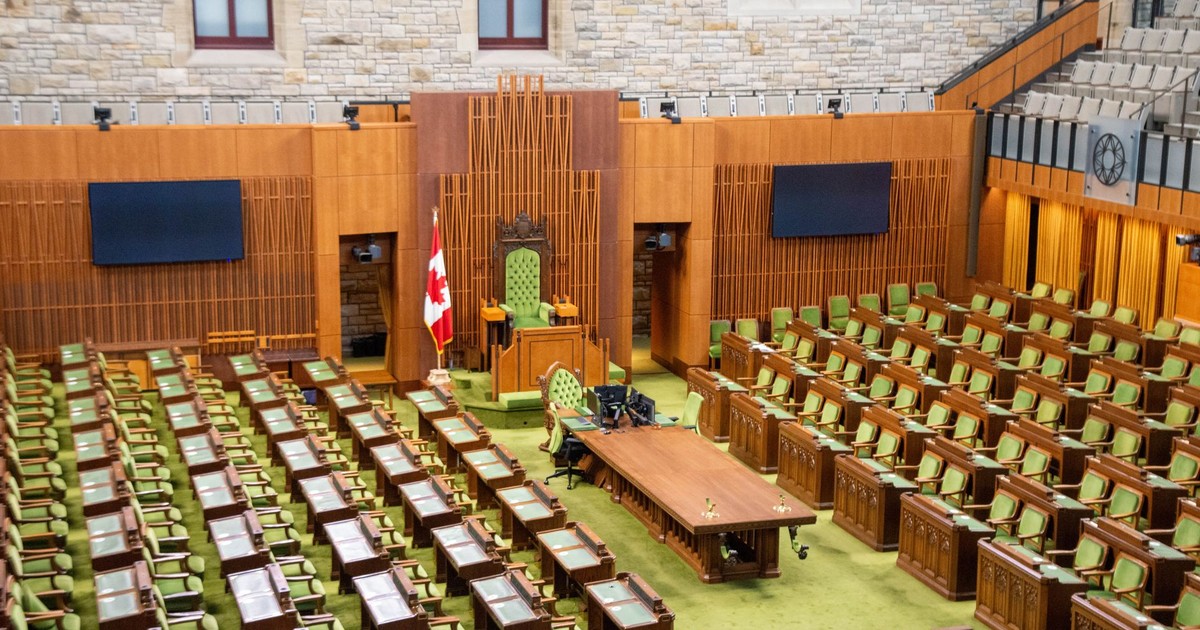
In the UK, King’s Consent is a parliamentary convention under which Crown consent is sought whenever a proposed parliamentary bill will affect the Crown’s own prerogatives or interests – hereditary revenues, personal property, estates, or other interests. King’s Consent must be obtained early in the legislative process, generally before Parliament may debate or vote on a bill.
This means that certain legislation touching the Crown’s interests never even reaches an open parliamentary debate without the palace having first been consulted. If consent is required but not given, a bill may make no further progress through Parliament.
20. Conduct Foreign Policy and Ratify International Treaties
It is the monarch who recognizes foreign states, issues declarations of war and peace, and forms international treaties. In practical terms, these powers are exercised by ministers – the Foreign Secretary manages treaty negotiations, and the Prime Minister takes defense decisions. But formally, all of it operates under the royal prerogative.
When the UK ratifies a treaty, it is the Crown that is legally a party to it, not Parliament. Ministers exercise those powers in the King’s name.
21. Declare War and Make Peace
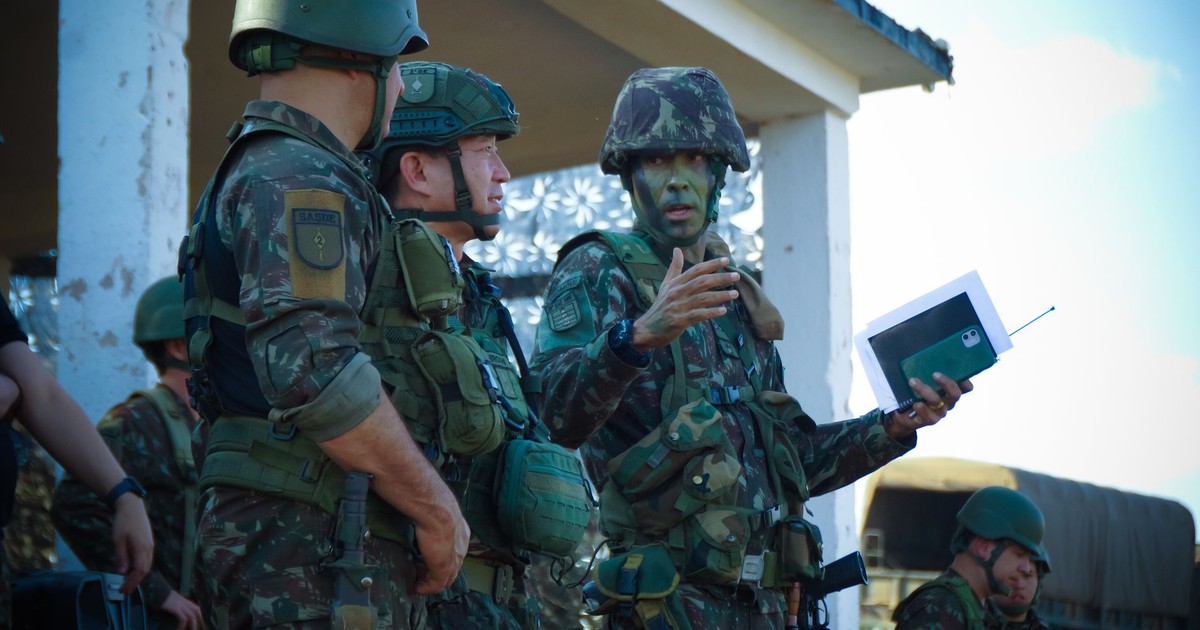
The prerogative of the Crown includes the power to wage war and to make peace, including control, organization, and disposition of the armed forces. No statute has abolished the war-making prerogative.
In 2003, Parliament voted on the Iraq War – the first time MPs had been asked to authorize a military conflict in modern times. But that was a political choice, not a legal requirement. No law compelled Tony Blair to seek a vote. The prerogative remained his to exercise in the King’s name without parliamentary approval. The constitutional convention may have shifted since, but the underlying legal power has not been extinguished.
22. Command the Armed Forces

The military oath of allegiance sworn by every British soldier is not to Parliament, not to the Prime Minister, and not to the British people. It is to the Crown.
Every officer in the Royal Navy, British Army, and Royal Air Force holds their commission from the King. Every regiment and ship operates under royal authority. King Charles, as Commander-in-Chief, is the constitutional head of a military organization with approximately 150,000 regular personnel – and the oath binding those personnel to duty runs directly to him.
23. Be Head of State of 14 Other Countries
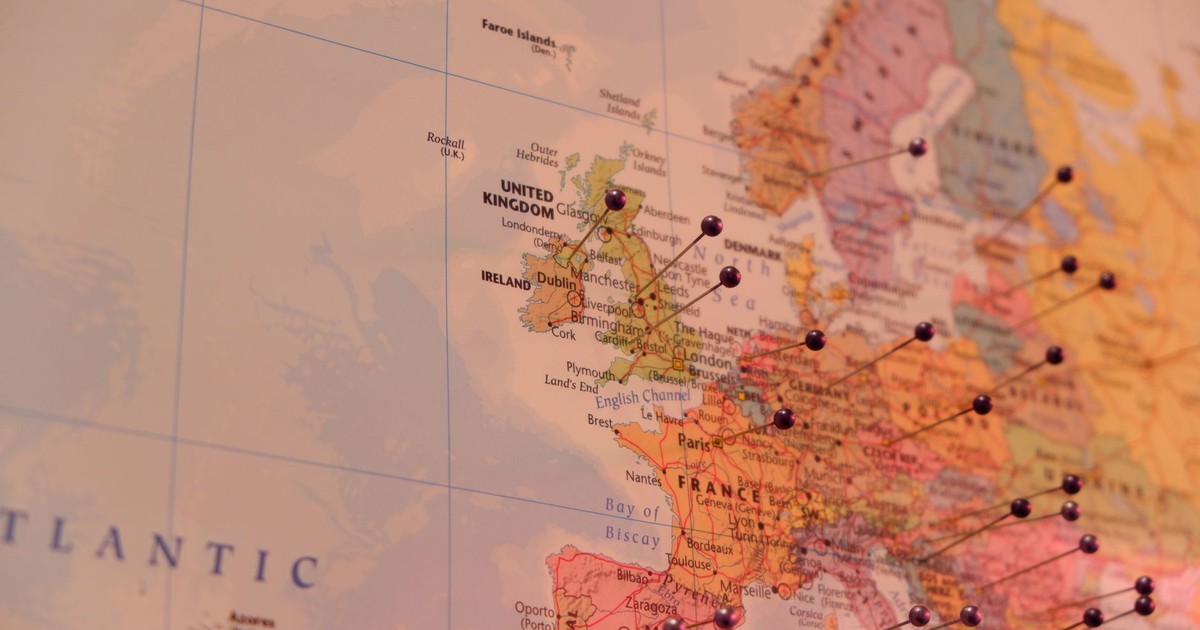
Beyond the UK, King Charles is the head of state of 14 other sovereign nations, known as the Commonwealth Realms. These include Australia, Canada, New Zealand, Jamaica, and Papua New Guinea, among others. He does not govern them – each has its own elected government and prime minister. But he is the formal head of state, represented in each by a Governor-General.
No elected leader in any of those countries can claim the same. Multiply that constitutional footprint across 15 countries and you begin to appreciate the scale of what a single monarch’s formal role involves.
24. Appoint the Poet Laureate

Every ten years, Britain appoints a Poet Laureate who composes verses for the monarch. The honorary post includes a butt of sherry, equivalent to 720 bottles. The tradition dates back to the 17th century. The appointment is formally made by the monarch on the advice of the Prime Minister. Only the Crown can confer the title.
The Poet Laureate is one of those roles that sounds entirely ceremonial until you consider what it actually means: a working writer whose official brief is to mark the great occasions of state in verse, and whose appointment is held in the King’s name. The sherry, incidentally, was originally a cash stipend. Whoever translated it back into wine clearly had their priorities straight.
25. Issue Royal Warrants and Grant Use of the Royal Arms

Issued to those who regularly supply the monarch with goods and services, the royal warrant is a great honor and a significant commercial asset. Companies awarded the warrant are authorized to use the royal arms on their goods. The right to bear the royal arms is a royal prerogative, and Crown copyright applies in perpetuity to depictions of the royal arms and its constituent parts. A business that displays the royal arms without a warrant is infringing on something that belongs specifically and permanently to the Crown.
26. Grant Royal Charters to Institutions
Beyond warrants to individual businesses, the Crown retains the power to grant royal charters to corporations and institutions. The BBC, the Bank of England, the Chartered Institute of Personnel and Development, and hundreds of universities operate under royal charters. These are not Acts of Parliament; they are instruments of the royal prerogative, granted by the Crown.
Legal powers used under the royal prerogative are those which do not require parliamentary authority. A royal charter grants an institution formal legal status in a way that Parliament does not directly authorize. When a university receives a charter, it is the King who confers its right to award degrees. That authority flows nowhere else.
27. Prorogue Parliament Against the Government’s Wishes in Extreme Circumstances
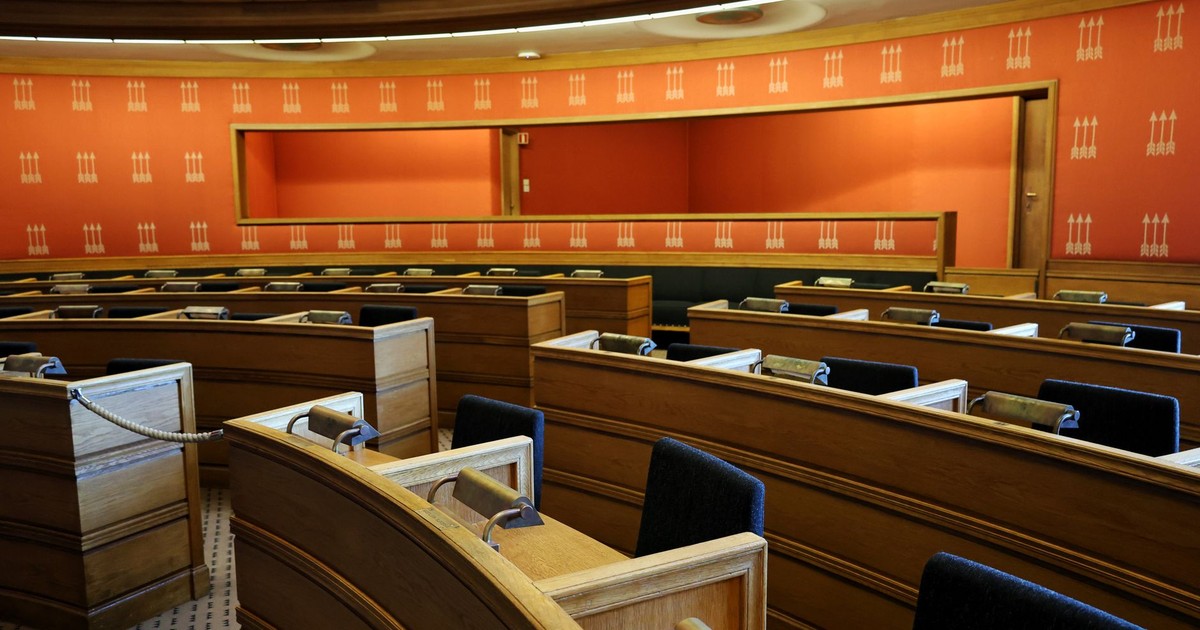
The Supreme Court’s Miller/Cherry ruling provides space for a monarch to refuse a future request for prorogation if its effect would be to frustrate or prevent Parliament from carrying out its constitutional functions. The ruling cuts both ways. It confirmed that prorogation is subject to legal limits – but it also confirmed that the monarch retains an active constitutional role in deciding whether a prorogation request is lawful.
The 2019 crisis demonstrated that the power is real and that courts take it seriously. The King’s role here is not passive. It is an active constitutional check, one that the Supreme Court explicitly left in place.
28. Celebrate Two Birthdays

Charles has two birthdays – November 14, his actual birth date, and an official public celebration scheduled for a warmer month. Queen Elizabeth II had the same arrangement: April 21 as her birth date, and an official public celebration on a Saturday in June.
The two-birthday tradition exists because the British climate makes a November outdoor parade deeply impractical. The official birthday, marked by Trooping the Colour, is scheduled for a month when the weather offers at least a chance of sunshine. It is perhaps the most harmlessly charming of all the King’s privileges.
29. Have His Face on All Currency and Stamps
According to the Bank of England, banknotes carrying a portrait of King Charles III began circulating on June 5, 2024. The King’s image appears on the front of all four denominations – £5, £10, £20 and £50 – as well as in a cameo in the see-through security window. Every coin minted, every note printed, every stamp issued in the UK carries the King’s face.
By tradition, monarchs face alternate directions on coins – Charles faces left, reversing the direction used for Queen Elizabeth, who faced right. There is no equivalent for any other individual in the country. No one else gets to be literally embedded in every financial transaction the British public makes.
30. Cannot Vote or Stand for Election

This one runs the other way from every other item on this list. The British monarch cannot vote or run for public office, as he must remain strictly neutral in political affairs. The King is constitutionally barred from expressing a political preference. He cannot campaign, canvass, endorse a candidate, or cast a ballot.
It sounds like a restriction rather than a privilege. In one sense it is. But it also means the monarch stands entirely outside the democratic contest that every other citizen participates in – neither subject to electoral accountability nor bound by the outcome of elections in the way an ordinary citizen is. He summons the Prime Minister to weekly audiences, gives or withholds assent to the laws they pass, and appoints the bishops who sit in the House of Lords. He does all of this regardless of who wins any general election. That kind of structural permanence is a power of its own, even when it wears the face of a restriction.
Read More: Prince William Plans To Sell Off Part Of His Royal Estate To Better The Community
More Than Ceremony

The easy read on all of this is that most of these King Charles privileges are theoretical. Nobody seriously expects Charles to refuse Royal Assent, dismiss a prime minister on a whim, or claim the next stranded bottlenose dolphin as Crown property. The conventions that govern the monarchy are strong precisely because they don’t need to be enforced – both sides of the constitutional arrangement understand the rules well enough to follow them.
But “theoretical” doesn’t mean “fictional.” The legal framework described here is real, regularly maintained by Parliament, and in some cases recently exercised. Prince Andrew lost his title in October 2025 through a royal warrant, not a parliamentary vote. King’s Consent shaped the progress of legislation this year as it does every year. The prerogative of mercy sits ready whenever a case lands on the Home Secretary’s desk.
Some of these powers haven’t been used in their full form in over a century. Others were dusted off during the Brexit crisis and held up to intense legal scrutiny. What the Supreme Court’s 2019 ruling showed is that these aren’t relics – they’re live constitutional instruments, subject to challenge, capable of creating genuine political crises. The relationship between these King Charles privileges and British democracy is not one of opposition. It is one of careful balance, built up over centuries, constantly renegotiated. What makes it interesting is precisely that the balance has held this long.
AI Disclaimer: This article was created with the assistance of AI tools and reviewed by a human editor.