
The argument among retirement planners has always been about which Florida city to choose, because the answer changes depending on what you’re willing to trade away. Tampa gets you the airport but not the calm. Naples gets you the prestige but not the budget. Sarasota gets you the arts scene but also the price tag that comes with it. And then there’s a small town on Florida’s Gulf Coast that most people outside of Citrus County haven’t heard of, sitting along spring-fed rivers where the water runs so clear you can count the manatees underneath your kayak.
Homosassa Springs doesn’t look like a retirement destination in any of the ways that phrase usually conjures. It isn’t a gated community with a golf cart path and a welcome sign designed by a marketing firm. It’s a real town on a real river, and for the second year running, it has outperformed just about every other retirement address in Florida on the metrics that actually matter to people who’ve thought seriously about where they want to spend the next thirty years.
The 2026 rankings confirmed what locals have known for a while. Among all Florida cities evaluated for retirement suitability, Homosassa Springs ranked first in the state, and third in the entire country. For a town of fewer than 15,000 people, that’s an extraordinary position to hold.
What the Rankings Are Actually Measuring

U.S. News & World Report released its latest retirement rankings in 2026, examining over 850 cities across the country and scoring them based on factors including housing affordability, quality of life, and proximity to healthcare. But the headline figure from this year’s report isn’t which city came first. It’s a shift in what retirees say they actually want.
According to ClickOrlando.com, the U.S. News survey found that “for the first time since the COVID-19 pandemic began, quality of life scored higher than affordability,” with today’s retirees valuing overall well-being and community connection over cost alone. That’s a real change in priorities, and it explains something important about why Homosassa Springs lands where it does. It isn’t a bargain-basement pick chosen purely because it’s cheap. It scores high because life there is genuinely good, in the specific ways retirees report caring about most.
Homosassa Springs ranks third overall and scores particularly well for tax favorability, coming in third nationally on that metric, as well as for senior population and migration patterns. The community isn’t trying to attract retirees. They’re already there. More than 30 percent of residents are 65 or older, which means the infrastructure, the social fabric, and the pace of daily life have already shaped themselves around that reality. Doctors who take Medicare. Pharmacies within a short drive. Neighbors at a similar stage of life.
The Numbers on Housing and Cost of Living
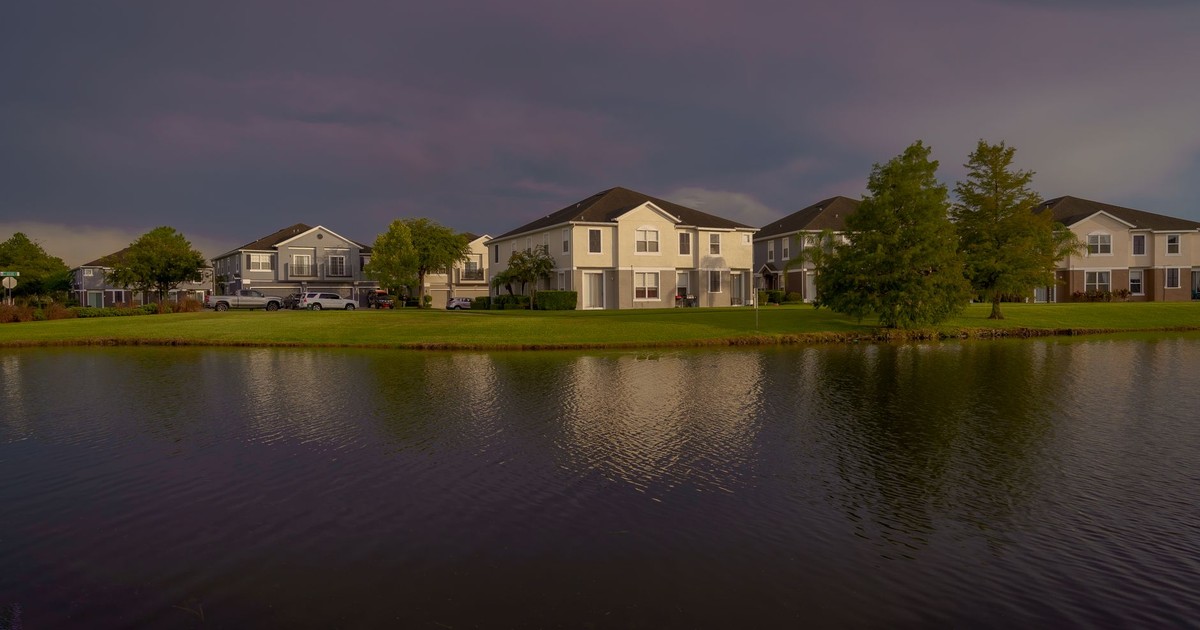
One of the most striking things about Homosassa Springs is what it costs to live there. The median home value sits at $219,352, with median monthly rent at $864, in a country where median home prices in many retirement-popular cities have blown past $400,000. For retirees working with a fixed income or drawing down savings, those numbers carry real weight.
Parade reports that the average home value in Homosassa Springs sat at $232,432 as of April 2026, which is nearly half the national average. A single person would need around $2,600 a month to live comfortably there, or about $31,200 annually. Even accounting for Florida’s humidity and the occasional hurricane season anxiety, getting into a home at that price point – in a state with no income tax, no tax on Social Security, and no tax on pension income – changes the retirement math substantially for a lot of people.
That figure is slightly above what the average Social Security check covers on its own, but it’s achievable for most retirees who have any additional income stream, whether from a small pension, investment withdrawals, or part-time work. The calculation gets even more favorable when you look at what the cost of living actually looks like in practice. Food costs run below the national average. So do healthcare and transportation expenses. The town isn’t cheap the way that places with poor services or deteriorating infrastructure are cheap. It’s affordable because the land is still affordable, and because the area has resisted the kind of speculative development that inflated prices in Naples, Sarasota, and the rest of Florida’s west coast resort corridor.
For anyone seriously weighing retirement finances and savings planning, Homosassa Springs represents the kind of specific, verifiable affordability that generalized cost-of-living comparisons tend to obscure.
Life on the Water
The detail that makes Homosassa Springs genuinely different from any other Florida retirement community isn’t the price. It’s what’s outside the door.
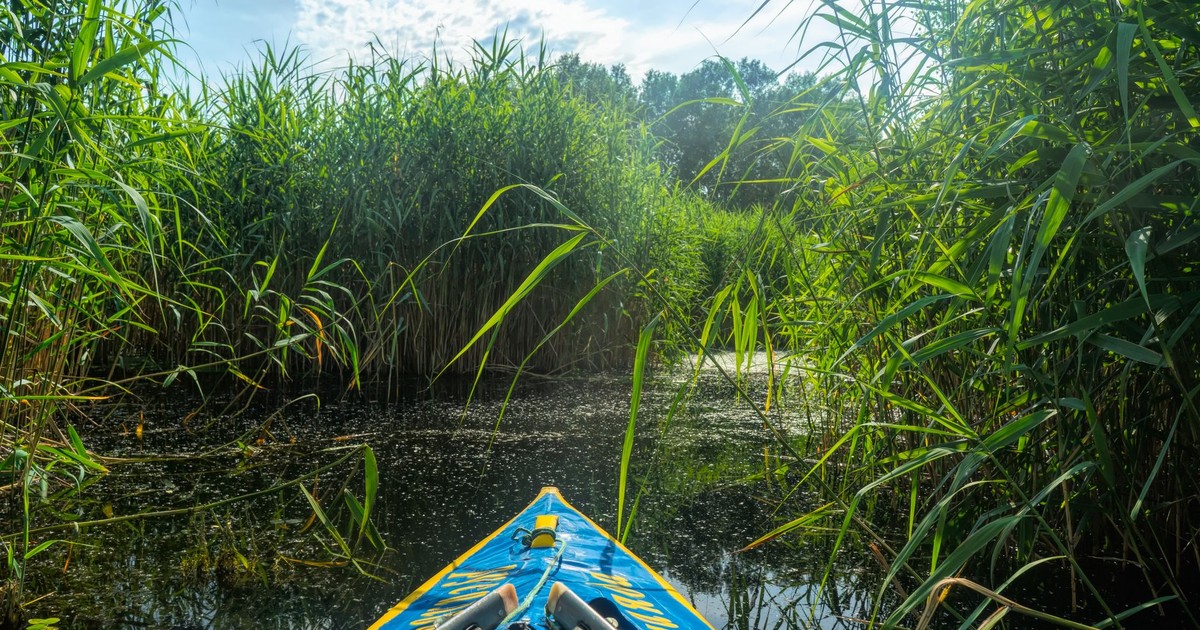
The Homosassa River runs through the town, and along with the nearby Crystal River, it forms the only stretch of water in the United States where people can legally swim with wild manatees. These aren’t captive animals in a theme park. They’re wild West Indian manatees, hundreds of them, drawn to the naturally warm spring waters year-round. The springs maintain a constant temperature of around 72 degrees, which is warm enough to keep manatees sheltered during Florida’s cooler months when they would otherwise struggle in the Gulf. Kayaking down the Homosassa River on a winter morning and drifting through a group of them resting in the shallows is the kind of experience that people move to Florida hoping to eventually find and rarely do.
Retirees are drawn to Homosassa Springs for its waterways, which include a long list of places to kayak and fish along the Homosassa River and Mason Creek, with boat rental companies and guided tours offering fishing and seasonal scalloping excursions. Scalloping season runs through the summer months, and the Gulf flats around Homosassa and Crystal River are among the most productive scallop grounds on Florida’s Nature Coast. It’s the kind of outdoor activity that gets people out of the house in the morning and gives them something to talk about at dinner.
For those who prefer their wildlife on land, the Ellie Schiller Homosassa Springs Wildlife State Park sits at the center of town. The park functions as a natural spring preserve and a rehabilitation facility for injured native Florida animals, including black bears, bobcats, whooping cranes, and the manatees that have made the springs famous. It’s a legitimate wildlife encounter on any given afternoon, not a weekend trip. That’s what living in Homosassa Springs actually means: this is the everyday, not the special occasion.
Healthcare and Practicalities

Scenic waterways and affordable housing make a strong case, but neither matters if the healthcare infrastructure isn’t there. For retirees especially, proximity to quality medical care is often the factor that overrides everything else.
HCA Florida Citrus Hospital is a 204-bed acute care hospital serving Citrus County, offering 24/7 emergency care alongside a Heart and Vascular Center, an Orthopedics and Spine Center, and oncology services. The hospital sits in Inverness, Citrus County’s county seat, about 15 miles from Homosassa Springs – close enough for routine care and for emergencies. The presence of a cardiac center is significant for a population where cardiovascular care is often the highest clinical priority.
Beyond the hospital, the area supports a high concentration of Medicare-registered physicians and a robust network of home healthcare providers. The ratio of medical infrastructure to population size is actually favorable compared to some of Florida’s larger, more crowded retirement destinations, where a surge of new residents has strained appointment availability and wait times at primary care practices.
Getting to the area requires some planning. The nearest major airport is Tampa International, about 70 miles south. Once there, Citrus County Transit runs public routes with free or reduced-cost fares for residents 60 and older, and several routes accommodate wheelchair users. Car ownership remains the most practical option for daily life, but the county transit system provides a meaningful safety net for residents who can no longer drive.
The Tax Advantage That Doesn’t Get Enough Attention

Florida’s tax treatment of retirement income is well known in general terms, but it’s worth being specific about what it actually means for someone living in Homosassa Springs. Florida imposes no individual income tax, meaning Social Security income, retirement savings withdrawals, and any side income are entirely exempt from state-level taxation. That’s not a minor benefit. For a retiree drawing $40,000 a year from a combination of Social Security and IRA withdrawals, state income tax in a place like New York, California, or Minnesota could take a meaningful slice off the top. In Florida, that money stays in the retiree’s account.
Property taxes in Florida are close to the national average, and the state’s homestead exemption further reduces the burden for primary residents. The 6 percent state sales tax applies to most purchases, though groceries and prescription medications are exempt. Taken together, the tax environment makes Homosassa Springs one of the more favorable addresses in the country for people managing a fixed retirement income. Combined with housing costs that run below the national median, the monthly numbers are more comfortable than in most places competing for the same demographic.
Read More: The 10 Most Important Decisions to Nail Down 5 Years Before You Retire
What’s Worth Being Honest About

Homosassa Springs is not for everyone, and what makes it a strong match for some people is exactly what makes it a poor fit for others.
The town is small. The population sits just under 15,000, which means there’s no downtown arts district, no major-league sports team, and no nightlife in any meaningful sense. If social life depends on a dense urban environment, a wide selection of restaurants, or easy access to cultural institutions, Homosassa Springs will feel limiting within a few months. The nearest large city is Tampa, a solid hour-plus drive on a good day and considerably longer on a Friday afternoon when I-75 is backed up through Wesley Chapel.
The climate has real costs too. Florida summers in Homosassa Springs are hot and humid, and that’s before accounting for hurricane risk. Citrus County sits far enough inland to avoid the worst storm surge exposure of Florida’s Gulf Coast communities, but tropical weather is still a serious planning consideration. Air conditioning runs hard from May through October, which pushes utility bills up during exactly the months when outdoor activity is least comfortable.
And the wildlife that makes the waterways so magnetic is the same wildlife that shows up in backyards. Alligators are a fact of life near any Florida freshwater source. So are snakes, including venomous ones. Most long-term residents develop an entirely pragmatic relationship with both, but anyone who moved from a northern suburb hoping for a slower, gentler version of suburban life may need an attitude adjustment.
The Real Case for Homosassa Springs
The most interesting thing about how Homosassa Springs performs in retirement rankings is that it isn’t gaming the metrics. It isn’t a purpose-built retirement community engineered to score well on livability surveys. It’s a real town where a lot of the people who live there happen to be older, because people who care about nature, water access, affordability, and being left alone to live as they please figured out a while ago that this was where they wanted to be.
Florida retirement communities come in every shape and configuration, from the planned enormity of The Villages to the beachside resort tone of Naples. Homosassa Springs sits outside all of those categories. There are no manufactured amenities here, no clubhouse designed by a hospitality firm, no organized activities unless you seek them out. What there is: a river out the back of a lot of houses, manatees in the spring, mornings on the water, and a medical infrastructure that actually serves the population it has.
The shift in what retirees say they want – community connection and quality of life over pure cost – points toward a town like this one rather than away from it. That’s a harder ask than a ranking can fully capture. Some people will visit, love the river, and start pricing houses. Others will spend a weekend and quietly decide they need more going on. Both of those outcomes make sense. The town doesn’t try to be everything. That’s precisely why the people who belong there tend to stay.
AI Disclaimer: This article was created with the assistance of AI tools and reviewed by a human editor.