

The term “dad bod” went mainstream around 2015, when a college student’s essay arguing that soft male physiques were more appealing than sculpted ones went viral and generated more cultural commentary than most academic papers manage in a decade. What nobody was asking at the time was whether the dad bod was just a body shape, or whether something biologically deliberate was producing it.
Turns out, it’s both. And the science is considerably more interesting than the cultural debate.
Men who become fathers don’t just accumulate weight because they stop going to the gym and start eating the kids’ leftover mac and cheese. Their bodies are, in a real biological sense, reconfiguring. Hormones shift. Sleep collapses. Exercise drops off a cliff. And if the research from the last two years is right, the dad bod isn’t just a consequence of fatherhood. It may arrive before the baby does, carried in the sperm itself.
What’s Actually Happening to the Body
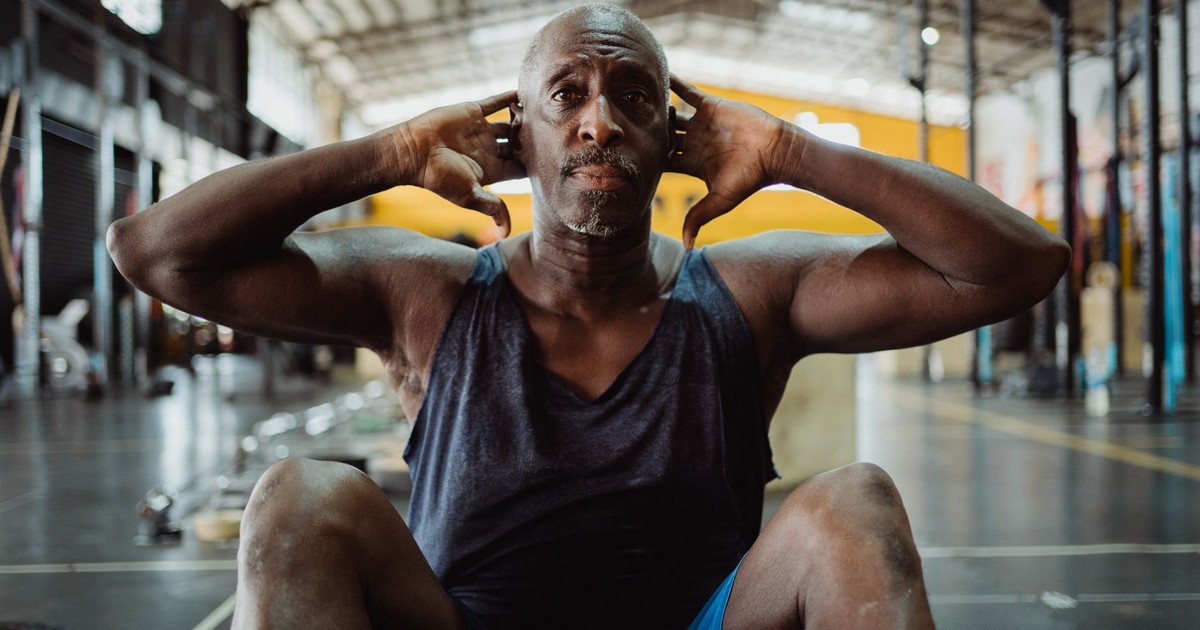
Many expectant fathers gain weight during and around the pregnancy period, and the pounds tend to stay on. One study found that fathers weigh, on average, 14 pounds more than childless men. That gap exists across age groups, income levels, and countries. The question researchers have spent years trying to answer is why.
A team led by Darby Saxbe at the University of Southern California reviewed the evidence for perinatal weight gain in fathers and examined seven potential causal causes for why it happens. One of the most consistent findings: young men who became fathers dropped an average of five hours per week of exercise. Five hours a week is a lot. That’s not missing a Saturday run. That’s an almost complete dismantling of whatever fitness routine existed before the baby arrived.
Interestingly, while there’s evidence that new mothers increase their intake of high-fat and high-sugar foods, Saxbe and her colleagues could find no clear evidence of similar dietary changes in new fathers. Which means the usual explanation – dad’s eating more because the house is stocked with snacks – doesn’t hold up particularly well. Something else is driving the weight gain.
That something else turns out to be testosterone.
The Hormone Shift Nobody Talks About

A study from researchers at the University of Notre Dame, published in Psychoneuroendocrinology, found that fatherhood reshapes men’s biology for years, even decades, after their children are born. Men living with school-aged or teenage children had lower testosterone levels than single men or partnered men without kids.
This isn’t a small or temporary dip. Men who stayed single showed a small age-related decline of about 12 to 15 percent in testosterone, while the levels of new fathers dropped around 30 percent on average. The decline is sharpest in the first months, but new evidence shows the drop can last long after the baby years, with men’s bodies adapting to support the cooperative roles of committed partnership and fatherhood.
In the original Northwestern University research on the phenomenon, men who spent more than three hours a day changing diapers, giving baths, and reading bedtime stories showed the lowest testosterone of all. The more involved the father, the larger the hormonal shift. This is a feature, not a bug.
Fathers with lower testosterone engage in more nurturant, direct care of their children and tend to have higher-quality relationships with their partners. The biology isn’t punishing men for becoming parents. It’s redirecting them. High testosterone drives mate-seeking behavior, risk-taking, and competition. Those traits are less useful when you’re trying to soothe a two-year-old at 3am.
The decline, researchers stress, isn’t a sign of poor health. While a man’s testosterone may be lower when he is a partner or a father, it does not significantly increase his risk for clinically low testosterone, known as androgen deficiency. The body knows the difference between a pathological drop and a life-phase adjustment.
Lower testosterone, however, does make it easier to gain body fat, particularly around the abdomen, and harder to hold on to muscle mass. That’s not a personal failing. It’s physiology doing exactly what it’s supposed to do in a caregiving context.
The Part Nobody Saw Coming: Sperm
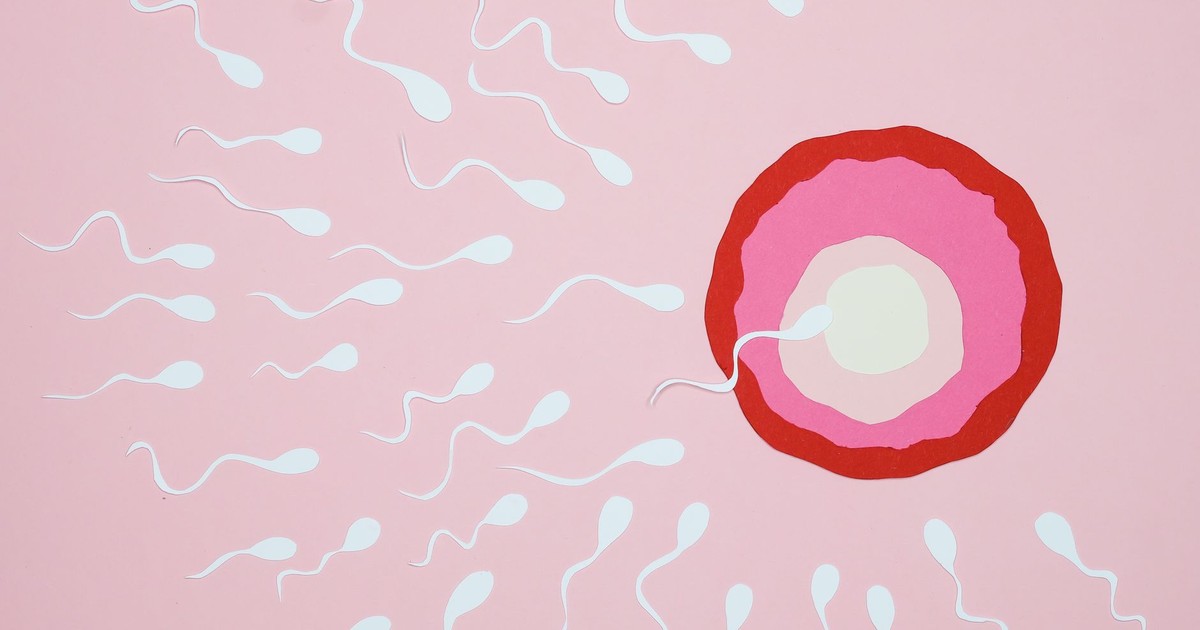
If the testosterone story complicates the idea that the dad bod is just about laziness, the newer research on paternal health before conception complicates it even further.
Research led by Matthew J. Landry at the University of California, Irvine, published in Current Obesity Reports in 2026, found that a father’s weight, diet, physical activity, and mental health can all help shape his child’s risk of developing obesity, starting before conception. Obesity changes the chemical tags on a man’s sperm that influence how a child’s body may regulate appetite and fat storage, though the strongest evidence for this effect still comes from animal studies.
Those chemical tags are called epigenetic markers. Epigenetics is the study of changes in how genes are expressed without the underlying DNA code being altered. Think of it as the difference between having a light switch and deciding whether it’s on or off. A father’s body weight and habits before conception can flip those switches in ways that follow the child into life.
Men with obesity were found to have significantly lower sperm counts, slower-moving sperm, and higher rates of DNA damage. And the effects on children aren’t theoretical. A genome-wide study found that paternal BMI was associated with specific changes in DNA methylation at birth, and some of these paternal BMI-associated methylation marks persisted into early childhood, providing strong evidence for paternal contributions to the intergenerational risk of obesity.
This review complicates the dad bod’s innocuous reputation. We usually talk about a mother’s health before and during pregnancy shaping outcomes for her future child, but the UC Irvine findings show that dad’s health plays a role too, and earlier than most people assume. Landry’s team noted that “obesity risk is 40 to 70 percent heritable and can be passed across generations through complex biological and environmental influences.”
This is one of those findings where the implication lands harder the longer you sit with it. It isn’t just that fathers influence their children through what they model – the Saturday morning cartoons versus the Saturday morning run, the plate of vegetables versus the takeout container. The influence begins in sperm quality, before conception, potentially years before anyone knows a baby is coming.
Children mirror their fathers’ eating habits, screen time, and activity levels, and fathers who eat well and stay active tend to raise kids who do the same. So the behavioral and the biological are working in the same direction.
The Cardiovascular Question

The social framing of the dad bod has always been forgiving. Soft but loveable. Relatable rather than aspirational. And there’s something genuine in that – the pressure on men to maintain a fitness-model physique is worth pushing back on, and the cultural shift toward accepting a wider range of male bodies has real psychological value for a lot of people.
But the cardiovascular picture is less forgiving.
The “Dad Bod Study,” a prospective longitudinal observational study designed by researchers at the University of California, Irvine, was built specifically to examine how fatherhood affects young men’s cardiovascular health, tracking changes using the American Heart Association’s “Life’s Essential 8” metric. Those eight measures include diet, physical activity, nicotine exposure, sleep, body mass index, blood lipids, blood sugar, and blood pressure. They represent the most comprehensive current picture of what cardiovascular health actually looks like across a lifetime.
The study was designed because the research gap was striking. Most obesity prevention programs are built around mothers. Researchers say including fathers in prenatal care, health counseling, and parenting programs could be a meaningful step toward breaking the cycle.
The structural setup of healthcare hasn’t caught up with the biology. Expectant fathers sit in waiting rooms while their partners get prenatal appointments. Their own health trajectory during that period – the sleep disruption, the exercise loss, the hormonal shifts – is largely ignored by the medical system. Which means the weight gain that follows often goes unaddressed until it becomes a clinical problem rather than a transition-phase response that might be manageable with relatively modest intervention.
The science on male body attractiveness tracks something similar: the gap between what cultural conversation says about male bodies and what the underlying data suggests is often wider than the headlines imply. Dad bod science fits that pattern almost exactly.
The Upside the Research Actually Supports

Before this tips too far into the grim, the data does offer something genuinely encouraging.
Involved fathers tend to have stronger marriages, better relationships with their children, and better mental health outcomes for their kids. The same effects appear in involved grandfathers, uncles, and close male friends. The argument can be made that active paternal involvement is good for the community as a whole.
And the testosterone drop, uncomfortable as it sounds, is part of what produces those outcomes. The hormone shift makes sense because high testosterone tends to boost behaviors linked to competing for a mate – risky activities that may conflict with the responsibilities of fatherhood. The body isn’t declining. It’s reprioritizing.
By showing that committed fathers are able to lower their hormonal output, the research upends the classic view that men evolved solely as hunters and providers. There’s a growing awareness among anthropologists that raising human children is a group activity, and that fathers are biologically wired to help out.
The dad bod, in this reading, is partly the physical signature of that biological rewiring. It’s what happens when a man’s body correctly identifies that the task at hand has changed.
What This Actually Means

The dad bod conversation has always had a playful energy to it – the meme, the T-shirt, the half-joking pride in being a little soft around the edges. None of that goes away because the biology is more complicated than the meme suggests. But the science does add some texture worth sitting with.
The weight gain is real and partly hormonal. The testosterone shift is real and largely adaptive. The cardiovascular risk from sustained physical neglect during the fatherhood years is real and largely unmonitored by the healthcare system. And the influence a father’s body and habits have on his child’s metabolic future – starting before the child exists – is real and still being mapped.
None of this means the dad bod is a crisis. But the fact that it happens for biological reasons doesn’t make those reasons consequence-free. The most honest version of the dad bod science is this: fatherhood changes a man’s body in ways that are genuinely interesting, occasionally beneficial, and worth paying attention to before the years stack up and the cumulative picture becomes harder to reverse. The five hours of exercise that disappear in year one tend not to come back on their own.
Read More: Why ‘90s Diet Advice Is Still Making You Tired
Disclaimer: This information is not intended to be a substitute for professional medical advice, diagnosis, or treatment and is for information only. Always seek the advice of your physician or another qualified health provider with any questions about your medical condition and/or current medication. Do not disregard professional medical advice or delay seeking advice or treatment because of something you have read here.
AI Disclaimer: This article was created with the assistance of AI tools and reviewed by a human editor.