

Most people assume they’d spot a scam. The IRS doesn’t call you. The bank doesn’t ask for your password. The Nigerian prince stopped working years ago. But a caller who says you’ve missed jury duty and have an active arrest warrant? That one catches people differently. It lands in a place where confidence doesn’t live.
The jury duty scam has been running in one form or another for years, but 2026 has brought a fresh wave of warnings from county sheriffs, federal agencies, and fraud watchdogs. The setup is engineered to exploit something specific: the low-grade uncertainty most people feel about civic obligations. Did I actually get a summons? Did I ignore something official without realizing it? That flicker of doubt is the whole point. It doesn’t need to last long. It just needs to last long enough.
What makes this particular con so sticky is that it’s not built on technical tricks. It’s built on what most people already believe: that missing jury duty carries real consequences, and that a U.S. Marshal calling your number about a warrant is not something you brush off.
How the Jury Duty Scam Works
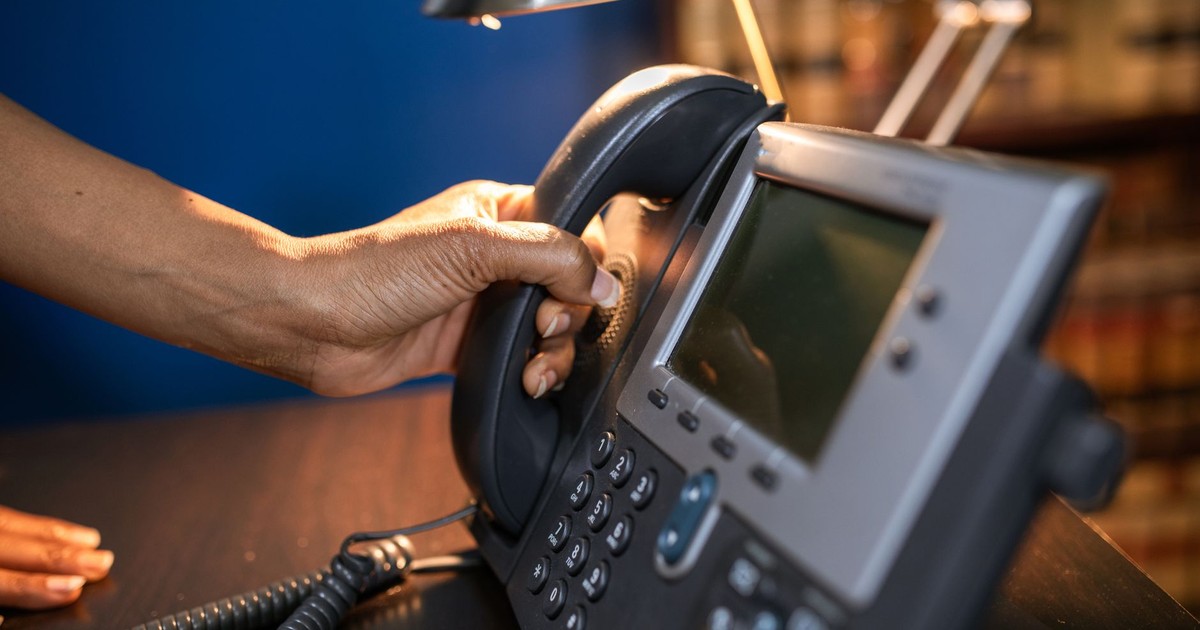
The call arrives out of nowhere, framed as urgent, from someone claiming to be a U.S. Marshal or an officer with your local police force. They say you missed jury duty and will be arrested unless you pay immediately. You never received a summons, and something about the story doesn’t add up – but by then, the caller has already moved on to the deadline.
Scammers work to make the call sound as official as possible, sometimes dropping personal details like your name or home address to establish credibility. To ramp up the pressure, they may claim an arrest warrant has already been issued for failing to appear at a jury selection process that never actually existed. Some go further, providing a fake sheriff’s badge number and case number. Others supply courthouse addresses or the names of real local officials – details easily found online and effective enough to stop a skeptical person mid-objection.
By the time the call moves toward a payment demand, many targets have already been convinced there’s a genuine legal problem to resolve. Some callers also ask for personal information like a Social Security number or date of birth, layering potential identity theft on top of the cash demand. Two crimes for the price of one phone call.
The Follow-Up Documents Look Real
One escalation that’s become more common involves a second wave after the initial call. The victim may receive a follow-up text or email carrying what appears to be an official arrest warrant or court document, complete with seals, case numbers, a judge’s name, and a realistic court letterhead. None of it takes long to produce, and all of it is enough to tip someone from doubt into panic.
Even the caller ID can be faked. A number that appears to show a local sheriff’s office, a courthouse, or a government agency is not proof of anything. Phone numbers can be spoofed, meaning a scammer can make any number appear on your screen. The phone showing “Geauga County Sheriff” does not mean the sheriff is calling.
The Payment Request Is the Giveaway

Courts never ask anyone to pay over the phone. No government agency will. Only scammers insist that payment must happen right now, by gift card, payment app, cryptocurrency, or a wire transfer service like Western Union or MoneyGram.
Scammers push these payment methods hard for a practical reason: they’re nearly impossible to reverse. A wire transfer sent abroad is gone. A gift card, once the code is read out over the phone, is cashed within minutes. Cryptocurrency transactions have no dispute button. Beyond cash, some callers also demand bank account numbers and Social Security numbers under the guise of “clearing the warrant.”
In Geauga County, Ohio, officials reported several instances of people being threatened in this scam, including one woman who tried to take out $9,000 to hand over to scammers before her bank stopped the transaction. That figure is not unusual. The losses among people who actually report these calls tend to run into the thousands, and many victims never report at all.
Why These Scams Are Getting Worse

The fraud picture around government impersonation has shifted dramatically in a short period. New data from the Federal Trade Commission reveal that people reported losing $3.5 billion to imposter scams in 2025, with reported losses increasing nearly three times since 2020. Imposter scams were the most reported fraud category last year, making up nearly one in three fraud reports filed with the FTC.
Within that total, a 2026 report found that victims lost approximately $920 million specifically to government impersonators – the category that covers jury duty calls, fake IRS agents, and anyone else pretending to hold official authority. Reports of government imposter scams were up 40% in 2025. The jury duty scam sits squarely inside that rise.
Part of what’s driving the increase is how cheap and accessible these operations have become. Personal information is easy to pull from data broker sites, old breach databases, or social media profiles. Caller ID spoofing tools are readily available. Producing a convincing-looking PDF “warrant” takes minutes. The barrier to running one of these operations is lower than ever, which is why warnings keep multiplying at the local and national level simultaneously.
What Real Courts Actually Do

Anyone who actually misses jury duty will receive a notice in the mail from the court, not a phone call or text message. That’s the essential rule, and it holds across jurisdictions. Courts communicate by mail. They do not call to threaten arrest. They do not email warrants. They don’t ask for payment over the phone in any form.
If you genuinely missed a summons and a court does need to reach you, the first thing you’ll see is an envelope with a return address from the clerk of courts – not a caller ID showing “U.S. Marshal.” County court employees won’t follow up by phone. Official jury communications come by mail.
The federal judiciary advises people who receive threatening jury-related calls to contact the appropriate court directly to verify the claim, using a phone number found independently through the court’s official website, not one provided by the caller. Scammers often provide a “callback number” that routes straight back to a co-conspirator posing as a courthouse employee, so the number the caller gives you is the last one you should use.
What to Do If You Get This Call

The single most effective response is to hang up without engaging. The longer the conversation continues, the more pressure builds. Scammers are trained to escalate – to raise urgency, intensify the threat, and prevent the target from pausing long enough to think clearly.
Avoid opening any attachments or clicking links in unexpected follow-up messages. Any unexpected payment demand from a supposed government official is reason to pause and verify through independent channels. A convincing logo, a real address, a case number, or a familiar caller ID does not establish that the request is legitimate.
Saving the caller’s number, along with any email, text, or fake warrant, can be useful. Those details may help investigators identify similar reports and connect cases across jurisdictions.
The FTC asks anyone contacted by a jury duty scammer to file a report at ReportFraud.ftc.gov. Reports help the agency track patterns, identify new variations of the scam, and build the data needed for enforcement action.
If money has already been sent, contacting the bank, payment app, gift card issuer, wire transfer company, or cryptocurrency platform immediately is the priority. Ask whether the transaction can be stopped or flagged as fraudulent. The sooner a financial institution is notified, the better the chances of recovering any part of the loss.
Read More: The States in the US Where Seniors are Most Often Scammed (and how to protect yourself)
The Part They’re Counting On

The jury duty scam works because it targets the specific gap between what people know and what they’re not quite sure about. Most people are confident enough that they’d recognize a Nigerian prince email for what it is. But a call from someone who sounds official, who already knows your name and address, and who’s using legal terminology about warrants and marshals? That hits a different register.
Missing jury duty can have real consequences, so a message claiming you ignored a summons may immediately feel serious even if you’re almost certain you didn’t. Scammers use that momentary uncertainty to make people react before checking whether the story is true. The panic that follows isn’t a sign of gullibility. It’s a sign the script was written by people who understand exactly how authority and the fear of legal consequences feel when they arrive without warning.
No government agency will call you and demand immediate payment by gift card, cryptocurrency, or wire transfer. Not for jury duty. Not for unpaid taxes. Not for anything. That rule doesn’t have exceptions, and it doesn’t matter how convincing the caller sounds, how real the warrant looks, or how many times they say the word “marshal.” The moment a caller frames an urgent legal debt and pushes you toward a payment app, the call itself is the fraud.
AI Disclaimer: This article was created with the assistance of AI tools and reviewed by a human editor.