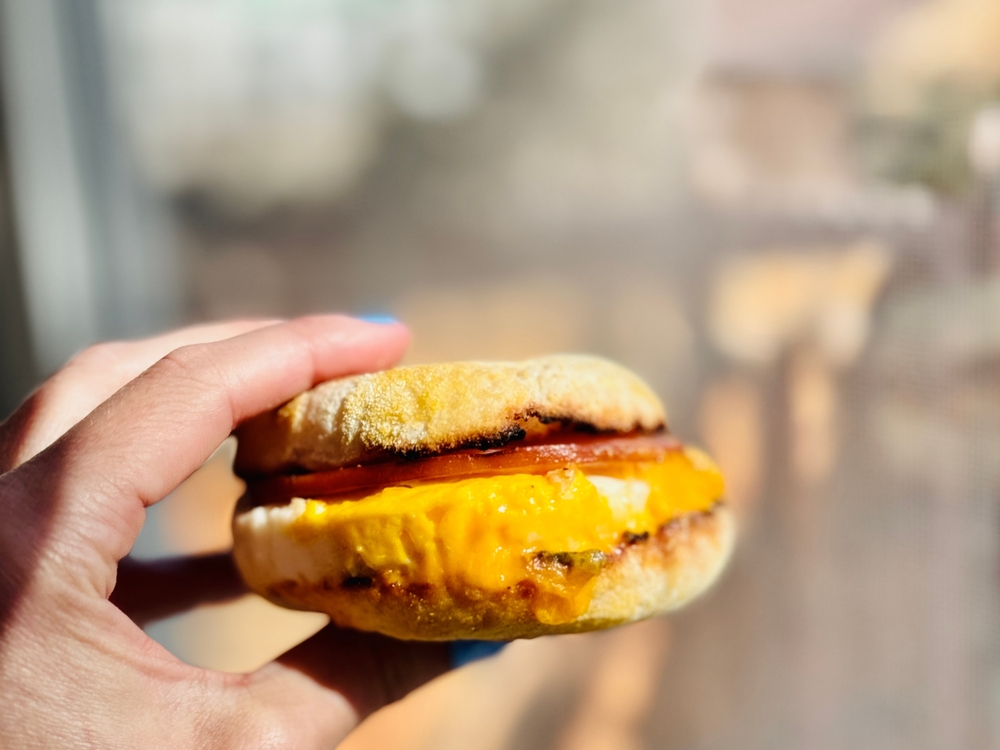
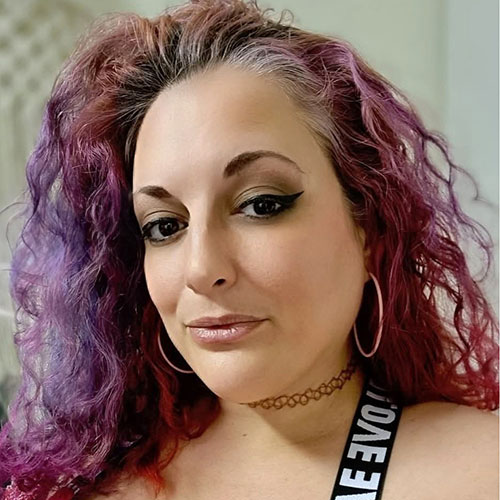
A Texas woman is suing a New York City McDonald’s, claiming a Sausage Egg McMuffin caused permanent injuries to her “physical, nervous, and mental systems.” The sandwich in question came from a Midtown Manhattan location, consumed in 2023. The lawsuit was filed in 2025. And if you think the description sounds dramatic for a breakfast item, the court filing goes considerably further.
In a civil complaint filed in Manhattan Supreme Court, Yvette Hinds describes the sandwich as having contained “contaminants, poisons, toxins, parasites, bacteria, germs and/or organisms which would and did cause various serious personal injuries.” Two years on from eating that McMuffin, she says her life has not been the same. The complaint notes she has accumulated significant medical debt due to care and treatment, and alleges the debt is expected to grow as she continues treatment.
What makes this case worth paying attention to isn’t the headline-grabbing language. It’s what it reveals about the growing body of food safety litigation against one of the world’s most recognizable brands – and what consumers are actually entitled to expect when they order a meal.
What the Lawsuit Actually Claims
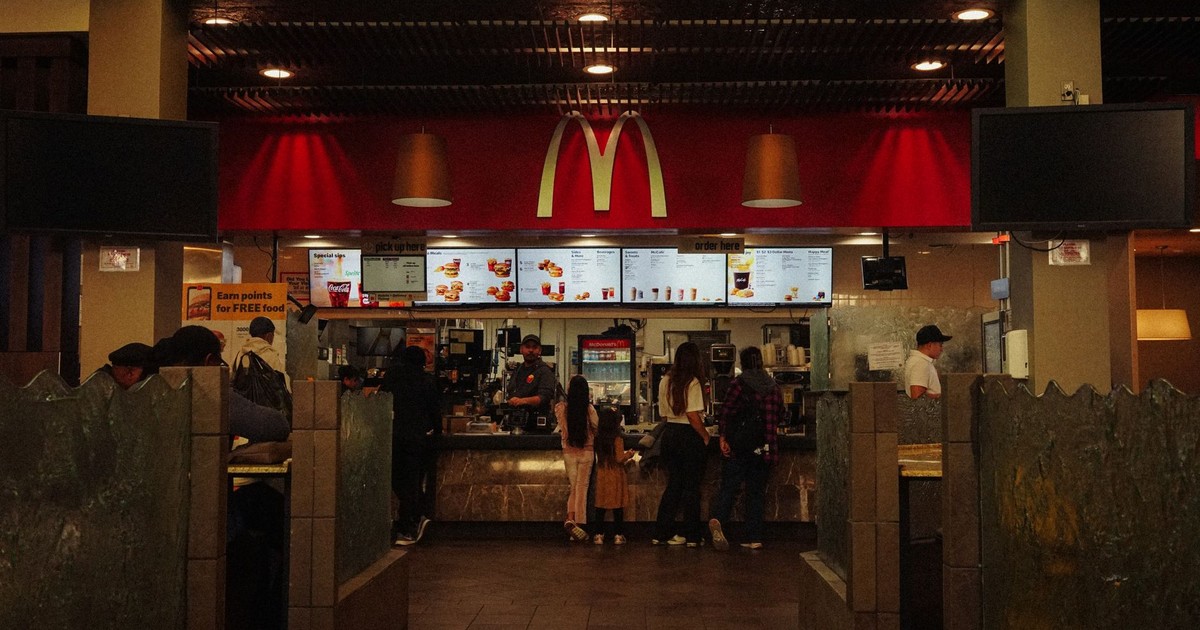
In the civil complaint filed in Manhattan Supreme Court, Yvette Hinds says she stopped to eat at the McDonald’s at 1651 Broadway on May 25, 2023. That location, in the heart of Times Square, is one of the busiest McDonald’s restaurants in the country. Her “physical, nervous and mental systems were seriously and permanently injured by such contaminated food,” and Hinds was forced to endure “several operations, procedures and treatments” because of the tainted McMuffin, according to the complaint.
Although the injuries and illnesses Hinds suffered were not specifically named, the lawsuit said her physical, nervous and mental systems were seriously and permanently injured by such contaminated food, resulting in several operations, procedures and treatments. Her attorneys have not publicly explained what those injuries were or what the procedures involved. McDonald’s corporate didn’t respond to a request for comment, and Hinds’ attorneys didn’t explain what the alleged injuries were.
Hinds claims in the filings that the business and employees knew the popular breakfast sandwich was unfit to eat, and that it was due to their “negligence, carelessness and willful disregard” that she became sick. The lawsuit accuses McDonald’s and the franchisee of negligence in food preparation and seeks unspecified money damages, attorney’s fees, and court costs.
The wording “wholly unfit for human consumption” is common in lawsuits involving alleged foodborne injury, but it carries weight because it frames the sandwich as a dangerous product rather than a disappointing meal. In food-related civil cases, plaintiffs often argue that a restaurant had a duty to serve food that was reasonably safe, and if the food was allegedly contaminated, the lawsuit may claim negligence, breach of warranty, or failure to properly handle, inspect, store, or prepare the item.
A Pattern of Problems at McDonald’s
The McMuffin lawsuit Texas residents and news consumers have been following is striking on its own terms, but it doesn’t exist in isolation. McDonald’s has been facing a sustained wave of food-related legal challenges in recent years, and Hinds’ case is one of several that have emerged from New York alone.
In January 2025, a New York man sued a Staten Island franchise after he was served a hamburger containing a clump of hair and a piece of metal. Also in that period, McDonald’s was sued after an errant slice of cheese on a Big Mac sent Charles Olsen, a music producer with a severe milk allergy, into anaphylactic shock and put him on the brink of respiratory failure. In February 2025, a Brooklyn pastor sued McDonald’s after eating a “rotten” Chicken McCrispy sandwich that left him in serious gastric distress.
The most significant food safety incident in McDonald’s recent history, however, unfolded in the fall of 2024. In October 2024, a multistate E. coli O157:H7 outbreak linked to McDonald’s Quarter Pounder burgers sickened 104 people across 14 states, resulting in 34 hospitalizations and one death. Taylor Farms, the supplier of the slivered onions to the affected stores, initiated a voluntary recall on yellow onions. On December 3, 2024, the CDC declared the outbreak was “over,” and the FDA announced they had closed their investigation.
The outbreak prompted several lawsuits against both McDonald’s and the onion supplier, Taylor Fresh Foods. One of the first was filed on October 23, 2024, by a man who fell ill after eating a sandwich at a McDonald’s location in Greeley, Colorado. A class action lawsuit was also filed against McDonald’s for everyone who bought Quarter Pounders that may have been contaminated with E. coli, even people who did not get sick.
The Legal Framework Behind Food Injury Claims

The Hinds case gives a window into how food contamination lawsuits are structured under U.S. law. Food companies have a legal and ethical duty to ensure that their products are safe for public consumption. When that duty is breached, product liability law offers a path for injured consumers to seek justice and compensation.
What makes food cases particularly powerful from a legal standpoint is a doctrine called strict liability. Under product liability laws, anyone who manufactures or sells a defective product is strictly liable for all the injuries caused, even if that person or company was not negligent. In plain terms, that means a restaurant doesn’t have to have been reckless or deliberately cutting corners. If the food caused harm, liability can still attach. A consumer can’t detect a food-safety defect on their own, because most food products look normal even if they are contaminated, and the consumer relies entirely on the manufacturer, distributor, and seller to ensure their food is safe.
For cases like Hinds’, a plaintiff will generally need to prove four things: that the product was contaminated or defective when it left the defendant’s control; that the defendant distributed or sold a contaminated or defective product; that the plaintiff suffered harm as a result of the defect; and that the plaintiff used or consumed the product in a foreseeable manner. Ordering breakfast at McDonald’s almost certainly qualifies as “foreseeable.” The harder question, which won’t be answered until the case proceeds, is whether Hinds can demonstrate that the contamination originated with McDonald’s – and connect it definitively to the injuries she sustained.
Why McDonald’s Keeps Ending Up in Court
The corporation’s legal history stretches back decades. The most famous food-related case, known as the “hot coffee case,” was a product liability lawsuit where Stella Liebeck sued McDonald’s after suffering severe burns from coffee served at one of its New Mexico locations, and a jury found McDonald’s liable, awarding Liebeck $200,000 in compensatory damages and $2.7 million in punitive damages.
The public story of that 1994 case became shorthand for frivolous litigation. The actual facts were different. The coffee was hot enough to cause third-degree burns through clothing in three seconds, and Liebeck endured those burns over 16 percent of her body, requiring an eight-day hospitalization and skin grafts. Trial evidence included over 700 prior burn complaints, and the trial court found McDonald’s conduct “reckless, callous, and willful,” with the jury allocating 80% of liability to the company. The trial court later suggested reducing the punitive award to $480,000, but the case settled confidentially before the final judgment.
That case established a template that has run through food injury litigation ever since: the consumer who appears to be complaining about something ordinary, the injury that turns out to be far more serious than initially assumed, the question of whether the company knew. McDonald’s quality assurance manager had testified at trial that coffee at serving temperature was “not fit for consumption” because it would burn the mouth and throat. The gap between what the company knew internally and what it conveyed to customers proved central to the verdict.
In the Hinds case, the same gap is being alleged. Hinds claims in the filings that the business and employees knew the popular breakfast sandwich was unfit to eat. Whether that claim holds up depends on evidence that hasn’t been made public yet.
What the Complaint Doesn’t Tell You

One of the unusual features of the Hinds lawsuit is how much it doesn’t say. It names serious injuries – multiple surgeries, permanent physical damage, ongoing medical costs – without specifying what those injuries actually are. It alleges contamination without identifying the pathogen. Although the injuries and illnesses Hinds suffered were not specifically named, the lawsuit said her physical, nervous and mental systems were seriously and permanently injured.
That vagueness is partly standard legal practice. Early-stage complaints often use broad language to preserve options as discovery proceeds. But it also means that the gap between the filing and a courtroom verdict could be wide. There is no court ruling yet, no public trial record, and no confirmed finding that McDonald’s or the franchisee did anything wrong.
What is on record is that two years passed between the meal and the lawsuit. That gap doesn’t invalidate the claim – food-related injuries can have long-term consequences, and the statute of limitations allows time to build a case – but it will almost certainly be scrutinized. Connecting a specific health outcome, particularly a complex or multi-system one, to a single meal eaten two years earlier is an evidentiary challenge that Hinds’ legal team will have to address directly.
Read More: 27 Menu Items That Fast-Food Workers Say to Avoid
What This Actually Means

Cases like this one tend to provoke a familiar debate. On one side: corporations with enormous resources have an obligation to serve safe food, and the civil courts are often the only process that creates real accountability. On the other: lawsuits with expansive, unspecific allegations can be difficult to distinguish from genuine injury claims until the evidence is tested.
Both things can be true at once. The history of McDonald’s litigation includes cases that turned out to be completely legitimate – Stella Liebeck wasn’t being dramatic, and the 2024 E. coli outbreak was a genuine public health event that sickened over a hundred people across fourteen states. It also includes cases where the allegations didn’t survive scrutiny. The Hinds lawsuit is at the beginning of that process, not the end.
What’s worth holding onto, regardless of how the case resolves, is the underlying principle: food companies have a legal and ethical duty to ensure that their products are safe for public consumption. The person who buys a Sausage McMuffin at a Times Square McDonald’s on a Tuesday morning has no way to evaluate whether it’s contaminated. They’re trusting the chain, the franchise operator, the suppliers, and the food safety protocols upstream. When something goes wrong at any point in that process, the accountability has to go somewhere. Whether it goes where Yvette Hinds says it does is what the courts are for.
Disclaimer: This information is not intended to be a substitute for professional medical advice, diagnosis, or treatment and is for information only. Always seek the advice of your physician or another qualified health provider with any questions about your medical condition and/or current medication. Do not disregard professional medical advice or delay seeking advice or treatment because of something you have read here.
AI Disclaimer: This article was created with the assistance of AI tools and reviewed by a human editor.