
The plastic container that’s been living in your cabinet since 2019 – the one with the faint orange stain from last winter’s bolognese that never quite washed out – is telling you something. That stain isn’t just cosmetic. It’s evidence that the plastic absorbed what was in it. And if it absorbed the tomato, it very likely gave something back in return.
Plastic containers are useful, cheap, and genuinely hard to avoid in modern kitchens. Nobody is asking you to throw them all out tonight. But the growing body of research on how plastics interact with food, heat, acidity, and fat has reached a point where certain items have a clear, evidence-based case for being kept in something else entirely. A 2024 study published in Environmental Science & Technology by researchers from the Norwegian University of Science and Technology tested 36 different plastic food packaging products from five countries and found nearly 10,000 different chemicals in a single product, with nearly all items tested containing substances that interfered with the body’s hormones and metabolism. The problem isn’t just one rogue chemical. It’s the sheer number of them, and how poorly most are understood.
What follows isn’t a blanket warning against all plastic. It’s a specific look at the items – foods, liquids, and everyday household products – where the evidence for switching to glass, ceramic, steel, or simply leaving it out in the open is strongest. Some of the entries will surprise you. A few of them are probably in a plastic container in your kitchen right now.
1. Tomato-Based Foods
Acidic foods like tomato sauce are among those most prone to absorbing chemicals from plastic containers. Acids attack the polymer structure of plastic over time, increasing the rate at which chemical additives migrate into food. Lower-grade containers are especially vulnerable: acids weaken them over time, increasing the chances that dyes, stabilizers, and plasticizers leach into what you’re eating.
Anyone who has stored a tomato-based pasta sauce in a plastic container knows that the orange staining left behind isn’t going away, no matter how many rounds through the dishwasher. That discoloration is a physical sign that the plastic surface has been altered by the food contact. Tomato-based foods stain plastic and absorb chemicals that affect both taste and safety, and over time plastic can degrade from prolonged acidic contact, compromising the container’s structural integrity.
Glass or ceramic is the right call here, whether you’re storing leftover Bolognese or a slow-cooked shakshuka. A mason jar works perfectly for sauces and costs almost nothing.
2. Hot Foods and Freshly Cooked Meals
The single most common mistake people make with plastic containers is using them to store food straight off the stove. The steam is still rising, the bowl is still hot, and the plastic lid goes on. Research from the National Center for Health Research confirms that heat makes it significantly more likely for plastics to break down and leach microplastics into food, drink, and the environment – and that hot drinks contain far more microplastic particles than their cold equivalents.
This applies not just to microwaving in plastic – it applies to transferring hot soups, freshly cooked grains, or just-braised meat directly into a plastic container while it’s still steaming. Heat increases the risk of chemicals migrating from the container into your food, and can also trap steam inside, creating excess moisture that leads to faster spoilage.
The fix is simple: let food cool to room temperature before it goes into any container, plastic or otherwise. If you need to store something hot quickly, a stainless steel or glass container is the better vessel.
3. Fatty and Oily Foods
Fat is an efficient carrier for plastic chemicals. Fatty and oily foods draw out more chemicals from packaging compared to dry foods. Many of the compounds used in plastic manufacturing – particularly plasticizers like phthalates – are lipophilic, meaning they dissolve more readily in fat than in water. The chemistry works the same way regardless of whether you’re storing butter, cheese, or a curry cooked in a significant quantity of oil.
Oily and fatty foods can absorb chemicals from plastic containers particularly when stored for long periods or at high temperatures. Low-density polyethylene containers, often used for packaging food products, may not be the best choice when fat can drive the migration of chemicals into the food. Curries, gravies, roasted meats, and anything cooked in significant quantities of oil all fall into this category.
A ceramic or glass container with a lid is the practical swap. Even a simple glass Pyrex dish with a silicone seal handles fatty leftovers without the chemical exchange.
4. Acidic Drinks and Citrus Juices
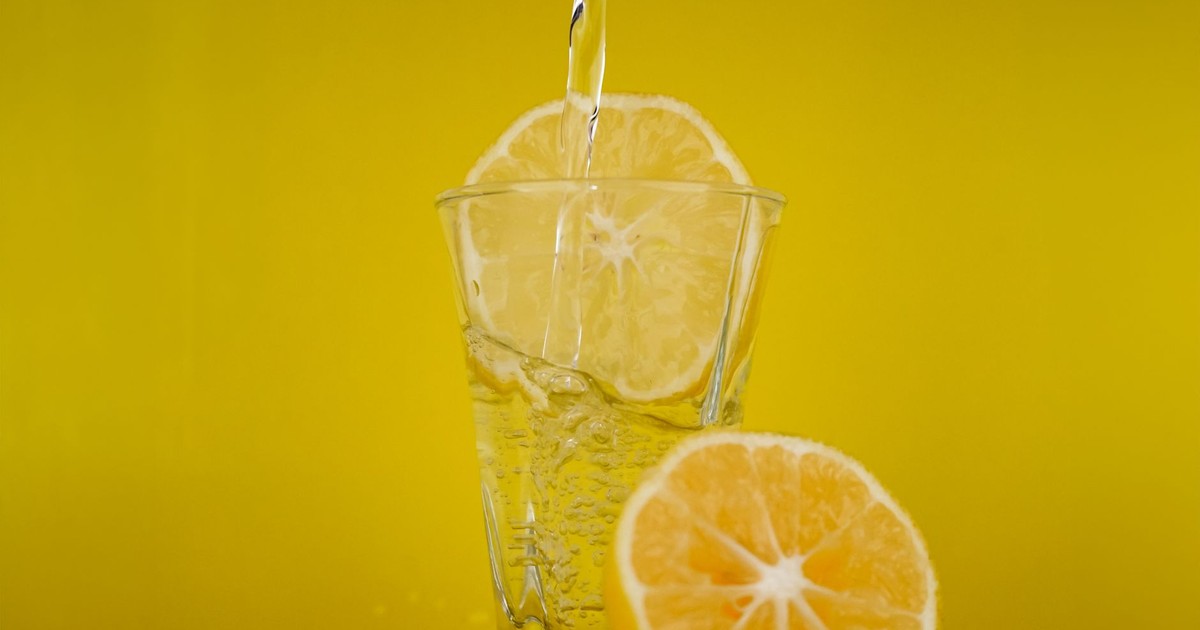
Fresh lemonade stored in a plastic pitcher. Orange juice in a plastic jug in the back of the fridge for three days. These are more common than people realize, and the interaction between citric acid and plastic follows the same chemistry as tomato sauce. Acidic drinks including citrus juices and alcoholic beverages are among the worst candidates for PET plastic containers, as they can cause leaching and alter the flavor and safety of the contents.
The flavor change is often the first thing people notice – a slightly plastic aftertaste, or a juice that tastes “off” despite being fresh. Even polypropylene containers, which are among the safer options for food storage, are not well-suited for acidic foods, as odors can linger and acidic foods may cause minor chemical interactions.
Glass bottles and pitchers store citrus-based drinks well and don’t interact with the juice. They’re also easier to clean and don’t hold onto the odor of yesterday’s orange juice.
5. Cooking Oils
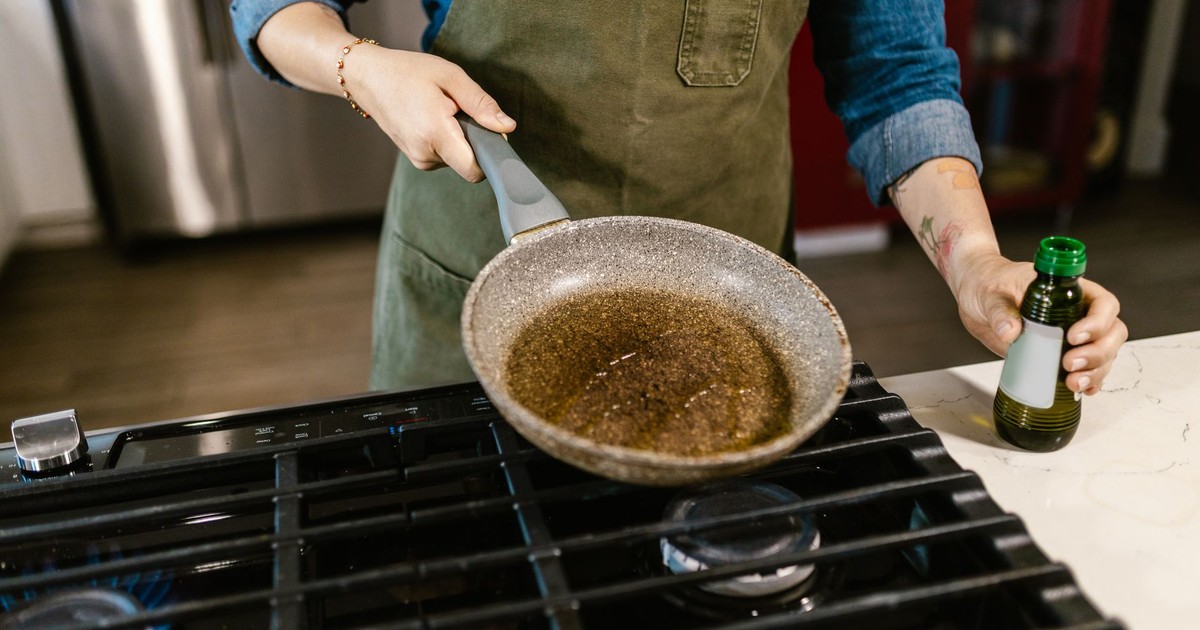
Most households keep a backup bottle of olive oil or a pour-over container of vegetable oil somewhere in the kitchen. Plastic is a common choice – it’s light, won’t shatter if knocked over, and is often how the oil arrives from the store in the first place. But long-term storage is a different matter. High-fat and high-acid foods pull more chemicals out of a storage container, with oils, vinegars, cheeses, and tomato sauce being more reactive and driving greater chemical migration from plastic into the food itself.
For cooking oils in particular, light exposure adds a second layer of risk. Many plastic containers are semi-transparent, which means the oil inside gets light as well as plastic contact – two factors that accelerate oxidation and turn the oil rancid faster. A dark glass bottle is the standard professional recommendation: it keeps light out and doesn’t chemically interact with the fat inside.
6. Alcohol
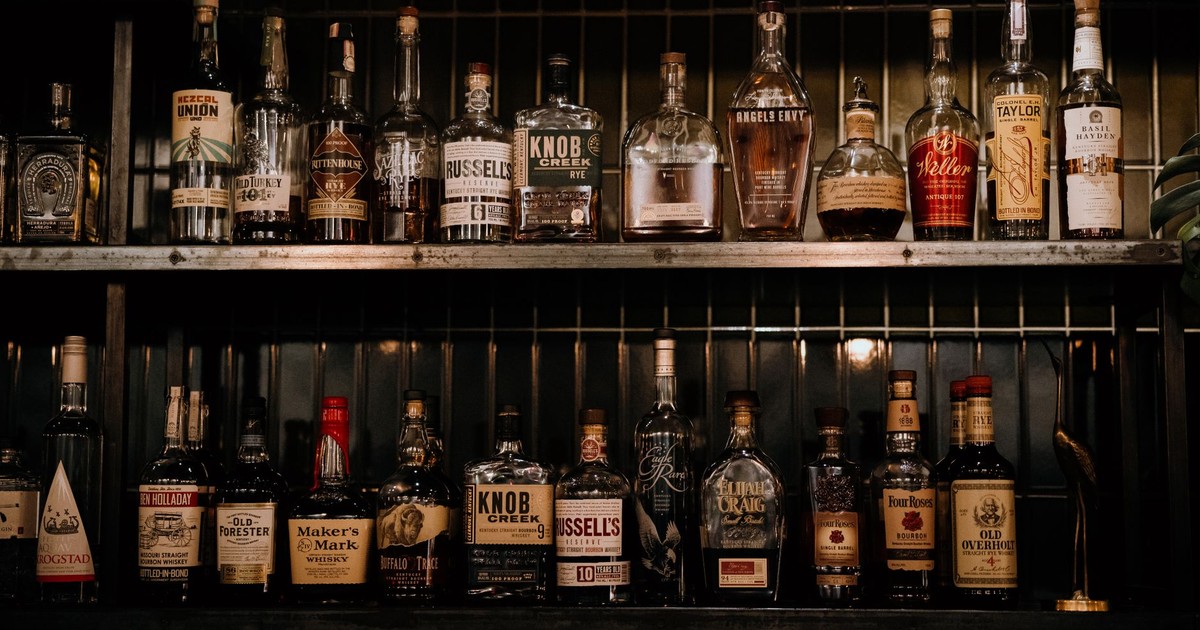
The relationship between ethanol and plastic is one of the cleaner examples of why certain combinations simply don’t work. Alcohol is a strong solvent – it’s why it strips bacteria, disinfects surfaces, and removes paint. It’s also why it should not be spending any meaningful time in a plastic container. Alcoholic beverages are among the worst candidates for PET plastic storage, as they can cause leaching and alter the flavor and safety of the contents.
This matters less for a beer stored in a plastic bottle overnight and more for anyone using plastic containers to store homemade wine, spirits, or even kombucha for any extended period. The solvent properties of alcohol speed up the extraction of plastic additives into the liquid. Glass is the traditional container for alcohol for good reason – it’s completely inert and adds nothing to what’s inside.
7. Fermented Foods
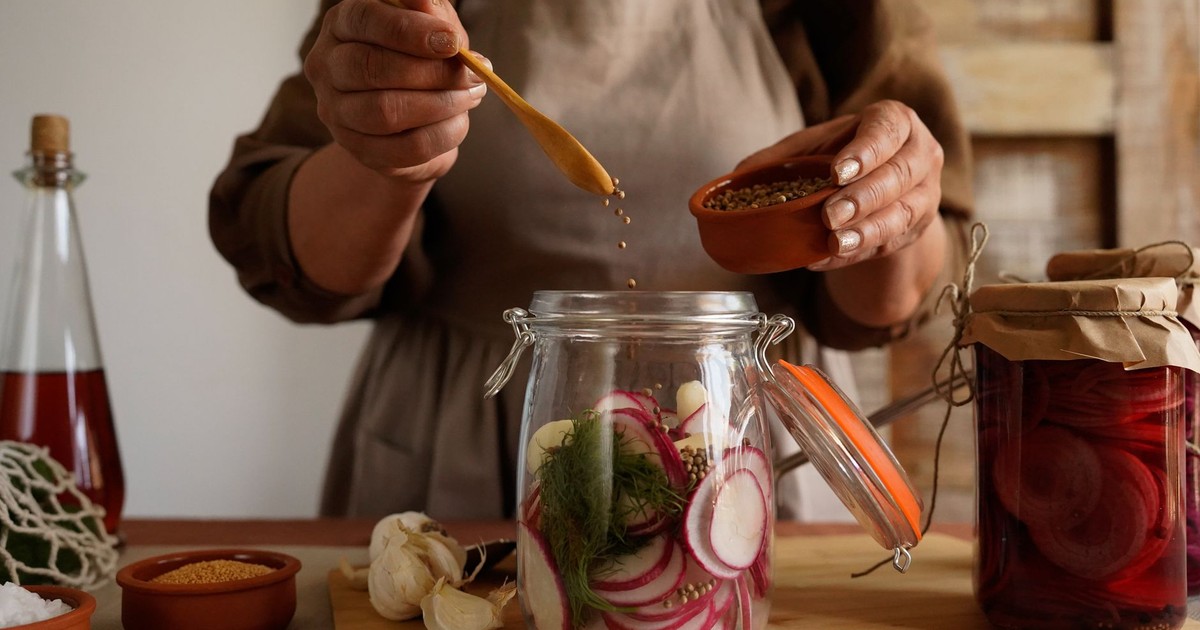
Kimchi, sauerkraut, kefir, and home-fermented pickles are increasingly popular, and with good reason. But the fermentation process itself creates a problem for plastic storage. Fermented foods belong in glass or ceramic containers, as the acids and salts of fermentation will eat through plastic over time and compromise safety.
The fermentation process produces organic acids – primarily lactic acid – at concentrations that are aggressive toward the polymer structure of most plastic containers. Over time, this weakens the container and increases chemical leaching into the food. Plastic also absorbs the intense odors of fermented foods and essentially never lets them go. The container that held kimchi last month will flavor everything stored in it going forward.
Wide-mouth glass mason jars are the universally accepted vessel for home fermentation – they’re airtight, don’t interact with acids, and are easy to clean properly.
8. Spices
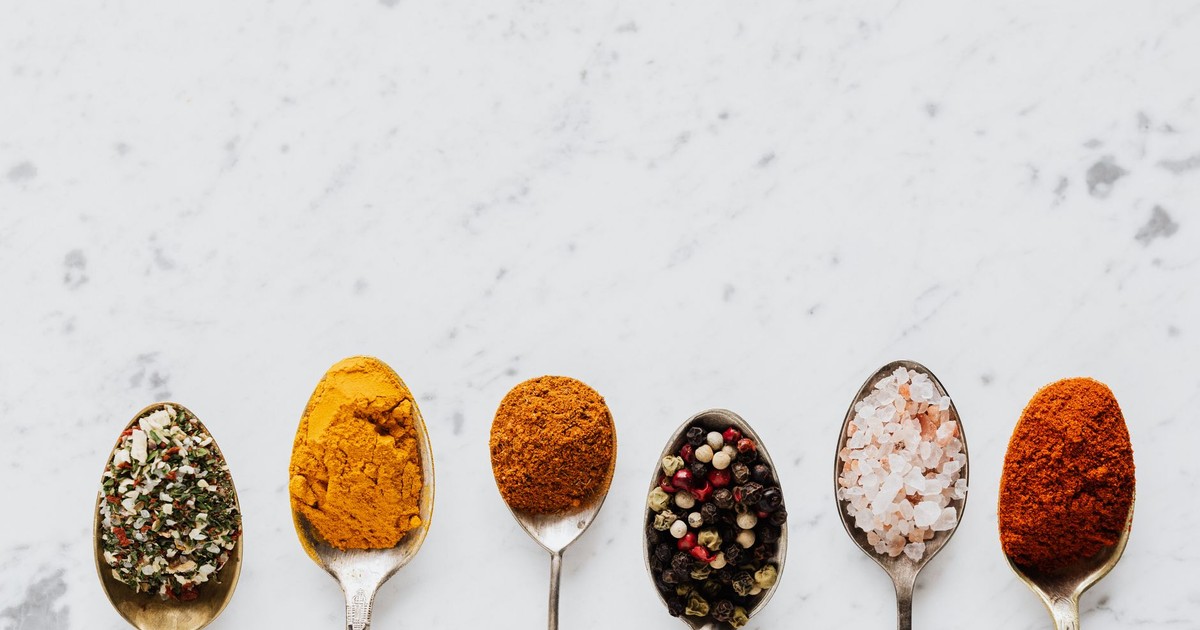
Spices stored in plastic containers lose their potency faster than those stored in glass or metal, and the loss isn’t just about air exposure. Spices stored in plastic containers can absorb oils and scents into the plastic over time, changing the flavor. Glass jars and metal tins maintain freshness longer and preserve the unique flavors and aromas intact.
The volatile aromatic compounds – the molecules responsible for the flavor and smell of cumin, coriander, cinnamon, and most other spices – migrate into the plastic over time. A spice that’s been sitting in a soft plastic bag for eight months smells faintly of plastic and delivers noticeably less of the flavor you’re cooking for. The difference is detectable on the palate.
Dark glass jars with tight-sealing lids are ideal. Metal tins work well too. Keeping spices away from light and heat extends their usefulness significantly, and plastic containers do neither particularly well.
9. Medications and Vitamins
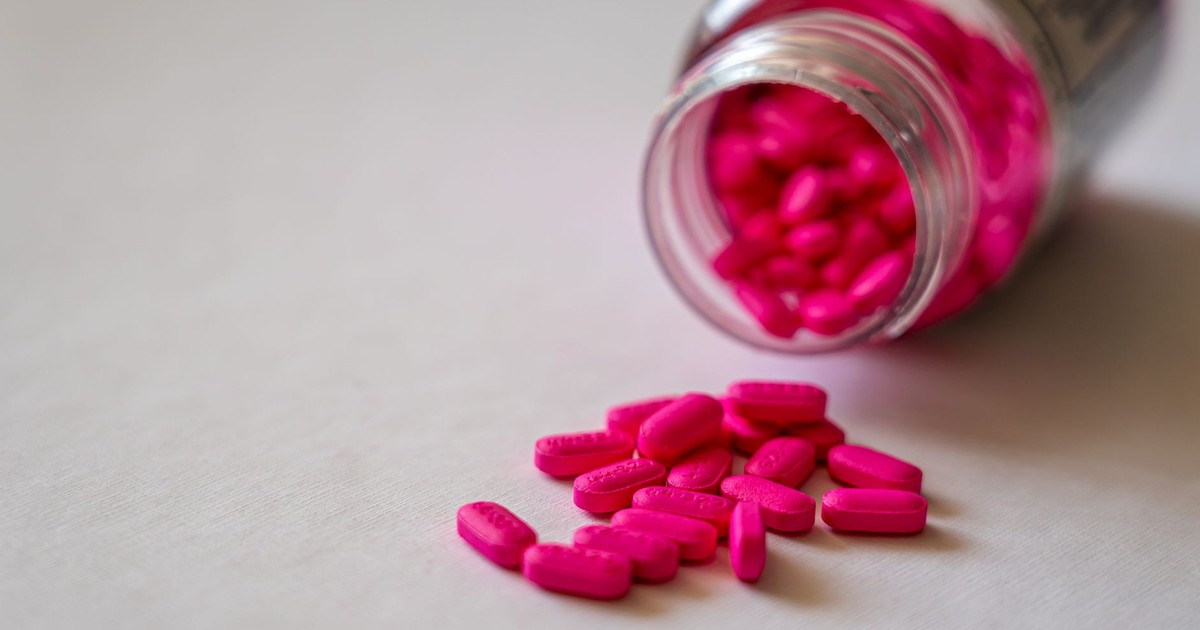
Most medications come packaged in amber glass or specially formulated medical-grade plastics for a reason. Plastic containers are not inert and leach varying levels of metals and chemicals into what they store, especially when subjected to elevated temperatures. Transferring pills or liquid medications from their original packaging into a generic plastic container removes the protection that packaging was specifically designed to provide.
The Endocrine Society notes that phthalates – plasticizers common in many plastic products – reduce testosterone and estrogen levels, block thyroid hormone action, and have been identified as reproductive toxicants. Phthalate exposure has also been persistently linked to insulin resistance and diabetes. Pill organizers made of lower-grade plastics – the kind sold in bulk at drugstores – vary enormously in quality and may not offer the same protection as the original pharmaceutical container. For vitamins and supplements that contain oils, like fish oil or vitamin D capsules, the concern is even more direct: the fat content of those capsules makes them susceptible to the same chemical exchange that affects oily foods.
Keep medications in their original packaging where possible. If you use a pill organizer for daily convenience, look for ones made from polypropylene (marked with a recycling code 5), which is among the safer plastic options for this use.
10. Fresh Herbs
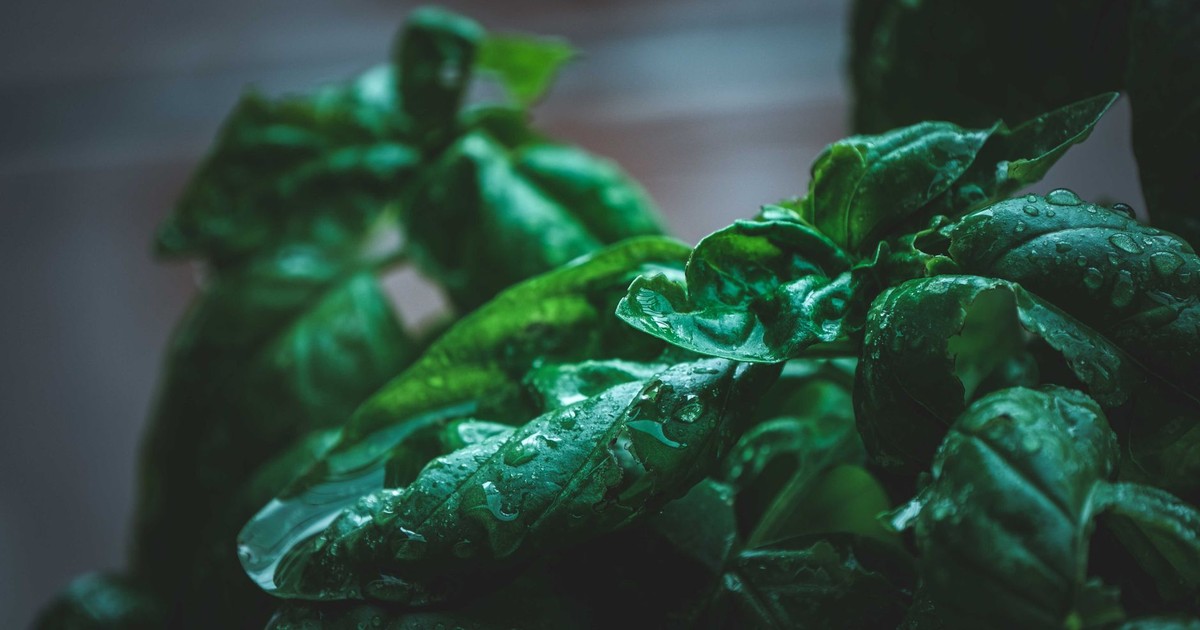
Fresh herbs have a very short window before they turn, and plastic containers accelerate that window rather than extend it. Plastic containers cause fresh herbs to wilt and lose flavor quickly since they do not provide proper ventilation. Herbs need some air circulation to stay fresh – sealed plastic is essentially the opposite of what they require.
Trim the stems, stand the herbs in a small glass of water, and cover loosely with a paper bag or a light piece of cloth if needed. Parsley, cilantro, and basil stored this way at room temperature – or loosely in the refrigerator – will last significantly longer than herbs packed into a sealed plastic container.
11. Soft and Ripening Fruits
Fruits such as berries, avocados, and citrus should be kept out of sealed plastic containers, as they tend to go bad faster in plastic than in glass containers. The lack of ventilation causes them to get moldy and mushy because of moisture buildup.
Soft fruits respire – they release gases as they continue ripening after being picked. Sealing them in plastic traps both the moisture they release and the ethylene gas that accelerates ripening, creating exactly the environment that speeds up mold. Berries in particular go from perfect to furry with surprising speed once sealed in plastic.
A breathable container, a loosely covered bowl, or a dedicated produce keeper with venting works considerably better. For berries, a quick rinse right before eating (not before storage) and a vented container in the refrigerator is the approach that extends freshness most reliably.
12. Essential Oils
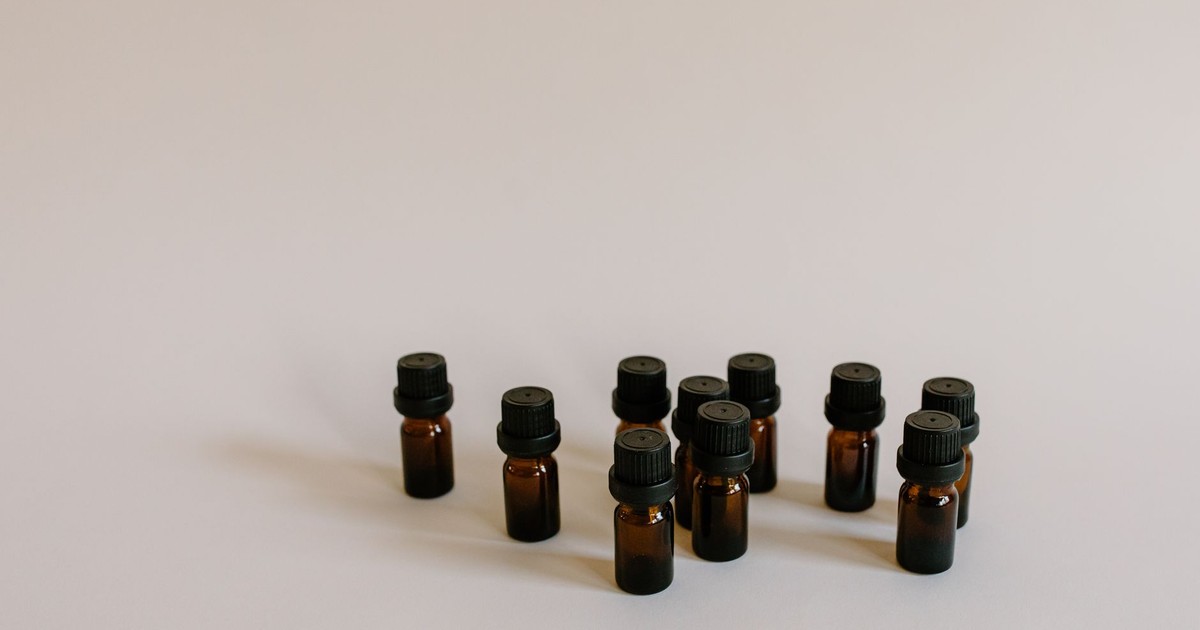
This one surprises people, but it’s grounded in basic chemistry. Essential oils are concentrated plant extracts that are extraordinarily chemically active. Essential oils can corrode plastic over time, affecting potency and purity, and should be stored in dark glass bottles to prevent leakage and contamination while protecting them from light and chemical reactions.
The issue runs in both directions: the essential oil degrades the plastic, and the plastic degrades the oil. Citrus-based essential oils like lemon, orange, and bergamot are particularly aggressive toward plastic and will begin breaking it down within a fairly short time. Even “aromatherapy-grade” plastic containers are not suitable for long-term storage of concentrated essential oils.
Dark glass bottles with airtight lids are the standard for a reason. They protect the oil from light oxidation, don’t react with the chemical compounds in the oil, and preserve potency significantly longer than any plastic alternative.
Read More: 18 Foods That Were Totally Normal in the 1970s — but Are Banned Now
What to Do With All of This
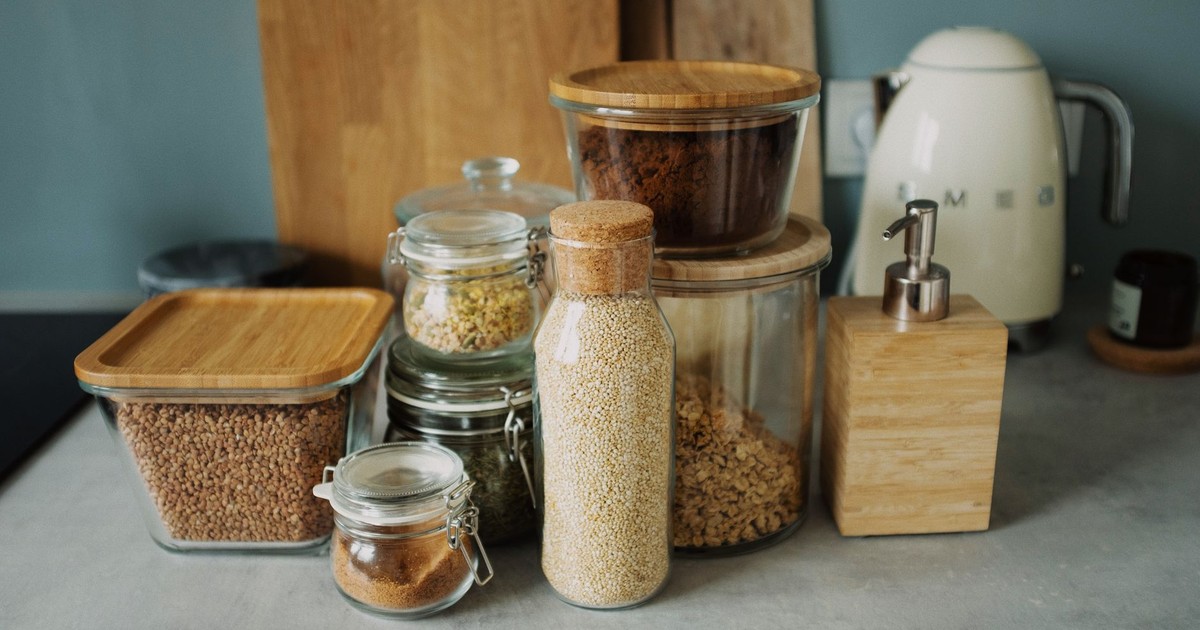
None of this requires overhauling your entire kitchen in a single afternoon. The most useful framing is to think about what’s in plastic right now and ask two simple questions: Is it acidic, fatty, fermented, or hot? And has it been in there for more than a few days? Those two filters catch the majority of the situations where the risk is most meaningful.
A September 2024 investigation by the Food Packaging Forum found more than 3,600 chemicals leaching into consumer products during food manufacturing, processing, packaging, and storage, with 79 of those chemicals known to cause cancer, genetic mutations, and endocrine and reproductive issues. That’s not a reason for panic – it’s a reason for small, informed swaps. A glass jar for the tomato sauce. A ceramic bowl for the leftover curry. A mason jar for the kimchi. These aren’t lifestyle overhauls. They’re just better containers for specific jobs that plastic was never particularly well suited for anyway.
Some of this is incremental. You don’t need to replace everything at once, and you probably won’t. But the items on this list – the acidic, the fatty, the fermented, the hot, the volatile – are the ones where the chemistry is most consistently working against you. Swapping those first covers most of the risk without requiring a complete rethink of how your kitchen is set up. Start with what’s already stained.
AI Disclaimer: This article was created with the assistance of AI tools and reviewed by a human editor.