

The year 2025 ended with one of the most contentious US elections in memory, two ongoing wars, and enough cultural noise to drown out almost everything else. Meanwhile, in labs and research hospitals and telescopes around the planet, scientists were doing things that will still matter long after those news cycles have faded. A drug that stops HIV before it starts. A map of a living brain. A quantum chip that solved in five minutes a problem that would take the world’s best supercomputer longer than the known age of the universe. Most of it barely made a dent in the feeds.
That’s not a criticism of the news business – it’s just the nature of attention. When a discovery doesn’t have an obvious villain or a countdown clock, it tends to drift. But some of the scientific breakthroughs from the past year are the kind that get taught in schools a generation from now. The eight below are the ones that deserved far more airtime than they got.
1. A Drug That Prevents HIV With Just Two Shots a Year
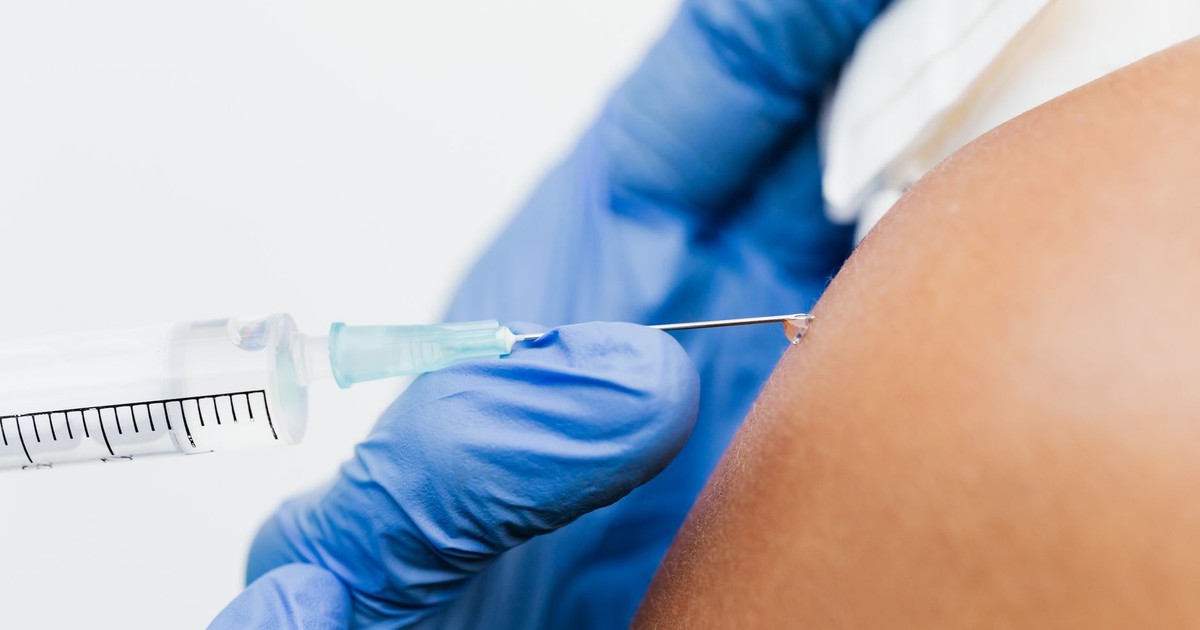
In 2022, the FDA approved lenacapavir as a treatment for HIV/AIDS. Then in 2025, results from two drug trials sponsored by Gilead Sciences showed the drug had a 96 percent success rate in one trial and a 100 percent success rate in another, when used as a pre-exposure prophylaxis – a preventive shot given twice a year.
Lenacapavir works by targeting HIV’s capsid protein, the shell that protects the virus’s genetic material. Researchers believe this approach could eventually point toward therapies that attack the capsid proteins of other viruses too. That’s not a small observation – it suggests the drug’s value might extend well beyond HIV prevention itself.
Science magazine named lenacapavir its Breakthrough of the Year, with editor-in-chief Holden Thorp writing that it represents “the next, but by no means final, step in the drive to fight HIV/AIDS, where the rigors of the laboratory and the needs of humanity are inseparable.” The practical implication is significant: unlike a daily pill, a twice-yearly injection is far more forgiving of the kind of irregular routines that make other HIV prevention regimens fail. The hope is that lenacapavir will also be easier to distribute in regions with high HIV prevalence, where consistent pill-taking is hardest to maintain.
2. A Blood Test That Detects Alzheimer’s Disease
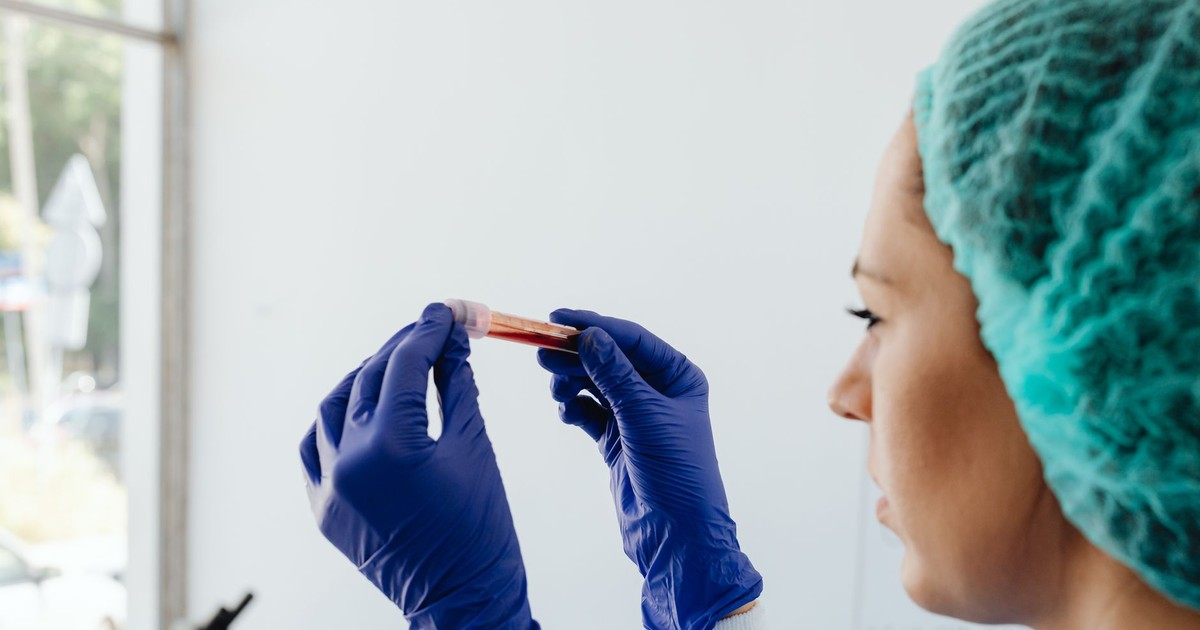
Until recently, testing for Alzheimer’s disease required either a sample of cerebrospinal fluid or a PET scan – brain imaging that is typically unavailable in a primary care setting. Inconvenient hurdles like these prevented many patients from getting a timely diagnosis and accessing medication that could slow the disease’s progression.
In 2024, a study partially funded by the NIH revealed that a simple blood test could accurately detect Alzheimer’s with about 90 percent accuracy. Researchers tested blood samples from over 1,200 older adults across both memory care and primary care settings. The test, called PrecivityAD2, measured two biomarkers: amyloid beta (which accumulates in the brain in Alzheimer’s disease) and p-tau217, a protein associated with the disease’s progression.
An estimated 7 million Americans and 40 to 50 million people globally were living with Alzheimer’s in 2024 and 2025, with more than 90 percent of those individuals aged 65 or older. The gap between onset and diagnosis has always been one of the disease’s cruelest features – by the time a person gets to a specialist for a lumbar puncture or a brain scan, years of potential treatment time have already passed. A blood draw that a family doctor can order changes that equation entirely. While more fine-tuning is still needed, a simple blood-based Alzheimer’s test could drastically change patients’ lives and ease the burden on healthcare systems trying to detect the disease earlier.
3. The First Complete Map of a Brain
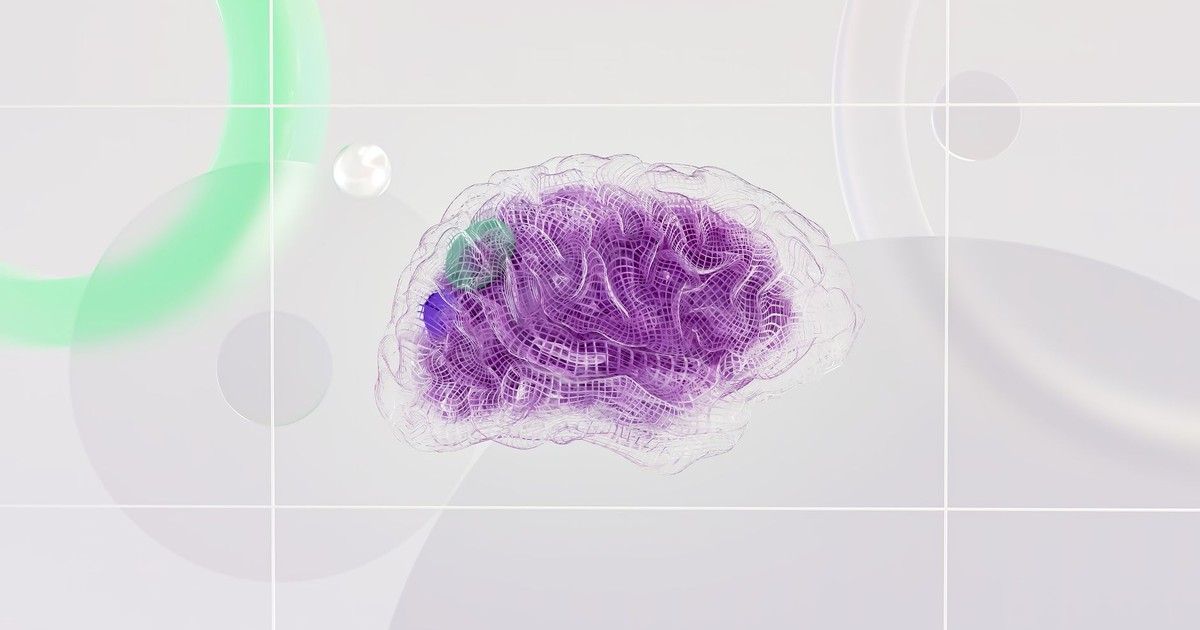
In October 2025, researchers released a completed map of nearly 140,000 neurons in the brain of a fruit fly. The resulting wiring diagram, called a connectome, could help scientists understand how minds process thoughts, make decisions, and store memories. The mapping process took an international research team ten years to complete.
The fruit fly might seem like an odd subject for one of the most significant neuroscience achievements in decades, but the logic is sound. Its brain is small enough to map completely – about the size of a poppy seed – but complex enough to encode real behavior. The team documented more than 50 million synaptic connections through electron microscope scanning. Every connection between every neuron, documented.
The project was supported by the NIH’s BRAIN Initiative and involved researchers including Associate Professor Davi Bock at the University of Vermont’s Larner College of Medicine, who co-led the annotation of the entire Drosophila melanogaster brain. The reason this matters beyond the lab: a complete connectome is the blueprint researchers have been missing to understand how neurons actually produce behavior. Getting it right in a fly is the necessary first step toward eventually understanding it in something far more complicated – including us.
4. AI-Designed CRISPR Gene Editors
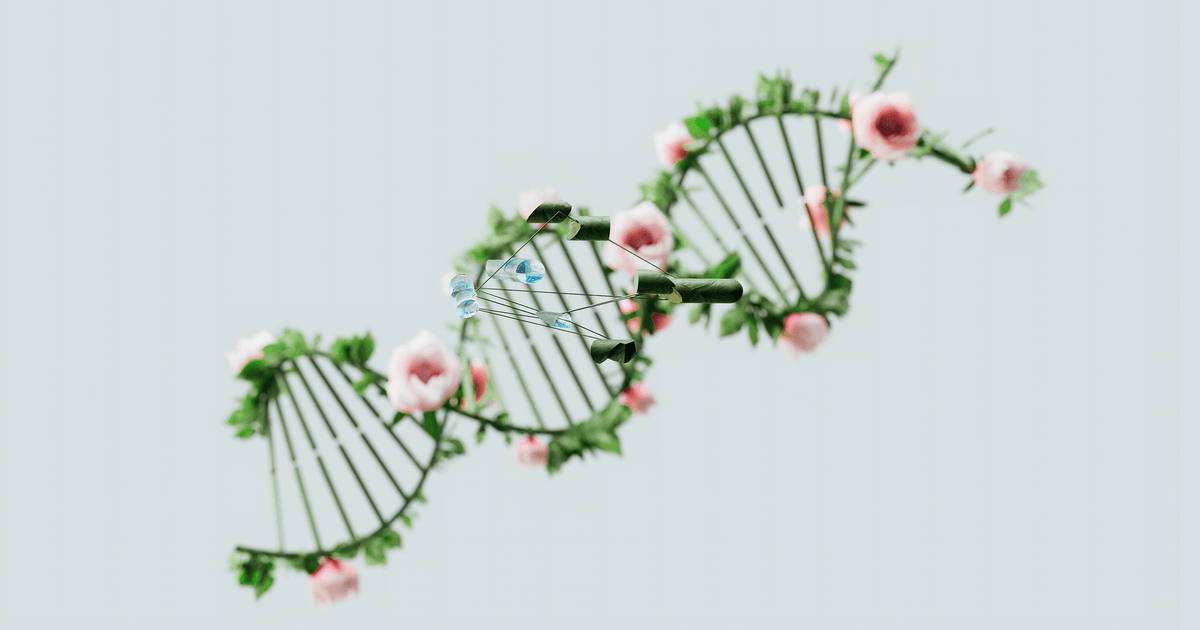
CRISPR/Cas9, which won its inventors the 2020 Nobel Prize, edits DNA with precision – but in 2025, the technology got an AI upgrade. Researchers began using large language models similar to the ones behind ChatGPT to improve gene editing. A team at biotech company Profluent developed a new tool called OpenCRISPR-1, making the AI-designed gene editor open-source so that research teams worldwide could access it, with an emphasis on ethical use. The goal is to make gene editing more accurate and safer than existing methods.
The significance here is hard to overstate. CRISPR has already shown it can treat conditions like sickle cell disease by rewriting a patient’s own genetic code. The limitation has always been precision – the risk of editing the wrong part of the genome, with consequences that might not show up for years. AI-assisted design could reduce that risk substantially, not by replacing the underlying tool but by engineering better versions of it. OpenCRISPR-1 demonstrated a 95 percent reduction in off-target editing compared to the standard Cas9 editor, which is exactly the kind of improvement that moves gene therapy from promising to practical. The open-source release also means the improvement isn’t locked behind a single company’s patent portfolio.
5. GLP-1 Drugs Do Far More Than Anyone Expected
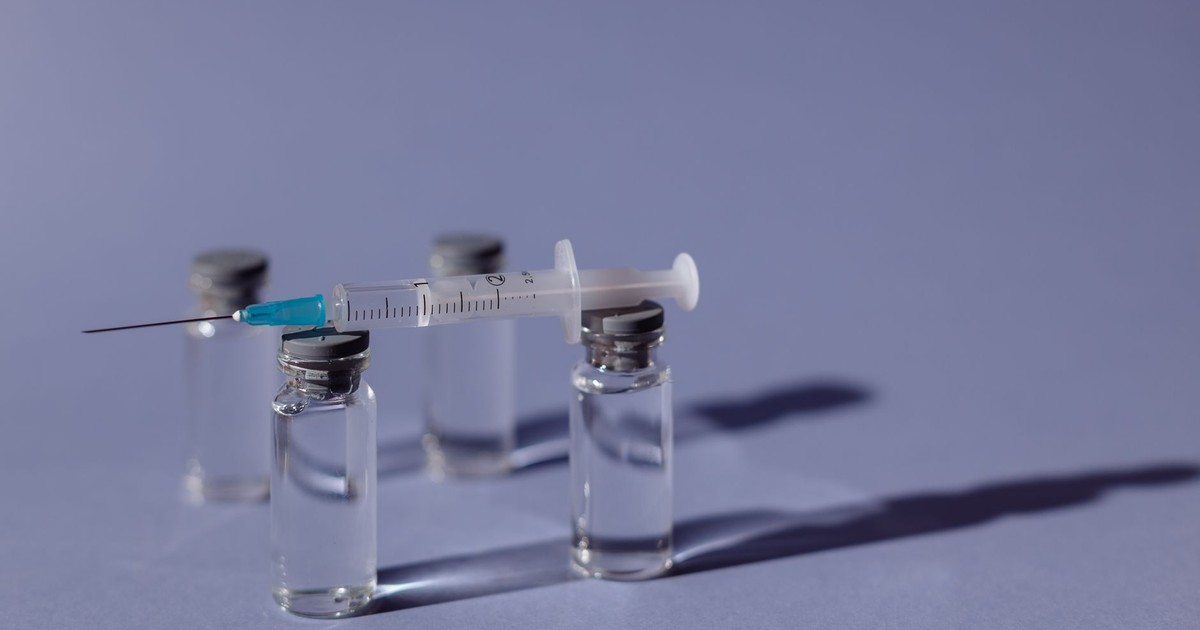
In 2025, new attention turned to semaglutide and tirzepatide – medications originally developed for diabetes that gained fame as weight-loss drugs. Researchers discovered that these substances appear to have a range of additional medical effects beyond weight loss, with studies suggesting potential benefits for heart disease, kidney disorders, substance addiction, sleep apnea, and even dementia, including Alzheimer’s disease.
These findings shifted the conversation around GLP-1 receptor agonist drugs (the class that semaglutide and tirzepatide belong to) from “weight loss medication” to something closer to a broad metabolic intervention. The addiction research was particularly unexpected – early data suggested the drugs reduced cravings for alcohol and nicotine in people who weren’t using them for that purpose at all. That raises real questions about what GLP-1 receptors are actually doing in the brain, and what other roles they might play that medicine hasn’t fully mapped yet.
The caveats are real. Most of the non-weight-loss benefits are still in the observational or early-trial phase – researchers are confident enough in the patterns to keep studying them, but not yet confident enough to prescribe these drugs specifically for addiction or dementia prevention. The science will take years to catch up with the signal. But 2025 was the year the signal became too strong to ignore.
6. Google’s Quantum Chip Solved a Problem No Supercomputer Can
Google’s Willow quantum chip achieved what researchers describe as “below threshold” quantum computation – a milestone in the effort to create practical quantum computers with sufficient precision. Willow is built at a larger scale than its predecessors, with 105 physical qubits. Qubits are the quantum equivalent of the bits in a classical computer, with the key difference that they can represent multiple states simultaneously, giving quantum computers their extraordinary theoretical power.
According to the head of Google Quantum Computing, Willow is powerful enough to complete a random circuit sampling task in approximately five minutes – a task that the world’s largest supercomputer would take an estimated 10²⁵ years to complete. For context, the universe is only around 13.8 billion years old. The number of years the classical machine would need is incomprehensibly larger than that.
The honest caveat is that random circuit sampling is a benchmark task designed to showcase quantum advantage, not a real-world application. Quantum computing is not yet solving the problems it’s eventually meant to solve – drug discovery, materials science, cryptography, climate modeling. But the “below threshold” milestone Willow achieved is specifically significant because it means the chip can correct its own errors as it scales up, rather than accumulating more errors as it adds qubits. That was the problem that had stalled quantum progress for years. Willow cracked it.
7. A Nasal Vaccine That Could Fight Multiple Diseases at Once

Among recent discoveries is a single nasal vaccine that could potentially offer protection from a wide array of respiratory illnesses, including Covid and flu. When tested in mice, the vaccine protected against Covid-19, the flu, a variety of bacterial infections, and even allergies – not by targeting any one specific pathogen, but by containing molecules that mimic the signals the body naturally produces when it’s under attack from a virus or bacterium.
The protective effect lasted about three months in the mice. The heightened immune state led to a 100-to-1,000-fold reduction in viruses getting through the lungs. Bali Pulendran, a professor of microbiology and immunology at Stanford Medicine and one of the study’s authors, described the immune system as “poised, ready to fend off these in warp speed time.”
It’s early-stage research – mice are not people, and a lot of promising murine immunology fails to translate. But the conceptual shift is significant. Instead of engineering a vaccine to recognize one specific pathogen, this approach trains the immune system’s alarm system broadly. If it translates to humans, the implications for seasonal respiratory illness – and for pandemic preparedness – would be substantial. A nasal delivery method also means no needles and no cold-chain storage requirements, which matters enormously for global rollout.
8. Scientists Found a Cosmic Ring 1.3 Billion Light-Years Wide

Sifting through data from the Sloan Digital Sky Survey, PhD student Alexia Lopez made a discovery that unsettled astrophysics: 9.2 billion light-years from Earth lies a massive circle of galactic clusters, nicknamed the Big Ring. With a diameter of 1.3 billion light-years and a circumference of 4 billion light-years, it challenges conventional cosmological principles.
The problem with the Big Ring isn’t just its size – it’s that structures like it shouldn’t exist according to the standard model of cosmology. The prevailing understanding holds that matter should be distributed relatively uniformly across vast scales of the universe. A perfect ring of galaxy clusters nearly a billion light-years across is exactly the kind of thing that model predicts shouldn’t be there. And it’s not the first such anomaly Lopez has found: she also identified a separate structure called the Giant Arc, which raised similar questions.
What this means for cosmology is still being argued. It could mean the standard model needs to be revised. It could mean there are physical processes operating at enormous scales that physics hasn’t yet accounted for. It could even mean something more fundamental about the large-scale structure of the universe is different from what the last century of science assumed. The discovery didn’t resolve any of those questions. What it did do was make them unavoidable.
Read More: 15+ Most Dangerous Creatures You Have Never Heard Of
The Year Science Outran the Headlines
The word “breakthrough” gets overused to the point where it stops meaning anything. But looking at this list honestly, several of these discoveries belong in a different category from the usual incremental advances. A twice-yearly HIV prevention shot. A blood draw that finds Alzheimer’s before symptoms begin. A complete wiring diagram of a brain. A quantum chip that just rewrote what a computer can theoretically do. These aren’t small steps.
What’s striking about this particular set of discoveries is how many of them are about the same underlying thing: finding a better way to read biological and physical systems than we had before. The Alzheimer’s blood test reads a disease through markers in blood instead of spinal fluid. The fruit fly connectome reads a brain at the level of every individual connection. Willow reads quantum states with enough accuracy to correct its own errors. OpenCRISPR-1 uses AI to read the genome more precisely than any human team could. The most underreported scientific breakthroughs last year produced were, in a sense, all breakthroughs in resolution – in our ability to see things we’ve always been trying to see, finally clearly enough to act on what we find. The discoveries that change medicine, physics, and our understanding of the universe rarely arrive with fanfare. They show up in a dataset, a lab result, or the night sky, and the rest of the world catches up later.
AI Disclaimer: This article was created with the assistance of AI tools and reviewed by a human editor.