

The U.S. housing market has done something remarkable over the past few years: it has made moving look financially terrifying. The average home price nationally still sits well above what most working adults can absorb without stretching themselves thin. And yet, in pockets of this country, the equation is flipped. Towns and cities aren’t waiting for people to find them. They’re paying to be found.
It sounds counterintuitive the first time you hear it. A town will give you thousands of dollars just for showing up, signing a lease, maybe buying a house. The catch is real, but it’s also pretty manageable. These towns need people, and enough of them have decided that a cash incentive, a coworking membership, or a student loan subsidy is a cheaper fix than watching their tax base shrink. What they’re offering is a genuine shot at a lower cost of life in a place that actually wants you there.
The list below covers 10 of the most active programs in the US right now, from a $15,000 career-linked package in Kansas to an annual government dividend in Alaska that doesn’t require a job at all. Not every place will suit every person, but a few of them are going to make someone reading this rethink where they live.
1. Tulsa, Oklahoma
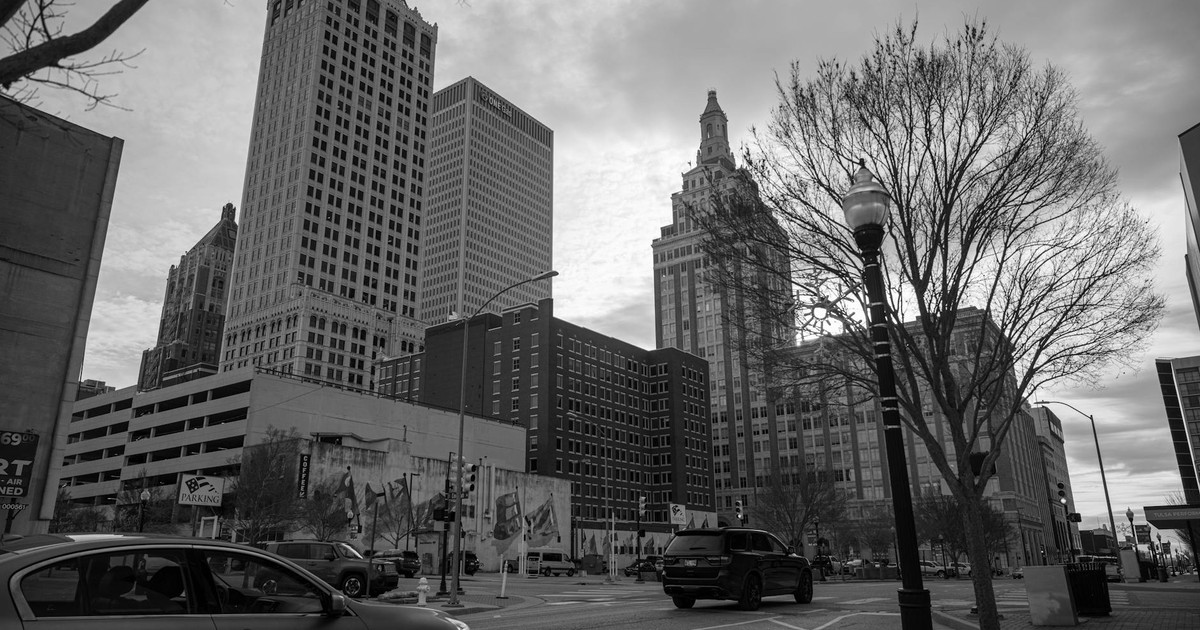
Backed by the George Kaiser Family Foundation, Tulsa Remote has grown from 70 remote workers when it launched in 2018 to more than 3,972 participants by the close of 2025, according to the program’s 2025 Economic Impact Report. That growth tells you something: this is one of the longest-running programs of its kind in the country, and people who try it tend to stay.
Those accepted into the program receive a $10,000 grant to help with their relocation to Tulsa, Oklahoma. To qualify, you must be at least 18, authorized to work in the United States, have current full-time remote employment outside of Oklahoma, and be able to relocate to Tulsa within 12 months of approval. Applicants must also have lived outside Oklahoma for at least one full year before applying.
Tulsa Remoters report an 80% two-year actual retention rate, and a 2025 study from the W.E. Upjohn Institute for Employment Research found that the program generates more than $4 in local economic benefits for every dollar spent. Home prices in Tulsa run roughly half the national average, which means that $10,000 is working alongside dramatically lower day-to-day costs. For a remote worker living in a high-cost city, the math often adds up fast.
2. West Virginia (Ascend WV)
Designed to attract professionals to the state’s mountain towns, Ascend WV blends financial incentives with community connection and outdoor adventure. Participants receive $12,000 in cash over two years, two years of free outdoor activities such as whitewater rafting and ziplining, a coworking space, $1,200 in outdoor gear rentals, professional development through WVU, and curated social and outdoor events.
To take advantage, you must live in the state for at least two years in one of the designated communities: New River Gorge, Greenbrier Valley, Morgantown, Eastern Panhandle, Greater Elkins, or Charleston. Eligibility requires working remotely, with employment or self-employment based outside of West Virginia.
Since its launch in 2021, the program has drawn nearly 65,000 applicants and relocated upwards of 950 new residents, with a retention rate above 96 percent. West Virginia isn’t just getting people through the door – it’s keeping them. The outdoor recreation alone, whitewater rafting, skiing, hiking, is an asset that no cash grant from a flat Midwestern city can replicate.
3. Topeka, Kansas

Choose Topeka offers up to $15,000 in your pocket, and the program partners with Shawnee County employers to select talented professionals to relocate to the city. It’s one of the highest cash incentives on any active list in the country right now.
The fund is specifically for Shawnee County, and unlike some other programs, it can work for both remote and on-site positions. For on-site jobs, the employer must participate in the relocation incentive, you must move to Topeka, and you must purchase or rent a home within one year of your hire or move. With this route, you can receive up to $10,000 for renting or up to $15,000 for purchasing a home.
Since Choose Topeka launched in 2019, more than 500 people have relocated to claim incentives, coming from 47 different states and several countries. The city is also genuinely affordable. Housing, groceries, and utilities all run below national averages, which means the $15,000 lands as a meaningful head start rather than a symbolic gesture.
4. The Shoals, Alabama
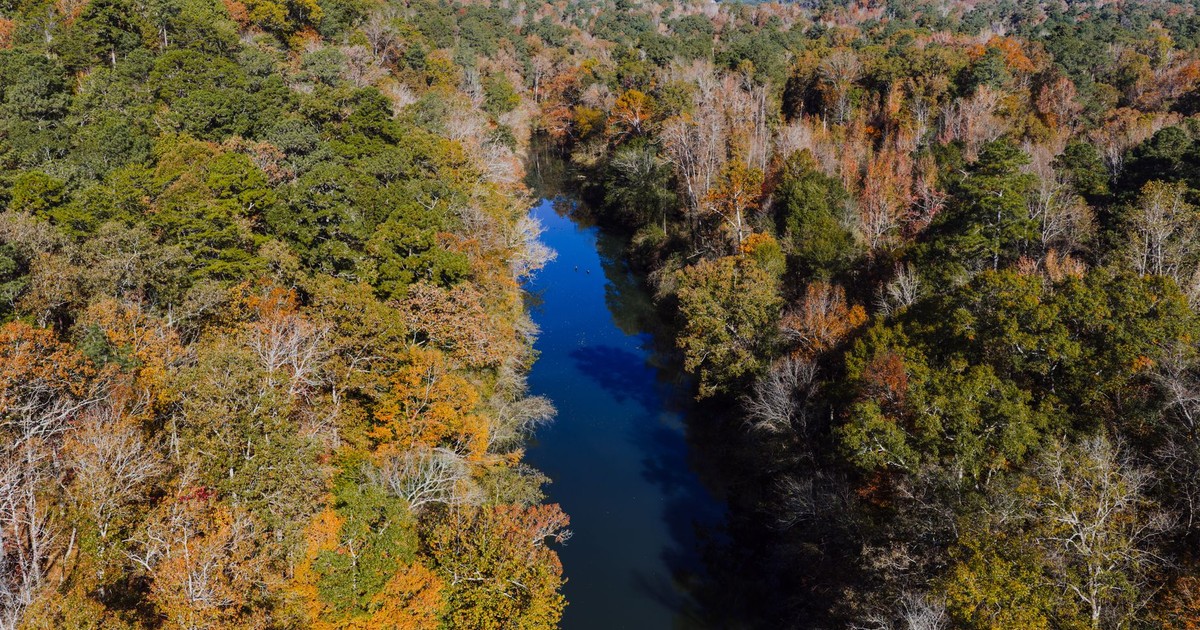
The Remote Shoals initiative pays $10,000 to live in a region of northern Alabama known as “the Shoals,” an area comprised of the cities of Florence, Muscle Shoals, Sheffield, and Tuscumbia. Music fans will recognize those names: artists who recorded at Muscle Shoals Sound Studio included Wilson Pickett, Aretha Franklin, Etta James, Percy Sledge, the Rolling Stones, Willie Nelson, Duane Allman, Lynyrd Skynyrd, Joe Cocker, Paul Simon, Bob Seger, and Bob Dylan, among many others.
The cash incentive of $10,000 is paid out across your first year in the Shoals. To qualify, you need a minimum annual income of $52,000, the ability to move within six months, and full-time remote employment or self-employment based outside Colbert and Lauderdale counties.
The area sits surrounded by lakes and hiking trails in northwestern Alabama. The combination of a serious cash incentive, genuinely low housing costs, and a cultural history most people don’t associate with the Deep South makes this one of the more underrated programs on the map. If remote work has untethered you from a city you were living in by default, the Shoals is worth a serious look.
5. Texarkana, Texas
Texarkana, Texas, offers new residents an incentive package valued at over $17,000 for those who meet the remote work requirements, which includes a 25% tuition discount and a free class at Texas A&M Texarkana, along with a complimentary one-year membership to Leadership Texarkana.
To qualify, you must be a full-time employee or self-employed and able to retain your current position, earn at least $75,000 annually, be 18 or older, currently reside outside the state of Arkansas (or at least 75 miles outside Texarkana if applying from Texas), and be able to relocate your primary residence within six months.
Texarkana straddles the border between East Texas and South Arkansas, sitting about 35 miles north of the Louisiana state line, giving it a genuinely unique cultural identity shaped by three states. The income threshold here is higher than some other programs, which filters the applicant pool but also means the community is actively building toward a certain economic profile. For a remote worker earning above $75,000 who wants a low-cost base and a structured welcome, it’s a compelling offer.
6. Newton, Iowa

Newton, Iowa, located just outside Des Moines, runs a Housing Incentive for newcomers. For homes valued at $240,000 or more, homebuyers receive a $10,000 cash incentive along with a Get to Know Newton Welcome Package.
Newton is located 30 miles east of Des Moines amid endless prairies, and offers a stipend amount based on the value of the home you buy. House prices in Iowa are extremely affordable, which is a real advantage in today’s market.
Newton is part of a broader picture in Iowa, where towns paying relocation incentives are scattered across the state. Rural cities and counties across Iowa, from the town of Britt to Pocahontas County, are providing free land and cash for workers who can relocate. Most participating towns are small, with fewer than 10,000 people, and are located in western Iowa. For someone who wants to own a home outright rather than rent indefinitely in a major metro, the math here can be genuinely transformative for remote workers.
7. Paducah, Kentucky
Paducah’s relocation incentive package includes up to $2,500 reimbursement for moving expenses, up to $70 per month for 12 months to cover internet service fees, and a waiver of Paducah’s 2% payroll tax for 12 months. The package also includes about $1,150 worth of free tickets for cultural and educational amenities, including special passes with the Paducah Symphony Orchestra, the Paducah School of Art and Design, the River Discovery Center museum, the city’s art center and theater, and the Sprocket entrepreneur hub.
The payroll tax waiver is the part that often gets overlooked. On a $60,000 salary, skipping the city’s 2% payroll tax for a full year adds up to $1,200 on top of everything else, turning a good package into a very good one.
To qualify, you must be able to move within three months of acceptance. Paducah sits along the Ohio River and has developed a strong arts community over the past two decades, driven partly by a UNESCO Creative City designation it received back in 2013. It’s a small city with a genuinely interesting cultural identity, and its relocation package reflects a city that is investing in growth rather than just surviving.
8. Mattoon, Illinois

Mattoon, located about a three-hour drive from Chicago, offers an incentive package that includes $5,000 in cash for relocation expenses and a $500 voucher to local restaurants, with a total package value of $11,703.
The Chicago connection matters more than it might seem. Mattoon is close enough to the city that a day trip is easy, but far enough that the cost of living difference is enormous. Anyone burned out on Chicago rent prices, currently averaging around $1,700 a month for a one-bedroom, will find Mattoon’s market almost disorienting by comparison.
All programs on active relocation lists have been verified as legitimate and active as of July 2025, with programs that have paused or ended having been removed from current listings. Mattoon’s program has remained active and continues to attract remote workers and young professionals looking to stretch their income further without surrendering access to a major city.
9. Muskegon and Jackson, Michigan
Southwest Michigan is offering incentives through two cities: Muskegon and Jackson, which are providing cash, employment support, and a large down payment assistance package for new residents worth $25,000. These cities are rebounding from Rust Belt declines and boast affordable living, rejuvenated downtowns, and easy access to Detroit and Grand Rapids.
The $25,000 figure is one of the highest down payment assistance packages available anywhere on the current list of towns paying relocation incentives. For someone who has been locked out of homeownership in a larger market, it represents a genuine pathway to building equity rather than paying a landlord indefinitely.
Jackson is an outdoorsy city focused on the beauty of its many parks, lakes, and its man-made waterfall known as The Cascades, and emphasizes community connection through celebrations of its history and culture like the Jackson Civil War Muster, one of the largest Civil War reenactments in the Midwest. Muskegon, meanwhile, sits on the eastern shore of Lake Michigan, with the kind of waterfront access that costs a premium in most other markets.
10. Alaska (Permanent Fund Dividend)

Alaska is not offering a relocation incentive in the traditional sense, but what it does offer is something no other state can match: an annual payment to every resident, for life, funded by the state’s oil wealth.
The Permanent Fund Dividend is paid to Alaska residents who have lived within the state for a full calendar year and intend to remain an Alaska resident indefinitely. The $1,702 amount paid in 2024 included the permanent fund dividend of $1,403.83 and a one-time energy relief payment of $298.17 added by the Legislature, according to the Alaska Department of Revenue. The 2025 dividend came in at $1,000, with the annual figure varying depending on the fund’s performance and the number of applicants.
The dividend shouldn’t be treated as guaranteed income. But combined with the fact that Alaska is one of only nine states with no income tax and one of five states with no state sales tax, the overall financial picture for a resident with a remote income is genuinely different from almost anywhere else in the country. The trade-off, as anyone who has spent a February in Fairbanks can tell you, is real.
Read More: These Are the 10 Worst States to Retire and 6 Are in the South
What You Need to Know Before You Apply
Most of these programs share a few basic rules that are worth understanding before you get excited and start browsing Zillow. You almost certainly won’t qualify if you already live in the town offering the incentive, since these programs are typically only available to out-of-state individuals. You’ll also need to commit to living in your new location for a set period, with a 12-month minimum being common. And if you leave before that minimum is up, you could be required to pay back some or all of the initial incentive.
That last point is the one people most often overlook. The cash is real, but it comes with a commitment, and towns structure it that way on purpose. These programs aren’t giveaways; they’re bets that the person moving will stick around long enough to contribute to the local economy, pay taxes, spend money at local businesses, and ideally become part of the community. The ones that have been running for several years, Tulsa and Topeka especially, have data showing those bets paying off.
The deeper thing worth sitting with is what these programs reveal about the geography of American opportunity right now. The places offering the most money to attract residents are, almost without exception, the places that got looked over during the last few decades of urban concentration. They’re betting that remote work has finally broken the link between zip code and career ceiling. For the right person, they’re right.
AI Disclaimer: This article was created with the assistance of AI tools and reviewed by a human editor.