

The most expensive bill you pay every month might not be your rent or your car payment. It might be the one you never actually look at – the one that just disappears from your account on the 15th while you’re doing something else entirely.
Autopay was sold to us as financial adulting. Set it up once, never miss a payment, protect your credit score, get on with your life. And for certain bills, that logic holds. Fixed-rate mortgage? Autopay all day. Car loan with the same amount due every single month? Sure. But the list of bills that genuinely behave that way is shorter than most people think. For everything else – the bills that fluctuate, renew, quietly inflate, or carry errors that only reveal themselves if you actually look – autopay is working against you.
Credit card borrowers using autopay tend to pay off 8 to 17% less of their balance compared to those making manual payments. That one statistic tells you most of what you need to know. When payments happen automatically, attention drops – and where attention drops, money leaks. Here are the 10 bills worth pulling off autopay right now.
1. Credit Card Bills

Credit card balances are the definition of a variable bill. Your charges change every single month depending on what you spent, and autopay set to the minimum payment is one of the most financially damaging habits a person can develop. Pay only the minimum every month and the interest on the remaining balance compounds in a way that turns a $400 sofa into something much more expensive over time.
Since autopay encourages a hands-off approach to paying bills, you’re less likely to inspect your statement after setting up automatic payments – which means you might not catch billing errors and end up paying more than necessary. Fraudulent charges, duplicate billings, and subscription charges from services you cancelled months ago all show up on credit card statements. If you’re not reading them because you assume the autopay is handling things, those errors just keep processing month after month.
The practical fix is simple: set a calendar reminder to log in and review your statement the week before it’s due. Pay the full balance manually. You stay engaged, you catch errors, and you don’t slowly drift toward carrying a balance you didn’t intend to carry.
2. Utility Bills
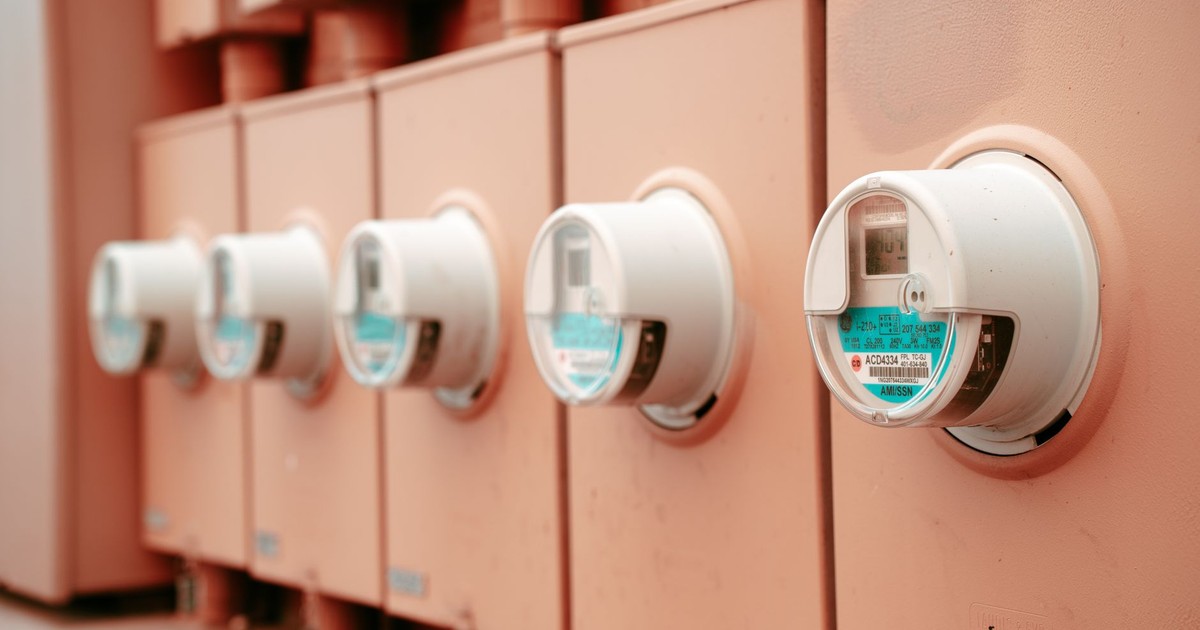
Your electricity, gas, and water bills change every month based on usage, season, and rate adjustments from the provider. A hot July, a cold February, or a leaking pipe under the kitchen sink – all of it shows up in the bill. As banking and lending expert Bethany Hickey at Finder explains, bills that fluctuate aren’t good fits for autopay, and on an especially high-use month, autopay can put you at risk for overdrafts if you’re not prepared, with most overdraft charges running around $20 to $35 each time.
A higher water bill can indicate a leak in your house. If you set up auto-draft for this bill and never review your statements, a leak might go unnoticed for months and cause extensive damage – to your home and your wallet. That’s the part that doesn’t get talked about enough. Utility bills aren’t just a financial record; they’re a diagnostic tool. A spike you’d normally notice and investigate becomes invisible when the money just disappears automatically.
If you want a steady, predictable utility payment, most providers offer a budget billing or equal payment plan that averages your annual usage into 12 equal monthly installments. That’s worth setting up instead – it gives you the stability of autopay without hiding the information in your bill.
3. Cable and Internet Bills

Cable and internet providers have made an art form out of the introductory rate. You sign up at $59.99 a month, the promotional period ends 12 months later, and the rate climbs to $89.99 or higher. It’s not a coincidence when cable and internet bills seem to double overnight – service providers routinely sneak in price hikes and random fees, hoping you won’t notice. By avoiding autopay for these bills to avoid autopay, you’re far more likely to scrutinize the statement and catch unexpected increases.
The other issue is that cable bills often include add-ons and on-demand charges that vary month to month. If you watched three premium movies last month and forgot about them, autopay will process whatever total appears without any friction. That missing friction is expensive. People who review their cable bills manually tend to negotiate, switch providers, or drop tiers they’re not using in a way that autopay users simply don’t.
Call your provider every 12 months and ask for a retention offer. The difference between what a loyal autopay customer pays and what a manual-paying customer who calls every year pays can easily be $30 to $50 a month on the same service.
4. Gym Memberships

The gym industry runs partly on the gap between what people intend to do and what they actually do. January brings a surge of new members, February brings a quieter floor, and by April, a meaningful percentage of those members are paying $40 or $50 a month to never walk through the door. With autopay, some bills become out of sight and out of mind, and there’s a real risk of losing track of money being drafted from your account – or becoming so accustomed to a payment that you fall into a rut of paying for a membership you never use. Paying manually means you’re more likely to evaluate your gym usage occasionally and cancel if it’s not working.
Gyms also make cancellation notoriously difficult. Many contracts require written cancellation notices with specific lead times. If you’re on autopay and you haven’t been in months, you may have already paid for several cycles you had no intention of paying for. Manually paying keeps you aware of whether you’re actually using the membership, and opting out of autopay helps avoid those charges dragging on.
5. Streaming Subscriptions
The average American household has trimmed its paid subscriptions considerably as pricing pressure has mounted, but waste is still widespread. According to a 2026 survey by Self Financial, the monthly average value of unused paid subscriptions is $26.79. Across a year, that’s more than $320 in services someone paid for without opening once.
The structure of streaming autopay is specifically designed to prevent you from cancelling. Free trials that convert to paid plans without any friction, annual renewals that arrive with no warning, and price increases that happen between billing cycles – these are features, not bugs, from the company’s perspective. Two-thirds of survey respondents said they have wanted to cancel a paid subscription but didn’t, with the top reasons cited as fear of missing out on content, forgetfulness, and convenience or habit. The simplest defense against all three is to pay manually. When you have to actively approve a renewal each month, you make a real choice instead of a passive one.
6. Cell Phone Bills

If you’re on a fixed unlimited plan with the same amount due every month, autopay is probably fine. But most households aren’t using exactly the same data, international calling, or add-on services every month. The amount you owe on a cell phone bill can change from month to month depending on data usage, and if you forget to review your statement in months when you owe more than usual, the extra funds taken from your bank account could trigger an overdraft and bank fees.
Cell carriers are also known for billing errors that can persist for months undetected. A promotional credit that should have been applied but wasn’t. A line that was supposed to be cancelled but stayed active. An international roaming charge from a trip six weeks ago that just appeared. Paying close attention to your mobile phone bill can save you from unexpected charges and overage fees, and a monthly review lets you dispute any incorrect charges immediately. Most people discover these errors only because they happened to glance at their statement – a habit that autopay actively discourages.
7. Insurance Premiums
Auto, home, and renters insurance premiums are reviewed and adjusted at renewal, typically once a year. Auto insurance premiums are often due in intervals of once or twice a year, which can mean a hefty bill that hits when your account balance is low. Rates and coverage needs also change frequently, so reviewing the details every renewal period rather than having it on autopilot matters – because data shows drivers could get a lower rate by shopping around at renewal rather than auto-renewing.
The habit autopay creates with insurance is the same one it creates everywhere else: passive acceptance. Your rate goes up 11% at renewal, the new higher amount starts drafting automatically, and you have no idea it happened until someone asks what you’re paying. Spending 30 minutes comparing quotes at renewal time has consistently been shown to save drivers and homeowners hundreds of dollars a year. That process starts with noticing the renewal – which only happens if you’re paying attention.
8. Rent
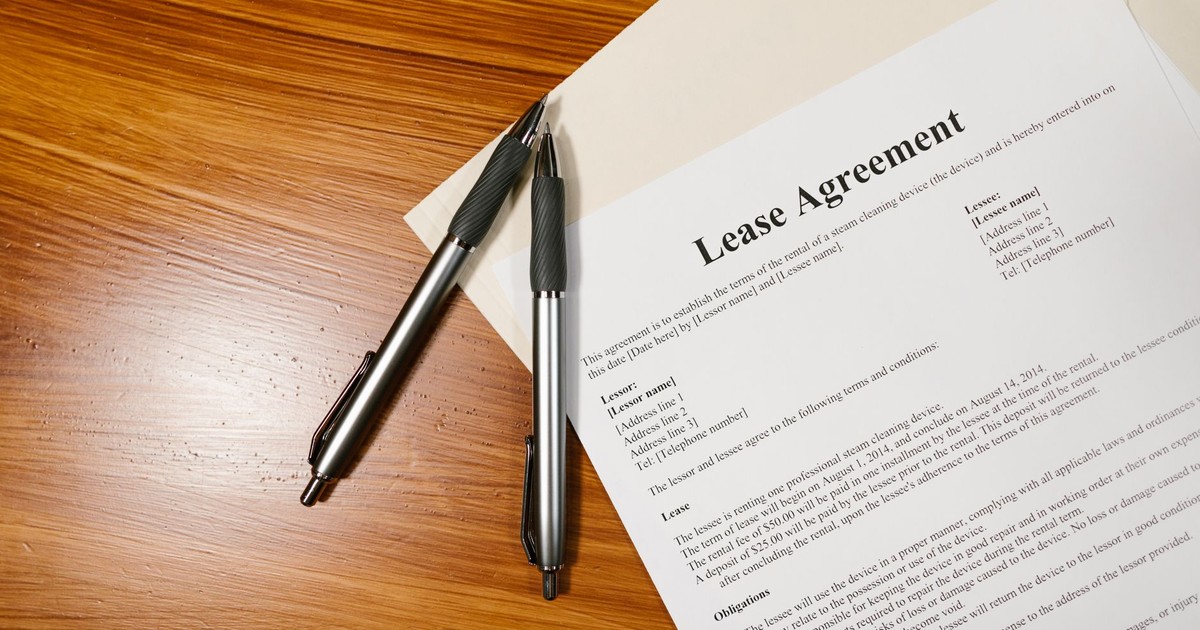
Rent increases at lease renewal, sometimes significantly. If your landlord sends a notice that your new rate goes up $75 a month starting next month and you’re on autopay, the higher amount starts drafting and you may not catch it immediately. Lease terms and rent amounts are subject to change at renewal, and paying manually means you can account for those changes and make sure you’re on the same page before the money leaves your account.
There’s also the error problem that affects landlords and property management companies just as it does anyone else. Landlords and property management companies make mistakes, and autopay might mean you overlook an overcharge or a fee you didn’t agree to. A missed rent payment due to insufficient funds can create serious problems when money is tight. Controlling when the rent leaves your account puts you in a better position. Paying rent manually also gives you a natural monthly moment to confirm the lease terms match what you’re paying – a check that can catch administrative errors before they become disputes.
9. Medical Bills – Bills to Avoid Autopay at All Costs

Medical billing is one of the most error-prone categories in personal finance. Charges that should have been processed through insurance but weren’t. Duplicate billing for the same procedure. Out-of-network fees applied when the provider was listed as in-network. These are common, and the billing departments at most healthcare providers are not fast to correct them proactively.
Managing medical bills manually also opens up options that autopay forecloses. Billing errors are common, and autopay can lead to paying more than you owe. Reviewing each statement for accuracy ensures insurance has been properly applied, and handling medical payments directly allows you to set up payment plans if necessary. Most hospitals and clinics will negotiate payment arrangements, apply financial hardship discounts, or correct billing errors when you engage with them directly. If you’re on autopay and the full billed amount is just drafting from your account, you’ve already forfeited that conversation.
10. Magazine and Newspaper Subscriptions
Print and digital media subscriptions have a habit of renewing at introductory rates that quietly become full-price rates after the first year – without any reminder notification. Subscriptions to magazines and newspapers often renew automatically, sometimes at higher rates. Autopay can cause you to miss these changes and result in unexpected charges. Managing these payments manually helps you decide if you still want to continue each subscription and find better deals or switch to digital versions.
The broader point here is that this category tends to be where people accumulate the most forgotten charges. A newspaper digital subscription you signed up for during an election cycle. A magazine that came free with a frequent flyer account and started billing six months later. A premium newsletter that auto-renewed for the third consecutive year even though you haven’t opened it since spring. Each one is $10 or $15 or $25 that drafts without you ever making an active decision to keep it.
Read More: 7 Signs You’re Overspending Without Realizing It
The Real Cost of Not Paying Attention
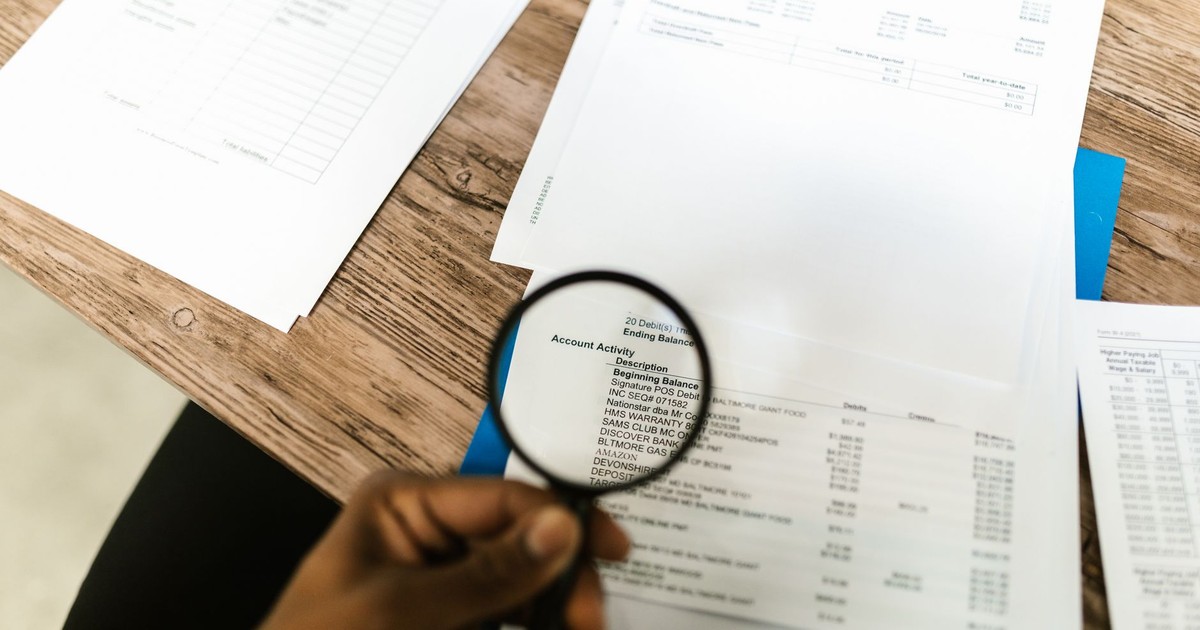
The argument for autopay is real: it protects your credit score, eliminates late fees, and reduces the mental overhead of remembering a dozen due dates. For truly fixed bills with no variation, no negotiation opportunity, and no cancellation question – a fixed-rate mortgage, a car loan, a student loan – autopay is the right call. The problem isn’t automation itself. The problem is using it as a substitute for oversight.
Automatic payments can help you avoid late fees on your bills, but if you forget to track your account balance and it’s too low when a payment is due, you might have to pay overdraft or nonsufficient funds fees – and both the bank and the company might charge you, so these fees can add up quickly. Beyond overdrafts, the deeper cost is financial inertia. Every bill on autopay is a bill you’ve decided, by default, is worth paying at whatever amount is currently set. That’s a lot of implicit decisions being made for you.
The households that spend the least on recurring bills tend to share one habit: they see every bill before they pay it. Not because they’re neurotic about money, but because the five minutes it takes to log in, glance at the amount, and confirm it looks right is also the five minutes you notice the rate hike, the double charge, the subscription you’ve been meaning to cancel for four months. Autopay removes that moment. For most of the bills on this list, that moment is worth more than the convenience it costs to keep it.
AI Disclaimer: This article was created with the assistance of AI tools and reviewed by a human editor.