
The most dangerous animal in any given region is rarely the one with the best reputation for it. The cassowary standing in a Florida enclosure looked, to its owner Marvin Hajos, like an exotic bird he’d raised himself. The blue-ringed octopus on the seafloor looks like a collector’s prize. The freshwater snail looks like nothing at all. Each of these creatures has contributed to human deaths, and most people couldn’t pick them out of a lineup.
That gap between danger and recognition is what this list is about. Not the lions. Not the great whites. The creatures that have earned their lethality in obscurity, without a documentary series or a warning sign.
One clarification before we get into it: “dangerous” here covers a wide range. Some entries kill through venom with no antidote. Some spread disease on a scale that dwarfs anything a predator could manage. Some are genuinely ferocious animals that people underestimate because they’ve never heard of them. All sixteen belong here.
1. The Deathstalker Scorpion
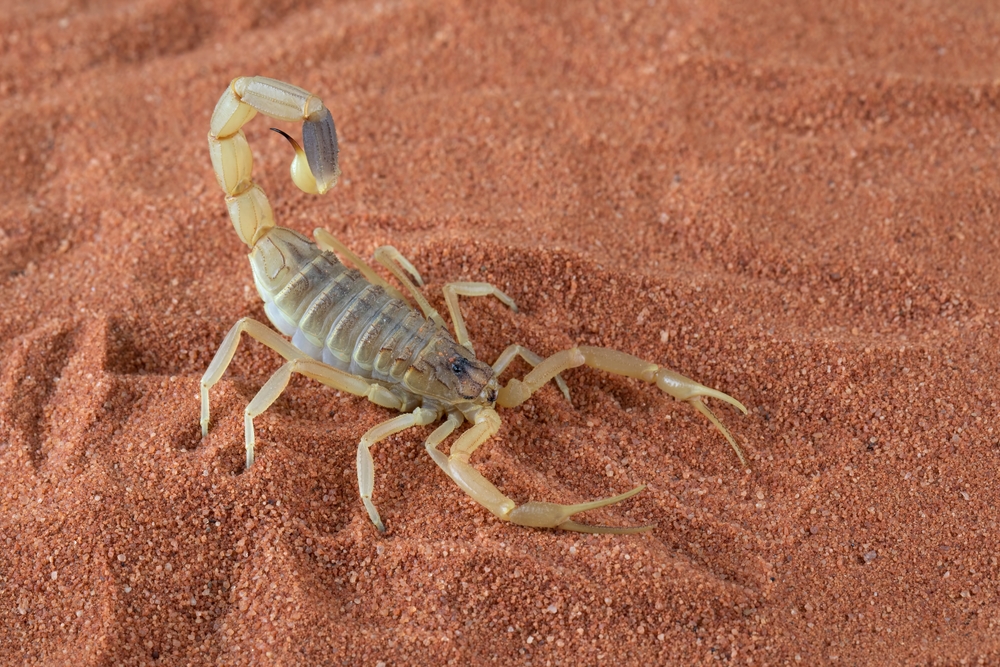
The deathstalker is one of the most dangerous species of scorpion, and its venom is a powerful mixture of neurotoxins with a low lethal dose. It looks the part of something you might dismiss: a pale yellow creature barely the length of your hand, found in the deserts of North Africa and the Middle East. The body and the threat don’t match.
A sting from this scorpion would not normally kill a healthy adult human, but young children, the elderly, and those with heart conditions are at much greater risk. If a sting does prove deadly, the cause is usually pulmonary edema – meaning fluid builds up in the lungs and breathing becomes increasingly impossible. The deathstalker’s aggression and prevalence in human-inhabited areas make it a significant threat in its native regions. In rural desert communities, the encounter is rarely dramatic. It’s shaking out your shoes in the morning.
2. The Blue-Ringed Octopus
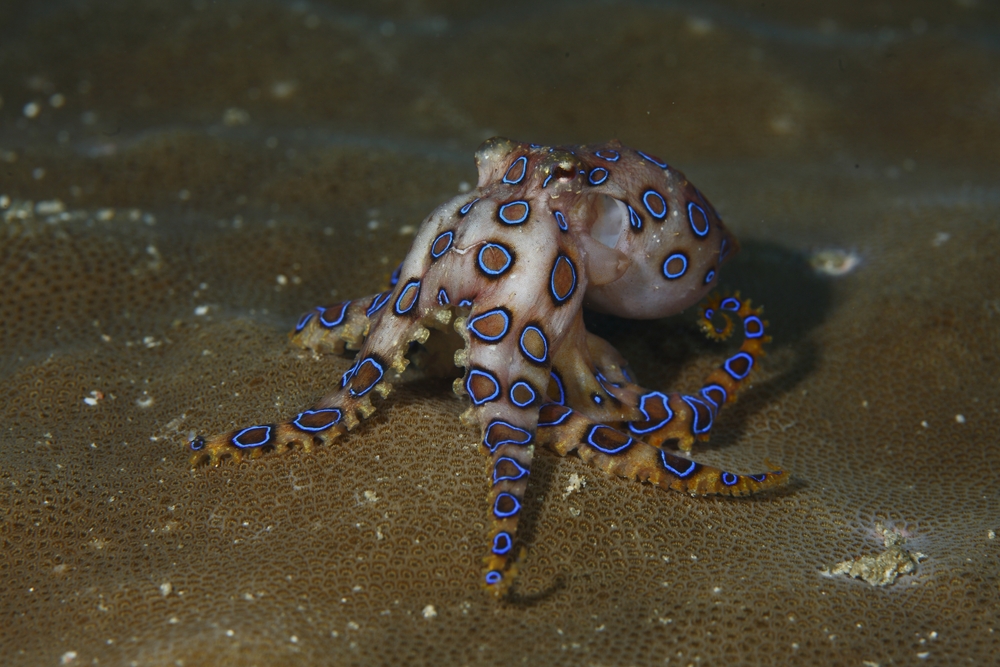
Despite their small size – 12 to 20 cm – and relatively docile nature, blue-ringed octopuses are very dangerous if provoked when handled, because their venom contains a powerful neurotoxin called tetrodotoxin. The vivid blue rings that give the animal its name only appear as a warning when it feels threatened. Under normal conditions, it blends into rock and coral like something decorative.
Blue-ringed octopuses inject tetrodotoxin with their bite. This toxin, 1,000 times more potent than sodium cyanide, blocks nerve signals in the body and causes muscle paralysis. Victims usually succumb to respiratory failure as the diaphragm stops working. Their bites are tiny and often painless, with many victims not realizing they have been envenomated until respiratory depression and paralysis begins. There is no known antivenom, but timely respiratory support can save lives. The entire thing is a mismatch of aesthetics and reality: a creature small enough to fit in a coffee cup, beautiful enough to tempt you to pick it up, and lethal enough that picking it up could be fatal.
3. The Cone Snail
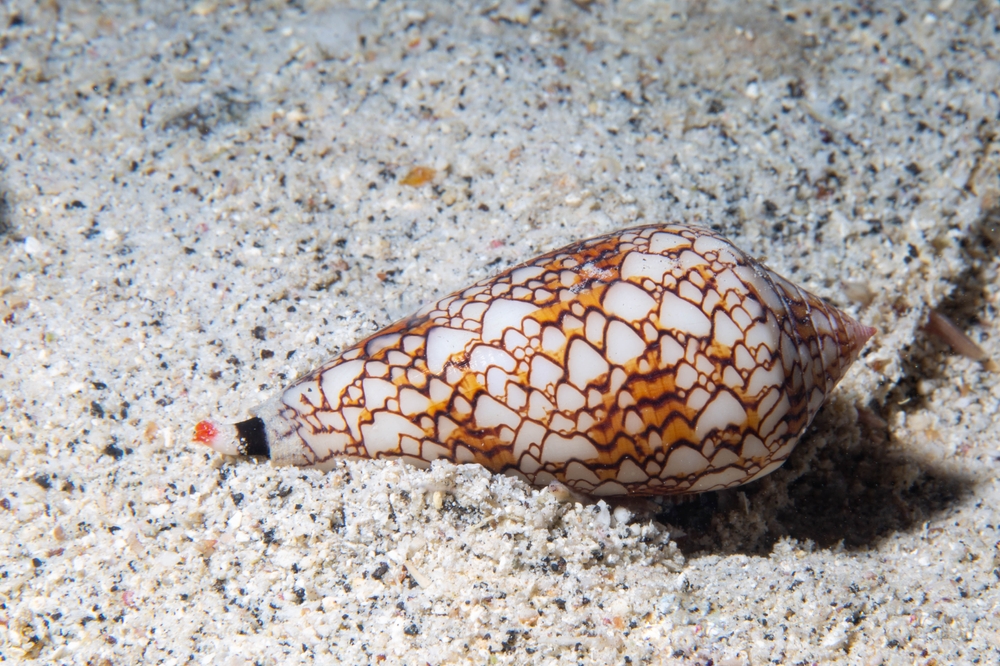
The cone snail may be the most deceptively beautiful animal on this list. Divers and beachcombers routinely pick them up to admire their intricate, glossy shells. Some of those people have died for it.
Cone snails use a harpoon-like tooth to inject venom containing hundreds of different toxins. A single drop of cone snail venom is powerful enough to kill multiple adult humans. Known informally as “cigarette snails” – the idea being that a sting leaves you with roughly enough time to smoke one before paralysis sets in – their venom attacks the nervous system and there is no antivenom available. Researchers are studying cone snail compounds as a potential source of new-generation painkillers, meaning the same toxin that can stop a heart may one day treat chronic pain.
4. The Stonefish
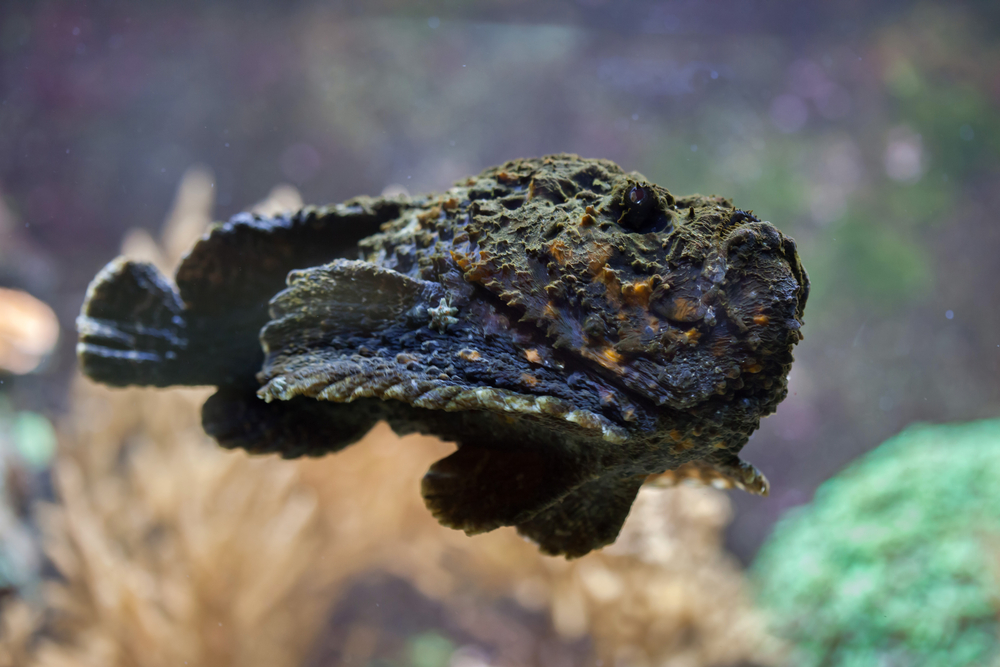
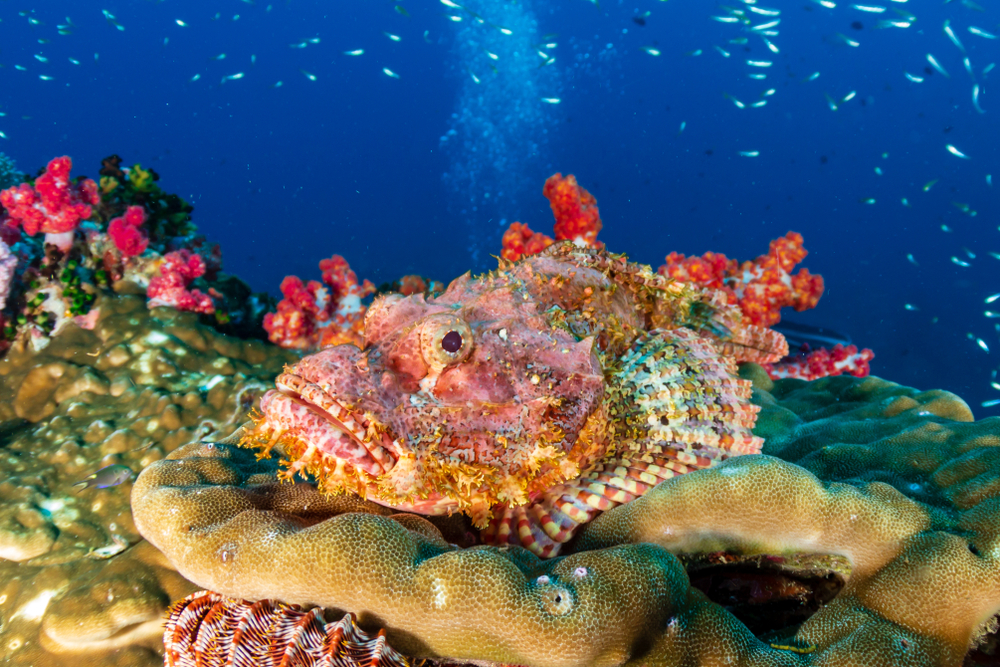
The stonefish holds the title of the world’s most venomous fish. Its 13 dorsal spines each connect to a venom gland, and the fish itself is almost impossible to see – it sits on the seafloor blending perfectly with sand and rock, waiting for prey to pass overhead. It can survive out of water for up to 24 hours, meaning the risk isn’t confined to the water’s edge.
A sting from a stonefish delivers what multiple medical case reports describe as among the worst pain a human being can experience. There are documented accounts of patients requesting amputation of the affected limb just to stop the agony. The venom can cause heart failure. Antivenom exists but requires rapid access to medical care – not always a given on the remote tropical coastlines where stonefish are most common.
5. The Assassin Bug
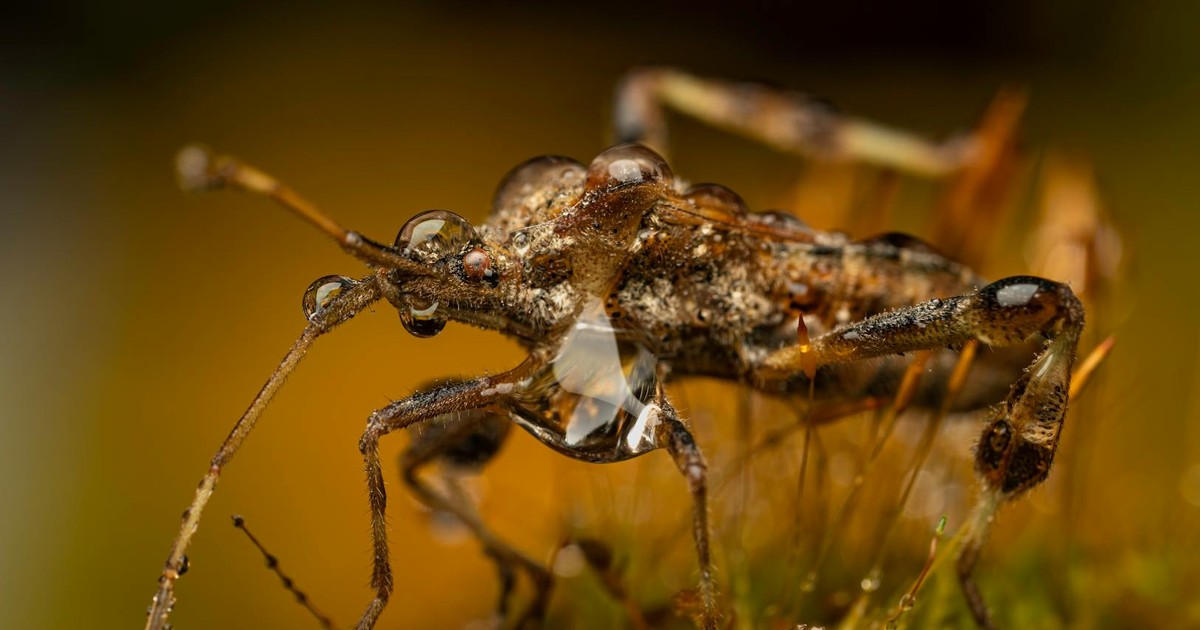
Most dangerous insects are direct in what they do. The assassin bug’s danger is what it delivers invisibly, over years.
Also known as the “kissing bug,” this nocturnal insect feeds on blood around the mouth and eyes while its victim sleeps, then defecates near the bite wound. That’s how it transmits Trypanosoma cruzi, the parasite responsible for Chagas disease. About 8 million people globally, including an estimated 280,000 in the United States, have this disease, often without knowing it. Without treatment, Chagas disease can be life-threatening. The early stage of Chagas disease often has mild symptoms or goes unnoticed. Chronic infection can lead to serious heart and digestive system issues.
The infection can lie dormant for decades before triggering heart failure or organ damage, which means millions of people are carrying it right now without any awareness of it. The kissing bug is most active at night, which is precisely why it’s so effective.
6. The Golden Poison Dart Frog
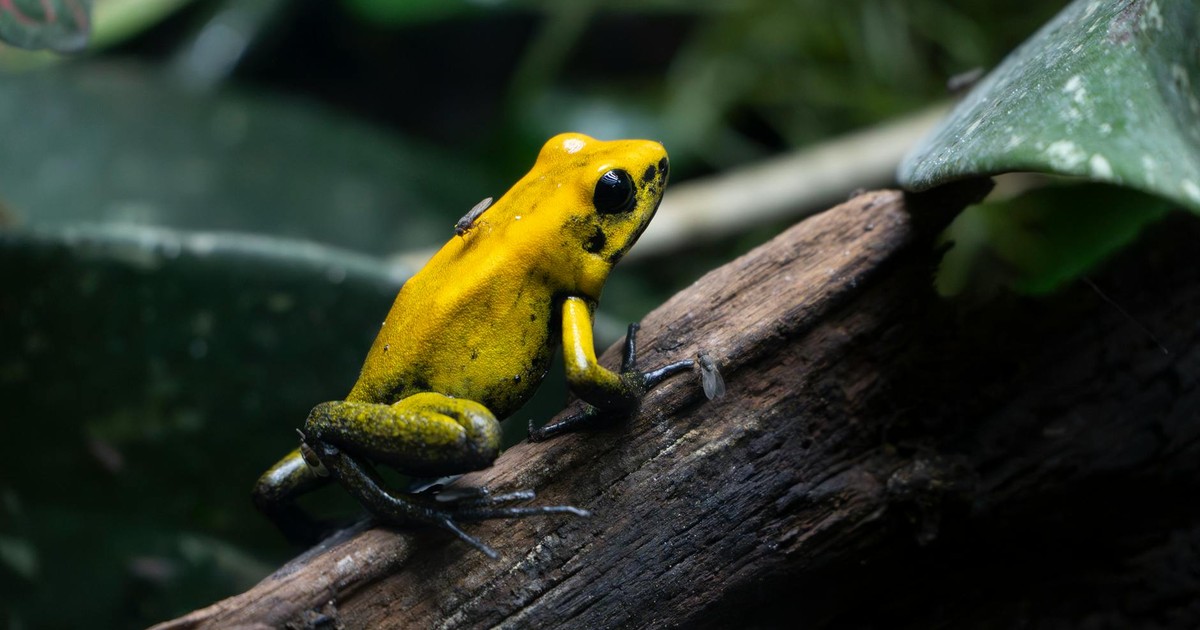
Measuring just two inches long, the golden poison dart frog carries the most potent toxin of any amphibian on Earth. A single frog carries enough poison to kill ten adults, with the toxin coating its entire skin. Indigenous Emberá people of Colombia have used this poison for centuries to tip blowgun darts for hunting.
The compound responsible is batrachotoxin, a neurotoxin that causes paralysis and death by blocking nerve impulse transmission. Captive-bred golden poison dart frogs raised on a different diet lose their toxicity entirely – because the frogs don’t produce the toxin themselves. It comes from the toxic ants and invertebrates they eat in the wild. The lethality is entirely dietary, not innate, which makes it one of the stranger facts in animal biology.
You can find articles about other animals with unexpected survival strategies across the natural world, but the mechanism here is genuinely unusual: remove the food source, remove the danger.
7. The Freshwater Snail
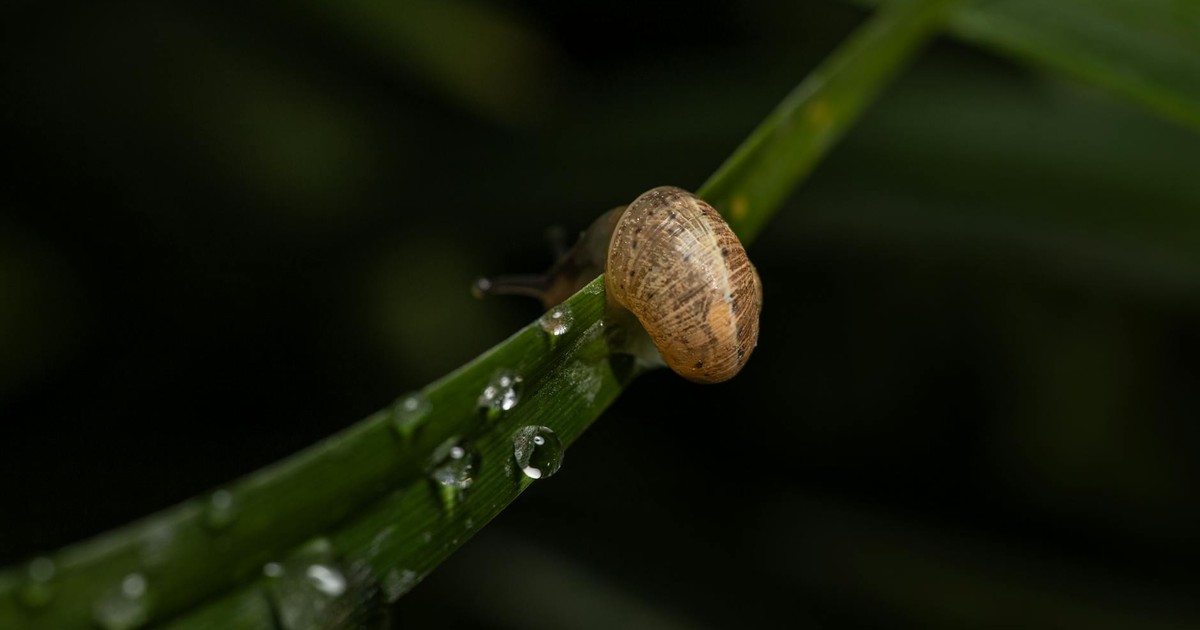
The freshwater snail is, by almost any measure, the most underrated killer on this list. It looks like the kind of thing a child might collect from a riverbank. Schistosomiasis is an acute and chronic parasitic disease caused by blood flukes of the genus Schistosoma, and at least 253.7 million people required preventive treatment in 2024.
The snail itself doesn’t bite. The danger comes from the invisible larvae it releases into water, which pass through human skin during ordinary activities – washing, wading, swimming. According to the World Health Organization, schistosomiasis is the second most socioeconomically devastating parasitic disease after malaria. The consequences include chronic pain, organ damage, and developmental issues in children. In sub-Saharan Africa, parts of Southeast Asia, and Latin America, entire communities depend on rivers where the risk is constant. The creature is almost entirely absent from Western consciousness while quietly accounting for one of the highest parasitic disease death tolls on the planet.
8. The Cassowary
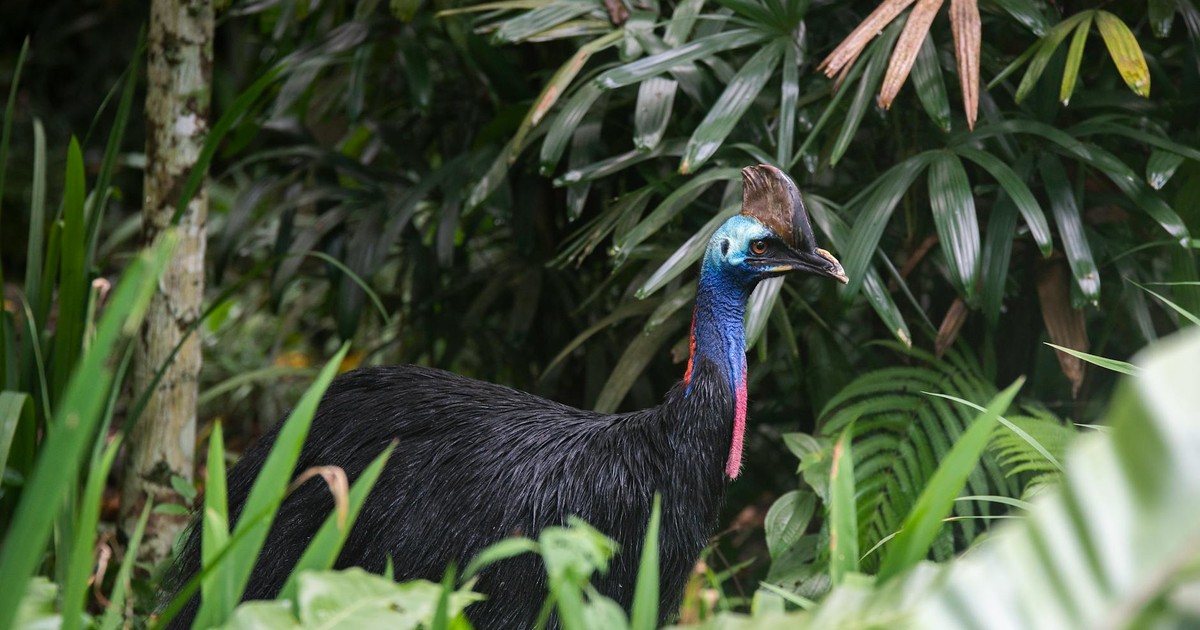
Cassowaries look like something from the age of dinosaurs, and their physical capabilities match that impression. Native to tropical forests in Australia and New Guinea, they can reach heights of more than five feet and weigh up to 135 pounds. Their dagger-like claws can reach five inches in length, and they can run at 31 mph through dense underbrush.
There have been at least 221 recorded non-fatal attacks, many of which came down to cassowaries becoming habituated to people and associating them with food. On April 12, 2019, a 75-year-old man was attacked by a southern cassowary in Florida while collecting an egg, resulting in critical injuries and his eventual death hours later. He was only the second documented person to have been killed by a cassowary. The animal had been raised on his farm. Animals that look prehistoric developed their defenses across millions of years of evolution, and those defenses don’t stop working because the environment changed.
9. The Asian Giant Hornet
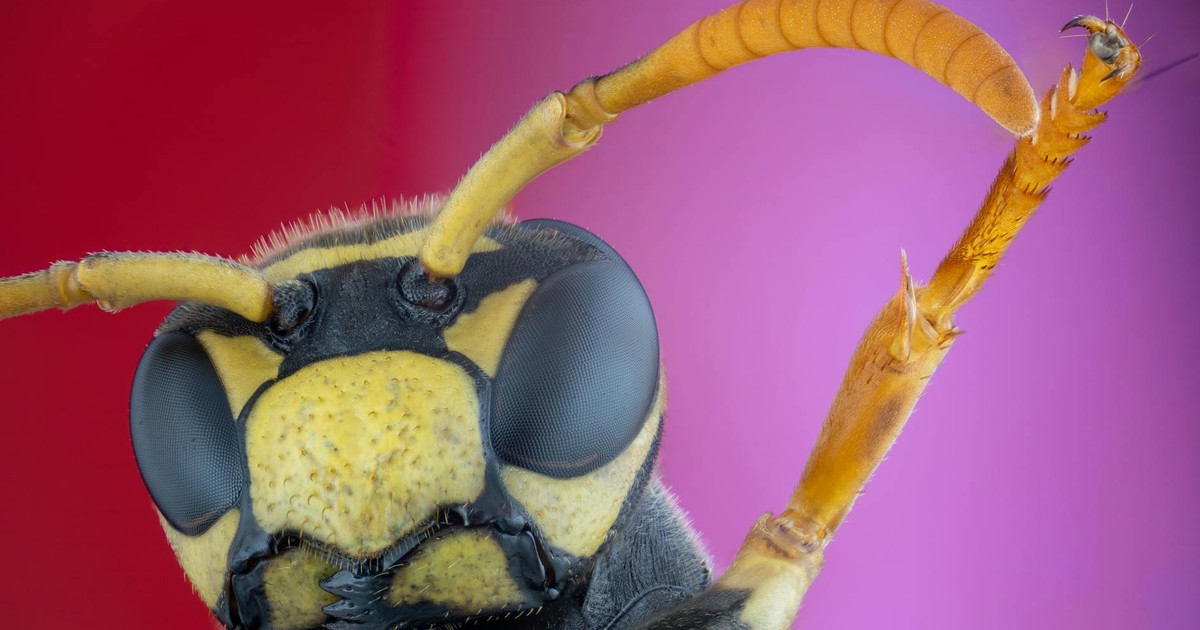
The Asian giant hornet is the world’s largest hornet species, with individuals reaching five centimeters in length and stingers capable of penetrating standard protective clothing. You may have encountered it in media coverage as the “murder hornet” following sightings in North America. The nickname is hyperbolic, but the threat is real.
In their native habitats across East Asia, these hornets are highly effective hunters capable of decimating entire honeybee colonies. A small group of hornets can destroy a full hive in a matter of hours during what researchers call the “slaughter phase,” decapitating bees in coordinated attacks.
For humans, the danger is venom volume. Unlike most stinging insects, hornets can sting repeatedly without dying, and multiple stings inject enough venom to cause organ failure even in people without any allergic reaction. In Japan, hornet stings cause between 30 and 50 deaths annually.
10. The Electric Eel
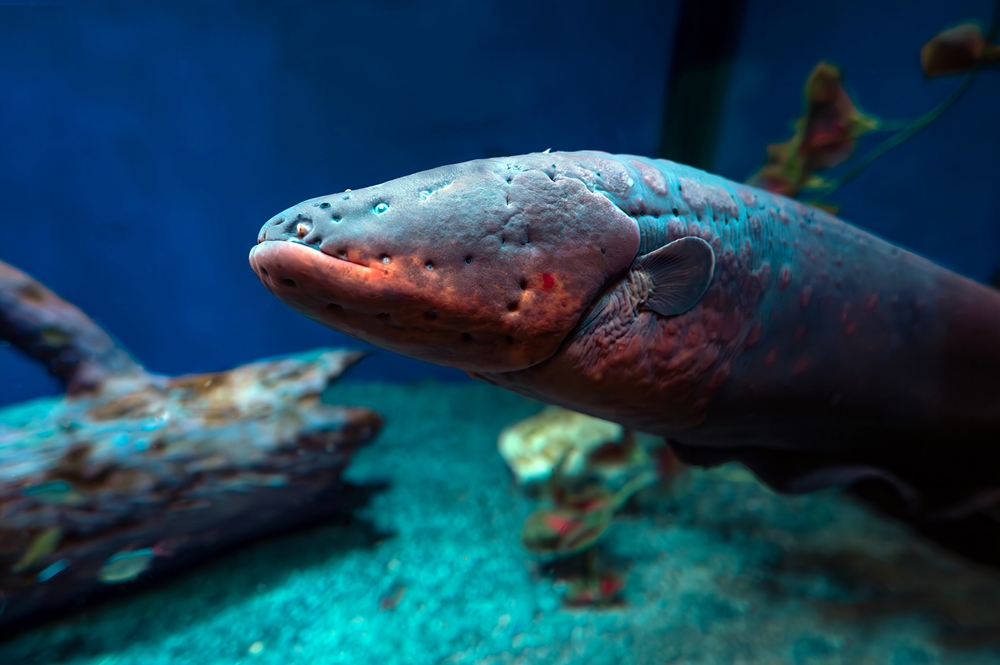
Electric eels are not actually eels but knifefish of the family Gymnotidae. As of 2019, the genus Electrophorus was found to contain three recognized species rather than the single one assumed for 250 years. Electrophorus voltai, found in the highland tributaries of the Brazilian Shield, can produce discharges of up to 860 volts – the strongest bioelectric output documented from any animal.
Adults reach about 2.5 meters in length and up to 20 kilograms. A 2021 paper documented coordinated group-hunting in E. voltai, the first such behavior recorded in any electric fish: groups herding schools of smaller fish into tight formations before stunning them in synchronized bursts. This isn’t the behavior of a simple, instinct-driven river creature. For anyone wading into the wrong stretch of an Amazonian tributary, 860 volts from an animal the length of a surfboard is not a survivable mistake.
11. The Inland Taipan
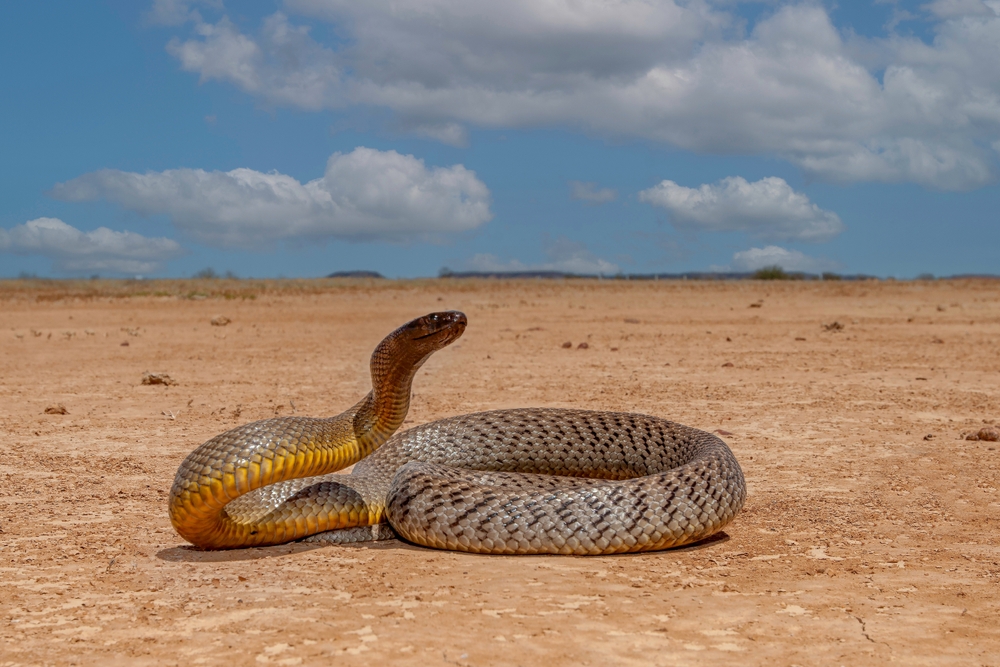
The inland taipan has the most potent venom of any snake on Earth. Known as the “fierce snake,” it carries a cocktail of compounds that affect the nervous system, cause abnormal blood clotting, and destroy muscle tissue simultaneously. The venom in a single bite is potent enough to kill over a hundred adult humans.
The second part of the story: it lives in remote central Australia and is so reclusive that confirmed bites on humans are extraordinarily rare. The taipan’s preference for unpopulated floodplains means that despite its extraordinary toxicity, it hasn’t accumulated the human death toll of more commonly encountered species. Its rarity, geographically and behaviorally, is largely what keeps it off the list of actual killers.
12. The Black Caiman
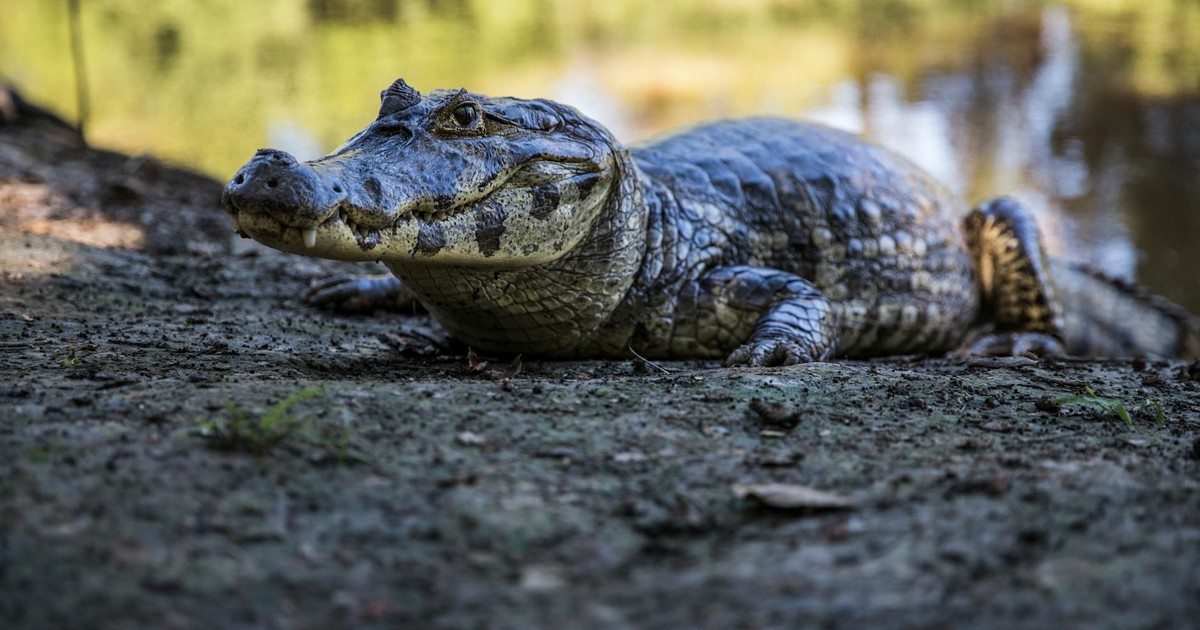
The black caiman is the largest predator in the Amazon basin, with verified individuals reaching 5 meters and 450 kilograms. It hunts everything from fish to capybaras to large mammals that come to the riverbank to drink. It’s bigger than a saltwater crocodile, and it has been living in the Amazon long enough to have developed near-perfect camouflage in dark water.
The species was hunted close to commercial extinction for its hide between the 1950s and 1970s, with population estimates dropping by roughly 99 percent in heavily harvested areas. Controlled-trade regulation and protected areas have allowed slow recovery since the 1990s. That recovery is good news for biodiversity and complicated news for riverside communities where people fish, wash, and collect water – exactly the conditions where an ambush predator with extremely fast reflexes is most dangerous.
13. The Amazonian Giant Centipede
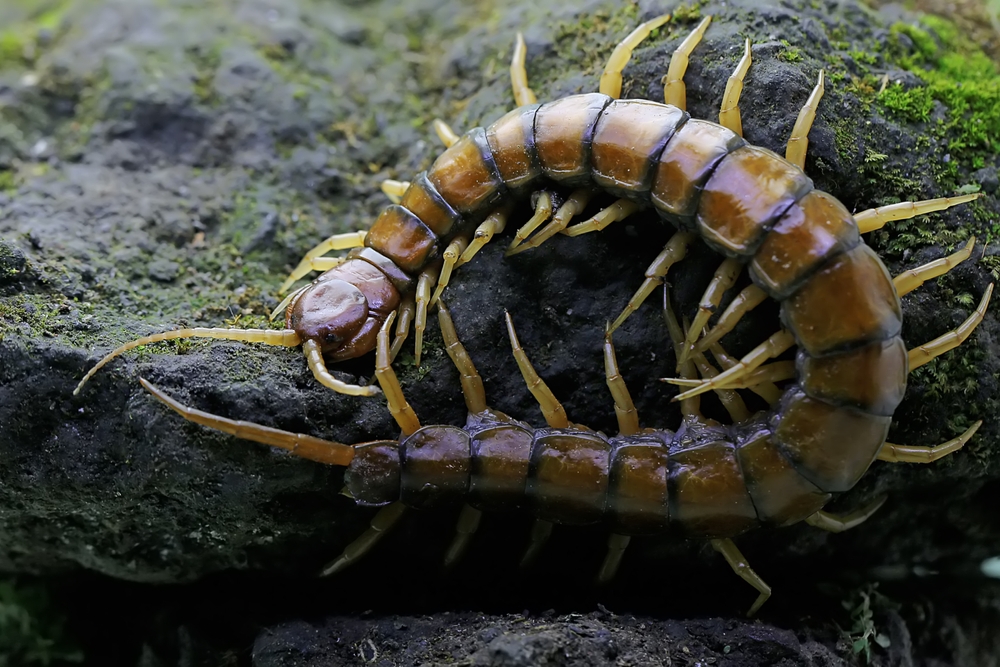
Scolopendra gigantea, the Amazonian giant centipede, reaches a foot in length and carries venom containing serotonin, histamine, and cardiotoxic compounds. A bite on a healthy adult causes excruciating pain, swelling, localized tissue damage, and fever. On a child or someone with underlying health conditions, it can be fatal.
What makes it genuinely alarming beyond its size is its hunting behavior. These centipedes have been documented hanging from cave ceilings by their rear legs while catching bats in mid-flight. Once described, that image is difficult to dismiss. They are active hunters that adapted to environments – caves, dense forest floor, dark spaces – where they are unlikely to be seen until contact has already been made.
14. The Pufferfish
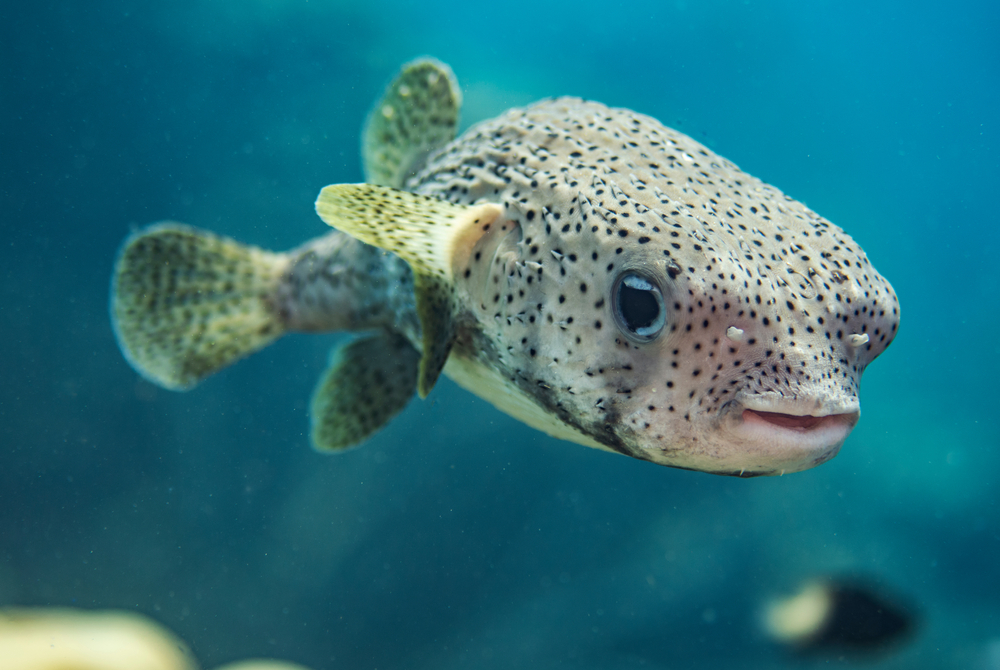
The pufferfish’s inflation behavior is its most familiar defense, but it is far from the most lethal one. Pufferfish carry tetrodotoxin – the same compound found in the blue-ringed octopus – which is more than a thousand times more lethal than cyanide. A single fish carries enough of it to kill 30 adult humans.
In Japan, pufferfish known as fugu are considered a delicacy. Only chefs who have completed a multi-year apprenticeship and hold a government-issued license are permitted to prepare it, because the liver, ovaries, and skin contain the highest concentrations of toxin. A knife error of a few millimeters can turn an expensive dinner into a medical emergency – and there is no antidote. Diners are, in essence, trusting a knife.
Read More: 30 Scary Bugs and Animals We Are Glad Don’t Exist in America
15. The Cape Buffalo
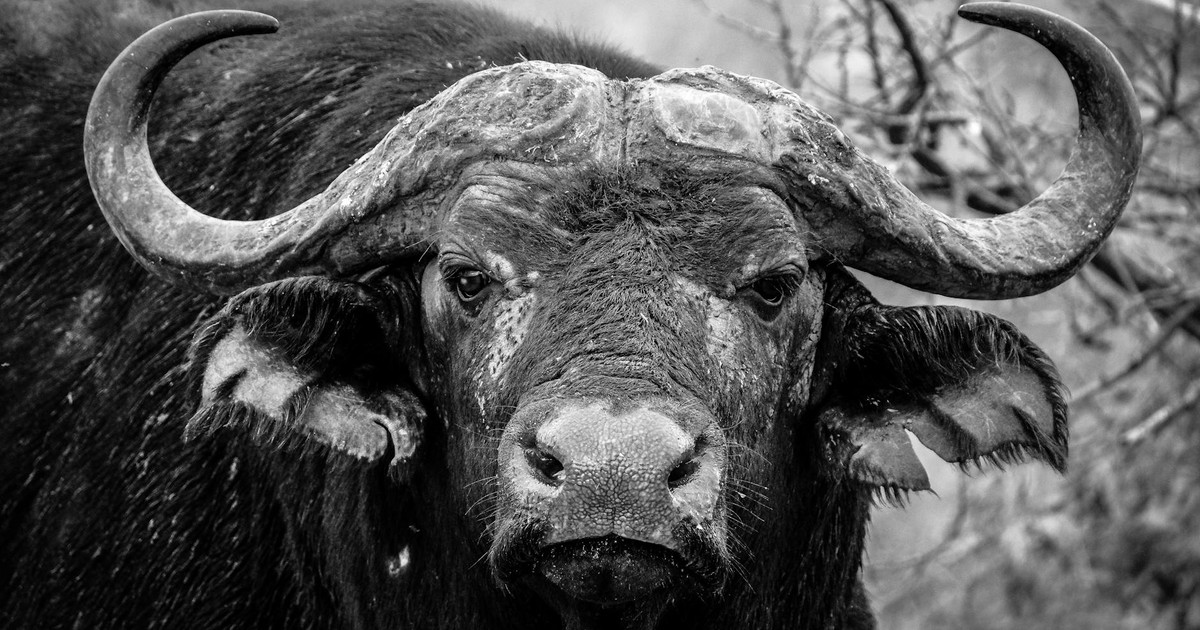
Cape buffalo cause around 200 deaths per year in Africa. Known across the continent as “Black Death,” these animals weigh up to 900 kilograms and charge at speeds of 50 km/h, often in herds. On safari, visitors see what looks like a large, slow-moving bovine and consistently underestimate what it can do. That underestimation is exactly how the injury statistics accumulate.
What sets the cape buffalo apart from more famous African predators is what happens when it’s wounded. Injured buffalo have a well-documented tendency to circle back and ambush whoever shot them. African hunters and guides, by most accounts, fear them more than lions. They don’t retreat. They come back. The animal has no natural predators as an adult except lions, and even those interactions result in more lion casualties than is commonly understood.
16. The Komodo Dragon
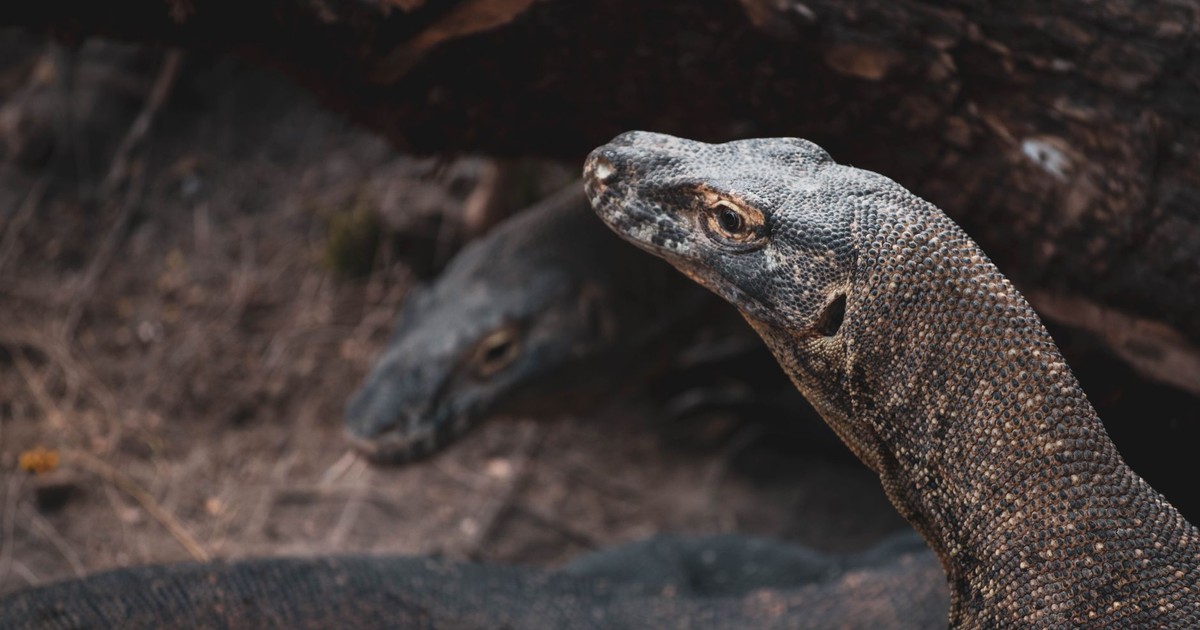
Komodo dragons are the apex predators of their island homes in Indonesia – on Komodo, Rinca, Flores, Gili Motang, and Padar – reaching over ten feet in length and hunting with a combination of speed, stealth, and genuine biological weaponry. The conventional explanation for their lethality was bacterial: the mouth so riddled with bacteria that any bite wound would become fatally septic. Research published over the last decade has revised that understanding. Komodo dragons have functional venom glands that deliver anticoagulant compounds, causing prey to go into shock from blood loss. The bacteria were real. The venom was doing more of the work.
These animals have been known to dig up shallow human graves, stalk children, and approach workers at the park offices on their home islands. They are not incidental dangers. They are active, intelligent predators that have learned where humans are predictably found.
The Pattern You Can’t Ignore
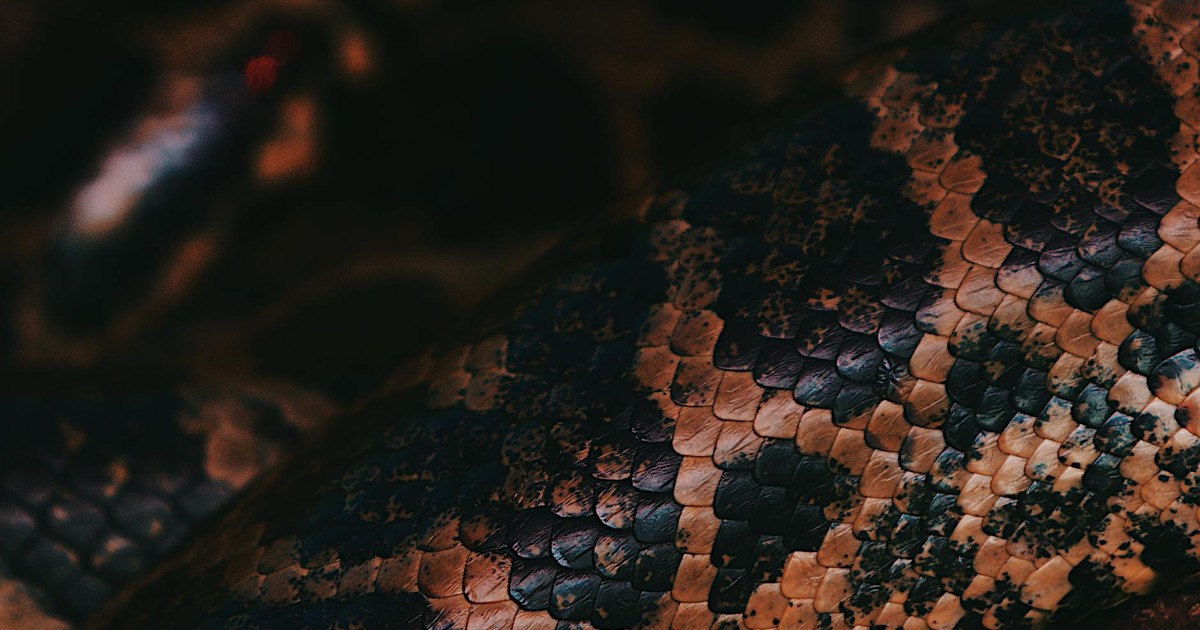
Most of the dangerous unknown creatures on this list share a common feature: they don’t look like what they are. The deathstalker is a pale little scorpion. The cone snail is a collector’s item. The pufferfish is, in some contexts, a restaurant experience. The freshwater snail is barely noticed at all. The ones that do look formidable – the cassowary, the black caiman, the Komodo dragon – are obscure simply because they live far from the places most people encounter wildlife information.
Danger in the natural world is almost never telegraphed clearly. It tends to arrive from the wrong direction, in the wrong stretch of river, through the wrong pair of hands picking something beautiful off a beach. This list won’t make any of these encounters less likely. But knowing what’s actually out there, rather than what has a good publicist, is at least a start.
Disclaimer: This article was created with AI assistance and edited by a human for accuracy and clarity.