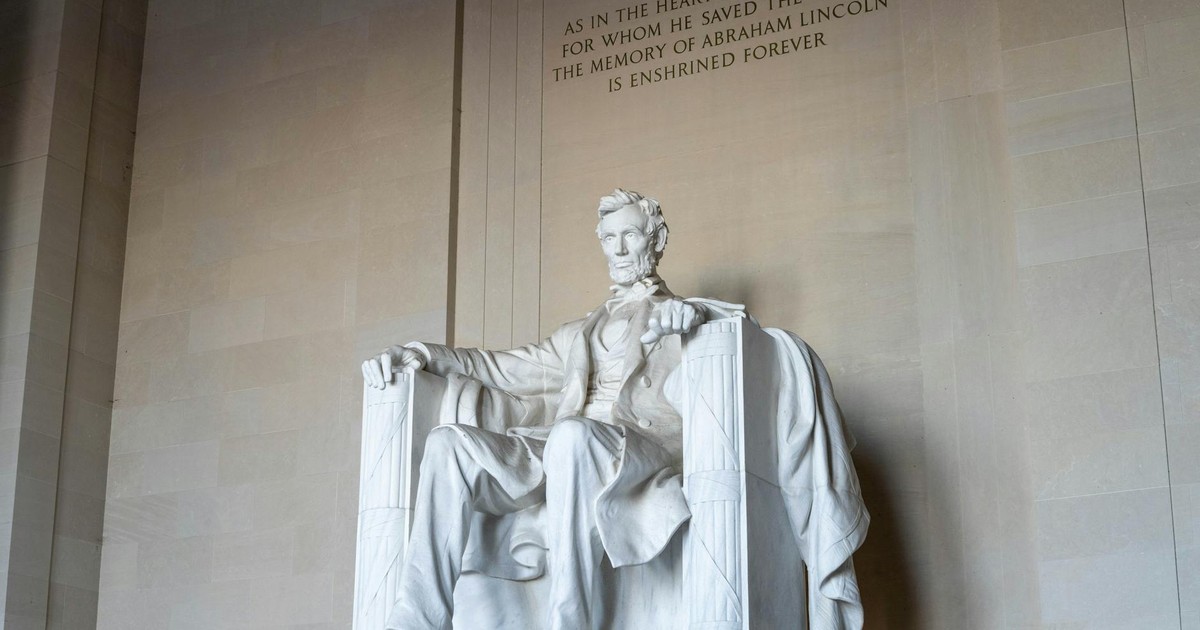
When people picture the American presidency, they tend to picture the diploma wall: Harvard Law, Yale, Columbia, Oxford. The modern expectation of a credentialed commander-in-chief is so baked in that it can feel almost constitutional. It isn’t. There is no degree requirement to become president, and examining presidential history shows that throughout the history of the U.S., men with all kinds of educational backgrounds have occupied the office.
In fact, nine of the forty-seven presidencies were held by men who never set foot in a college classroom. Some of them rank among the most consequential leaders the country has ever produced. One taught himself to read. One passed the bar exam without ever attending law school. Another learned to read and write only after his future wife taught him. The least educated presidents are, in some cases, the ones Americans remember most.
What their stories reveal isn’t that education doesn’t matter. It’s that the relationship between formal schooling and the ability to lead a nation is a lot more complicated than a résumé suggests. Here are the least educated U.S. presidents – and what their paths to the White House actually looked like.
1. Andrew Johnson – The Only President Who Never Attended Any School
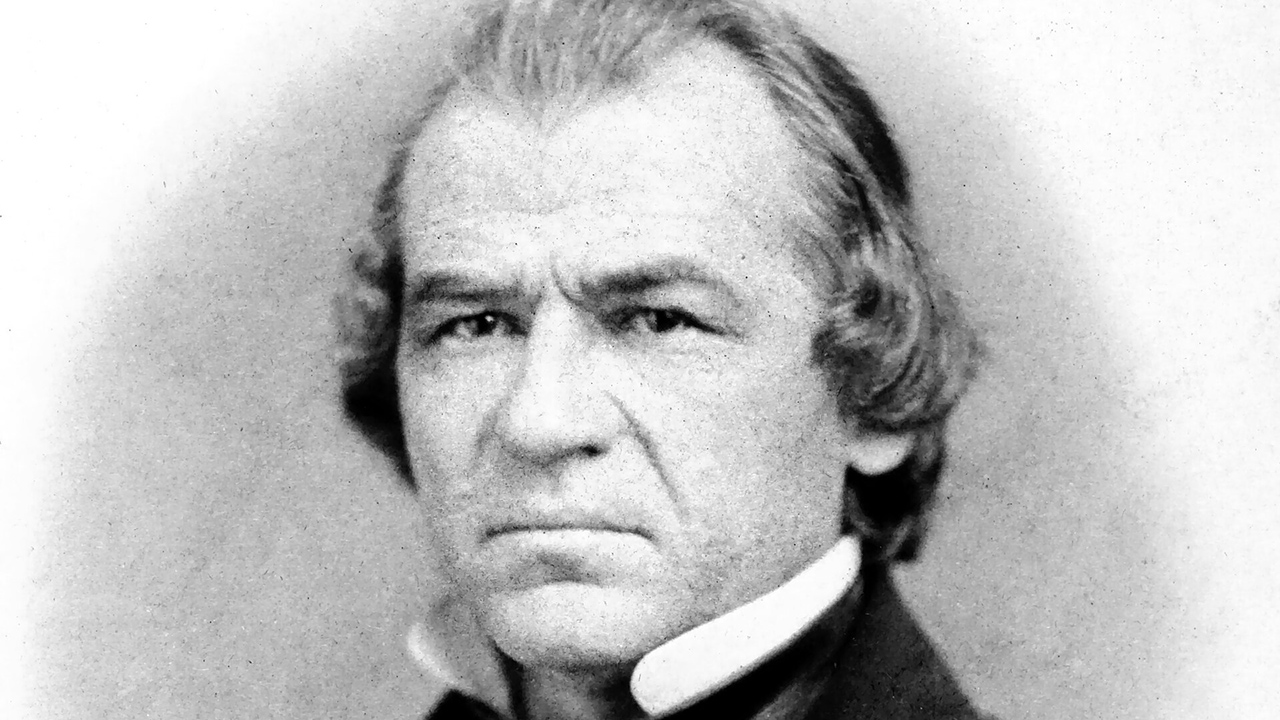
According to Britannica, Andrew Johnson never went to school. He was apprenticed to a tailor at age fourteen, and it was in the tailor’s shop that he picked up the rudiments of reading – a man paid to read aloud while the tailors worked, and a book of great orations that Johnson used to teach himself history and, eventually, the Constitution, which he could recite from memory in large part.
Johnson became the 17th president in 1865, taking office after the assassination of Abraham Lincoln. By that point, he had already served as a congressman, a governor of Tennessee, and a U.S. senator – all without a single day of formal schooling. His wife, Eliza McCardle, reportedly helped teach him to read more fluently after their marriage in 1827, giving him the foundation he used to build an entire political career.
Johnson vetoed the Reconstruction Acts that provided suffrage for male freedmen and military administration of the Southern states, maintaining that the acts were unconstitutional because they were passed without Southern representation in Congress. Congress overrode his vetoes. He then dismissed Secretary of War Edwin M. Stanton, triggering a constitutional standoff over the Tenure of Office Act. The House of Representatives voted articles of impeachment against him – the first such occurrence in U.S. history. Johnson was acquitted by the Senate by a single vote. His presidency remains one of the most turbulent in American history, shaped far more by his political instincts and combative personality than by any classroom.
2. Abraham Lincoln – Less Than a Year of Formal Schooling
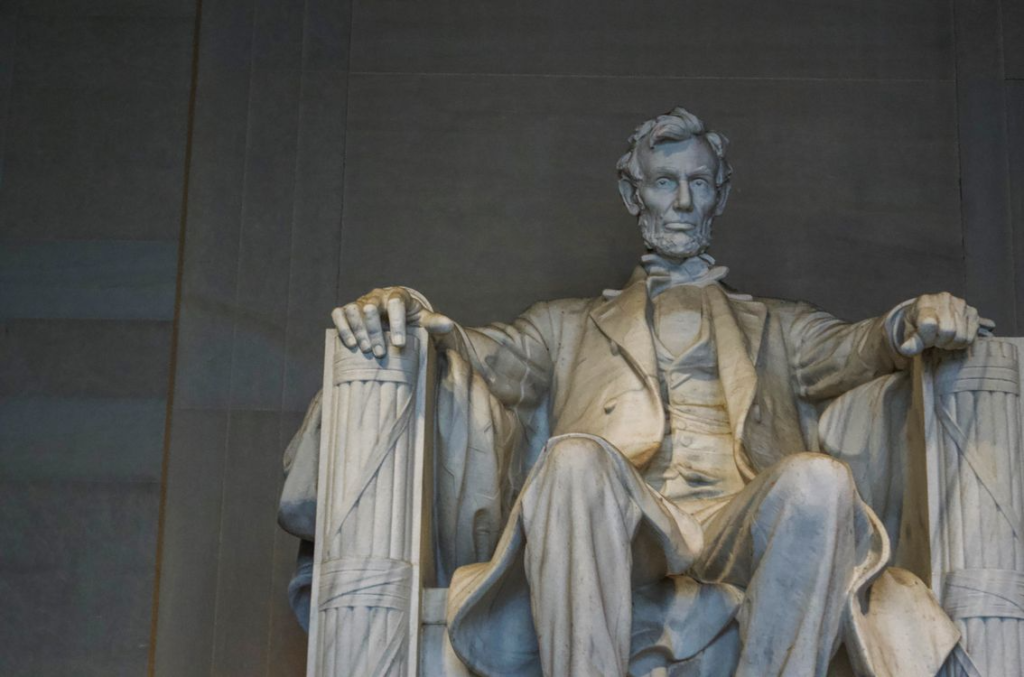
Despite having less than a year of formal schooling and growing up in a log cabin in frontier Indiana, Lincoln went on to become one of history’s most intellectually well-rounded leaders. Abraham Lincoln did not attend any college or university. He had only about a year’s worth of formal education throughout his entire life and was mostly self-taught, even as a lawyer.
What Lincoln lacked in classroom hours, he made up for in deliberate, relentless reading. His stepmother Sarah gifted him some of his first books – the Bible and Aesop’s Fables. Among his other favorites were The Pilgrim’s Progress, Robinson Crusoe, and biographies of George Washington and Benjamin Franklin, which he said he walked miles to borrow. Following his tradition of self-teaching, he passed the bar exam to become a lawyer without going to school, then went on to be a successful lawyer and an even more successful politician.
Over the course of his career, he taught himself law, writing, oratory, surveying, history, literature, military strategy, and – most important of all – effective moral governance. Lincoln is consistently ranked among the greatest American presidents in historical surveys, which makes the gap between his formal education and his legacy one of the most striking in the entire list of least educated presidents.
3. Andrew Jackson – Self-Made, Self-Taught, and Ferociously Ambitious
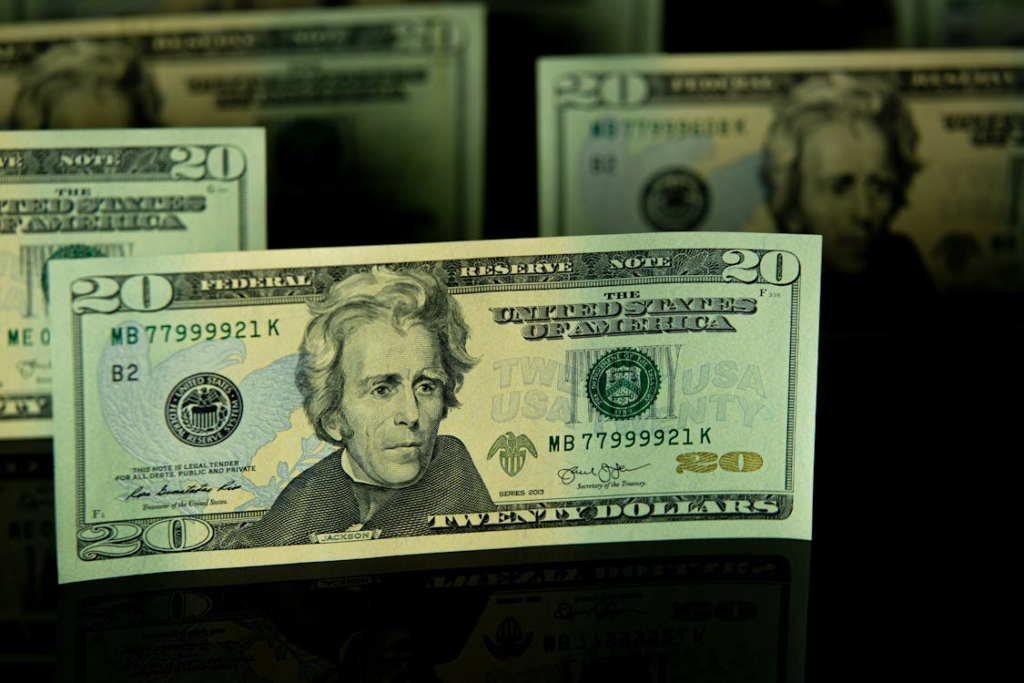
According to the Miller Center, Andrew Jackson – seventh president of the United States – was the dominant actor in American politics between Thomas Jefferson and Abraham Lincoln. Born to obscure parents and orphaned in youth, he was the first “self-made man” and the first westerner to reach the White House. He studied law not at any institution but by reading under practicing attorneys in North Carolina, was admitted to the bar in 1787, and headed west to Nashville the following year.
During his two-term presidency, Jackson expanded executive powers and transformed the president’s role from chief administrator to popular tribune. He was the kind of president who governed through force of personality as much as through policy, and his supporters loved him for it. He framed every fight – against the National Bank, against nullification, against what he called entrenched Eastern elites – as a battle on behalf of ordinary people.
His legacy has since become deeply contested, particularly over the Indian Removal Act of 1830. His endorsement of that act forcibly removed Native American tribes in Alabama, Florida, Georgia, and Mississippi to modern-day Kansas and Oklahoma. The ensuing Trail of Tears resulted in the deaths of thousands of Native Americans and the displacement of entire communities. Jackson’s story is a case study in what self-education and raw ambition can build – and what the same qualities, unchecked, can destroy.
4. George Washington – Surveyor’s Certificate, No College
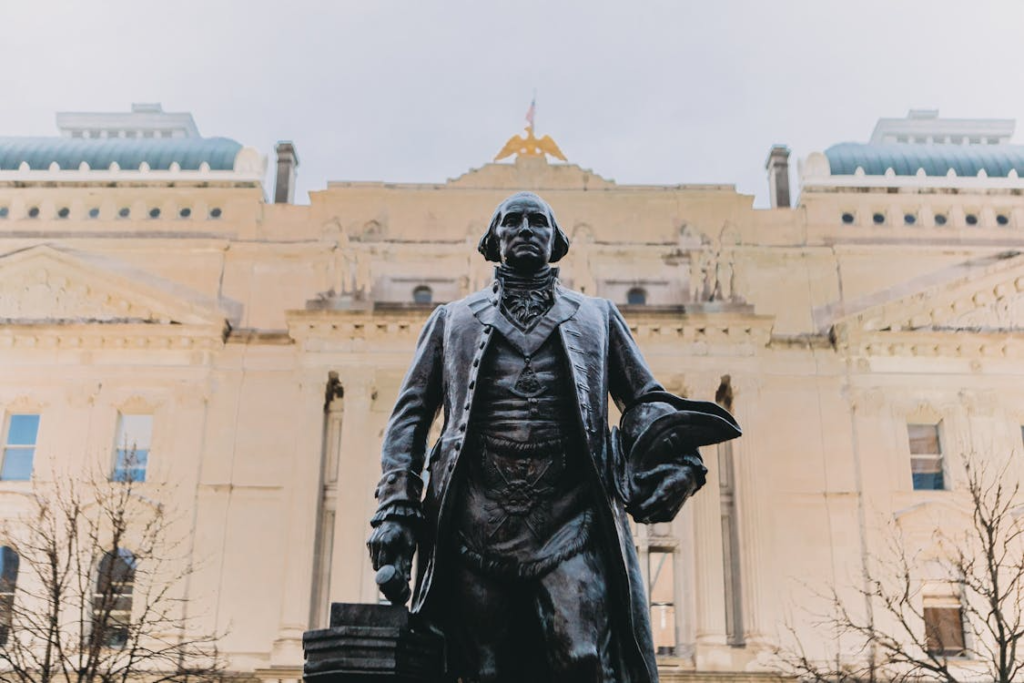
George Washington, one of the Founding Fathers of the U.S., is among the presidents without college degrees in American history. The first U.S. president never took college courses during his life, but he earned a surveyor’s certificate from the College of William and Mary in 1749. In the Virginia of his youth, formal higher education was largely reserved for the wealthy planter class and those headed for law or the clergy. Washington’s father died when he was eleven, and the family’s finances made a university education in England – the typical path for Virginia’s elite – impossible.
What Washington got instead was something closer to an apprenticeship in the physical and social world: land surveying, military service, and years of managing a working plantation. He served as president from 1789 to 1797. Prior to his presidency, he held the rank of general and served as commander-in-chief of the colonial armies during the American Revolution. His ability to hold a fractious, underfunded army together through years of defeat before eventually winning independence had nothing to do with lecture halls. He learned to lead by doing it, badly at first, then better.
What’s interesting about Washington is that he was acutely aware of his own educational limits. He read voraciously throughout his life and surrounded himself with men who had the formal training he lacked – Alexander Hamilton chief among them. That instinct to build around his gaps, rather than pretend they didn’t exist, may have been the most important skill he ever developed.
5. Martin Van Buren – The Lawyer Who Never Went to School
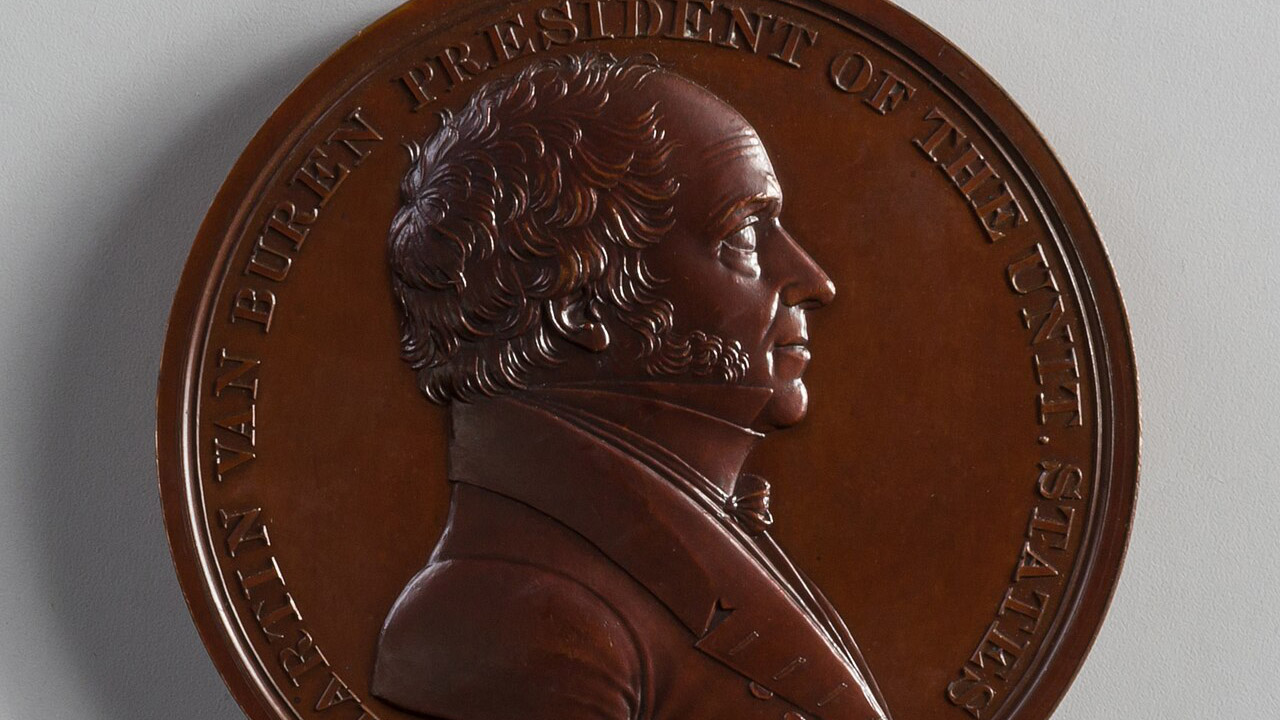
Martin Van Buren did not attend college. He served as the eighth president of the United States from 1837 to 1841 and is best remembered as a key architect in forming the Democratic Party. Like Jackson before him, Van Buren read law in the office of a practicing attorney – a standard route to the bar in the early 19th century, when formal law schools barely existed in the United States.
Van Buren came from modest origins in Kinderhook, New York, the son of a tavern keeper. He spoke Dutch as his first language and taught himself the English needed to practice law and build a political career from scratch. By the time he reached the White House, he had served as a state senator, attorney general of New York, U.S. senator, secretary of state, and vice president. The resume was formidable. The formal education behind it was essentially nonexistent.
His presidency was largely undone by the Panic of 1837, an economic crisis that hit just weeks after he took office and that he had little effective means of addressing. He lost his bid for re-election in 1840 and failed in two subsequent attempts to return to the presidency. Whatever the limits of his education, the economy – not his schooling – ended Van Buren’s political career.
6. Zachary Taylor – Frontier Soldier, No Classroom
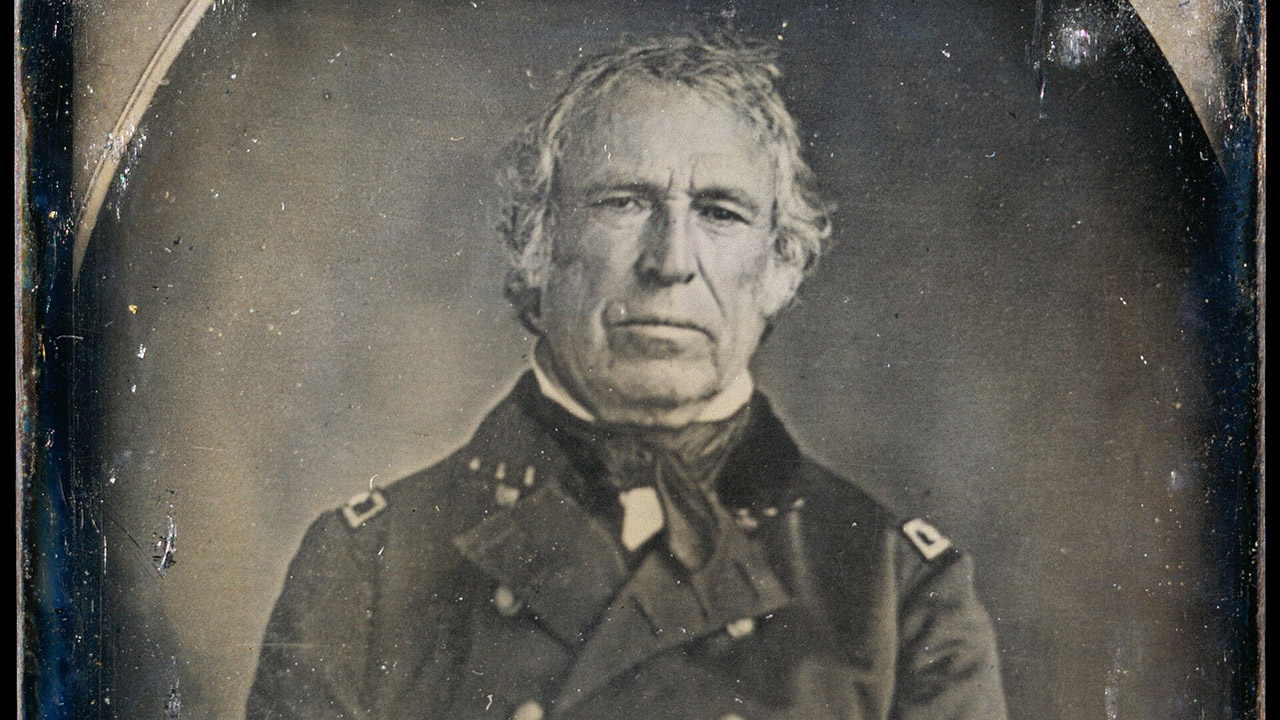
Zachary Taylor is among the U.S. presidents without a college degree. He grew up on the Ohio River in Kentucky. His parents were planters with little education. Although Taylor was a quick learner, there were no formal schools where he lived. His early handwriting was described as “that of a near illiterate,” but this did not stop him from rising to presidential rank.
Taylor spent 40 years in the U.S. Army before running for president, serving in the War of 1812, the Black Hawk War, the Second Seminole War, and the Mexican-American War. His military reputation, particularly his victory at the Battle of Buena Vista in 1847, made him a national hero and propelled him to the White House in 1848. He had never voted in an election before he ran in one.
He served as the nation’s 12th president for only 16 months, from March 1849 to July 1850, and then stepped down following his death. Taylor died in office – the cause is still debated, most likely gastroenteritis – leaving a presidency that barely had time to define itself. Whether his lack of formal education would have shaped his longer-term policies is one of American history’s what-ifs.
7. Millard Fillmore – The Self-Taught Successor
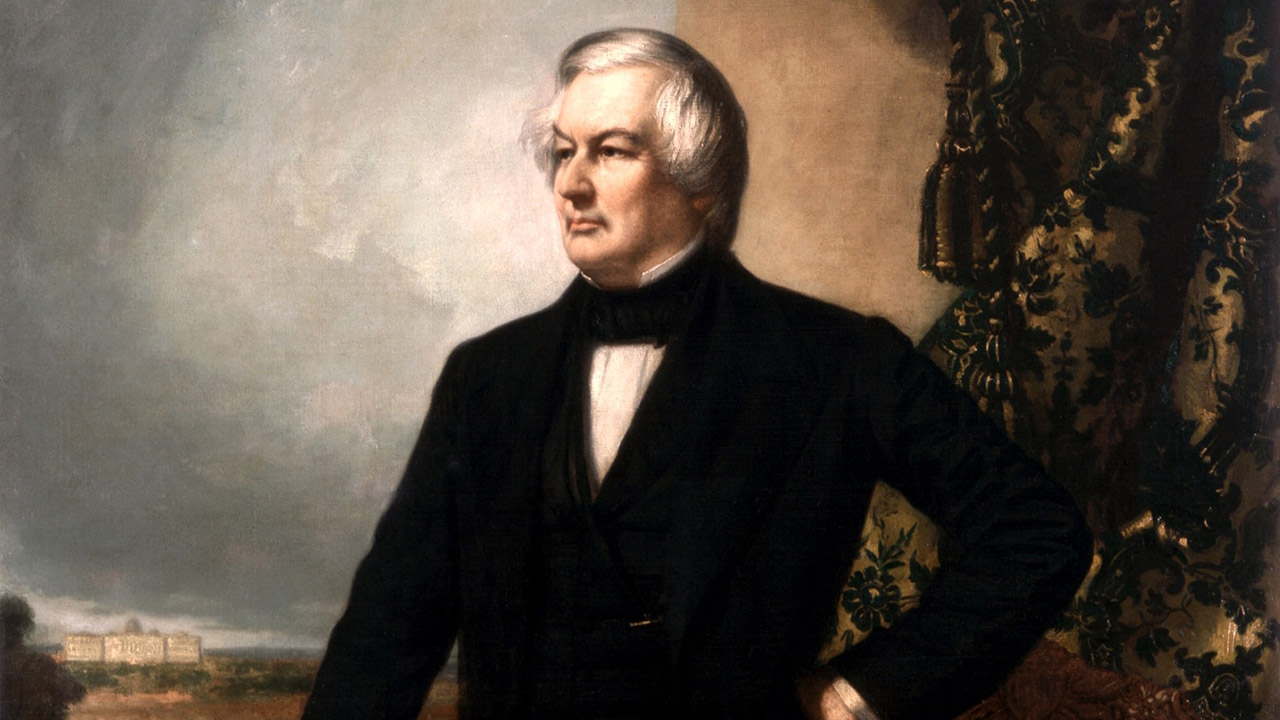
After Taylor’s death, his vice president Millard Fillmore took office in 1850 and served as the 13th president until 1853. Fillmore did not have a college educational background. He grew up in rural poverty in upstate New York, worked as a cloth-dresser’s apprentice as a teenager, and taught himself to read using a dictionary he carried to work. He eventually read law in a local attorney’s office and was admitted to the bar in 1823.
Fillmore was prominent for his insistence on federal enforcement of the 1850 Fugitive Slave Act. He was also the last president not to be affiliated with the Democratic and Republican parties. The Fugitive Slave Act required citizens in free states to assist in returning escaped enslaved people to their owners – a position that effectively ended Fillmore’s political future in the North and contributed to the collapse of the Whig Party he represented.
Fillmore later co-founded the University at Buffalo, which became part of the State University of New York system – a somewhat poignant footnote for a man who had spent his own youth unable to access the kind of education he helped build for others.
8. Grover Cleveland – Law Without Law School
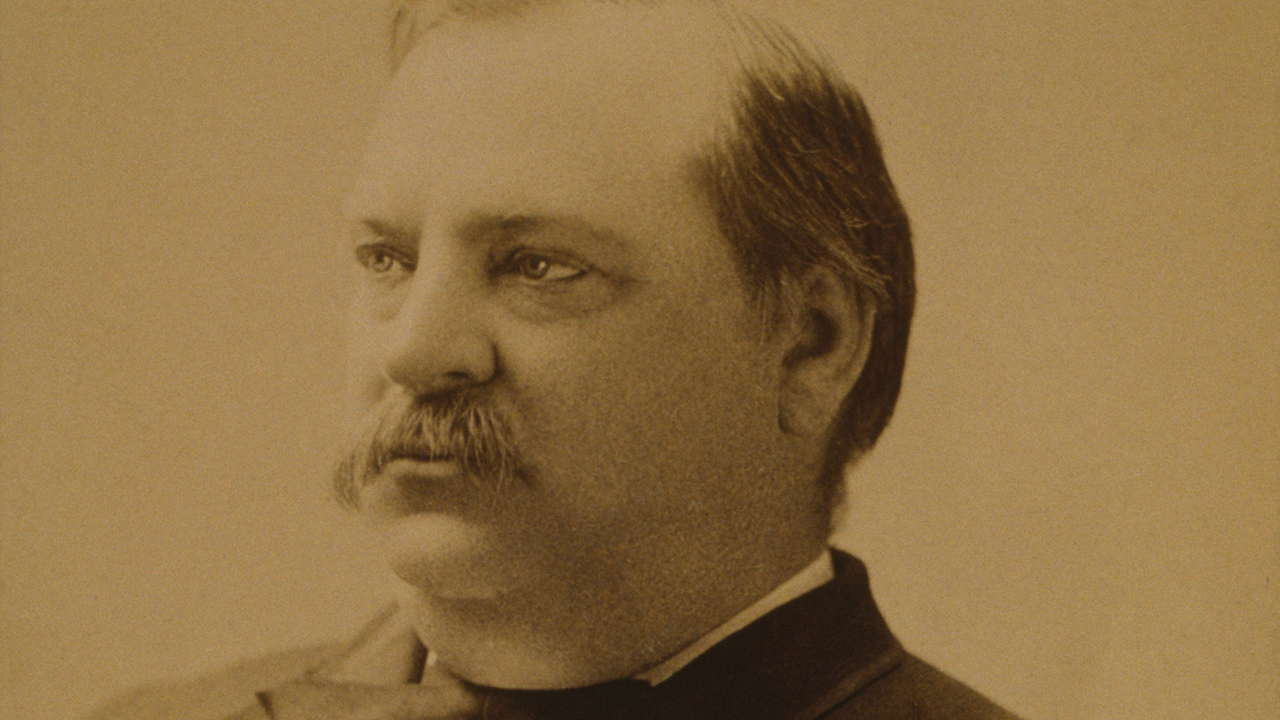
Cleveland remains the only president to serve two non-consecutive terms – he won the presidency in 1884, lost it in 1888, and won it again in 1892, becoming the 22nd and 24th president. He also never attended college. Like several of his predecessors, he read law in a practicing attorney’s office and was admitted to the New York bar without ever sitting in a law school classroom. He rose steadily through the ranks of local politics in Buffalo, serving as sheriff and then mayor before becoming governor of New York in 1882.
According to bestdegreeprograms.org, Cleveland is among the ten U.S. presidents who never graduated from college yet went on to become consequential political figures. What he had instead of credentials was a reputation for personal integrity and a willingness to veto legislation he considered wasteful or unconstitutional – a trait that made him enemies in his own party but genuine admirers among reform-minded voters.
His second term was defined by the severe economic depression of 1893, which he handled with conservative fiscal instincts that did little to relieve working-class suffering. Cleveland is remembered today as a man of stubborn principle, for better and worse.
9. Harry S. Truman – The Last President Without a Degree
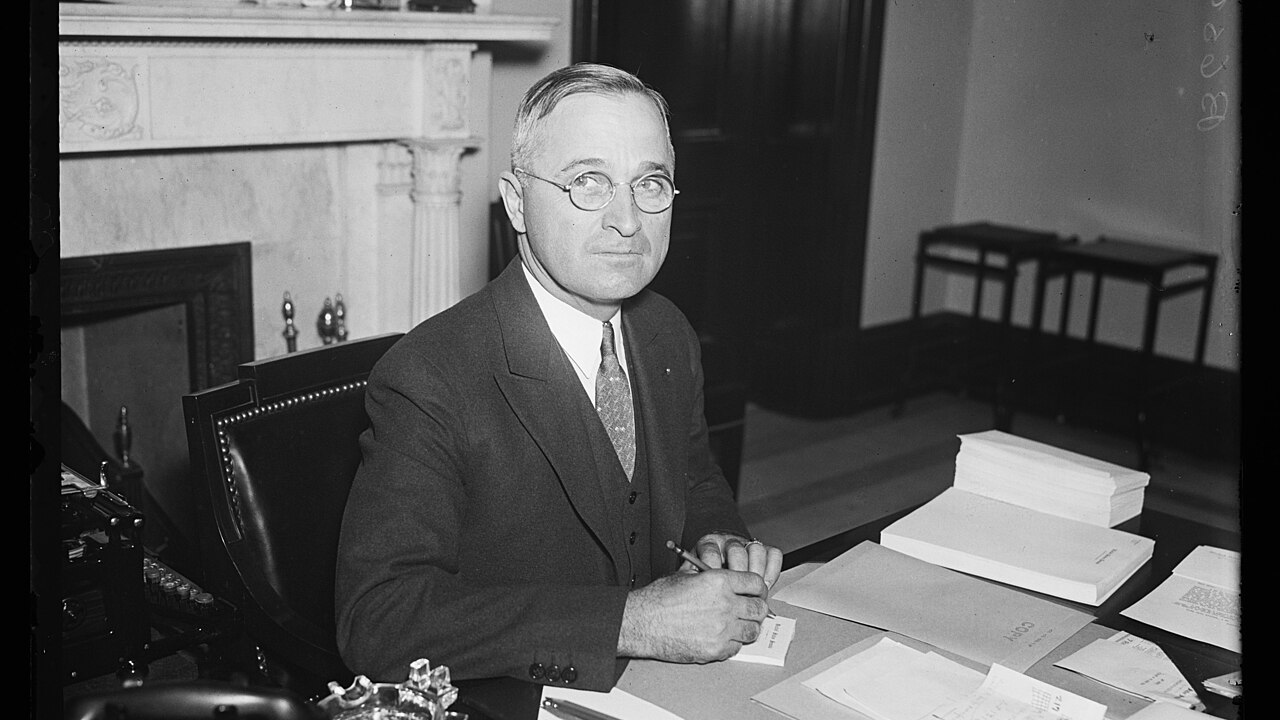
According to potus.com, Harry S. Truman was the last person to become president without earning a college degree. He withdrew from both Spalding’s Commercial College and the University of Kansas City Law School. He tried. He enrolled in two different institutions and completed neither. After his father’s farm went under, he had no money to continue and went to work instead – first as a bank clerk, then as a farmer, then as a haberdasher, then as a county judge.
Despite not having a formal degree, Truman was committed to continuous learning and was an avid reader. He made his way through the entire Kansas City public library as a teenager, with particular devotion to history and biography. He reportedly knew the histories of the ancient world by heart before he was twenty. None of that showed up on a transcript.
Many believe his successful presidency, despite a lack of formal education, was due to his resourcefulness, pragmatism, and firm belief in common sense. He navigated complex domestic and international issues, including the end of World War II and the beginning of the Cold War. Every president since 1953 has held at least a bachelor’s degree, making Truman the last of a line that stretches back to Washington. The Truman Scholarship Foundation, established by Congress in 1975, funds graduate education for students pursuing careers in public service – a legacy built, with some irony, in the name of a president who never got to finish his own.
Read More: The Secret Presidential Powers That Could Suspend Your Constitutional Rights
What a Diploma Can’t Tell You
The nine least educated presidents on this list served across roughly 160 years of American history. Between them, they founded the Democratic Party, preserved the Union, ended World War II, and built a country from a collection of colonies. They also made catastrophic errors – errors of racial violence, economic mismanagement, and raw political failure – that no credential could have prevented.
The correlation between formal education and the presidency illustrates evolving social norms and expectations, rather than a definitive causal relationship between higher education and an individual’s ability to lead a nation. Times have changed considerably since Truman’s presidency. Today, almost all high-level elected positions in the U.S. are occupied by individuals with at least an undergraduate degree, and the modern credentialing of political life is unlikely to reverse.
But what’s harder to measure is what some of these men had that their credentialed successors sometimes lacked: the hunger that comes from not having things handed to you, the habit of learning without being told to, and the experience of working at the bottom of a system before trying to run it. Andrew Johnson and Abraham Lincoln had virtually identical educational backgrounds. One is counted among the greatest presidents in history; the other consistently ranks near the bottom. The degree wasn’t the variable that decided it.
That’s not an argument against education. It’s an argument for looking more carefully at what education is actually supposed to produce – and noticing that some of the people who never got to sit in the classroom still managed to figure it out.
AI Disclaimer: This article was created with the assistance of AI tools and reviewed by a human editor.