
Most people walk away from a conversation they’ve just wrecked without knowing quite what happened. The words felt right in the moment. The intention was friendly, or at least harmless. And yet the other person’s energy shifted, the laugh was half-hearted, and now you’re standing in your kitchen at 11pm replaying the whole thing and wondering what you said. The answer, more often than not, isn’t some dramatic misstep. It’s a small phrase. A five-word sentence dropped at the wrong moment that changed the temperature of the room.
Social awkwardness is far more common than most people admit out loud. Plenty of people who would never meet any clinical diagnostic threshold still find conversations genuinely hard, and still reach, under pressure, for phrases that don’t serve them. Phrases that telegraph discomfort, collapse the distance between two people in the wrong direction, or force the other person to do emotional labor they weren’t expecting to do.
What makes awkward conversation phrases so tricky is that they rarely feel wrong to the person saying them. They feel like honesty, or self-awareness, or a reasonable attempt to bridge a gap. But the impact lands differently from the intent, every time. Here are 11 of them.
1. “Sorry, I’m Awkward”

Pre-announcing your awkwardness might feel like a diplomatic move, something that gives the other person context and lowers the stakes. In practice, it does the opposite. There’s nothing more conversation-halting than someone announcing the awkwardness out loud. It makes everyone freeze. Suddenly a moment that might have passed unnoticed becomes something everyone has to acknowledge and tiptoe around.
The phrase also sets up a self-fulfilling dynamic. Once you’ve labeled yourself awkward, the other person starts watching for evidence of it. Every pause, every misstep now fits a narrative you handed them. They’re no longer just talking to you, they’re monitoring whether your self-assessment was accurate.
If you feel nervous, the more useful move is to just keep going. Most people are generous about stumbles they don’t know to look for. Naming the awkwardness before it happens ensures they’re looking.
2. “No Offense, But…”

When you lead with “no offense,” you tell the other person to brace for offense. It primes them for a hit. Even if your point is fair, the phrase works like a warning siren. The listener is no longer receiving what you’re saying, they’re bracing for impact.
The frustrating part is that “no offense, but…” is often used by people who genuinely don’t want to cause harm. They’re trying to soften a hard truth. But the hedge doesn’t soften anything, it amplifies it. It signals that the speaker knows what’s coming is unkind and is trying to pre-emptively sidestep responsibility for how it lands.
If you need to say something critical, say it directly and kindly without the disclaimer. Own your perspective. “I see it differently” or “I noticed something that concerned me” gets the message across without the theatrical throat-clear.
3. “Are You Mad at Me?” (Or “You Must Hate Me”)

Asking this question mid-conversation puts the other person in an impossible position. If they’re not mad, they now have to stop whatever they were doing and reassure you. If they are frustrated about something, they’ve suddenly been put on the spot to either lie or start a conflict they hadn’t planned on having.
From a psychology perspective, awkwardness often comes down to challenges with social calibration, meaning adapting your behavior to the context, and self-monitoring, meaning noticing how your words are received. Checking whether someone hates you mid-conversation is a breakdown in both. It interrupts the natural flow, makes the other person responsible for your emotional state, and turns what might have been a perfectly normal interaction into a miniature crisis.
Reassurance-seeking also carries longer-term consequences. According to the National Institute of Mental Health, an estimated 12.1% of U.S. adults experience social anxiety disorder at some point in their lives, and that’s just the clinical end of the spectrum. Chronic social shame and the narrowing that comes with social anxiety are potent drivers of major depressive disorder. Social anxiety tends to develop first, and depression follows as the disorder narrows a person’s world. The habit of constantly checking whether people are angry at you, over time, keeps you small.
4. “I’m Bad at Small Talk”

This one is usually said at the very moment small talk is required, which makes it particularly counterproductive. Socially awkward people often say “I’m bad at small talk” when a conversation feels tense. They may assume that other people always know what to say, especially when making a first impression. Still, the reality is that most people feel nervous in new environments and worry about standing out.
Telling someone you’re bad at small talk doesn’t get you out of doing it. It just makes the other person feel responsible for rescuing the conversation. And it frames the whole interaction before it’s even had a chance to go anywhere. Some of the best conversations start from nothing, from the shared awkwardness of two people who both don’t quite know what to say next, but are willing to stay anyway.
The self-deprecating announcement also quietly communicates “don’t expect much from me,” which is a low bar to set when you haven’t even tried yet.
5. “This Is So Awkward, Isn’t It?”
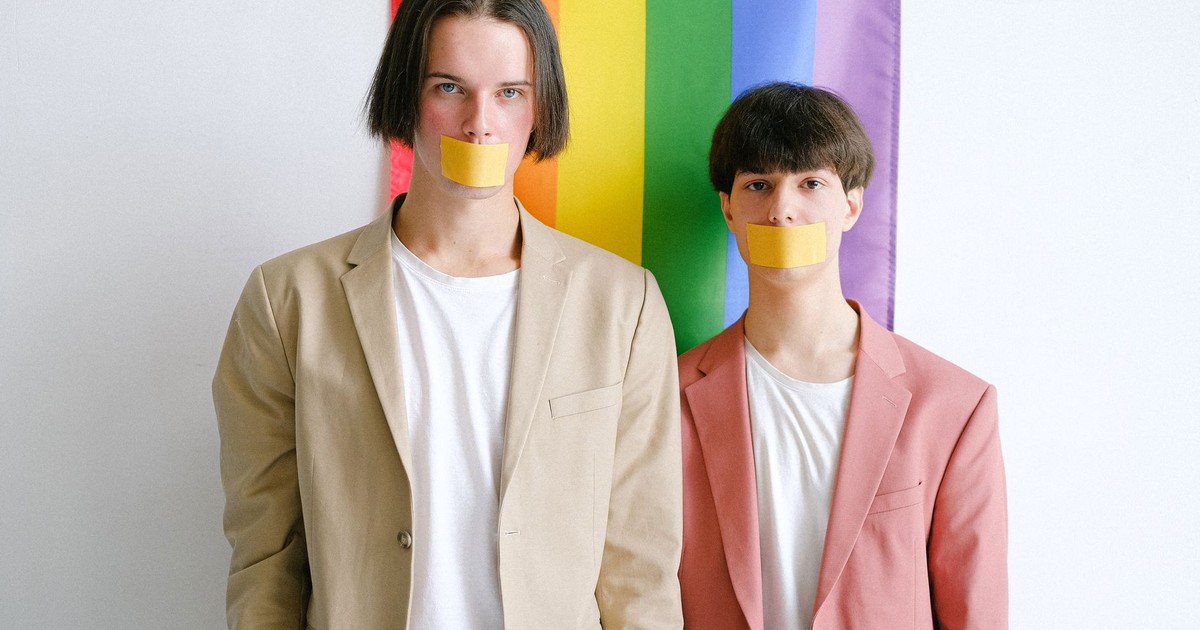
Naming a tension out loud rarely dissolves it. Socially awkward people often say this because they feel the tension and don’t know how else to name it. But calling it out usually makes things worse. One of the best social skills you can learn is how to move through tension, not spotlight it.
There’s also a particular irony in this phrase: the person saying it hopes it will create a moment of shared recognition, a laugh, a sense of “we’re both in this together.” Sometimes it works. More often, the other person didn’t actually experience the interaction as awkward until it was pointed out, and now they’re trapped in a moment that’s been officially declared uncomfortable.
If a conversation is genuinely stilted, a redirect is more effective than a commentary. Asking a question, introducing a new topic, or just sitting with the silence for a beat, all do less damage than announcing the awkwardness on the record.
6. “I Was Just Joking”

The retroactive joke defense is one of the fastest ways to make a bad moment worse. It dodges responsibility and tells the other person they should not feel what they feel. If something landed wrong, the appropriate response is to acknowledge that, not to reframe the comment as a joke and expect the other person to adjust their reaction accordingly.
The phrase tends to appear when someone has pushed a little too far, said something that got a blank look instead of a laugh, and panicked. It’s understandable. But what happens next is that the other person now has to manage two things at once: the original comment and the implicit suggestion that their discomfort is an overreaction.
Owning the impact lands better. Saying “that landed wrong, I’m sorry” and then asking what would feel better is more honest. The best jokes bring people in, not single them out.
7. “You Wouldn’t Understand”

“You wouldn’t understand” can drop like a wall in the middle of a warm conversation. Maybe you say it as a joke or out of habit. To the other person, it often feels like you just called them shallow, sheltered, or not worth the effort.
People who use this phrase often intend it as shorthand for “this is complicated and I’m not sure I can explain it quickly.” But the effect is to position the speaker as someone with experiences so rarefied that ordinary people can’t access them. Even when said without arrogance, it reads as dismissive.
Over time, phrases like this signal that you see yourself as separate from others. That can come across as defensive or superior, even if you feel insecure inside. People might stop asking questions because they expect to be shut out. The door closes, and often neither person knows exactly when it happened.
8. “Sorry If I’m Annoying”
This phrase is a close cousin of “sorry, I’m awkward,” but carries an extra layer of pre-emptive self-rejection. It seems humble, but it actually puts everyone in a weird spot. People with social anxiety often over-apologize or self-deprecate as a way of cushioning rejection. The intent is self-protection. But the effect is discomfort.
When someone says “sorry if I’m annoying,” they’re not really apologizing. They’re asking for reassurance without quite saying so. The other person now has to respond with some version of “no, you’re not annoying at all!” even if the conversation was perfectly fine before the question was raised.
Chronic over-apologizing in relationships also erodes the weight of genuine apologies. When sorry becomes a reflexive filler word, it stops meaning anything, and when something actually needs to be addressed, the word has lost its ability to carry it.
9. “Am I Being Weird?”

Socially awkward people often ask whoever they’re talking to if they’re being weird. This question suggests they feel uncomfortable and are worried they’re making a poor impression.
People often look back on conversations and feel a sense of panic that they came off as weird, but misremembering social interactions is common. By asking “am I being weird?”, a socially awkward person might be attempting to manage the expectations of the person they’re talking to. They use this phrase as a self-protective measure: if they call out their weirdness, the other person can’t.
The problem is that it still doesn’t work. Even if the other person says “no, not at all,” the asker rarely believes it. And the conversation has now derailed from whatever it was about into an impromptu social skills review. Nobody walks away from that feeling better.
10. “Whatever”

Used as a conversational exit, “whatever” is about as blunt an instrument as language has to offer. Few words deflate a conversation as quickly. It signals disinterest, frustration, or emotional withdrawal, and it’s especially damaging when used mid-discussion or disagreement. When someone says “whatever,” it’s like slamming a door in the middle of a conversation. There’s no room for resolution or understanding.
The reason it makes conversations weird rather than just ending them is that it doesn’t actually end them. It leaves the other person holding all the unresolved tension with nowhere to put it. The exchange lingers in the room even after the word lands.
Often people say this when they care a lot but feel overwhelmed. They want the discomfort to stop, so they emotionally check out. The problem is that this signals emotional withdrawal. It tells the other person that you will bail when things get real. That reputation, once established, is hard to shake.
11. “I Don’t Know How to Answer That”

Said in the middle of a meaningful exchange, this phrase brings everything to a halt. It’s a phrase socially awkward people use especially when sharing something vulnerable about themselves. They get nervous that whatever they say will be deemed “wrong,” so they hold back from revealing anything, telling people “I don’t know how to answer that” when faced with intimate questions.
The phrase is understandable. Vulnerable questions are genuinely hard, and panic in the face of them is normal. But saying “I don’t know how to answer that” out loud creates a social stalemate. The other person can’t pursue the topic without seeming pushy, can’t drop it without seeming indifferent, and can’t rescue a conversation that has just been declared unanswerable.
Licensed clinical social worker Amy Morin has written extensively about how people with social anxiety fall into a pattern of criticizing their own social skills after the fact, replaying conversations and scrutinizing every word they said, exaggerating their flaws and judging themselves harshly. The cruel irony is that this replaying and self-criticism make the next conversation harder, not easier. As Morin’s research on rumination makes clear, the more you dwell on a social interaction, the more your confidence erodes going into the next one.
What’s Actually Going On Here

None of these phrases come from a bad place. That’s what makes them worth paying attention to. They come from nervousness, from overthinking, from a genuine desire to connect or to protect oneself from rejection. Social awkwardness isn’t about being “broken” or “bad at people.” It’s often about mismatched social cues, where the way you express yourself doesn’t quite land as intended. From a psychology perspective, it usually comes down to challenges with social calibration and self-monitoring.
The phrases above share a common thread: they transfer the emotional weight of the speaker’s discomfort onto the other person. They ask someone else to do the reassuring, the rescuing, or the redirecting. And while that’s a very human thing to do under pressure, it tends to make the conversation harder for everyone in it. Recognizing the pattern is more useful than shame about it. Most people have said at least three of these in the past month. Knowing why they work against you is the first step to reaching for something better.
And for what it’s worth: awkwardness is not an individual psychological trait. It’s a consequence of social interactions between people. It belongs to the space between two people, not to either person alone. Which means the next time a conversation goes sideways, the awkwardness wasn’t entirely yours to begin with.
AI Disclaimer: This article was created with the assistance of AI tools and reviewed by a human editor.