

People have been arguing about guardian angels for millennia. Whether they’re assigned at birth, earned through devotion, or conjured by specific words spoken at specific hours, nearly every major religious tradition lands on the same basic idea: there is something protective and personal out there, and it is, somehow, yours. What most people don’t know is how seriously earlier generations took the question of how to reach it.
Guardian angel rituals weren’t vague gestures toward the divine. They were structured, demanding, and often inconveniently specific. The six practices below span centuries and continents, and each one reflects the same underlying assumption: that contact requires something from the person seeking it.
1. The Abramelin Operation
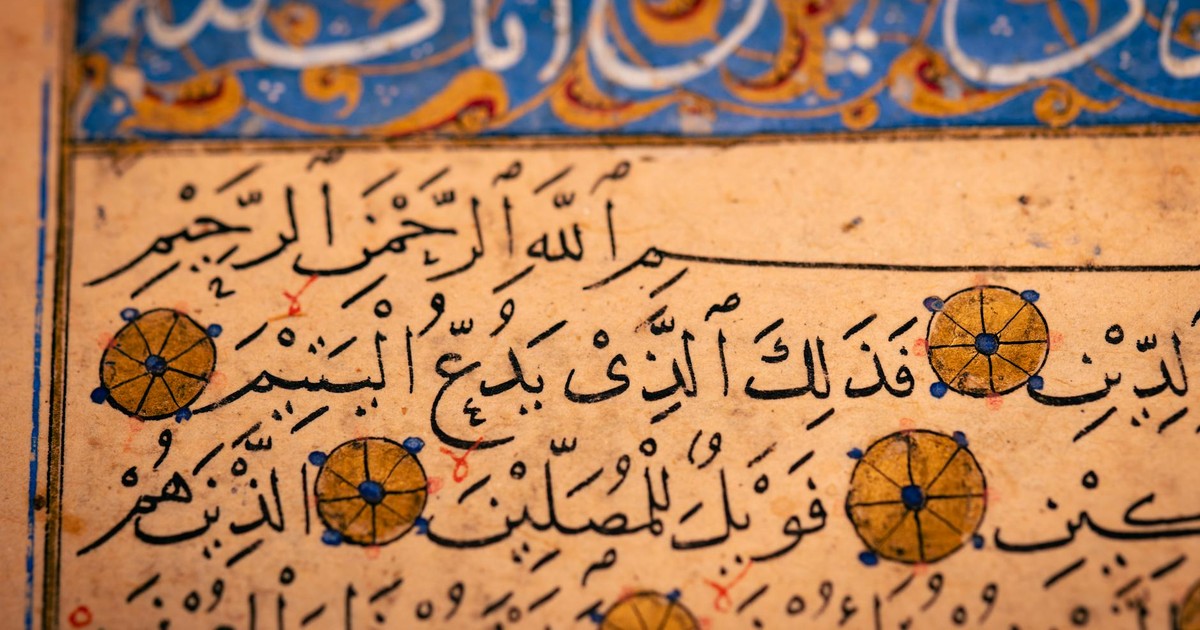
Few guardian angel rituals in Western history come close to the Abramelin Operation in terms of sheer commitment. The Book of Abramelin tells the story of an Egyptian mage named Abramelin, who taught a system of magic to Abraham of Worms, a Jew from Worms, Germany, presumed to have lived from around 1362 to 1458. The text was eventually compiled as a grimoire, a manual of ceremonial magic, and it centers almost entirely on one goal: direct contact with your personal Holy Guardian Angel.
The ritual described in the grimoire lasts six to eighteen months depending on which manuscript you’re reading. The Mathers translation, based on a French version of the text, runs six months; Georg Dehn’s more complete translation from the original German sources describes an eighteen-month operation. Either way, this was not something you squeezed between other commitments.
The operation involves strict purity practices, daily prayers, and the use of magic word squares. In practical terms, that meant prayer twice a day at dawn and dusk, frequent ritual washings, food restrictions, and complete seclusion from ordinary social life. The practitioner was also required to construct a dedicated prayer room called an oratory, with specific measurements and furnishings. A wooden altar covered in white cloth, a lamp, a wand, and holy oil. Throughout the procedure, the practitioner wore specific white linen clothing and kept both body and surroundings immaculate.
The grimoire significantly influenced the Hermetic Order of the Golden Dawn and Aleister Crowley, who famously attempted the full operation in 1906 at his Boleskine House in Scotland, documenting it in his autobiographical writings.
2. The Bornless Ritual
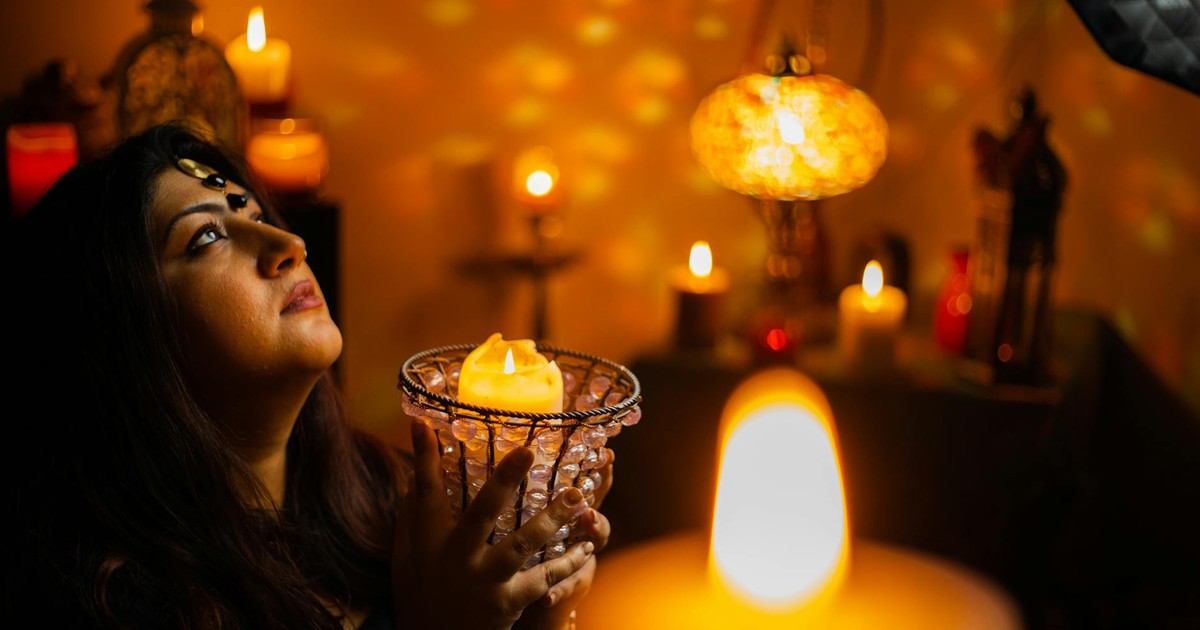
The Bornless Ritual predates the medieval grimoires by a wide margin. According to Wikipedia, it is derived from a specific text within the Greek Magical Papyri, a collection of ancient spells, invocations, and hymns compiled between the 2nd century BCE and the 5th century CE, known as the “Stele of Jeu the Hieroglyphist” (PGM V. 96 – 172). The original ritual was intended as an exorcism. The name refers to a primordial, transcendent deity described as the “Headless One,” reinterpreted in later centuries as the “Bornless One,” a being without beginning or end.
The ritual was first published in England in 1852 by Charles Wycliffe Goodwin as a fragment of a Graeco-Egyptian magical text for the Cambridge Antiquarian Society, and it was later adapted by the Hermetic Order of the Golden Dawn and Aleister Crowley’s esoteric organization for the purpose of contacting the Holy Guardian Angel.
What made it distinct from a simple prayer was its framing. The practitioner wasn’t petitioning the angel from a position of weakness. The structure involved reciting a set of “Barbarous Names,” terms drawn from Egyptian and Greek magical traditions whose power was considered to reside in the sound rather than the meaning. The practitioner was asserting a kind of divine identity, declaring themselves to be the vessel through which the angel’s power could act. Today the Bornless Ritual remains significant in Western esotericism, especially in the pursuit of the Knowledge and Conversation of the Holy Guardian Angel.
3. The Jewish Sabbath Home Ritual
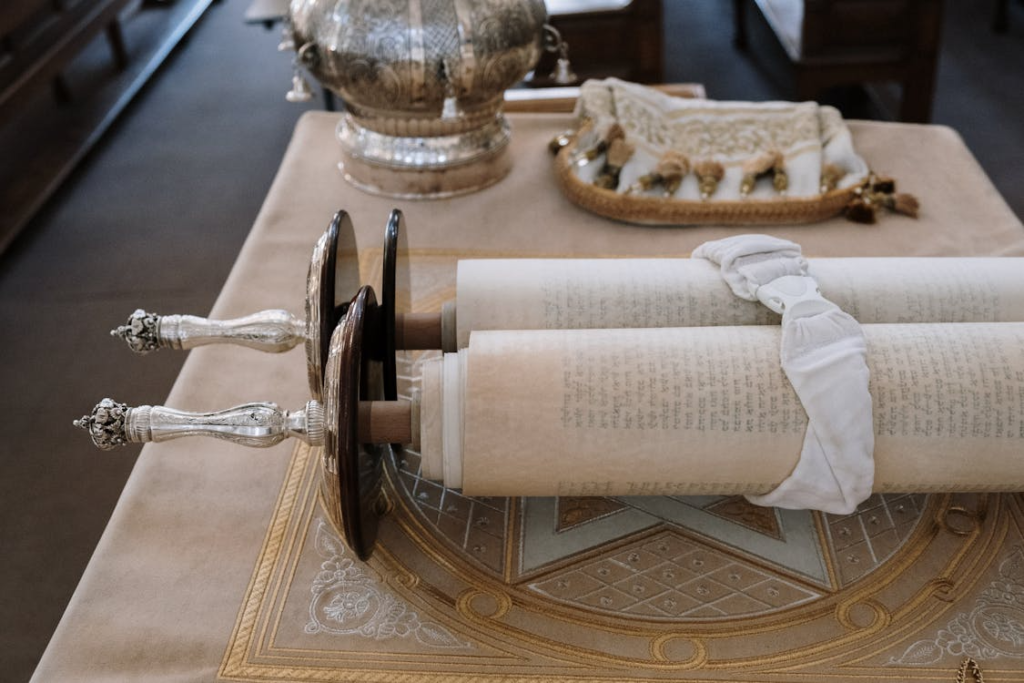
Not every guardian angel ritual required months of isolation or obscure magical texts. One of the most striking comes from Jewish tradition, and it happens weekly, in an ordinary home, on Friday evening before sundown.
The Talmud, the foundational text of Jewish law and tradition, describes two angels who accompany a person home on the Sabbath eve. If the home is prepared with a lit candle, a set table, and a made bed, the benevolent angel declares a blessing, and the malevolent angel has no choice but to say “Amen.” If the home is not prepared, the curse falls the other way around, and the benevolent angel must concur. The act of preparing the home wasn’t simply housekeeping. It was an invitation extended to specific spiritual presences.
This reflects a theology in which guardian angels weren’t passive observers. They assessed what they found and responded accordingly. Angels were conceived as enforcers of Sabbath observance, acting as personal guardians who affirmed or challenged human actions through ritual blessings. The preparation wasn’t meant to summon them from somewhere far away. It was meant to demonstrate worthiness to those already present.
For the Abramelin practitioners discussed earlier, the incense used in angelic invocation was modeled on a recipe given by God to Moses in Exodus 30, calling for frankincense, storax or benzoin, and lignum aloes in specific proportions. The overlap between Jewish Sabbath practice and the later esoteric traditions is not coincidental. The grimoire tradition drew heavily from Kabbalistic and Biblical sources, and you can trace that thread running from a Friday evening candle to an eighteen-month magical ordeal.
4. The Ashkenazi Birth Amulet Ritual

Among Ashkenazi Jewish communities in parts of Alsace, Switzerland, and southern Germany, guardian angel rituals were tied specifically to the protection of newborns and pregnant women. Pregnant women and newborn children were given text amulets bearing the names of three angels: Senoy, Sansenoy, and Semangelof. The National Library of Israel describes these angels as figures sent by God to bring Lilith back to Adam. They failed in that mission, but Lilith agreed to spare any child who carried the names or likenesses of the three angels, giving the amulet its protective power.
The amulets contained written text featuring the angels’ names alongside graphic depictions of their images. Their names also carried sonic weight: pronounced together, the pattern sen-san-sen-sem was thought to carry an onomatopoeic, threatening quality, something like the hiss of a snake or the crackle of fire, intended to warn Lilith away from the mother and child.
This ritual reflects something that appears across many traditions: the idea that names carry power, and that to write or speak the name of a guardian angel is to call that guardian into presence. The amulet functioned as a standing invitation, worn rather than performed. For families who couldn’t afford elaborate ceremony or months of ritual preparation, this was protection made portable, a fact examined in depth here alongside other ways spiritual belief shapes daily life across cultures.
5. The Zoroastrian Fravaši Ritual
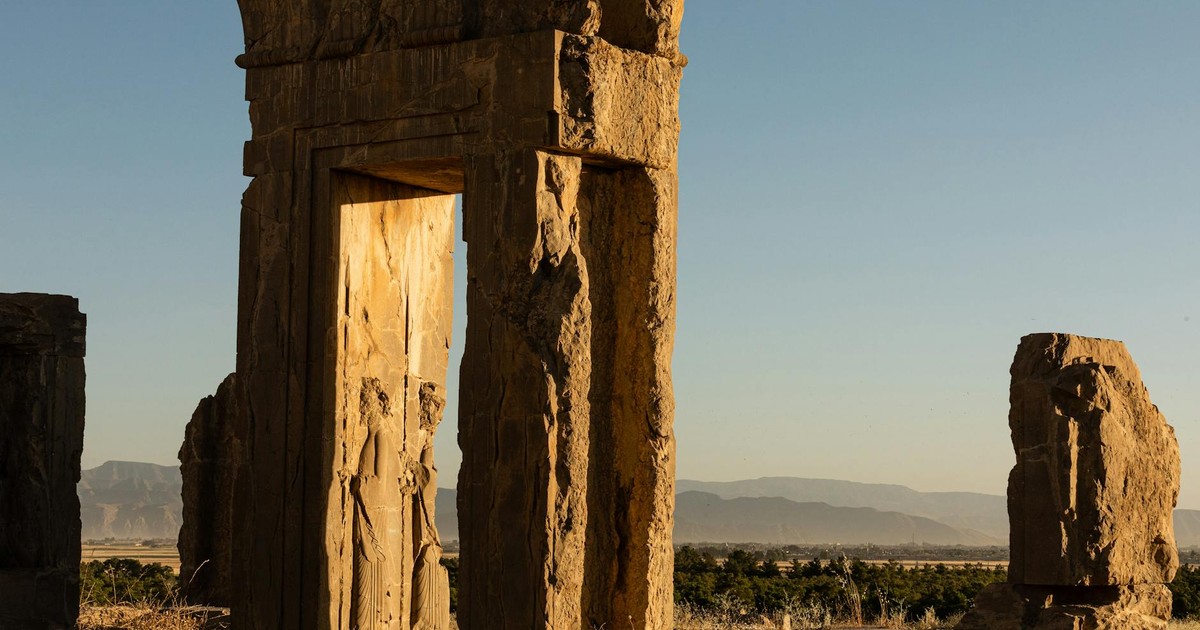
Zoroastrianism, one of the oldest continuously practiced religions in the world, has a distinct concept of the guardian angel: the Fravaši (also spelled Fravashi or Fravahar). According to Britannica, the Fravaši is the preexisting external higher soul or essence of a person, associated with Ahura Mazdā since the first creation. Each individual’s Fravaši, distinct from the incarnate soul, guides the person through life toward the realization of their higher nature. The saved soul is united with its Fravaši after death.
The ritual practice most closely associated with the Fravaši was the annual ten-day festival of Fravardigan, observed in the last ten days of the Zoroastrian year. During this period, the fravashis of the righteous dead were believed to return to visit their living families. Each family honored the fravashis of its dead with prayers, fire, and incense. Households prepared for the arrival by cleaning the home, lighting sacred fires, and laying out food offerings, a domestic preparation with clear echoes of the Sabbath ritual described above.
The Fravaši was also understood to be the higher, pre-existent soul of a person, the perfect spiritual form that existed before birth and would return to a higher realm after death. Rituals directed at the Fravaši were therefore acts of communication with your own ideal self as much as with a separate being. That tension, between guardian angel as external protector and guardian angel as your own highest nature, runs through more than one tradition on this list.
Read More: Born Spiritually Gifted? 6 Clues You’re an Old Soul With a Higher Calling
6. The Greek Personal Daimon
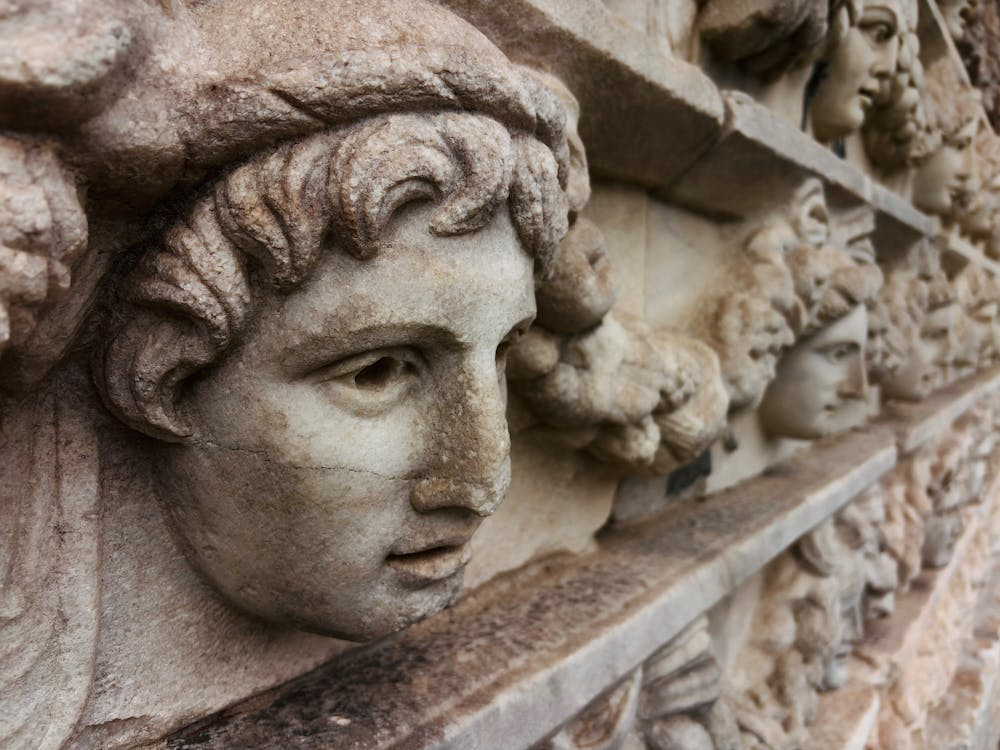
Ancient Greek religion included a concept closely parallel to the guardian angel: the personal daimon (not to be confused with the later Christian “demon,” though the terms share an etymology). In Greek tradition, the daimon was assigned at birth and remained with a person throughout life, acting as an intermediary between the individual and the divine order. Socrates famously spoke of his own daimon as a voice that warned him against certain actions, never commanding but occasionally restraining.
Specific procedures for establishing contact with the personal daimon appear in ancient Greek and Graeco-Egyptian magical traditions. These typically involved purification, spoken invocations at particular hours of the day or night, the use of incense and oil, and sometimes the creation of a physical object, a ring or tablet inscribed with a symbolic representation of the daimon’s name. Aleister Crowley, who drew extensively on ancient Greek sources for his own magical system, considered the Holy Guardian Angel to be the direct equivalent of the Greek daimon, the truest expression of an individual’s divine nature rather than an outside being.
What set these practices apart from later European ceremonial magic was their integration into daily life. Consulting a daimon wasn’t a crisis response. A craftsman might perform a brief invocation before beginning important work. A traveler might address their daimon before departing on a long journey. The relationship was meant to be ongoing, not emergency contact. And that, practically speaking, is what distinguished the Greek approach from the month-long ordeals or elaborate textual amulets of other traditions: the same principle, worn much more lightly.
What These Rituals Actually Tell Us
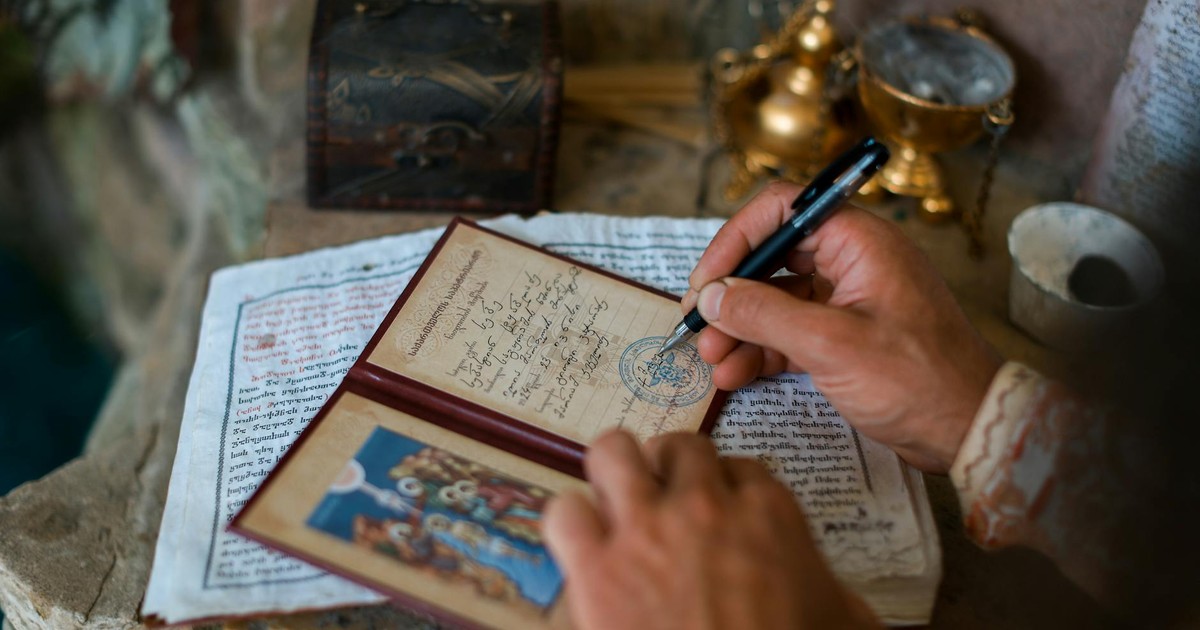
It would be easy to read through this list and file all six practices under “things people used to believe before we knew better.” But that misses what’s actually interesting here. Every single one of these rituals, from the 18-month Abramelin ordeal to the Friday evening candle and set table, shares the same core assumption: that access to protective spiritual intelligence requires something from the person seeking it. Purification, preparation, consistency, sincerity. The angel isn’t summoned like a command. It’s met like a guest.
That framework turns out to be remarkably persistent. Even in traditions that have softened the ritual specifics, the underlying intuition survives: that there is a higher form of guidance available to human beings, and that reaching it requires more than passive wish-making. Whether or not you believe any particular tradition got the metaphysics right, there’s something worth noting in how seriously these practices were taken. These weren’t casual observances. The people who maintained them structured significant portions of their lives around the idea that the contact was real and that the preparation mattered.
What gets lost when rituals disappear isn’t only the practice itself. It’s the posture behind it: the willingness to treat invisible things with the same seriousness we give to visible ones. Whatever you make of guardian angels themselves, that willingness is harder to come by than it looks.
AI Disclaimer: This article was created with the assistance of AI tools and reviewed by a human editor.