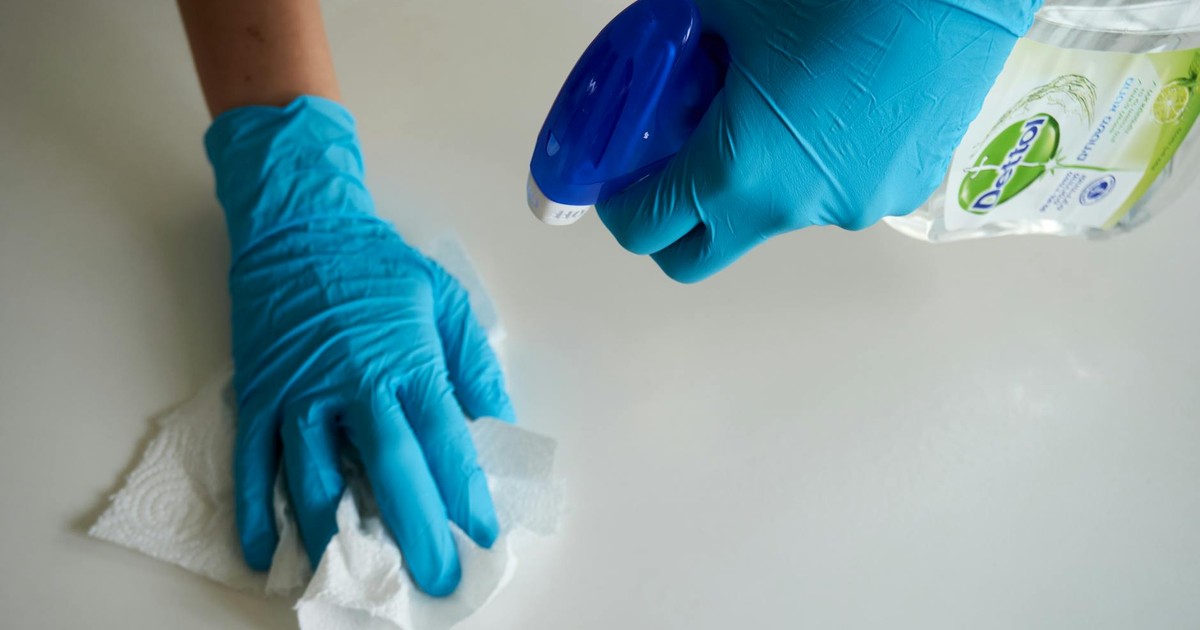

You pull out a disinfecting wipe to clean something, and it takes about four seconds. That’s the appeal. One canister lives under the kitchen sink, another in the bathroom, maybe a third in the car. They’ve become the default answer to almost any surface that looks grimy. The problem is that “quick and convenient” has quietly become “used on absolutely everything” – and these wipes are not designed for everything.
Disinfecting wipes are classified as pesticide products, used as antimicrobials that kill bacteria and viruses on surfaces. The active ingredients – bleach, hydrogen peroxide, or quaternary ammonium compounds (QACs, also called “quats”), chemicals used as antimicrobials and preservatives in cleaning and disinfecting products – are engineered to kill germs on hard, nonporous surfaces. On the right surface, they work. On the wrong one, they cause real damage.
That damage doesn’t always announce itself immediately. You might wipe down your granite counter every morning for six months before noticing it looks dull and hazy. Your leather sofa might feel stiff and cracked before you connect the dots. The list of surfaces that don’t get along with disinfecting wipes is longer than most people realize – and it covers things you’d never think to question.
The Disinfecting Wipes Damage You’re Probably Not Noticing
1. Granite and Marble Countertops

Stone countertops get sold as virtually indestructible, and in terms of heat resistance and structural strength, they largely are. But when it comes to disinfecting wipes, granite is more vulnerable than it looks. Because granite is a porous material, it’s typically sealed for protection – and disinfecting wipes can actually eat away at that sealant, putting the surface at real risk.
The chemicals and acids in disinfecting wipes can eat away at the polish of sealed surfaces like marble and granite, potentially leaving them looking dull or even scratched. Once that sealant is compromised, the stone becomes far more susceptible to staining. Spilled wine or olive oil that would once have wiped off cleanly can now seep in and leave a permanent mark.
The fix is simpler than you’d think. For day-to-day cleaning, a pH-neutral stone cleaner or a small amount of mild dish soap in warm water is all you need. If you genuinely need to disinfect – after a bout of food-borne illness, for example – undiluted 70% isopropyl alcohol applied with a clean cloth, then allowed to air dry, is the safe approach for granite: it disinfects without degrading the seal.
2. Hardwood Floors
Hardwood floors and disinfecting wipes are a particularly bad combination, for two reasons that compound each other. The chemicals in disinfecting wipes can cause hardwoods to lose their shine after repeated scrubs, and they can also be damaged by moisture.
Untreated wood is porous and can absorb the chemicals in disinfecting wipes, which can cause wood floors to swell and crack, or warp beyond repair. Even sealed hardwood isn’t entirely safe – repeated wipe-downs strip the protective finish gradually, leaving the wood exposed to the kind of moisture damage it was designed to resist.
The better approach is a microfiber mop that’s barely damp – not wet – and a cleaner specifically labeled for hardwood. If disinfection is truly necessary, look for a hardwood-safe product and dry the area immediately after.
3. Wood Furniture
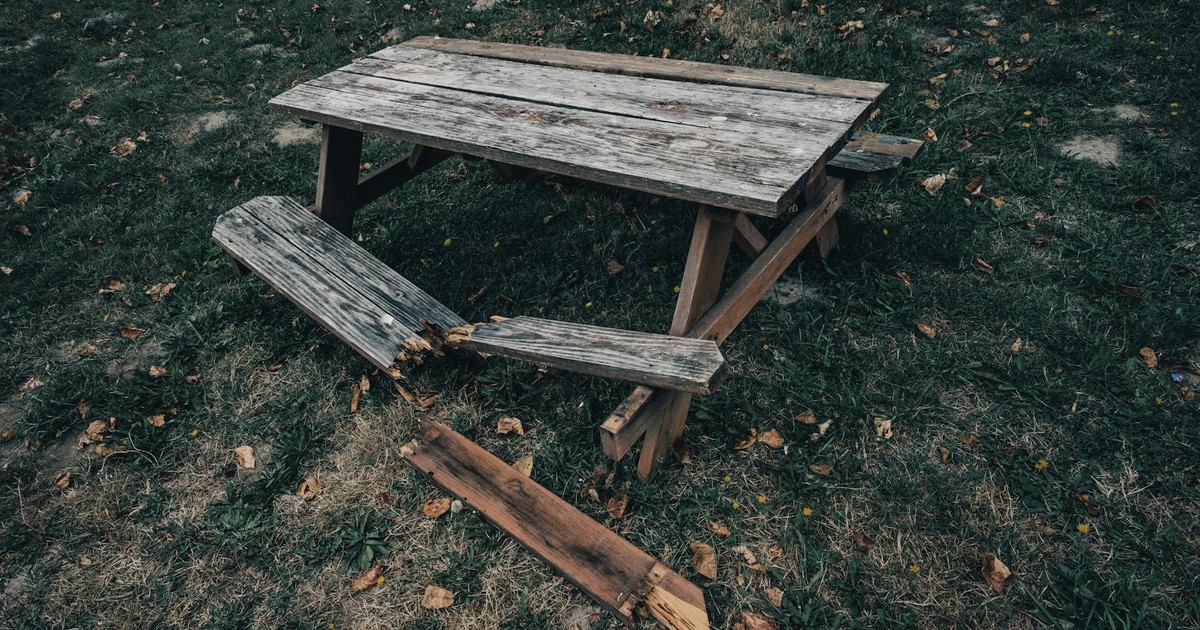
The same logic that applies to floors applies to tables, chairs, dressers, and bookshelves – only the stakes can feel higher because some of that furniture is old, expensive, or irreplaceable. When disinfecting wipes are used on untreated wood surfaces, the liquid can penetrate the pores, and over time this can result in the degradation of any protective coating on the wood and direct damage to the wood itself. Some pieces develop cloudy streaks that won’t buff out because the residue bonds to the surface instead of sitting on top. Older or antique furniture is even more vulnerable, since the finish may already be thin or delicate.
A streak that won’t come off with polish is a sign the wipe has already done its damage. The surface layer has been partially dissolved and the residue has set. At that point, restoration is the only real option.
For routine care, dust with a dry microfiber cloth first. For sticky spots, a slightly damp cloth with water works fine, as long as you dry the area immediately. A wood cleaner formulated for your furniture’s specific finish will always outperform a disinfectant for preservation.
4. Leather Sofas, Car Seats, and Bags
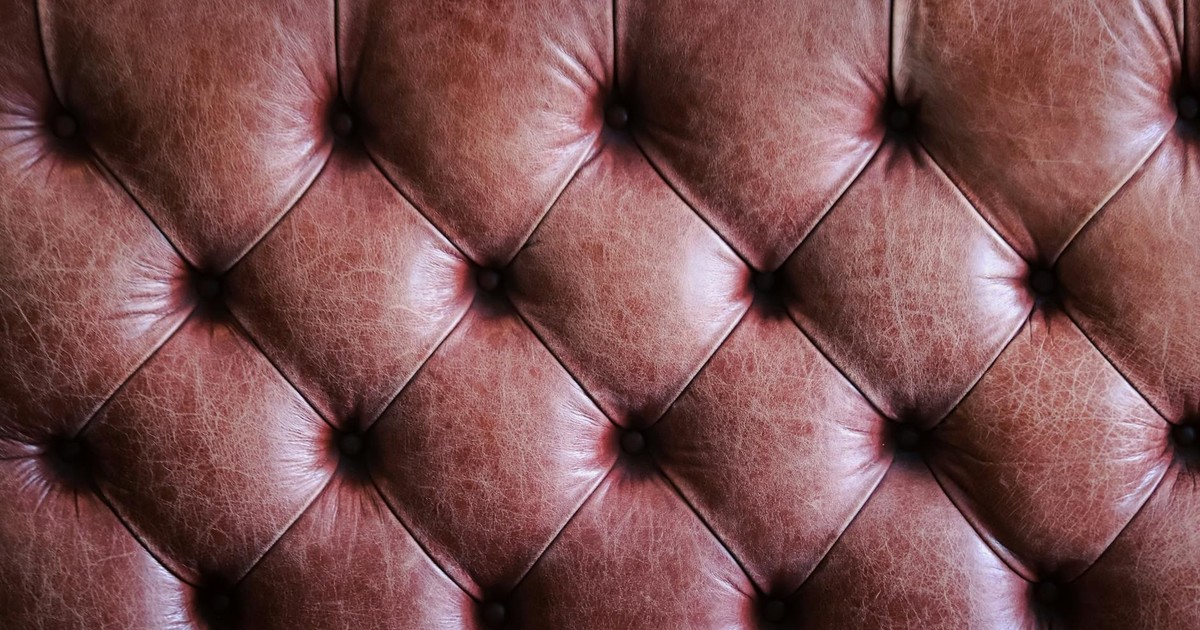
Leather behaves a lot like skin, which is actually what it is – and it responds to harsh chemicals the way skin does when stripped of its natural oils. Many disinfectant wipes contain alcohol, which can dehydrate supple leather, and repeated use may leave leather goods looking dry and chalky. After enough wipe-downs, you might notice stiff patches, fading, or a dull look that makes the item seem older than it is.
Harsh wipes saturated with disinfectants can damage leather upholstery in your home or car. Cleaners with bleach and bleach substitutes can dehydrate the natural material, and you risk lightening the color of the leather in the process. A pale patch on a dark sofa arm is almost impossible to reverse without a professional refinishing job.
For leather, a soapy solution of water with a few drops of dish soap, applied with a soft cloth and wiped off thoroughly, is the standard safe method. Follow up with a dedicated leather conditioner to replace the moisture. The leather will stay soft for years longer.
5. Phone, Tablet, and Laptop Screens
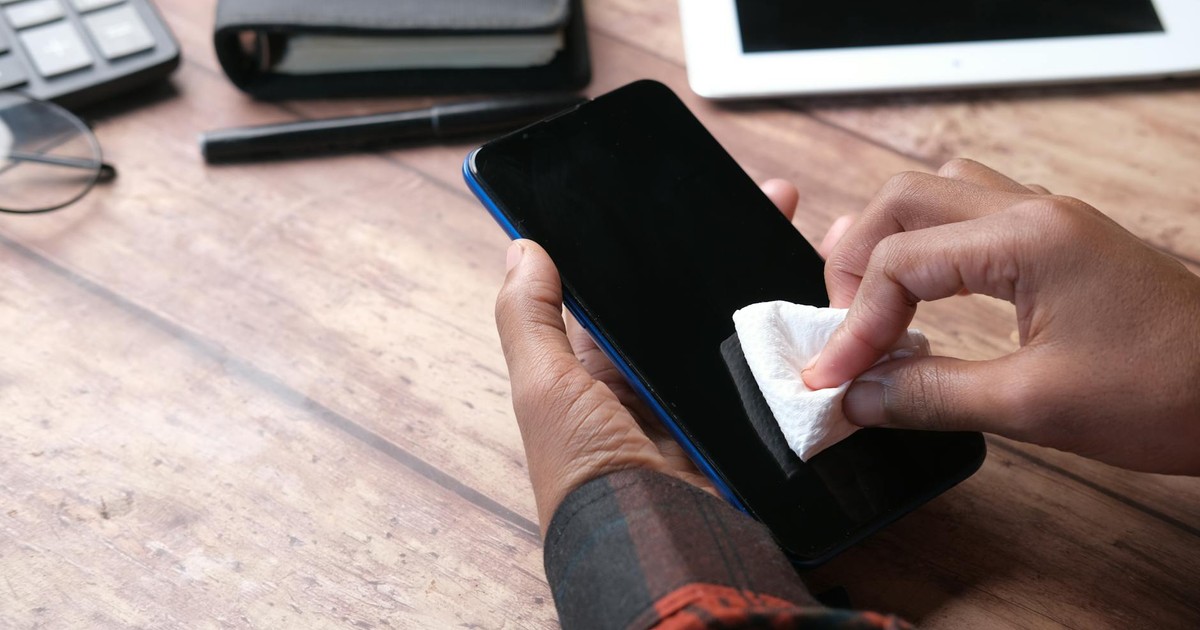
The temptation to wipe down your phone screen with a disinfecting wipe is completely understandable – phones are notoriously germ-laden and we touch them constantly. But phones, tablets, and laptop screens have delicate coatings that help reduce glare and smudges. Research published in Antimicrobial Resistance and Infection Control found that repeated wiping with certain disinfectant products caused discoloration and damage to sensitive screen surfaces.
The damage tends to be cumulative and irreversible. After enough wipe-downs, that anti-reflective coating clouds over and stays that way. There’s no recovering it short of a screen replacement. A dry or very slightly dampened microfiber cloth handles fingerprints and smudges without any risk.
6. Eyeglasses
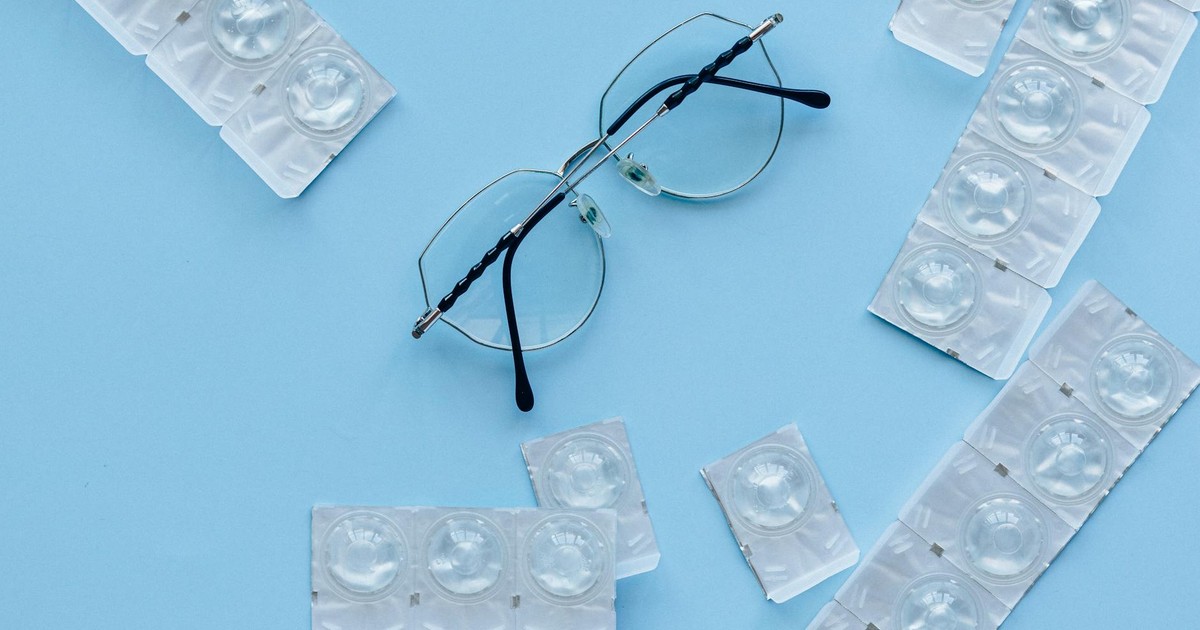
This is one of the most common mistakes people make with disinfecting wipes, and the consequences show up faster than most. Many people don’t realize that the detergent in disinfecting wipes can damage eyeglasses – the chemicals in the detergent can cause stains around the lenses and the metal exterior of the frames.
Beyond the frame damage, the anti-reflective and anti-scratch coatings on modern prescription and non-prescription lenses are particularly susceptible. What starts as slight haziness gets worse with each wipe until the lenses look permanently fogged. Lens cleaner spray paired with a microfiber cloth, or just soap and warm water, are both safer by a wide margin.
7. TV Screens and Monitors
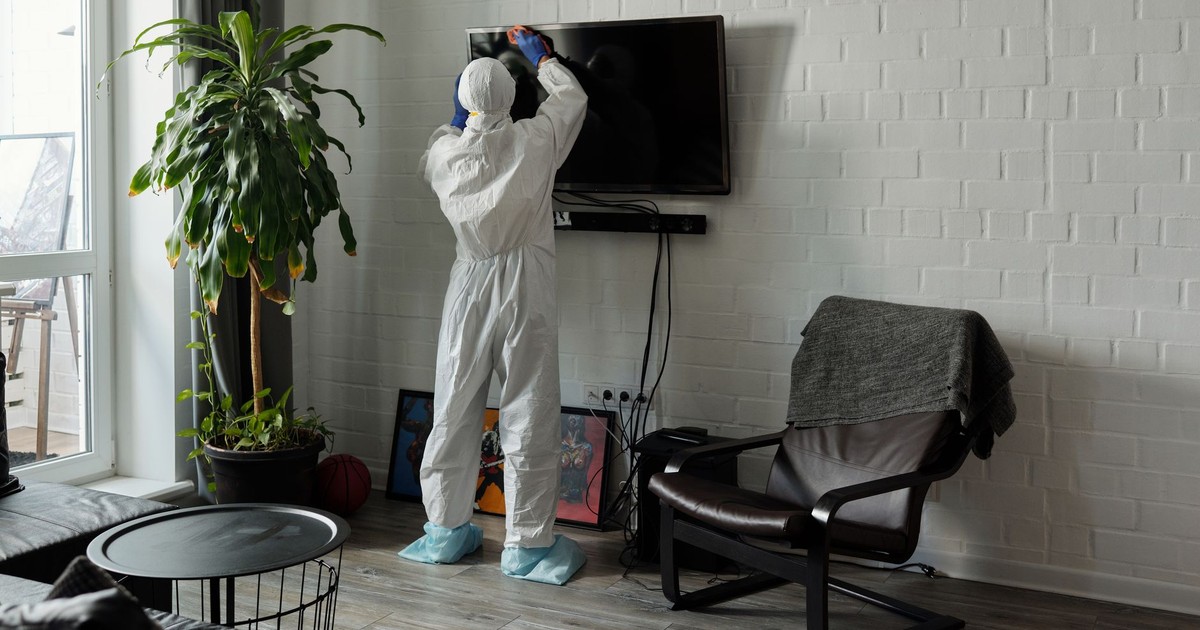
TV screens and computer monitors are vulnerable for the same reason phone screens are – the surface coatings are chemically incompatible with the active ingredients in most disinfecting wipes. The difference is that TV screens are larger, which means people tend to press harder and cover more surface area, accelerating the damage.
Using disinfectant wipes on screens can leave behind shiny patches or subtle streak marks that show up in certain lighting. More importantly, the coatings that reduce glare and protect the underlying display panel start breaking down long before the damage becomes obvious to the naked eye. By the time the screen looks visibly dull or streaked, the protective layer is already gone. A dry microfiber cloth – no liquid needed for routine cleaning – is the only thing that should touch a TV screen.
8. Car Interiors
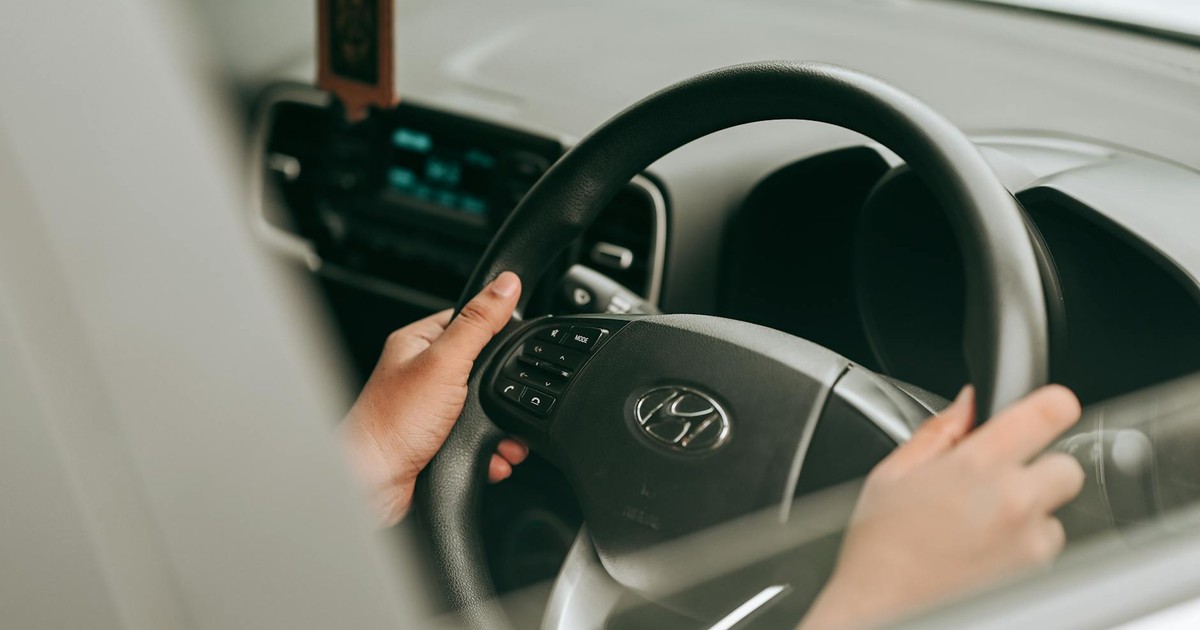
Your car’s interior presents an almost irresistible target for disinfecting wipes, especially on high-touch areas like the steering wheel, gear shift, and door handles. Modern dashboards and trims often have soft-touch coatings and matte finishes that are surprisingly easy to damage. Disinfecting wipes can strip that coating, leaving shiny patches, discoloration, or a tacky feel that makes dust cling to the surface. Steering wheels and armrests can also become slick or blotchy when the finish breaks down, and once it happens, it’s almost impossible to reverse without professional detailing.
The dashboard’s infotainment touchscreen carries the same risk as a home monitor. Car-specific interior cleaning products are formulated to work with the materials auto manufacturers actually use – soft-touch plastics, vinyl, treated leather, and coated screens – and they won’t strip or degrade any of those surfaces.
9. Cast Iron Cookware
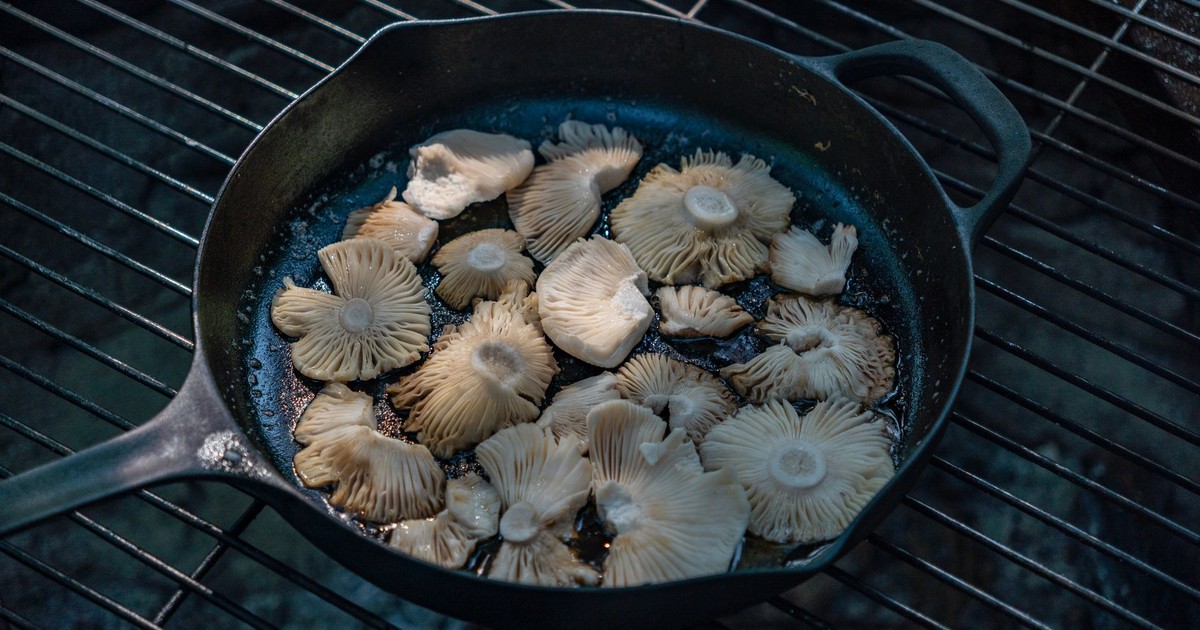
Cast iron pans are legendary for their durability, but that reputation comes with a catch: the cooking surface depends entirely on a built-up “seasoning” layer that’s easy to destroy if you clean it wrong. The seasoning is a thin layer of polymerized oil that bonds to the iron surface, protects the pan from rust, and creates a slick cooking surface that actually gets better over time.
Disinfecting wipes strip that layer. The alcohol and solvents in the wipes cut right through the oils, and the moisture left behind accelerates the rusting process that the seasoning was protecting against. Moisture is the enemy of cast iron. Stick to hot water, a stiff brush, and a quick dry on the stovetop burner – disinfecting wipes are as damaging to that seasoning as any harsh abrasive.
10. Copper and Aluminum Surfaces
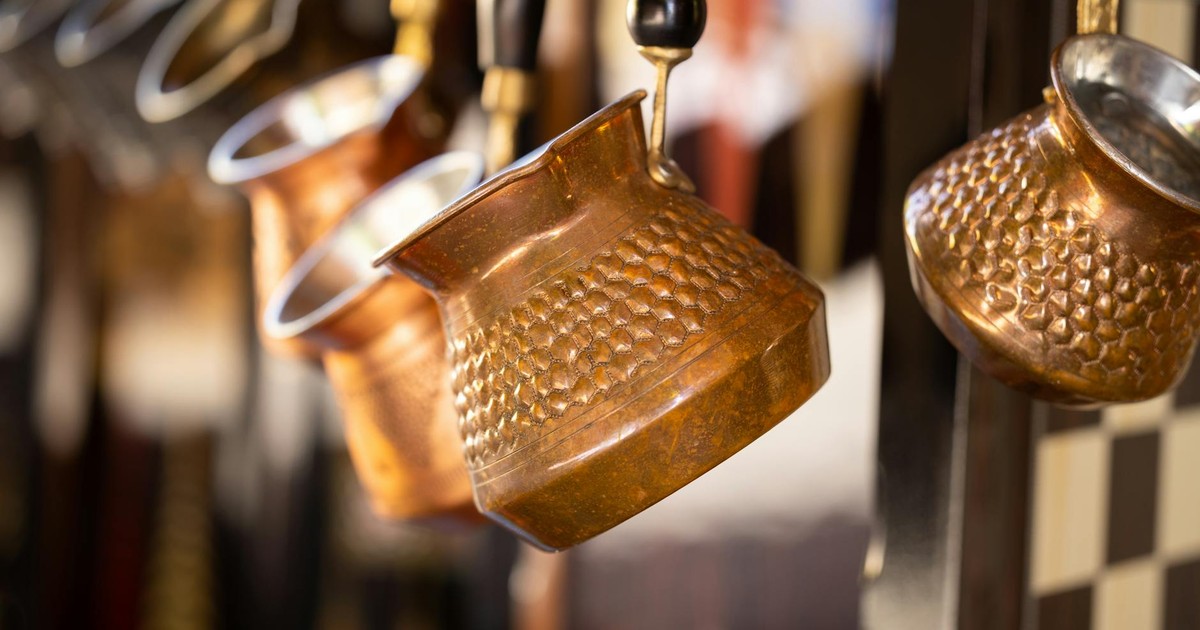
Copper sinks, copper cookware, aluminum water bottles, aluminum handles – all of these look solid enough to handle anything. But copper and aluminum are reactive metals, and disinfecting wipes that contain chlorine, bleach, or quaternary ammonium compounds can break down the surface and cause corrosion. On copper pipes, for example, the chlorine often present in disinfecting wipes can corrode the surface and cause long-term damage.
Instead, a simple solution of dish soap and water is all that’s needed for copper and aluminum surfaces. Copper also has natural antimicrobial properties, so it genuinely doesn’t need the same level of disinfection that other surfaces might.
11. Carpets and Rugs
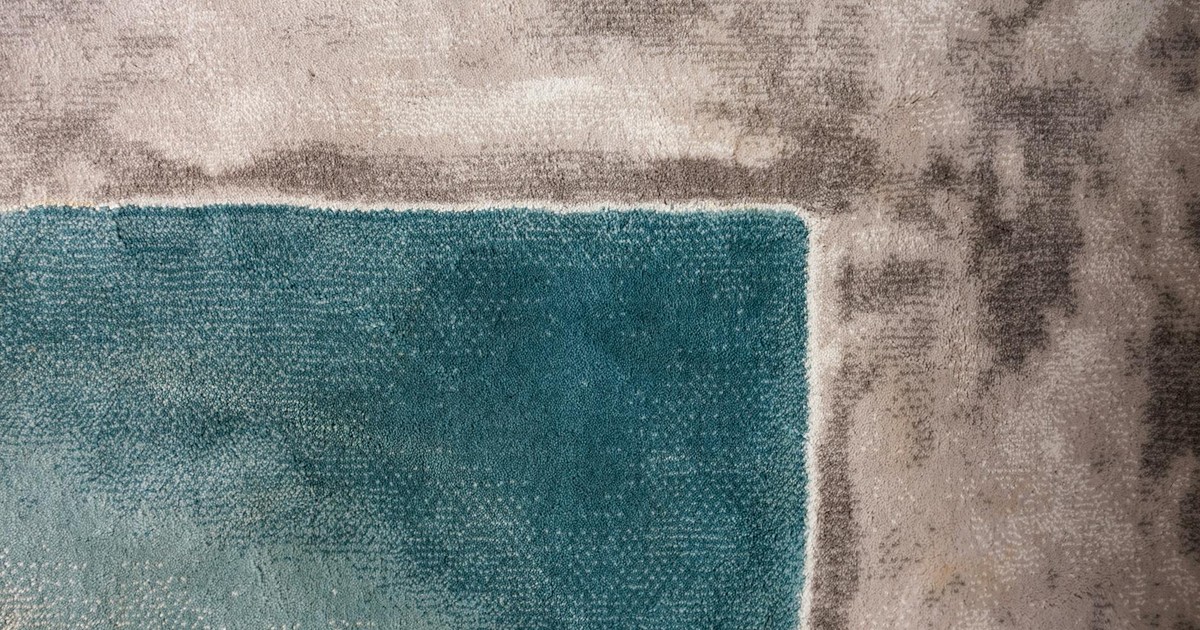
Disinfecting wipes are designed for hard, nonporous surfaces. Soft ones like carpet and rugs absorb moisture and chemicals differently – and the results aren’t pretty. The ingredients in disinfecting wipes can cause skin irritation and may even lead to more staining of fabric. Disinfecting wipes can also discolor fabric surfaces, leaving dark spots where they were applied, or lighter areas if the wipes contain bleach.
Grabbing a disinfecting wipe to remove a carpet stain probably won’t even work – because that’s not what it was designed for. The wipe moves grime around more than it lifts it, and the chemical residue left behind in the fibers can attract more dirt over time. For carpet spills, blot first with a clean cloth, then treat with a proper carpet stain remover.
12. Painted Walls and Furniture
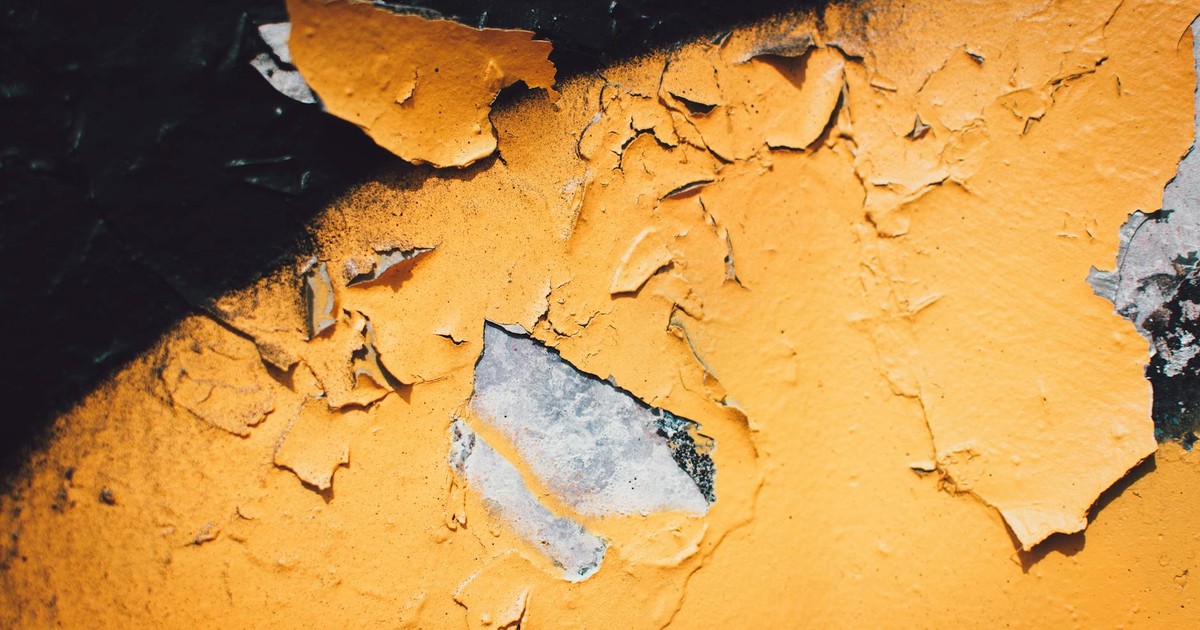
Disinfecting wipes used on painted walls or painted furniture can cause real problems for your paintwork, leaving behind shiny patches or subtle streak marks that show up in certain lighting. The solvents in the wipes interact with latex and water-based paint finishes, partially dissolving the surface layer.
This is especially relevant in homes with children, where walls get touched constantly and the instinct is to grab a wipe and clean the smudge. A damp cloth with a tiny drop of dish soap is more than adequate for painted walls, and it won’t degrade the finish.
13. Dishes, Glasses, and Cutlery
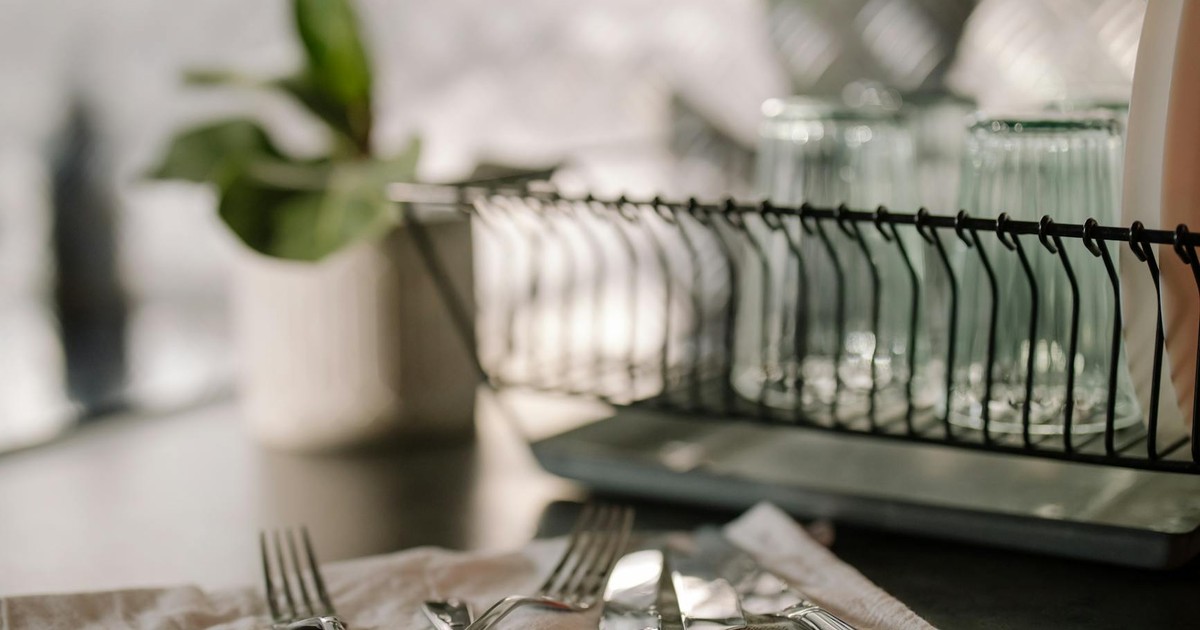
It feels logical to wipe down a glass or fork with a disinfecting wipe when you’re in a hurry. Don’t. Disinfecting wipes can clean dishes, but they leave chemical residues that are dangerous to ingest – they should never be used on items that will be used to serve food or beverages.
Ingestion is a real route of exposure to quaternary ammonium compounds – after a surface has been disinfected with a quat-based cleaner, residues can remain and ultimately travel to food. Food-prep surfaces and related items should be washed with hot, soapy water and then sanitized with a food-safe solution. Most dishwashers with a hot setting do an excellent job of sanitizing dishes without any chemical residue risk.
14. Pets and Their Bowls
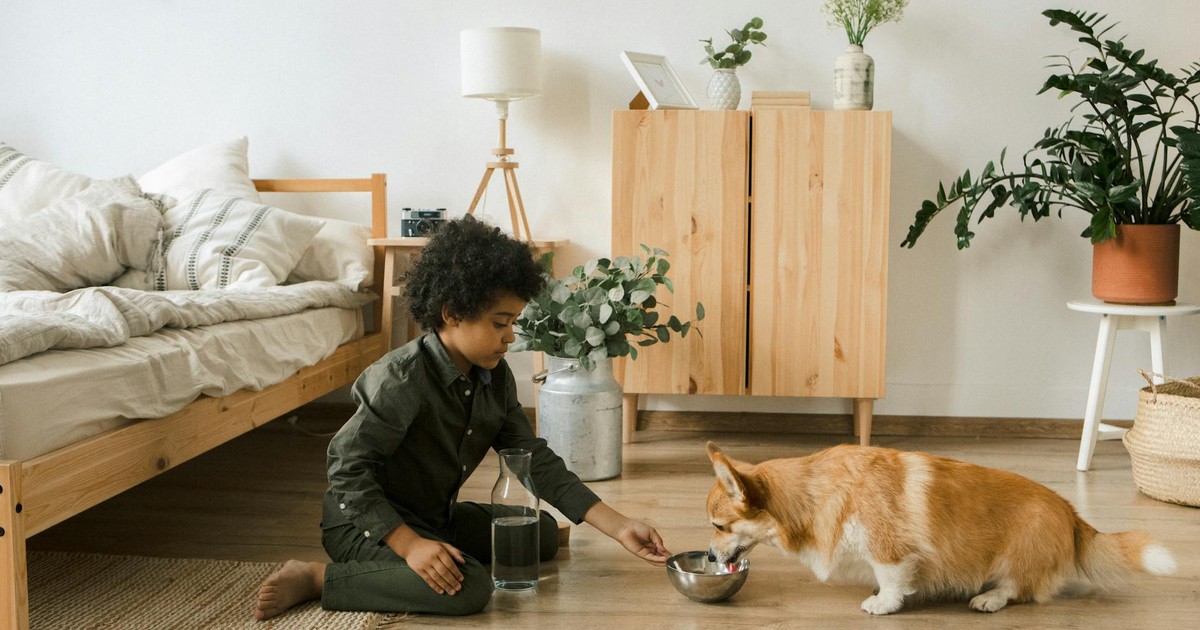
The ingredients that make disinfectants effective – alcohol, bleach, hydrogen peroxide, and compounds containing phenol – are toxic for companion animals. The chemicals that are relatively safe for brief human skin contact can be genuinely harmful to animals, who are likely to groom themselves afterward and ingest whatever’s on their fur. Phenol, found in some disinfecting wipes and floor cleaners, is highly toxic to cats – the CDC recommends avoiding cleaners with this ingredient entirely in homes with cats.
The same caution extends to pet food and water bowls. Just as disinfecting wipes aren’t safe for your own dishes, they’re not safe for your pet’s dishes either. For hard items like bowls, the CDC recommends cleaning first using soapy water, then disinfecting using an appropriate product with full instructions followed – and allowing items to dry fully before pets use them. Hot soapy water, followed by thorough rinsing and complete drying, is the safest everyday routine for pet bowls.
Read More: Cleaning Products You Should Never Mix Under Any Circumstance
The Wipes Are Still Useful – Just Not Universal
None of this means disinfecting wipes belong in the trash. They’re genuinely useful on high-touch hard surfaces like door knobs and light switches – places where nonporous materials can handle the chemical contact and where germ loads are highest. The problem isn’t the product. It’s the assumption that something this convenient must be safe everywhere.
The CDC recommends treating cleaning and disinfecting as two separate tasks: cleaning removes dirt and most germs with soap and water, while disinfecting kills what’s left behind. For most surfaces in a healthy home, cleaning alone is sufficient. Disinfecting is the step up you bring in during illness, not the default for every countertop and surface you encounter on a Tuesday.
The real takeaway from this list is simpler than any individual item on it: when a surface has a protective coating, a finish, a seasoning, or a sealant, a disinfecting wipe will very likely degrade it over time. Check the label on your wipes – it will often tell you which surfaces to avoid. And when in doubt, warm water and dish soap handle far more than most people give them credit for.
AI Disclaimer: This article was created with the assistance of AI tools and reviewed by a human editor.