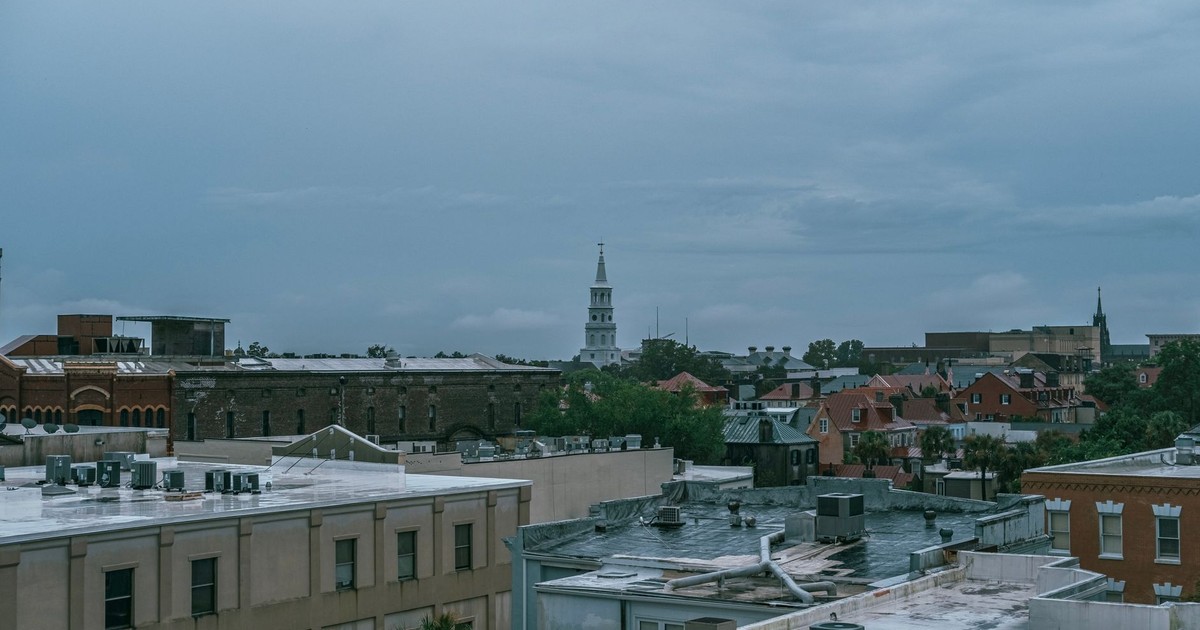

The decision to pack up and move somewhere new is rarely just about the house. It’s the light, the affordability, the fresh start, the Instagram-worthy winters that don’t feel like winters. What the moving trucks don’t carry is the full picture of where you’re actually landing – and for hundreds of thousands of Americans who’ve relocated to some of the country’s most attractive cities over the past decade, that missing piece has arrived in the form of floods, wildfires, and storms with enough force to flatten a neighborhood in an afternoon.
Americans are increasingly moving to disaster-prone areas, a trend that accelerated during the pandemic as remote work freed people to chase cheaper housing and different lifestyles. The pull of sun, space, and lower cost of living is real. So, increasingly, is the aftermath.
The cities below are among the most popular U.S. relocation destinations of the past decade. They’re also cities where the natural disaster reality has a way of introducing itself, loudly, after the boxes are unpacked.
1. Miami, Florida
The pitch for Miami is obvious: year-round warmth, a booming job market, a skyline that keeps getting taller, and a cultural energy that few American cities can match. The Miami area population grew by more than 660,000 people from 2010 to 2020, more than any other Florida metropolis and nearly twice the growth of Tampa-St. Petersburg. People arrive expecting the postcard. What a lot of them get, sooner or later, is the flood.
Miami’s average elevation is just six feet – the same amount of sea-level rise projected for Southeast Florida by end of century. The ocean has already risen about six inches since 2000. The city is simultaneously sinking, sitting on porous limestone rock that engineers have likened to Swiss cheese, meaning water seeps easily from underground. These conditions compound flooding from rising seas, storm surge, torrential rain, and the periodic exceptionally high tides known as “king tides.”
The frequency of flooding from those high tides – so-called “sunny day” flooding – is up over 400% in Miami Beach since 2006. That means streets going under on perfectly clear afternoons, businesses mopping up without a storm in sight, and homeowners watching their ground floors fill with water after nothing more dramatic than a high tide. Florida homeowners shouldered a 45% increase in insurance rates between 2017 and 2022, and the average annual premium now sits at around $5,500 – roughly 140% higher than the typical U.S. homeowner’s cost, according to a 2024 CBS News report. For cities and natural disasters, Miami is about as close to ground zero as it gets.
2. Tampa, Florida
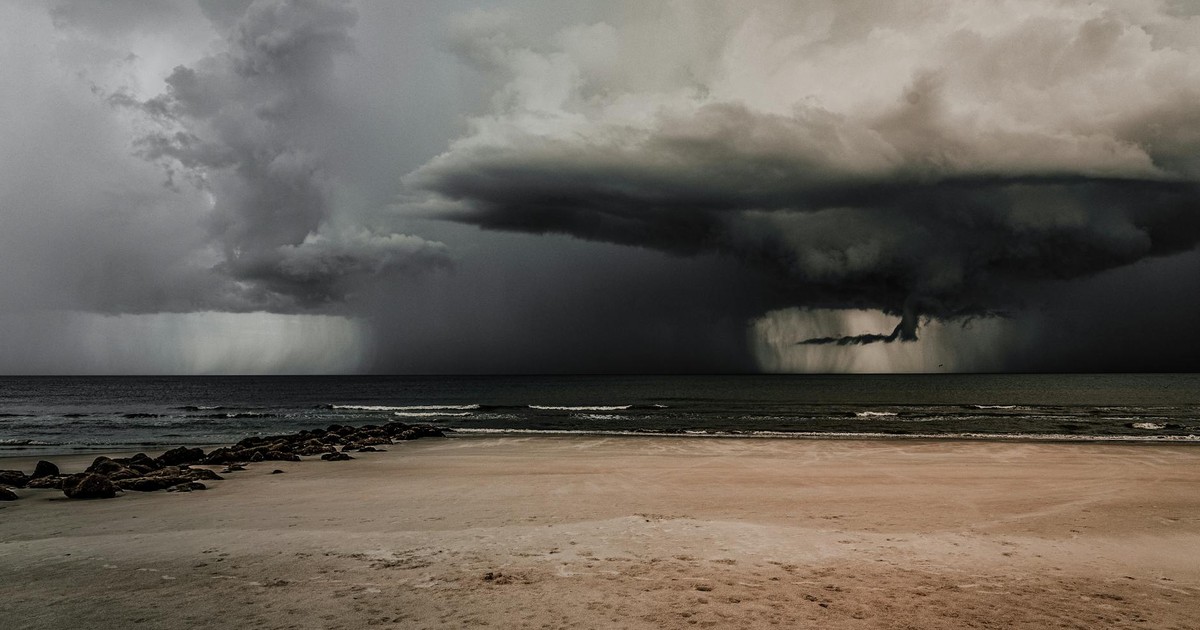
Tampa spent years being somewhat overshadowed by Miami – cheaper, calmer, without quite the same international profile. That made it enormously attractive to relocating families, retirees, and remote workers. The Tampa-St. Petersburg metro area has grown by 39% since 2000, adding more than one million additional residents during that time. The bay views, the affordable real estate, the warm winters – it all checked out. Then came October 2024.
Hurricane Milton, a powerful Category 4 storm, struck the Tampa region in October 2024, representing the second storm within weeks to damage the area. Many residents evacuated, leading to clogged roads and emptied gas stations. Helene had already delivered six feet of surge to St. Petersburg just days before Milton arrived. Tampa had been considered relatively safe from major storms, but that reality is changing – it now stands as a cautionary example of what happens when risk is underestimated in a fast-growing city.
The insurance situation in Tampa mirrors, and in some ways exceeds, the broader Florida crisis. In fourteen major metros across Louisiana, Florida, South Carolina, and Texas – including Tampa – every single home is exposed to severe or extreme risk of wind damage, according to a 2025 Realtor.com analysis. Florida cities dominate the list of expensive insurance markets, with Tampa ranking among the top ten most expensive in the nation. The math for new arrivals can be brutal: an affordable purchase price on paper, with insurance costs that make the monthly outlay far less affordable in practice.
3. Asheville, North Carolina
Asheville built its modern reputation on mountain beauty, an exceptional arts scene, a food culture punching well above its size, and a sense that it occupied a geography somehow apart from the coastal chaos that haunted Florida or the wildfire zones of the West. It became a magnet for retirees, remote workers, and anyone fleeing the noise and cost of larger cities. Asheville’s population increased by 13% since 2000, drawing retirees, remote workers, and professionals pursuing what was widely rated as a high quality of life in the southern Appalachians.
According to NOAA Climate.gov, Hurricane Helene’s most severe impacts came from historic rainfall – up to 30+ inches – and flooding across much of western North Carolina, with a damaged railroad bridge and mud-covered streets in Asheville following flooding on the Swannanoa River. The flooding eclipsed the region’s previous worst flood on record, set in 1916.
Many people in remote areas were cut off due to landslides, fallen trees, and debris flows, which destroyed numerous roads and bridges in many smaller mountain communities. Many residents did not have access to clean water or electricity for a long period of time after Helene’s passage. Asheville wasn’t on anyone’s list of cities at serious natural disaster risk. That’s precisely the point: climate disasters are now hitting regions that haven’t historically been considered high-risk.
4. New Orleans, Louisiana
New Orleans occupies a peculiar position in any conversation about cities and natural disasters. Everyone knows the story – Katrina, 2005, levees, devastation. And yet the city has continued drawing new residents for its unmatched culture, music, food, and a cost of living that still looks attractive compared to coastal metros in other states. After Hurricane Katrina in 2005, New Orleans saw pronounced out-migration, but research shows that people tend to discount past catastrophic events as the memory fades, and may put themselves in harm’s way again.
The structural reality hasn’t changed. New Orleans shows one of the highest shares of homes exposed to flood risk relative to overall property value of any metro in the country. Much of the city sits below sea level, held back by a levee system that has been upgraded since Katrina but remains tested every significant storm season. The subsidence – the gradual sinking of land – continues, and the Gulf of Mexico’s water temperatures have risen alongside global averages, feeding stronger storms that reach the Louisiana coast with more force than they did a generation ago.
New Orleans insurance costs rank among the highest in the nation, with homeowners paying a rate of 3.6% of a home’s value annually in insurance premiums alone. That’s before flood insurance, which is almost always purchased separately and can add thousands more per year. For newcomers who arrived drawn by cheap housing and a vibrant street culture, the total cost of ownership in New Orleans often lands as a genuine shock – one that arrives with the first insurance renewal, not the first storm.
5. Houston, Texas
Houston is one of America’s great economic engines. The energy industry, the Texas Medical Center, a port that ranks among the busiest in the hemisphere, a cost of living that remains attractive relative to coastal peers – these things drive enormous in-migration year after year. The sprawl is immense, the population growth relentless. What Houston also has is a flood problem that defies easy solutions.
The city sits on flat, clay-heavy ground that drains poorly, crossed by bayous that can jump their banks in hours. Hurricane Harvey in 2017 dropped more than 60 inches of rain on parts of the region in four days. Even in non-hurricane years, Houston floods. The 2015 “Tax Day” flood, the “Memorial Day” flood of the same year – the city has become so accustomed to high-water events that locals name them after holidays.
A Realtor.com analysis found that all homes in Houston are classified as highly vulnerable to climate-related damage – among a small group of metros where this is true of every single property. That’s not a percentage. It’s the whole city. Texas also lacks the statewide building codes that some other states use to mandate flood-resistant construction, which means homes in many Houston neighborhoods were simply not built to withstand what the region now routinely delivers.
6. Los Angeles, California
Los Angeles has always drawn people the way few cities on earth can. The entertainment industry, the beaches, the near-permanent warmth, a diversity of neighborhoods that can absorb almost any lifestyle. It is also, as January 2025 made unmistakably clear, a city that sits inside one of the most fire-prone environments in the world.
The January 2025 Los Angeles wildfires were the costliest single weather event of 2025 and the costliest wildfire on record in U.S. history, causing $61.2 billion in damages – roughly twice as costly as the previous record wildfire, according to Climate Central. The fires tore through the Pacific Palisades, Altadena, and surrounding communities with a speed that outpaced evacuation orders in some areas, destroying tens of thousands of structures. For people who had moved to those neighborhoods from other states, drawn by the climate and the culture, the fires were a collision with a reality that had been easy to rationalize from a distance.
California holds approximately $3.4 trillion in wildfire-exposed property value with Los Angeles and Riverside as the primary hotspots. The insurance crisis tied to that risk is severe. Major insurers have been withdrawing from California markets for years, and those who haven’t are charging premiums that have made coastal and hillside living financially brutal. For residents rebuilding after 2025, the prospect of finding affordable insurance at all has become one of the most pressing post-disaster questions.
7. Phoenix, Arizona
Phoenix offers a deal that’s hard to argue with on the surface: abundant sunshine, no state income tax for retirees on Social Security, a booming jobs market in technology and finance, and housing prices that, while rising, have long undercut coastal alternatives. It has been one of the fastest-growing cities in the United States for over a decade. What’s baked into that deal, less visibly, is a city that sits in a desert that is getting hotter and drier, with a water supply that depends on a river system under serious strain.
Phoenix’s primary natural disaster risk is extreme heat, which killed a record number of Maricopa County residents in recent years. In 2023, Maricopa County recorded 645 heat-related deaths, the highest on record at the time. The city also faces flooding risk from the violent summer monsoon season, when desert soil that can’t absorb water quickly turns streets into rivers – sometimes within minutes. The storms arrive fast, dump enormous volumes of rain, and drain away leaving behind stranded vehicles and damaged infrastructure. Phoenix also sits in a region where dust storms, known locally as haboobs, reduce visibility to near zero and damage property routinely.
Beyond the immediate disaster risks, Phoenix faces a longer-term reckoning with water. The Colorado River, which supplies much of the region’s water, has been shrinking for years. Reservoir levels at Lake Mead have dropped to historic lows in recent years, triggering federal water delivery cuts that directly affect Arizona. People who moved to Phoenix for affordability now find themselves in a city whose long-term water security is a genuine and unresolved question – and that’s a different kind of disaster playing out on a slower schedule.
8. Cape Coral, Florida
Cape Coral sits on the Gulf Coast of Southwest Florida, a city built on a canal system that gives thousands of homes direct water access and delivers the boating lifestyle that drives enormous in-migration from colder northern states. It has ranked among the fastest-growing cities in the country for several years running. The appeal is obvious from the water: warm evenings, manatees in the canal out back, and a price point for waterfront living that would be laughable in New England.
Hurricane Ian made landfall near Fort Myers in September 2022 as a Category 4 storm, one of the most powerful to ever hit Southwest Florida. Cape Coral took a direct hit. Cape Coral ranks among the most expensive insurance markets in the country, with homeowners paying a premium-to-property-value ratio of 2.2% annually. After Ian, many residents returned to find their homes unsalvageable – and then discovered that their insurance policies, after deductibles and wind-versus-flood coverage disputes, covered far less of the damage than they had assumed.
The rebuilding continued through 2023 and 2024, and new residents kept arriving. The canal system is beautiful. It also makes the city exceptionally vulnerable to storm surge, the wall of ocean water pushed inland by hurricanes, which caused the majority of Ian’s destruction. In a city where a significant portion of the housing stock sits at or near water level and is connected to the Gulf by canals with no natural barrier, storm surge doesn’t have far to travel. Many of those who rebuilt after Ian are now paying insurance premiums that run well into five figures annually – if they can get coverage at all.
9. Charleston, South Carolina
Charleston is one of the most photographed cities in the American South: antebellum architecture, cobblestone streets, an extraordinary food culture, and a historic harbor that makes for one of the most pleasant urban waterfronts in the country. It has drawn transplants from across the Northeast and Midwest, retirees seeking a slower pace and a gentler climate, and remote workers who discovered they could live well there for considerably less than they’d pay in Boston or Washington. The city’s charm is genuine and deep.
So is its flooding. Charleston is one of the most chronically flooded cities in the United States, with tidal flooding affecting the historic downtown on dozens of days per year even without any storm. The city sits on a low-lying peninsula where two rivers meet the Atlantic, and sea level rise is accelerating the frequency and severity of these floods. The combination of extreme tides, heavy rainfall events, and the rare but recurring hurricane threat places Charleston in the same broad category as Miami and Tampa – coastal cities where the beauty of the location is inseparable from its vulnerability. Data from 2025 shows that homes in Virginia Beach and the broader coastal Carolinas market are sitting on the market significantly longer than in prior years, a sign that buyers are beginning to price in the risk.
The hurricane risk for Charleston is real and historically documented. Hugo in 1989 caused catastrophic damage to the region, and while that’s decades ago, the combination of more intense storms and higher baseline sea levels means future storms arrive into a more vulnerable environment than Hugo found. New residents who moved to Charleston for the charm often discover, after their first serious flood event, that the city’s infrastructure – beautiful but old – is not built for the water volumes it now receives regularly.
10. San Francisco, California
San Francisco occupies a complicated position in any ranking of desirable American cities. It remains one of the most expensive cities in the country, it has faced significant outmigration in recent years over quality-of-life concerns, and yet it continues to draw new residents for its incomparable natural setting, the concentration of economic opportunity in the broader Bay Area, and a built environment unlike anywhere else in the United States. The disaster risks here are different from the hurricane and wildfire threats that define most of this list – though wildfire smoke from surrounding regions is a recurring reality. The primary threat in San Francisco is seismic.
The San Andreas Fault runs directly through the Bay Area. The 1906 earthquake remains one of the most destructive natural disasters in American history. A major earthquake on the scale of what geologists consider overdue could cause catastrophic damage to a city where much of the older building stock was constructed before modern seismic codes. A 2025 analysis found that San Francisco carries a $54.9 billion vulnerability gap between its insured property value and its actual flood and climate-related risk – the third-largest such gap of any U.S. city. That figure doesn’t fully account for earthquake damage, which is typically excluded from standard homeowner’s insurance and requires separate coverage that many residents don’t carry.
For people who moved to San Francisco or the surrounding Bay Area from flat, inland states, the concept of catastrophic earthquake risk can feel abstract in a way that a hurricane or wildfire doesn’t. But the probability is well-documented, the potential impact is enormous, and the gap between what residents assume their insurance covers and what it actually covers is, in the Bay Area, one of the largest in the country.
The Part Nobody Puts in the Moving Budget
The pattern running through every city on this list is the same: people moved toward beauty, affordability, warmth, or opportunity – all legitimate reasons – and the disaster risk either wasn’t visible at first or felt manageable enough to accept. Then something arrived that made the tradeoff concrete. A flooded living room. An evacuation order with two hours’ notice. An insurance bill that rewrote the monthly budget.
Many desirable destinations that draw Americans away from expensive metros are closer to natural amenities – and natural amenities are often associated with environmental risks such as flooding and wildfires, according to Freddie Mac research. Moving closer to those amenities can mean increased exposure to various natural hazards. People may be unaware of these hazards when they move, but they become obvious after disaster strikes. That’s not an indictment of anyone who made these moves. It’s a description of how the information was structured – and how it’s changing.
According to Climate Central, 2025 ranks as the third-highest year on record for billion-dollar weather and climate disasters, with 23 such events costing a combined $115 billion in damages. The frequency is accelerating. The damage totals are rising. And the cities at the top of everyone’s relocation wish list remain, in many cases, the cities sitting most directly in the path of what’s coming. None of that makes moving to Miami or Tampa or Asheville a mistake – but it does make going in with eyes open less optional than it used to be.
The insurance bill is often the first honest conversation people have with the place they moved to. Not the realtor, not the neighborhood Facebook group – the renewal notice that shows up eighteen months after closing. That’s where the actual cost of living in these cities gets disclosed, in plain numbers, with no filters. And for a growing number of people who made the move and then got the bill, the regret isn’t about the city itself. It’s about the information they didn’t have when it mattered.
AI Disclaimer: This article was created with the assistance of AI tools and reviewed by a human editor.