

Most people think frugality is about sacrifice. About clipping coupons, eating sad sandwiches at a desk, and refusing to enjoy anything that costs money. But that’s not really how it works. People who are genuinely good with money don’t feel deprived. They’ve just made peace with a different set of priorities, and somewhere along the way, they stopped buying things that used to seem totally normal.
It’s not about cutting everything that brings pleasure. Truly frugal people have identified the purchases that deliver almost no real value relative to their cost, and they’ve stopped making them. Some of these are obvious. A few will catch you off guard. And at least one will make you look at your monthly bank statement differently.
Here are 16 things frugal people never buy, and why those decisions add up to something significant.
Brand-New Cars Off the Lot

A new car loses somewhere between 15% and 25% of its value the moment it leaves the dealership. Frugal people understand this and refuse to absorb that loss. They let someone else take the depreciation hit and buy a reliable used vehicle instead.
In 2025, the average three-year-old vehicle cost roughly $31,216. Buying used saves you the massive initial loss while still getting you a car with modern safety features and solid reliability. The math is hard to argue with: pay considerably less, get nearly the same vehicle.
What frugal people actually look for in a used car isn’t the cheapest option on the lot. It’s a model with a solid repair record, low mileage relative to its age, and enough remaining life to justify the purchase. They’ll read owner forums, run a vehicle history report, and have a mechanic inspect it before signing anything. They treat buying a used car the way most people treat buying a house – with due diligence – because to them, it’s the same category of decision.
2. Things Frugal People Never Buy: Extended Warranties
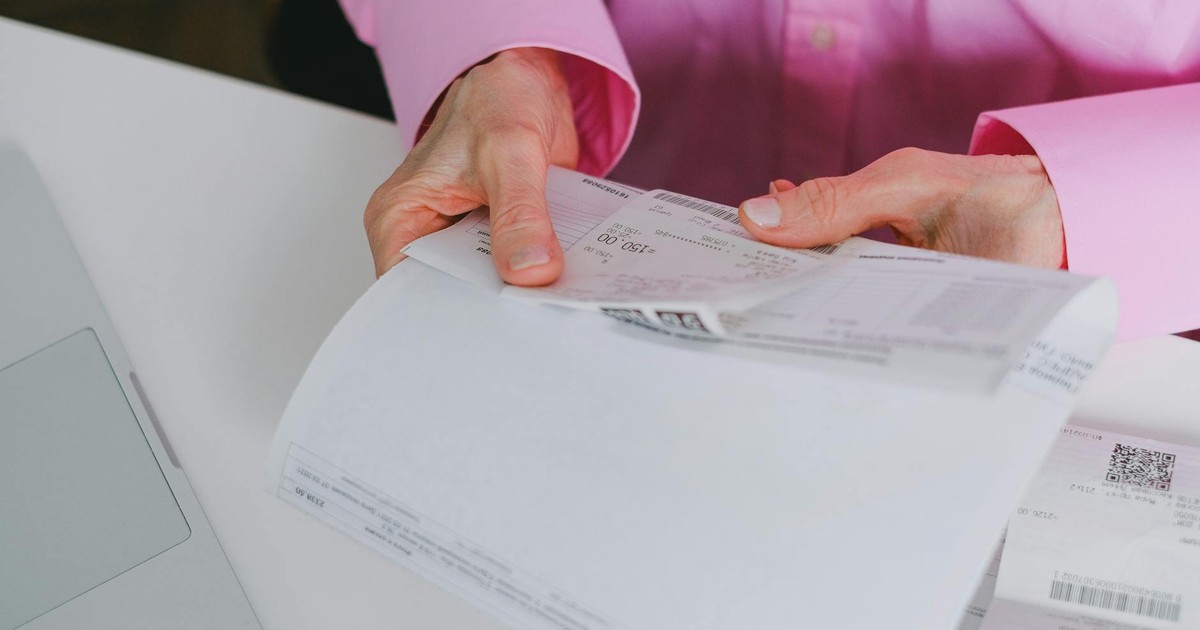
You’ve been at the checkout, and someone has offered you a protection plan. It sounds reasonable in the moment. The thing is, whether it’s at the checkout counter for a $40 blender or the finance office for a $30,000 car, the extended warranty is a high-margin product for the seller, not a benefit for you. According to Warranty Week’s 2025 annual report, U.S.-based manufacturers paid out $29.176 billion in warranty claims in 2024 – but they held a collective $60.839 billion in reserves. The entire industry is built on the statistical probability that you’ll never use the coverage.
Frugal people skip the warranty and self-insure instead. They take the money they would have spent on the warranty and put it in a high-yield savings account. If the item breaks, they have the cash. If it doesn’t – which is likely – they keep the money. That’s not pessimism. That’s just knowing how the odds work.
Over a lifetime of purchases, this habit compounds. The refrigerator warranty you passed on. The laptop protection plan. The extended coverage on the dishwasher. Each one is a small refusal that adds up to hundreds, sometimes thousands, of dollars sitting in your account instead of a retailer’s.
3. Bottled Water

Bottled water costs approximately 2,000 times more than tap water. For a family of four, relying on it can drain over $1,000 from the household budget annually. And a 2024 study from Columbia University and Rutgers University, published in the Proceedings of the National Academy of Sciences, found an average of 240,000 plastic fragments in a single liter of bottled water. So you’re paying a significant premium for something that is, by most measures, worse for you than what comes out of your tap.
Frugal people solved this a long time ago. A quality water filter pitcher costs around $30 and handles hundreds of liters before the filter needs replacing. An under-sink filter system costs more upfront but lasts years. Either way, the investment pays for itself within weeks.
The bigger point here isn’t just the money. It’s the mindset. Bottled water is one of the clearest examples of a convenience purchase that became so normalized it stopped feeling like a choice. Frugal people reverse that. They question the normalized expense, find a better solution once, and never spend that money again.
4. Food Delivery Apps
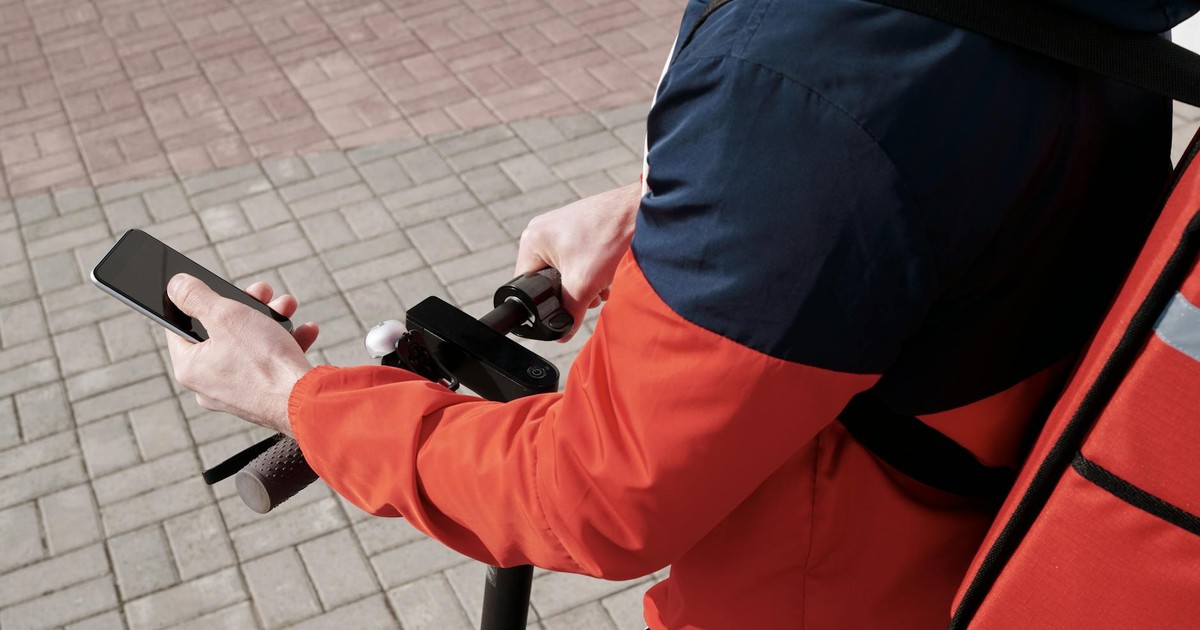
The laziness premium on food delivery is staggering. Between menu markups, service fees, delivery fees, and tips, ordering a meal through an app can result in an 80% markup over the in-store price. Compared to cooking at home, delivery is over 600% more expensive.
That stat tends to hit differently when you’re staring down a $38 total for a meal that would have cost $12 at the restaurant directly. Frugal people haven’t sworn off restaurants. They’ve just cut out the middleman. They pick up food themselves when they want something they haven’t cooked, or they delete the apps entirely and cook the same five reliable weeknight meals on rotation.
The psychological trick with food delivery is that it feels like a small decision in the moment. You’re tired. It’s Tuesday. Twenty-five dollars seems fine. But if you’re ordering three or four times a week, that’s easily $300 to $400 a month – and for most people, it’s money leaving quietly enough that they barely notice until they do the math.
5. Lottery Tickets

Lottery tickets are one of the most prominent things frugal people won’t buy. Scratch cards, lottery tickets, and other gambling-adjacent purchases are a reliable way to waste money. The odds of winning a Powerball jackpot are nearly 1 in 300 million.
Frugal people treat money spent on lottery tickets the same way they’d treat money lit on fire. The only difference is that fire at least produces heat. They understand that the lottery is a tax on hope, and while the occasional ticket might feel harmless, the habit of buying one regularly – at $2 or $5 a week – is just slow, invisible waste.
What they do instead is invest that money, even if the amounts are small. At a 7% average annual return over 30 years, $10 a week becomes roughly $49,000. That’s not as exciting as the fantasy of winning, but it’s real money.
6. Cable TV Subscriptions
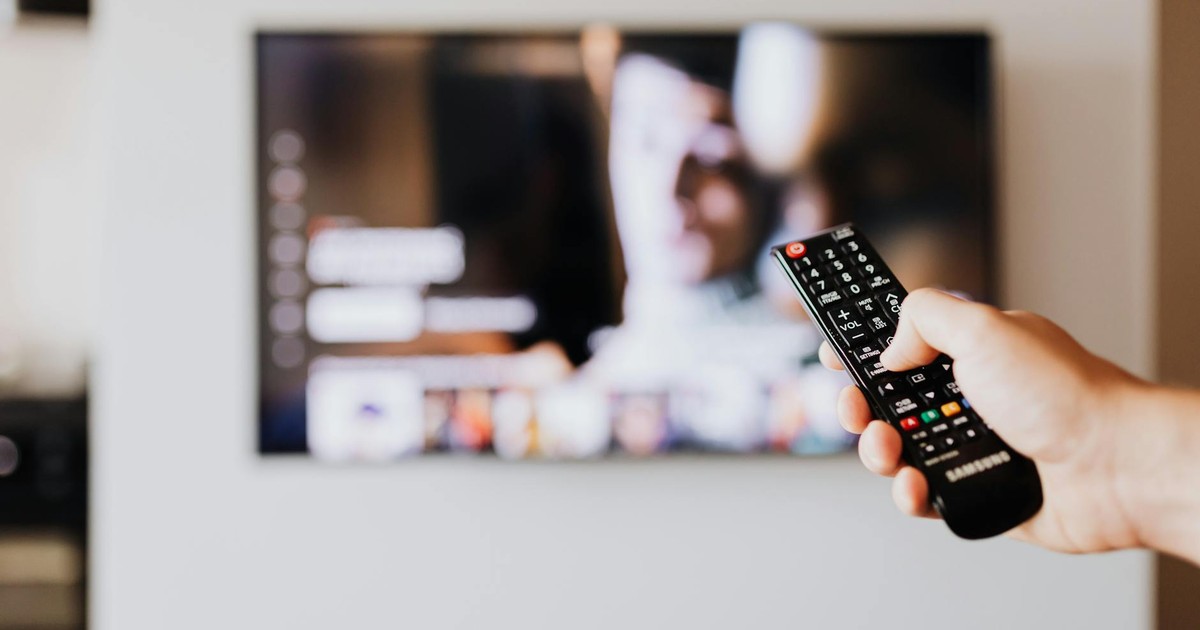
Frugal people understand there’s no reason to pay for a full cable subscription when cheaper alternatives exist. Cord-cutting has been on the rise for over a decade. According to Statista’s pay TV penetration data, cable and satellite TV penetration in the U.S. has dropped from 88% in 2010 to 64% – and the trend is accelerating. As of 2026, major providers have lost millions more subscribers, pushing that rate below 50%.
The economics of cable have never made less sense than they do right now. You’re paying for 500 channels to watch the same 12. Frugal people make the cut and build a custom streaming setup instead – usually one or two services that rotate based on what they’re actually watching, dropped and restarted as needed. The annual savings compared to a full cable package are significant, with cord-cutters saving an average of $90 a month by canceling.
What often surprises people making this switch is how little they miss. The friction of cable, the bundled cost of things you never wanted, the constant price creep – it’s all easy to forget. And most libraries now offer free streaming services like Kanopy and Hoopla, which means entertainment costs can get very low if you’re committed to it.
7. Name-Brand Groceries When Store Brands Are Identical

Frugal people prefer generic products over name brands at high premiums, because the quality is usually no different – all a premium buyer pays for is a logo. In the grocery store, this is especially true. Store-brand pasta, canned tomatoes, flour, sugar, rice, oats, frozen vegetables – in most cases, the ingredient list is identical to the premium version, sometimes made by the same manufacturer.
The frugal shopper’s trick is knowing which categories reward brand loyalty and which don’t. Medications are a good example – generic versions contain the same active ingredients as their branded equivalents, just at a fraction of the cost. Over-the-counter pain relievers, antihistamines, antacids – all fair game for the store brand swap.
Where frugal people don’t apply this logic is in categories where quality actually varies. A $3 kitchen knife and a $30 one are not the same. A $5 pair of running shoes is not the same as a properly fitted pair. The skill is knowing the difference, and applying skepticism only where it’s warranted.
8. Impulse Buys Without a Waiting Period

Frugal people don’t trust their in-the-moment selves with purchase decisions. They’ve developed a simple rule: wait. Frugal people eliminate the chance of buying things on a whim by planning shopping trips and sticking to a list. They read up on products, look at reviews, and wait for sales. By refusing to make quick purchases influenced by marketing techniques, they spend much more wisely.
In practice, this looks like leaving items in an online cart for 48 to 72 hours before buying. It looks like walking out of a store and thinking about a purchase overnight. It looks like a rule that anything over $100 requires three days of consideration before money changes hands.
Most impulse purchases feel urgent in the moment because they’re designed to. Retailers spend significant resources engineering the feeling that you need to act now. The waiting period is how frugal people break that spell. More often than not, the desire fades. The item is still there if it doesn’t. Either way, they’ve made a deliberate choice instead of a reactive one.
9. Timeshares

The real killer with timeshares isn’t the upfront cost, but the maintenance fees, which never end. In 2024, the average annual maintenance fee was $1,480, and these fees historically rise faster than inflation, often increasing 5% to 10% every single year.
Frugal people avoid timeshares completely, not because they don’t like vacations, but because they’ve done the math. The flexibility you give up, the fees you take on permanently, and the near-impossibility of selling or exiting the contract make timeshares one of the worst financial commitments a person can make.
The alternative is booking what you want, when you want, where you want. Hotels, short-term rentals, or staying with family – all of it is cheaper and more flexible than a timeshare contract that follows you indefinitely. Frugal people are particularly immune to the high-pressure sales tactics that typically accompany timeshare pitches, because they’ve already decided the answer is no before they sit down.
10. Credit Card Interest
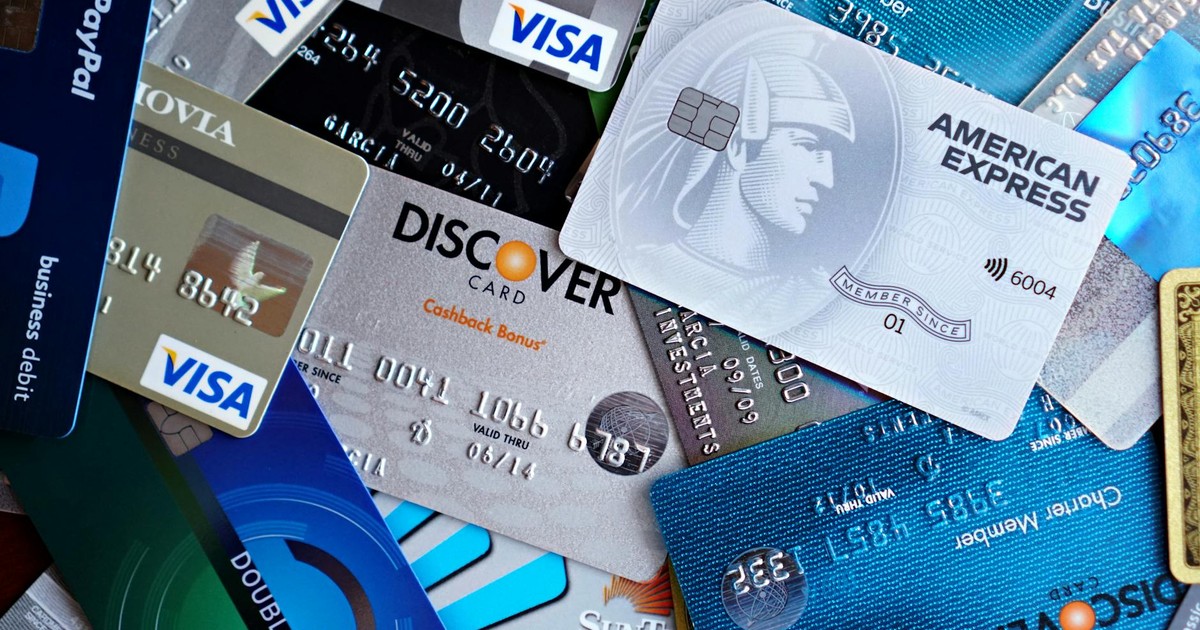
Frugal people use credit cards for the rewards, not the loans. With interest rates still near historically elevated levels, carrying a balance is a financial emergency. Bankrate’s current rate data shows the average credit card interest rate sitting at 19.57% in May 2026, down from a record high of 20.79% in 2024 – but still far above where rates were just a few years ago.
Paying close to 20% interest on a grocery purchase made six weeks ago is one of the most expensive things a person can do with money. Frugal people understand credit cards as a tool – useful for the cashback, the purchase protection, and the rewards points – but only if the balance is paid in full every single month. The moment you carry a balance, the card starts working against you.
This is one of those habits that separates people who appear frugal from people who actually are. Buying generic pasta and then paying high interest on a credit card balance is a wash at best. Getting the fundamentals right first – no interest charges, no late fees, no overdrafts – frees up far more money than any coupon strategy.
11. Out-of-Network ATM Fees
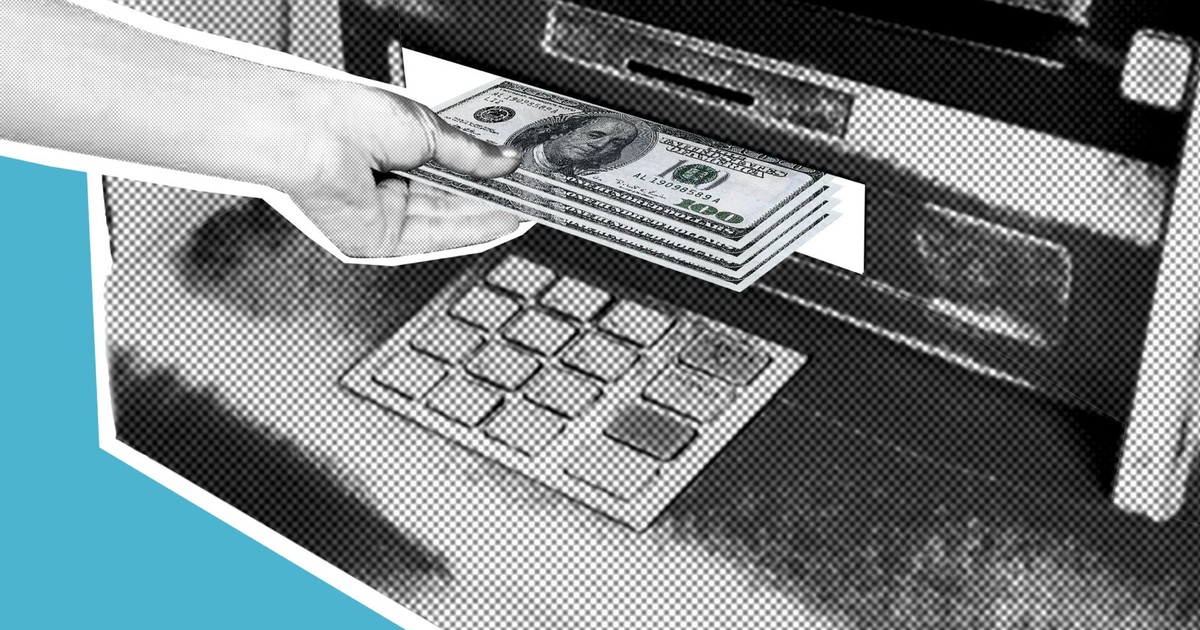
Bankrate’s 2025 Checking Account and ATM Fee Study found that the average out-of-network ATM fee hit a record high of $4.86 – the third consecutive year it has set a new record. That total comes from two charges: the ATM operator’s surcharge ($3.22 on average) and your own bank’s out-of-network fee ($1.64). You’re paying both, every time.
Frugal people find this genuinely offensive – not in an extreme way, but in the same way you might feel about tipping an automated kiosk. Getting cash back at the grocery store checkout costs nothing. Staying within your bank’s ATM network takes a minute of planning. Neither requires sacrifice. It just requires not giving money away for no reason.
At four or five ATM uses a month at $4.86 per transaction, that’s nearly $300 a year in fees for the privilege of accessing your own money. It’s one of the smallest adjustments on this list, and one of the easiest.
12. Self-Storage Units

In 2025, 1 in 3 Americans used self-storage, with the average unit costing around $180 per month. That’s over $2,100 a year to house items that, in many cases, are worth less than the annual rent. If you haven’t used an item in a year, you probably don’t need it.
Frugal people aren’t sentimental about possessions in a way that costs them money. They declutter aggressively, sell what they can, donate the rest, and refuse to pay rent on stuff that isn’t improving their lives. The storage unit has become so normalized in American life that people forget they’re paying a significant monthly sum for the privilege of not making a decision about their belongings.
The calculus here is worth doing explicitly. If you’re paying $180 a month to store items worth $2,000 in total, you’ve paid for those items in full within a year, and then continued to pay for them indefinitely. Selling them might net you $800. That’s still $800 you didn’t have, plus $180 a month back in your pocket.
13. Daily Café Coffee

The frugal person isn’t anti-coffee. They’re anti-paying $7 for something that costs $0.40 to make at home. One person noted that a $30 insulated mug saved them $250 in a single year, simply by making and carrying their own coffee instead of stopping at a café.
The math on daily café coffee is one of the most cited examples in personal finance because it genuinely illustrates how small repeated purchases compound. A $6 latte, five days a week, is $1,560 a year. A $7 bag of quality whole-bean coffee makes roughly 50 cups. The same quality of drink at home works out to about $0.40 per cup. Frugal people made this calculation once and never revisited it.
What makes this one interesting is that it’s not really about deprivation. Good home coffee, made well with decent equipment, is indistinguishable from café coffee for most people. The café version costs more because of the location, the branding, and the convenience – none of which affect what ends up in the cup.
14. Unused Subscription Services
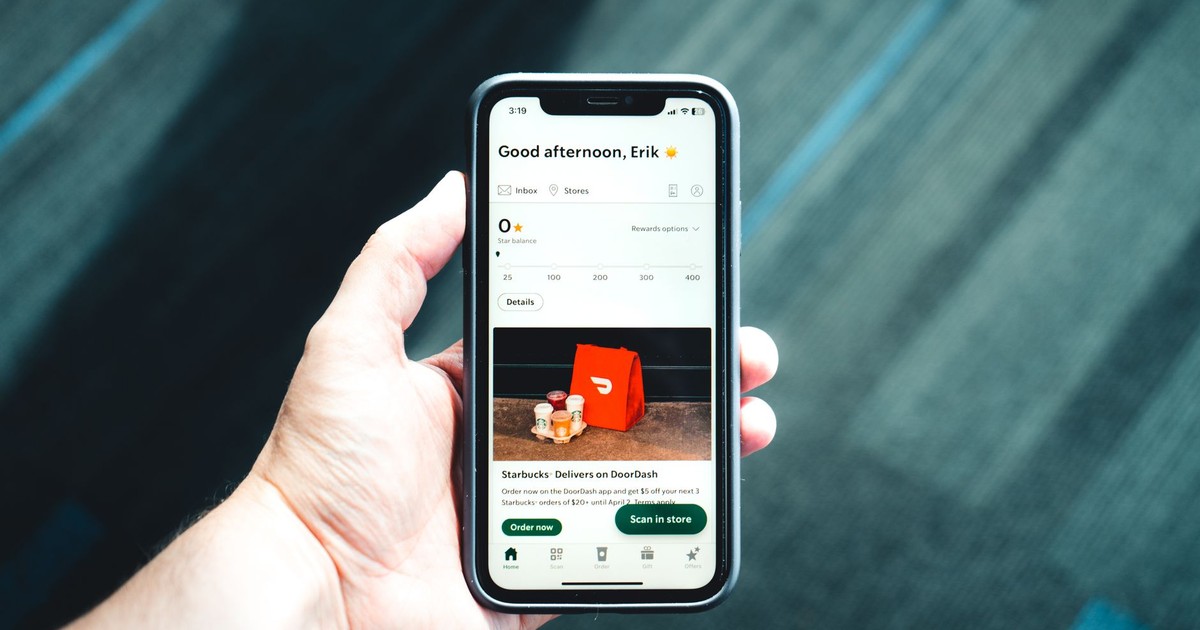
Recurring charges are one of the most common spending leaks. Common culprits include streaming services, gym memberships, and automatic renewals for apps or software you rarely use.
Frugal people audit their subscriptions regularly – at least twice a year – and cancel anything they can’t immediately justify. The problem with subscriptions is that they’re designed to feel small in isolation. $12.99 here. $9.99 there. $4.99 for the fitness app you opened twice in February. Individually, none of them feel like a problem. Together, they can easily total $150 to $200 a month in money you’ve automated away without realizing it.
The frugal approach isn’t to never subscribe to anything. It’s to treat subscriptions like recurring employees: periodically reviewed, and let go if they’re not earning their keep. Streaming services in particular get canceled after the show they signed up for is finished, and restarted when something worth watching appears.
15. Fast Fashion
Frugal people almost never buy cheap clothing that falls apart within a season. This one surprises people, because “cheap” sounds like it should appeal to someone watching their spending. But purchasing higher-quality clothing, furniture, and appliances often means they last longer, and replacing things less often means spending less in the long run. Rather than buying fast-fashion clothing that only lasts one season, buying well-made wardrobe staples that work across multiple seasons is more cost-effective.
You can spend $18 on a shirt that pills after eight washes, or $55 on one that looks the same after five years. The frugal calculation says buy the $55 shirt. Buy fewer of them. Wear them longer. The secondary market – thrift stores, secondhand apps, consignment shops – gives frugal shoppers access to quality pieces at fast-fashion prices, which is where most of them shop first.
The psychology of impulse shopping is worth understanding here, because fast fashion is one of its most effective delivery mechanisms. Low prices, constant new inventory, and trend-driven urgency are the whole business model. Frugal people recognize the mechanism and opt out.
16. Brand-New Tech at Launch Price

Frugal people never buy the latest tech at launch. They wait to purchase that new iPhone until the price comes down, enjoying it just as much as early adopters – but later, and at a significant saving.
Consumer electronics follow a reliable price curve: highest at launch, substantially lower within 12 to 18 months, and available secondhand for a fraction of that a year or two after release. Frugal people have internalized this curve and position themselves accordingly. They buy the previous generation, or the current generation after the next one has launched. The phone still makes calls. The laptop still runs software. The only thing missing is the novelty tax.
This habit extends beyond phones to every category of tech: laptops, televisions, gaming consoles, cameras, smart home devices. The frugal person’s rule is simple – let the early adopters beta-test the product, absorb the launch price, and complain about the bugs. Then step in when the price has dropped and the kinks have been worked out.
Read More: 7 Money Mistakes Older Americans Wish They Could Undo
What This Actually Adds Up To
None of these 16 things are particularly dramatic on their own. Skipping the extended warranty on your blender doesn’t change your life. But this is exactly how frugal people think about it – not as a single dramatic sacrifice, but as a set of positions they’ve taken and no longer need to revisit. Every decision on this list, made consistently, frees up money that goes somewhere else. The used car instead of the new one. The home coffee instead of the café. The generic acetaminophen instead of the branded version. It compounds.
In 2026, frugality might feel to some more like a survival strategy than a lifestyle choice. A recent survey by price comparison site Lenspricer found that people across the country are adopting what the survey called “broke behaviors” – from skipping delivery fees to delaying purchases – to cope with rising costs. But people who have been living this way for years weren’t caught off guard by any of it. The habits were already there. The decisions had already been made. That’s the real advantage of frugality – not the money saved in any given month, but the financial stability that comes from never having to scramble because you trained yourself not to spend money you didn’t need to spend.
Disclaimer: This information is not intended to be a substitute for professional medical advice, diagnosis, or treatment and is for information only. Always seek the advice of your physician or another qualified health provider with any questions about your medical condition and/or current medication. Do not disregard professional medical advice or delay seeking advice or treatment because of something you have read here.
AI Disclaimer: This article was created with the assistance of AI tools and reviewed by a human editor.