

Retirement was supposed to be the finish line. You spent decades imagining it: slower mornings, no alarm clock, the freedom to read a whole book in one sitting without feeling guilty about it. And then it arrived. And for a lot of people, something unexpected happened instead.
The days got longer in the wrong way. The golf course was fine, but it wasn’t enough. Or the money that was meant to stretch didn’t. Returning to work after retirement isn’t a failure of planning or a sign that something went wrong. For the millions of Americans now doing it, going back is often the most honest response to a set of realities they didn’t see coming until they were already living them.
In 2026, a growing wave of older Americans is doing exactly that – unretiring. The phenomenon has a name now, and real numbers behind it. The people driving those numbers aren’t coming back because they failed at retirement. They’re coming back because of specific, deeply personal truths about who they are and what they need. Here are ten of those truths.
1. The Cost of Living Caught Them Off Guard

The top reason older Americans give for returning to work after retirement is that the cost of living increased more than they expected. According to a February 2026 AARP survey, 7% of retirees have unretired in the past six months, with 48% saying their primary reason for returning to work is to make money – with the desire to stay active a distant second at just 14%. That’s not a small problem to paper over. It’s the difference between staying retired and making a phone call to an old employer.
The cost of retirement has been outpacing inflation, with expenditures among retirees from 2000 to 2023 rising at an annual rate of 3.6%, compared to 2.6% for inflation over the same period, according to the Goldman Sachs Asset Management 2025 Retirement Survey. What looked like a comfortable nest egg in the year they retired can look a lot thinner five or ten years later, when healthcare costs have climbed and the grocery bill keeps doing things nobody budgeted for. AARP’s Vice President of Financial Resilience Programming, Carly Roszkowski, put it plainly: “Basic expenses are the number one reason older adults continue to work or job-hunt,” adding that with the cost of living still high and many people worried they don’t have enough saved, the trend of older adults working longer will likely continue. The financial math simply changed while they were living their retirement, and going back to work is a practical response to an arithmetic problem.
2. Their Sense of Self Was Tied to Their Work

Ask someone what they do for a living and they’ll answer without thinking. Ask a newly retired person the same question six months in, and you’ll sometimes see them pause in a way that tells you everything. Research published in the Journal of Aging and Health in 2025 found that when retirees leave the workforce, they often experience a loss of identity tied to their job titles and responsibilities, and many miss the demands, challenges, and recognition associated with their work.
That shift is real and well-documented. The same research found that many retirees engage in post-retirement work specifically to strengthen and maintain their sense of identity, purpose, and structure, to feel a sense of fulfillment, and to engage in meaningful work in their daily lives. The job was never just a job for these people. It was a container for who they were. When it disappeared, so did a version of themselves they hadn’t realized they’d miss.
3. The Loneliness Surprised Them

Nobody retires expecting to feel isolated. Most people picture more time with family, more coffee with friends, more of the social life that work kept crowding out. What they sometimes find instead is that the social life they had was mostly work – and without it, the days get quieter than expected.
Retirement often leads to social isolation and loneliness, since workplaces provide a natural social environment, and many older retirees report struggling with social isolation and declining mental health because of their withdrawal from work. Many engage in post-retirement work specifically to feel part of a community and access social support from colleagues. The workplace, it turns out, was also a built-in social infrastructure. Returning to work after retirement is, for many people, the simplest way to rebuild it.
4. Boredom Hit Harder Than Expected

Boredom was the second most-cited reason for unretiring in the AARP 2026 research, cited by 15% of those who returned to the labor force in the winter 2025 wave. That number doesn’t capture the full picture. For decades, the fantasy of retirement involves an abundance of free time. The reality of that free time, for people who spent their whole adult lives being needed, challenged, and productive, can be harder to enjoy than they imagined.
Retirement isn’t a single event but a process, and people often go through multiple phases, including pre-retirement, transition, and adaptation, with disappointment and dissatisfaction arising in the second phase as people figure out what being retired actually means for them. For some, the solution isn’t a new hobby or a busier social calendar. It’s the satisfying friction of actual work: deadlines, decisions, problems to solve, results to see. The people who come back after boredom sets in aren’t failing to relax. They’re people for whom doing hard things was always how they felt most alive.
5. Their Savings Gap Was Bigger Than They Realized

Financial pressure doesn’t always show up all at once. For some retirees, it creeps in over years, as inflation quietly erodes purchasing power and unexpected costs – a medical bill, a home repair, a family situation that needed financial support – chip away at what looked like a solid cushion.
The National Council on Aging found in its analysis that 80% of households with older adults – or 47 million households – are financially struggling or at risk of falling into economic insecurity as they age, and 60% would be unable to afford even two years of in-home long-term care if they needed it. That’s not a statistic about people who didn’t try. It’s a statistic about how expensive and unpredictable a long life has become. Americans are entering what could be 30- to 40-year retirements with meaningful gaps in preparedness, particularly around care, health, and the costs that nobody saw coming. Returning to work isn’t a defeat in this context. It’s a rational recalibration in the face of genuinely difficult odds.
6. They Needed Purpose More Than Rest

Plenty of retirement planning accounts for income streams, healthcare costs, and the travel budget. What it often skips is the question of meaning. There’s a real difference between boredom and the need for purpose, and people sometimes confuse the two until they’ve been retired long enough to feel both.
Boredom is about having too much empty time. The need for purpose runs deeper than that. It’s about wanting to matter, to contribute, to still be building something. Work offers a sense of social role and identity, and is a recognized source of purpose – findings consistent across occupational science and psychology research. For people who spent decades being genuinely useful – solving problems, managing teams, creating things – leisure can feel like a placeholder. Returning to work, for these individuals, provides something leisure simply can’t replicate.
7. They Wanted to Pass On What They Know

Decades of experience in a field don’t just sit quietly in retirement. They’re restless. People who spent careers developing expertise often find that one of the most uncomfortable things about leaving work is the feeling that everything they learned is just sitting there, going nowhere. The knowledge doesn’t retire. Sometimes the person follows it back in.
Many returning retirees seek roles that put their experience to use for the benefit of others – as mentors, consultants, educators, or advisors. The research on identity and post-retirement work supports this: many retirees report engaging in post-retirement work to feel part of a community and to access the social support of colleagues, which is often exactly what mentorship and advisory roles provide. For these people, passing on what they know isn’t a sentimental gesture. It’s a natural extension of who they are.
8. Their Brain Told Them It Was Time to Go Back
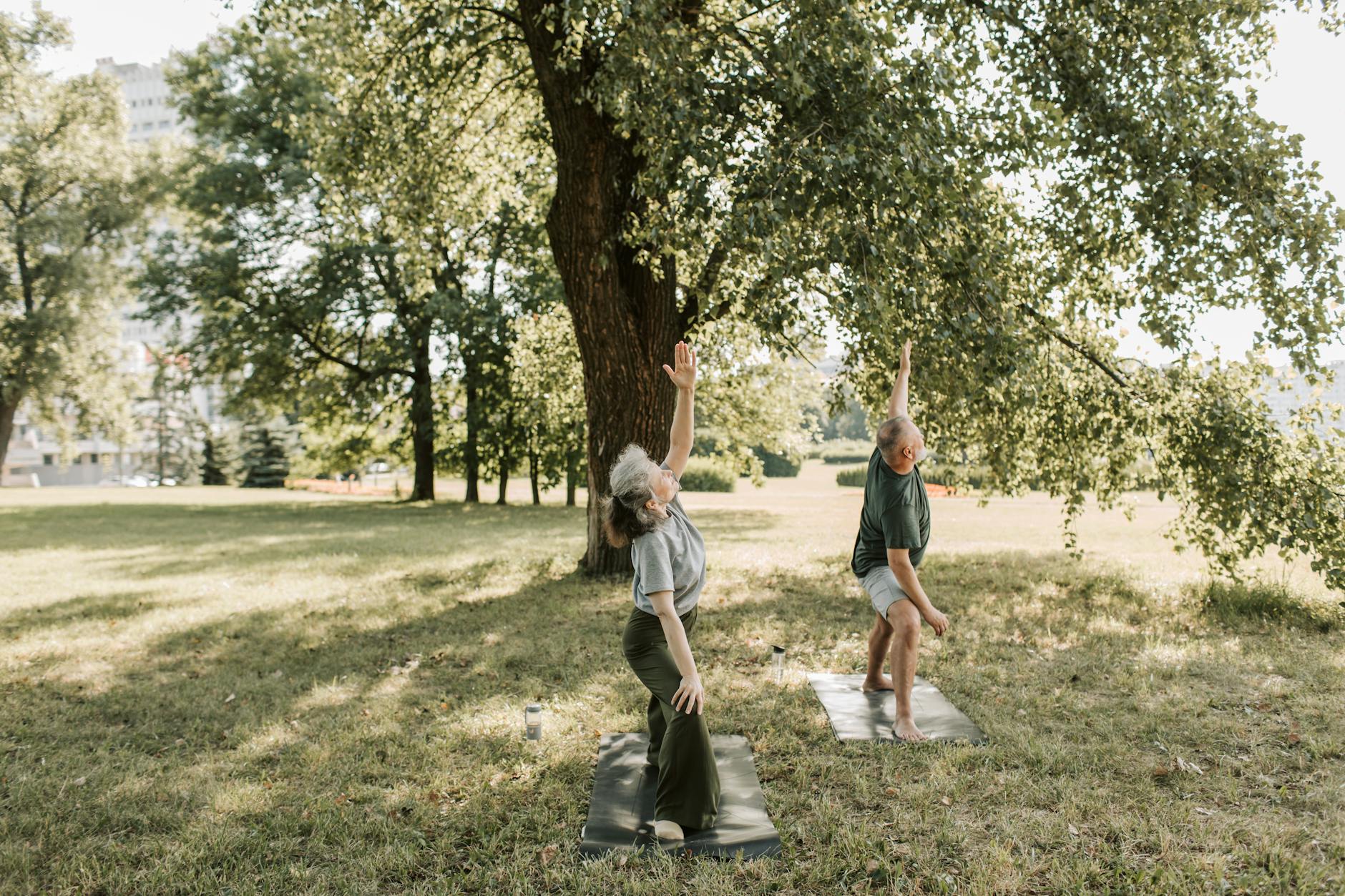
The “use it or lose it” principle for cognitive health is not just a motivational slogan. It has real research behind it. A systematic review of longitudinal studies on retirement and cognition found weak evidence that retirement accelerates the rate of cognitive decline in crystallized abilities, particularly for individuals retiring from jobs high in complexity and interaction with other people.
The practical implication is clear enough. People who are honest with themselves about what they felt like mentally in the first year of full retirement versus the last year of full work often notice a real difference. Going back isn’t just about money or identity. Sometimes it’s about keeping the mind engaged with problems that actually require effort.
9. They Wanted Flexible Work on Their Own Terms

The people returning to work after retirement are often not going back to the same 50-hour weeks. What they’re after isn’t the same deal they had before. It’s work on different terms, structured around their lives rather than the other way around.
Flexible arrangements – part-time hours, remote options, project-based consulting, phased re-entry – appeal strongly to people in this situation. The labor market has shifted enough that these options are increasingly available, particularly in healthcare, education, retail, and professional services. Jobs added in 2025 and early 2026 were concentrated in healthcare, retail, hospitality, and social assistance, fields that older Americans can enter with experience and maturity, and many of which rely on part-time workers – a good fit for seniors who want hours but not full-time commitments. Returning to work doesn’t have to look like work used to look. For many retirees, it’s something they’ve actually designed to fit who they are now.
Read More: How Social Connections Shape Your Health as You Age
10. They Understood, Finally, That Retirement Isn’t an Ending

The definition of retirement itself is shifting. A growing number of pre-retirees no longer see it as a clean stop to meaningful contribution, but as a transition into different work – fewer hours, more choice, better alignment with what actually matters to them. The average length of retirement was 17.5 years in 2000; by 2023 it had grown to 19.2 years, with projections suggesting it could reach 21 years by 2043. A span that long makes the idea of filling it entirely with leisure – with nothing left to build or contribute to – stop making sense for a lot of people.
The cultural script that said retirement was the endpoint of a productive life is being quietly rewritten by the people actually living it. Going back to work isn’t a failure to retire properly. For more and more people, it’s the moment they figured out what a good life actually requires – and decided to build it anyway.
What This Actually Means
The decision to return to work after retirement is rarely just one thing. The numbers pointing to financial pressure are real, and they matter. But behind those numbers are people navigating identity, community, cognition, meaning, and a fundamental rethinking of what it means to have a good life in later years. The ones who go back often do so because they’ve been honest with themselves about what was actually working in retirement and what wasn’t.
That honesty is something. Going back doesn’t mean the retirement failed. It means the person understood themselves well enough to recognize that the shape of retirement they had wasn’t the right one for them. The shape of a good later life is personal. For a significant and growing number of people, it includes work – and that’s not a consolation prize. That’s the answer they found.
AI Disclaimer: This article was created with the assistance of AI tools and reviewed by a human editor.