

Moving in retirement is one of those decisions that sounds simple on paper and turns out to be anything but. You’re not just picking a zip code – you’re choosing your doctors, your neighbors, your daily commute to the coffee shop, your proximity to grandkids, and the property tax bill that quietly shapes everything else about your budget. For seniors, those stakes are even higher. A city that looks affordable at first glance can eat through a fixed income once you factor in healthcare costs, local taxes, and the slow creep of inflation on everyday expenses.
The U.S. population is aging fast, driven by the sheer size of the baby boomer generation – roughly 73 million people – and rising life expectancy. The share of Americans aged 65 and older is projected to grow from 17% in 2022 to 21% by 2030. That means millions of people are actively sizing up where to spend the next chapter, all at the same time, in a housing market that has not made things easy.
The good news is that the right city can make an enormous practical difference. Lower property taxes mean more cash every month. Proximity to top-rated hospitals means you’re not driving 45 minutes every time you need a specialist. A walkable downtown or a trail network means you stay active without needing a car for every errand. The 11 cities below don’t just rank well on national lists – they hold up specifically well for older adults navigating the real-world math of retirement.
1. Johns Creek, Georgia
Johns Creek, Georgia, is new to the No. 1 spot on the U.S. News & World Report 2025-2026 Best Places to Live rankings. While it doesn’t have a particularly low cost of living, its safe atmosphere, high quality of life, and stable job market drove it to the top. Georgia’s 10th largest city blends a wide range of recreation options with cultural riches, diverse dining, and shopping.
With a median household income of around $163,000 and an average home price of $528,000, Johns Creek offers solid value compared to similarly sized cities. Its unemployment rate of 2.84% sits notably below the national average of 4.5%. For seniors who may be looking to downsize from a larger home and bank the equity, the city’s stable property values and low crime rate make it a sound choice.
Johns Creek also ranked No. 1 in safety for its low crime rate, which matters enormously for older adults living alone or for couples who want to feel secure in their neighborhood without thinking twice about it. The mild winters that keep the area mostly snow-free are a genuine quality-of-life factor for anyone whose joints have strong opinions about January.
2. Carmel, Indiana
Carmel, Indiana, ranked No. 2 in the 2025-2026 national rankings on the strength of its high desirability, value, and job market scores. It’s a mid-size city on the northern edge of Indianapolis, and it has built a reputation as one of the most livable suburbs in the country – the kind of place where infrastructure actually works and civic investment shows up in the form of well-maintained parks and public spaces.
Carmel has a strong job market and a high median household income of $142,597. Temperatures drop to freezing in winter but stay relatively cool in summer, around 72 degrees Fahrenheit. For retirees who want occasional part-time work or who have adult children in the workforce, Carmel’s economy offers real options. Renters benefit from median monthly housing costs around $1,455, which compares favorably to coastal equivalents.
Indiana is also one of the states with no tax on certain retirement income streams – a detail that compounds over time on a fixed income. The city’s arts and design district, civic plaza, and well-documented network of walking and biking paths give active retirees a real quality of life without needing to own a car for daily movement.
3. Pearland, Texas
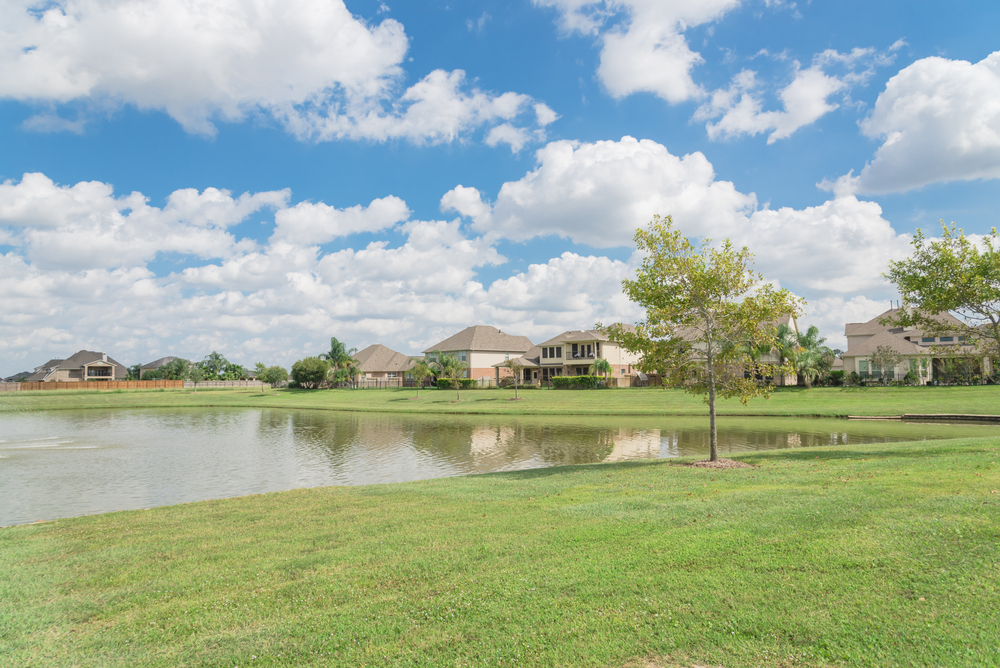
Pearland scores top marks for quality of life, affordability, healthcare access, and job market. The city sits just 20 minutes south of Houston and offers retirees access to a wide range of highly ranked hospitals within a 15-mile radius. That last point is not a minor detail – for seniors managing chronic conditions or recovering from procedures, having world-class medical infrastructure nearby is the kind of thing that makes a city worth a closer look.
Pearland benefits from mild winters, a strong job market, and plenty of outdoor shopping, entertainment, and recreation spaces. Its median home value of around $343,703 sits below the national average, making it one of the more accessible entry points among the top-ranked cities. Texas also charges no state income tax, which directly benefits retirees drawing from Social Security, pension income, or investment accounts.
The city’s growth has been remarkable – from roughly 19,000 residents to over 100,000 in the past 20 years – but the infrastructure has scaled with it. The Houston Medical Center, the largest in the world by some measures, is a short drive away, offering specialist access that smaller retirement towns simply can’t match.
4. Fishers, Indiana
Fishers is an Indianapolis suburb that shines in the top 10% for quality of life and job market, ranking No. 6 on the crime index – making it one of the safer options for retirees in the national retirement rankings. This fast-growing community offers a downtown cultural district, the lake-centric Geist District, a Smithsonian-affiliated living history museum, and various cultural events throughout the year.
The median home value in Fishers is $406,024, which puts it in a middle tier – more affordable than coastal cities but with the quality-of-life amenities that make retirement comfortable rather than merely cheap. For seniors who want culture, access to healthcare, and a sense of community without paying premium prices, Fishers keeps appearing on every list for good reason.
Indiana’s tax environment is one of the friendlier ones for retirees, and Fishers sits close enough to Indianapolis to access everything a major metro offers – concerts, specialist medical care, airport access – while keeping the day-to-day pace much more manageable. A city of just over 100,000 people that borders another top-ranked city (Carmel is seven miles away) is a rare combination.
5. Cary, North Carolina
Cary secured a spot in the top 10 of the national rankings, coming in at No. 5 on the overall list. Cary has a population of about 180,000 and a remarkably low crime rate. It’s located just 11 miles from the Research Triangle and includes 20 of the best hospitals in the state within 25 miles of its downtown.
That hospital access deserves emphasis. Twenty top-ranked hospitals within a short drive is the kind of medical infrastructure that makes seniors’ families breathe easier about a move. North Carolina is one of the most active states for 55-plus retirement. The Triangle area of Raleigh, Cary, and Chapel Hill is one of the fastest-growing in the U.S., driven partly by its appeal as a retirement destination and partly by employment opportunities in tech fields. The area’s mild climate adds to the appeal.
A 2026 Niche ranking placed Cary at No. 1 on its list of best places to live in North Carolina, giving the town top grades across several key categories including health and fitness – which tracks for a city with extensive greenway trails and a downtown built around walkability. For seniors who plan to remain active, Cary’s infrastructure actively supports that intention.
6. League City, Texas
League City places in the top 10% for quality of life and the top 5% for affordability in the 2025-2026 national rankings. This waterfront city sits 30 miles south of downtown Houston. Retirees may enjoy recreation on Clear Lake and the charming 19th-century homes in the League City Historic District.
League City’s waterfront location gives retirees something that inland suburbs often can’t: a daily environment that feels like a destination. Fishing, boating, and kayaking on Clear Lake are year-round possibilities, not seasonal treats. The city’s proximity to NASA’s Johnson Space Center also keeps the local economy diverse and stable, which matters for seniors whose adult children may be considering the area for employment.
Texas’s zero state income tax applies here too, and the city’s affordability scores reflect genuinely competitive housing costs for what you get. For seniors who want the benefits of a Houston metro area – including its internationally recognized Texas Medical Center – without living in the middle of it, League City offers a sensible middle ground.
7. Apex, North Carolina
Apex ranked No. 7 on the national list, making it the second North Carolina city in the top 10 alongside Cary. It sits within the same Research Triangle corridor, which means similar access to hospital networks, university-affiliated medical care, and a robust local economy driven by biotech, tech, and pharmaceutical companies.
Apex has a distinctly small-town feel despite its proximity to one of the fastest-growing employment corridors in the Southeast. In Apex, 55-plus communities are smaller and more intimate, which suits retirees who prefer a tight-knit neighborhood to a sprawling resort-style complex. The city’s low crime rate and consistently high livability scores make it a credible alternative to Cary for those who find the larger city’s home prices a stretch.
North Carolina’s retirement tax structure also benefits seniors. Social Security income is not taxed at the state level, and the overall state income tax rate has been declining in recent years – a practical consideration for retirees drawing from multiple income sources simultaneously.
8. Leander, Texas
Leander is the third Texas city in the top 10 of the national rankings, sitting at No. 8. Located northwest of Austin, it captures the energy and economic growth of the Austin metro while maintaining lower property costs than the city itself. The explosive growth of Austin’s tech sector over the past decade has pushed spillover development into surrounding cities, and Leander has benefited significantly.
For seniors, Leander offers access to Austin’s world-class medical facilities – including the UT Dell Medical School and several major hospital systems – along with a community that has invested heavily in parks and green spaces. Texas’s tax-friendly retirement environment applies here as well. Alaska, Florida, Nevada, New Hampshire, South Dakota, Tennessee, Texas, and Wyoming all charge zero state income tax on retirement income, making Leander – and any Texas city on this list – structurally more affordable for retirees than the sticker price alone suggests.
The city’s rapid growth has brought with it newer infrastructure, newer medical facilities, and a growing network of amenities that older communities sometimes lack. For retirees who want proximity to a major city without paying major-city prices, Leander sits in a practical sweet spot.
9. Rochester Hills, Michigan
Rochester Hills rounds out the top 10 of the national Best Places to Live rankings at No. 9. It ranks in the top 5% for quality of life and sits at No. 5 on the crime index – making it one of the safer places for retirees in the rankings. It’s a mid-size city in Oakland County, one of the wealthier counties in the state, positioned between Detroit and the smaller college city of Rochester. Oakland County consistently ranks among the nation’s best for quality of life, healthcare access, and funded local services.
The city has a lower cost of living than comparable suburbs in the Northeast or on the West Coast, and Michigan offers certain property tax advantages for seniors through its Homestead Property Tax Credit. For retirees managing housing costs carefully, those credits can make a meaningful difference across a decade. Rochester Hills also has strong hospital networks within its immediate vicinity, including Ascension Providence and Crittenton Hospital Medical Center.
The four-season climate isn’t for everyone, but for seniors who enjoy genuine winters and want to remain close to family in the Midwest, Rochester Hills offers a combination of quality infrastructure, low crime, and cultural proximity to Detroit’s arts and medical scenes without the downtown living cost.
10. Midland, Michigan
Midland’s affordability and active community, with ample senior programming, make it a desirable retirement spot. Located in central Michigan’s Lower Peninsula, Midland is a smaller city – population around 40,000 – which gives it a pace and intimacy that larger metros simply can’t replicate.
Midland is the kind of city where infrastructure has been thoughtfully maintained rather than stretched. The Tridge, a triangular wooden footbridge at the confluence of the Tittabawassee and Chippewa rivers, anchors a trail network that connects to parks, green spaces, and the Chippewa Nature Center. For seniors who want daily outdoor access without driving somewhere to find it, that kind of built environment matters. The city also scores well on culture and leisure, with high accessibility to retail and restaurants, and residents are a short drive from the edge of Lake Huron for beaches and boating.
Midland scores credibly across the dimensions that matter most to retirees: it’s affordable, it has an engaged senior community, and it has local healthcare access through MidMichigan Medical Center. Its crime ranking comes in at No. 22 nationally in the retirement rankings, and its walkability score places it at No. 55 – strong numbers for a city of its size.
11. Naples, Florida
Naples scores highest among the top 25 Best Places to Retire on senior population and migration. With 43% of its residents aged 65 and over, Naples isn’t trying to be all things to all people – it has oriented itself almost entirely around making retirement work well.
Naples offers sunny weather, beaches, top healthcare, and world-class golf. It’s geared toward retirees seeking an active, premium lifestyle – though it’s worth noting that home values in Naples run higher than most other cities on this list, so it suits retirees who have built equity over decades and are ready to deploy it. The city’s job market score also places it at No. 8 nationally, a measure of unemployment rate and median household income that signals a stable local economy even for those who want part-time work in retirement.
Florida’s tax structure is among the most generous for retirees in the country. Florida charges zero state income tax on retirement income, and the state has no estate tax, which matters for seniors thinking about what they’ll pass on. Healthcare access in Naples is strong, and the Collier County area has invested significantly in senior-oriented services, programs, and facilities.
What to Consider Before You Pack
The cities on this list share certain qualities that matter specifically to seniors: reasonable healthcare access, manageable tax environments, walkable or at least livable infrastructure, and the kind of community investment that keeps a city feeling safe and functional rather than stretched and declining. But no ranking can fully account for what matters most to an individual – proximity to family, climate tolerance, the specific specialists your health situation requires, or the feel of a neighborhood at 7am on a Tuesday.
According to new 2026 research from the LIMRA Retirement Income Institute, healthcare costs, long-term care needs, and caregiving responsibilities consistently rank as consumers’ top threats to long-term financial security – above market declines or recessions. That finding reframes the question of where to live. It’s not just about finding somewhere pleasant; it’s about finding somewhere that won’t drain your savings in hidden ways – through high property taxes, remote hospital networks, expensive everyday costs, or climate-driven energy bills.
The cities above don’t eliminate those pressures. But they reduce them – and that, more than any desirability score, is the point. No city is perfect, and every trade-off is personal. What these places share is that the trade-offs are manageable. The infrastructure works. The hospitals are close. The tax environment doesn’t punish you for having saved. That combination is rarer than it should be, which is exactly why the cities on this list keep showing up on every serious ranking year after year. If you’re doing the math on your next move, these are worth putting at the top of your research list.
AI Disclaimer: This article was created with the assistance of AI tools and reviewed by a human editor.