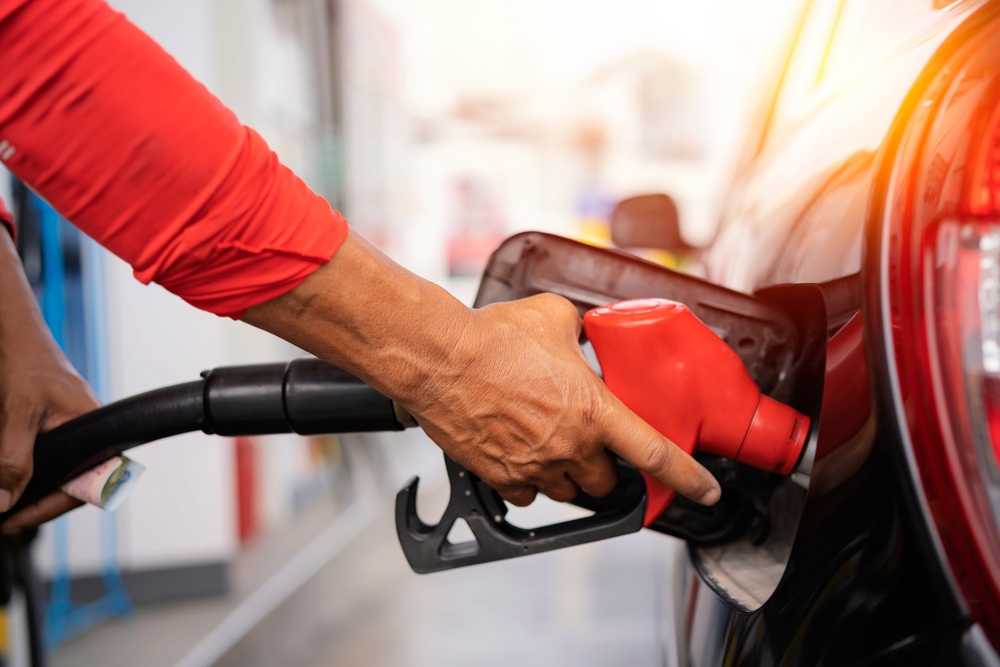

Every time you pull up to the pump right now, there’s a small, specific kind of dread that kicks in before the numbers even start spinning. You know it’s going to be bad. You’re just not sure exactly how bad. The kind of bad where you reconsider whether you actually need to run that errand, or whether you could batch it with something else on Friday.
That feeling has gotten more acute in 2026. AAA reported that the national average for regular gas surged above $4.50 per gallon in early May, reaching $4.536 – up more than five cents in a single day. For context, that’s still below the all-time high of $5.01 reached in June 2022, but it’s more than a dollar above where prices were at the start of May 2025. The climb is being driven largely by military operations in the Middle East and the subsequent pressure on the Strait of Hormuz, which has squeezed global oil supply.
The instinct, when prices get this high, is to look for dramatic solutions: buy a hybrid, move closer to work, stop driving altogether. But most of us are working with the life we already have. The more useful question is: are there things you can do right now, with your current car and your current commute, that will actually put money back in your pocket at the pump? There are three that have proven their worth, and none of them require you to change your life.
1. Sign Up for a Gas Station or Grocery Loyalty Program
The phrase “loyalty program” has the faint energy of something your mother suggests, and then you feel vaguely embarrassed for not having done it already. But at over $4.50 a gallon, this is genuinely not the moment to let pride get in the way.
Enrolling in a gas station rewards program is one of the more straightforward ways to reduce your fuel spend. They’re usually free to join, and members get a few cents back for every gallon they purchase. The actual numbers vary by chain. Shell’s Fuel Rewards program uses a tiered structure with Silver, Gold, and Platinum tiers. New members start automatically at Gold status, saving at least 5 cents per gallon on every fill-up, while Platinum members save a minimum of 10 cents per gallon by completing six fill-ups of Shell V-Power NiTRO+ Premium Gas per quarter, or 12 with other grades.
BP’s Earnify program gives 5 cents off per gallon at BP and Amoco stations, with the ability to earn additional savings through BP convenience store purchases. BP has also teamed up with Amazon to offer Prime members a 10-cent-per-gallon discount at the pump.
Grocery chains are another strong option, especially for families who already consolidate their food shopping. Kroger shoppers, for example, earn one fuel point for every dollar spent, with 100 points equaling 10 cents off per gallon. Safeway and Stop & Shop both offer similar programs that allow customers to convert grocery points into gas discounts. The practical upside is that you’re earning savings on gas by buying things you were going to buy anyway. That’s just paying attention.
Walmart+ members can take it even further, saving 10 cents per gallon at over 13,000 stations nationwide, including Exxon and Mobil stations. If you’re already a Walmart+ subscriber for the delivery benefits, you may not have realized the fuel discount exists. Now you do.
2. Use a Gas Price App, Especially GasBuddy
The gap between the most expensive and least expensive gas in a given city is bigger than most people assume. A 2026 analysis by Upside, a cashback app, found that gas prices within most U.S. cities vary from 13 to 33 cents per gallon for regular grade fuel. That spread means someone driving a few miles in the wrong direction can pay significantly more than their neighbor who simply checked before leaving the house.
If you’ve ever circled a few blocks looking for the cheapest station, you already know why GasBuddy exists. The app has been the default price-finder for US drivers for over a decade, and in 2026 it’s still the most-installed gas app on both the App Store and Google Play. The core function is simple: GasBuddy crowdsources prices from millions of drivers who report fill-ups, so the data refreshes constantly. You open the app, see what’s near you, and head to the cheaper pump.
GasBuddy also has a payment layer worth knowing about. With the Pay with GasBuddy+ card, you can save up to 30 cents per gallon on every fill-up at stations nationwide, everywhere Mastercard is accepted, and it’s free to join. The card works like a debit card linked to your checking account, which some people find less convenient than using a credit card. One of its best features, though, is that you can stack it with other fuel rewards programs. You can still enter your Fuel Rewards number at the pump when you use your Pay with GasBuddy+ account, meaning Shell Fuel Rewards Platinum members stacking GasBuddy Premium could theoretically save over 30 cents per gallon at some stations.
A commuter who routes to the cheapest station each week using the price-finder alone often saves another $80 to $150 a year just from the map. Add the card savings and the total annual benefit lands at $100 to $300 for most drivers. That’s not nothing. That’s a car payment. That’s several tanks of gas, essentially free.
There’s a competing app worth knowing about too. Upside takes a different approach entirely: it ignores pump price and pays you per-gallon cashback at partner stations after you claim an offer in the app. The cashback typically runs 10 to 25 cents per gallon, paid into a wallet you can cash out via PayPal or bank transfer. A driver who fills up twice a week with an Upside offer of 15 cents per gallon saves roughly $180 a year. Stack that with a cashback credit card and the number doubles. Both apps are free to download. Many drivers keep both on their phone and check which one offers the better deal at the specific station they’re at.
3. Fill Up at a Warehouse Club
This is the one that requires the most upfront commitment – a paid membership – but the math tends to make the case pretty quickly.
According to the latest data from OPIS (Oil Price Information Service), a Dow Jones company, fuel at Costco costs 34 cents less than the national average, while Sam’s Club and BJ’s come in 26 cents lower. Costco gasoline is Top Tier certified, meeting a detergent additive standard developed by GM, BMW, Toyota, Honda, and Volkswagen that requires higher additive concentrations than the EPA minimum. The fuel itself comes from the same regional refineries and pipelines that supply branded stations. So the lower price isn’t a quality trade-off. It’s a margin trade-off. Warehouse clubs operate on the model of making money from memberships and merchandise, not from your gas.
Costco currently charges $65 per year for a Gold Star membership and $130 for an Executive membership. Sam’s Club implemented its first major fee hike in years on May 1, 2026, with its Club membership rising from $50 to $60 per year and its Plus membership rising from $110 to $120 per year. Even at those rates, a driver saving 15 cents per gallon over 50 fill-ups per year saves $112.50 in gas alone – enough to cover the cost of a basic membership with a few dollars left over, before any other warehouse savings factor in.
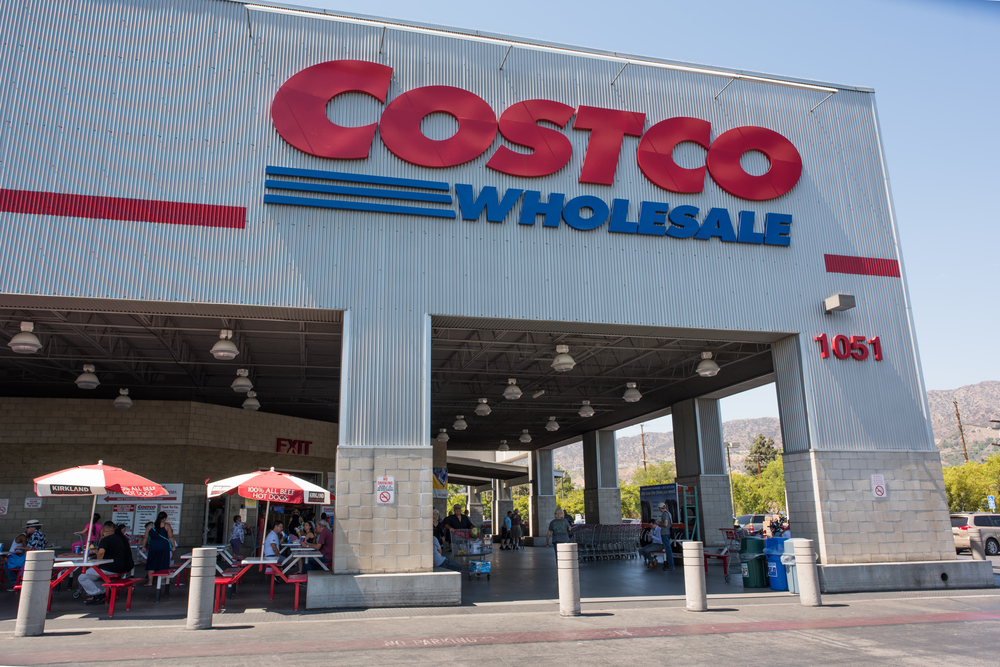
Costco’s stations are known for long lines, though the company has extended hours at many locations, now operating from 6:00 a.m. to 10:00 p.m. on weekdays. If you want to avoid the wait, Tuesday through Thursday between 6 and 9 a.m. typically sees the shortest lines, often under five minutes. Sam’s Club has invested in technology to reduce wait times, with a Scan & Go app that lets members pay for gas directly from their smartphones. By the time you get to the pump, you scan a QR code and start fueling, which eliminates fumbling with cards at the terminal.
The real payoff with warehouse clubs is what happens when you combine the membership gas savings with one of the cashback apps from tip two. Use GasBuddy to confirm your Costco is the cheapest option in your area, then pay with a cashback credit card if the station accepts it. You’re stacking three separate discount mechanisms without doing anything exotic.
The Small Decisions That Add Up
Patrick De Haan, head of petroleum analysis at GasBuddy, put the underlying logic plainly: most drivers overpay because they default to whatever station is closest and never think to shop around. His follow-up point is worth sitting with: the gasoline at your nearest station and the gasoline 2 miles away is almost certainly coming from the same refinery. The price difference is pure habit tax.
That’s the real thing these three approaches have in common. None of them are complicated. None require sacrifice or lifestyle change. What they require is one decision, made once, that keeps paying you back every time you fill up. Sign up for a loyalty program today and it takes five minutes. Download GasBuddy and it’s done in two. Check whether your existing Walmart+ or Amazon Prime subscription already includes a fuel discount you’ve never activated.
Gas prices aren’t going to behave. The forces driving them – global supply disruptions, geopolitical tension, the seasonal summer blend switchover – sit entirely outside your control. But the 20 to 40 cents per gallon you’re leaving on the table every single fill-up? That part is completely within reach. The pump is going to be expensive for a while. You might as well stop paying the premium that comes with simply not knowing.
AI Disclaimer: This article was created with the assistance of AI tools and reviewed by a human editor.