

Buying a home is one of the most significant financial decisions a person makes. The mortgage, the inspection, the moving costs – most buyers plan meticulously for all of it. What catches nearly everyone off guard is what comes after. The appliances, systems, and structures that make a house livable don’t last forever, and when they fail, they rarely do so with much warning or much mercy on the bank account.
Homeownership in 2026 carries a repair burden that is measurably heavier than it was a decade ago. Inflation in labor costs, materials, and supply chains has pushed the price of every major home repair upward. A system that might have cost $6,000 to replace five years ago may now run twice that. Tariffs affecting imported building materials have added further unpredictability to contractor quotes that were already difficult to anticipate.
This report is a comprehensive financial briefing on the ten costliest categories of home repair that American homeowners currently face. The figures here are drawn from 2025 and 2026 industry data. The goal is not to alarm – it is to equip. Homeowners who understand these costs before they encounter them are far better positioned to budget, maintain their properties proactively, and make informed decisions when contractors are standing at the door.
Categories of Home Repair
Ten categories of home repair consistently generate the largest, most unexpected expenses for American homeowners: HVAC systems, roofing, foundation issues, water damage, mold remediation, plumbing and septic systems, electrical systems, major appliances, structural wood and pest damage, and drainage and grading failures. Across these categories, individual repair or replacement events frequently run between $5,000 and $30,000, with worst-case scenarios reaching six figures. The single most effective cost-management strategy across all ten categories is the same: early detection and preventive maintenance.
1. HVAC Systems
No home repair category generates sticker shock quite as reliably as HVAC. Heating, ventilation, and air conditioning systems are the circulatory systems of a house – when they fail, there’s no comfortable way to wait.
As of 2026, the average cost to replace an HVAC system ranges from $11,590 to $14,100. For a typical 2,000- to 2,500-square-foot home, expect to pay around $13,430 for a combined air conditioning and gas furnace setup. At the higher end, Bryant’s 2026 pricing guide notes that the total cost to replace a complete HVAC system can reach $28,000 nationally, depending on system type, efficiency ratings, home size, and installation complexity.
If the home’s ductwork also needs replacement, that adds roughly $2,100 to $4,000 for a 2,000-square-foot home. The compressor is among the most expensive individual components to replace, with costs ranging from $1,500 to $3,000, including parts and labor – a figure that often makes full system replacement the more economical choice for older units.
Most systems last 15 to 20 years before replacement becomes more practical than continued repair. A useful decision-making heuristic: multiply the system’s age by the cost of the current repair. If the result exceeds $5,000, replacement is usually the wiser investment – a 12-year-old unit needing a $500 repair equals $6,000 on that scale, which tips toward replacement.
Practical takeaway: Schedule annual HVAC maintenance. Budget for replacement if your system is over 12 years old. Qualifying heat pumps and high-efficiency systems may earn up to $2,000 in federal tax credits. The ENERGY STAR Rebate Finder lets you enter your zip code and filter by equipment type to find both utility and state rebate programs in one search. Always check before paying full price.
2. Roof Replacement
A failing roof is not just a weather problem. It is a water damage problem, a mold problem, and a foundation problem waiting to happen. Everything that follows in this report can be triggered by a compromised roof.
In 2025, most homeowners can expect to pay between $9,500 and $11,000 for a complete roof replacement, according to Ridge Top Exteriors, with the typical range spanning $7,000 to $14,500. Larger homes with complex designs or premium materials can exceed $25,000.
Labor alone accounts for 50 to 60 percent of the total price, averaging $3.00 to $7.00 per square foot. Tear-off and disposal of old materials adds $1,000 to $3,000 to the total. Material choice matters significantly: asphalt shingles remain the most popular choice, with basic three-tab shingles running $3.43 to $4.65 per square foot and architectural shingles costing $4.11 to $5.57 per square foot, according to roofingcalculator.com, offering a longer lifespan due to their 30-year warranty and increased durability. Metal roofing is more durable and growing in popularity, with the potential to last 50 years or more with minimal maintenance, though the upfront cost is considerably higher.
One easily underestimated cost is underlying deck repair: if rotted or damaged decking is found after the old roof is removed, those repairs are necessary to ensure a safe, solid foundation for the new surface.
Practical takeaway: Inspect the roof every spring and fall. Address missing flashing, loose shingles, or clogged gutters immediately. Homeowner’s insurance typically covers replacement for damage from a sudden event like a storm, hail, or fallen tree – always file a claim before paying out of pocket.
3. Foundation Repair
Foundation problems are the ones homeowners fear most – and often delay the longest. That combination is expensive.
Foundation repair averages $5,174, with most homeowners spending between $2,225 and $8,134. In more extreme cases, the bill can reach $16,000. If the entire foundation requires replacement, homeowners should expect to spend between $20,000 and $100,000.
The range is wide because foundation problems span a wide spectrum. The simplest fix – sealing cracks – costs $250 to $800. If the foundation is sinking, settling, or pushing walls inward, the price climbs fast. Underpinning a basement costs $1,000 to $3,000 per pier, and most major stabilization projects involve raising the foundation, excavation, and installation of hydraulic piers.
Warning signs are often subtle before they become obvious. Cracked walls, water leaks, sticking doors and windows, uneven floors, and bowing basement walls are all indicators worth investigating. Fixing foundation problems early is one of the most financially sound decisions a homeowner can make – small cracks and minor settling can quickly lead to water intrusion, structural instability, and compromised safety if left unaddressed.
Practical takeaway: Use local contractors familiar with regional soil and climate conditions, as they often offer more cost-efficient and effective solutions. Get a structural engineer’s independent assessment before committing to a repair plan.
4. Water Damage Restoration
Water damage is the great accelerant. It turns a $300 problem into a $30,000 problem with remarkable efficiency, particularly if it goes undetected for even a few days.
On average, water damage restoration costs homeowners $3,863, with most spending between $1,383 and $6,381. Severe cases involving multiple rooms, structural damage, or Category 3 contamination – sewage or floodwater, which requires full professional remediation – can push costs to $15,000 to $30,000 or beyond. If an entire home is affected by a water emergency, restoration can reach $50,000 or more.
The type of water involved drives a significant portion of the cost. Most homeowners pay between $3 and $10 per square foot, depending on the type of water and how quickly the situation is addressed. Clean water costs less; black water or mold drives up the price.
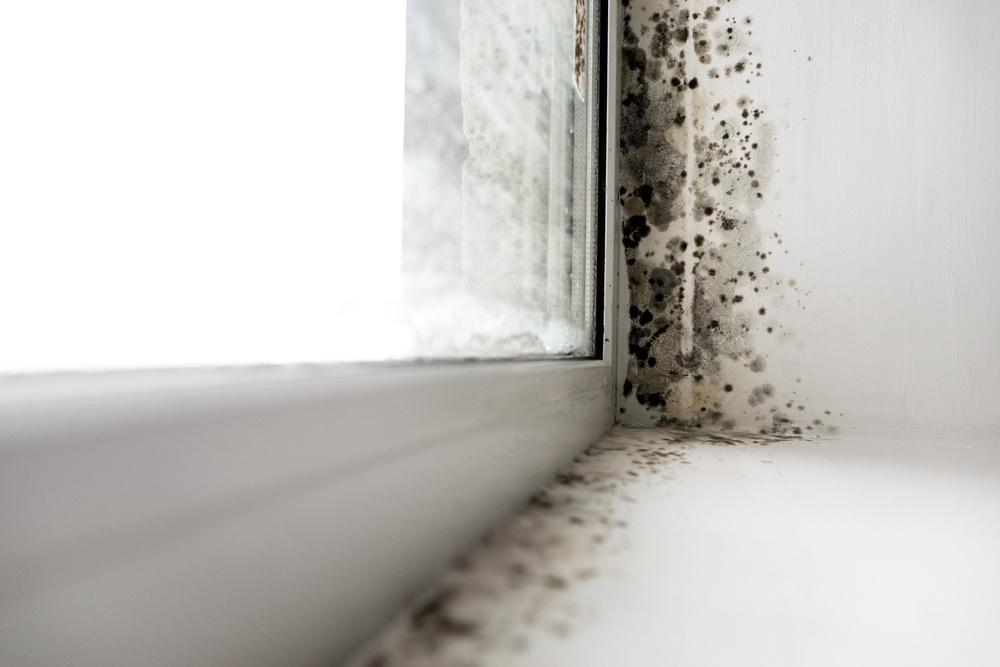
Mold growth begins within 24 to 48 hours of water exposure, making quick response critical for cost control. Most insurance policies help with sudden, accidental damage but do not cover mold or structural issues that result from slow leaks or delays in cleanup.
Practical takeaway: Consider investing in water detection devices, regular plumbing inspections, and proper appliance maintenance. Document damage immediately with photos and video before calling the insurer.
5. Mold Remediation
Mold is water damage’s second act – and it is frequently more expensive than the original problem that caused it.
Mold remediation costs $1,200 to $3,750 for most homeowners in 2026, with a national average of around $2,300 to $2,400. Per-square-foot pricing runs $10 to $25, and whole-house projects can reach $10,000 to $30,00. Costs vary significantly by location in the home: bathroom mold is often the least expensive to address, while HVAC system contamination and whole-house remediation are the most costly. The EPA recommends drying water-damaged areas and items within 24 to 48 hours to prevent mold growth. Typical professional remediation takes one to five days depending on severity.
Mold is a known allergen and can lead to respiratory problems in adults and children; those with asthma or other respiratory conditions face even greater health risks from mold exposure. Beyond health, mold can trigger structural damage to drywall, insulation, and wood framing.
Insurance may cover mold when it results from a covered peril like sudden water damage, but gradual leaks and flood-related mold are commonly excluded.
Practical takeaway: For surface mold covering less than about 10 square feet, roughly a 3 ft. by 3 ft. patch, the EPA notes that in most cases homeowners can handle the job themselves. Anything larger, anything involving HVAC ducts, or anything with an unclear source requires a certified professional.
6. Plumbing Failures
Plumbing problems range from the mildly annoying to the genuinely catastrophic, and the cost spread reflects that span entirely.
Routine plumbing repairs are manageable: hiring a plumber to fix smaller problems costs an average of $335. But the more consequential failures – burst pipes, failing water heaters, corroded supply lines in older homes – carry a very different price tag. Restoration alone following a plumbing failure costs $3.50 to $7.50 per square foot. When drywall, flooring, cabinetry, mold remediation, and personal property are factored in, a single plumbing failure can generate a $25,000 to $50,000 claim.
Older homes carry particular risk. Galvanized steel pipes, which were standard before the 1960s, corrode from the inside out. Cast iron drain pipes from the same era crack and collapse. Polybutylene pipes – used widely in homes built between roughly 1978 and 1995 – are known to fail without warning. Homeowners in older properties should budget proactively for full pipe replacement, not just repairs as they arise.
Practical takeaway: Schedule a plumbing inspection every two to three years. Know where your main water shutoff valve is located – the first 30 seconds after a pipe bursts determines how much of your home gets soaked.
7. Septic Systems
For the approximately one in five American households not connected to a municipal sewer system, the septic system is quietly one of the most expensive time bombs on the property.
Average septic tank repair costs run $1,828, with most homeowners spending between $628 and $3,040. But repair and replacement are very different numbers. The average cost to install a septic system ranges from $3,596 to $12,473, with most homeowners spending around $8,034. Full drainfield replacement – one of the most common major failures – costs $5,000 to $15,000. Complete system replacement, meaning both tank and drainfield, runs $8,000 to $20,000.
A septic system lasts 20 to 40 years on average if properly installed and maintained. Leach fields, however, have a shorter average lifespan of 15 to 25 years. Most standard homeowner policies do not cover septic repairs because they are considered maintenance rather than sudden damage.
Warning signs that something is wrong include noticeable odors, unusual moisture in the yard, gurgling noises from the plumbing, excessive vegetation over the drain field area, and slow drainage or standing water near the drain field.
Practical takeaway: An annual inspection and a pump-out every three to five years are the two most effective ways to extend the life of a septic system and avoid catastrophic failure.
8. Electrical System Failures
Electrical problems are simultaneously the most dangerous category on this list and the most likely to be invisible until they become an emergency. Outdated wiring doesn’t announce itself – it shows up as a house fire or a failed home inspection.

Homes built before 1980 may still contain aluminum wiring, knob-and-tube wiring, or Federal Pacific electrical panels – all of which present fire risk and require remediation. A full home rewire typically costs between $8,000 and $15,000 depending on home size, age, and accessibility. Panel replacement averages $1,800 to $4,000 for a standard 200-amp upgrade.
The hidden financial risk is insurance: many providers now refuse to insure homes with Federal Pacific Stab-Lok panels or aluminum wiring without remediation, which can delay or block a home sale entirely. Addressing these issues before they become transactional emergencies is almost always less expensive than doing so under deadline pressure.
Practical takeaway: If your home was built before 1980, schedule an electrical inspection with a licensed electrician. Know the age and brand of your panel – it matters for both safety and insurability.
9. Major Appliance Failure
Individual appliances don’t carry the dramatic price tag of HVAC or roofing, but the cumulative cost of appliance failure across a household – particularly in the same year – can genuinely strain a household budget.
Water heaters are among the most predictable failures. Most systems have a useful life of 15 to 20 years (water heaters typically run 8 to 12 years, sometimes less for tankless models in hard-water areas), and replacement typically costs $900 to $1,500 installed for a standard tank unit, or $1,800 to $4,500 for a tankless system. Refrigerators, washers, dryers, and dishwashers each carry replacement costs of $700 to $2,500 or more, depending on brand and configuration.
The real vulnerability is clustering. Appliances installed when a home was built tend to fail within a few years of each other. A homeowner who bought a house with all original 15-year-old appliances should plan for a major replacement wave, not just a single item at a time.
Practical takeaway: Keep a home inventory with each appliance’s purchase year and expected lifespan. Stagger replacements strategically where possible rather than being forced into same-year replacements by simultaneous failures.
10. Structural Wood Damage and Pest Infestation
Termites, carpenter ants, wood-boring beetles, and moisture-driven wood rot all operate invisibly and deliberately. By the time evidence appears at the surface – bubbling paint, soft spots in flooring, sagging sills – the damage behind the wall is typically far more extensive.
Termite treatment alone runs $500 to $3,000 depending on infestation size and treatment method, but structural repair following a significant infestation routinely runs $5,000 to $20,000 or more, particularly when floor joists, sill plates, or load-bearing framing are involved. Wood rot remediation in crawl spaces or around windows and doors, if caught early, costs $500 to $2,500. If it has spread into structural members, the cost rises sharply.
The regional dimension matters here. Subterranean termites are most active in the South and Southeast, where warm, moist conditions support large colonies year-round. Homes in these areas that don’t carry active termite warranties or annual inspection contracts carry meaningfully higher long-term risk.
Practical takeaway: Annual termite inspections in high-risk regions are worth the $75 to $150 cost. Check crawl spaces and attics at least once a year for soft wood, frass (insect waste), mud tubes, or visible rot.
What to Do Now
The most important number in home repair isn’t any of the figures above – it’s the amount sitting in a dedicated home maintenance reserve. Financial planners broadly recommend setting aside 1 to 2 percent of a home’s purchase price annually for maintenance and repairs. On a $400,000 home, that means $4,000 to $8,000 per year. For older homes, some advisors push that figure toward 3 to 4 percent, reflecting the higher probability of major system failures. Most homeowners hold far less than that in reserve, which is why so many of the repairs described above arrive as genuine financial crises rather than manageable planned expenses.
Beyond savings, the discipline that reduces costs most reliably across all ten categories is the same: scheduled, documented preventive maintenance. HVAC filters, roof inspections, gutter cleaning, annual plumbing checks, septic pump-outs, crawl space moisture monitoring – none of these are expensive individually, and all of them exist to prevent situations that are. The homeowner who spends $500 a year maintaining systems proactively is the one who avoids the $15,000 emergency five years down the road. That is not optimism – it is actuarial reality, and every contractor in every trade will confirm it without hesitation.
The other practical move is sequencing. Not every homeowner can absorb a $12,000 roof replacement and a $14,000 HVAC replacement in the same calendar year. But most can, with enough lead time, plan for them separately. Start with a full home assessment from a licensed inspector – not just at purchase, but every five years or so. Ask specifically about system ages. An inspector who tells you your HVAC is 14 years old and your roof was last replaced in 2008 has just handed you a prioritized financial roadmap. Use it. The repairs in this guide are not if propositions for most homeowners – they are when propositions. The variable is whether you meet them prepared or scrambling.