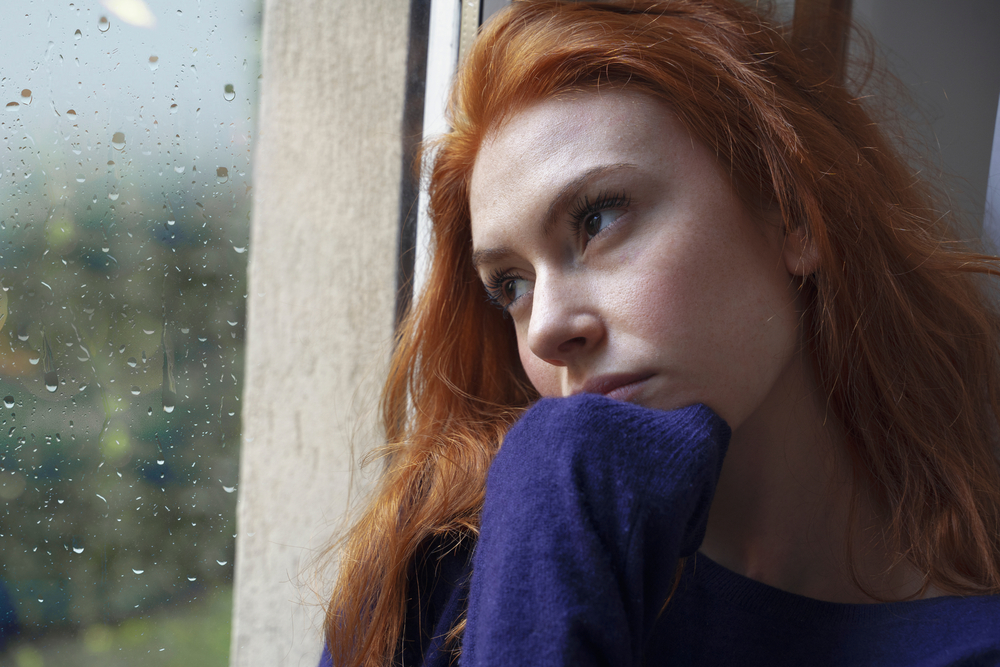

There is a common belief that people who enjoy being alone must be lonely, unhappy, distant, or socially awkward. That idea has been repeated for years, yet it misses something important. Many people who prefer time alone are not withdrawing from life at all. In many cases, they are protecting their energy, thinking deeply, building inner stability, and choosing quality over noise.
Preferring solitude is not the same as rejecting people. It often means someone values meaningful connection rather than constant connection. It can mean they recharge through space, process life internally, and think before they speak. In a world that often rewards volume, speed, and nonstop availability, the person who is comfortable alone can seem unusual. In reality, that comfort often reflects strength. Being alone can reveal character in ways crowds cannot. When someone enjoys their own company, they are less likely to chase approval, follow trends blindly, or stay in unhealthy situations just to avoid silence. They learn how to sit with themselves, which many people never fully do.
This does not mean every person who likes solitude has life figured out. Nor does it mean social connection is unimportant. Humans need relationships. However, the ability to be alone without feeling empty is a valuable skill. It can support mental health, sharper judgment, creativity, and emotional resilience. The hidden strength behind preferring to be alone is not about isolation. It is about self-possession. It is about being rooted enough within oneself that presence from others becomes a choice, not a crutch.
Being Comfortable Alone Builds Inner Independence
Many people depend heavily on outside stimulation. If plans are canceled, messages slow down, or the room becomes quiet, discomfort quickly appears. Someone who prefers being alone often develops a different kind of stability. They know how to create structure without needing others to entertain them. They can manage their mood without always outsourcing it. They often learn how to enjoy reading, walking, learning, creating, organizing, or reflecting without needing an audience. That matters because independence is not just financial or practical. Emotional independence is equally valuable. It means being able to stand on your own feet internally.
A person who can spend time alone without panic is often harder to manipulate. They are less likely to tolerate poor treatment simply because they fear being by themselves. They can leave draining friendships, unhealthy relationships, or shallow circles because solitude does not frighten them. This creates freedom. When loneliness drives every decision, people settle. When self-respect guides decisions, standards rise.
Inner independence also supports better choices. Someone who is not desperate for company can ask useful questions. Is this friendship reciprocal? Is this relationship healthy? Is this invitation aligned with my values? They do not need to say yes to everything just to fill time. That ability to choose rather than cling is a quiet but powerful strength.

Solitude Often Creates Stronger Self-Awareness
Constant social input can blur what someone actually feels, wants, or believes. Time alone can clear that fog. People who spend healthy time by themselves often become more aware of patterns. They notice what drains them. They identify what excites them. They recognize habits that need changing. They become familiar with their triggers, preferences, and limits. Self-awareness is not glamorous, but it changes lives. It improves relationships, work decisions, emotional regulation, and confidence. Someone who knows themselves well is less likely to be swept into trends that do not suit them. They are less likely to copy lifestyles that look impressive but feel empty. They are better able to say, “That works for others, but not for me.”
Solitude can also reveal unresolved issues. That may sound uncomfortable, and sometimes it is. Yet avoiding discomfort does not remove it. It only delays it. People who can sit alone with their thoughts often have more chances to heal because they notice what still needs attention. This can include grief, insecurity, resentment, old fears, or neglected dreams. Awareness is the first step toward change. Many people chase distractions for years. The person who spends time alone may face truth sooner. That honesty becomes strength later.
They Usually Value Depth Over Surface-Level Attention
Not everyone who likes solitude dislikes people. Often the opposite is true. They simply prefer sincerity over constant interaction. Some people feel drained by endless small talk, performative social scenes, or relationships built only on convenience. They may prefer one meaningful conversation over ten shallow ones. They may choose a few trusted friends rather than a wide but weak network. That preference can be misunderstood. Others may assume they are cold, antisocial, or arrogant. In reality, they may simply be selective.
Selectivity is useful. It protects time, energy, and emotional bandwidth. Every connection carries some influence. The people around someone shape mood, habits, standards, and perspective. Those who are comfortable alone often know this. Because they do not need to fill silence with random company, they can be more careful about who enters their life.
This tends to create stronger relationships. When they choose people, they often choose intentionally. They invest deeply once trust is earned. They may not spread themselves thin across dozens of casual bonds. Quality usually requires discernment. Discernment often requires patience. Both are strengths.
Solitude Can Improve Emotional Regulation
Many people react quickly when uncomfortable feelings appear. They reach for distraction, argument, impulse spending, or social reassurance. While everyone does this at times, constant avoidance weakens resilience. People who spend time alone often practice sitting with feelings more regularly. They learn that sadness passes. Stress changes shape. Anxiety can be managed. Frustration does not need immediate action. This does not mean they never struggle. It means they may build familiarity with internal weather instead of fearing every storm. Emotional regulation grows when someone can pause before reacting. Solitude often gives space for that pause.
Instead of exploding in anger, they may reflect first. Instead of texting ten people in panic, they may calm themselves and think clearly. Instead of chasing instant comfort, they may tolerate discomfort long enough to choose wisely. These skills matter in work, relationships, parenting, and conflict. Someone who can regulate themselves is easier to trust. They are less chaotic under pressure. They are less likely to turn every emotion into everyone else’s emergency. That steadiness often forms quietly in the hours no one sees.
They Tend To Think More Deeply
Crowded schedules and nonstop chatter can keep thinking shallow. There is little room for reflection when attention is constantly divided. Many people who prefer being alone develop strong thinking habits. They replay experiences, examine motives, connect ideas, and ask better questions. They often become strong observers. Observation is underrated. It helps people notice inconsistencies, opportunities, risks, and patterns others miss. This can show up in many ways:
- Better Judgment – They may read situations accurately because they notice tone, behavior, and context.
- Stronger Creativity – Ideas often emerge in silence. Writers, designers, inventors, and problem-solvers frequently need uninterrupted thought.
- More Original Opinions – Without constant group pressure, they may think independently rather than repeating what is popular.
- Clearer Priorities – Reflection helps separate what feels urgent from what truly matters. Of course, thinking can become overthinking if unmanaged. But thoughtful people who balance reflection with action often become wise decision-makers. The ability to think for oneself remains one of the strongest forms of independence.
They Are Often Harder To Control
People who fear being alone are easier to pressure. They may stay where they are disrespected, conform to groups they dislike, or silence themselves to keep belonging.
Someone who is comfortable alone has leverage. They know they can walk away. That changes everything. A manipulative friend loses power when guilt no longer works. A poor partner loses power when loneliness is no longer a threat. A toxic workplace loses power when fear of social exclusion no longer controls choices. This does not make solitary people aggressive. It often makes them freer.
Freedom is powerful because it allows honesty. Someone who can tolerate standing apart can speak truth more easily. They can say no. They can disagree. They can leave. Many people admire courage without realizing that comfort with solitude often supports it. If losing the crowd feels survivable, integrity becomes easier.
Preferring Solitude Can Protect Mental Energy
Modern life is noisy. Notifications, opinions, expectations, and endless access can wear people down. Social energy is real. Even enjoyable interactions can consume attention. People who like being alone often understand recovery. They notice when they are overstimulated and step back before burnout deepens. That awareness can protect health.
Mental energy affects patience, concentration, sleep, and mood. Someone who never gets enough space may become irritable or scattered without understanding why. Solitude can reset the nervous system. A quiet walk, an evening alone, reading without interruption, or simply not performing for anyone can be deeply restorative. This is especially true for people who work with customers, teams, clients, or the public all day. Choosing solitude afterward may not be avoidance at all. It may be wise maintenance. Rest is not laziness. Space is not failure. Sometimes the healthiest decision is fewer inputs.
They Usually Develop Stronger Interests And Skills
When someone spends time alone productively, they often build substance. Hours that might be spent chasing random plans can instead go toward learning, training, creating, or practicing. This can include fitness, art, coding, cooking, music, reading, business ideas, gardening, language study, or craftsmanship.
Skill grows in repeated private effort. Many accomplishments are built away from crowds. Nobody applauds the early drafts, practice sessions, failed attempts, or slow progress. Yet that unseen work matters most.
People who enjoy being alone may be more willing to tolerate that phase. They do not need constant external excitement. They can commit to long stretches of focused effort. Over years, this compounds. The result may look like talent from the outside. Often it is consistency developed in solitude.
They Can Be Present In Relationships Without Losing Themselves
Some people merge into relationships so fully that identity fades. Their hobbies disappear. Their boundaries weaken. Their mood depends entirely on the other person.
Those who are comfortable alone often bring a healthier balance. Because they already know how to exist independently, they may be less likely to treat a partner as their whole world. They can love deeply while still maintaining self-respect, routines, and perspective.
This benefits both people. Healthy closeness needs connection, but it also needs space. Two individuals choosing each other usually create stronger dynamics than two people trying to complete each other.
Someone who values solitude may also respect a partner’s need for space. They understand that distance is not always rejection. Sometimes it is restoration. Relationships often improve when neither person fears occasional separateness.
Solitude Helps Build Resilience During Life Changes
Life includes seasons where the company naturally decreases. Moves, breakups, grief, career changes, illness, and aging can all reduce social contact. People who cannot tolerate being alone may struggle intensely during these phases. Silence feels threatening. Empty time feels unbearable. Those who have already developed comfort with solitude often adapt better. They still feel pain, but they are not meeting aloneness for the first time.
They know how to structure days. They know how to self-soothe. They know how to create meaning without constant external activity. This resilience can be life-changing. It allows recovery after heartbreak. It supports courage after loss. It creates stability during uncertainty. The person who learned to stand alone before they had to often suffers less when life becomes difficult.
When Preferring To Be Alone Can Become Unhealthy
Balance matters. Not every preference for solitude is strength. Sometimes isolation is a signal of pain. If someone withdraws because of depression, severe anxiety, shame, trauma, or hopelessness, support may be needed. If relationships are avoided entirely due to fear, that is different from healthy solitude.
Warning signs can include:
- Persistent Misery – Being alone feels painful but feels impossible to change.
- Fear-Based Avoidance – All connections are rejected due to panic or distrust.
- Loss of Function – Work, health, hygiene, or responsibilities decline.
- Total Emotional Shutdown – No desire for joy, growth, or connection remains.
Healthy solitude restores. Harmful isolation shrinks life. The difference often lies in choice. If being alone is chosen freely and enriches life, it can be healthy. If it feels like a prison, something deeper may need attention.
How To Use Solitude As A Strength
Preferring time alone becomes most valuable when used intentionally. Used well, alone time becomes fuel rather than escape.
- Protect Time Without Hiding – Create space regularly, but do not disappear from everyone who matters.
- Build Something In Private – Use solitude to learn, create, heal, train, or reflect.
- Maintain Key Relationships – A few strong bonds matter more than endless contact.
- Notice Your Motive – Are you choosing space for renewal, or avoiding necessary growth?
- Return Stronger – Good solitude should improve how you show up with others.
Final Thoughts
The hidden strength behind preferring to be alone is rarely obvious at first glance. Society often rewards noise, visibility, and constant interaction, so quiet independence can be misread. Yet many people who enjoy solitude carry traits that serve them well: self-awareness, discernment, emotional steadiness, resilience, and freedom from unhealthy dependence.
They know how to enjoy company without needing it. They know how to listen to themselves in a loud world. They know how to walk away when something is wrong. They know how to build in silence.
Being alone is not automatically a strength, and being social is not automatically a weakness. Both have value. But the ability to stand comfortably in one’s own presence is a rare advantage. Someone who prefers to be alone may not be missing out at all. They may be building something many people spend years trying to find within themselves.
A.I. Disclaimer: This article was created with AI assistance and edited by a human for accuracy and clarity.